
The journal
Cat care writing that respects your time and your cat's opinions.

How to bathe a cat: when it is needed, and how to survive it
How to bathe a cat without bloodshed: when a bath is genuinely needed, the setup, the step-by-step, and when to call a groomer instead.
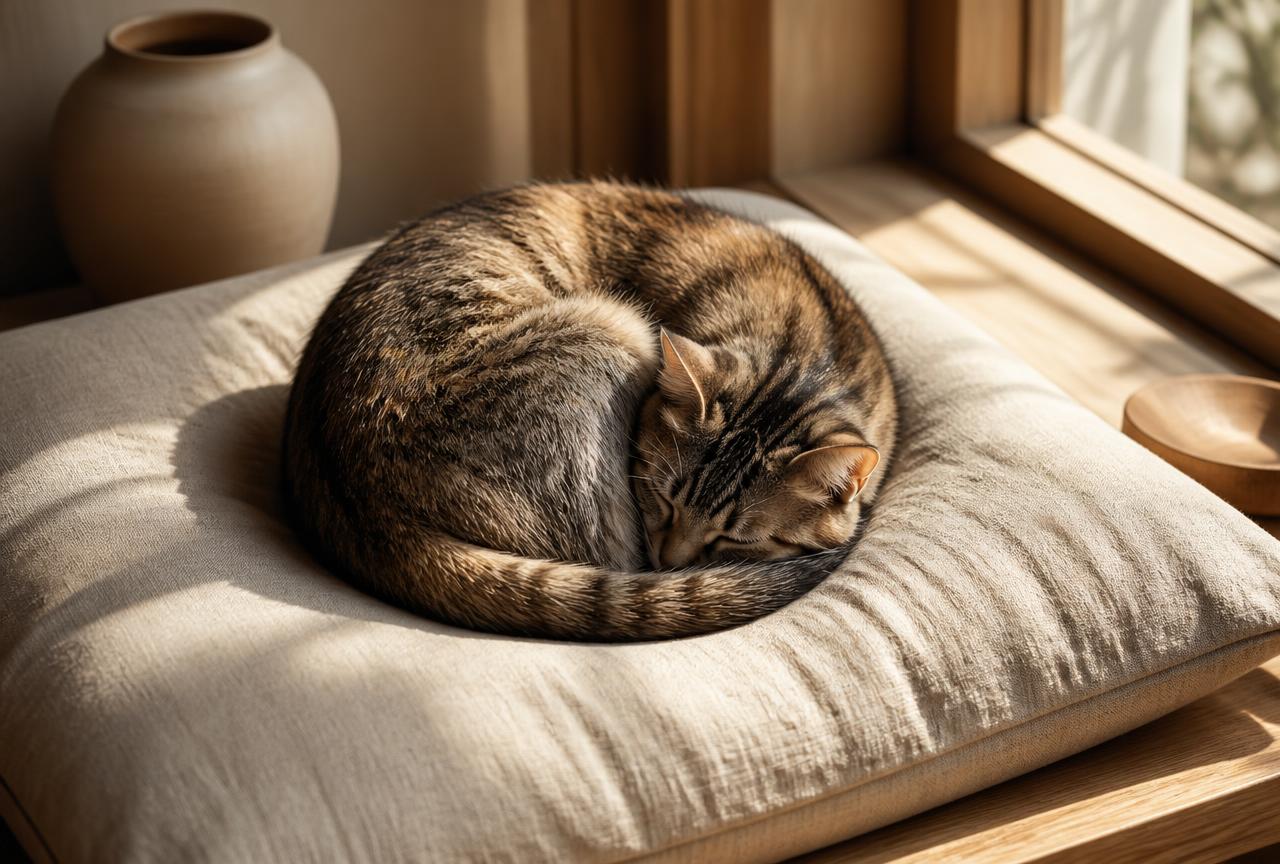
Why do cats sleep so much? Normal hours, odd habits and the red flags
Why do cats sleep so much? What 12–16 hours a day really means, the light doze vs deep sleep, and the changes that actually matter.

Cat sneezing: colds, dust and the signs that need a vet
Cat sneezing a lot? Dust, viruses, dental roots and foreign bodies, how to sort the harmless from the signs that need a vet.
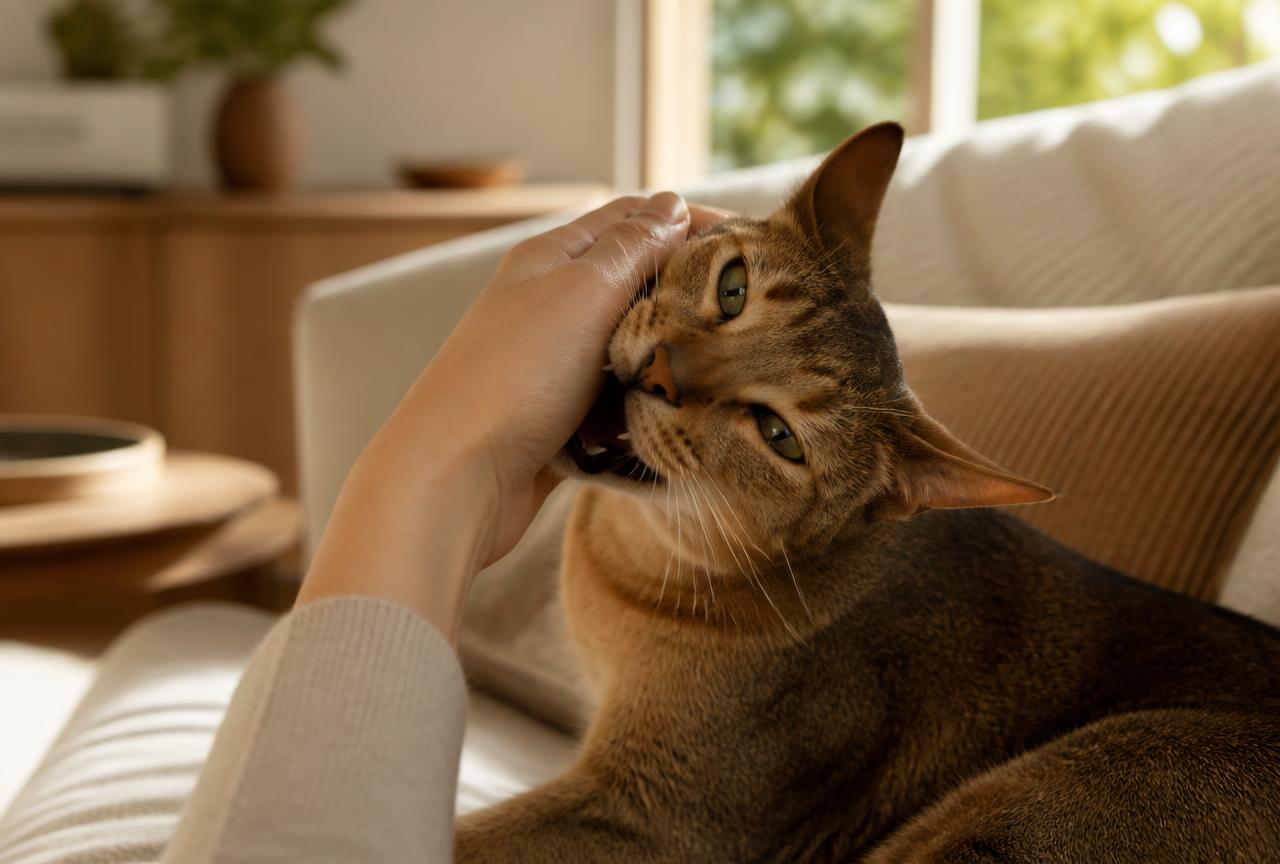
Why does my cat bite me? From love bites to the real thing
Why does my cat bite me? Petting bites, play bites, redirected aggression and pain, how to tell them apart and what actually fixes each.
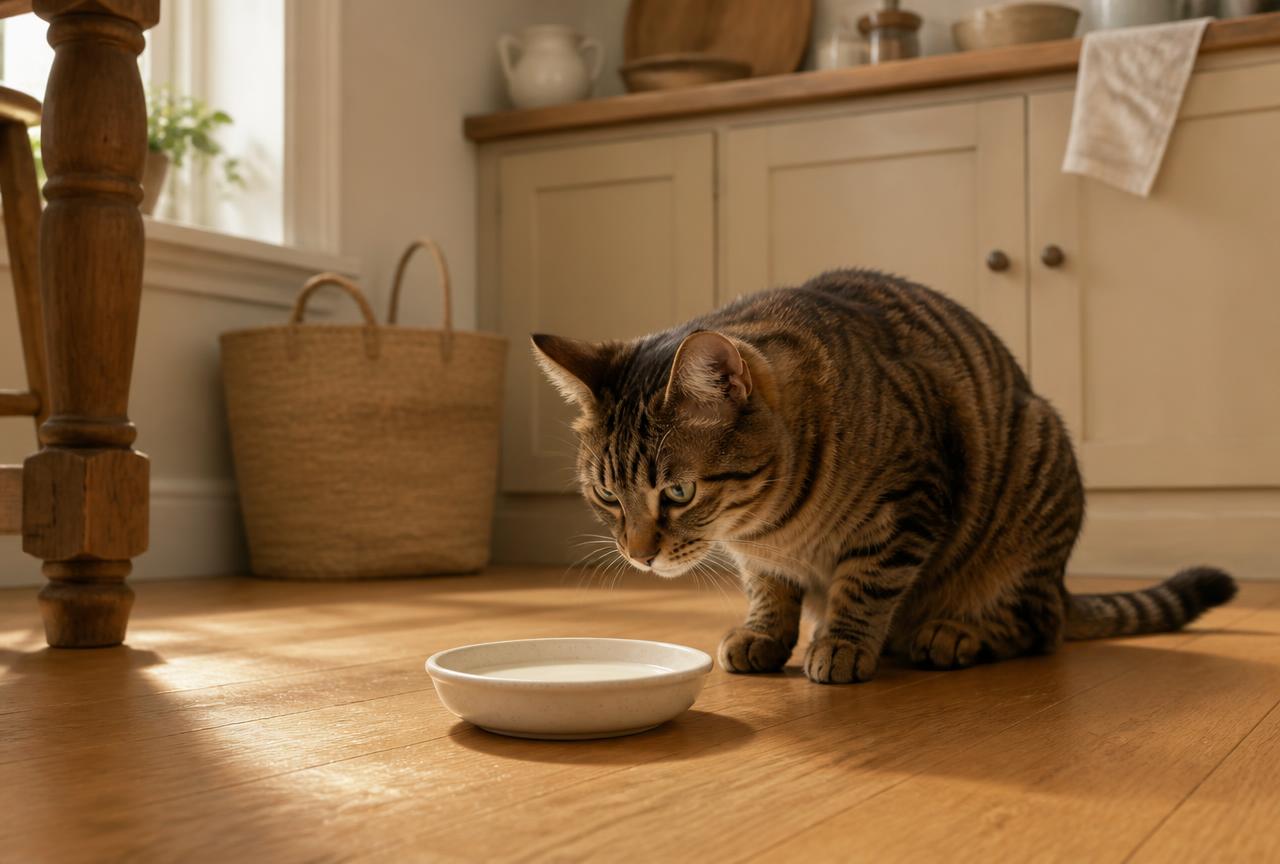
Can cats drink milk? What the saucer myth gets wrong
Can cats drink milk? Most adults are lactose intolerant. Which milks are safer, how much is too much, and what to watch for afterwards.
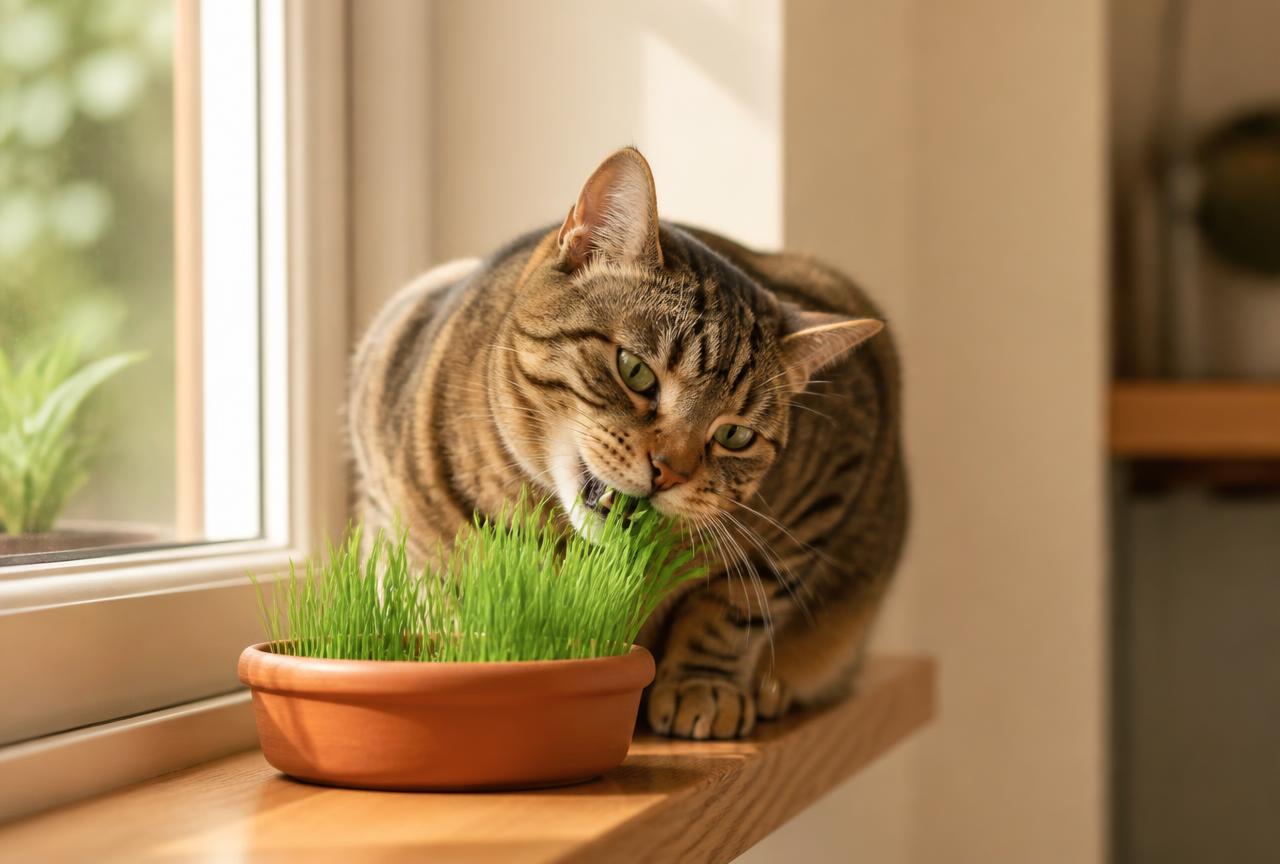
Why do cats eat grass? The instinct, the aftermath, and when it matters
Why cats really eat grass, whether the vomiting is a problem, how to grow a safe supply, and the point where grazing becomes a vet question.

Constipation in cats: the quiet problem hiding behind the litter tray
How to spot a constipated cat, the home levers that actually move things, and the point where straining becomes a same-day problem.

Cat diarrhoea: how long to wait, what to feed, and when to phone the vet
A calm triage guide to cat diarrhoea: the causes that matter, a 24-hour home plan, and the exact signs that turn watching into phoning.

Why does my cat stare at me? Reading the slow blink and the hard stare
What the different kinds of cat stare actually mean, how to answer a slow blink, and the rare times a stare is worth a vet conversation.

Hypoallergenic cats: what the label really means and which breeds come close
What hypoallergenic really means, which breeds come closest, and the trial-visit and cleaning routine that decide whether a cat and an allergy can share a home.
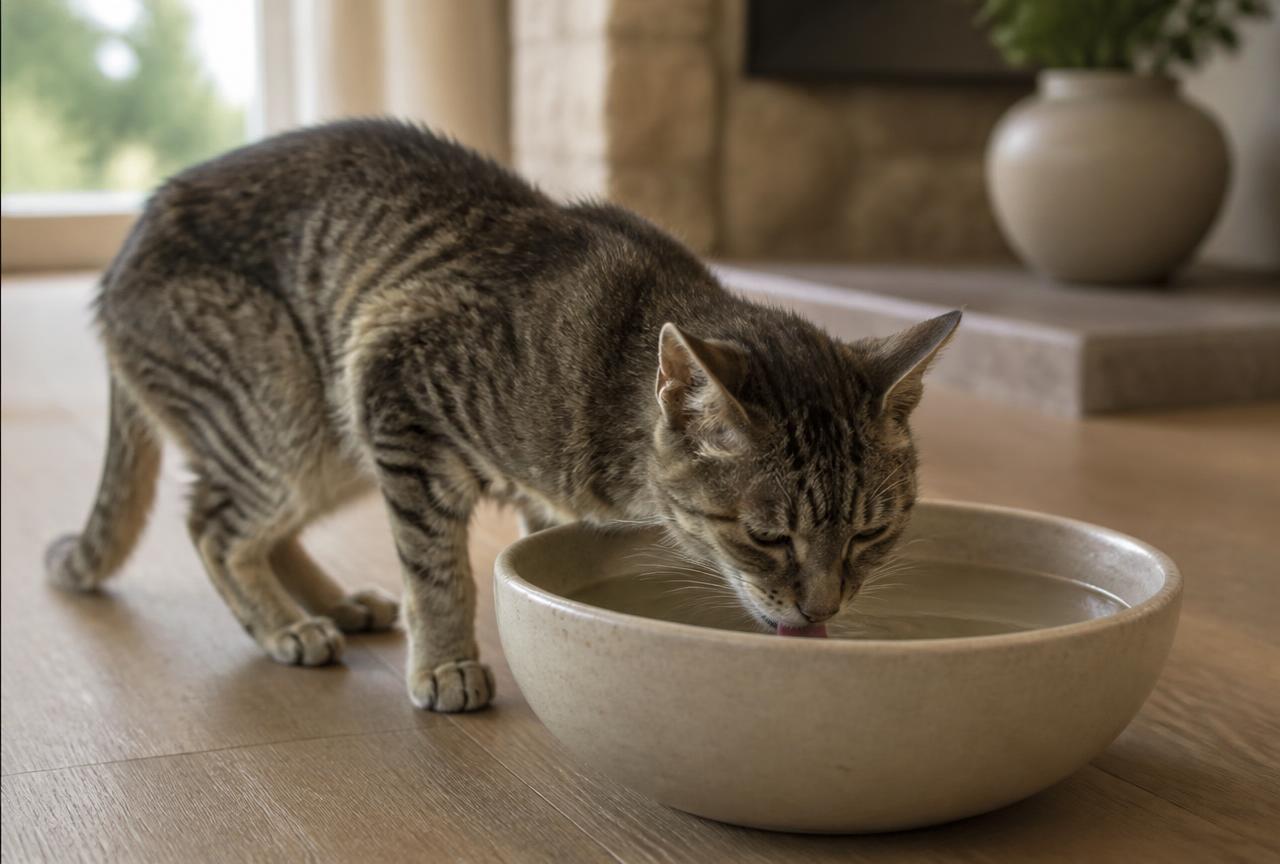
Kidney disease in cats: the slow one you can catch early
Chronic kidney disease is the commonest serious illness of older cats, and the signs that arrive first are a heavier water bowl and a slowly falling weight. Here is what to track at home, which tests find it early, and what treatment actually involves.
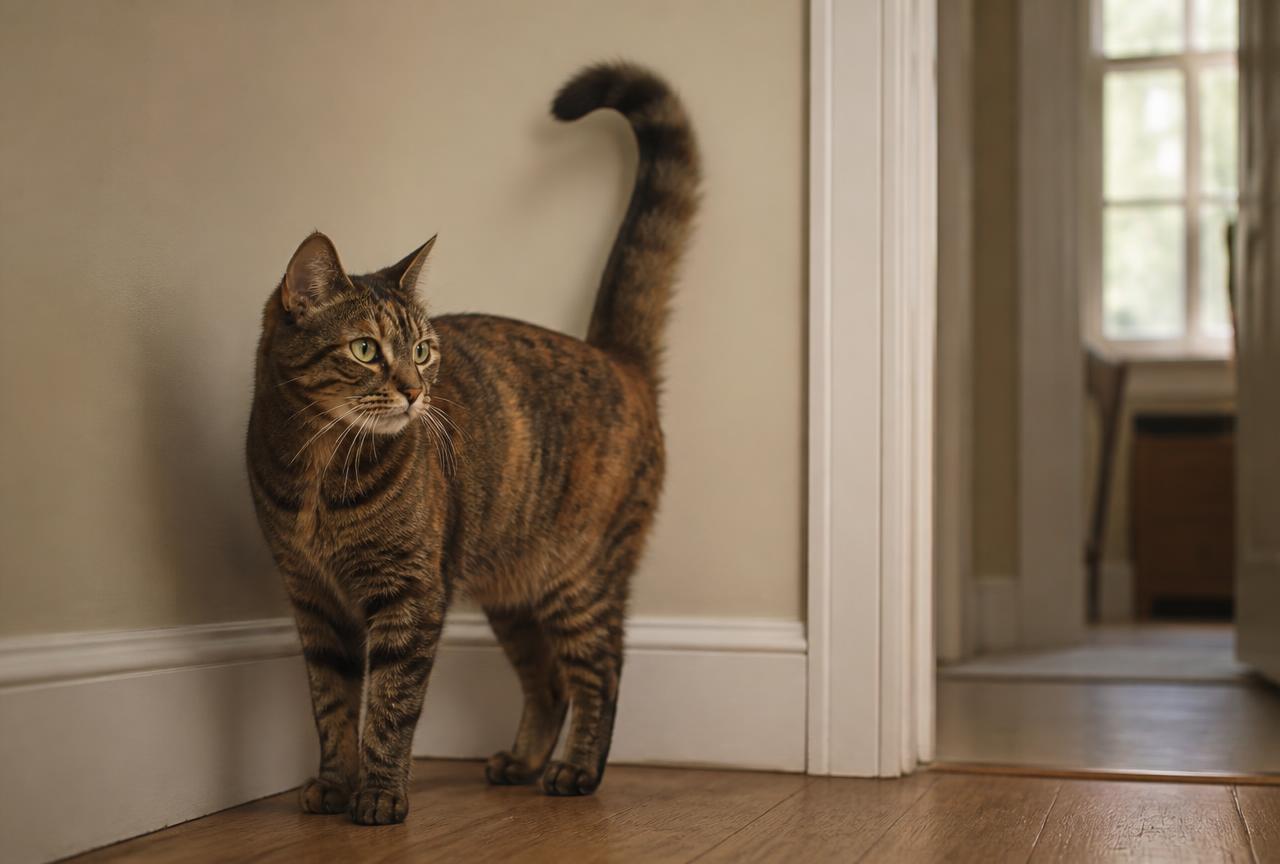
Spraying and marking: why it happens, and how to stop it
A small squirt on a wall means something completely different from a puddle on the carpet. This is how to tell spraying from urination, the five causes worth working through in order, and the cleaning and resource changes that actually resolve it.

A cat that stops eating: how many hours matter, and what to do
Cats are built differently from dogs when it comes to fasting: their livers cope badly with sudden weight loss, and an overweight cat is at more risk than a thin one. This is the hour-by-hour guide to appetite loss, the causes worth checking at home, and the line where waiting stops being reasonable.

Itchy ears: mites, wax, yeast and what is actually wrong
How to tell ear mites from wax, yeast and infection, why cotton buds and olive oil make things worse, and the one sign that turns an itchy ear into a same-day vet visit.

Why do cats knead, and what the paws are really saying
Kneading is a kittenhood pattern kept into adulthood, a nest-building routine and a scent-marking tool all at once. A context reader for working out which, plus what to do about claws.
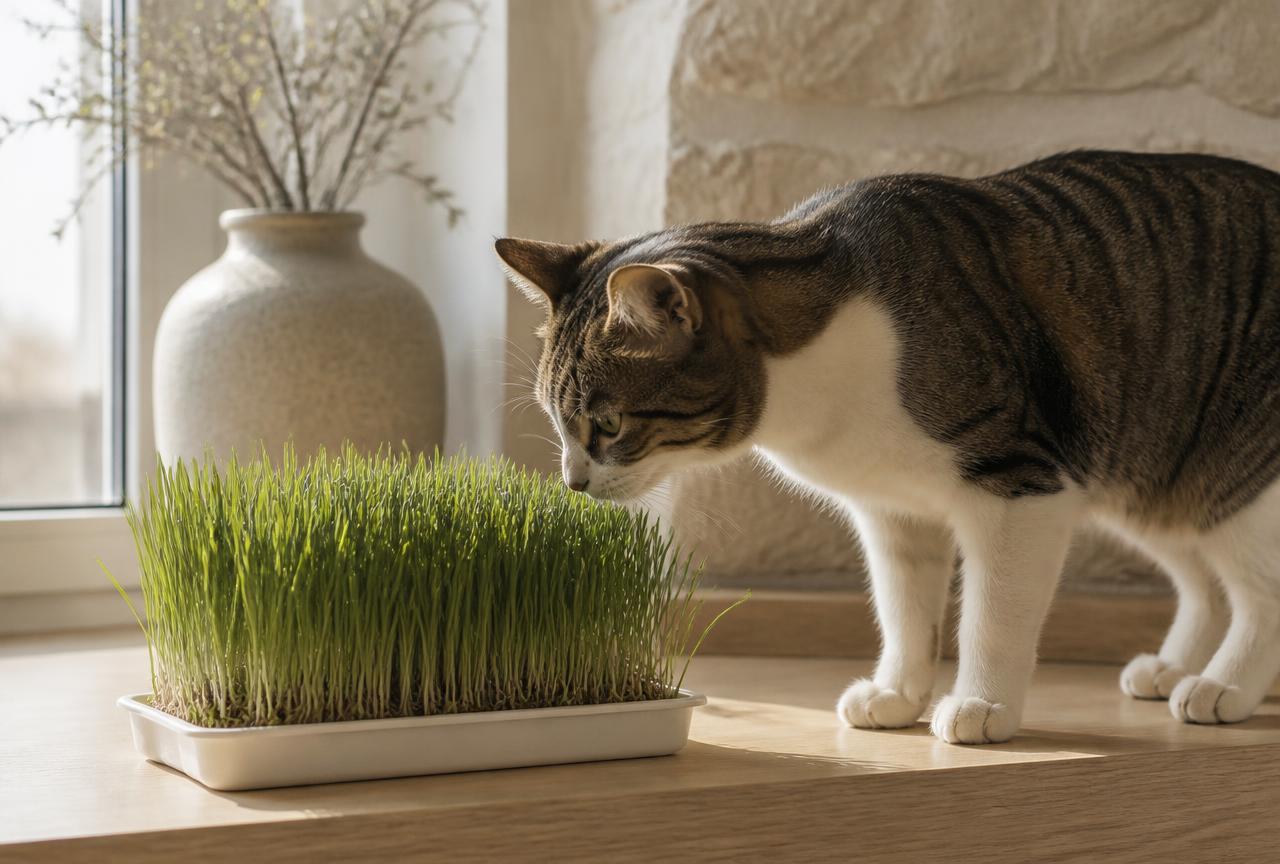
Cats and plants: what is toxic, what is safe, and why cat grass helps
Lilies, sago palm and oleander are genuine emergencies. Monstera and peace lily are irritants. Cat grass is the answer to a cat who chews everything green. A plant-by-plant checker included.
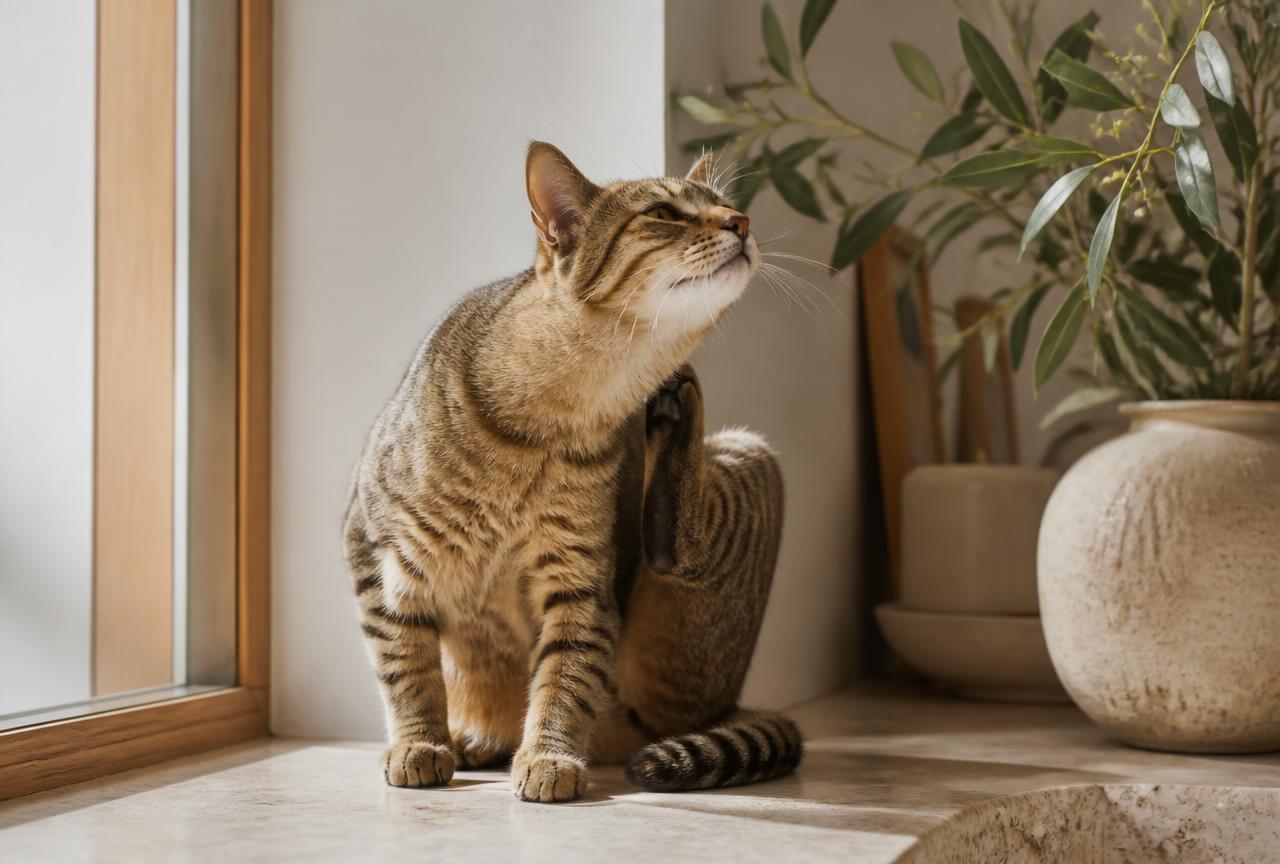
Fleas, ticks and worms: a plan that fits your cat
A risk-based parasite plan for cats: how to check for fleas, treat a household properly, remove a tick safely, and how often to worm.
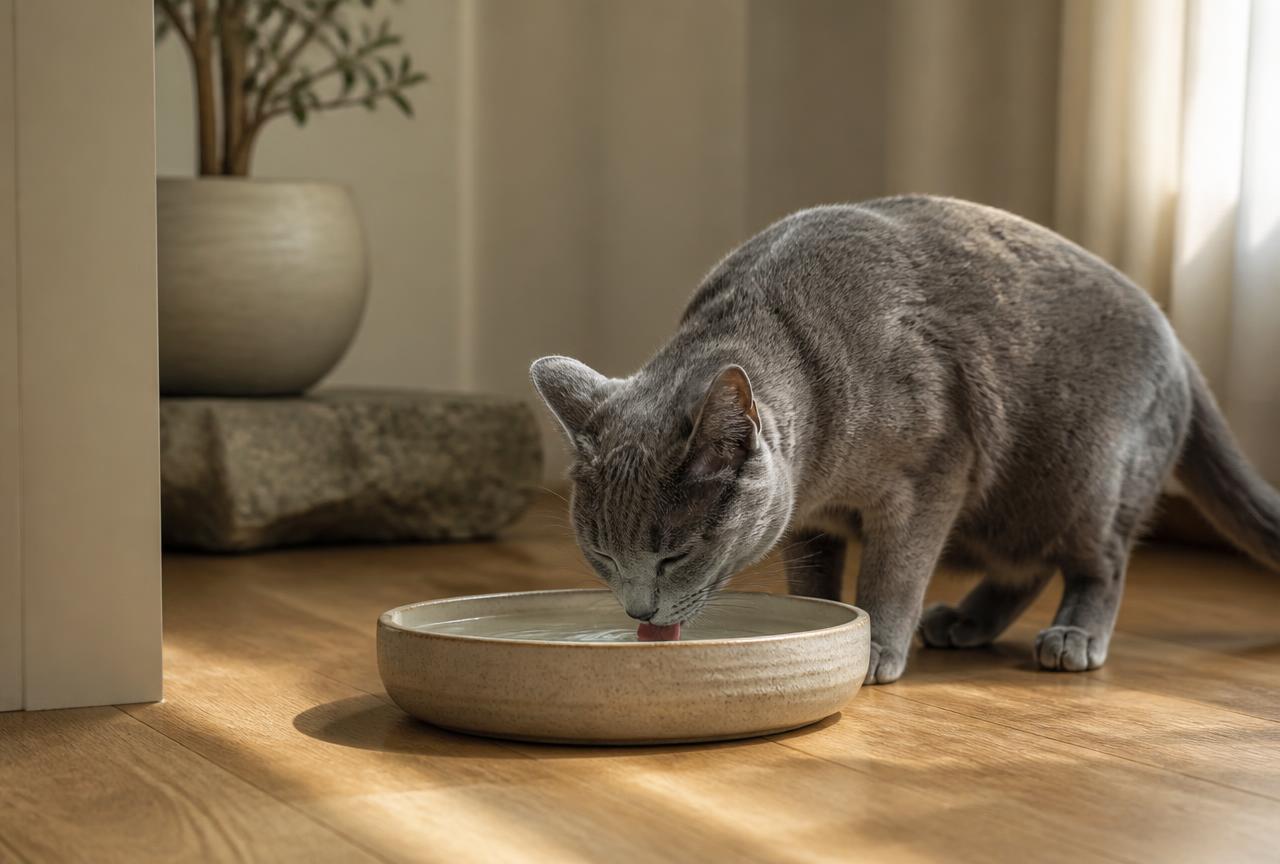
How much water should a cat drink?
How much water a cat needs each day, how much comes from food, why fountains are overrated, and when drinking more is the earliest sign of illness.

Cat hairballs: normal, or a warning sign?
How often hairballs are normal, why they happen, the combing interval your cat's coat needs, and the signs that mean asthma, allergy or gut disease rather than fur.

Cat body language: how to read ears, eyes and tail
A practical guide to reading cat body language: what ears, eyes, tail and posture mean together, the warning signs before a bite, and how to answer a slow blink.

Litter box problems: why cats stop using the tray
Why cats stop using the litter tray: the medical causes to rule out first, the box count and size that cats actually accept, and a retraining plan that works.

Cat vomiting: what is normal, what is not
Cat vomiting explained: hairballs versus food versus illness, what the colour tells you, how often is too often, and the signs that mean call your vet today.

How to trim your cat's claws without a fight
How to trim cat claws calmly: where the quick is, the ten-day desensitising plan, how often to trim, and why declawing is not an alternative.

How to introduce two cats without a war
How to introduce two cats: a seven-stage plan with exit conditions, the resource maths behind a peaceful multi-cat home, and the signs an introduction is failing.

Cat litter: what nine types actually do
Best cat litter by type: how clumping clay, silica, wood, paper, corn, tofu and walnut compare on odour, dust, tracking and cost, and how to switch without a protest.

Why do cats purr, and when purring is not contentment
Why do cats purr? The mechanism, the four contexts it appears in, the solicitation purr owners respond to without noticing, and the cases where purring means pain.

Cat dental care: the disease most owners never see
Cat dental care in practice: how to spot gingivitis early, how to brush a cat that objects, what dental diets do, and when a scale under anaesthetic is unavoidable.
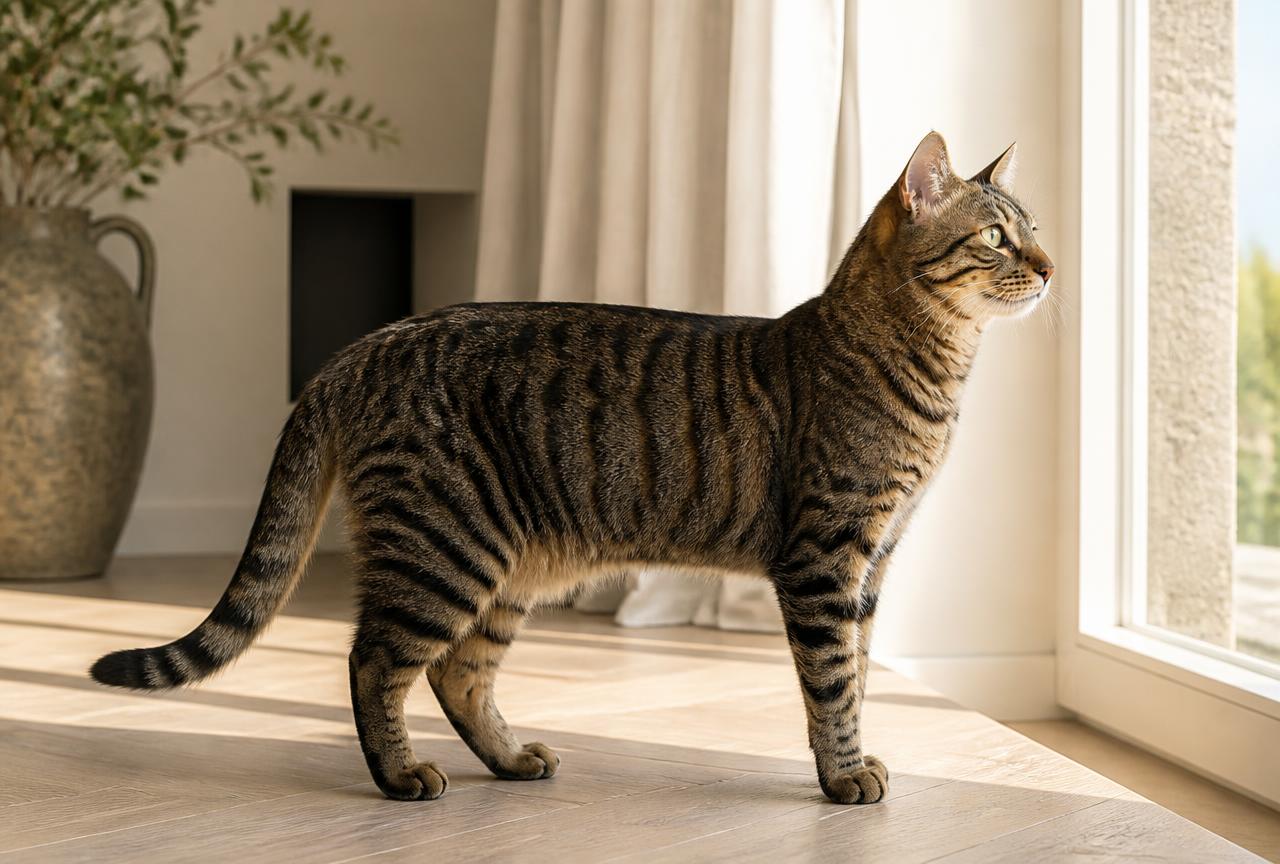
How long do cats live, and what actually adds years
How long do cats live? Typical lifespan is 13 to 17 years, and weight, outdoor access, dental care, neutering and vet cadence explain most of the spread.

Why is my cat so vocal? Decoding the Siamese voice
Why is my cat so vocal? A guide to Siamese and Oriental talking: what each sound means, when it is medical, and how to answer without training a yowl.

Wet vs dry cat food: settling the argument with actual numbers
Everyone has an opinion on wet versus dry cat food. Very few of them start with the moisture requirement of an obligate carnivore evolved in a desert. Here are the numbers, the costs and a plan.

The vertical apartment: enrichment for cats who never go outside
How to enrich a flat for an indoor cat: vertical routes, hunting play, feeding puzzles, territory maths and the cheap fixes that work first.

The first 90 days: a kitten socialisation timetable
A week-by-week kitten socialisation timetable: the sensitive period, homecoming, handling, play, carrier training, vaccinations and neutering.

Eleven quiet signals your cat is getting old before you notice
The early signs of ageing in cats: thirst, weight, mobility, grooming, tray habits and night noise, plus what to raise with your vet and when.
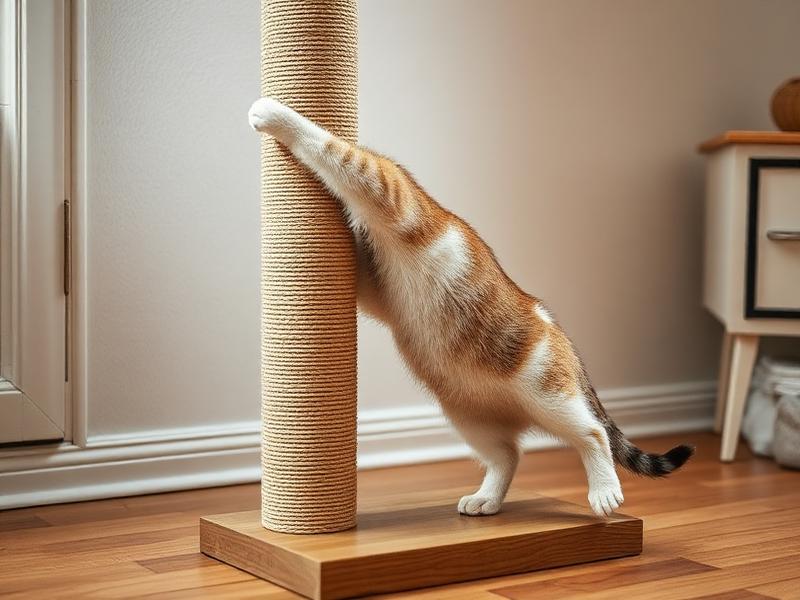
Scratching posts: we measured nine, and most are too short
Scratching post buying guide: the height your cat actually needs, why sisal beats carpet, base stability, placement, and how to stop sofa scratching for good.