Itchy ears: mites, wax, yeast and what is actually wrong
Dark crumbly debris in both ears usually means mites. Yellow and foul means bacteria. Sweet and yeasty means yeast. Getting it wrong is why shop-bought drops so often fail.
Dr Anneke Vos
Veterinary surgeon, small animal practice
Published 4 September 2026
Reviewed against ISFM and Cornell Feline Health Center guidance
The short version
- Dry dark crumbly debris in both ears with heavy scratching is the classic ear mite picture.
- Yeast smells sweet and looks greasy; bacterial infection is wet, yellow or green, and smells foul.
- Ear mites pass between cats and dogs, so every animal in the home needs treating at the same time.
- Cotton buds, olive oil, vinegar and dog products all make cat ears worse, sometimes dangerously.
- A head tilt, circling or wobbliness means the middle or inner ear may be involved: same-day vet, nothing in the ear.
- Recurring problems in one ear point to an underlying cause such as allergy or a polyp, not a cleaning failure.
An itchy ear is one of the few cat problems you can genuinely investigate at home. Fold the ear back, look, and smell. What you find narrows the cause down to one of four things, and the four need completely different treatment.
The mistake almost everyone makes is buying drops off a shelf and treating the ear for whatever the box mentions. Mites, yeast and bacteria look similar from a distance, frequently occur together, and only one of them responds to any given product. Meanwhile the ear gets more inflamed, and inflammation itself narrows the canal and makes everything harder to shift.
What normal looks like
A healthy cat ear is pale pink inside, dry, and holds a very small amount of light brown wax. It does not smell. Cats clean their own ears with a hind foot and do not need routine cleaning, which means that if you find yourself cleaning ears every week, something is producing the debris and that something is the real problem.
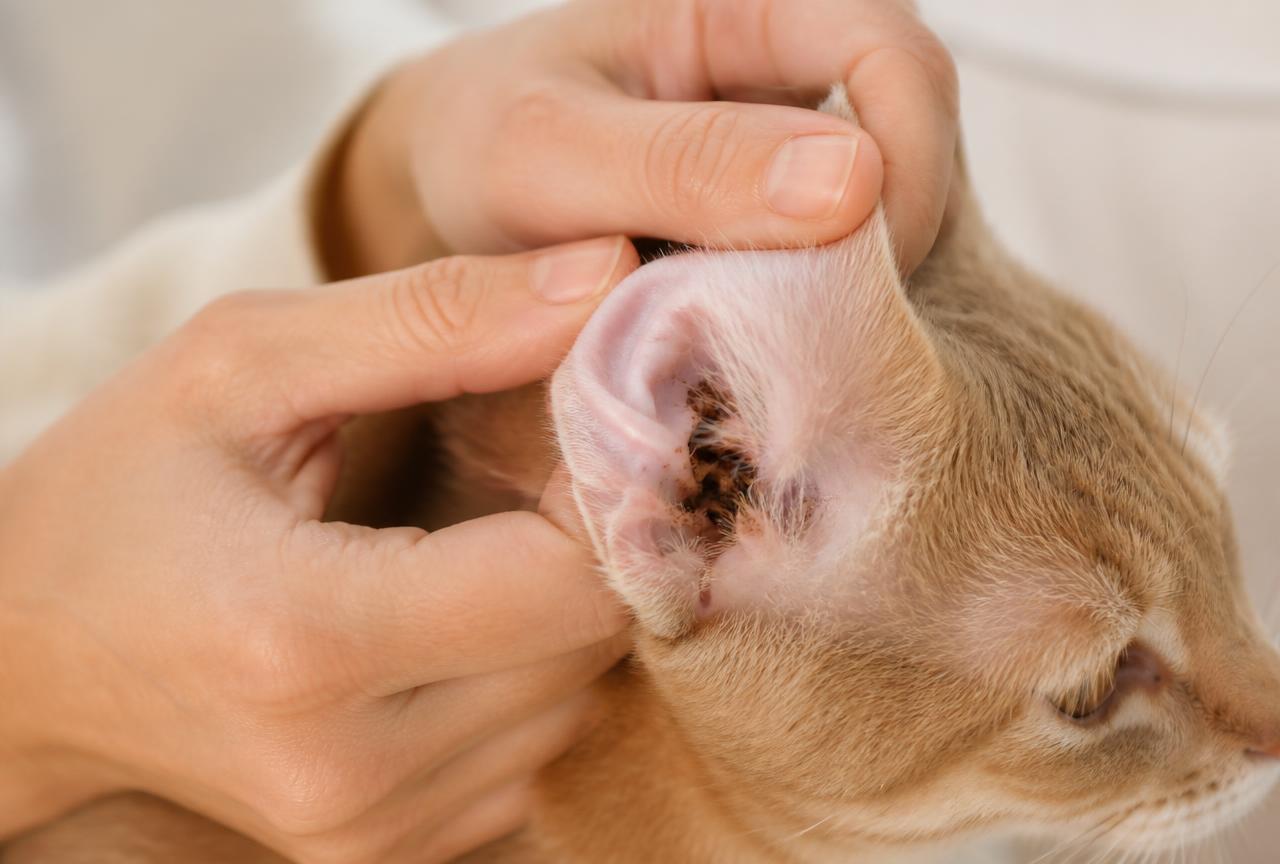
Ear mites: the coffee-ground picture
*Otodectes cynotis* is a surface-living mite about half a millimetre long, just visible as a white speck if you smear debris on dark paper and look closely. It feeds on skin debris and lymph, and it provokes a strong allergic reaction, which is why the itch is out of proportion to the number of mites present.
The classic presentation is unmistakable once you have seen it:
- Both ears affected, roughly equally.
- Dry, dark brown or black, crumbly debris, the coffee-ground appearance, made of wax, blood and mite waste.
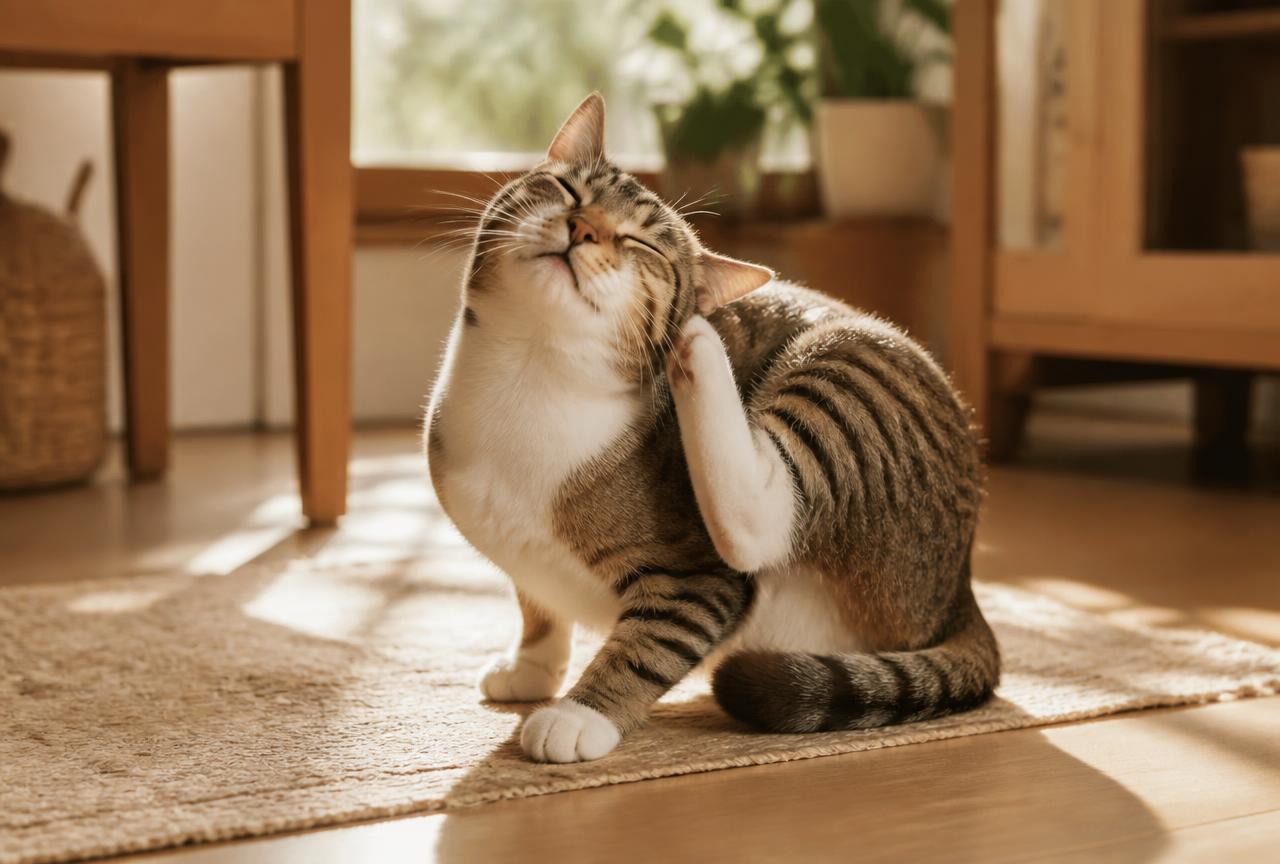
- Ferocious scratching and head shaking, often with scabs at the ear edge or a bald patch behind the ear.
- No strong smell, unless a secondary infection has moved in.
- Very common in kittens, cats from multi-cat environments, and cats with outdoor access.
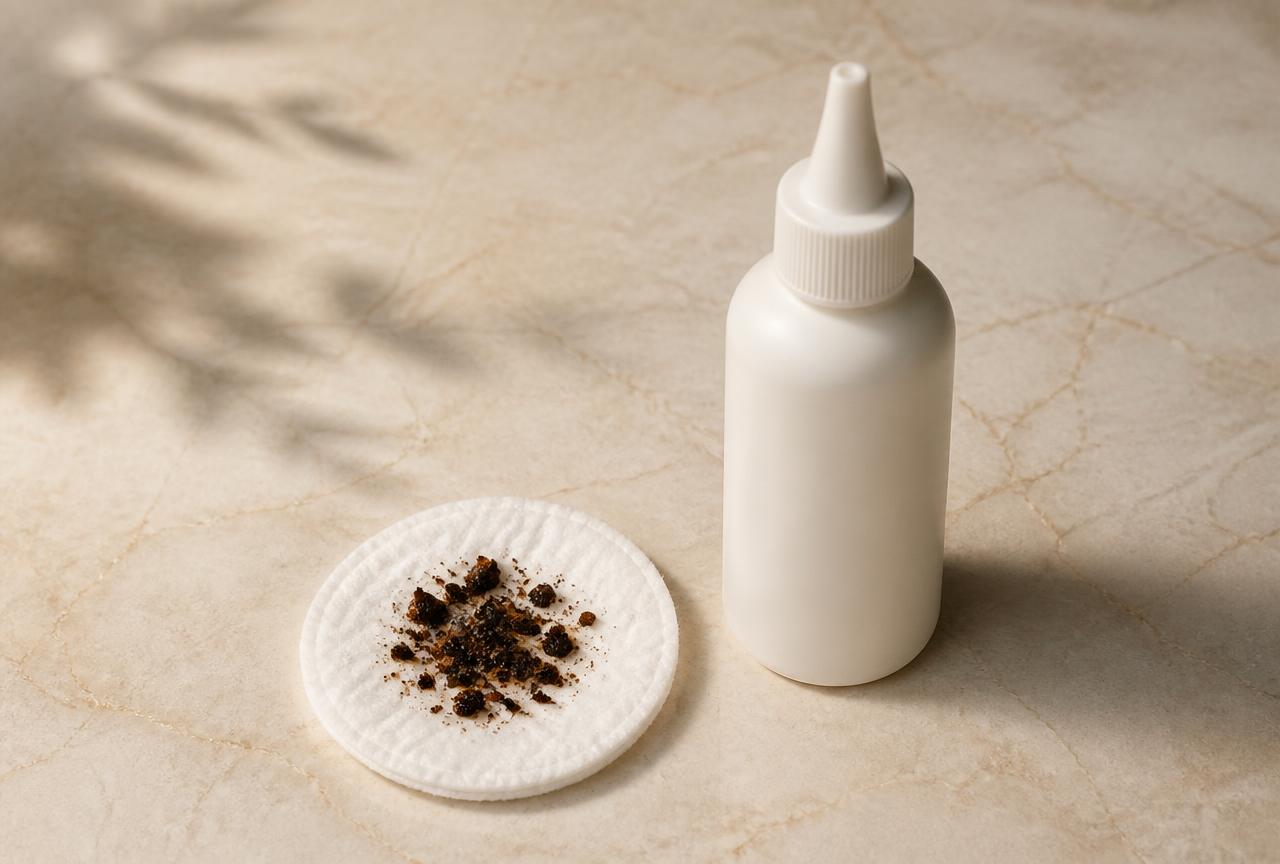
Mites are contagious between cats and dogs by direct contact. This matters more than anything else about treatment: treating one cat in a three-cat household guarantees the mites come back, because the other two are carrying them without obvious signs.
Modern treatment is straightforward. Several spot-on and topical products licensed for cats clear mites in one or two applications, and many of the same products cover fleas and worms, which folds neatly into a year-round parasite plan. What does not work is a single ear drop applied for three days to one animal.
The reason ear mites keep coming back is almost never resistance. It is the untreated cat in the same house, or the treatment stopped a week too early.
Yeast: sweet, waxy and usually secondary
*Malassezia* is a yeast that lives on normal skin and overgrows when conditions change. Ears with yeast overgrowth are waxy rather than crumbly, brown, often slightly greasy, and carry a distinctive sweet or yeasty smell that you notice at close range.
The important point is that yeast is almost always a passenger. Something changed the environment in that ear first, allergy, moisture, a narrowed canal, or mites. Treating the yeast and ignoring the cause buys a few weeks.
Bacteria: yellow, wet and foul
Bacterial otitis produces a yellow, green or grey discharge that is wet rather than dry, and a smell that is unpleasant rather than sweet. The ear is often visibly red and painful, and the cat may object strongly to having the head touched at all.
This is the group that needs a swab. Different bacteria need different drugs, and rod-shaped organisms such as *Pseudomonas* behave very differently from the round ones. Putting the wrong thing in the ear here can genuinely make matters worse.
The sign that changes everything: head tilt
Scratching and debris are an outer ear problem. A head tilt, wobbliness, circling, flicking eye movements or a drooping face are signs the middle or inner ear is involved, or that something else neurological is going on.
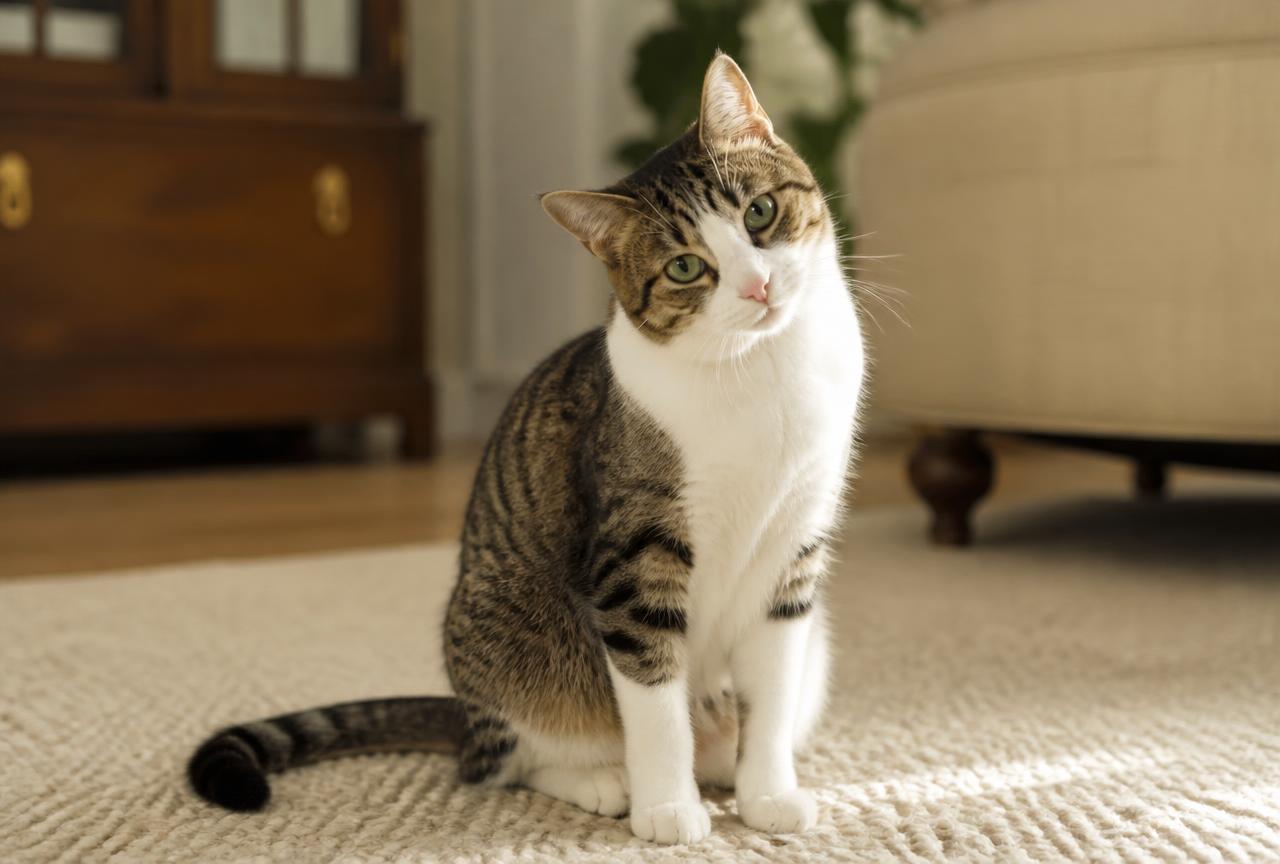
At that point nothing goes into the ear until a vet has looked, because if the eardrum is ruptured, some cleaners and drops are toxic to the inner ear.
Work out which one you are looking at
Interactive
Ear check triage
What you can see and smell narrows the cause down considerably. Answer six things.
Urgency
Vet appointment this week
Ear mites are the most likely explanation: dry dark debris in both ears with heavy scratching is the classic picture, especially in kittens and cats with outdoor access.
Notes
- Keep the front claws short in the meantime so the scratching does less damage to the ear flap.
- Do not use cotton buds, olive oil, vinegar, alcohol or a dog product. Cotton buds push debris further down and can rupture an eardrum.
Mites, yeast and bacteria all look similar from the outside and often occur together. Only a swab under a microscope settles it, which is why guessing at a shop-bought drop so often fails.
How the four compare
| What you see | Smell | Ears involved | Likely cause | Treatment route |
|---|---|---|---|---|
| --- | --- | --- | --- | --- |
| Small amount of light brown wax | None | Both | Normal | Leave alone |
| Dry dark crumbly debris | None or mild | Both | Ear mites | Licensed topical parasite product, all pets treated |
| Brown greasy wax | Sweet, yeasty | One or both | Yeast overgrowth | Antifungal drops plus finding the underlying cause |
| Yellow or green wet discharge | Strongly foul | Often one | Bacterial infection | Swab first, then targeted drops |
| Any of the above plus head tilt | Any | Either | Middle or inner ear involvement | Same-day vet, nothing in the ear |
An initial consultation with a swab and cytology typically costs somewhere in the region of EUR 60-120, and a course of drops similar again. Indicative only, and it varies by country.
Cleaning an ear properly, if a vet has asked you to
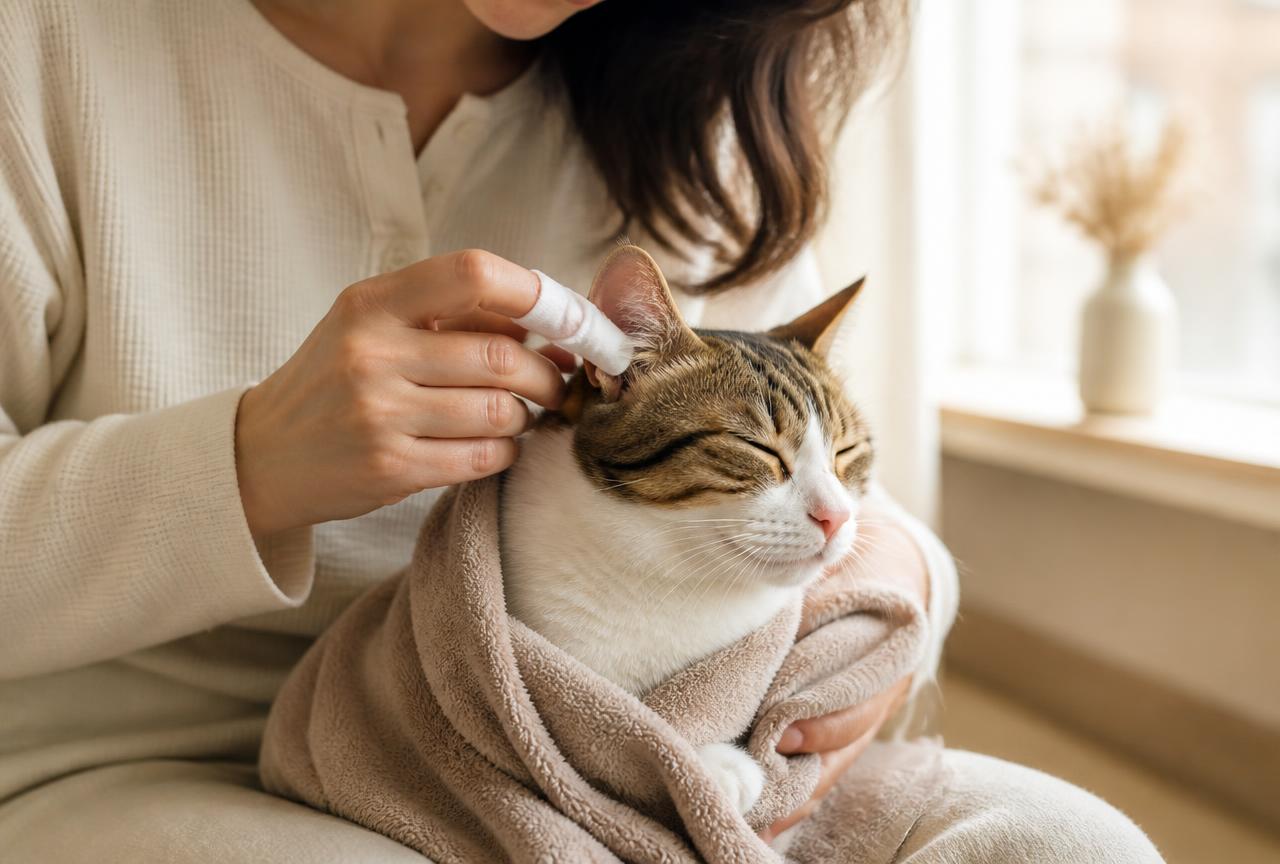
- 1Get the cat wrapped. A towel around the body with the head out prevents the paw arriving mid-procedure.
- 2Warm the cleaner in your hand. Cold liquid in an ear is a fight you lose once and never win again.
- 3Fill the canal with the volume the label says, holding the ear flap up and out.
- 4Massage the base of the ear for twenty to thirty seconds until you hear it squelch. This is the part that actually lifts debris.
- 5Let the cat shake. Stand back. The shake brings the loosened material up.
- 6Wipe the outer part only, with a cotton pad wrapped over a fingertip. Nothing goes down the canal.
- 7Stop if it hurts. Pain means come back to the vet rather than push on.
What never goes in a cat ear
- Cotton buds. They push debris deeper and can damage the eardrum.
- Olive oil, coconut oil or mineral oil. They smother nothing, encourage yeast, and make later cytology unreadable.
- Vinegar, hydrogen peroxide or surgical spirit. Painful on inflamed skin, and directly harmful if the eardrum is not intact.
- Dog ear products or leftover drops from another animal. Some contain ingredients that are unsafe in cats, and permethrin in particular can be fatal.
- Anything at all, if the head is tilted, until the ear has been examined.
Which approach suits which household
Kittens and new arrivals. Assume mites until proven otherwise, check ears on day one, and treat before introducing them to a resident cat. Our first ninety days guide covers the rest of the intake check.
Multi-cat homes. Everyone gets treated at once, always. One skipped cat restarts the cycle. The same logic that applies to fleas and worms.
Cats with outdoor access. Regular ear glances, monthly, and a parasite product that covers mites as well as fleas.
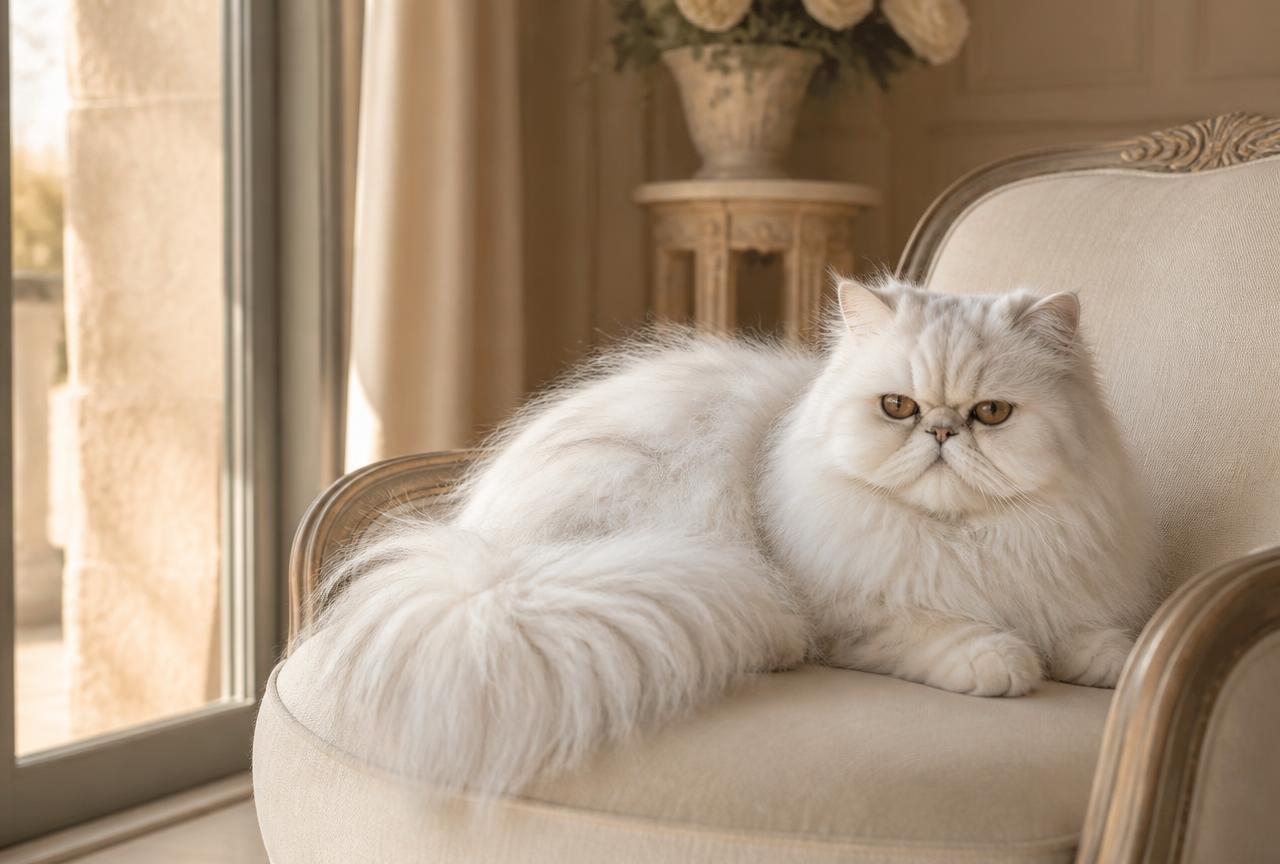
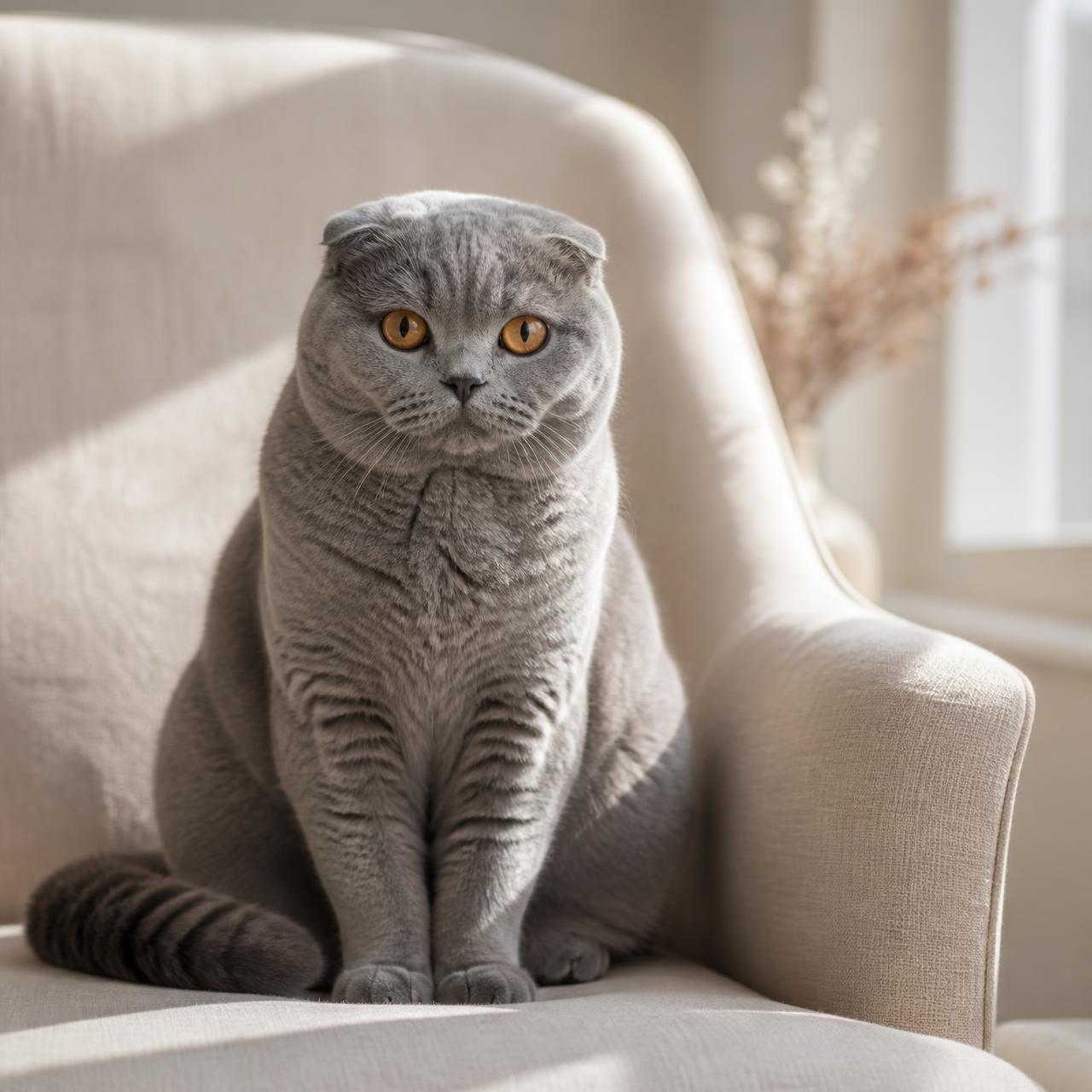
Long-haired and folded-ear breeds. Persians and Scottish Folds have narrower or hairier canals that trap moisture and debris, so problems build quietly. Check monthly rather than waiting for scratching.
Cats with recurring ear problems. Recurrence in an adult indoor cat, especially in one ear, points to allergy, a polyp or a mass rather than a hygiene failure. Ask for the underlying cause to be investigated instead of repeating drops.
When to call your vet
Same day: head tilt, circling, wobbliness, a drooping face, a painful ear the cat will not let you near, or a sudden foul-smelling discharge.
This week: dark crumbly debris in both ears, any yellow or green discharge, a yeasty smell, scabs or hair loss around the ears, or scratching that has lasted more than a couple of days.
Ask for a swab and cytology rather than empirical drops, particularly if this is the second episode. And mention every other animal in the house, because the cure for one cat is usually the treatment of all of them.
Questions people actually ask
How do I know if my cat has ear mites or just wax?
Wax is a small amount of light brown, slightly greasy material and does not itch. Mites produce dry, dark brown or black crumbly debris that looks like coffee grounds, usually in both ears, with heavy scratching and head shaking. If your cat is scratching, it is not just wax.
Can I treat ear mites at home?
You can apply a licensed cat parasite product at home, but you should confirm the diagnosis first, because yeast and bacterial infections look similar and need different drugs. Whatever you use must be licensed for cats, applied to every cat and dog in the household, and repeated as the label says rather than stopped when the scratching improves.
Can humans catch ear mites from cats?
Very rarely and only transiently. Otodectes does not establish itself on people, though brief skin irritation has been reported in close contact. It moves readily between cats and dogs, which is the part that matters practically.
Why do my cat's ear problems keep coming back?
Three usual reasons: another animal in the home was never treated, treatment stopped early, or there is an underlying cause such as allergy, a polyp or a narrowed canal keeping the ear inflamed. Recurrence in one ear only in an adult cat should be investigated rather than re-treated.
Can I use olive oil to clean my cat's ears?
No. Oil does not kill mites, it encourages yeast, it makes any later microscope sample unreadable, and if the eardrum is damaged it should not be in the canal at all. Use a cleaner your vet recommends, or nothing.
Should I clean my cat's ears regularly?
Healthy cat ears clean themselves and should be left alone. If debris keeps building up, something is producing it, and the answer is to find that cause rather than to clean more often.
My cat is holding its head to one side. Is that an ear infection?
It may be, but it suggests the middle or inner ear rather than the outer canal, and it can also be neurological. Treat a head tilt as a same-day appointment and do not put anything in the ear before it has been examined.
Sources
Breeds mentioned
Put it into practice
Read next
Cat sneezing: colds, dust and the signs that need a vet
Cat sneezing a lot? Dust, viruses, dental roots and foreign bodies, how to sort the harmless from the signs that need a vet.