Iran
Persian
The beautiful, serene, high-maintenance classic: what fifteen years with a Persian actually involves, coat first.
Dr Emma Carlisle, MRCVS
A long-coated cat with strong opinions about calm
The short version
- Medium-sized under the fur: males typically 4–6 kg, but the coat doubles the apparent size and all of the upkeep.
- Daily combing is the entry fee, not an option. A Persian's coat mats within days of neglect, and a matted cat is an uncomfortable, eventually shaved cat.
- The flat face is the look and the liability: expect daily eye-wiping, and choose a breeder whose cats breathe quietly and clearly.
- Serene is the honest word. A Persian plays gently and briefly, then resumes being the most beautiful object in the room.
- Polycystic kidney disease dominated the breed's history; DNA testing has nearly eliminated it from tested lines. Buy only from a breeder who shows you the results.
- Weight
- 3–6.5 kg
- Lifespan
- 10–17 yrs
- Coat
- Long
- Size
- Medium
- Grown male
- 4–6 kg
- Grown female
- 3–5 kg
- Years to full size
- about 3
- One-off setup
- €450–800
Get one if…
- Quiet adult households
- People who enjoy daily grooming rituals
- Flat living with no climbing needs
- Owners who want a calm, sedentary cat
Think again if…
- Busy homes with toddlers or boisterous dogs
- Anyone unwilling to comb daily
- Tight budgets, grooming and vet costs are high
- Owners wanting an active or outdoor cat
Trait profile
Grooming at 9 is the number the whole breed turns on: this is the most demanding mainstream coat in the catalogue. Energy at 2 and vocality at 2 describe the payoff, a genuinely serene, quiet cat. Affection at 7 is real but dignified; a Persian loves its people from a comfortable cushion, not from a shoulder.
Space & setup. Needs almost no vertical space, but does need low food bowls, easy-access trays and a calm room.
Allergies. Long coat spreads dander widely and requires daily handling; among the worst choices for allergy sufferers.
The review
Flat-faced and luxuriously coated, Persians want a quiet, predictable home. Daily grooming is non-negotiable, and brachycephalic facial structure can bring breathing and tear-duct issues.
The Persian is the oldest idea of a luxury cat, and living with one teaches you exactly what that word means: the luxury is real, and so is the maintenance schedule that pays for it. This is the honest version of both.
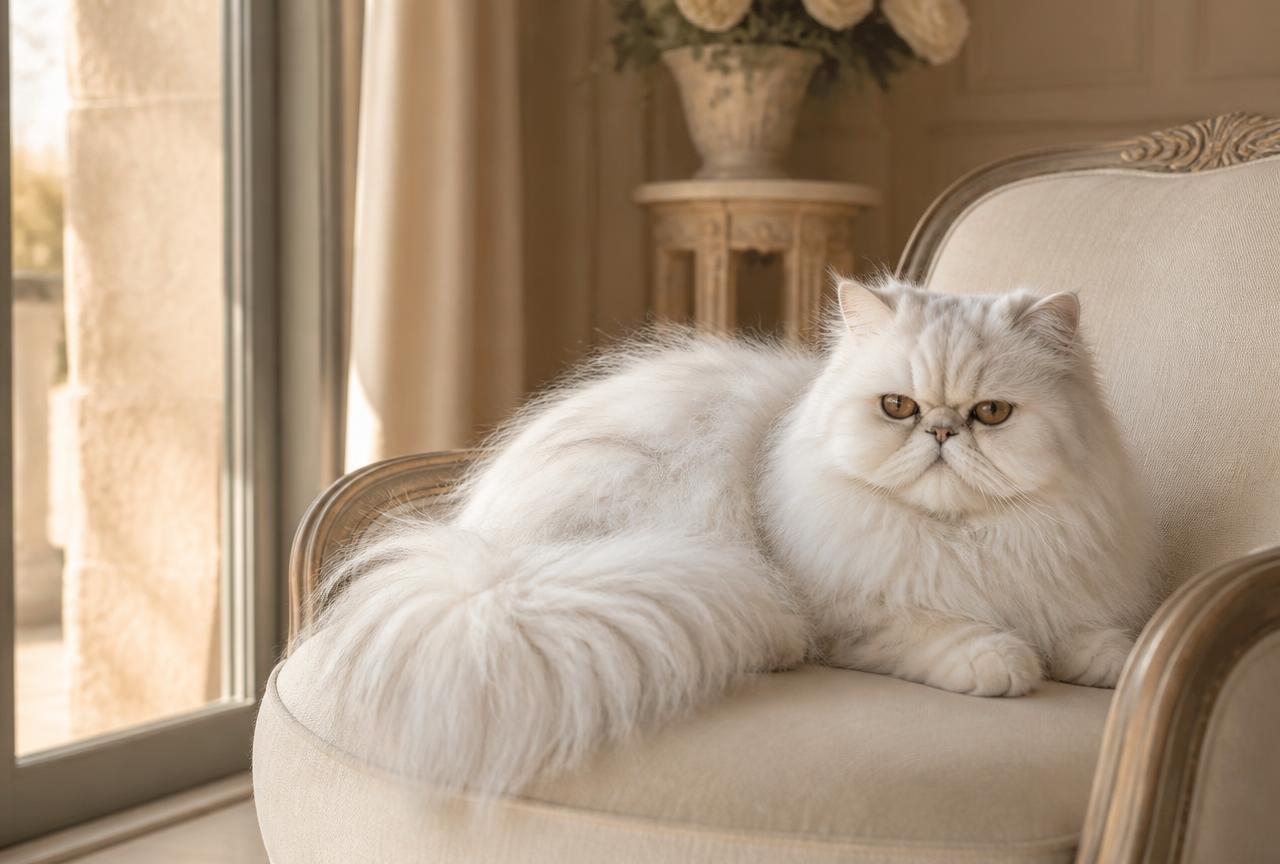
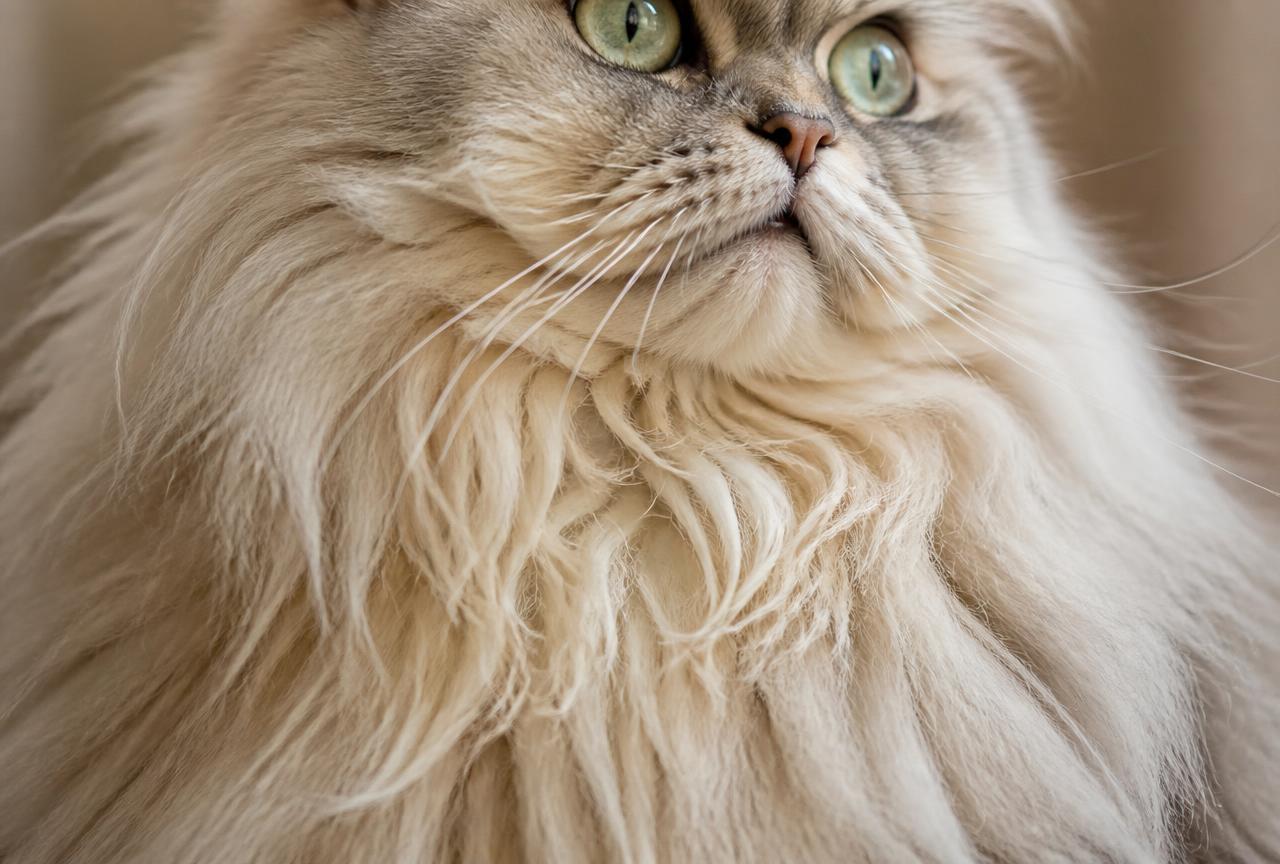
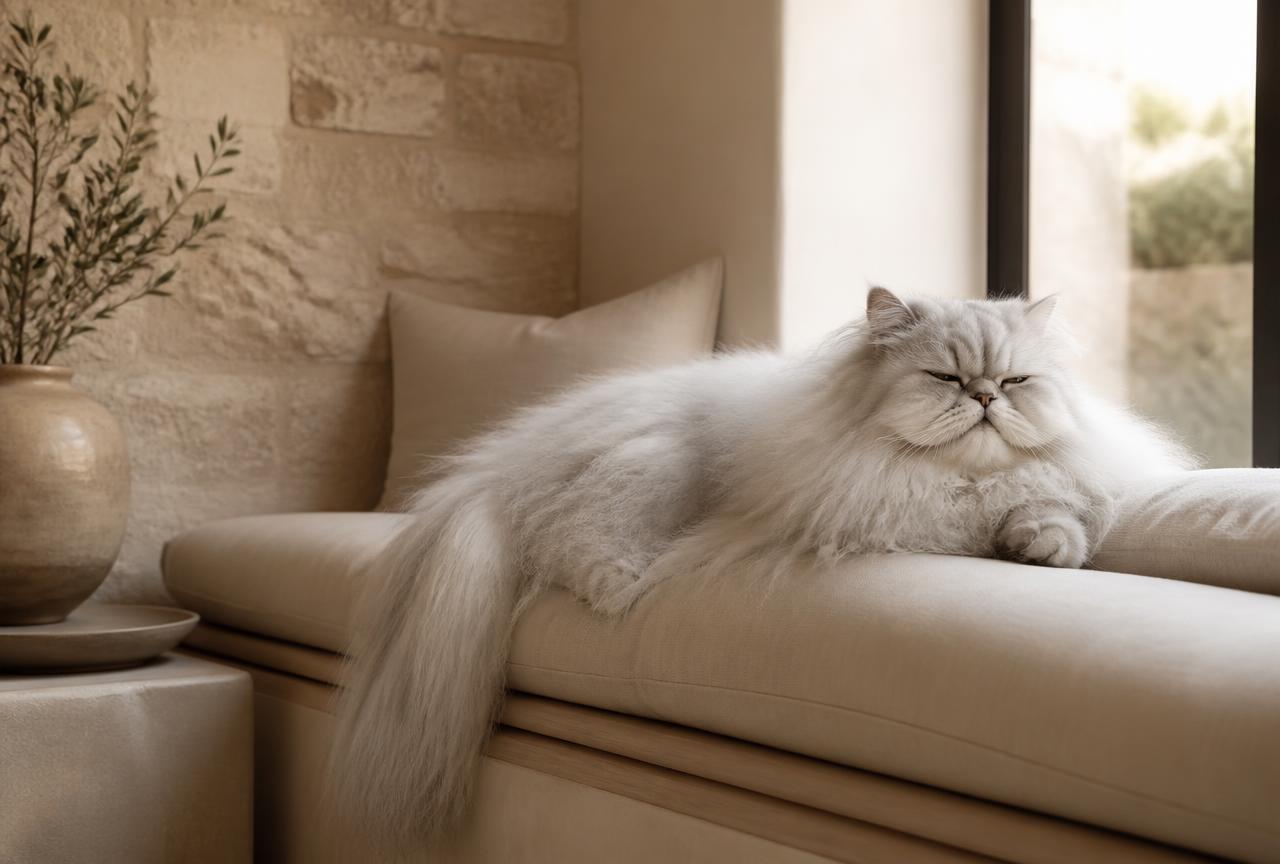
The case for the breed is genuine. A Persian in full coat is one of the most beautiful animals you can share a house with, a small, cobby, serene creature under an extraordinary fall of long, fine fur, with a round face, huge copper eyes and an expression of permanent mild disappointment that owners find endlessly endearing. The temperament matches the look: quiet, gentle, predictable, undemanding of anything except routine. Persians do not climb the curtains, do not yell for breakfast, do not ambush your ankles. They play, briefly and charmingly, and then they return to the window seat. For a calm household wanting a calm, gorgeous, companionable cat, nothing does it better.
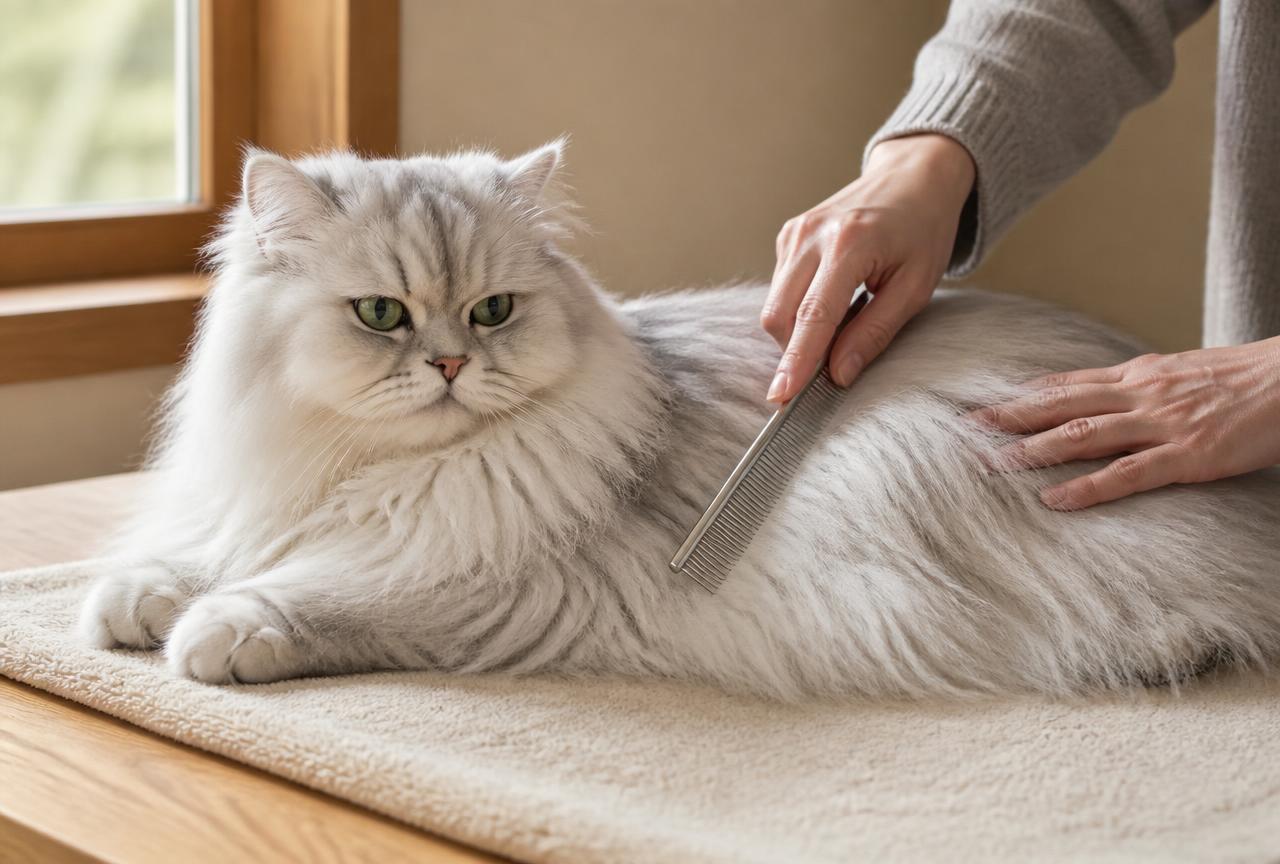
Now the coat, because the coat is the breed. It is long, fine, dense and double, and it mats. Not eventually, within days, behind the ears, under the arms, in the trousers, anywhere friction works. The routine that prevents this is ten minutes a day with a steel comb, working in layers down to the skin, every day, for the life of the cat. Miss a week and you are teasing out felt; miss a month and you are paying a groomer or a vet to shave a miserable, indignant cat. Owners who keep Persians in coat for fifteen years are not lucky; they are punctual. Many also book a professional groom every two or three months, and many trim the trousers short for hygiene, which is sensible and slightly heartbreaking.
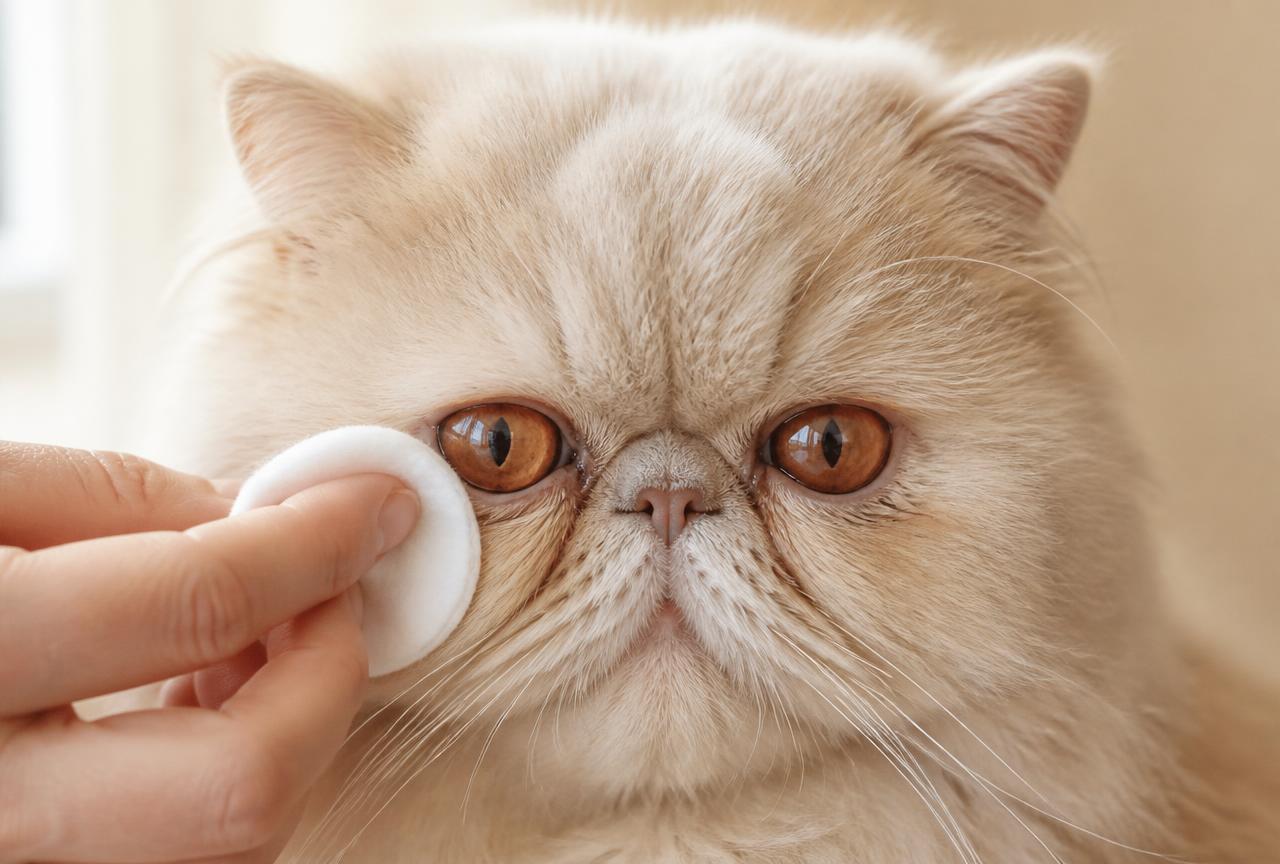
The face needs its own paragraph, because it is the second commitment. The flat, brachycephalic head that gives the Persian its look also kinks the tear ducts: most Persians overflow tears onto the fur daily, and the fur needs a gentle daily wipe or it stains rust-brown and can inflame the skin underneath. It is a small task and a non-negotiable one. The same head shape can narrow the airways, which is why the single most important thing to do at the breeder's is listen: the kittens and the mother should breathe quietly. Snuffling, snoring kittens make snuffling, snoring adults.
Health history deserves honesty. Polycystic kidney disease once ran through the breed at extraordinary rates, at its worst, studies found the gene in close to half of tested Persians. DNA testing has changed the story completely: responsible breeders test, and PKD is now rare in tested lines. But 'tested lines' is doing all the work in that sentence. Ask for the certificates. The rest of the watch-list is the flat-face package, eyes, airways, dental crowding, plus the usual age-related suspects that a calm, quiet cat conceals unusually well.
Choose a Persian if you want fifteen years of serene, beautiful company and the daily ten minutes with a comb sounds like a pleasure rather than a tax, many owners find it the best part of the day, and the cat certainly does. Choose a British or Exotic Shorthair if you want the same temperament without the schedule. The Persian has been the parlour cat of three centuries; the parlour, it turns out, was always the easy part.
Beautiful and undemanding company, but the daily coat and face care is a genuine commitment. Choose moderate-muzzle breeding lines.
Grooming, realistically
- 1Daily: ten minutes with a wide steel greyhound comb, working in layers down to the skin, behind the ears, armpits, trousers and bib first, where mats begin.
- 2Daily: wipe the eyes and the folds of the face with a soft damp cotton pad, one pad per eye, drying the fur afterwards.
- 3Weekly: a full-body pass with the comb followed by a slicker for the finish; check claws, ears and the sanitary area.
- 4Monthly: trim the trouser fur short for hygiene if you are not showing, and check for hidden mats against the skin with your fingertips.
- 5Every two to three months: a professional groom and bath for a cat in full coat, booked standing, like a dentist, not in response to disaster.
- 6Never: let it slide. Every missed week is paid back with interest, by the cat.
What you actually need
- A wide steel greyhound comb
- A soft slicker brush
- Cotton pads, in quantity
- Rounded-tip scissors for the trousers
- A degreasing cat shampoo for groom days
- A standing appointment with a groomer who knows the breed
Kitten to adult
| Age | Male | Female | What is happening |
|---|---|---|---|
| 8 weeks | 0.8–1.1 kg | 0.7–1.0 kg | A fluff ball already, though the adult coat and colour take two to three years to finish. |
| 4 months | 1.7–2.3 kg | 1.5–2.0 kg | The kitten coat is at its most deceptive, soft, easy, and nothing like the maintenance to come. Start the daily comb routine now. |
| 8 months | 3.0–3.8 kg | 2.4–3.2 kg | Adult coat coming in; this is when matting starts in earnest and the routine proves itself. |
| 12 months | 3.8–5.0 kg | 2.8–4.0 kg | Full size, near enough, but the coat keeps lengthening and thickening. |
| 3 years | 4.0–6.0 kg | 3.0–5.0 kg | Full adult coat and colour. The cat underneath remains small and cobby; the glamour is all fur. |
Ranges are typical, not targets. Judge condition by ribs and waist, and check with the ideal weight checker.
What to ask a breeder
- Are your breeding cats DNA-tested for PKD, and may I see the results? Tested-negative parents are the whole ballgame; anything less is a gamble with the breed's own history.
- Listen to the cats breathe. Snuffling, snorting or open-mouth breathing in the mother or kittens means airways compromised for looks, walk away.
- How extreme is the face in your lines? Moderate 'doll-face' Persians tear less, breathe better and live easier than the flattest show faces.
- May I see an adult's coat maintenance routine? A breeder in good coat practice will show you combs, not clippers.
- What is the tear-staining like in your lines, and what do you wipe with? You are learning your own daily routine; make them demonstrate it.
- At what age do kittens leave, and comb-trained? A kitten that already accepts ten minutes of daily handling is worth real money.
Health watch-list
What to ask a breeder about, and what to watch for over a lifetime. This is orientation, not veterinary advice, anything you notice belongs in front of a vet.
Polycystic kidney disease
NotableThe breed's historic burden: at its worst the gene was found in a large share of Persians worldwide. DNA testing has nearly eliminated it from tested lines, which means the entire question is whether your breeder tests and shows you. Untested is a gamble; tested-negative is close to safe.
Tear overflow and eye problems
CommonThe flat face kinks the tear ducts, so most Persians weep onto the fur daily. Managed with a daily wipe; left alone it stains and inflames. The prominent eyes also scratch and ulcerate more easily than other breeds'.
Breathing difficulties
NotableThe flattest faces narrow the airways. Noisy breathing, snoring and poor heat tolerance are welfare issues, not breed charm, moderate-faced lines breathe far easier.
Coat matting and skin problems
CommonNot a disease but a daily risk: the coat felts fast, mats pull skin, skin inflames, and a cat too sore to groom spirals. Prevention is the ten-minute daily comb; treatment is a professional clip.
Dental crowding
UncommonThe shortened jaw crowds teeth, which traps plaque and accelerates gum disease. Annual dental checks matter more here than in most breeds.
What it costs to keep one
Realistic running cost
€99 / month
About €1,188 a year, or roughly €16,632 across a 14-year life, before purchase price, neutering and one-off vet events.
Before the cat arrives. Budget roughly €450–800 for trays, carrier, posts, bowls, bedding and grooming kit sized for this breed. Figures throughout are indicative and vary a good deal between countries.
Interactive · built for this breed
Is a Persian right for your home?
Five honest answers. The verdict updates as you go, and the notes tell you what to change before a kitten arrives.
Verdict
A good match, with one thing to fix
Work through the notes below first. With a Persian the fixes are routine and budget, and they are easier to set up before the kitten than after the first mat.
What to sort out first
- Not quite enough. Behind the ears, under the arms and the trousers will mat between sessions. Add a professional groom every couple of months if you hold this line.
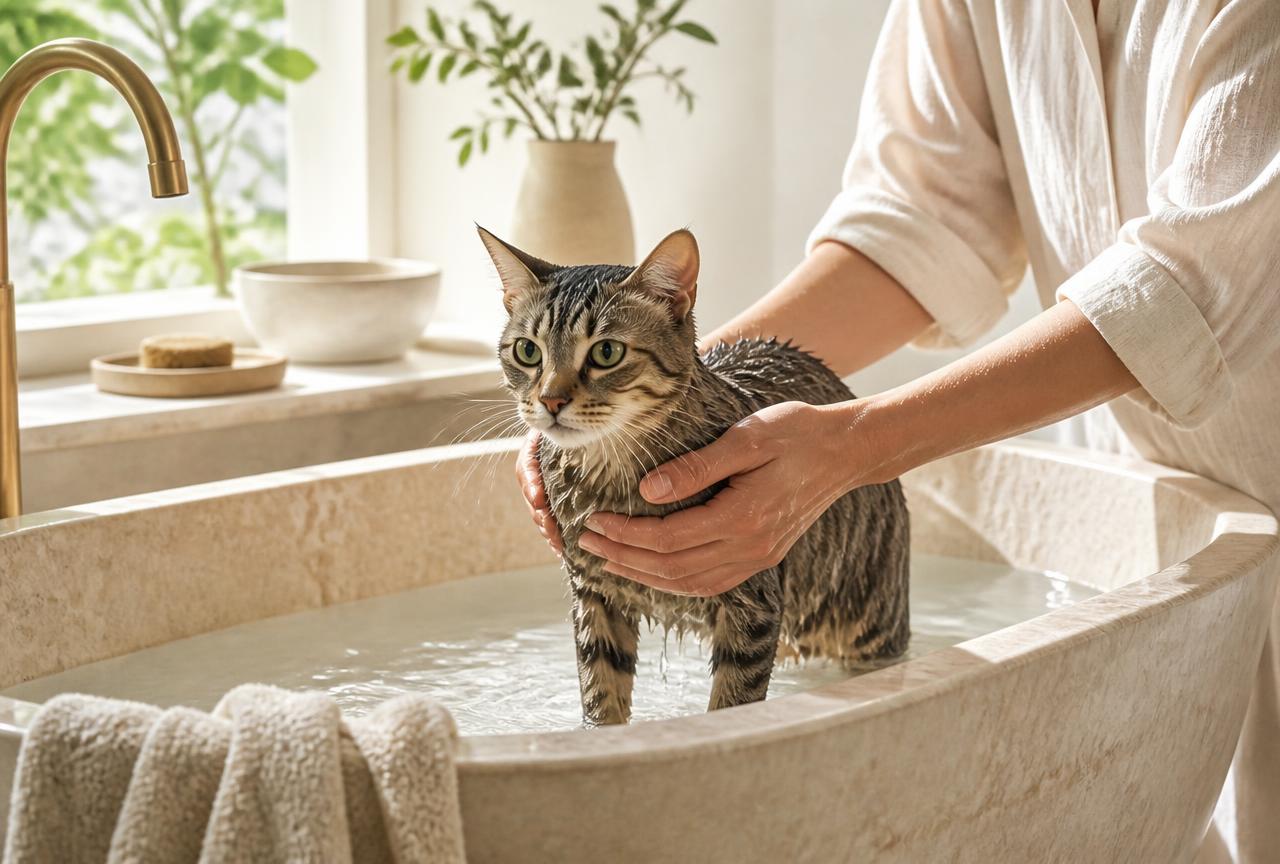
For the bathing question that comes with a long coat, read how to bathe a cat, and compare temperaments with the breed matchmaker.
The verdict, by household
Flat dweller
Excellent
A quiet, low-activity, indoor-by-nature cat that asks only for a window, a routine and its ten minutes. The perfect flat cat for a committed groomer.
Family with young children
Poor
Gentle but fragile of peace: a Persian withdraws from noise and grabbing rather than swiping, and a stressed Persian stops grooming itself, which you then pay for in mats. Better with calm older children.
First-time owner
Workable
The temperament could not be easier; the coat could not be harder. A first-timer who genuinely wants the daily ritual will do well. One who wants an easy start should look at the British Shorthair.
Multi-cat home
Good
Peaceful and unbothered with calm companions introduced properly. Avoid boisterous playmates, a Persian wrestled daily is a Persian with a felted coat.
Allergy-conscious
Poor
No cat is hypoallergenic, and a large long-haired one with a double undercoat spreads the most allergen around the most fabric. Look at the Siberian data before committing.
When to call your vet
- Noisy breathing, snoring that is new, or open-mouth breathing after gentle play, the flat face can compromise airways, and worsening noise is a veterinary matter, not a quirk.
- Squinting, redness or discharge beyond the usual daily tears, the prominent eyes scratch and ulcerate easily, and eye problems in this breed are same-day problems.
- A cat that stops grooming itself. In a Persian this is both a symptom (pain, stress, nausea) and an emergency accelerant, because the coat mats within days. Phone the vet and book the groomer.
- Drinking more, eating less, or slow weight loss past middle age, the breed's kidney history makes bloodwork worth insisting on, even when it is probably something else.
- Any mats you cannot tease out gently near the skin, do not cut them with scissors; a vet or groomer clips them. Skin hides in mat felt.
Nothing here is a diagnosis. Breathing difficulty, sudden hind-leg weakness and straining to urinate are emergencies, go the same day.
Persian vs the closest alternatives
| Breed | Weight | Energy | Grooming | € / month |
|---|---|---|---|---|
| Persian | 3–6.5 kg | 3/10 | 10/10 | €99 |
| Exotic Shorthair | 3–6.5 kg | 3/10 | 4/10 | €84 |
| Nebelung | 2.5–5.5 kg | 5/10 | 8/10 | €83 |
| Siberian | 4.5–9 kg | 6/10 | 6/10 | €94 |
Persian questions, answered
How much grooming does a Persian cat really need?
Ten minutes of combing daily, working down to the skin, plus daily eye-wiping and a professional groom every two or three months for a cat in full coat. This is not optional maintenance: the fine double coat mats within days, and neglected mats become a shave under sedation. If the routine sounds pleasant, the breed is for you.
Do Persian cats have breathing problems?
Some do, and it tracks the flatness of the face. Extremely flat-faced Persians can have narrowed airways, snuffling, snoring, poor heat tolerance. Moderate doll-face lines breathe far better. At the breeder's, listen to the mother and kittens breathe; quiet and clear is what you are buying.
Why does my Persian's face always look wet or stained?
The flat head shape kinks the tear ducts, so tears overflow onto the fur instead of draining normally. It is structural, not illness, and the answer is a gentle daily wipe with a damp pad, then drying the fur. Sudden changes, squinting, redness, thick discharge, are a vet visit, not a bigger wipe.
Are Persian cats friendly or aloof?
Quietly devoted. A Persian bonds deeply and shows it by proximity and routine, the same room, the same cushion, the soft trill when you come home, rather than by climbing you. They are gentle with respectful handling and badly suited to chaos, noise and grabbing hands.
How long do Persian cats live?
Twelve to fifteen years is typical, longer in tested, moderate-faced lines with good dental and kidney monitoring. The big historical threat, polycystic kidney disease, is now avoidable at purchase: buy from a breeder who DNA-tests and shows you the results.
Can a Persian be left alone during the working day?
Yes, this is one of the breed's quiet advantages. A Persian with a window seat, a routine and a calm house handles the working day well, better than most pedigrees. What it cannot handle is being left alone with its own coat: the grooming happens daily, working day or not.
Persian or Exotic Shorthair, what is the difference?
The Exotic is essentially a Persian in a short plush coat: same cobby body, same flat face, same serene temperament, minus the daily combing. The face care and the breathing questions apply to both. Choose the Persian if the coat is the point and the routine appeals; the Exotic if the temperament is the point and it does not.
Sources
- Persian breed profile, International Cat Care
- Polycystic kidney disease in cats, International Cat Care
- Brachycephalic cats: health and welfare, International Cat Care
- Persian breed standard, The International Cat Association
- WSAVA Global Nutrition Guidelines, World Small Animal Veterinary Association