
Tool 04
Which cat breed suits your household?
Ten honest answers about your space, your hours away and the time you will really spend brushing, weighed against forty breed profiles. Every match comes with the reasons it works and the ways it could go wrong.
Your household
Vertical space counts for more than floor area.
Long days are the single biggest cause of mismatch with attached breeds.
Wand play and hunting games, not the cat entertaining itself.
A longhair coat is roughly an hour a week to stay mat-free.
Oriental breeds hold long, loud conversations.
Wanting a lap cat and buying an aloof breed is a common regret.
No breed is hypoallergenic; shedding and allergy are different things.
Children at home
Other pets
Your experience with cats
How the matching works
Each breed on ReMews. carries scored traits, energy, affection, grooming load, vocality, tolerance of flats, shedding, and how it does with children and other animals. Your answers become the same kind of profile, and the two are compared trait by trait.
The weighting is deliberate rather than even. Energy, affection and grooming carry the most weight because they are the daily realities that make or break the relationship. Space, noise, shedding, children and other pets follow. Experience nudges highly demanding breeds down for a first-time owner.
Two rules are asymmetric on purpose. Having more play time or grooming patience than a breed needs never costs a breed points, but having less does. And a strongly bonded breed loses points heavily when the household is empty eight hours a day, because that mismatch causes real distress rather than mild inconvenience.
This is a shortlisting tool, not an oracle. Breed averages describe populations; the cat you meet is an individual shaped by genetics, early socialisation and health. Use the ranking to narrow the field, then judge the cat.
Your closest match
98%
Chartreux, The quiet blue companion from France
- +Your play time comfortably covers this breed's energy.
- +Affection level matches the closeness you want.
- +Coat care fits the grooming time you offered.
Your top six
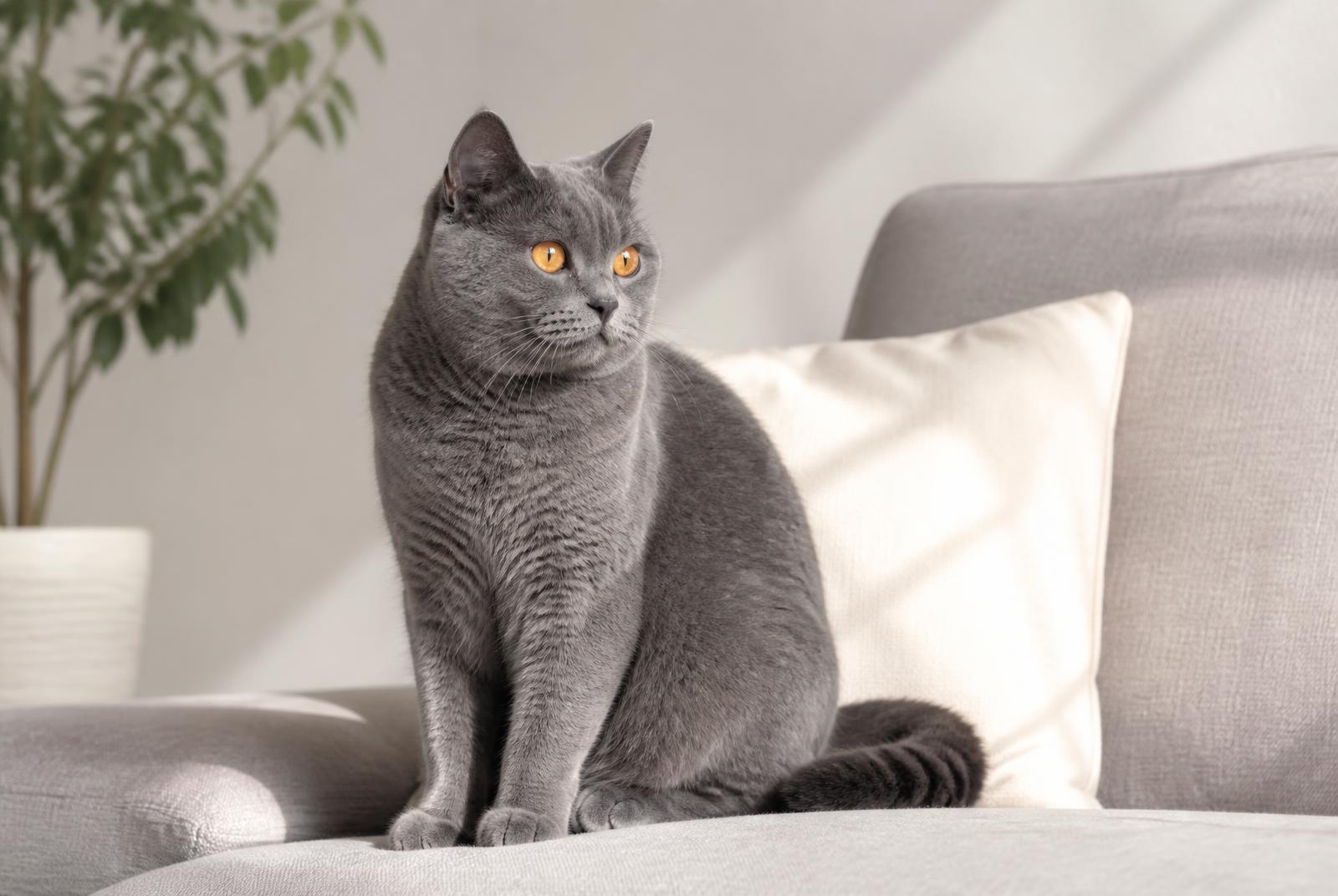 ChartreuxThe quiet blue companion from France98%match
Your play time comfortably covers this breed's energy.
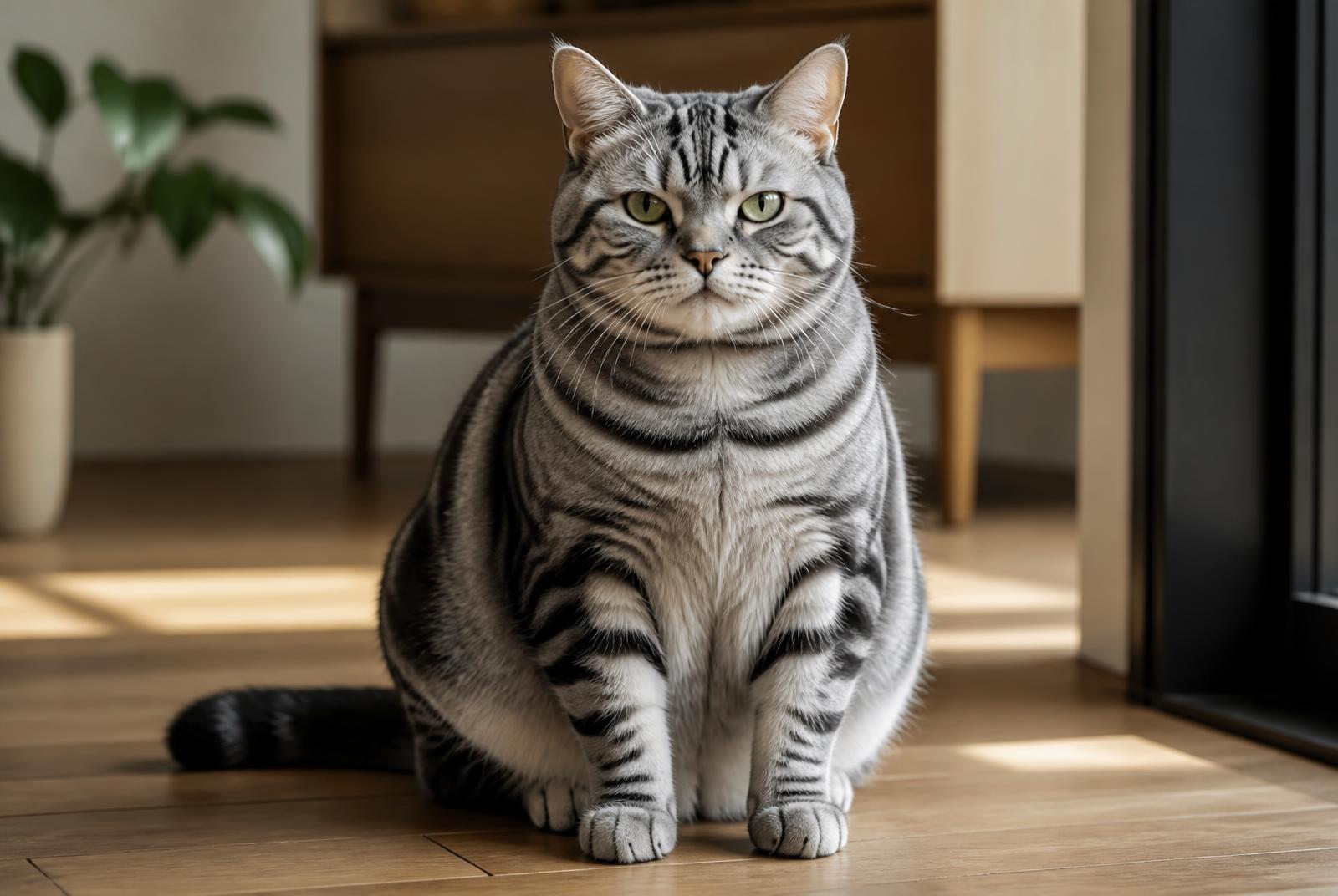 American ShorthairThe working cat that became the family cat, and never lost the sense of proportion.98%match
Your play time comfortably covers this breed's energy.
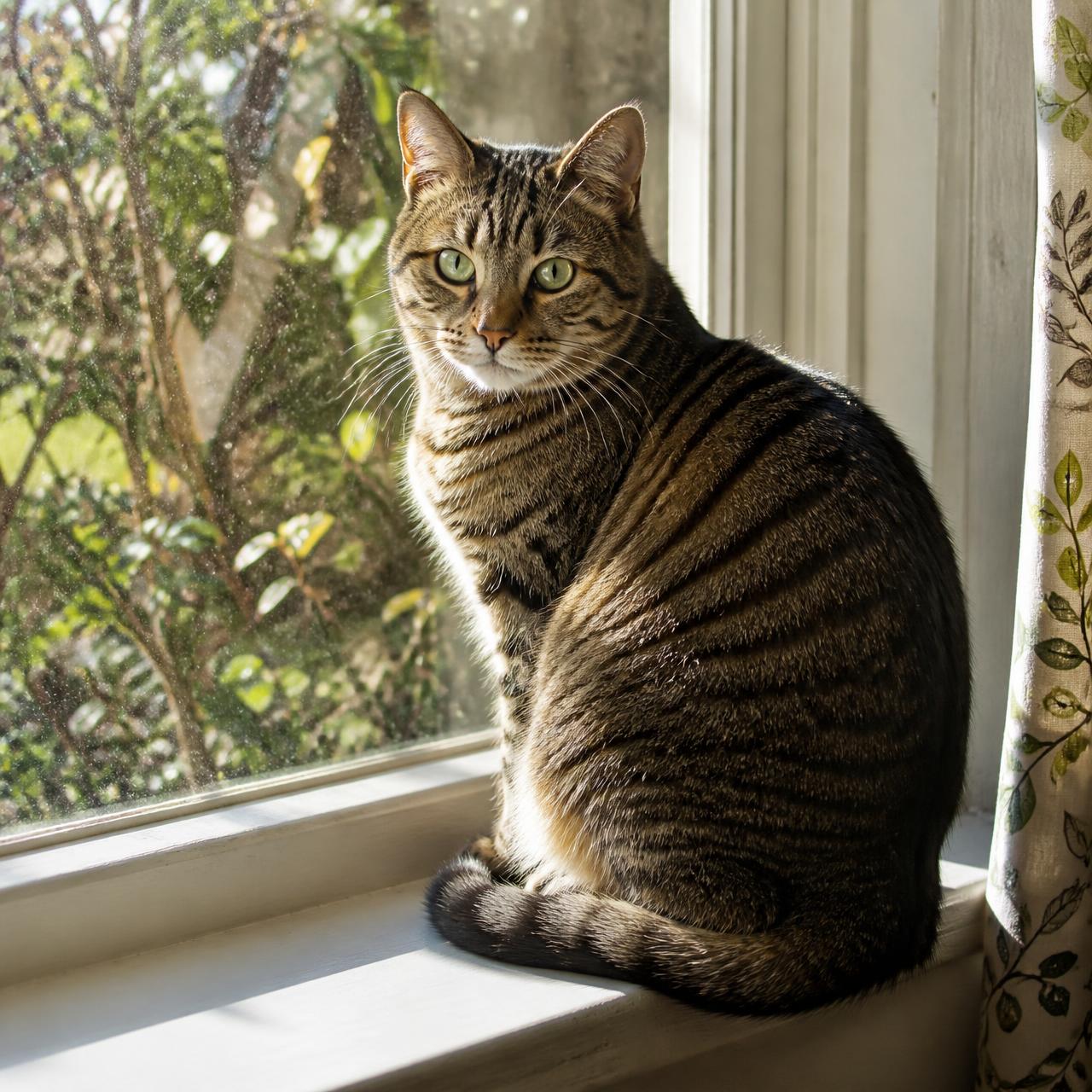 Domestic ShorthairThe best-value cat in the world97%match
Affection level matches the closeness you want. Needs more daily play than you have pencilled in.
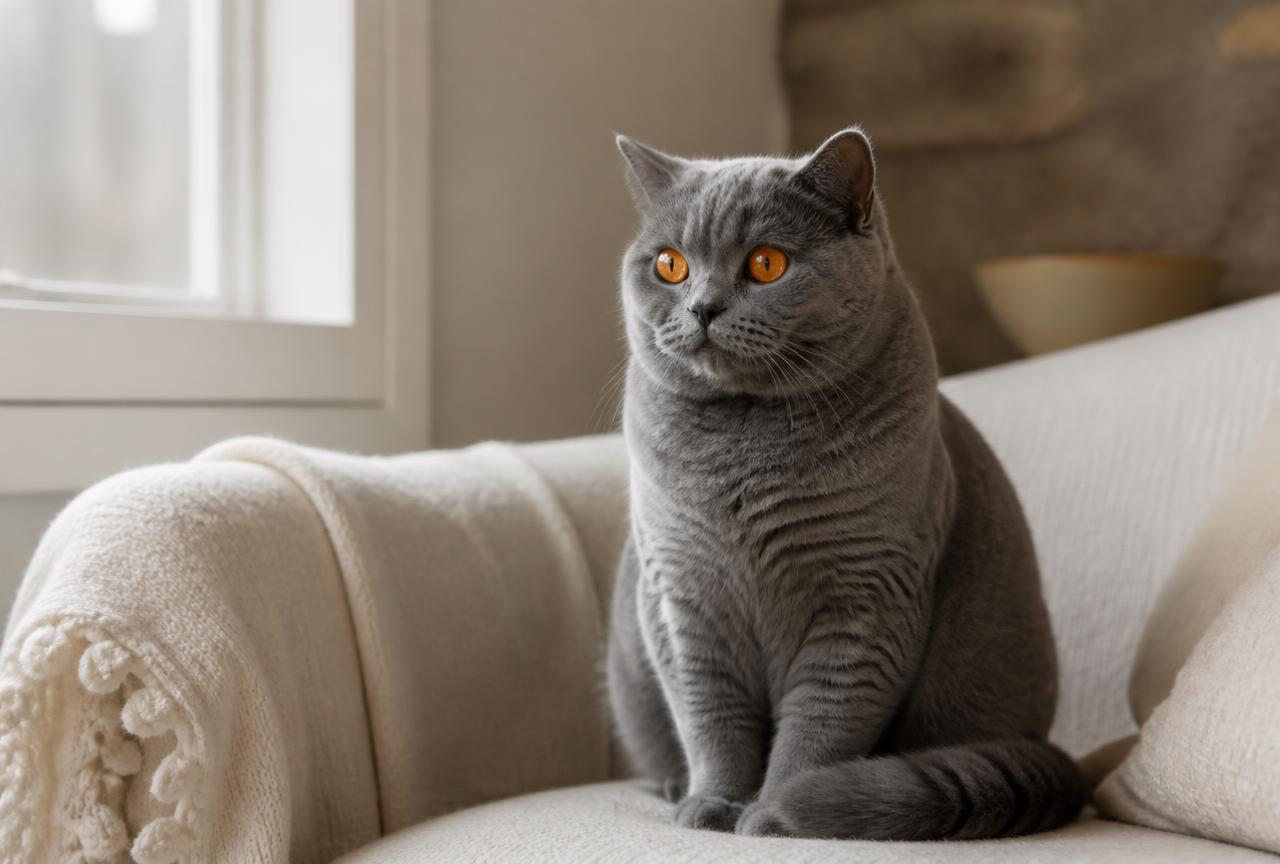 British ShorthairPlush, unbothered, quietly devoted97%match
Your play time comfortably covers this breed's energy.
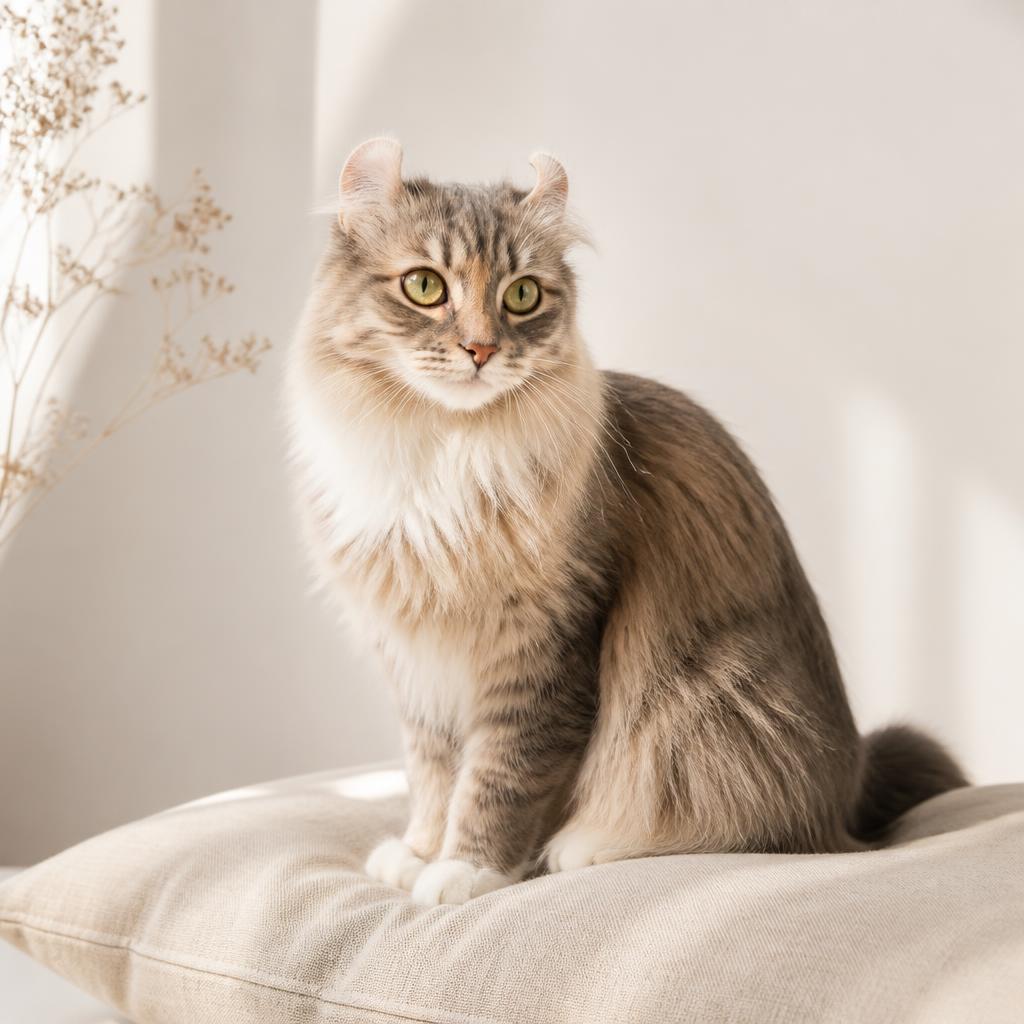 American CurlFriendly, adaptable and instantly recognisable by its curled ears97%match
Affection level matches the closeness you want. Needs more daily play than you have pencilled in.
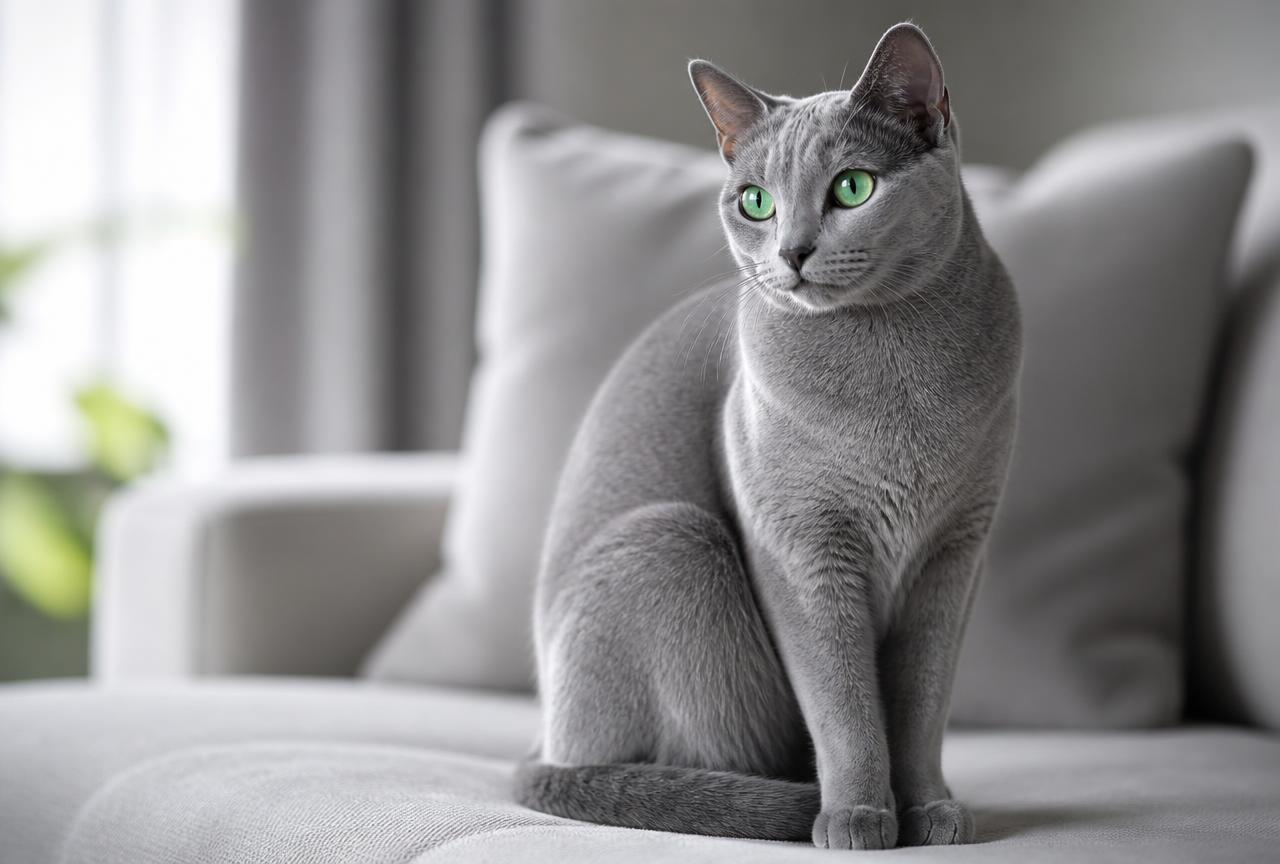 Russian BlueA quiet cat with a long memory97%match
Your play time comfortably covers this breed's energy.
Your answers stay on this device, so the page reopens where you left it.
Least suited to your answers
Not bad cats, badly matched to the household you described.
- Sphynx, Needs more daily play than you have pencilled in.
- Oriental Shorthair, Needs more daily play than you have pencilled in.
- Siamese, Needs more daily play than you have pencilled in.
What to do with your shortlist
- 1Answer for the life you actually liveNot the life you intend to start once the cat arrives. Play minutes and grooming minutes are where people are most optimistic, and they cause most of the mismatches.
- 2Read the cautions before the scoreA ninety per cent match with a caution about long days alone still tells you to plan for two cats. The reasons matter more than the number.
- 3Shortlist three, then go and meet themVisit a breeder, a rescue or a cat show and spend real time with adults of the breed, not only kittens. Adult temperament is what you are choosing.
- 4Check the health baggageOpen every shortlisted breed page and read the health watch-list. Breed-specific screening, heart, kidney, hips, is a fair question to ask any breeder.
- 5Consider the rescue equivalentOnce you know the profile that suits you, an adult mixed-breed cat with a known temperament often fits it better than a kitten whose character is still a guess.
Five mistakes to avoid
Choosing on looks alone
Coat and eye colour are the least consequential things about living with a cat. Energy, vocality and need for company shape every day for the next fifteen years.
Overstating your grooming time
A longhaired coat needs consistent weekly work, and a matted cat ends up shaved under sedation. If ten minutes a week is honest, choose a coat that suits ten minutes.
Buying an attached breed for an empty house
Highly bonded breeds left alone nine hours a day develop real distress behaviour. Either pick a more independent breed or plan on a pair from the start.
Assuming a breed guarantees a temperament
Socialisation between two and seven weeks shapes character more than pedigree does. Ask what the kittens have been exposed to, and meet the mother.
Discounting adult and rescue cats
An adult cat's personality is visible rather than predicted, which makes matching far more reliable than choosing a kitten on breed averages.
Questions people actually ask
Which cat breed is best for a first-time owner?
Breeds with moderate energy, an easy coat and a tolerant temperament, British Shorthair, Ragdoll, Birman, American Shorthair, forgive the learning curve. Very high-energy or very high-maintenance breeds are not harder to love, but they punish an inconsistent routine more than a first owner expects.
Which cat breed is best for an apartment?
Territory matters less than vertical space and stimulation. Breeds rated highly for apartment living tolerate a smaller footprint, but any cat in a flat needs climbing height, window access and two proper play sessions a day. A bored athletic cat in a studio is a behaviour problem waiting to happen.
Are any cat breeds actually hypoallergenic?
No breed is hypoallergenic. Reactions are to the Fel d 1 protein in saliva and skin, not to hair, and every cat produces it. Some lines, Siberian and Balinese are the usual examples, are anecdotally lower, but the only reliable test is spending time with the individual cat before committing.
Which breeds cope best with being left alone all day?
More independent breeds manage an eight-hour day better than intensely bonded ones. If your days are long and you want an attached breed, plan for two cats and enrichment: puzzle feeders, a view, and a proper play session on both ends of the day.
Do breeds really predict personality?
They shift the odds, not the outcome. Early socialisation, health and individual character explain more variation than breed does. Use a breed profile to rule out obvious mismatches, then judge the actual cat in front of you.
Should I adopt a mixed-breed cat instead?
For most households, yes. Domestic shorthairs and longhairs are healthy, widely available and every bit as rewarding, and adopting an adult means the temperament is already visible rather than predicted. Use this tool to understand what suits you, then look for that in a rescue cat.
What should I ask a breeder before committing?
Ask to see the mother with the kittens, ask about breed-specific health screening and its results, when the kittens go home (twelve to fourteen weeks, never earlier), and what they have already been exposed to. A breeder who questions you closely in return is a good sign.
Sources
Editorial note
Written for an international audience: no country-specific breeders, shops or registries beyond the international bodies cited. Breed traits describe averages across a population, not a promise about an individual cat, and no ranking here replaces meeting the cat and its parents.
Next tool
Breed mix predictorBlend two breeds and see the likely temperament.Daily portion calculatorWhat your shortlisted breed will cost to feed.Read alongside
 A kitten's first ninety daysThe window that shapes adult temperament.
 Introducing a second catIf your shortlist points towards a pair.
 Reading cat body languageHow to judge the cat you go and meet.