United States, developed from European working cats brought by early settlers
American Shorthair
Not the same thing as a random-bred shorthair, and not a British Shorthair either. A deliberately bred working cat with a level head, a hearty appetite and very few surprises.
The ReMews. desk
The working cat that became the family cat, and never lost the sense of proportion.
The short version
- A deliberately bred working cat, not the same as a random-bred domestic shorthair. Predictable type and temperament.
- Famously even-tempered: tolerant of children, dogs, visitors and change, and reasonably content alone during the working day.
- Long-lived, fifteen to twenty years is realistic, and slow to mature, taking about three years to fill out.
- Weight is the breed's main risk. Measured meals, puzzle feeders, monthly weigh-ins and daily play.
- Grooming is one weekly brush, plus a second session through the spring moult.
- Weight
- 3.5–7 kg
- Lifespan
- 15–20 yrs
- Coat
- Short
- Size
- Medium
- Grown male
- 5–7 kg
- Grown female
- 3.5–5.5 kg
- Years to full size
- about 3
- One-off setup
- €220–480
Get one if…
- You want a steady, adaptable, low-drama cat
- There are children, dogs or other cats
- You are out for part of the day
- You will measure meals and weigh monthly
- You want a long-lived cat with few structural problems
Think again if…
- You want a cat that is on you constantly
- You want a high-intensity, athletic breed
- You prefer to leave food out all day
- You want a very talkative cat
Trait profile
Scores cluster in the comfortable middle, with kid-friendliness and pet-friendliness near the top. The number to keep honest is weight, which no score can show you.
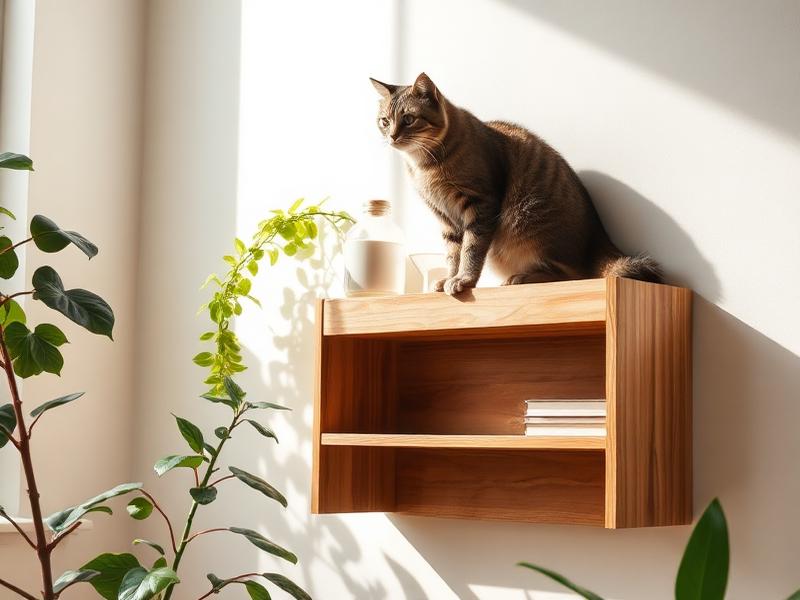
Space & setup. Adapts well to a flat or a house. Not a demanding climber, though a window perch and a scratching post are still essentials rather than luxuries.
Allergies. Not hypoallergenic. The coat is short but dense and sheds steadily, spreading allergen through the home like any cat.
The review
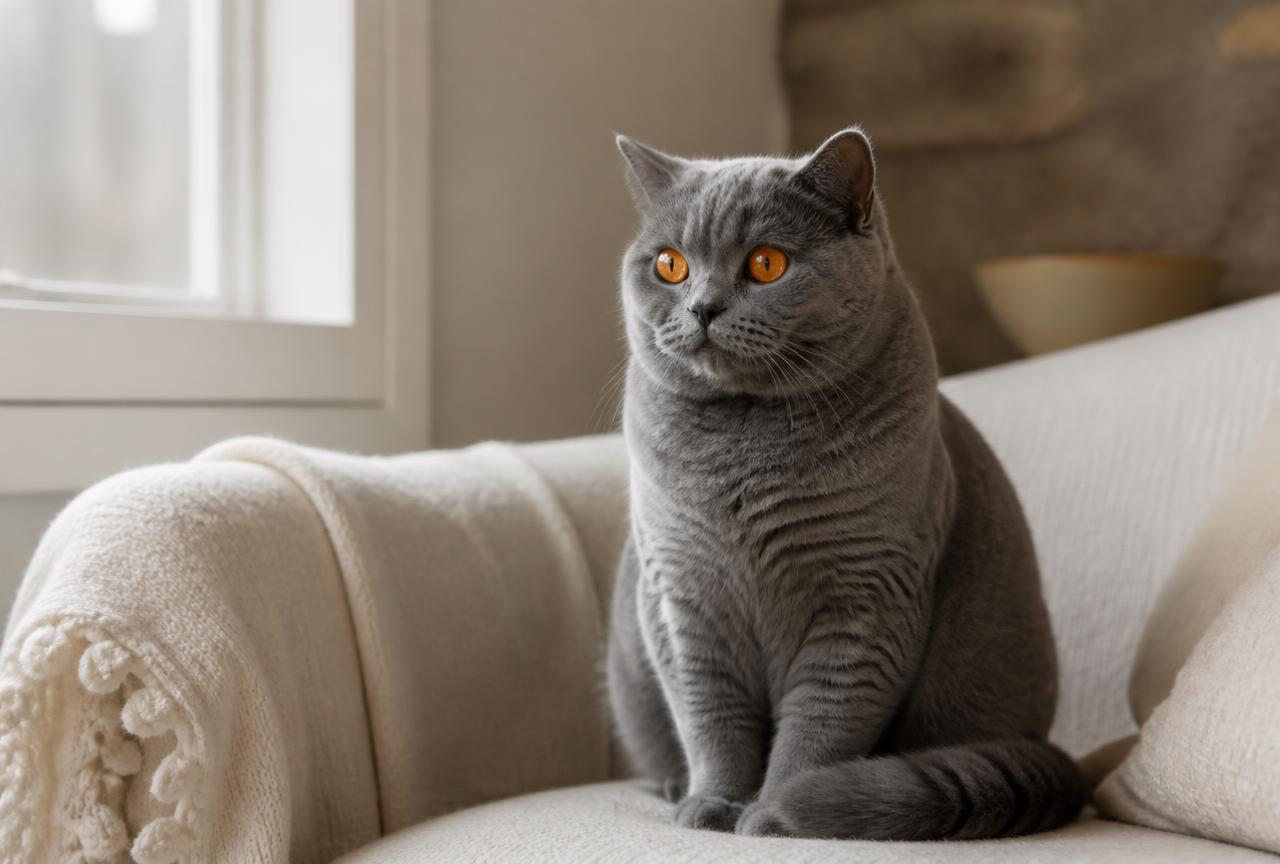
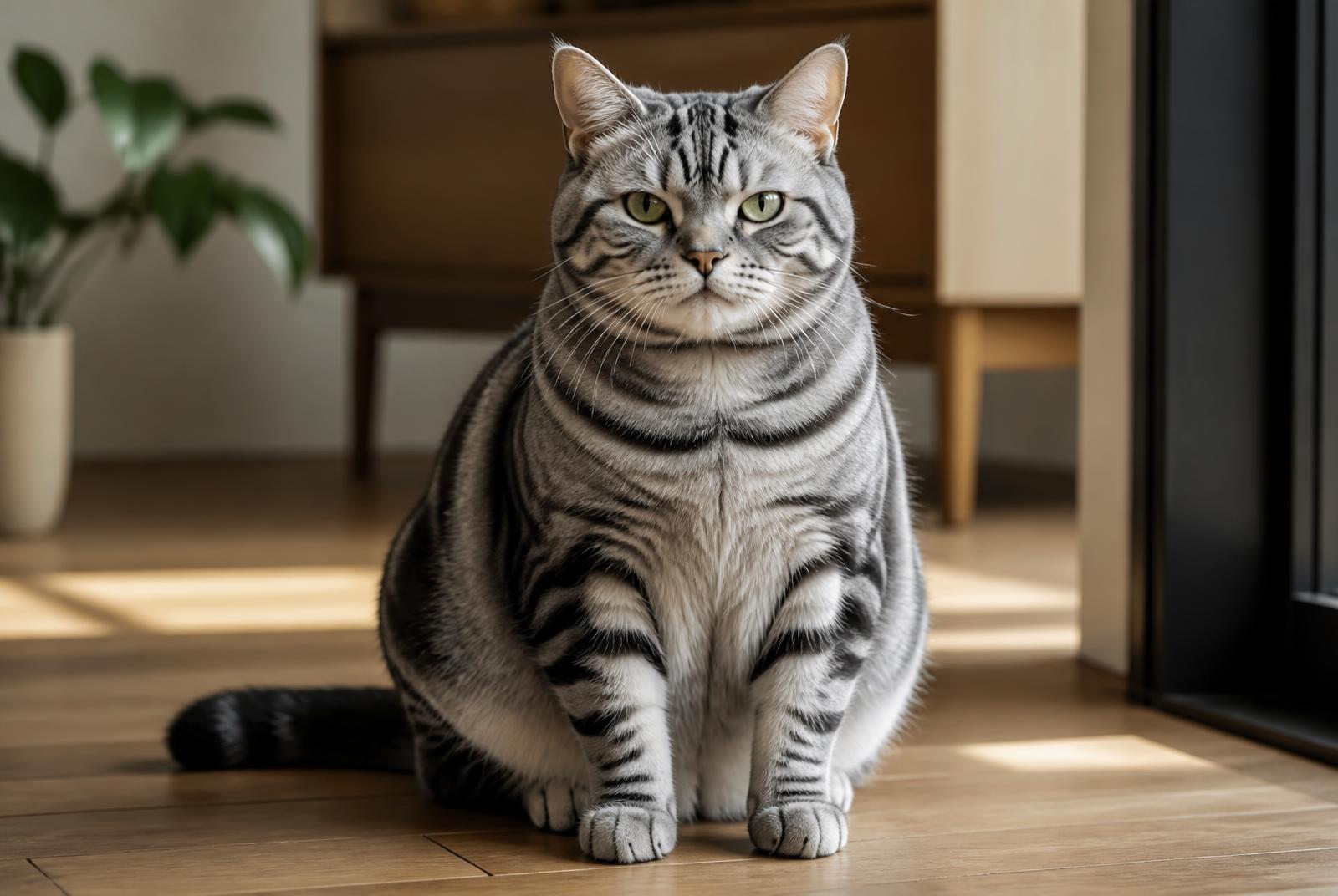
A sturdy, medium-to-large shorthaired breed with a broad face, dense weather-resistant coat and famously even temperament. Sociable without being demanding, active without being intense.
The American Shorthair is frequently confused with the ordinary domestic shorthair, and the confusion is understandable: both descend from the working cats that arrived in North America on European ships, kept for their ability to control rodents around grain and cargo. The difference is that from the late nineteenth century some of those cats were selected and bred deliberately for a particular type, a broad, open face, round eyes, a strong muzzle, a dense coat that stands up to weather, and above all a temperament calm enough to live comfortably alongside people. A pedigree American Shorthair gives you predictability. A moggy from a shelter gives you a wonderful cat and a lottery ticket.
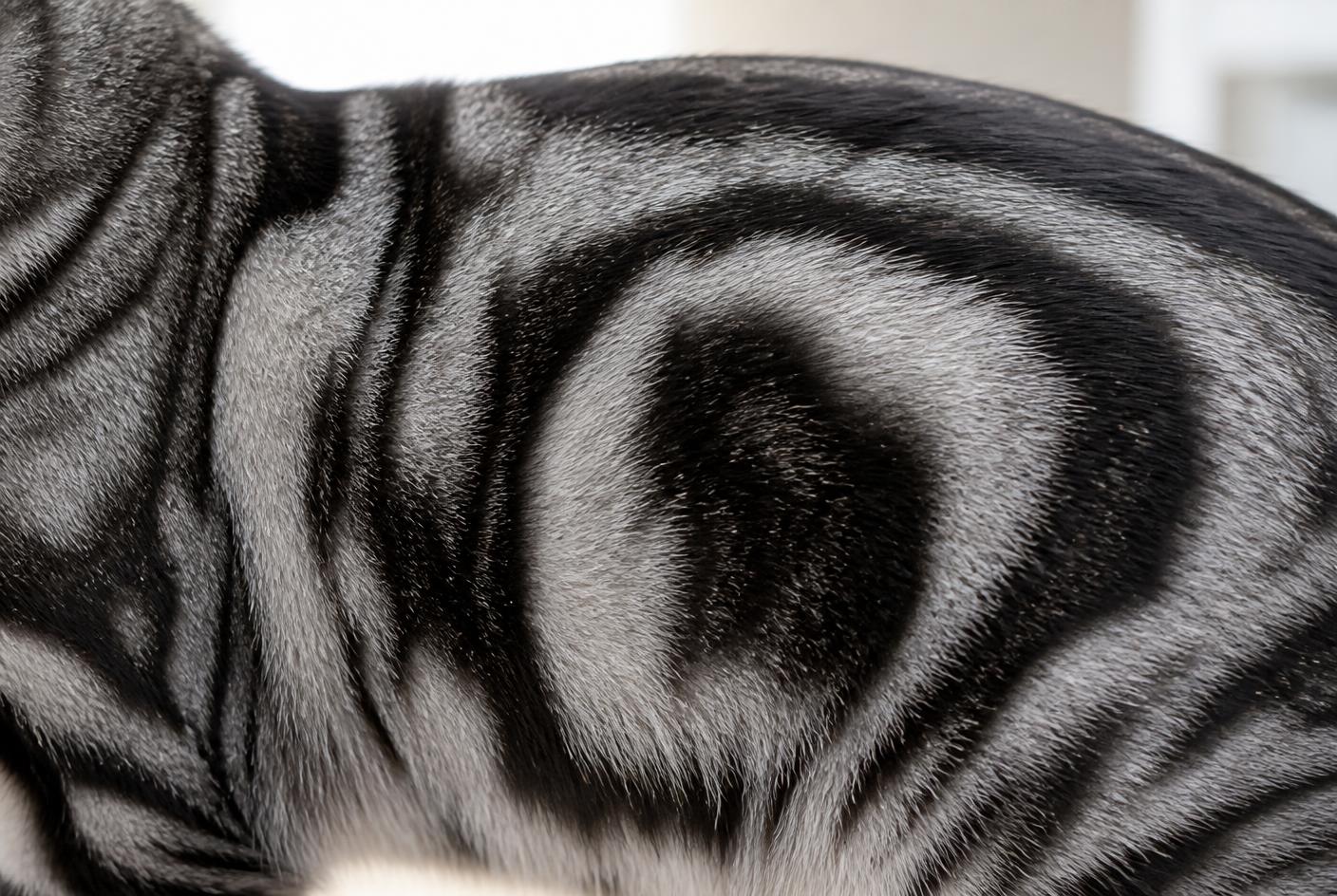
Physically this is a solid, muscular animal built for endurance rather than sprinting. The body is medium to large, level along the back, with a broad chest and legs of moderate length, heavier and more workmanlike than a Domestic Shorthair, less rounded and cobby than a British Shorthair. The coat is short but genuinely dense, designed to shed rain and resist cold, and it comes in a very wide range of colours and patterns. The one everybody pictures is the silver classic tabby: pale silver ground, dense black markings, and the distinctive bullseye swirl on each flank.
Maturation is slow. An American Shorthair takes about three years to fill out completely, so a fifteen-month-old cat that looks lanky is usually just unfinished. Lifespan is a genuine strength: fifteen to twenty years is realistic in a well-kept indoor cat, and the breed has few of the structural problems that shorten life in more extreme types.
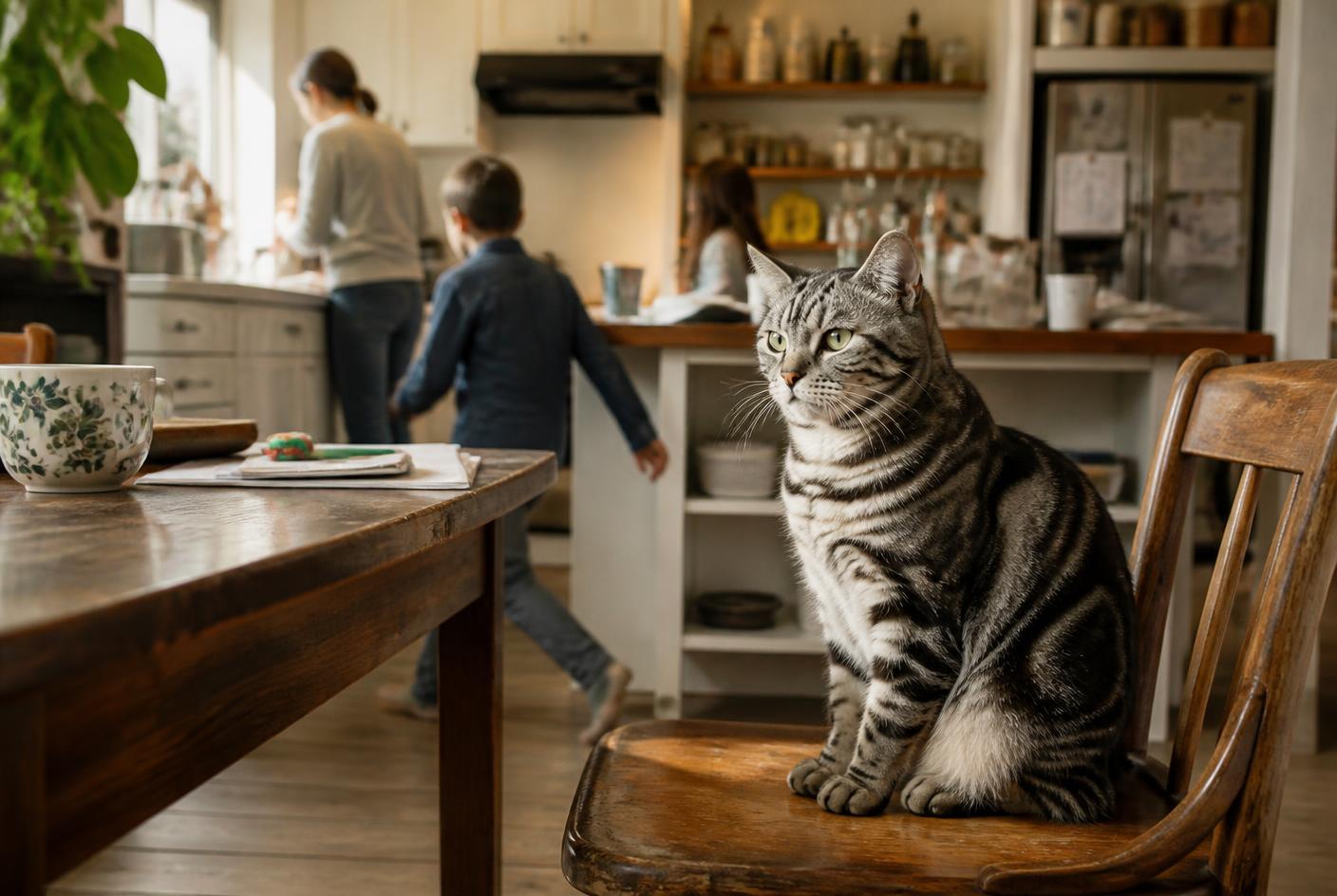
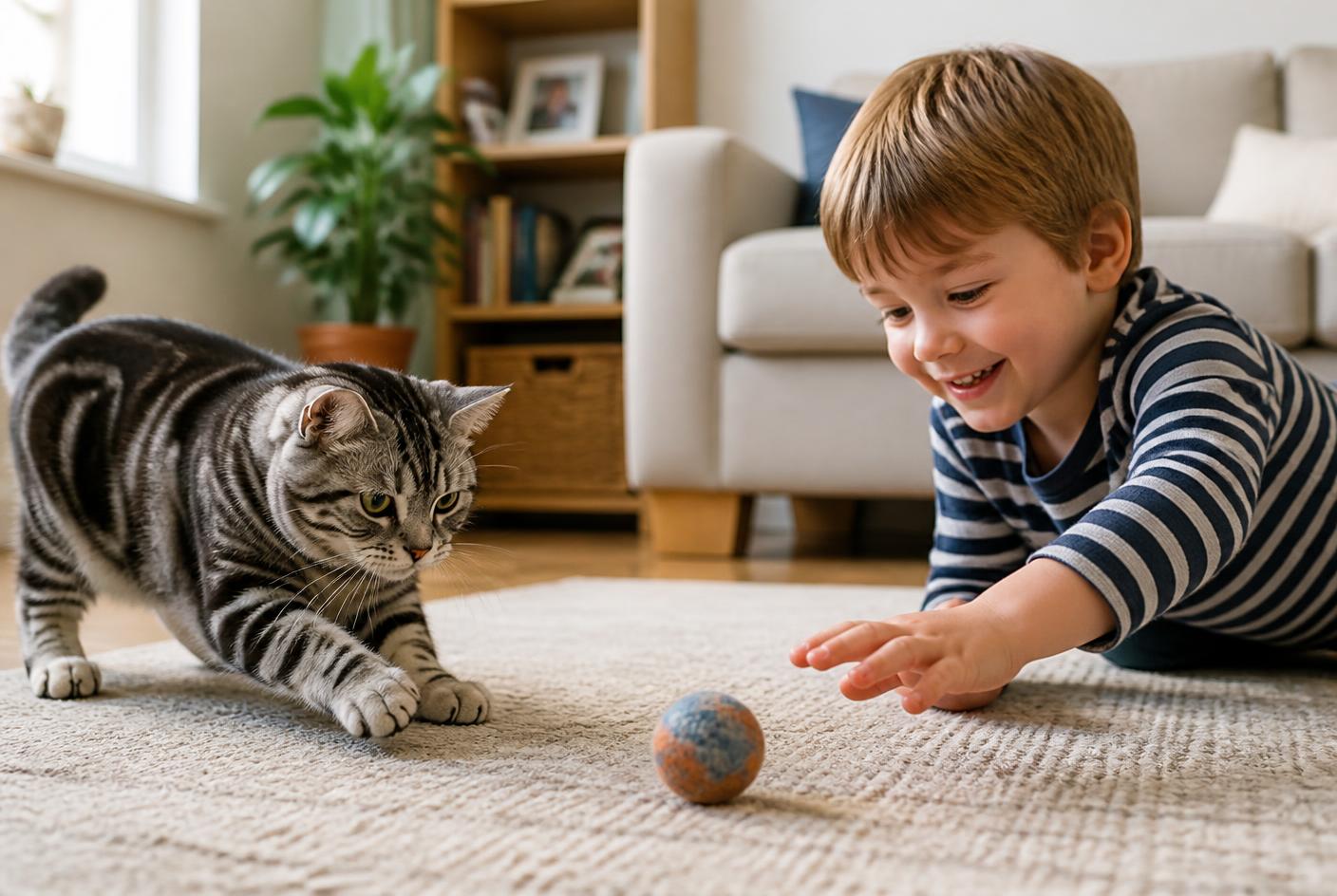
The temperament is the selling point, and it is remarkably consistent. This is a cat with a sense of proportion. It is affectionate but not clingy, it will sit next to you rather than on you, and it accepts being alone during the working day with less protest than most breeds. It is playful in short, cheerful bursts well into adulthood, without the relentless drive of an Abyssinian or a Rex. It is quiet, using its voice sparingly. It is notably tolerant of children, dogs, other cats, visitors and noise, and it adapts to change with minimal fuss. If you want one word for it, the word is unflappable.
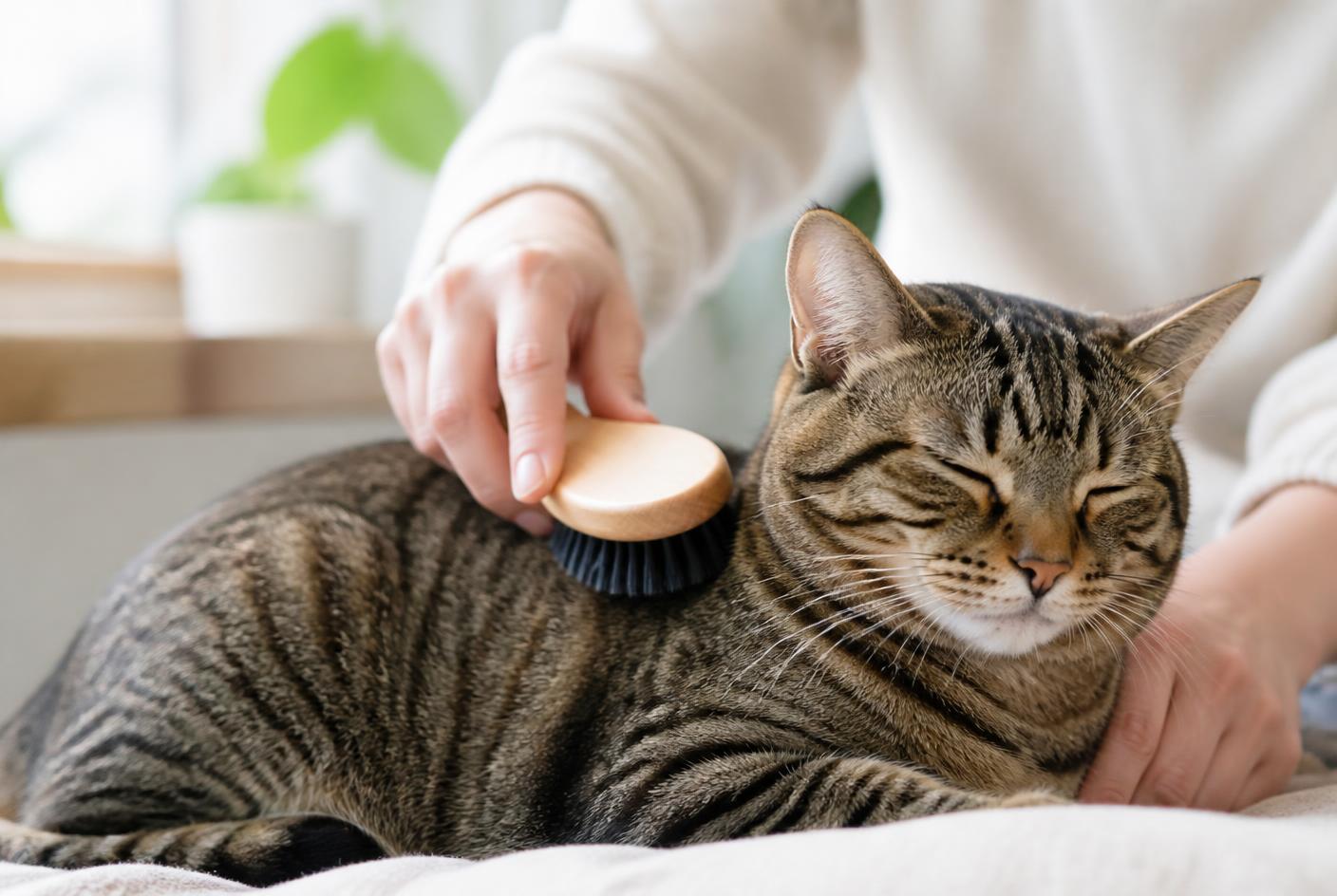
Grooming is straightforward. A weekly brush through the dense coat removes loose hair and reduces both hairballs and the amount of fur on your furniture, and a second session during the spring moult is worth adding. Nails need trimming every two to three weeks. Teeth need brushing several times a week, the breed has no special dental vulnerability, but nor does it have any special protection.
The real management task for this breed is weight, and it is not a minor footnote. American Shorthairs are enthusiastic, unfussy eaters descended from cats that ate whatever they caught, they have a placid disposition, and they are typically kept indoors with everything provided. That combination produces obesity with depressing reliability, and obesity in a cat brings arthritis, diabetes, urinary problems and an inability to groom its own back end. The answer is not complicated: two or three measured meals a day instead of a full bowl, a monthly weight recorded somewhere you will see it, ribs checked by feel each week, and two ten-minute play sessions a day even when the cat looks content to skip them. Puzzle feeders help more with this breed than with almost any other, because they turn eating back into work.
Health otherwise is good. Hypertrophic cardiomyopathy occurs, as in most breeds, and breeding cats should be echocardiogram-screened; ask for dates. Polycystic kidney disease has been reported occasionally and is DNA-testable. Beyond that, expect an ordinary, robust cat with a long life and a good chance of reaching its late teens, which, on the evidence of this index, is about as much as anyone can reasonably ask.
One of the easiest cats in this index to live with, and one of the easiest to accidentally make overweight.
Grooming, realistically
- 1Brush the whole coat once a week with a bristle brush or grooming mitt; add a second session during the spring moult.
- 2Trim nails every two to three weeks.
- 3Brush teeth several times a week and check the gum line for redness.
- 4Feed two or three measured meals a day rather than leaving a bowl out, and use at least one puzzle feeder.
- 5Weigh monthly, record it, and feel for ribs weekly with flat fingers.
- 6Run two ten-minute play sessions a day, even with a cat that seems content without them.
What you actually need
- Bristle brush or grooming mitt
- Fine-toothed comb for moult season
- Nail clippers
- Cat toothbrush and enzymatic paste
- Puzzle feeders
- Measuring scoop or kitchen scales
- Window perch and scratching post
Kitten to adult
| Age | Male | Female | What is happening |
|---|---|---|---|
| Birth | Sturdy from the start, with a dense coat developing quickly. | ||
| 8 weeks | Broad-faced and solid. Start weekly brushing and nail handling now. | ||
| 6 months | Growth is steady rather than dramatic. Establish measured meals before free-feeding becomes normal. | ||
| 12 months | Looks lanky and unfinished; this is expected. Switch to adult food on a measured portion. | ||
| 3 years | Fully filled out. Beyond the range on an adult is almost always weight rather than frame. |
Ranges are typical, not targets. Judge condition by ribs and waist, and check with the ideal weight checker.
What to ask a breeder
- Have both parents been screened by echocardiogram for hypertrophic cardiomyopathy, and when?
- Are your cats DNA-tested for polycystic kidney disease?
- How old are the oldest cats you have bred, and what did they die of?
- What weight do your adults settle at, and what portion do you feed?
- Are kittens raised in the house, handled daily and used to other animals?
- What is dental condition like in your adults at seven or eight years?
- Which vaccinations, worming and health checks are done before the kitten leaves?
Health watch-list
What to ask a breeder about, and what to watch for over a lifetime. This is orientation, not veterinary advice, anything you notice belongs in front of a vet.
Obesity
CommonThe breed's single biggest risk. An unfussy appetite plus a placid nature plus indoor living equals quiet, steady weight gain.
Hypertrophic cardiomyopathy
UncommonOccurs as in most breeds. Breeding cats should be screened by echocardiogram.
Diabetes mellitus
UncommonLargely a downstream consequence of excess weight. Lean cats rarely develop it.
Feline lower urinary tract disease
UncommonMore likely in overweight, indoor, under-hydrated cats. Wet food, several water sources and a clean large tray all help.
Osteoarthritis
CommonVery common in cats over ten, and worse in heavy ones. Watch for reduced jumping rather than obvious limping.
Polycystic kidney disease
RareReported occasionally and DNA-testable. Reasonable to ask a breeder about.
What it costs to keep one
Realistic running cost
€84 / month
About €1,008 a year, or roughly €18,144 across a 18-year life, before purchase price, neutering and one-off vet events.
Before the cat arrives. Budget roughly €220–480 for trays, carrier, posts, bowls, bedding and grooming kit sized for this breed. Figures throughout are indicative and vary a good deal between countries.
Interactive · built for this breed
Is an American Shorthair right for your home?
The steady, low-drama shorthair. Five questions on activity, weight, household noise and what you actually want from a cat.
Verdict
An easy match
This is the breed doing what it does best: fitting into a normal household without asking much in return.
Keep the weight honest with the ideal weight tool, or compare the alternatives in the matchmaker.
The verdict, by household
Family with young children
Excellent
Flat dweller
Very good
First-time owner
Excellent
Multi-cat home
Excellent
Out all day
Very good
Older or quieter owner
Excellent
When to call your vet
- Weight gain of more than about five per cent, or a waist that disappears
- Increased thirst and urination
- Straining in the tray, or urinating outside it
- Reduced jumping, stiffness or reluctance to use stairs
- Breathlessness or reduced exercise tolerance
- Bad breath, drooling or difficulty eating hard food
Nothing here is a diagnosis. Breathing difficulty, sudden hind-leg weakness and straining to urinate are emergencies, go the same day.
American Shorthair vs the closest alternatives
| Breed | Weight | Energy | Grooming | € / month |
|---|---|---|---|---|
| American Shorthair | 3.5–7 kg | 5/10 | 3/10 | €84 |
| British Shorthair | 4–8 kg | 4/10 | 4/10 | €76 |
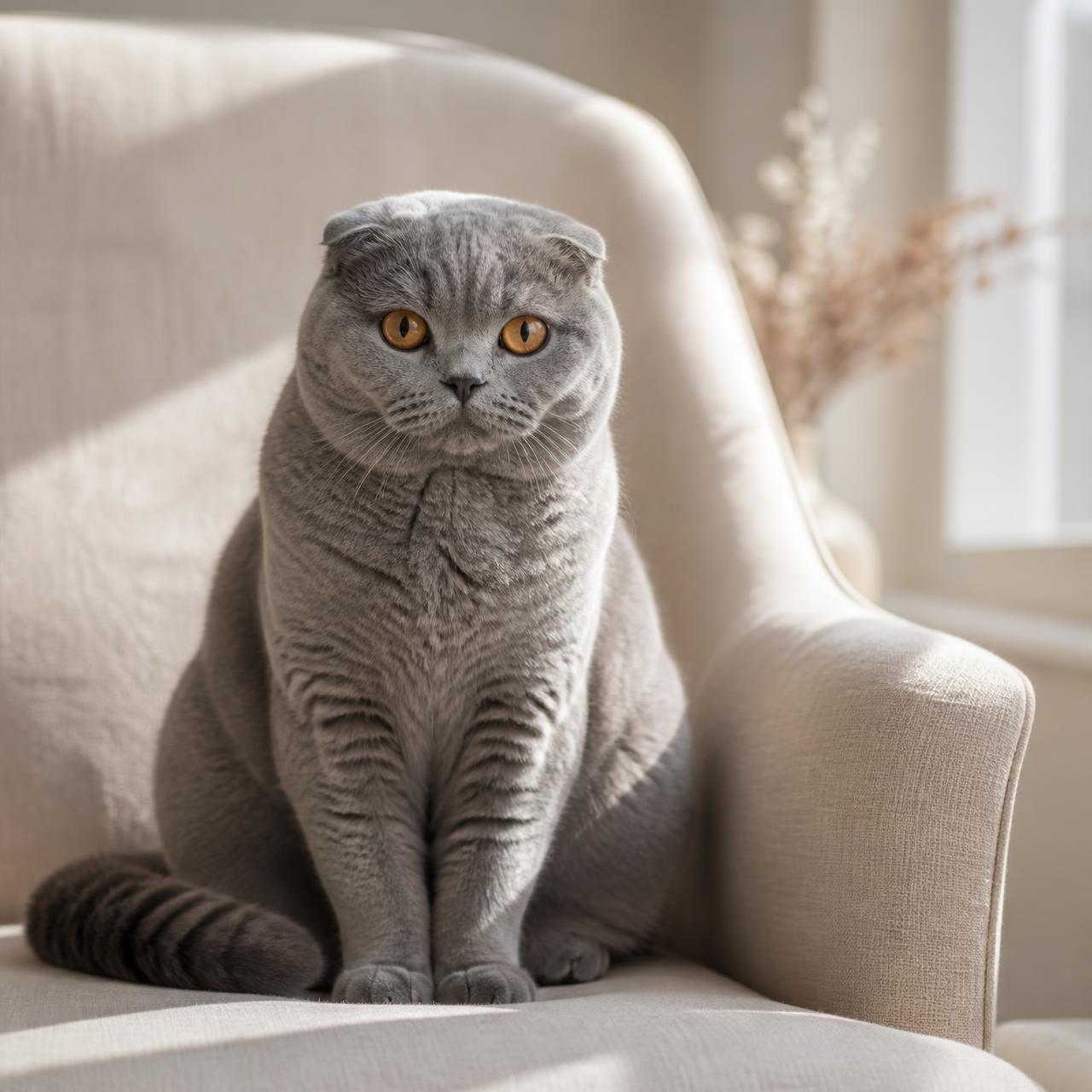
| Scottish Fold | 3–6 kg | 5/10 | 4/10 | €88 |
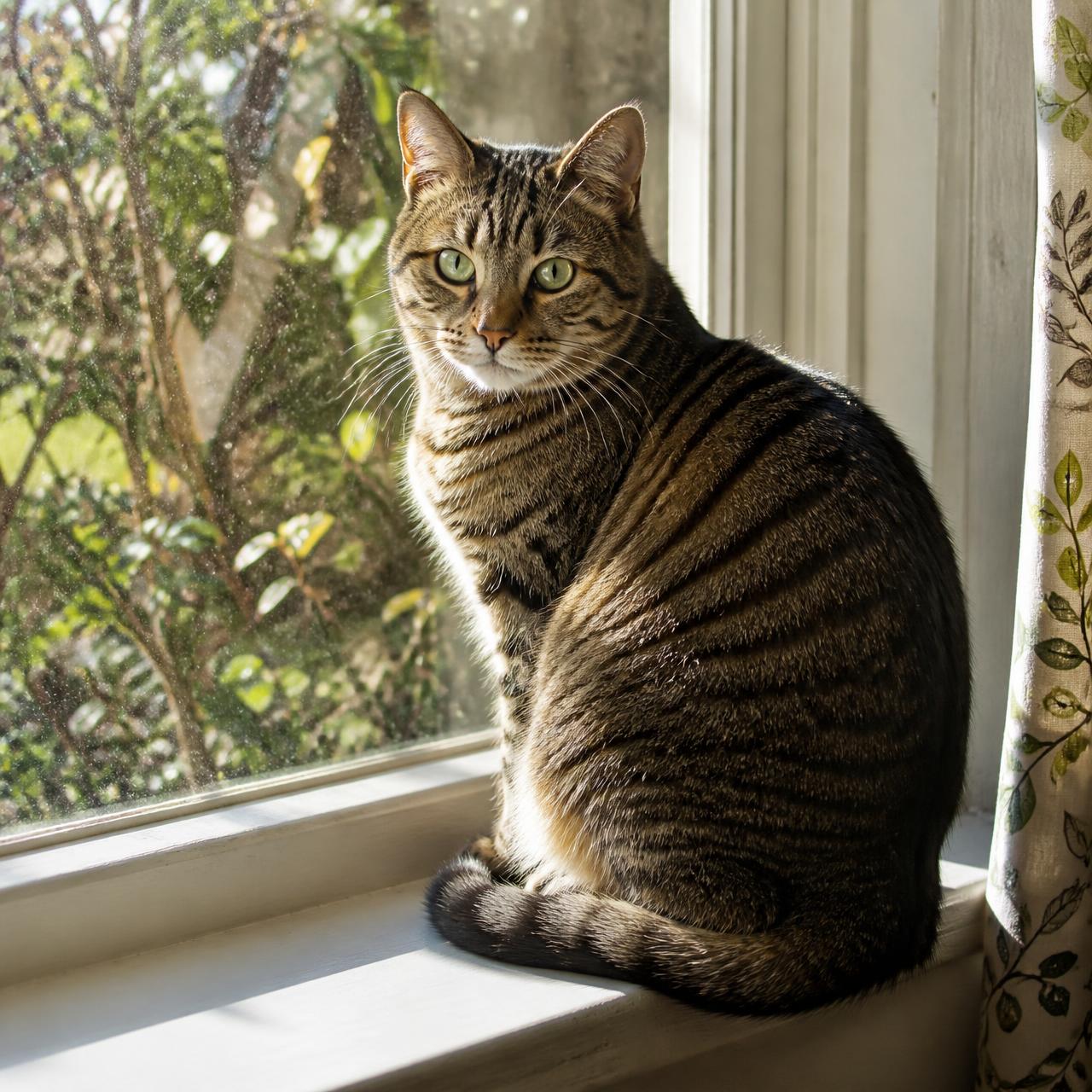
| Domestic Shorthair | 3.5–7 kg | 6/10 | 3/10 | €66 |
American Shorthair questions, answered
What is the difference between an American Shorthair and a domestic shorthair?
Breeding. Both descend from the same working cats, but the American Shorthair has been deliberately selected since the late nineteenth century for a specific type, coat and temperament, so you know broadly what you are getting. A random-bred domestic shorthair is a lottery, often a delightful one.
American Shorthair or British Shorthair?
The American is a little longer in the leg, more workmanlike and slightly more active; the British is rounder, cobbier and more sedentary. Both are calm and easy. The American tends to be marginally more playful and marginally less dense in the coat.
How long do American Shorthairs live?
Fifteen to twenty years is realistic in a well-kept indoor cat. It is one of the longer-lived breeds in this index, largely because it has few of the structural problems found in more extreme types.
Why do American Shorthairs get overweight?
A hearty, unfussy appetite inherited from working cats, a placid temperament, and indoor living with everything provided. The combination is reliable. Feed two or three measured meals rather than leaving a bowl out, use puzzle feeders, weigh monthly and play twice a day.
Are American Shorthairs good with children and dogs?
Yes, notably so. They are sturdy, patient and hard to rattle, and they take visitors, noise and change in their stride. Still teach gentle handling and provide a high retreat.
How much grooming do they need?
One brush a week through the dense short coat, plus a second session during the spring moult. Nails every two to three weeks, teeth several times a week.
Can an American Shorthair be left alone during the working day?
Better than most breeds, yes. They are affectionate on their own terms rather than dependent. Leave a window perch, a puzzle feeder and something to scratch, and keep a proper play session for when you get home.