Worldwide
Domestic Shorthair
No pedigree, no breeder, no predictable trait sheet, and, on the evidence, the healthiest cat in this index. The question is not which breed but which cat.
The ReMews. desk
The best-value cat in the world
The short version
- Not a breed but a population: the mixed-ancestry cat that makes up the large majority of pet cats worldwide.
- Wider genetic variation means fewer inherited disorders than most pedigrees, though nothing is guaranteed.
- Temperament cannot be predicted from looks. Adopt the individual cat you have met, not the coat you liked.
- An adult of five or over is the most honest purchase in cat ownership: personality formed, health known, cost lowest.
- Short coats need almost no grooming; a weekly brush during moults and routine dental care is most of the job.
- Cheapest cat to acquire and among the cheapest to keep, which leaves more budget for insurance and dental work.
- Weight
- 3.5–7 kg
- Lifespan
- 13–20 yrs
- Coat
- Short
- Size
- Medium
- Grown male
- 4–6 kg
- Grown female
- 3–4.5 kg
- Years to full size
- about 1.5
- One-off setup
- €150–350
Get one if…
- First-time owners and families
- Anyone on a sensible budget
- People who prefer adopting over buying
- Owners who want the fewest inherited health risks
Think again if…
- Anyone needing a guaranteed size, coat or temperament
- Show-breeding ambitions
Trait profile
Treat these bars as the middle of a wide range rather than a description of the cat in front of you. A moggy population spans placid lap cats and relentless hunters, and no coat pattern predicts which you are meeting. The scores here describe the average; the shelter assessment describes your cat.
Space & setup. Adapts to almost any home; a scratching post, a window perch and one tall shelf covers most needs.
Allergies. Varies by individual; some mixed-breed cats are noticeably lower-dander, but none are hypoallergenic.
The review
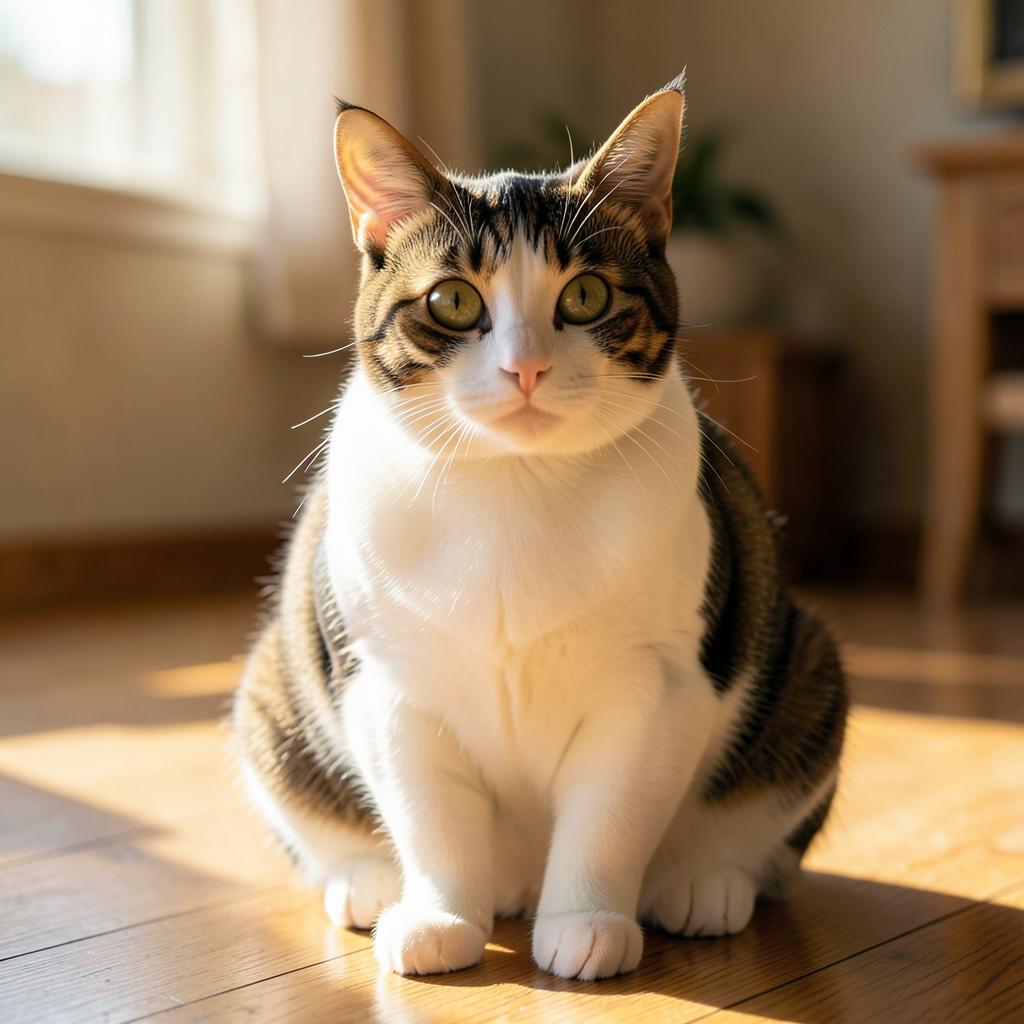
Not a breed but a beautifully mixed population, the domestic shorthair covers everything from tuxedos to tabbies to calicos. Genetic diversity tends to bring robust health and enormous personality variety.
The domestic shorthair is not a breed, and pretending otherwise is the first mistake people make. It is a population, the enormous, unmanaged, genetically varied group of cats that most of the world actually lives with. There is no standard, no registry, no breeder deciding which traits get passed on. What you get instead is an animal shaped by chance rather than by fashion, and on almost every practical measure that turns out to be an advantage.
Start with health, because it is the strongest argument. Most inherited feline disorders concentrate in closed pedigree populations, where a small founder group and generations of selection fix a fault in place: the cartilage mutation in the Fold, the flattened face in the Persian, the kidney cysts that once ran freely through Persian lines. A cat of mixed ancestry carries no such concentration. It is not immune to anything, polycystic kidney disease, heart muscle disease and diabetes all appear in moggies, but the odds are simply better, and the vet bills across a lifetime tend to reflect that.
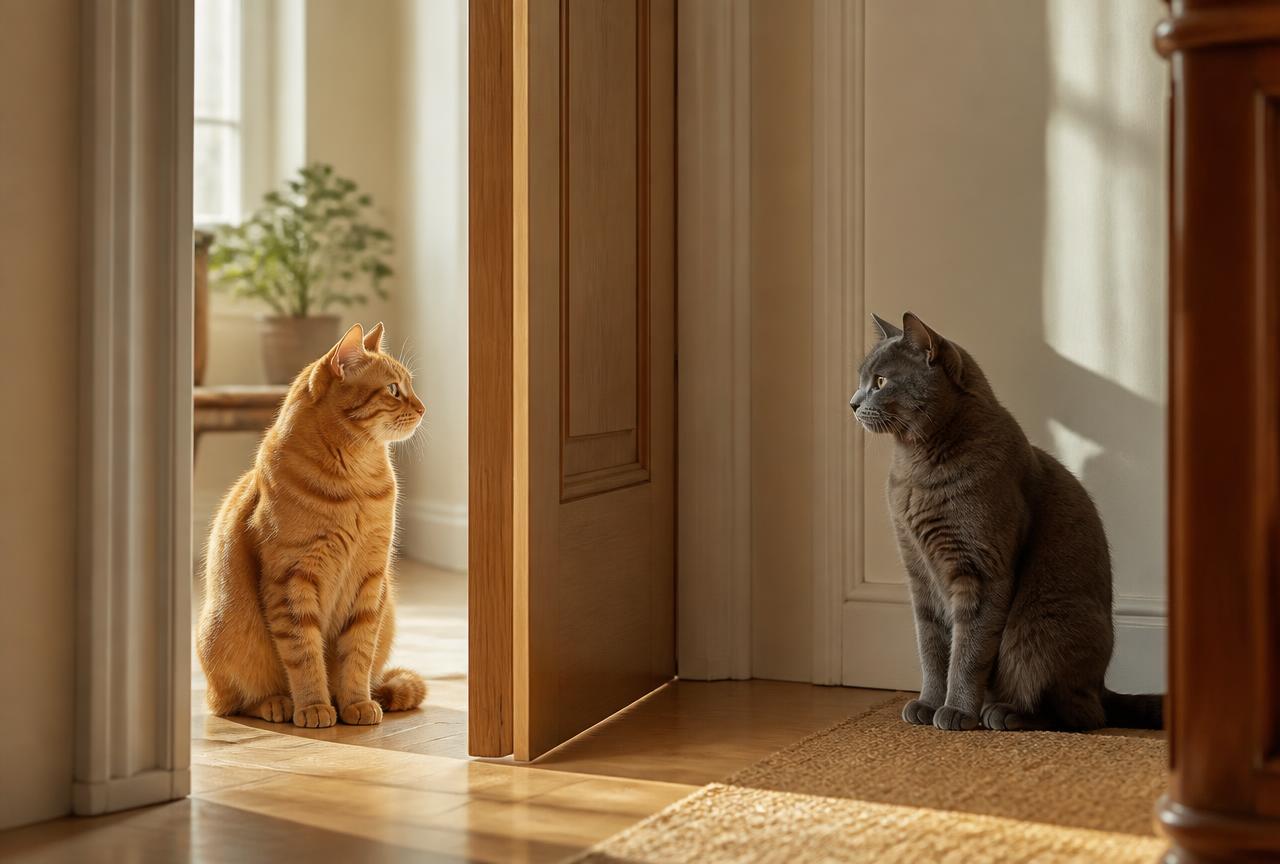
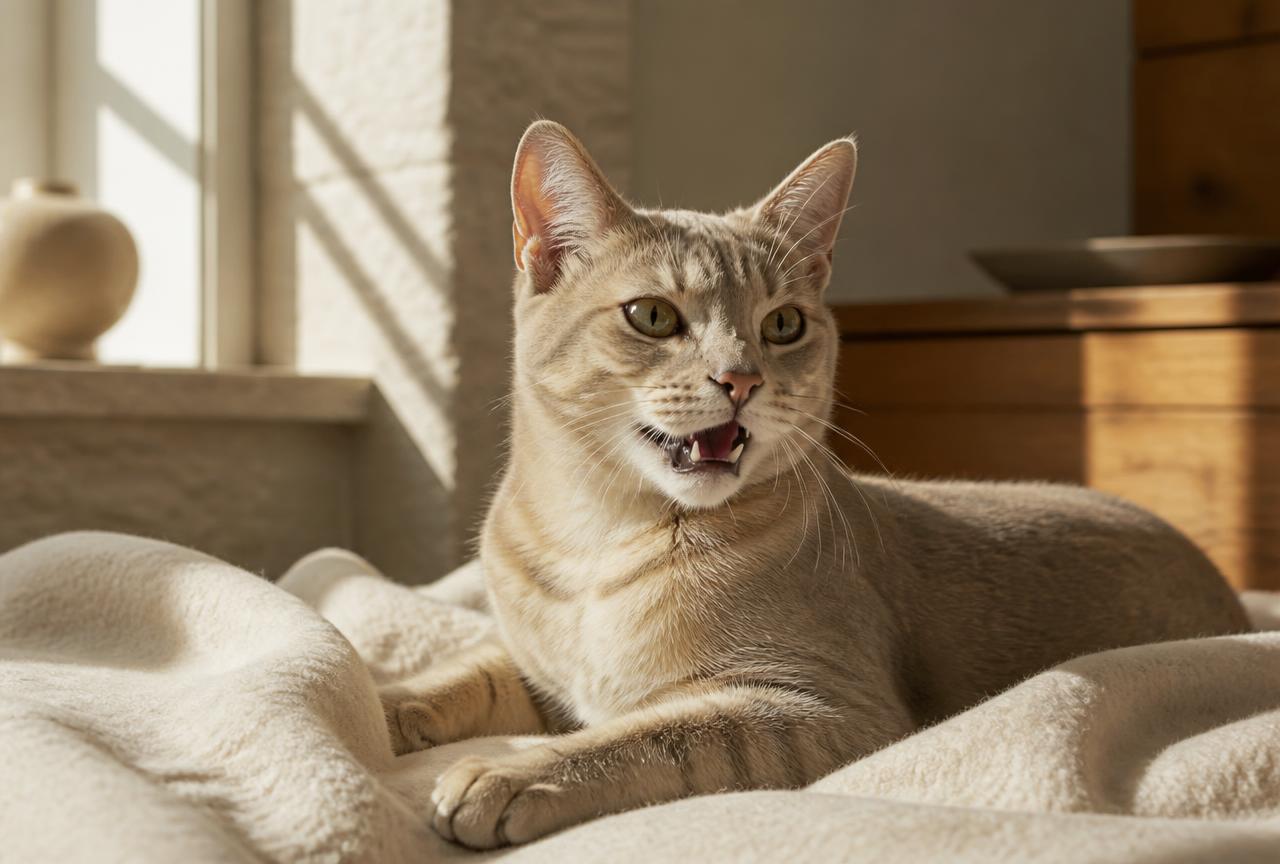
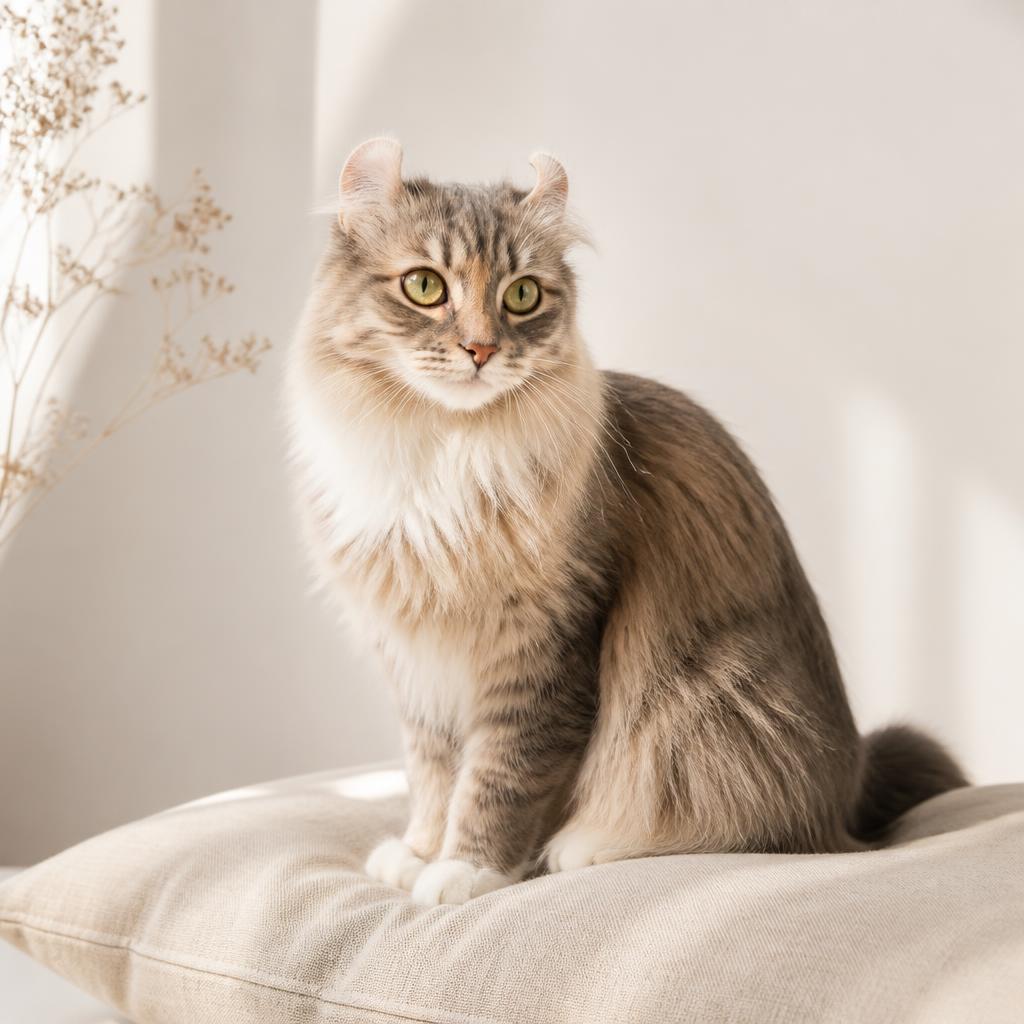
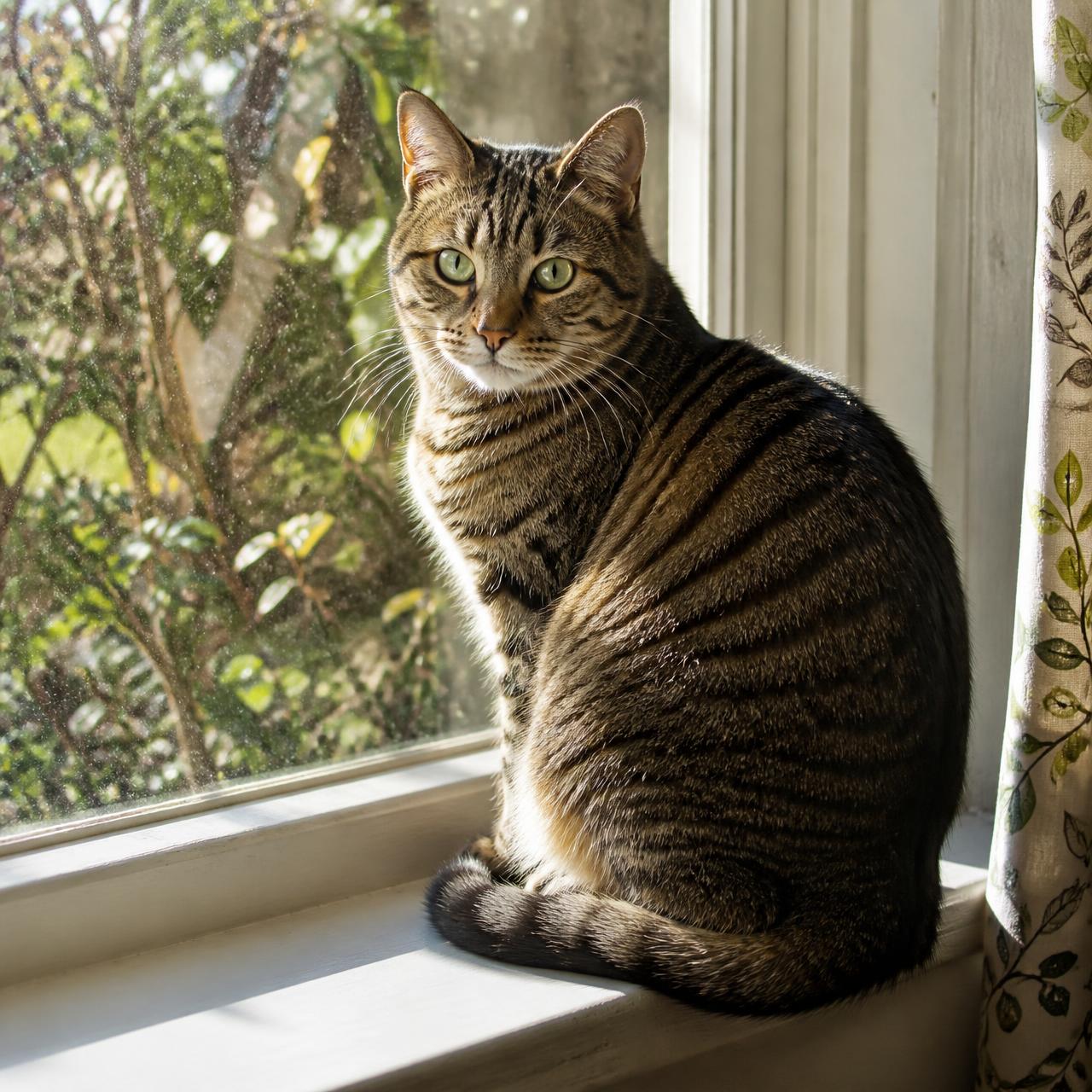
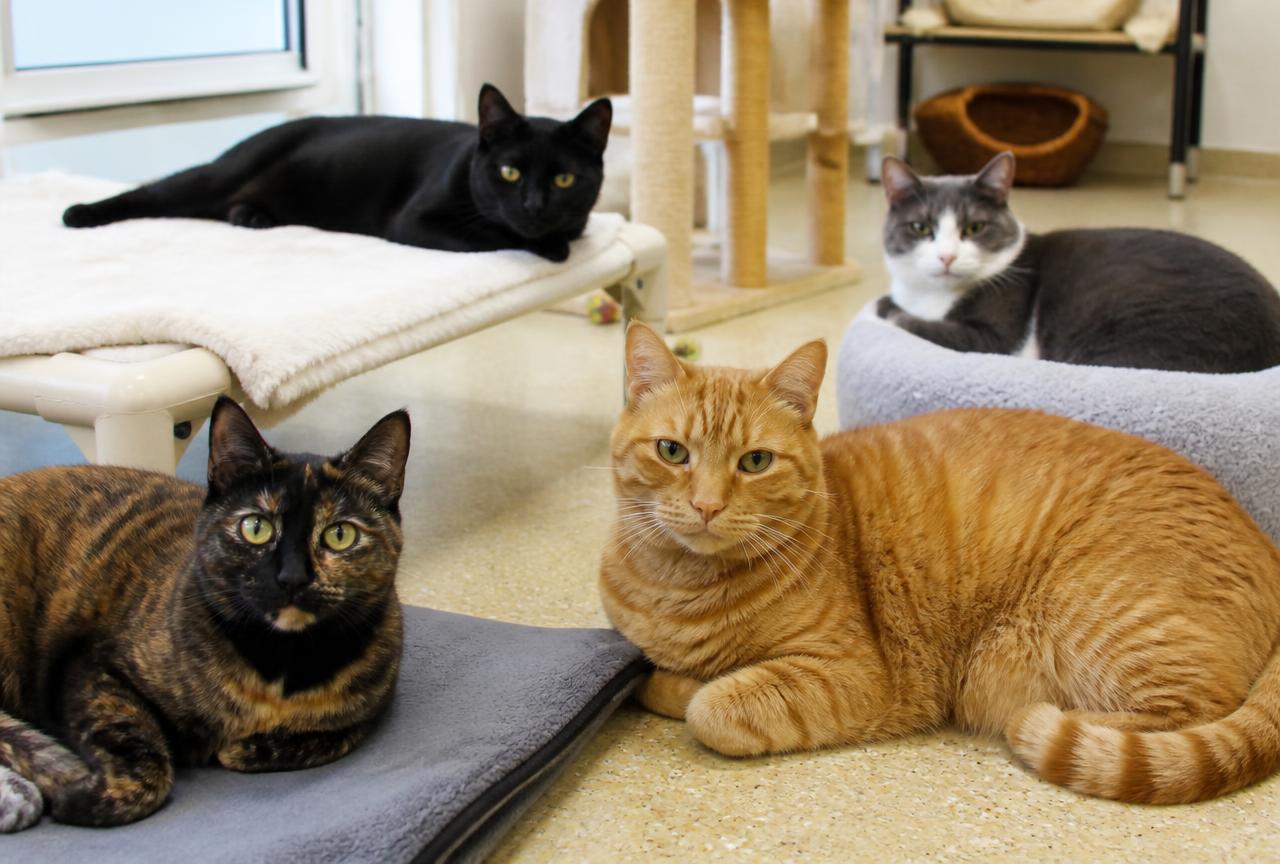
Physically the variation is the point. Cats arrive as tabbies in four patterns, black, white, ginger, tortoiseshell, calico, bicolour, and every combination of those with a body that might be lean and long-legged or short and cobby. None of it tells you anything about behaviour. The folklore is persistent, that ginger cats are friendly, that torties are difficult, that black cats are aloof, and there is no reliable evidence for any of it. What we do know is that early handling in the first two to seven weeks of life shapes sociability more than colour ever will, which is why a shelter's behavioural assessment beats every rule of thumb you have heard.
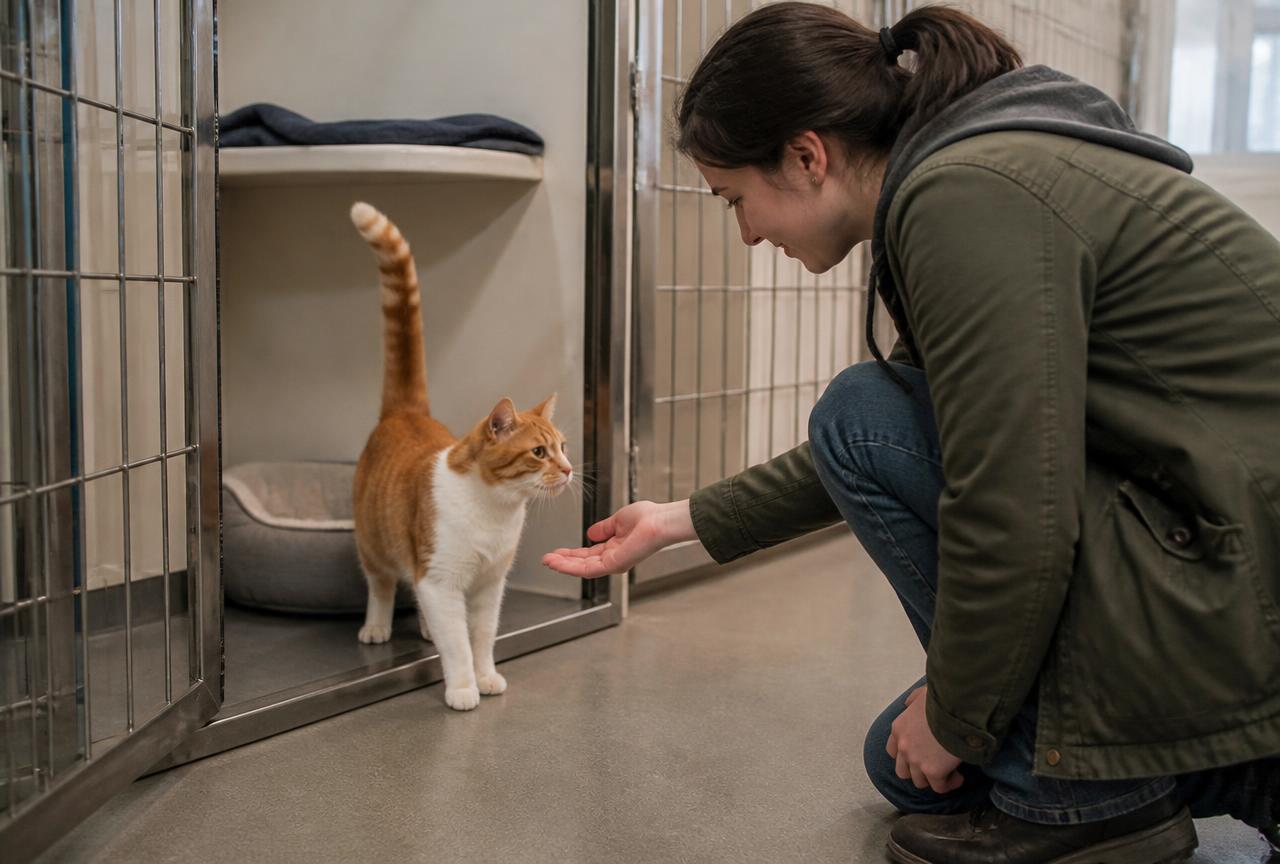
That makes the selection process genuinely different from the rest of this index. For a pedigree, you research the breed and then find a cat. For a moggy, you skip the first step entirely and spend your effort on the second. Go to a rehoming centre on a quiet weekday. Describe your household honestly, hours the flat is empty, children, existing pets, whether you want a lap cat or a spectator, and let the staff match you. They have lived with these animals for weeks and know which one sleeps all afternoon and which one opens cupboards.
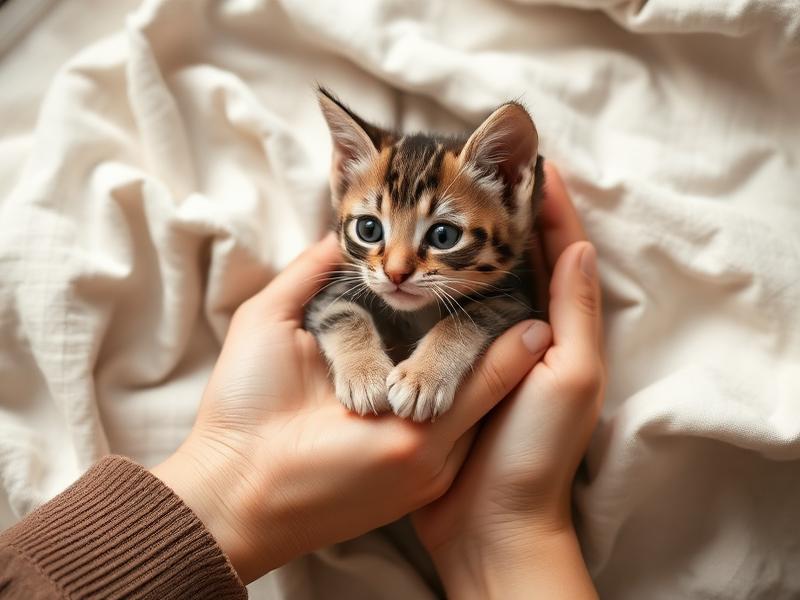
Our clear recommendation is an adult. Kittens are charming and are a lottery: their personality has not settled, and you are committing to fifteen years on the basis of six weeks of evidence. A cat of five or over shows you exactly what it is on the first meeting. It is usually neutered, vaccinated, microchipped and litter-trained, it costs less to adopt, and it is drastically less likely to be rehomed than the kitten in the next pen. If you do want kittens, take two rather than one. They exhaust each other, they teach each other that teeth on skin ends the game, and the second one costs you very little more.
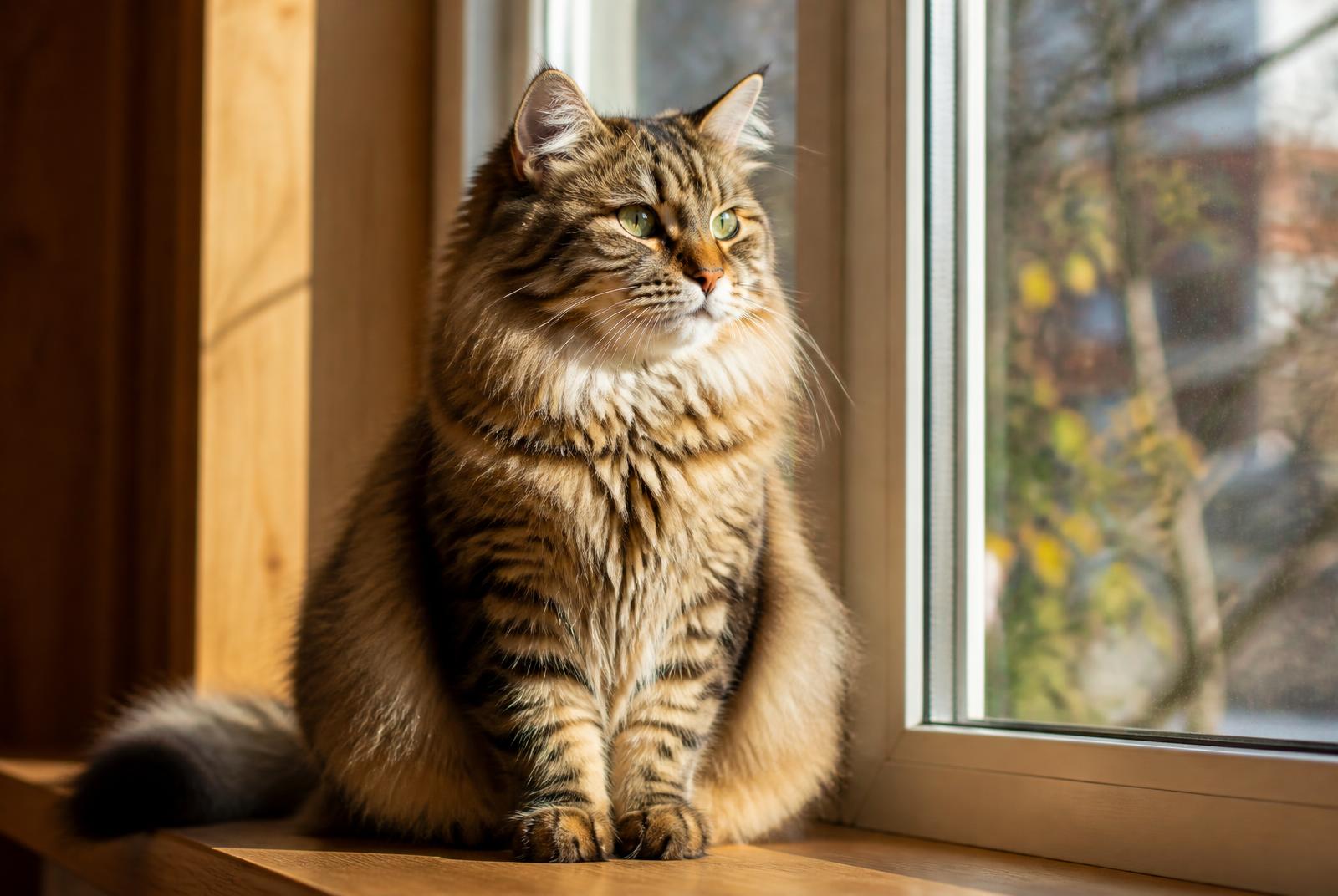
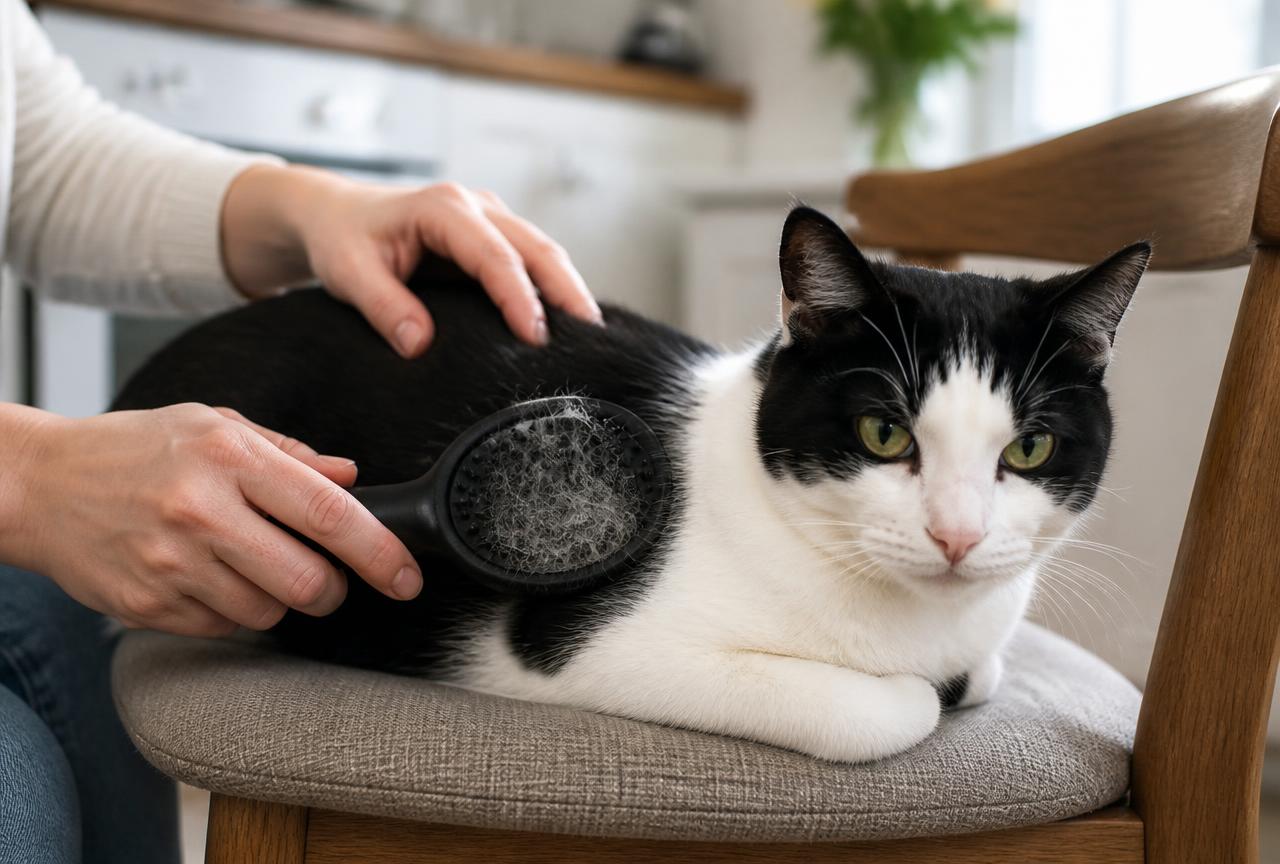
Daily care is the least demanding of any cat we cover. A short coat needs a brush once a week at most, more during the spring and autumn moults, largely to reduce the hair that ends up swallowed and later returned to you on the rug. Long-haired moggies exist and need the same two or three combing sessions a week as any pedigree, nobody has bred their coat for manageability. Nails every two to three weeks. Teeth several times a week, which is the single most neglected part of cat care and the one most likely to cost real money by middle age.
Feeding and weight deserve the same attention here as anywhere. The most common health problem in the pet cat population is not exotic: it is obesity, and everything that follows from it, diabetes, joint disease, a cat that cannot groom its own back. Measure portions rather than filling a bowl, weigh monthly, and treat a rising number as information rather than a mood. Our portion calculator does the arithmetic; the discipline is yours.
The last thing to say is the least measurable. There is a particular satisfaction in a cat with no provenance at all, no certificate, no line, no explanation for why the tail is that shape, that simply turns out to be excellent company. Most of the best cats we have known were of entirely unknown origin, acquired for nothing, and would not have won a rosette at any show. If your requirement is a good cat rather than a specific one, this is where to look, and there are far more of them waiting than there are homes.
Our highest score, and we stand by it. Adopt one, expect nothing specific, and get exactly the cat you did not know you wanted.
Grooming, realistically
- 1Brush once a week with a rubber or soft slicker brush, two or three times during spring and autumn moults; long-haired moggies need a metal comb two or three times a week.
- 2Trim nails every two to three weeks, and provide a tall sisal post so the cat maintains them itself.
- 3Brush teeth several times a week from the start, dental disease is the most common avoidable expense in this population.
- 4Weigh monthly and record it; check body condition by feeling for ribs under a thin layer, not by looking.
- 5Check ears and eyes weekly during the brush, and run hands over the body to find lumps, scabs or flea dirt early.
- 6Keep parasite treatment on schedule, especially for any cat with outdoor access.
What you actually need
- Rubber grooming brush or soft slicker
- Metal comb, if the coat is medium or long
- Nail clippers
- Cat toothbrush and enzymatic paste
- Kitchen or pet scales
- Flea comb
Kitten to adult
| Age | Male | Female | What is happening |
|---|---|---|---|
| 8 weeks | Old enough to leave the mother, and no earlier. Weight varies hugely with litter size and the mother's condition. | ||
| 4 months | Rapid growth. Vaccination course complete, and worth booking the neuter conversation now. | ||
| 8 months | Body shape becomes visible, lean and long, or short and cobby. Neither predicts temperament. | ||
| 12 months | Near adult. Switch off kitten food and set an adult portion with the calculator rather than by eye. | ||
| 18 months | Full size. Males heavier than females; anything above this range usually means weight rather than frame. |
Ranges are typical, not targets. Judge condition by ribs and waist, and check with the ideal weight checker.
What to ask a breeder
- How long has this cat been with you, and how has its behaviour changed over that time?
- What is known about its history, indoor or outdoor, previous household, reason for surrender?
- Has it been assessed with children, dogs or other cats, and how did that go?
- What veterinary work has been done: neutering, vaccination, microchip, dental check, blood tests for an older cat?
- Is it litter-trained, and has there been any house-soiling here?
- Is it bonded with another cat that should be rehomed alongside it?
- What does it do when a stranger enters the room, approach, watch, or hide?
Health watch-list
What to ask a breeder about, and what to watch for over a lifetime. This is orientation, not veterinary advice, anything you notice belongs in front of a vet.
Obesity
CommonThe most common health problem in the pet cat population and the root of several others. Measure portions rather than topping up a bowl, weigh monthly, and judge condition by feeling for ribs under a thin layer of fat rather than by appearance.
Dental disease
CommonPeriodontal disease and painful tooth resorption affect a large share of cats by middle age. Home brushing several times a week plus a look inside the mouth at every check-up is the cheapest intervention in cat ownership.
Chronic kidney disease
Common in older catsThe classic disease of the older cat. Increased drinking and gradual weight loss are the early signals; annual blood and urine screening from about seven years catches it while diet and management still help.
Hyperthyroidism
Common in older catsWeight loss with a good appetite, restlessness and a scruffy coat in a cat over ten. Very treatable, and picked up on the same routine senior blood panel.
Diabetes mellitus
UncommonStrongly linked to obesity and inactivity, and disproportionately affects neutered males. Weight control is the prevention, and early cases sometimes go into remission with prompt treatment.
Feline lower urinary tract disease
OccasionalStraining, frequent small urinations or blood in the urine. In male cats a blockage is a same-day emergency. Water intake, tray hygiene and stress reduction all reduce the risk.
Parasites and infectious disease
ManageableCats with outdoor access pick up fleas, ticks and worms, and are exposed to feline leukaemia and immunodeficiency viruses through fighting. Routine parasite treatment and vaccination cover most of it.
What it costs to keep one
Realistic running cost
€66 / month
About €792 a year, or roughly €13,464 across a 17-year life, before purchase price, neutering and one-off vet events.
Before the cat arrives. Budget roughly €150–350 for trays, carrier, posts, bowls, bedding and grooming kit sized for this breed. Figures throughout are indicative and vary a good deal between countries.
Interactive · built for this breed
What kind of moggy suits you?
There is no pedigree to read here, so the useful question is not which breed but which cat. Four answers, and a brief you can take to a rehoming centre.
Verdict
A straightforward adoption
What you want and what shelters have the most of are the same cat. Go on a quiet weekday, ask staff who fits your description, and let them do the matching, they know these animals far better than a listing photo does.
What to say at the interview
- The sweet spot. Personality is fully formed and visible, health history is known, and the cat is usually already litter-trained and neutered.
- Say indoor-only at the interview. Many rehoming centres screen for it, and a cat that has lived outdoors will need patient enrichment to stay content inside.
Bringing two home? Read how to introduce two cats, or plan the first months with the first 90 days.
The verdict, by household
Flat dweller
Excellent
Family with young children
Excellent, if matched
First-time owner
The best starting point
Multi-cat home
Very good
Allergy-conscious
No advantage
Budget-conscious
Excellent
When to call your vet
- Weight loss over weeks despite a normal or increased appetite
- Drinking noticeably more, or larger clumps in the litter tray
- Straining in the tray, or a male cat unable to pass urine, a same-day emergency
- Bad breath, drooling, or eating on one side of the mouth
- Vomiting more than about once a week, or any vomiting with lethargy
- A sudden change in social behaviour: hiding, irritability, or stopping grooming
- Lameness, stiffness after rest, or reluctance to jump in an older cat
- Any lump, non-healing wound or persistent scabbing found during a brush
Nothing here is a diagnosis. Breathing difficulty, sudden hind-leg weakness and straining to urinate are emergencies, go the same day.
Domestic Shorthair vs the closest alternatives
| Breed | Weight | Energy | Grooming | € / month |
|---|---|---|---|---|
| Domestic Shorthair | 3.5–7 kg | 6/10 | 3/10 | €66 |
| American Curl | 2.5–5.5 kg | 6/10 | 5/10 | €80 |
| Manx | 3.5–5.5 kg | 7/10 | 4/10 | €82 |
| Siberian | 4.5–9 kg | 6/10 | 6/10 | €94 |
Domestic Shorthair questions, answered
Is a domestic shorthair an actual breed?
No. It is a description, not a pedigree: a short-coated cat of mixed and unrecorded ancestry. Some registries accept them in household pet classes at shows, but there is no breed standard, no closed gene pool and no breeder deciding which traits continue. That absence of selection is precisely what makes the population healthy.
Are moggies healthier than pedigree cats?
Generally, yes. Most inherited feline disorders concentrate in closed pedigree populations where a small founder group fixes a fault in place. Mixed ancestry spreads the risk. It is not immunity, kidney, heart and dental disease all occur, but across a lifetime the odds and the bills tend to be better.
Does coat colour predict personality?
There is no reliable evidence that it does, despite very persistent folklore about ginger cats and tortoiseshells. What does shape sociability is handling between roughly two and seven weeks of age, plus the individual's later experience. Trust a shelter's behavioural assessment over any colour rule.
Kitten or adult?
Adult, in most cases. A cat of five or over shows you its real personality at the first meeting, usually arrives neutered, vaccinated and litter-trained, costs less, and is far harder to rehome than the kitten beside it. If you do want a kitten, take two, they exhaust each other and learn bite inhibition from each other rather than from your hands.
How much grooming does one need?
Very little. A weekly brush for a short coat, two or three times a week during the spring and autumn moults, mainly to cut down what gets swallowed and later brought back up. Long-haired moggies are a different job and need combing two or three times a week. Nails every two to three weeks, teeth several times a week.
What does a moggy cost to keep?
The least of any cat in this index. Adoption fees are modest and usually include neutering, vaccination and a microchip; setting up a home runs roughly EUR 150–350. Monthly running costs are food, litter, parasite treatment and insurance. Put the money you save into insurance and dental care rather than accessories.
Can a domestic shorthair be an indoor cat?
Yes, and many should be. What indoor life requires is compensation: vertical space, a scratching post tall enough to stretch on, two short play sessions a day, and something to watch from a window. A cat that has previously lived outdoors will need more patience and more enrichment than one that never has.
Sources
- International Cat Care, Choosing a cat and behavioural development
- Cornell Feline Health Center, Feline health topics
- WSAVA, Global Nutrition Guidelines and body condition scoring
- American Association of Feline Practitioners, Feline life stage guidelines
- International Cat Care, Preventing dental disease