United States
American Curl
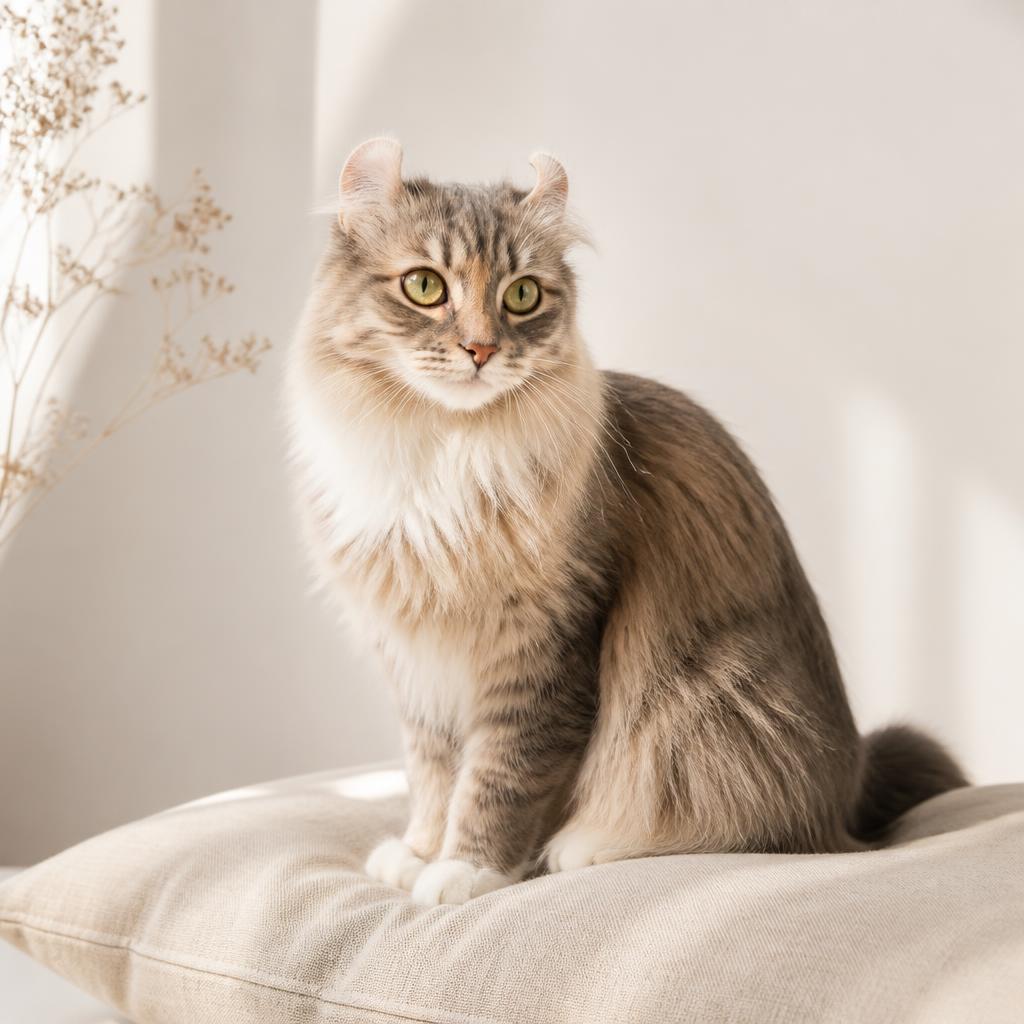
A friendly, adaptable cat with distinctive curled ears. The ears need gentle handling, but the personality is easy to love.
Reviewed against International Cat Care and veterinary guidance
Friendly, adaptable and instantly recognisable by its curled ears
The short version
- Ears curl backwards due to flexible cartilage; they should never be forced flat.
- Comes in short and semi-long coats; longhaired cats need more frequent combing.
- Friendly and adaptable, usually good with children and other pets.
- Moderate energy and vocality; enjoys play but is not demanding.
- Check ears gently for wax build-up during regular grooming.
- Weight
- 2.5–5.5 kg
- Lifespan
- 12–16 yrs
- Coat
- Short or semi-long
- Size
- Medium
- Grown male
- 3.5–5.5 kg
- Grown female
- 2.5–4.5 kg
- Years to full size
- about 2
- One-off setup
- €120–250
Get one if…
- Families with respectful children
- Multi-pet households
- First-time pedigree owners
- People who want a friendly but not frantic cat
Think again if…
- Households with rough handling
- Anyone unwilling to groom a semi-long coat
- Very chaotic homes
- People wanting a completely silent cat
Trait profile
The curled ears are the headline, but the friendly, adaptable temperament is the real reason the breed wins people over.
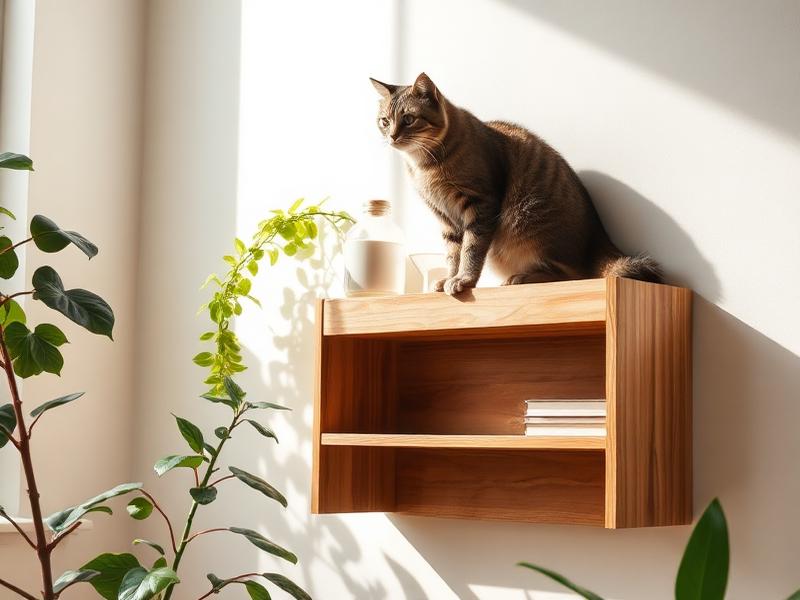
Space & setup. Moderate size and energy. A sturdy cat tree, window perches and a few toys are enough in most homes.
Allergies. Not hypoallergenic. Both coat lengths shed and produce dander; allergy sufferers should meet the cat first.
The review
The American Curl is best known for ears that curl smoothly backwards, but the breed is also valued for a gentle, people-oriented temperament. They come in long and short coat varieties and remain playful and curious well into adulthood.
The American Curl is one of those breeds that announces itself before it moves. The ears curl back in a smooth arc, giving the cat a permanently alert, surprised expression. Kittens are born with straight ears; the curl begins to appear within a few days and settles into its final shape by around four months. The degree of curl varies, but the cartilage should feel firm yet flexible, and the ears should never be forced flat.
Beneath the ears is a well-balanced, medium-sized cat. Males usually finish between 3.5 and 5.5 kg, females between 2.5 and 4.5 kg. The body is rectangular and moderate, neither cobby nor extreme, and the coat comes in both short and semi-long lengths. Both varieties shed seasonally, though the longhaired Curl needs more frequent combing to keep the coat free of tangles and the plumy tail in good condition.
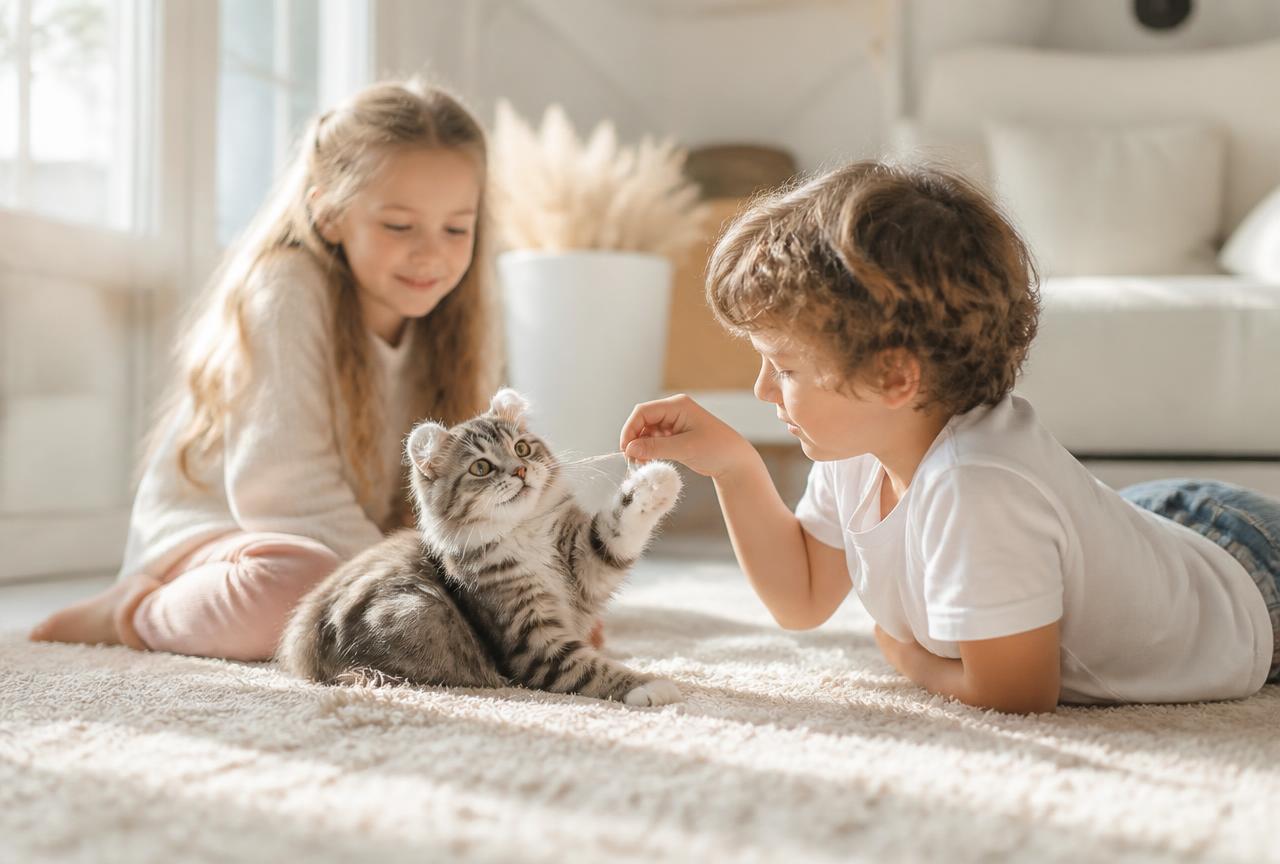
Temperament is the breed's other signature. American Curls are sociable without being demanding, playful without being frantic, and adaptable enough to fit into many households. They tend to greet visitors rather than hide, and they usually get along with respectful children and other pets. They are not as talkative as Siamese-type breeds, but they will use a soft voice to communicate.
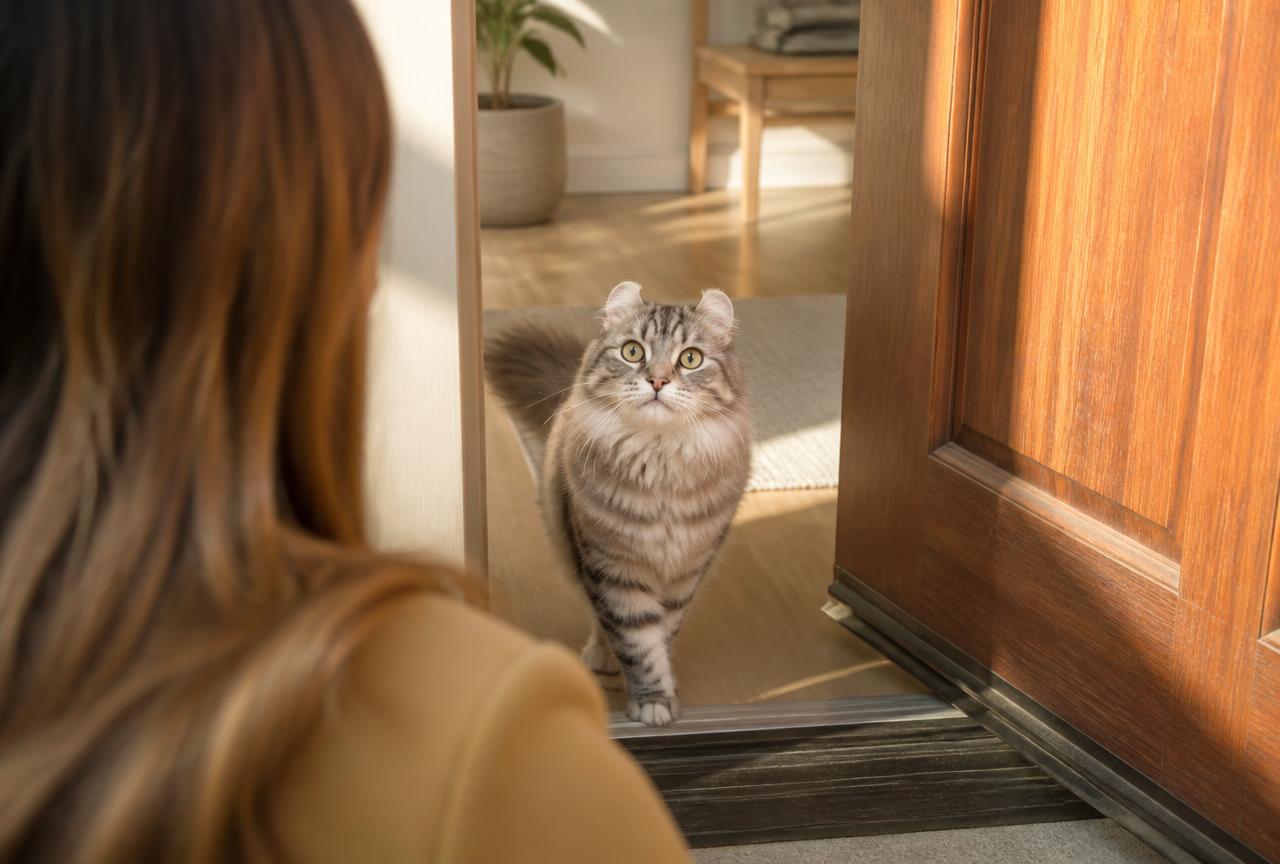
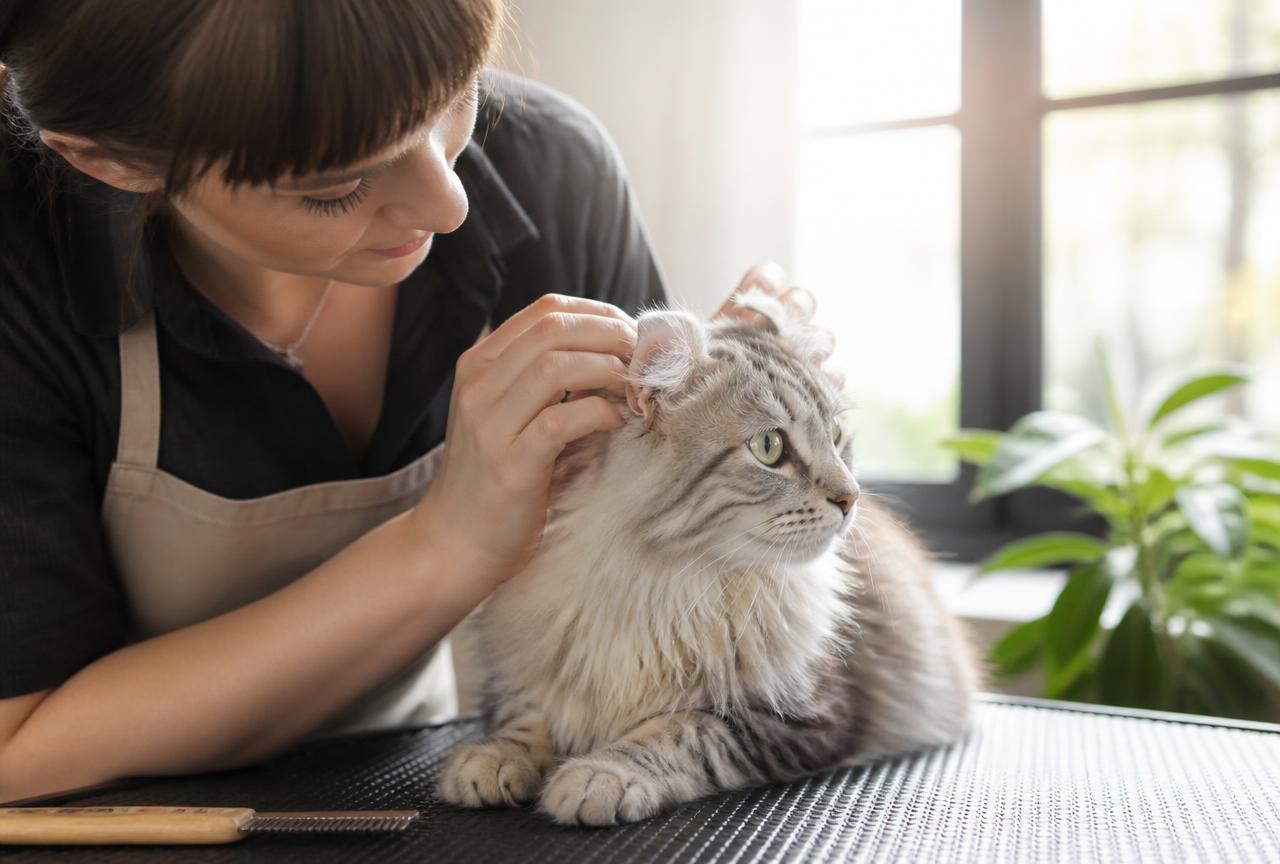
The ears are the one area that needs special understanding. The cartilage that creates the curl can be damaged by rough handling, and the ear canal can accumulate wax because of the altered shape. Gentle cleaning during grooming is enough; never try to straighten or bend the ears to see inside. This is also why households with very young or rough children are not ideal.
Health is generally good, with no single genetic disease dominating the breed. The main risks are the usual feline ones: dental disease, obesity and, in later life, chronic kidney disease. Responsible breeders will screen for heart disease and avoid breeding cats with severe ear defects.
An American Curl suits a household that wants a friendly, interactive cat and can treat the ears with respect. It is a good choice for first-time owners, families with older children, and multi-pet homes where introductions are managed carefully.
A friendly, medium-sized cat whose curled ears are matched by an easy-going, people-focused personality.
Grooming, realistically
- 1For shorthaired Curls, brush once a week with a soft bristle brush to remove loose hair and distribute oils.
- 2For semi-long Curls, comb twice a week with a wide-tooth comb, paying attention to the ruff, armpits and tail plume.
- 3Check the ears gently every two weeks. Use a vet-approved ear cleaner and cotton pad; never insert anything deep into the canal.
- 4Trim claws every three to four weeks and check teeth for tartar build-up during cuddle time.
- 5Bathe only if the coat becomes greasy; most Curls keep themselves clean with normal grooming.
What you actually need
- Soft bristle brush for shorthairs
- Wide-tooth metal comb for semi-long coats
- Vet-approved ear cleaner and cotton pads
- Blunt-nosed claw clippers
- Cat toothbrush or dental treats
Kitten to adult
| Age | Male | Female | What is happening |
|---|---|---|---|
| 8 weeks | 0.7–1.0 kg | 0.6–0.9 kg | Ears are beginning to curl; kittens should be well socialised |
| 3 months | 1.3–1.8 kg | 1.1–1.5 kg | Curl shape becomes clearer; four meals a day |
| 6 months | 2.0–2.8 kg | 1.7–2.4 kg | Body lengthens; neutering timing discussed with vet |
| 12 months | 2.8–4.0 kg | 2.2–3.2 kg | Near adult height and weight |
| 2 years | 3.5–5.0 kg | 2.5–4.0 kg | Physically mature; ear curl fully set |
| 3 years | 3.5–5.5 kg | 2.5–4.5 kg | Final weight. Monitor body condition, not just scale numbers |
Ranges are typical, not targets. Judge condition by ribs and waist, and check with the ideal weight checker.
What to ask a breeder
- Can you show me heart screening results for both parents?
- Have any kittens had severe ear defects or hearing issues?
- Is this kitten from the short-haired or semi-long line, and what grooming will it need?
- At what age do the ears reach their final curl, and can you guarantee show-quality curl?
- What socialisation have the kittens had with children, other cats and household noises?
Health watch-list
What to ask a breeder about, and what to watch for over a lifetime. This is orientation, not veterinary advice, anything you notice belongs in front of a vet.
Ear wax build-up
ModerateThe curled ear shape can trap wax. Clean gently with vet-approved products; never probe the canal.
Cartilage injury
Low with careful handlingRough handling can damage the curled cartilage. Teach children and visitors to leave the ears alone.
Hypertrophic cardiomyopathy
ModerateHeart disease can occur in any cat. Ask breeders about heart screening.
Dental disease
Common with ageRegular dental care helps prevent periodontal disease and tooth loss.
Obesity
CommonModerate food portions and daily play keep the Curl at a healthy weight.
Chronic kidney disease
Common with ageA leading cause of illness in older cats. Regular screening from middle age helps catch it early.
What it costs to keep one
Realistic running cost
€80 / month
About €960 a year, or roughly €13,440 across a 14-year life, before purchase price, neutering and one-off vet events.
Before the cat arrives. Budget roughly €120–250 for trays, carrier, posts, bowls, bedding and grooming kit sized for this breed. Figures throughout are indicative and vary a good deal between countries.
Interactive · built for this breed
Is an American Curl right for your home?
A friendly, medium-sized cat famous for ears that curl backwards. The curl is cartilage, not bone, so ears should never be forced flat. Five questions on handling, noise and grooming.
Verdict
An excellent match
You have the gentle handling, calm home and company this breed needs.
What to sort out first
- The cartilage that creates the curl can be damaged by rough handling or forcing the ear flat.
Keep the weight honest with the ideal weight tool, or compare the alternatives in the matchmaker.
The verdict, by household
Small flat, no outdoor access
Good fit
Adaptable and moderate in size. Provide a cat tree and window perches for mental stimulation.
Family with young children
Workable, with conditions
Good with respectful children, but ground rules about ear handling are essential.
First-time owner
Good fit
Easy temperament and moderate grooming make the Curl a forgiving first pedigree.
Multi-cat or dog household
Good fit
Usually sociable. Slow introductions help the Curl settle into a multi-pet home.
Allergy-conscious home
Think again
No cat is hypoallergenic. Both coat lengths shed dander.
Away from home all day
Workable, with conditions
A second friendly cat helps. The Curl is sociable and prefers not to be alone for long stretches.
When to call your vet
- Ear discharge, strong odour or the cat shaking its head repeatedly
- Redness, swelling or pain in or around the curled ears
- Sudden changes in hearing or balance
- Persistent vomiting, diarrhoea or loss of appetite
- Lethargy, weight loss or increased thirst and urination
Nothing here is a diagnosis. Breathing difficulty, sudden hind-leg weakness and straining to urinate are emergencies, go the same day.
American Curl vs the closest alternatives
| Breed | Weight | Energy | Grooming | € / month |
|---|---|---|---|---|
| American Curl | 2.5–5.5 kg | 6/10 | 5/10 | €80 |
| Domestic Shorthair | 3.5–7 kg | 6/10 | 3/10 | €66 |
| Manx | 3.5–5.5 kg | 7/10 | 4/10 | €82 |
| Siberian | 4.5–9 kg | 6/10 | 6/10 | €94 |
American Curl questions, answered
Are American Curl kittens born with curled ears?
No. Kittens are born with straight ears, and the curl develops over the first few months, settling by around four months of age.
Do American Curls have hearing problems?
The curl itself does not usually cause deafness, but severe ear defects can occur in poorly bred cats. Choose a responsible breeder.
How much grooming does an American Curl need?
Shorthaired Curls need weekly brushing. Semi-long Curls need combing twice a week to prevent tangles in the ruff and tail.
Can you straighten an American Curl's ears?
Never. The cartilage can be damaged. Handle the ears gently and do not allow children to bend them.
Are American Curls good family cats?
Yes, with respectful children. They are friendly, playful and adaptable, but the ears need protection from rough handling.
What is the difference between American Curl and Scottish Fold ears?
American Curl ears curl backwards in an arc. Scottish Fold ears fold forwards and flat against the head, and that fold is linked to cartilage and bone issues.
How long do American Curls live?
12–16 years is typical with good care, regular vet checks and a safe indoor lifestyle.
Sources
- Grooming and coat care, International Cat Care
- Feline health topics, Cornell Feline Health Center
- WSAVA global nutrition guidelines, WSAVA
- Keeping your cat happy, International Cat Care