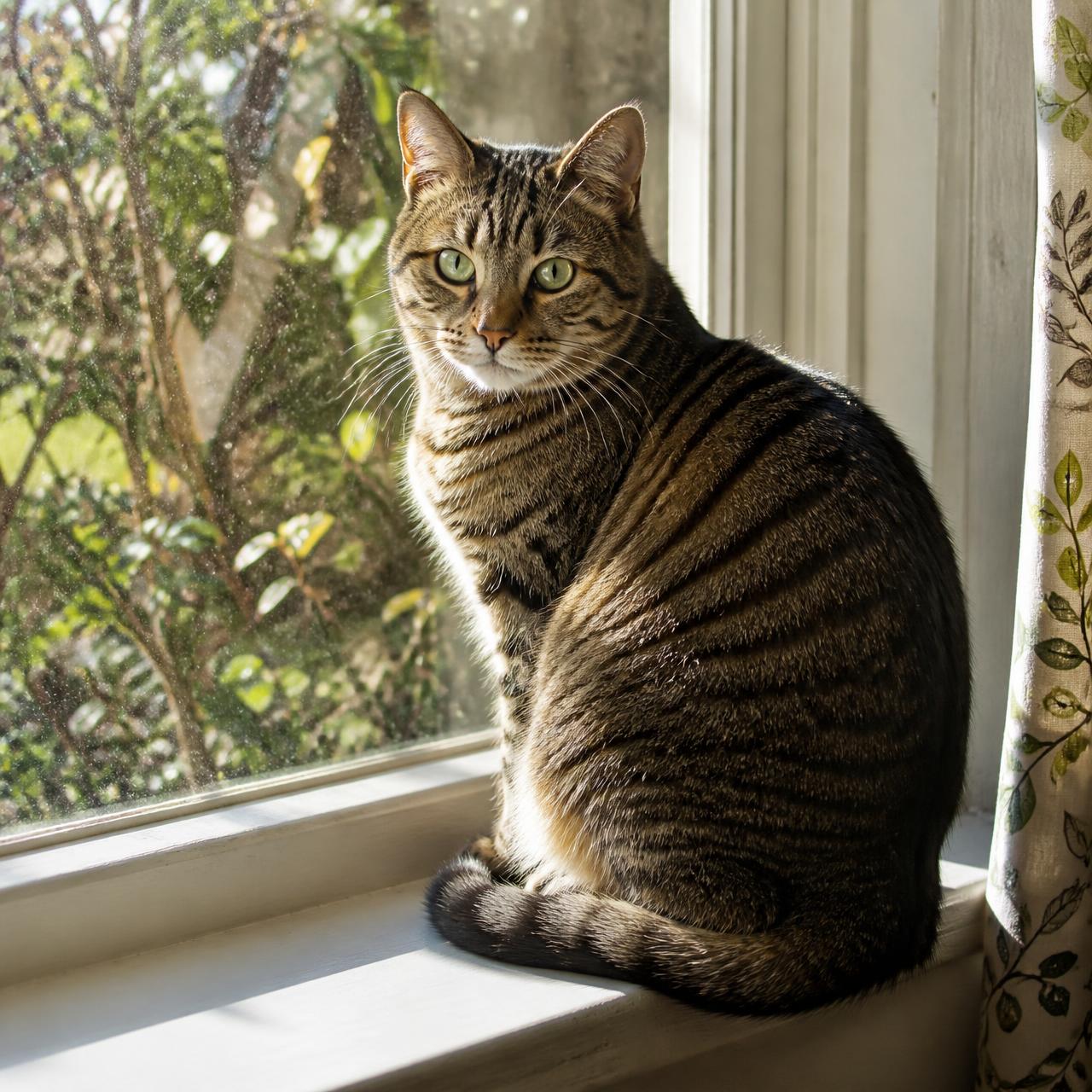
Isle of Man
Manx
A sturdy, playful island breed whose missing tail is charming, genuinely useful to know about, and the single most important thing to ask a breeder.
ReMews. veterinary review board
The tailless cat with a dog's temperament
The short version
- Taillessness comes from a spinal mutation; ask the breeder about Manx syndrome before anything else
- Ethical breeders pair a tailless cat with a tailed one and keep kittens to sixteen weeks
- Dog-like temperament: follows you, greets visitors, often fetches
- Powerful hind legs mean serious jumping, give it height
- Watch litter tray habits and weight closely; both are breed-specific warning signs
- Weight
- 3.5–5.5 kg
- Lifespan
- 12–16 yrs
- Coat
- Short
- Size
- Medium
- Grown male
- 4.5–5.5 kg
- Grown female
- 3.5–4.5 kg
- Years to full size
- about 1.5
- One-off setup
- €900–1700
Get one if…
- People who want a sociable, dog-like companion
- Homes with children or a cat-friendly dog
- Flats with vertical space to climb
- Owners willing to vet a breeder properly
Think again if…
- Anyone buying on impulse or price
- Homes that cannot commit to weekly grooming
- Owners who would not notice a change in litter tray habits
Trait profile
High energy and affection with moderate vocality. The grooming score reflects a dense double coat rather than a difficult one.
Space & setup. Happy in a flat provided it can climb. A tall cat tree matters more than floor area, this breed jumps for a living.
Allergies. No cat is hypoallergenic. The Manx has a dense double coat and sheds noticeably twice a year. Spend time with an adult before committing.
The review
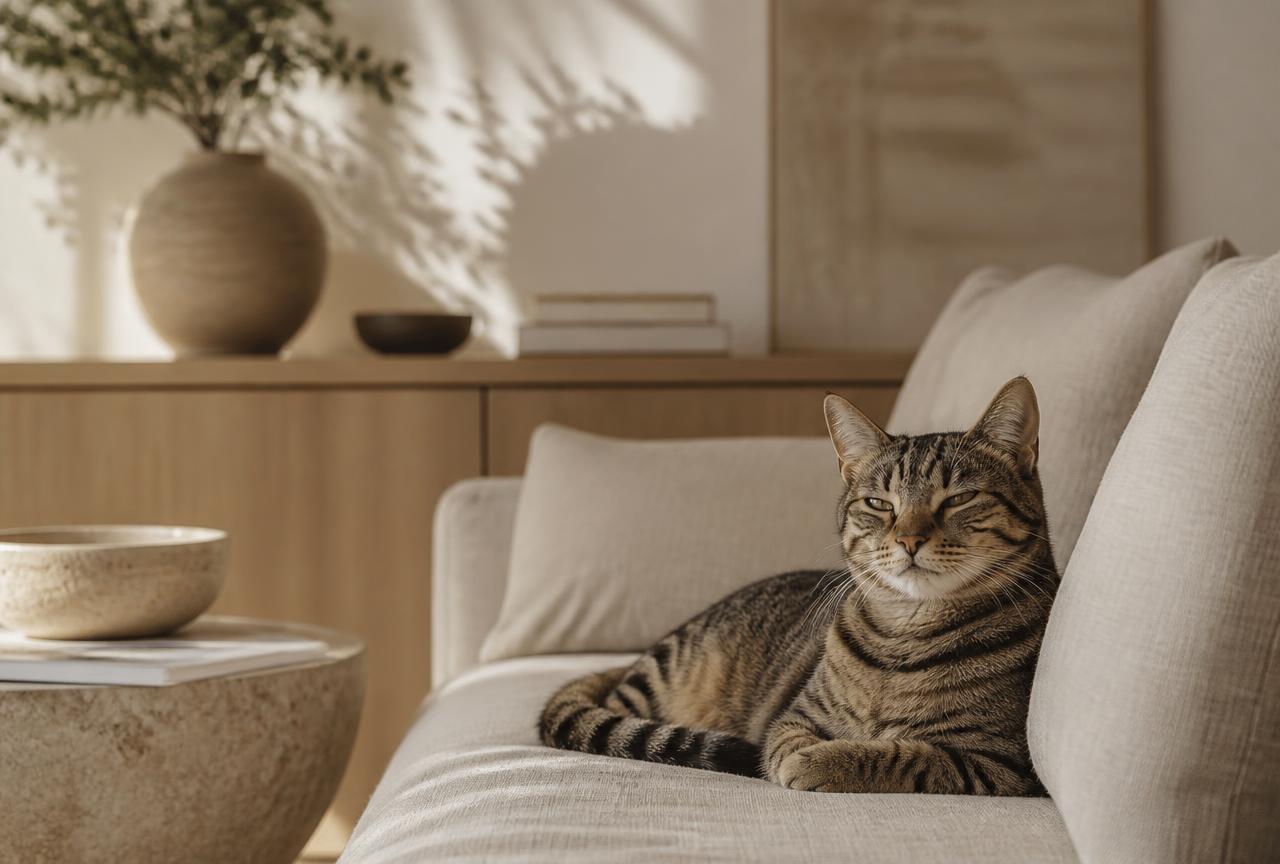
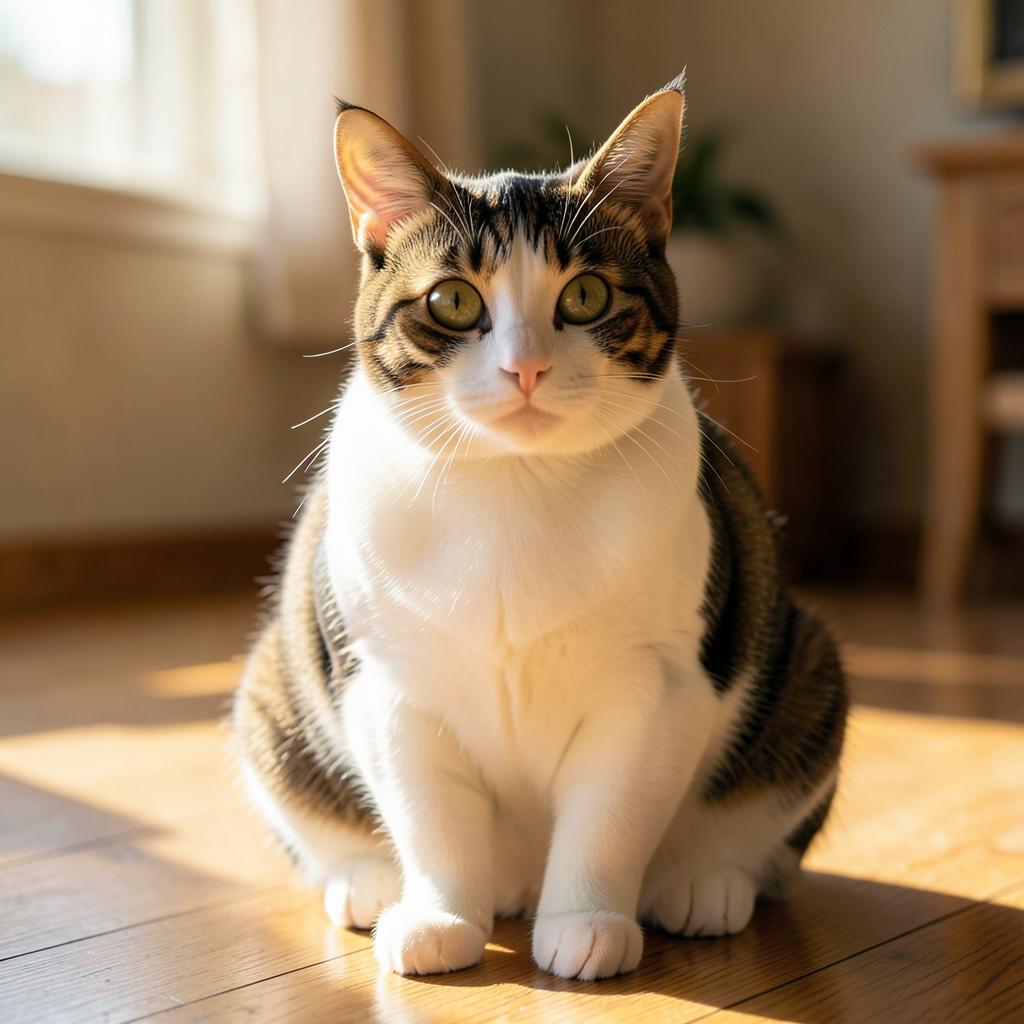
Manx cats are compact, powerfully built cats from the Isle of Man, best known for having little or no tail. They are sociable, dog-like and unusually attached to their people, and the gene behind the taillessness carries health consequences that any responsible buyer must understand.
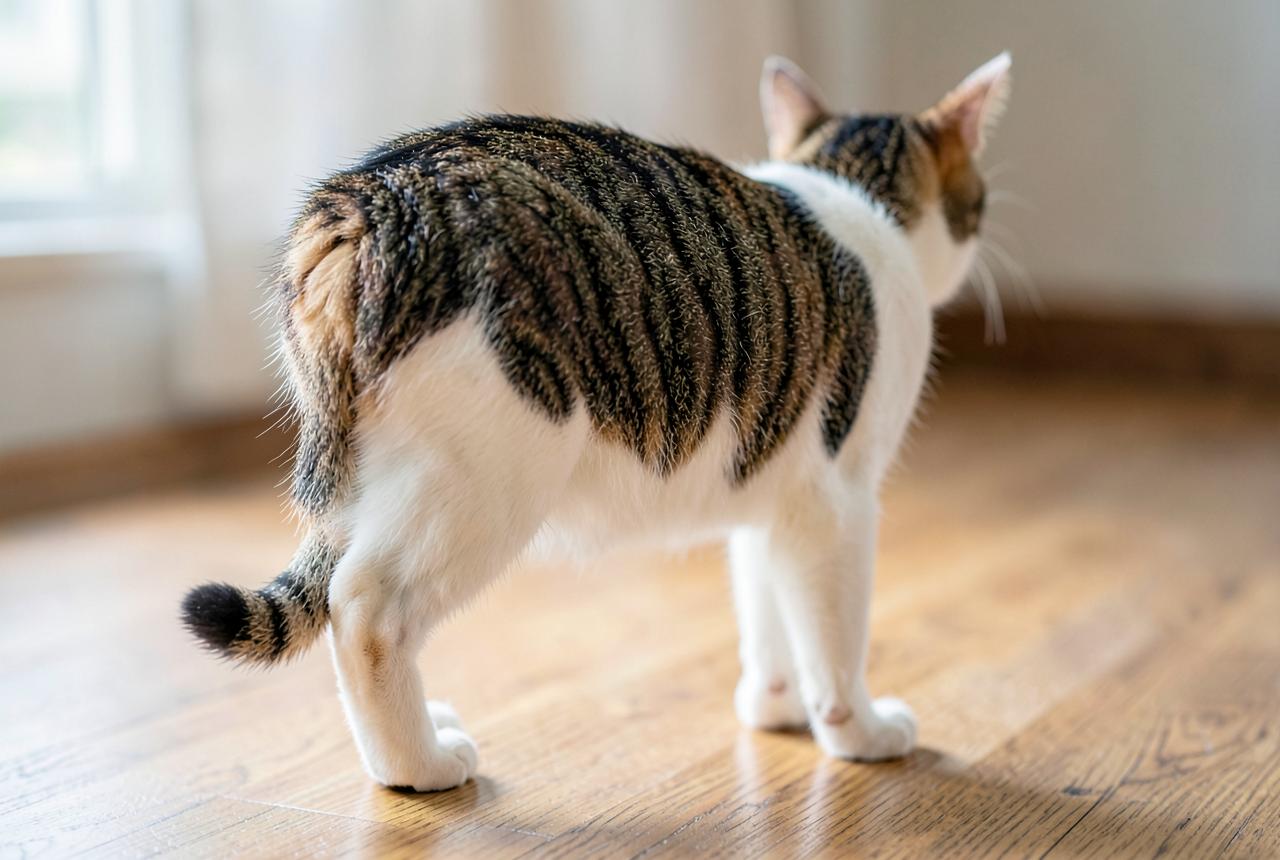
The first thing you notice about a Manx is not the missing tail. It is the shape. This is a cat built like a small barrel: a short, deep body, a broad chest, a rounded rump and hind legs noticeably longer than the front ones. The result is a rolling, hopping gait that people invariably describe as rabbit-like. It looks odd for about a day, and then it simply looks like a Manx.
The tail itself varies more than most people expect. Breeders use four informal categories: rumpy (no tail at all, sometimes with a small dimple), rumpy-riser (a few fused vertebrae you can feel), stumpy (a short, often kinked tail) and longy (a tail of near-normal length). All four can appear in the same litter. A longy Manx is still a Manx, and in health terms it is often the safest kitten in the box.
That is because taillessness here is caused by a dominant mutation affecting the development of the spine. In its mildest form it simply shortens the tail. In more severe expressions it shortens the whole spinal column and can leave a kitten with spina bifida, an abnormal pelvis, urinary or bowel incontinence, or hind-limb weakness, the cluster of problems usually grouped under the name Manx syndrome. Two copies of the gene are lethal before birth, which is why ethical breeders never mate two tailless cats together; they pair a tailless cat with a tailed one. Most affected kittens show signs in the first four months, which is one reason serious breeders keep Manx kittens until at least sixteen weeks rather than rehoming at twelve.
None of this is a reason to avoid the breed. It is a reason to buy carefully. A well-bred Manx from a breeder who screens litters, keeps kittens longer and pairs tailless to tailed is generally a robust, healthy, long-lived cat. A Manx bought quickly from someone advertising "rare tailless kittens" is a gamble with an animal's life. That distinction is the whole of the Manx question.
Live with a good one and the temperament is the reward. Manx are the cats most often described as dog-like, and for once the cliché earns its place. They follow you between rooms, they greet the door, many of them fetch, and a surprising number will learn their name and come when called. They are watchful rather than nervous, a Manx will usually sit and assess a new visitor from the middle of the room rather than vanish under the bed. Breeders on the Isle of Man valued them as working farm cats, and the intelligence and the strong prey drive both survive intact.
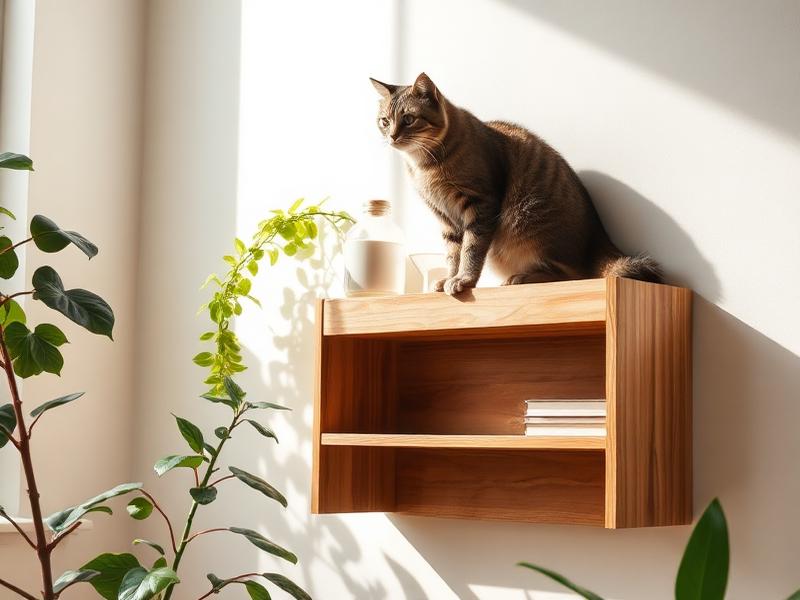
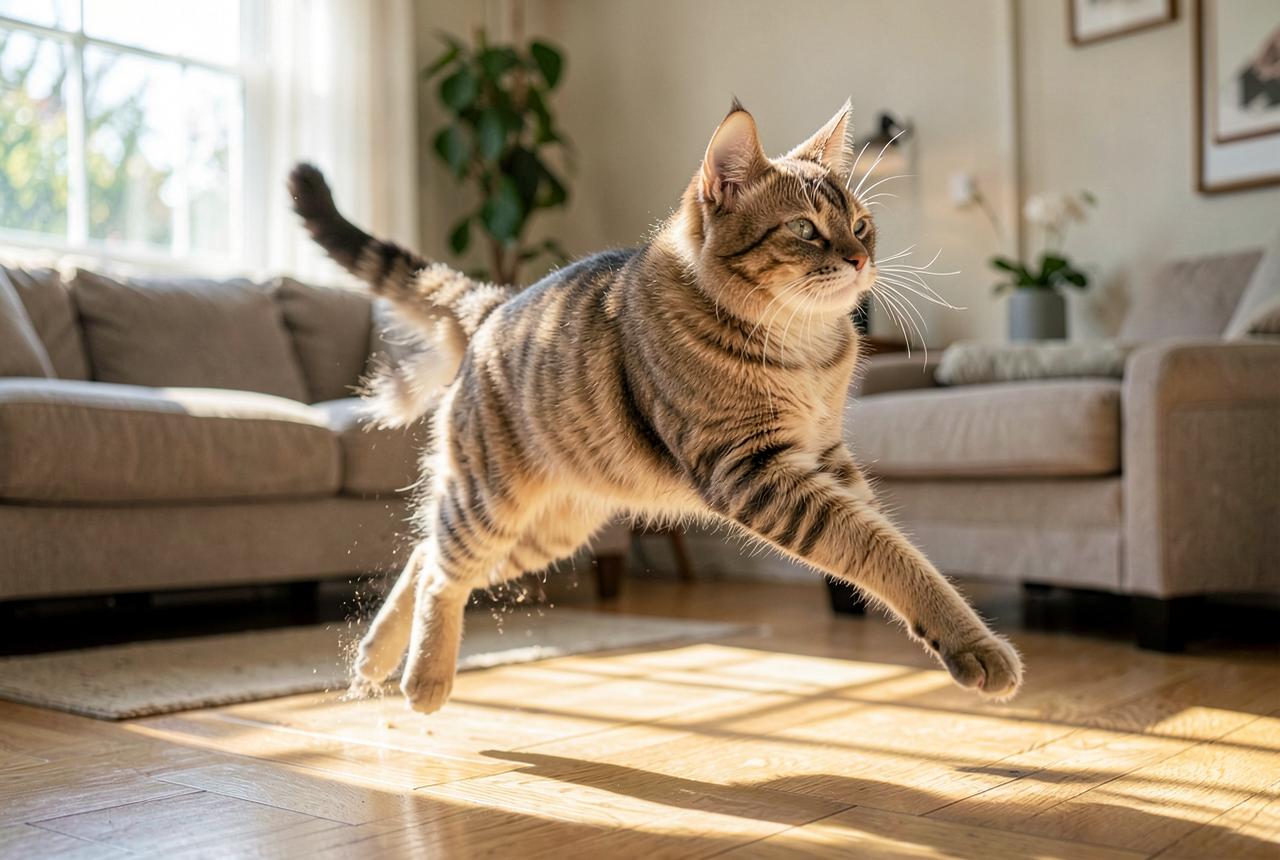
The voice is moderate. Manx have a distinctive trilling chirrup they use for greetings and for commentary, but they are not a Siamese-grade breed and they do not shout. What they do instead is jump. Those hind legs are a launching mechanism, and a bored Manx clears worktops, bookshelves and the top of the fridge with irritating ease. Give one a tall cat tree and a daily play session and the acrobatics stay entertaining rather than expensive.
The coat comes in two lengths. The shorthaired Manx has a dense, plush double coat that needs a comb once a week and twice during the spring and autumn moults. The longhaired variety, often registered separately as the Cymric, needs combing two or three times a week, especially through the ruff and the britches. Neither is difficult, but the undercoat is thick enough that skipping a month shows.
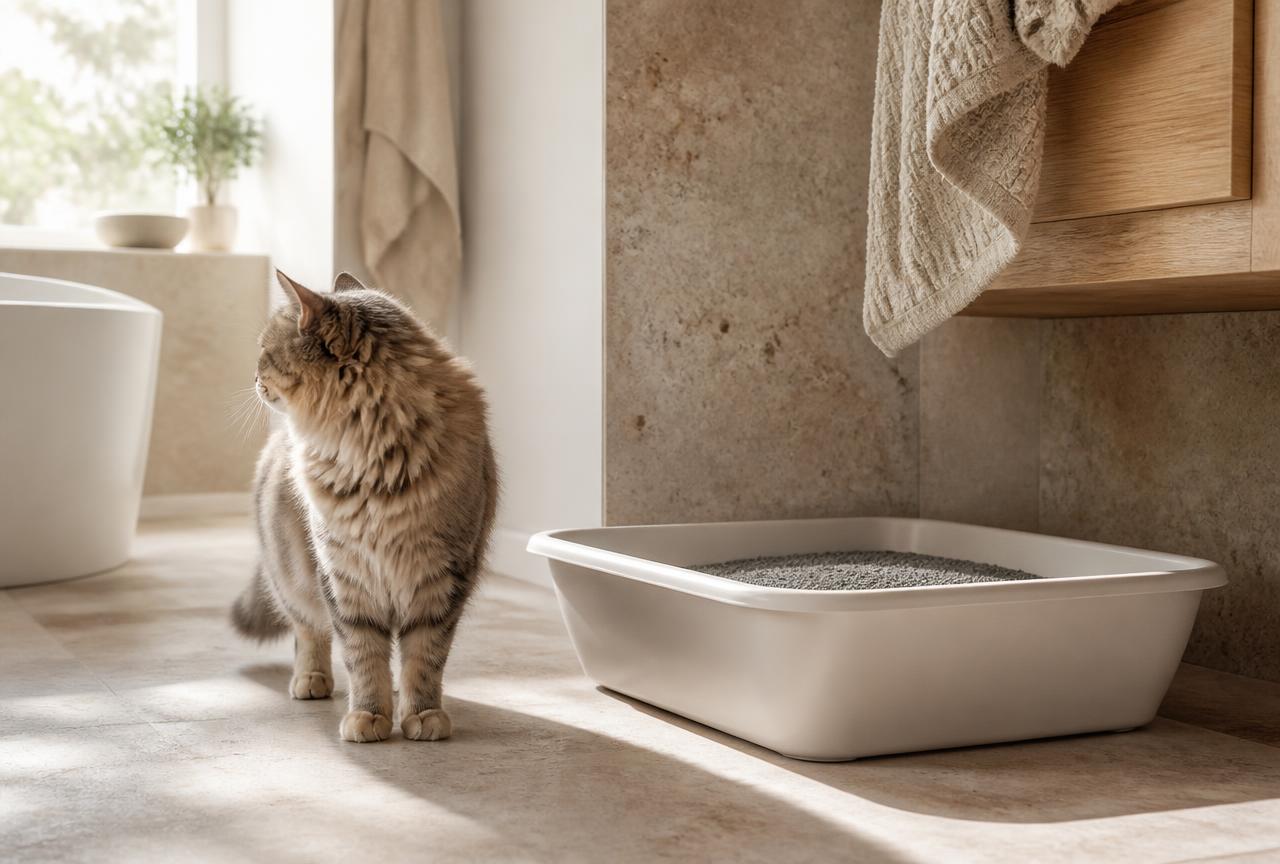
One practical detail deserves attention because it is genuinely different from other breeds: the back end. A cat with no tail has less to lift out of the way, and some Manx need help keeping the rear clean, particularly longhaired ones and particularly as they age or gain weight. Check the area weekly. And watch the litter tray. Straining, dribbling, constipation or a change in habit in a Manx is not a minor thing to monitor over a fortnight, it is a same-week vet conversation, because those are precisely the signs of the spinal issues the breed is prone to.
Weight matters here more than usual, too. A heavy Manx puts strain on an already unusual spine and pelvis, and the breed's cheerful appetite plus its stocky build make creeping weight gain easy to miss. Measure the food and score the body condition monthly.
What you get, in the end, is one of the most companionable cats available: funny, physical, deeply attached, unbothered by children or dogs, and happy in a flat as long as it can climb. The Manx asks one thing of you before you bring it home, that you take the tail seriously, and very little afterwards.
A funny, devoted, dog-like cat, but only worth buying from a breeder who can talk honestly about the tail gene.
Grooming, realistically
- 1Comb the whole coat once a week with a metal comb
- 2Comb two to three times a week for longhaired (Cymric) cats
- 3Double the frequency during the spring and autumn moults
- 4Check and clean the rear area weekly, there is no tail to keep it clear
- 5Trim claws every two to three weeks
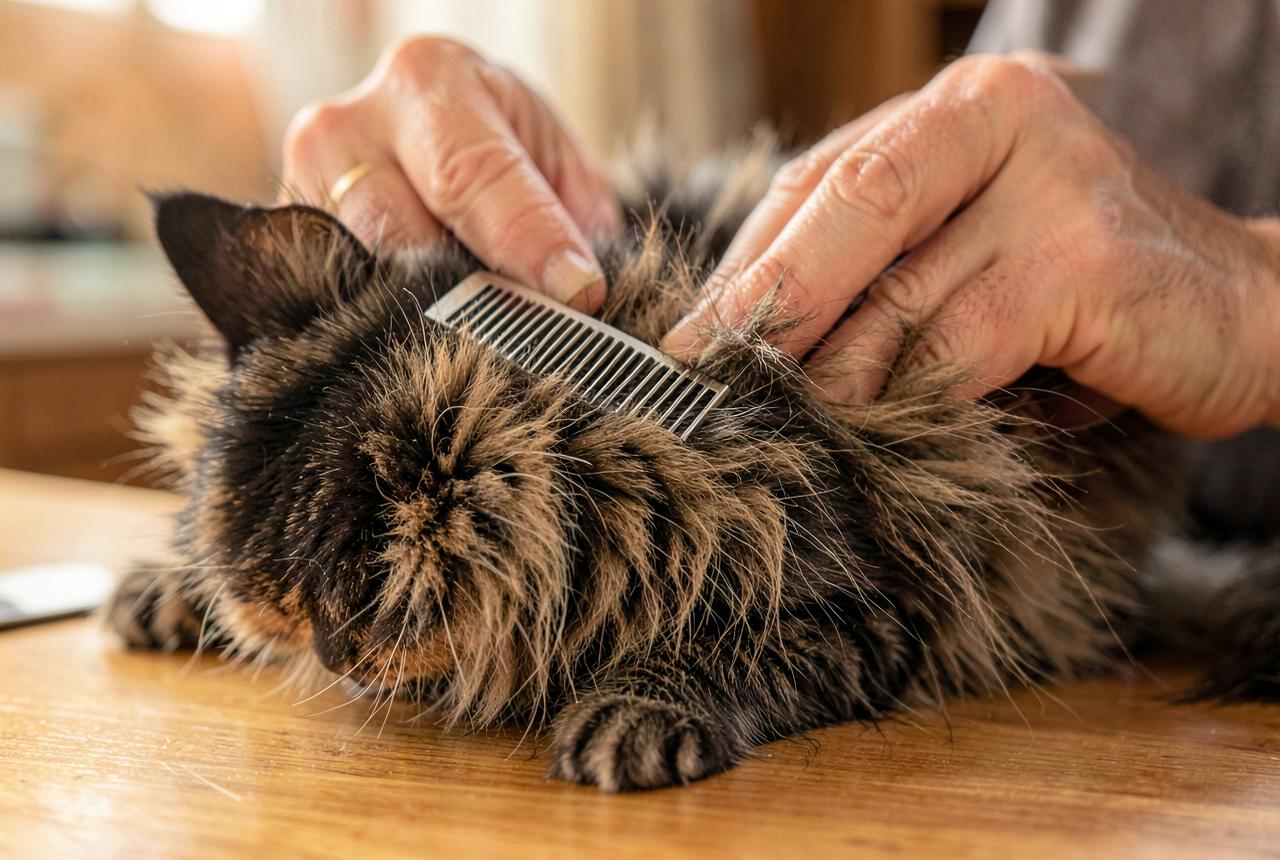
What you actually need
- Metal comb, medium and fine tooth
- Slicker brush for the britches
- Unscented pet wipes for the rear
- Nail clippers
- Digital scales for monthly weight checks
Kitten to adult
| Age | Male | Female | What is happening |
|---|---|---|---|
| 3 months | |||
| 6 months | |||
| 9 months | |||
| 12 months | |||
| Full size |
Ranges are typical, not targets. Judge condition by ribs and waist, and check with the ideal weight checker.
What to ask a breeder
- Do you ever mate two tailless cats together?
- How many kittens in your lines have shown signs of Manx syndrome?
- At what age do you rehome, and what do you check before then?
- Can I see the parents and feel the tail types in the litter?
- Have the parents been screened for heart disease?
Health watch-list
What to ask a breeder about, and what to watch for over a lifetime. This is orientation, not veterinary advice, anything you notice belongs in front of a vet.
Manx syndrome
UncommonA cluster of spinal defects linked to the tailless gene: spina bifida, pelvic abnormality, urinary or faecal incontinence and hind-limb weakness. Usually apparent by four months, which is why good breeders rehome late.
Constipation and megacolon
UncommonNerve supply to the lower bowel can be affected. Any Manx straining in the tray needs veterinary attention rather than a wait-and-see.
Urinary incontinence
RareDribbling or an inability to fully empty the bladder can follow the same spinal defects. Often diagnosed in kittenhood.
Corneal dystrophy
RareA cloudy change in the cornea reported in some Manx lines. Usually mild but worth an eye check at annual visits.
Hypertrophic cardiomyopathy
UncommonThe commonest feline heart disease and not breed-exclusive. Ask whether parents have been scanned.
Arthritis of the lower spine
UncommonA shortened spine and unusual gait can predispose older Manx to lumbosacral pain. Keeping weight down is the best prevention.
What it costs to keep one
Realistic running cost
€82 / month
About €984 a year, or roughly €13,776 across a 14-year life, before purchase price, neutering and one-off vet events.
Before the cat arrives. Budget roughly €900–1700 for trays, carrier, posts, bowls, bedding and grooming kit sized for this breed. Figures throughout are indicative and vary a good deal between countries.
Interactive · built for this breed
Is a Manx right for your home?
A sturdy, dog-like cat carrying a tail gene with real consequences. Five questions on breeder diligence, activity, patience and the household around it.
Verdict
A good match
You are going into this with your eyes open, which is exactly what this breed asks for.
Keep the weight honest with the ideal weight tool, or compare the alternatives in the matchmaker.
The verdict, by household
One of the best family cats available, tolerant, playful and genuinely interested in children.
Fine indoors if you supply height. A bored Manx uses your kitchen worktops as a climbing frame.
Easy to live with, but the sourcing decision is not beginner-friendly. Read the health section twice.
Confident with dogs and other cats. Introductions are usually straightforward.

When to call your vet
- Straining, dribbling or any change in litter tray habits
- Constipation lasting more than a day
- Weakness, wobbling or dragging of the hind legs
- A hopping gait that becomes stiff or reluctant
- Soreness or sensitivity around the base of the spine
- Sudden weight gain
Nothing here is a diagnosis. Breathing difficulty, sudden hind-leg weakness and straining to urinate are emergencies, go the same day.
Manx vs the closest alternatives
| Breed | Weight | Energy | Grooming | € / month |
|---|---|---|---|---|
| Manx | 3.5–5.5 kg | 7/10 | 4/10 | €82 |
| LaPerm | 2.5–5 kg | 7/10 | 4/10 | €71 |
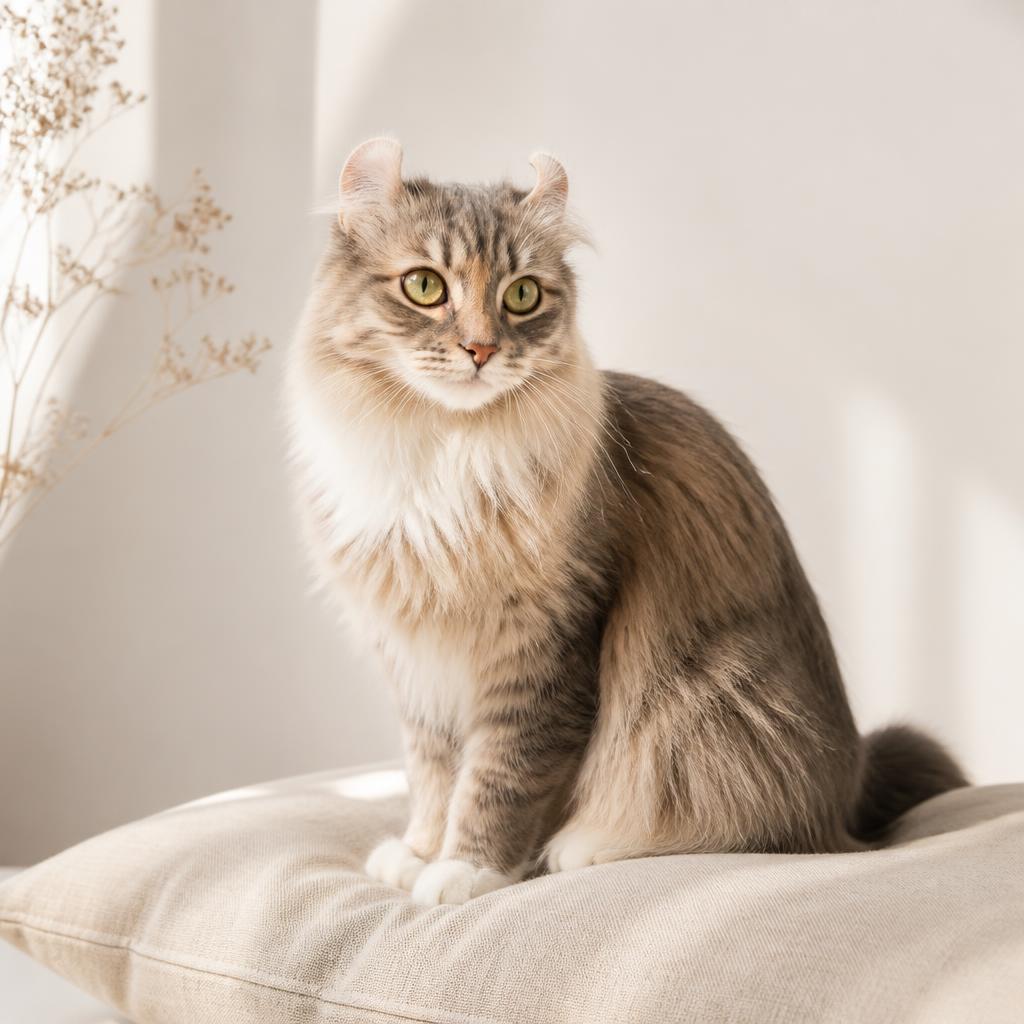
| American Curl | 2.5–5.5 kg | 6/10 | 5/10 | €80 |
| Domestic Shorthair | 3.5–7 kg | 6/10 | 3/10 | €66 |
Manx questions, answered
Are all Manx cats completely tailless?
No. A single litter can contain rumpies with no tail, rumpy-risers with a small bony knob, stumpies with a short kinked tail and longies with a near-normal tail. All are Manx. In health terms a longy or stumpy kitten often carries less risk than a fully tailless one.
Is it cruel to breed Manx cats?
It depends entirely on the breeder. Mating two tailless cats produces kittens that die before birth and is considered unacceptable. Pairing a tailless cat with a tailed one, screening kittens and rehoming at sixteen weeks is the responsible approach. Buy from someone who does the second and refuse anyone doing the first.
Do Manx cats have back problems?
Some do. The gene that shortens the tail can shorten the spine, and severely affected cats have nerve, bladder or bowel problems. Most well-bred adult Manx live entirely normal lives, but any change in gait or litter tray habit deserves prompt veterinary attention.
Are Manx good with children and dogs?
Unusually so. They are confident, sociable and physically robust, and they tend to seek out company rather than avoid it. Many households report the Manx being the first to greet a visiting dog.
How much grooming does a Manx need?
A shorthaired Manx needs a weekly comb, rising to twice weekly during the moult. The longhaired variety, often called the Cymric, needs combing two or three times a week. Both benefit from a weekly check of the rear area, since there is no tail to keep it clear.
Do Manx cats really act like dogs?
They come closer than most. Following their owner from room to room, greeting the door, carrying toys and responding to their name are all common. Some learn to fetch reliably. It is the main reason people who have owned one rarely want a different breed afterwards.
How long do Manx cats live?
Twelve to sixteen years is typical for a healthy, well-bred cat kept at a sensible weight. Cats affected by the more severe spinal problems often have shorter, harder lives, which is why the breeder question matters more here than in almost any other breed.