United States
LaPerm
Curly-coated, people-focused and playful: a low-shedding breed that still needs gentle coat care and company.
Reviewed against International Cat Care and veterinary guidance
A curly-coated, affectionate farm cat with a sense of humour
The short version
- Coat ranges from short waves to long ringlets; gentle combing when damp prevents breakage.
- Low shedding, but not hypoallergenic.
- Affectionate and people-oriented; long absences are hard unless there is another cat.
- Active and playful into adulthood; daily interactive play keeps them content.
- Generally healthy; ask about standard genetic screening for PKD and heart conditions.
- Weight
- 2.5–5 kg
- Lifespan
- 12–16 yrs
- Coat
- Curly
- Size
- Medium
- Grown male
- 3.5–5 kg
- Grown female
- 2.5–3.5 kg
- Years to full size
- about 2.5
- One-off setup
- €160–320
Get one if…
- People who enjoy an affectionate cat
- Owners willing to learn curly-coat care
- Families with respectful children
- Multi-pet homes
Think again if…
- Anyone expecting a hypoallergenic cat
- Households away all day
- People unwilling to handle a wavy coat gently
- Very chaotic homes
Trait profile
Read the bars as involvement. High affection and vocality mean a cat that talks to you and wants to be near you. Moderate grooming reflects a coat that is low-shedding but needs a gentle, specific routine. High energy means daily play and climbing opportunities are part of the deal.
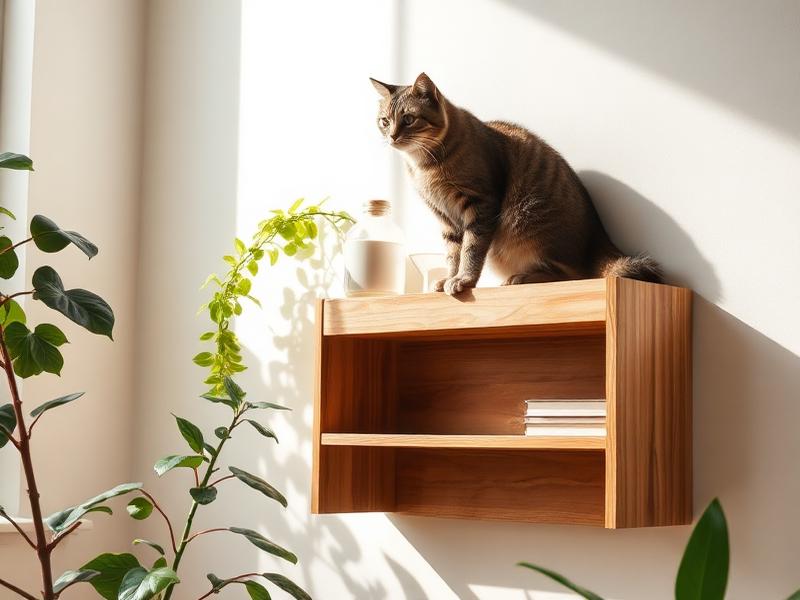
Space & setup. Active and agile; provide vertical space and a variety of perches.
Allergies. Low-shedding, but the coat still carries skin allergens; not suitable for serious allergy sufferers.
The review
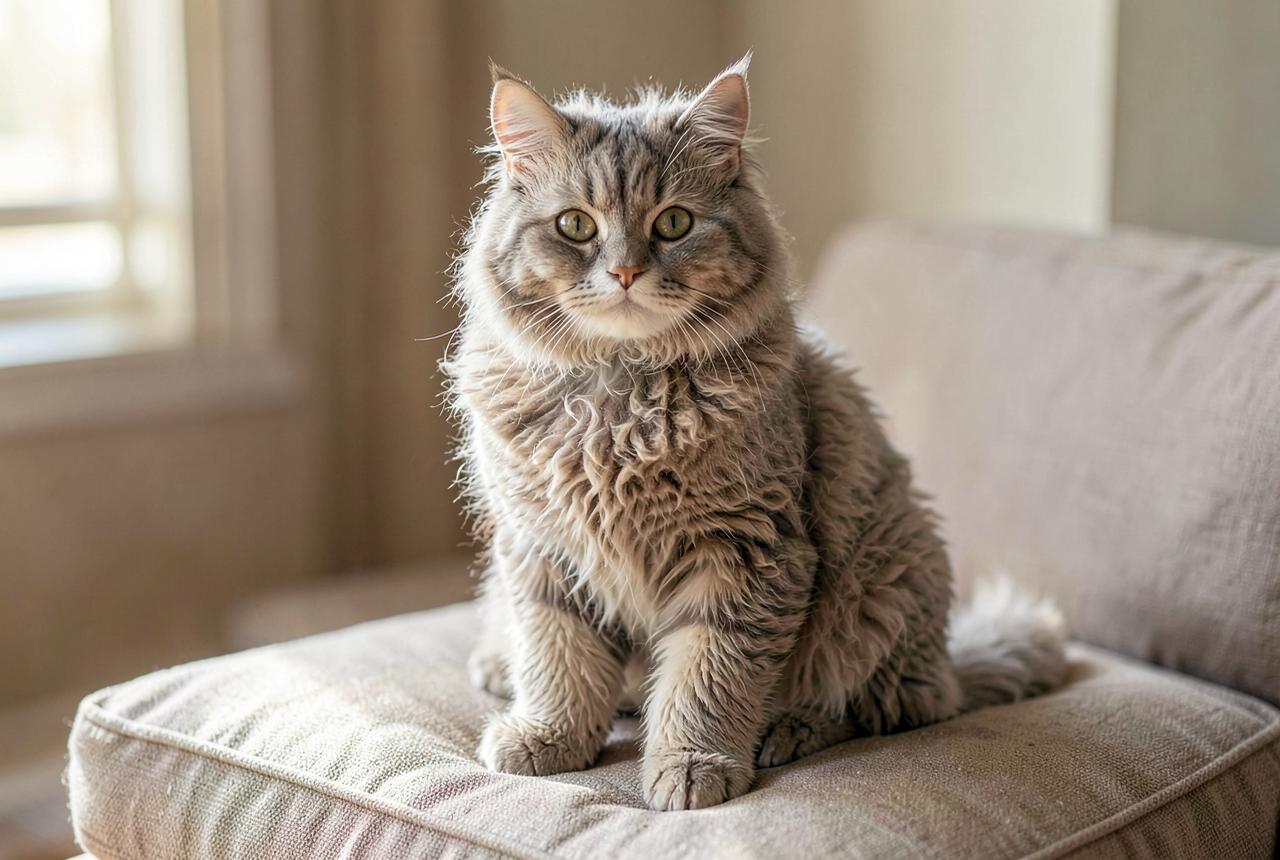
LaPerms are medium-sized cats with a distinctive curly or wavy coat that can be short or long. They are people-oriented, active and surprisingly low-shedding, though not hypoallergenic.
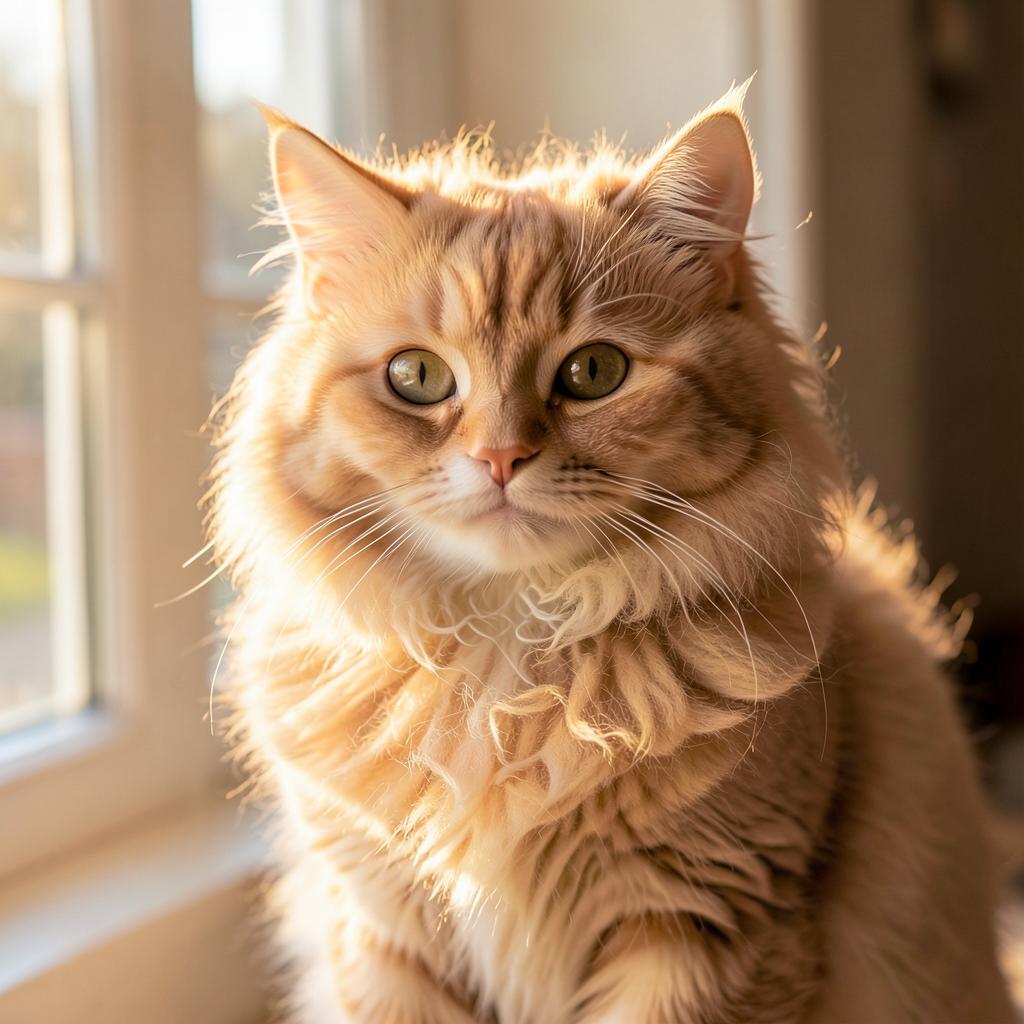
The LaPerm began as a mutation in a litter of barn cats, and the breed has kept some of that practical, friendly farm-cat attitude. The coat is the obvious talking point: it can be short and wavy or long and ringleted, and it feels like nothing else in the cat fancy. What surprises new owners is that the personality is just as distinctive. LaPerms are people cats. They want to be involved, they want to be touched, and they will use their voice to explain exactly where you have gone wrong.
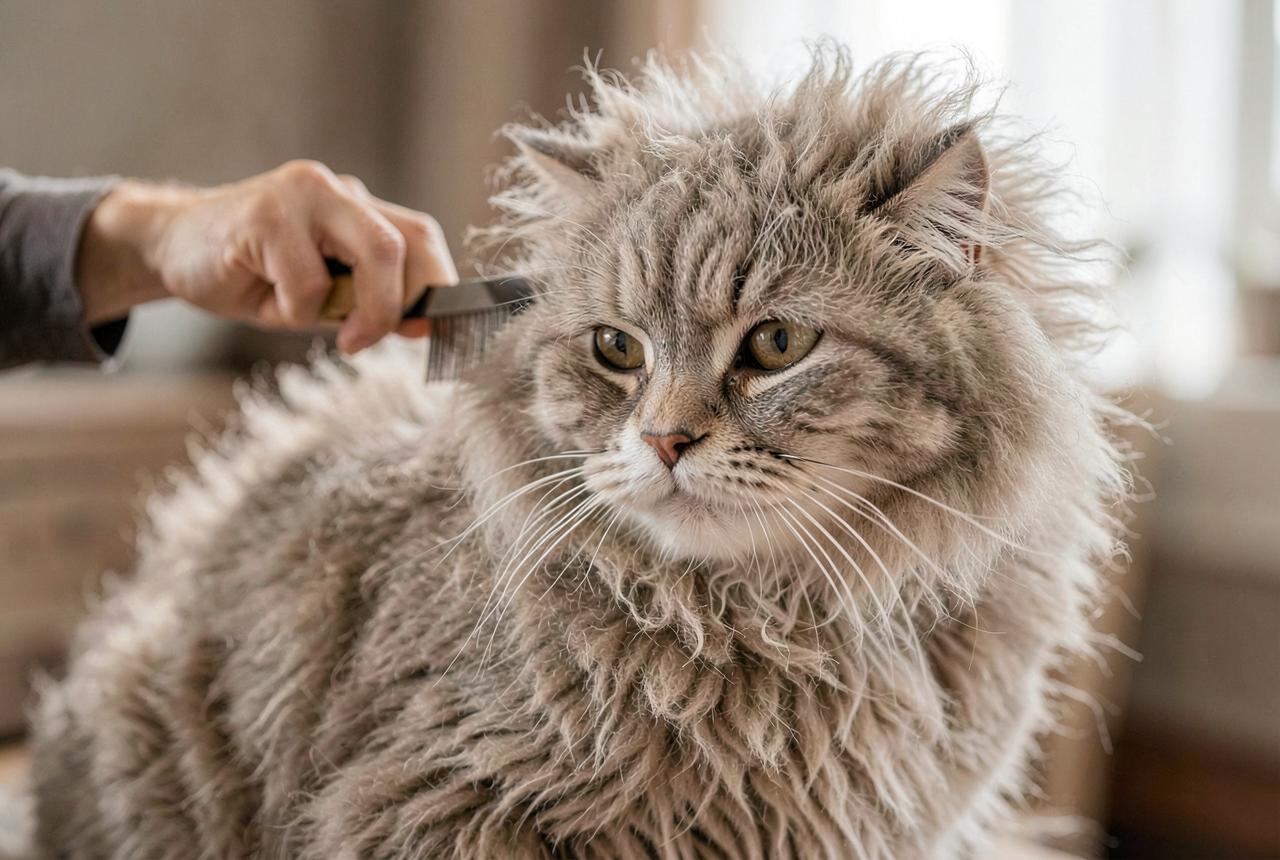
The coat is not no-maintenance, but it is different maintenance. Curls tangle at the base rather than forming mats on the surface, and the hair is more fragile than straight fur. A gentle comb-through when the coat is slightly damp works better than dry brushing, which can break the curl and create frizz. Shedding is lower than in many breeds, which is welcome, but it does not make the cat hypoallergenic. The allergen is in saliva and skin secretions, and a curly coat still carries both.
Size is medium, with males usually 3.5–5 kg and females 2.5–3.5 kg. The body is athletic rather than cobby, and the breed stays playful well into adulthood. They climb, they retrieve, and they will happily learn to open doors or drawers if there is something interesting inside. A home without vertical space or interactive toys will see a LaPerm invent its own games, some of which involve your possessions.
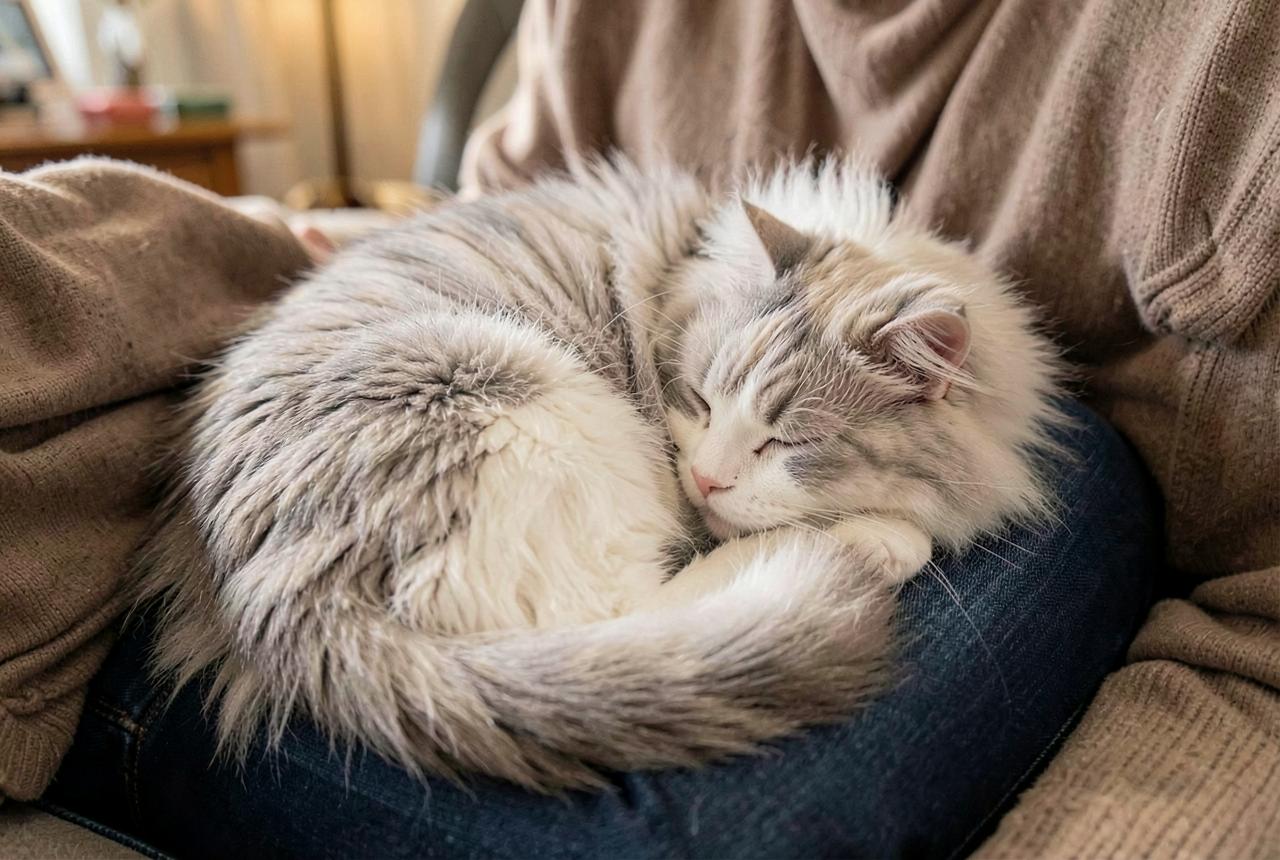
Temperamentally, they are affectionate without being clingy. They will greet you, follow you, and settle on you, but they are usually confident enough to entertain themselves for a few hours. They get on well with respectful children and other friendly pets, and their curiosity tends to outweigh any aggression. They are not a good choice for households that are empty all day or that want a cat that stays out of the way.
Health is generally robust. There are no breed-specific diseases that dominate the conversation, but responsible breeders still screen for the usual suspects: heart conditions and polycystic kidney disease where relevant. Dental care, weight control and routine vaccinations are the long-term priorities.
A LaPerm suits someone who wants an affectionate, low-shedding, slightly mischievous cat and is willing to learn the small tricks of curly-coat care. It is not the right cat for someone hoping for a hypoallergenic miracle, for a household that is never home, or for anyone who finds a chatty, involved cat exhausting. Given company and a gentle comb, it is a charming and unusual companion.
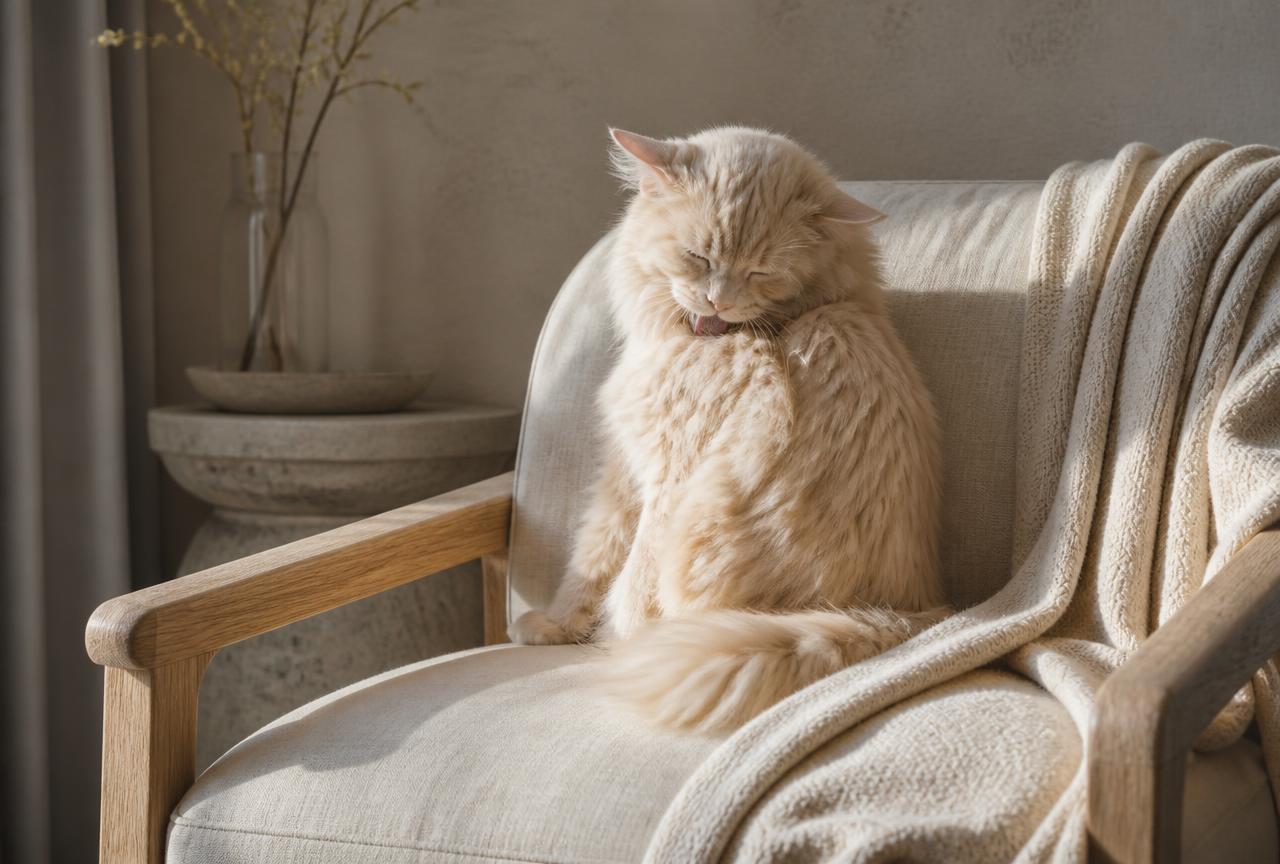
The LaPerm is a curly-coated companion: affectionate, playful, and convinced that your lap is the best seat in the house.
Grooming, realistically
- 1Comb gently once or twice a week, misting the coat lightly first to avoid breaking the curls.
- 2Use a wide-tooth comb or fingers rather than a slicker brush, which can frizz and split the curls.
- 3Pay attention to the base of the coat behind the ears and under the legs, where tangles start.
- 4Bathe only occasionally, using a mild cat shampoo; over-washing strips the oils that keep curls defined.
- 5Dry naturally or with a diffuser on low; vigorous towel-drying creates tangles.
- 6Trim claws every three weeks and check ears for wax while the cat is relaxed.
What you actually need
- Wide-tooth comb or metal comb with rounded teeth
- Spray bottle with plain water for misting
- Mild cat shampoo for occasional baths
- Soft towel or diffuser for drying
- Claw clippers
Kitten to adult
| Age | Male | Female | What is happening |
|---|---|---|---|
| 8 weeks | 0.7–1.0 kg | 0.6–0.9 kg | Coat may still be straight or just beginning to wave |
| 3 months | 1.3–1.9 kg | 1.1–1.6 kg | Curls becoming apparent; feed three to four meals |
| 6 months | 2.0–2.8 kg | 1.7–2.4 kg | Neutering usually discussed; active growth continues |
| 12 months | 2.8–3.8 kg | 2.2–3.2 kg | Near adult weight; coat texture still developing |
| 18 months | 3.2–4.5 kg | 2.5–3.5 kg | Adult condition; long coats show full ringlets |
| 2–3 years | 3.5–5.0 kg | 2.5–3.5 kg | Final adult weight; maintain lean, active condition |
Ranges are typical, not targets. Judge condition by ribs and waist, and check with the ideal weight checker.
What to ask a breeder
- Have the parents been screened for hypertrophic cardiomyopathy and polycystic kidney disease?
- At what age does the coat show its final curl type?
- How do you socialise kittens with handling, grooming and household noise?
- What grooming routine do you recommend for the coat length in your line?
- Do you provide guidance on coat care for new owners?
Health watch-list
What to ask a breeder about, and what to watch for over a lifetime. This is orientation, not veterinary advice, anything you notice belongs in front of a vet.
Hypertrophic cardiomyopathy (HCM)
NotableHeart screening is worthwhile in any breed. Ask for echocardiogram evidence in breeding cats.
Polycystic kidney disease
UncommonGenetic testing is available. Ask whether the line has been screened, especially if Persian ancestry exists.
Dental disease
Common with ageRoutine tooth brushing and annual checks are the best prevention.
Obesity
CommonAn active breed that can become sedentary without play. Measure food and keep the cat lean.
Skin and coat issues
UncommonOver-washing or dry brushing can damage the coat. Use a gentle, damp combing routine.
Ear mites and wax build-up
Common with ageRegular ear checks during grooming help catch problems early.
What it costs to keep one
Realistic running cost
€71 / month
About €852 a year, or roughly €11,928 across a 14-year life, before purchase price, neutering and one-off vet events.
Before the cat arrives. Budget roughly €160–320 for trays, carrier, posts, bowls, bedding and grooming kit sized for this breed. Figures throughout are indicative and vary a good deal between countries.
Interactive · built for this breed
Is a LaPerm right for your home?
A curly-coated, affectionate, active breed that started as a farm mutation. The coat is low-shedding but not no-maintenance, and the personality is people-focused.
Verdict
An excellent match
You have the coat care, company and play routine this affectionate breed needs.
What to sort out first
- The right approach: mist lightly or comb when damp to avoid breaking curls.
Keep the weight honest with the ideal weight tool, or compare the alternatives in the matchmaker.
The verdict, by household
Small flat, no outdoor access
Good fit
Medium size and low shedding suit a flat, but vertical space and daily play are essential.
Family with young children
Good fit
Gentle children are welcomed. Teach them to handle the unusual coat carefully and not to pull curls.
First-time owner
Good fit
Friendly nature helps, but the coat needs a specific routine. Learn it early.
Multi-cat or dog household
Strong fit
Usually sociable and confident. Introduce gradually as with any cat.
Allergy-conscious home
Think again
Low shedding is not hypoallergenic. Dander and saliva proteins still cause reactions.
Away from home all day
Poor fit
People-oriented and playful; long absences are hard without another friendly cat.
When to call your vet
- Changes in coat texture, excessive oiliness or bald patches
- Lethargy or reduced activity in a normally playful cat
- Persistent vomiting, diarrhoea or weight loss
- Bad breath, drooling or difficulty eating
- Lameness or reluctance to jump
Nothing here is a diagnosis. Breathing difficulty, sudden hind-leg weakness and straining to urinate are emergencies, go the same day.
LaPerm vs the closest alternatives
LaPerm questions, answered
Do LaPerm kittens have curly coats?
Not always. Some are born bald, some with straight hair, and the curls develop over the first few months. The final coat type is usually clear by adulthood.
How much grooming does a LaPerm need?
A gentle comb-through once or twice a week, misted first. Avoid dry brushing, which breaks the curls.
Are LaPerms hypoallergenic?
No. They shed less than many breeds, but they still produce the proteins that trigger allergies.
Are LaPerms good with children?
Generally yes, with respectful children. Their coat should not be pulled, and they appreciate gentle handling.
How active is a LaPerm?
Quite active. They enjoy climbing, retrieving and puzzle toys well into adulthood.
Can a LaPerm be left alone all day?
Not ideally. They are people-oriented and do better with company or another friendly cat.
What health tests should a LaPerm breeder provide?
Screening for heart conditions and polycystic kidney disease where relevant, plus evidence of good general health.
Sources
- Grooming and coat care, International Cat Care
- Feline health topics, Cornell Feline Health Center
- WSAVA global nutrition guidelines, WSAVA
- Nutritional guidelines for complete and complementary pet food, FEDIAF