Cat hairballs: normal, or a warning sign?
An occasional hairball is housekeeping. A weekly one is a symptom, and the thing it most often points at is not the coat at all.
Nadia Ferreira
Feline health writer, ten years reporting on companion animal medicine
Published 4 September 2026
Checked against WSAVA, ISFM and Cornell Feline Health Center guidance
The short version
- A few hairballs a year is normal. Weekly is a symptom and needs a vet, not more grooming.
- Hairballs form in the stomach and come up by retching. A dry cough that produces nothing is often feline asthma, which is treatable and routinely missed.
- Film the episode on your phone. Thirty seconds of video tells a vet more than any description.
- A fine metal comb, used little and often, removes the undercoat a slicker brush glides over.
- Wet food and better hydration move swallowed fur through; butter, olive oil and mineral oil do not, and mineral oil is dangerous.
- Overweight cats cannot reach their back half, and cats that overgroom to bare skin have itch, pain or stress rather than a coat problem.
A cat spends a good part of its waking life grooming, and its tongue is covered in backward-facing keratin spines that work like a comb. Everything those spines lift gets swallowed. Most of it passes through and leaves in the litter tray, unnoticed. Occasionally a quantity of it gathers in the stomach, forms a damp cylinder, and comes back up on the rug at four in the morning.
That much is normal. What is not normal, and what a great many owners tolerate for years, is a cat producing hairballs every week, or retching repeatedly and bringing nothing up. Both of those are worth a vet visit, because the two conditions most often hiding behind "he's just a hairball cat" are feline asthma and chronic gut disease.
This piece sets out how often is too often, what actually reduces swallowed fur, and how to tell a hairball from a cough.
What a hairball is, and where the name misleads
The proper term is a trichobezoar. It forms in the stomach, not the throat, and it comes up by retching rather than coughing. It is usually a cylinder rather than a ball, because it takes the shape of the oesophagus on the way out, a detail that tells you it did not sit in the throat.
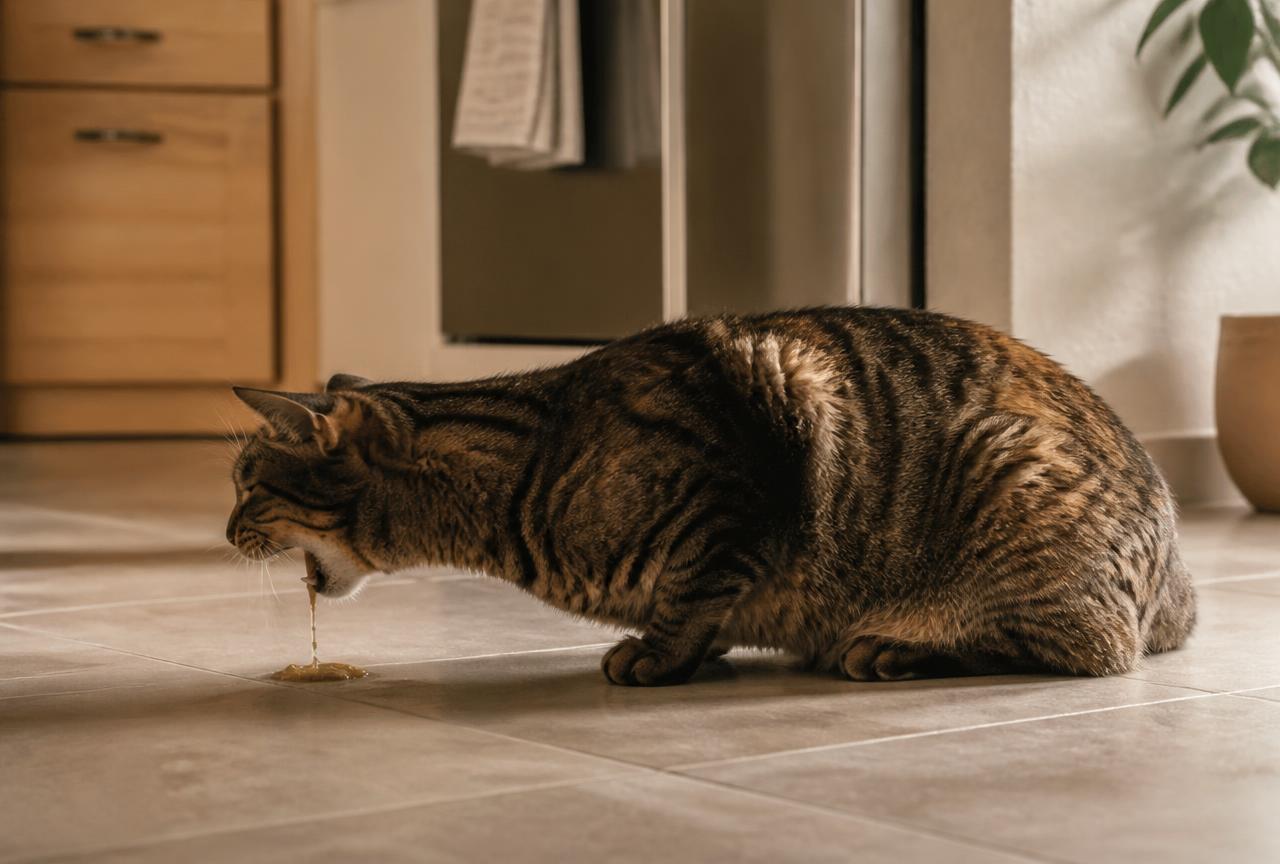
The important consequence: hairballs are a gastrointestinal event, so anything that slows the stomach or irritates the gut makes them more likely. That is why a cat with inflammatory bowel disease may present as a hairball problem, and why diet often does more than grooming.
How often is normal
There is no perfectly settled figure, but veterinary sources converge on a rough rule.
| How often | Read as | Action |
|---|---|---|
| --- | --- | --- |
| A few times a year | Normal, particularly in a long-haired cat during a moult | Nothing |
| About monthly | Upper end of normal | Comb more, add wet food |
| Weekly | Not normal | Vet visit |
| More than weekly, or dry retching with nothing produced | Likely asthma, gut disease or an obstruction | Vet, promptly |
A kitten producing hairballs is unusual and worth mentioning to a vet, because young cats groom less and shed less than adults.
If your cat is a "hairball cat", that is not a personality trait. It is a diagnosis you have not had yet.
Hairball or cough? The distinction that matters most
Feline asthma is routinely mistaken for hairballs, and the mistake costs cats years of untreated airway disease. The postures look similar from the next room.
A hairball is a retch: neck extended, abdomen heaving, low crouch, and something comes out. A cough is dry: the cat crouches with the neck extended and the elbows out, makes a repeated forceful sound, and produces nothing, or a little foam. Asthmatic cats often cough in clusters, and often at the same time of day.
Film it. Thirty seconds of phone video is more diagnostically useful than any description, and vets will thank you for it.
What actually reduces hairballs
Three things do most of the work, in this order.
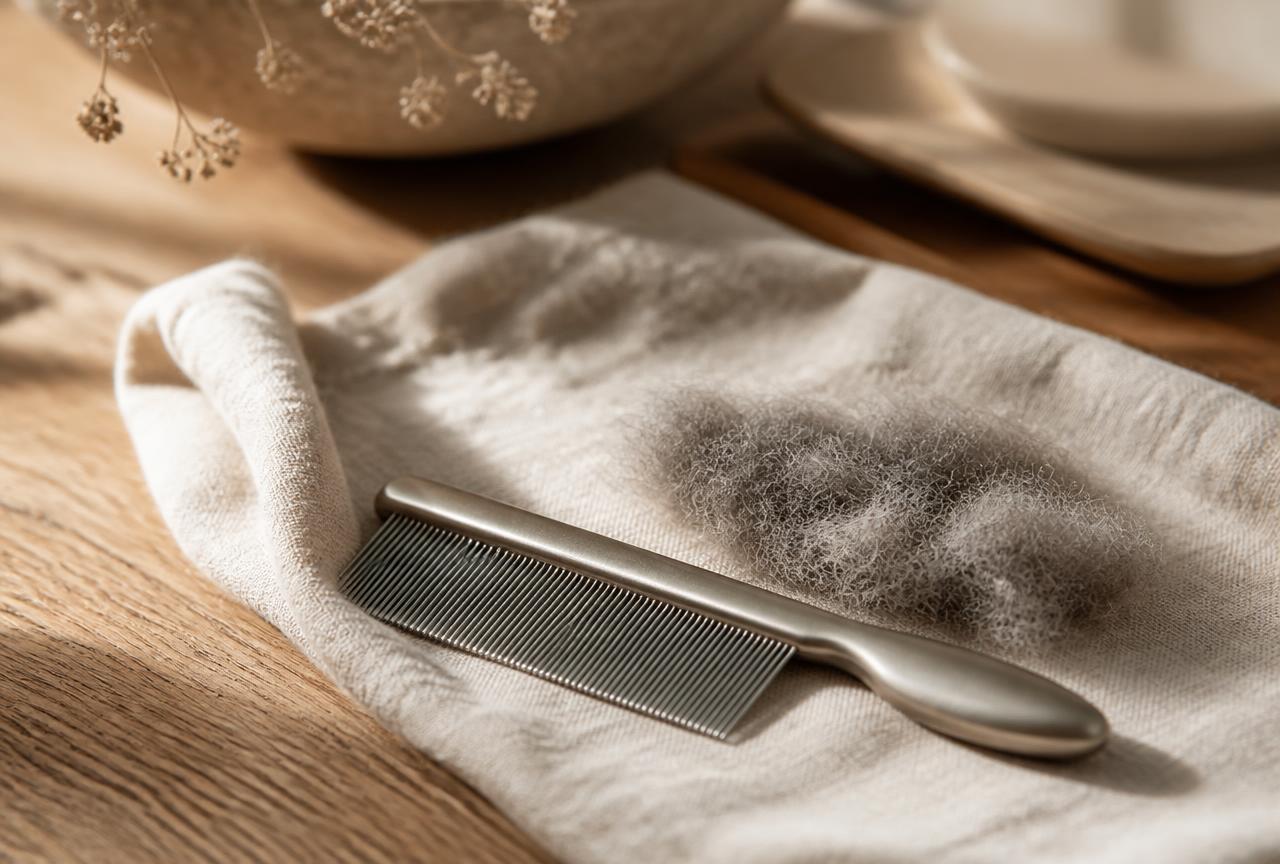
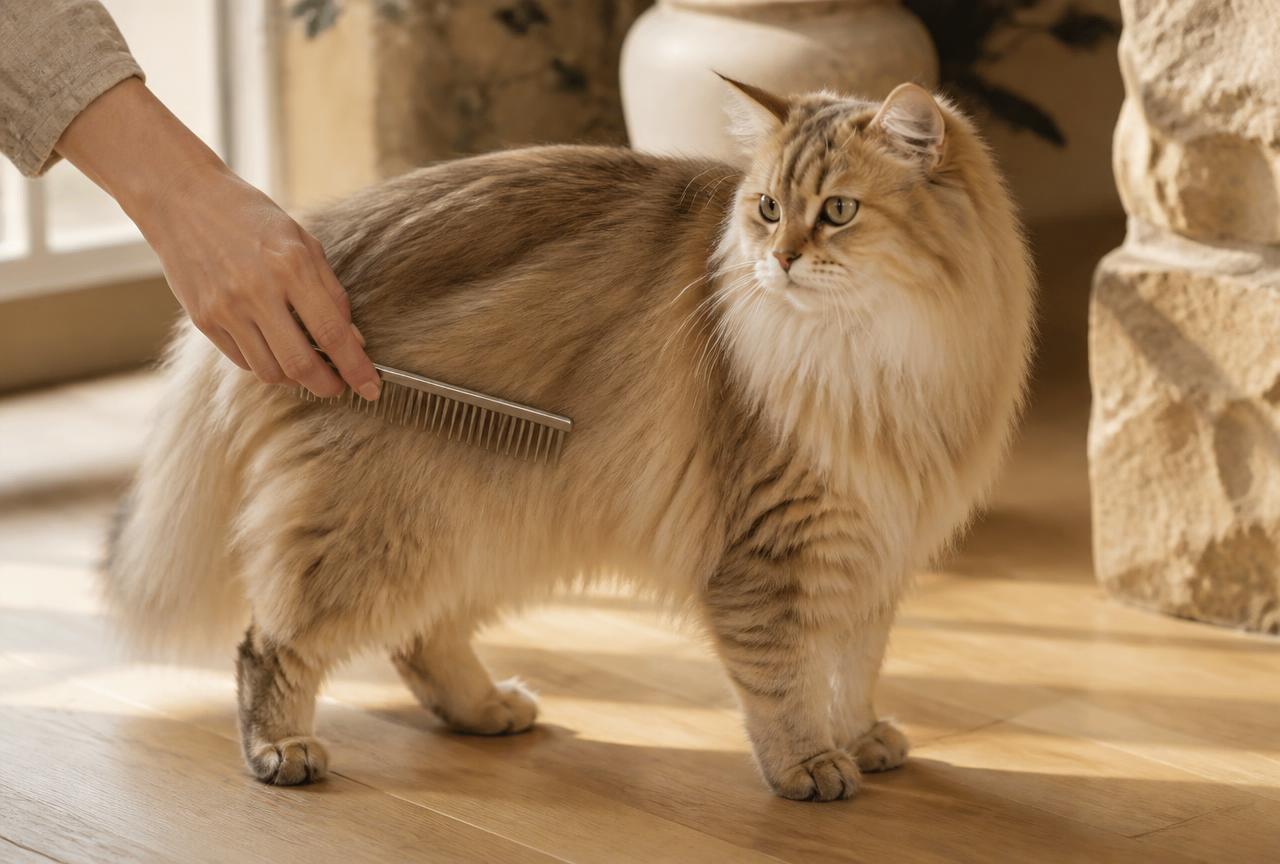
Removing hair before the cat swallows it. A fine-toothed metal comb takes out loose undercoat that a slicker brush glides over. Little and often beats a long weekly wrestle.
Hydration and diet. A well-hydrated gut moves contents along more effectively. Wet food raises total water intake far more than a fountain does, and fibre, either from a hairball-control diet or added by your vet, helps carry fur through. Our wet versus dry comparison covers the moisture arithmetic in detail.

Petroleum-based laxative pastes, sparingly. They work by lubrication and most cats accept them. They are a management tool, not a treatment for the underlying cause, and long-term daily use is worth discussing with a vet because of possible effects on fat-soluble vitamin absorption.
What does not work: butter, olive oil in the food, and most "natural hairball remedy" claims. Never give mineral oil by mouth, aspiration causes pneumonia.
Below, get a combing interval for your cat's coat and a read on whether what you are seeing is ordinary.
Interactive · built for this article
Hairball plan
A combing interval for your cat's coat, plus whether what you are seeing is normal or a vet question.
Combing interval
every 7 days
Ordinary for this coat
Change these, in order
- Comb every 7 days with a fine metal comb, not a slicker brush.
Indicative, and not a diagnosis. Hydration does most of the work here, see the wet versus dry comparison and the portion calculator.
The grooming routine that cats accept
Grooming fails when it is too long, too rare and too late in the day.
- 1Buy one good metal comb. Fine teeth at one end, wider at the other. A slicker brush and a rubber mitt are supplements, not substitutes.
- 2Groom before a meal. Food afterwards makes the association a positive one.
- 3Start where the cat likes being touched. Cheeks, jaw, along the shoulders. Work backwards.
- 4Keep sessions to five minutes. Stop while the cat is still relaxed, ears forward, no tail movement.
- 5Check the trouble spots weekly. Armpits, trousers, behind the ears, base of the tail. Mats begin there.
- 6Never cut a mat out with scissors. Cat skin is thin and tears easily; a groomer or vet with clippers is the right answer.
- 7Increase during moults. Most cats shed heavily twice a year; daily combing for those weeks halves the hairballs.
A quick checklist of the kit worth owning:
- A fine-toothed metal comb
- A wide-toothed comb for long coats
- A rubber grooming mitt for short coats and for finishing
- Blunt-tipped scissors for stray tufts only, never for mats
- A wet food you already know your cat eats
Breeds and bodies at higher risk
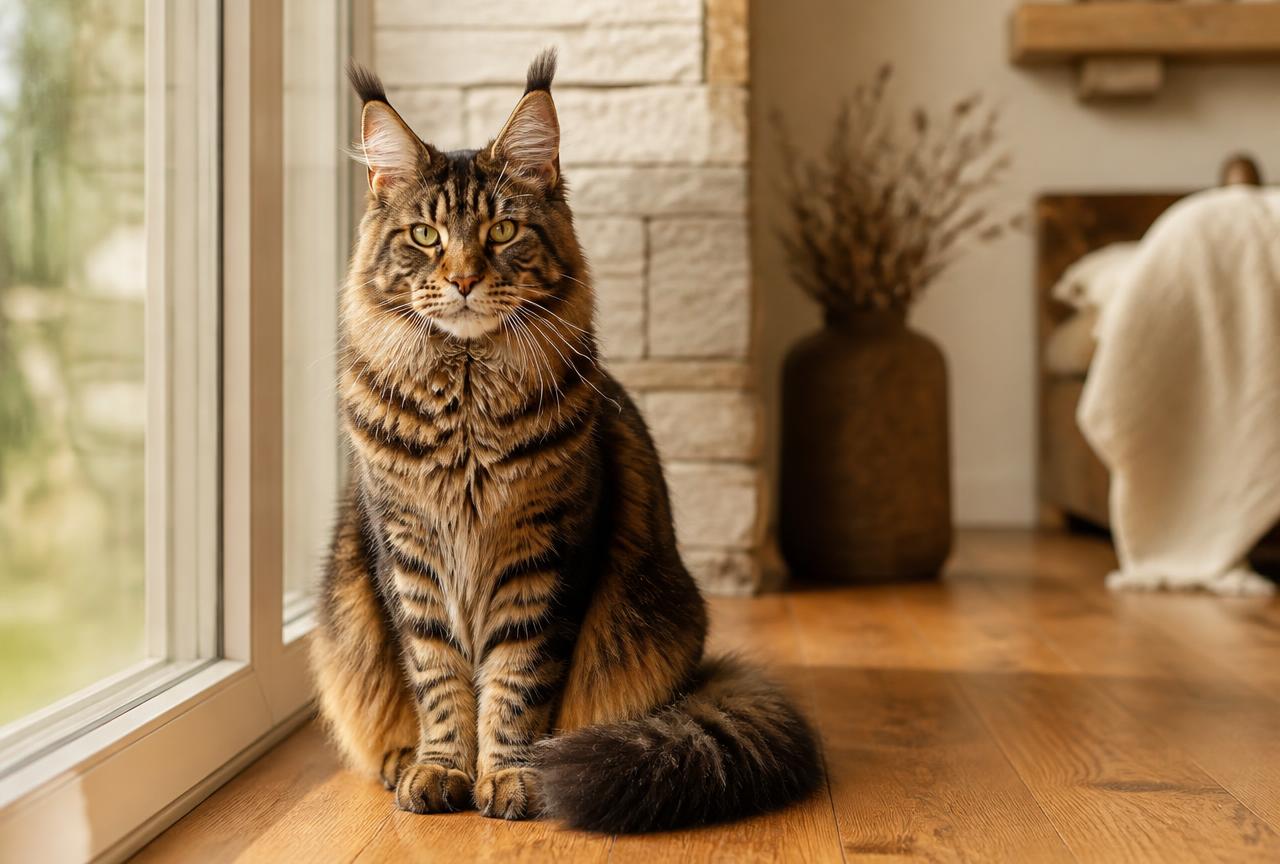
Long and dense coats create more swallowed fur, so the Persian, Maine Coon, Norwegian Forest and Ragdoll all need a shorter combing interval than a domestic shorthair. The Sphynx, at the other extreme, has effectively none of this problem and a skin-care one instead.
Body condition matters more than people expect. A cat carrying extra weight physically cannot reach its lower back, hind legs or base of the tail, so those areas mat while the reachable parts are over-groomed. Our ideal weight checker is the honest place to start.
And overgrooming is its own signal. A cat that pulls fur out, leaving thin patches or bare skin along the belly and inner thighs, is telling you about itch, pain or stress, fleas and allergy being commonest. That cat needs a diagnosis, not a comb.
Verdict by household
Short-haired cat, a hairball twice a year. Nothing to do. Comb weekly for the company.
Long-haired cat during a moult. Daily combing for a few weeks, wet food at least half the diet, and check the mat spots.
Cat producing hairballs weekly. Book a vet visit. Take video. Expect questions about coughing, appetite, weight and stool consistency.
Overweight cat with mats on the back half. Weight loss is the treatment. In the meantime, a groomer can clip the affected areas.
Cat retching with nothing produced, repeatedly. Treat as respiratory until proven otherwise. Feline asthma is treatable and commonly missed.
Cat that overgrooms. Parasite control and a vet skin assessment first. If those are clear, look at stress, and at the enrichment audit in our indoor enrichment guide.
When to call your vet
Same day: repeated unproductive retching, a cat that is gagging and cannot settle, vomiting several times in a day, refusing food for more than a day, lethargy, a distended abdomen, or constipation alongside the retching. A hairball large enough to obstruct the gut is rare but a surgical emergency, and the early picture is vomiting with no stool.
Within the week: hairballs weekly or more often, any coughing, weight loss, a change in stool consistency, mats you cannot comb out, or fur loss from overgrooming. Bring video of the episode and, if you can, a note of how often it has happened over the last month, our cat age converter will also tell you whether your cat is at a life stage where new vomiting deserves a fuller work-up.
For a broader look at vomiting that is not fur, see our guide to why cats vomit.
Questions people actually ask
How often are hairballs normal in cats?
A few times a year is unremarkable, and up to about once a month is the upper end of normal for a long-haired cat, especially during a moult. Weekly hairballs are not normal and warrant a vet visit, because asthma and chronic gut disease both present this way.
Is my cat coughing or bringing up a hairball?
A hairball is a retch: low crouch, heaving abdomen, and something is produced. A cough is dry and repetitive, with the neck extended and elbows out, and produces nothing or a little foam. Coughing in clusters points at feline asthma. Film thirty seconds of it for your vet.
What can I give my cat for hairballs?
The evidence-based options are a fine metal comb used two or three times a week, more wet food to raise hydration, a hairball-control or higher-fibre diet, and occasional petroleum-based laxative paste. Skip butter, olive oil and unproven remedies, and never give mineral oil by mouth: aspiration causes pneumonia.
Can a hairball be dangerous?
Rarely, yes. A mass large enough to obstruct the stomach outlet or intestine is a surgical emergency, and the picture is repeated vomiting with little or no stool, a tense abdomen, refusal of food and lethargy. Any cat like that needs to be seen the same day.
Why does my long-haired cat get more hairballs?
More coat means more swallowed fur, and dense undercoats shed in bulk twice a year. Persians, Maine Coons, Norwegian Forest cats and Ragdolls all need a shorter combing interval, daily during a moult, plus enough moisture in the diet to move fur through.
Do hairball-control diets work?
They can. They typically combine higher fibre with fat and additives intended to help fur pass through rather than accumulate, and owners often report fewer episodes. They manage the symptom, though: if hairballs are weekly, get the underlying gut or airway question answered first.
My cat is pulling its fur out, is that a hairball problem?
No. Fur loss with thin patches or bare skin, usually on the belly and inner thighs, is overgrooming, and it points at itch, pain or stress. Fleas and food or environmental allergy are the commonest causes. That cat needs a vet skin assessment and parasite control, not more combing.
Sources
- WSAVA global nutrition guidelines, WSAVA
- Hairballs in cats: causes and management, International Cat Care
- Feline asthma and lower airway disease, Cornell Feline Health Center
- Nutritional guidelines for complete pet foods, FEDIAF
Breeds mentioned



Put it into practice
Read next
Cat sneezing: colds, dust and the signs that need a vet
Cat sneezing a lot? Dust, viruses, dental roots and foreign bodies, how to sort the harmless from the signs that need a vet.