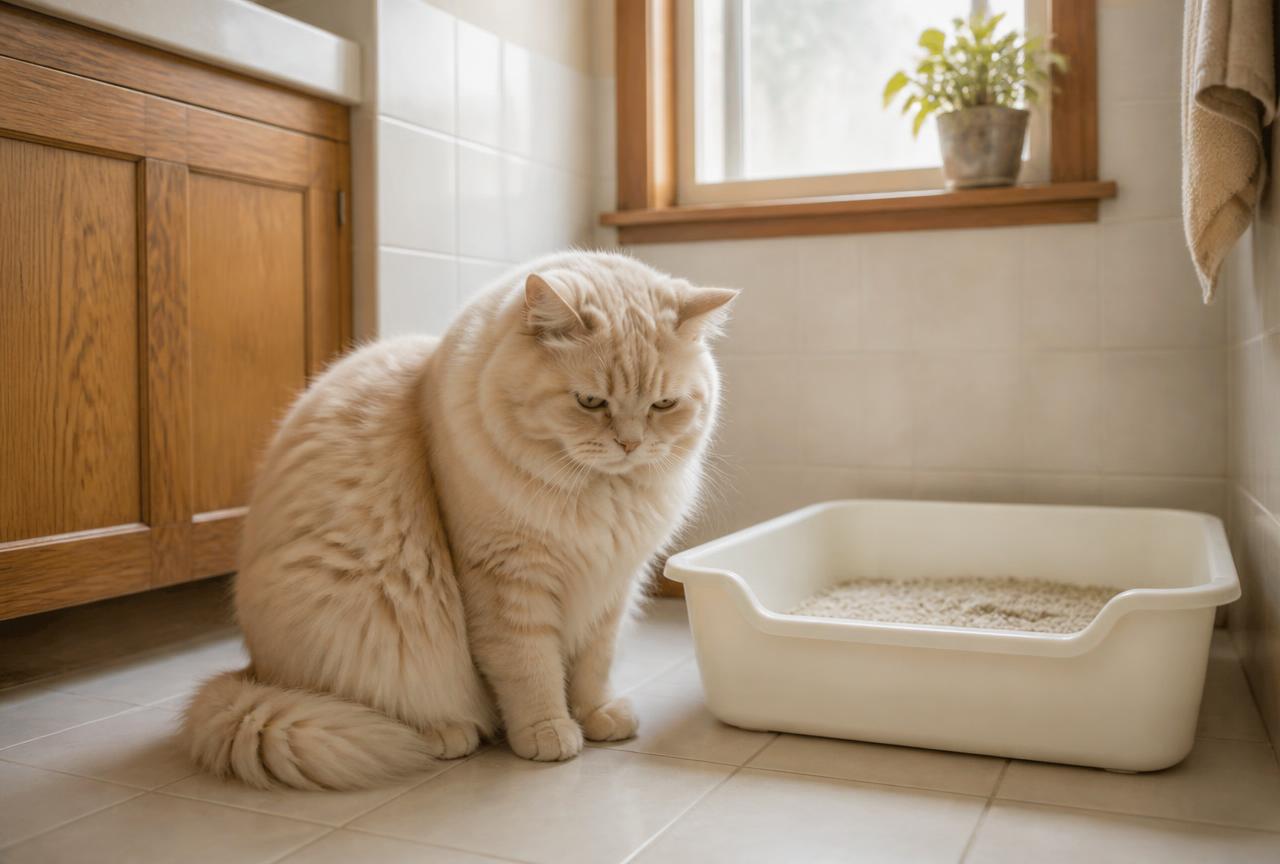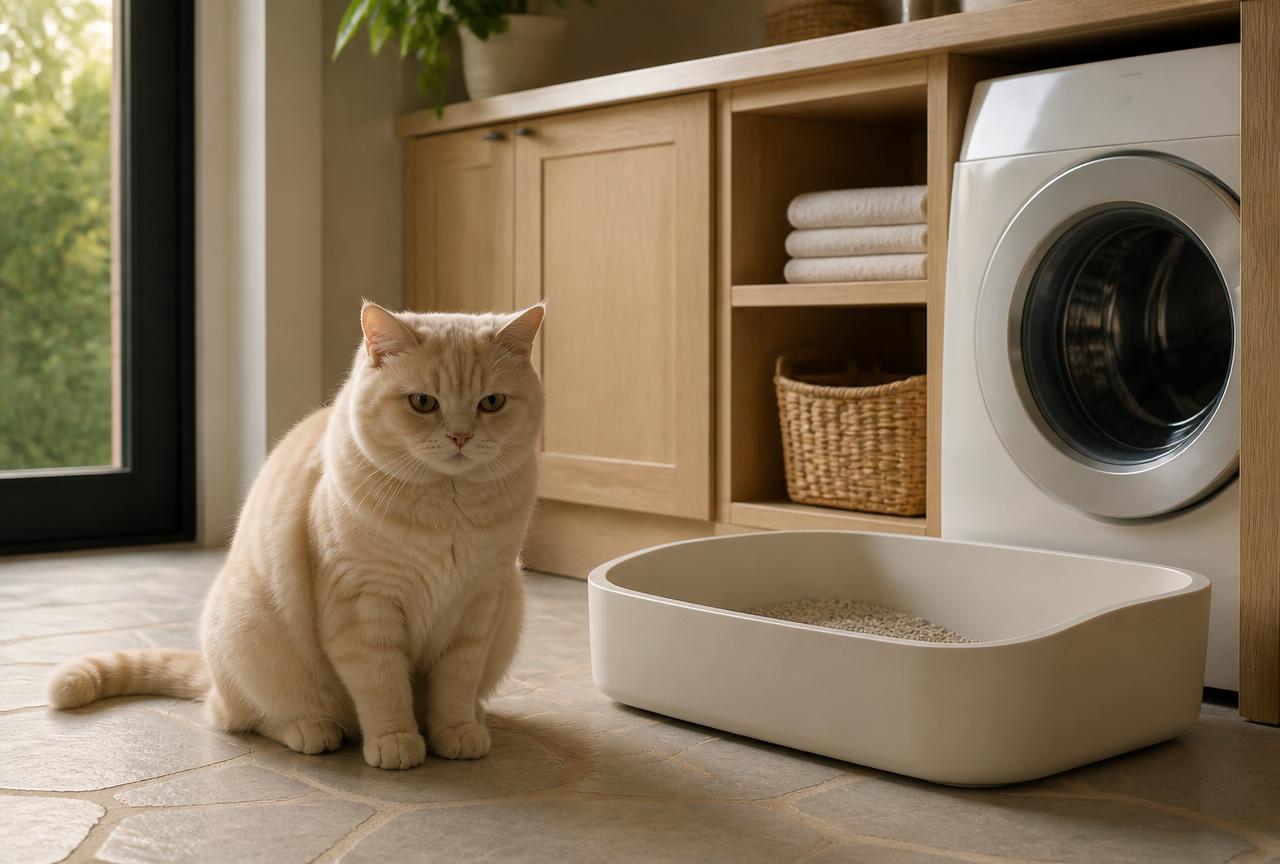
Cat vomiting: what is normal, what is not
Most cats bring something up now and then. The useful skill is not panicking about the ordinary while spotting the findings that mean today, not next week.
Nadia Ferreira
Feline health writer, ten years reporting on companion animal medicine
Published 4 September 2026
Checked against WSAVA, ISFM and Cornell Feline Health Center guidance
The short version
- Once a month or less, in a bright cat holding its weight, is within the ordinary range. Weekly is a pattern worth investigating.
- Vomiting is active and preceded by effort; regurgitation is passive and usually means the cat ate too fast. The fixes are different.
- Blood, more than two episodes in a day, unproductive retching, refusing food for a day, or a flat hunched cat mean call the same day.
- Hairballs are treated with a brush, not a supplement. Daily grooming for a fortnight is the test.
- Chronic weekly vomiting is a diagnosis waiting to be made, usually bowel disease, kidneys or thyroid, not a personality trait.
- Bring dates, contents and weights to the appointment. A log beats a description every time.
Cats vomit. It is one of the few things almost every owner learns in the first year, usually on a rug. The problem is that the same act covers an enormous range: a tube of swallowed hair, breakfast eaten too fast, a swallowed thread, kidney disease, an overactive thyroid, a bowel that has been quietly inflamed for two years.
Owners tend to split into two camps, and both are wrong. One treats every episode as an emergency. The other treats vomiting as a personality trait and mentions it to the vet four years later, in passing, after the weight has gone.
The honest position sits in between, and it is mostly about pattern rather than any single episode. Frequency, contents, appetite, energy and weight are the five things that turn an anecdote into information. This piece gives you the thresholds, a triage box that asks the questions a vet asks on the phone, and the findings that should end your reading and start a call.
How often is too often
There is no official number, because nobody has counted cats properly at home for long enough. In practice, most feline clinicians work with a rough rule: a healthy adult cat that brings something up once a month or less, eats normally and holds its weight is doing something within the ordinary range. Once a week is a pattern. More than twice in twenty-four hours is an acute event, whatever the cat looks like between episodes.
Two things matter more than the count. The first is weight: a cat vomiting weekly and losing 300 grams over three months has a problem, regardless of how bright it seems. The second is direction of travel. Something that used to happen quarterly and now happens fortnightly is telling you something changed.
The single most valuable thing you can bring to the appointment is a list of dates. Not a description, not a guess. Dates.
Cats are also built to vomit more readily than dogs or people. The vomiting centre in the feline brain is easily triggered, and the oesophagus is lined with muscle that can move material back up efficiently. That is why one episode means little, and why the same cat can produce a dramatic scene and then eat with enthusiasm ten minutes later.
Hairballs: normal, up to a point
A hairball, a trichobezoar, if you want the word, is swallowed fur compacted in the stomach and shaped into a tube by the oesophagus on the way out. Cats groom for a significant part of the day, and the barbed tongue is designed to collect loose hair. Most of it passes through and leaves in the litter tray. Some of it does not.
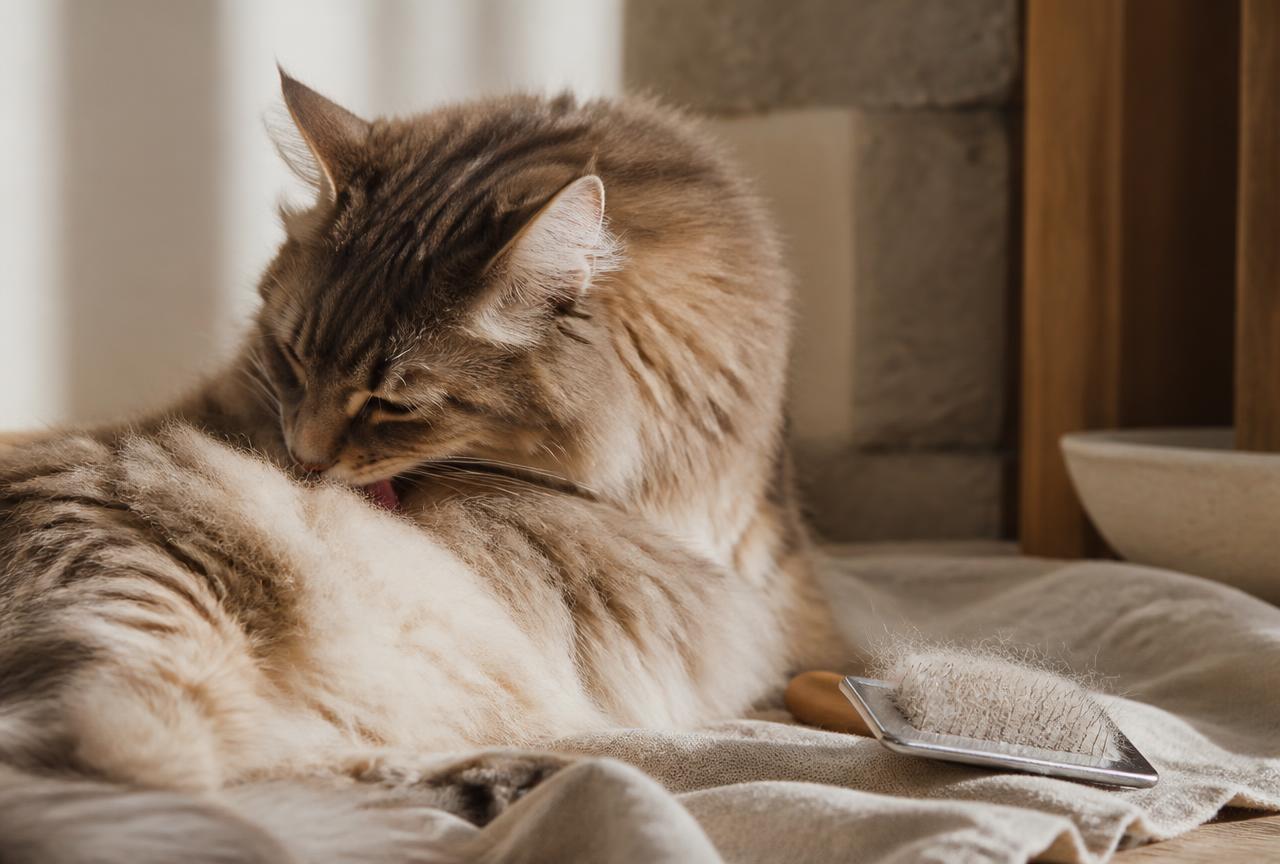
Long-haired cats produce more, obviously. So do cats that overgroom because of itch, pain, fleas or stress, and that last group is the one people miss, because the hairballs get blamed for the grooming rather than the other way round. If a short-haired cat has started producing hairballs, look at the skin and the stress load before you look at the food.
The intervention that works is unglamorous: brushing. Daily, for two weeks, with something that actually reaches the undercoat. Fur on the brush is fur not in the stomach. Petroleum-based laxative pastes have their place for cats that struggle despite grooming, but they are a second line, not a first, and they are not a treatment for a cat vomiting several times a week.
A hairball every month or two in a long-coated cat is housekeeping. A cat retching daily and producing nothing is not a hairball problem, that pattern belongs to the vet, because a cough in a cat looks almost exactly like this.
Vomiting or regurgitation: the difference matters
These get used interchangeably and they are not the same thing, which matters because they point at different parts of the body.
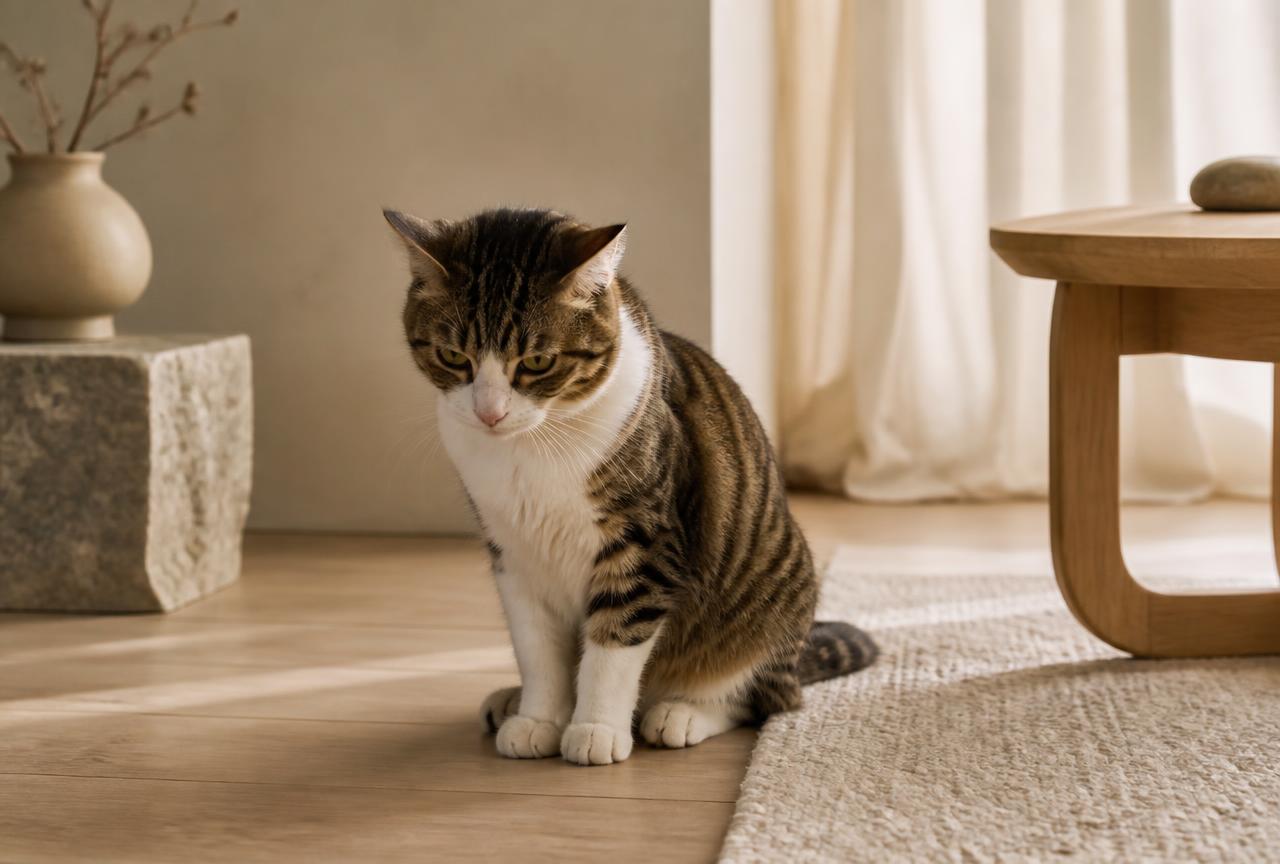
Vomiting is active. There is a warning: drooling, lip-smacking, a low position with the head down, and then obvious abdominal effort. The material has usually spent time in the stomach and may contain bile.
Regurgitation is passive. Food appears with barely any effort, often in a tube shape, often within minutes of eating, and often looks entirely undigested. This points at the oesophagus rather than the stomach, and the two most common causes at home are eating too fast and eating from a bowl set too low for a cat with a fussy neck.
The test is simple: watch. If your cat gives you a full performance, it is vomiting. If food simply arrives on the floor while the cat looks mildly surprised, it is regurgitation, and the fix is mechanical.
What the contents tell you
Colour and content are not a diagnosis, but they narrow the field usefully, and they are the first thing a vet will ask about.
| What you see | Usual meaning | What to do |
|---|---|---|
| --- | --- | --- |
| Tube of hair, little food | Hairball | Brush daily for two weeks, review frequency |
| Undigested food, minutes after eating | Eaten too fast, portion too large, bowl too low | Smaller meals, slow feeder, raise the bowl |
| Clear or white foam | Empty stomach, often early morning | Move a small meal to late evening |
| Yellow or green liquid | Bile, stomach empty for a long time | Split the ration into more meals; if it repeats, book a visit |
| Grass or plant material | Common, mostly harmless, unless the plant is toxic | Identify the plant; remove anything on a toxic list |
| Blood, or dark coffee-grounds material | Bleeding in the stomach or upper gut | Call your vet the same day |
| Anything with a thread, string or ribbon in it | Possible linear foreign body | Call your vet immediately; do not pull anything |
That last row deserves its own sentence. Thread caught under the tongue or at the base of the stomach can concertina the intestine, and it is a surgical emergency. Never pull a visible string from either end of a cat.
The five-day reset for the fast eater
If your cat vomits undigested food shortly after meals, is otherwise bright, holds its weight and has no other signs, this is the sequence to try before anything else. It costs nothing and it resolves a surprising proportion of cases.
- 1Day one: weigh the food. Not scoops, grams. Work out the daily ration and write it down, so that you know what you are changing from.
- 2Day two: divide it. The same amount of food, split into four meals rather than two. Portion size is the commonest cause of food coming straight back.
- 3Day three: slow it down. A slow feeder, a puzzle mat, or the same food spread thinly across a large flat plate. Speed is the mechanism.
- 4Day four: raise the bowl. Ten to fifteen centimetres off the floor changes the angle of the neck and helps cats that eat with their chest on the ground.
- 5Day five: separate the cats. In multi-cat homes, competition is the accelerator. Feed in different rooms and watch what happens to the speed.
- 6Through all five days: log it. Date, time, what came up, and how long after eating.
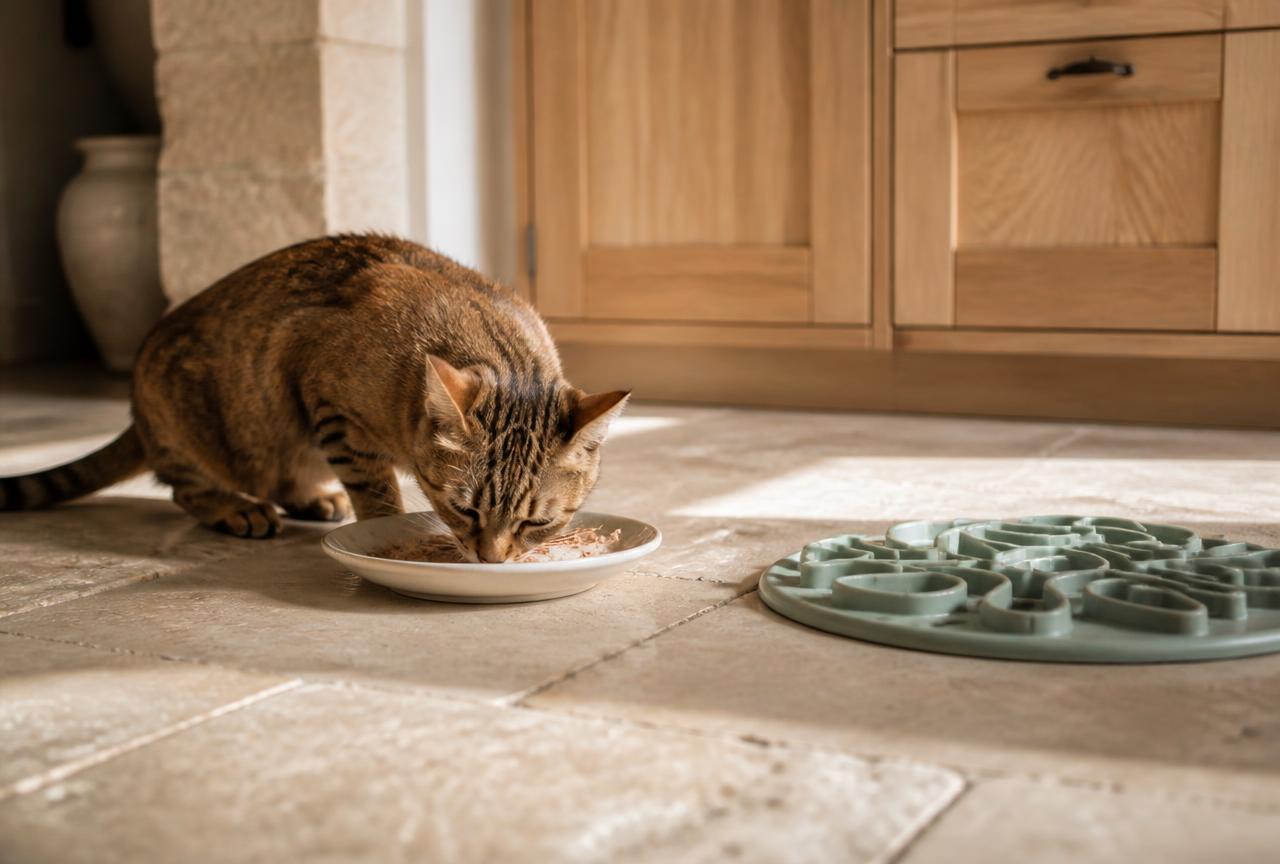
Give it a fortnight before you judge it. If the frequency has not fallen, you have ruled out the easy explanation, which is itself useful information to take to an appointment.
Below, the same questions a vet asks on the phone, in the same order, with the thresholds built in.
Interactive · built for this article
Vomiting triage
Five questions a vet would ask on the phone. It sorts an ordinary hairball from something that needs an appointment, it does not diagnose anything.
Verdict
Within normal range
Occasional vomiting in an otherwise bright cat with a steady weight is common. Reduce the triggers rather than the worry, and keep an eye on the frequency.
What to do now
- · Brush daily for two weeks and see whether the frequency drops.
- · Keep the ration the same, but weigh it so you know it has not crept up.
- · Log every episode with the date, time and what came up.
- · Weigh your cat weekly: quiet weight loss is the signal that matters most.
Portion size is the quietest cause of food vomiting. Check yours with the daily portion calculator. This tool is guidance, not a diagnosis.
The signs that make this an appointment
Run through this list at every episode. Any single tick moves the matter from housekeeping to medicine.
- More than two episodes in twenty-four hours
- Blood, or material that looks like coffee grounds
- Refusing food for more than twenty-four hours
- Repeated retching that produces nothing
- Straining in the litter tray as well, in a male cat, this is an emergency
- A flat, hunched posture, or hiding somewhere new
- Weight loss you can feel over the ribs and spine
- Any known access to lilies, antifreeze, human medication or thread
- A kitten, or a cat over eleven, vomiting at all beyond the odd hairball
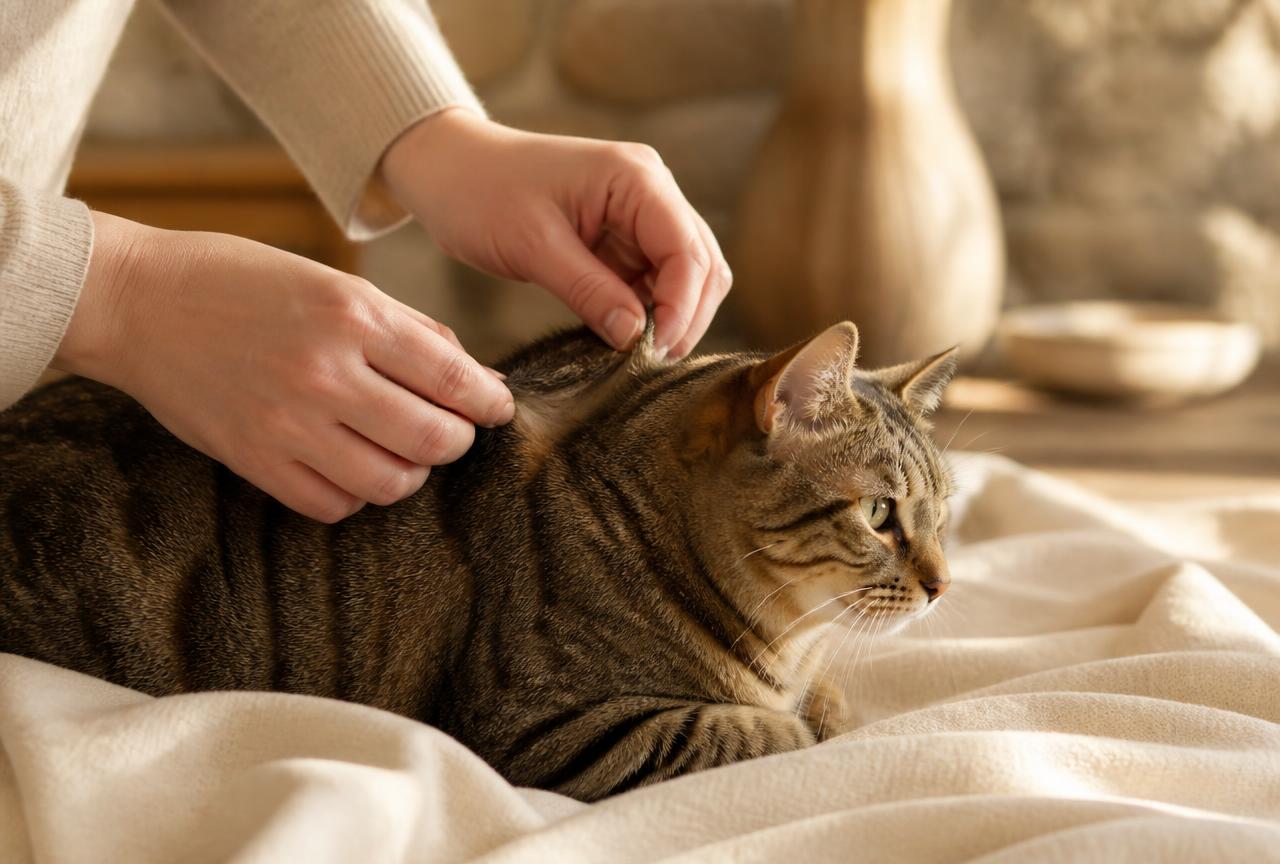
Dehydration is the finding that turns a nuisance into a crisis, and it is easy to check. Lift the loose skin over the shoulder blades and let go. It should fall back immediately. If it stays tented, or the gums feel tacky rather than wet, your cat needs fluids from a vet today, not a bowl of water at home.
Chronic vomiting is a different animal
A cat that has vomited every week for a year does not have a hairball habit. It has a chronic condition that has not been named yet. The usual candidates are chronic inflammatory bowel disease, food-responsive enteropathy, small-cell intestinal lymphoma, chronic kidney disease, hyperthyroidism and pancreatitis. Several of them look identical from across the room, and the first few are common enough that "he has always been a sicky cat" is one of the more expensive sentences in feline medicine.
What breaks the deadlock is not more waiting. It is bloods, a thyroid level, a urine sample and, often, imaging. What makes that appointment efficient is your log: dates, contents, weights, and what the food has been. Cats with food-responsive disease can improve dramatically on a diet trial, but only a properly conducted one, single protein, nothing else, for six to eight weeks.

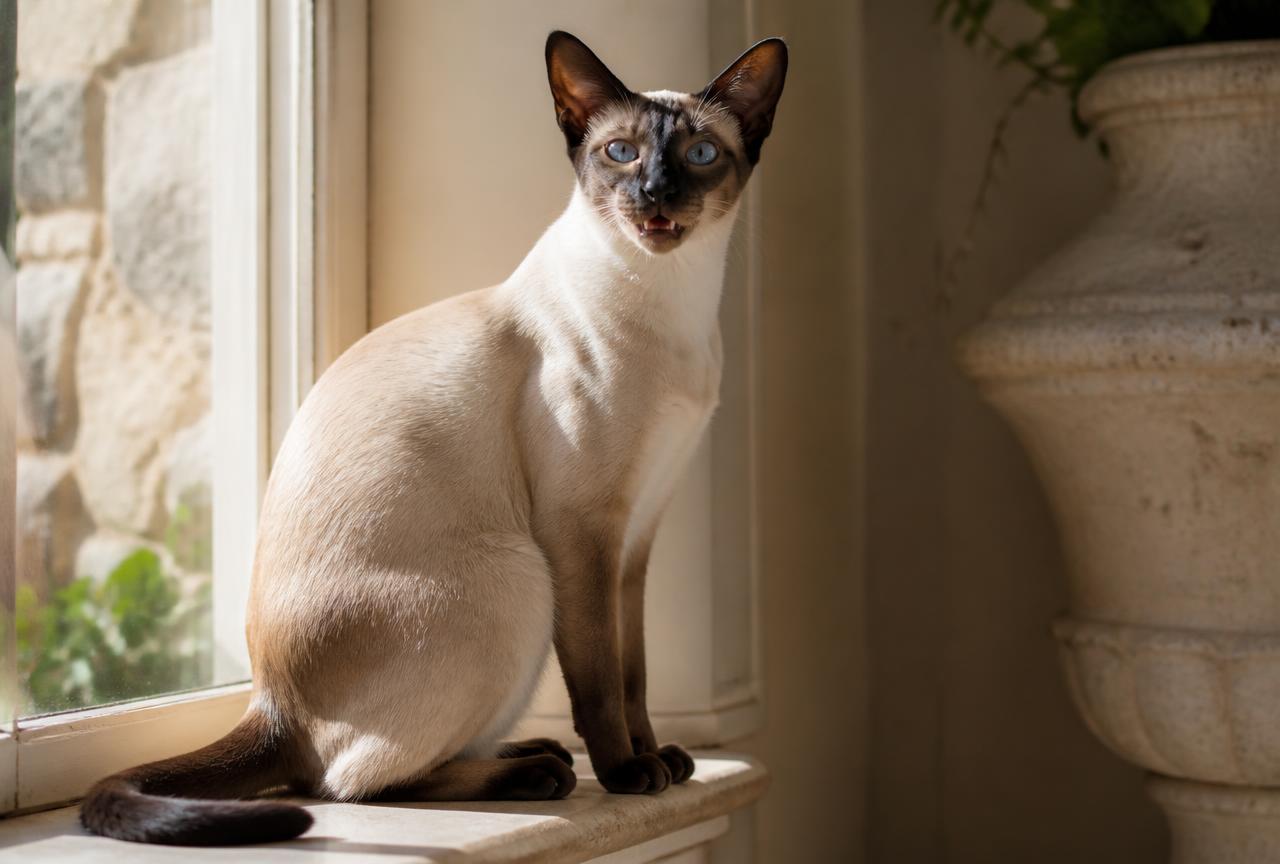
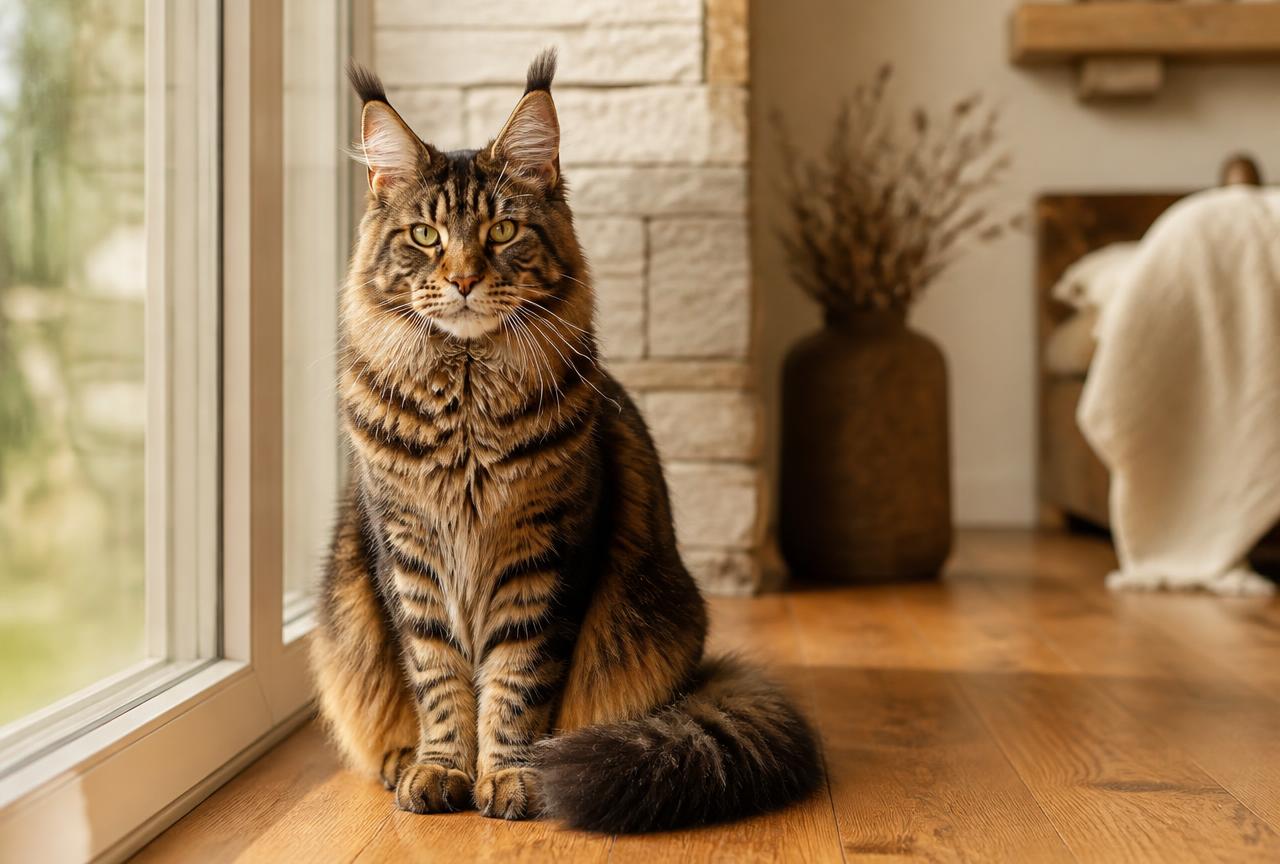
Some breeds deserve extra attention. Siamese and Oriental cats are over-represented in chronic small-bowel disease and in pica, the habit of eating fabric and wool that can end in obstruction. Persian cats and other flat-faced breeds swallow more air while eating and produce more regurgitation. Long-coated cats such as the Maine Coon and the Norwegian Forest simply have more fur to deal with.
Verdict by household
One healthy adult, an occasional hairball. Brush daily for a fortnight, log the dates, and stop worrying. Raise it at the annual check.
A fast eater who brings food back. Run the five-day reset. Smaller meals and slower delivery fix most of these, and our portion calculator will tell you whether the ration itself has crept up.
A multi-cat home. Find out who is actually vomiting before you change anything, separate feeding tells you within a week. Competition and speed are the two levers.
A long-haired cat. Grooming is the treatment, not a supplement. If daily brushing does not shift the frequency, the coat is not the cause.
A cat over eleven, or under six months. Lower your threshold considerably. Kittens dehydrate fast and can have parasites or a foreign body; older cats have kidneys, thyroids and bowels that need testing rather than watching. Our cat age converter shows where your cat sits.
A cat losing weight, at any age. Book the appointment. Weight loss with vomiting is the combination that most reliably means something treatable is being missed.
When to call your vet
Call the same day if there is blood, more than two episodes in twenty-four hours, repeated unproductive retching, refusal of food beyond a day, straining in the tray, tented skin, a flat or hunched cat, or any possibility of a swallowed thread, plant or medication. Male cats straining in the tray need to be seen immediately: a blocked urethra kills within hours and can look like plain sickness.
Book within the week for weekly vomiting in an otherwise well cat, for any change in a long-standing pattern, and for any cat over eleven that has started vomiting at all. Take your log. It is worth more than any description you can give from memory, and it is what turns "he is a sicky cat" into an actual answer.
For the food side of the picture, our wet vs dry comparison covers moisture, portioning and how to change diets without upsetting a stomach.
Questions people actually ask
How often is it normal for a cat to vomit?
Once a month or less in an adult cat that eats normally and holds its weight is generally considered within the ordinary range. About once a week is a pattern that deserves an appointment, and more than twice in twenty-four hours is an acute event whatever the cat looks like in between.
Why does my cat vomit right after eating?
Almost always speed or volume. Food that reappears within minutes, barely digested and in a tube shape, is usually regurgitation from the oesophagus rather than true vomiting. Split the same daily ration into four meals, spread it thinly on a flat plate or slow feeder, and raise the bowl ten to fifteen centimetres.
What does yellow vomit mean in cats?
Yellow or green liquid is bile, which means the stomach has been empty for a long stretch, often overnight. Moving a small meal to late evening resolves many cases. If it continues for more than a few days, or comes with reduced appetite, book a visit rather than continuing to adjust the timing.
When should I take a vomiting cat to the vet?
The same day if there is blood, more than two episodes in twenty-four hours, repeated retching with nothing produced, no food for over a day, straining in the litter tray, tented skin, or a flat and hunched posture. Within the week for weekly vomiting in an otherwise well cat, and for any cat over eleven that has started vomiting.
Are hairballs dangerous for cats?
An occasional hairball in a long-coated cat is normal housekeeping. Frequent hairballs, or retching that produces nothing, are not: they can mask a cough, an obstruction or overgrooming caused by itch, pain or stress. Daily brushing for two weeks is both the treatment and the test.
Can stress make a cat vomit?
Yes, indirectly and sometimes directly. Stress drives overgrooming, which increases swallowed fur, and it changes gut motility. It also drives competitive fast eating in multi-cat homes. Stress is a reasonable contributing explanation, but it should never be the first conclusion in a cat that is also losing weight.
Should I stop feeding my cat if it vomits?
Do not withhold food from a cat for long. Cats develop liver problems faster than dogs when they stop eating, so prolonged fasting is not a safe home remedy. Skip the next meal at most, keep water available, then offer a small portion. If your cat refuses food for more than twenty-four hours, that is a reason to call.
Sources
- Vomiting and regurgitation in cats, Cornell Feline Health Center
- Hairballs in cats, International Cat Care
- WSAVA global guidelines, gastrointestinal and nutrition, WSAVA
- Toxic and non-toxic plants for cats, ASPCA Animal Poison Control
- Feline practice guidelines, American Association of Feline Practitioners
Breeds mentioned


Put it into practice
Read next
Cat sneezing: colds, dust and the signs that need a vet
Cat sneezing a lot? Dust, viruses, dental roots and foreign bodies, how to sort the harmless from the signs that need a vet.