
Cat UTI: urinary signs, and when it is an emergency
Most cats with urinary signs do not have a bacterial infection at all. Knowing which signs can wait until morning, and which cannot wait an hour, is the part that saves lives.
Helen Marsh
Feline behaviourist and ReMews. staff writer
Published 21 September 2026
Dr Tomas Reyes, DVM
The short version
- A true bacterial cat UTI is uncommon in cats under ten; most urinary signs come from stress-linked cystitis or crystals.
- Frequency without volume is the key sign: many tray visits producing only drops.
- A male cat straining with nothing coming out is a same-hour emergency, not a morning appointment.
- Wet food and several water stations are the two changes that most reduce repeat episodes.
- Flare-ups cluster around household change, so treat the pressure as well as the pain.
There is a particular sound a cat makes in the litter tray when something is wrong. Not the usual scratch and cover, but a long silence, then a small cry, then the scratch again five minutes later. Owners often describe it afterwards as the night they thought their cat was constipated.
Cat urinary problems are the most commonly misread emergency in cat keeping. The phrase people search for is cat UTI, but a true bacterial urinary tract infection is uncommon in young and middle-aged cats. What they usually have is cystitis: a painful, inflamed bladder with no infection to treat. And in a small number of cases, mostly male cats, the same signs mean the urethra has blocked, which is fatal within one to two days if nobody intervenes.
This piece sorts the signs into what they mean and how fast you need to move.
What is actually happening in the bladder
The feline bladder is a muscular bag with a narrow exit. Inflammation makes its lining raw and its muscle twitchy, so the cat feels a desperate need to go with only a few drops present. That is why the hallmark of urinary trouble is frequency without volume: many trips, tiny results.
Vets group these presentations under feline lower urinary tract disease, or FLUTD, because the signs are identical whatever the cause underneath. The causes are:
- Idiopathic cystitis, meaning inflammation with no identified cause, strongly linked to stress. This is the majority of cases in cats under ten.
- Crystals and stones, which scratch the lining and can lodge in the urethra.
- A urethral plug, a paste of crystals, protein and cells that seals the exit entirely.
- Bacterial infection, genuinely common in cats over ten and in cats with kidney disease or diabetes, and uncommon before that.
- Tumours and anatomical problems, rare, and usually in older cats.
The signs, ranked by what they tell you
Straining is the sign owners notice. Volume is the sign that matters.
| What you see | What it usually means | How fast to act |
|---|---|---|
| --- | --- | --- |
| Many tray visits, small puddles | Cystitis or crystals | Vet within a day |
| Pink or red urine | Inflamed or damaged lining | Vet within a day |
| Crying out while trying | Significant pain, possible obstruction | Same day, sooner if male |
| Licking at the genitals repeatedly | Discomfort, early obstruction | Same day |
| Weeing in the bath, sink or on a bed | Cat associating the tray with pain | Vet this week |
| Straining with nothing produced | Possible blockage | Emergency, now |
| Flat, vomiting, cold, hiding | Blockage with rising toxins | Emergency, now |
A male cat straining with nothing coming out is not a cat with a toilet problem. It is a cat with hours, not days.
Why male cats are the emergency
The male feline urethra narrows towards its tip in a way the female one does not. A plug of crystals and mucus that a female cat would pass can seal a male cat completely. Once nothing is leaving, waste products build up in the blood, potassium rises, and the heart begins to fail. Cats reaching a vet in time recover well. Cats left overnight often do not.
If your cat is male, has been in and out of the tray for hours, and you have not seen a wet patch, phone an emergency service now and say you suspect a urinary blockage. It is one of the few phrases that gets a cat seen immediately.
Use the checker below to sort what you are seeing right now into wait, book, or go.
The stress link nobody expects
Idiopathic cystitis is the commonest diagnosis, and it behaves like a stress condition. Flare-ups cluster around house moves, building work, a new cat next door, a change of tray position, an unfamiliar visitor staying, and periods when the household routine collapses. The bladder lining appears to be one of the places feline stress lands physically.
That has a practical consequence. Treating the pain without changing the pressure usually buys a few weeks. Cats that stop flaring are usually the ones whose owners changed something about the environment: more trays, more water, more places to be alone, fewer forced interactions. Our piece on indoor enrichment covers the setup side in detail, and litter box problems covers tray placement.
Water is the lever you control
Concentrated urine irritates and crystallises. Diluted urine does neither. Cats descend from desert animals and drink poorly by nature, which is why the water side of prevention matters more than any supplement.
- Put water in three or four places, away from food and trays.
- Use wide, shallow bowls so whiskers stay clear of the rim.
- Add wet food, which is roughly seventy to eighty per cent water against dry food's ten.
- Try a fountain, but only keep it if the cat actually uses it.
- Refresh water daily; cats refuse stale water more readily than dogs do.
Our water intake guide sets out how much a cat of a given weight should be taking in, and the wet versus dry comparison covers the moisture arithmetic.
The seven day plan after a flare-up
- 1Day one. Get pain relief from your vet and start it on time, not as needed. Cystitis pain drives the cycle.
- 2Day one. Add a second tray, uncovered, in a quiet spot away from the first, with a fine unscented litter.
- 3Day two. Move to wet food for every meal if the cat accepts it, or add warm water to existing food.
- 4Day three. Add two more water stations in rooms the cat actually spends time in.
- 5Day four. Identify the pressure. New pet, new baby, new neighbour cat at the window, works next door, changed working hours. Write it down.
- 6Day five. Reduce it where you can: block the window view, add height, add a covered hideout, restore the old feeding times.
- 7Day seven. Log every tray visit for a further week. A written tally spots the second flare-up long before memory does.
What the vet will actually do
Expect a physical examination first, because a blocked bladder is usually obvious to a practised hand. Then urine: collected by catching a sample, or by needle directly from the bladder, which sounds worse than it is and gives a clean result. That sample is checked for blood, crystals, concentration and bacteria. If the cat is blocked, it is sedated and a catheter passed to relieve it, followed by fluids and a day or two of hospitalisation.
For repeat offenders, imaging looks for stones. Some stones dissolve on a prescription diet; others need surgery. Bacterial cases get an antibiotic chosen from a culture, not a guess, which is why vets are increasingly reluctant to hand out antibiotics for a first episode in a young cat: most of those cats have nothing to kill.
Checklist for a household that has had one episode
- Two trays minimum for one cat, plus one per extra cat
- Trays away from washing machines, doors and food
- Fine, unscented, soft litter, at least five centimetres deep
- Wet food at every meal, or water added to dry
- Three or more water stations, refreshed daily
- A hiding place and a high perch in the main living room
- Weekly weight check, since weight gain raises risk
- A written record of the first episode's date and signs
By household
One indoor male cat. You are the group most at risk of an obstruction, and the group where prevention pays most. Wet food, several trays, and a standing plan for who drives to the emergency vet at three in the morning.
Multi-cat home. Resource competition is a hidden stressor. Count trays and water stations, not cats. Read our introducing two cats guide if tension is part of the picture.
Senior cat. Genuine bacterial infection becomes likelier with age, and so does kidney disease and diabetes. Urinary signs in an older cat deserve bloods as well as urine. See signs of ageing and kidney disease.
Recently moved or renovating. Expect a flare. Set up the extra trays and water before the work starts, not after the first accident.
When to call your vet
Call immediately, including out of hours, if your cat:
- Strains repeatedly and produces nothing
- Is male and has not produced urine for several hours
- Cries out while trying to urinate
- Is flat, hiding, vomiting or cold
- Has a hard, painful lower abdomen
Call within a day if your cat is passing small amounts frequently, has blood in the urine, or has started weeing outside the tray. Call within the week for a cat that seems well but has changed its tray habits: the bladder is the first thing to rule out, and the cheapest to test.
Urinary disease is one of the few areas of cat health where a phone call an hour earlier changes the outcome. If you are weighing up whether to ring, ring.
Questions people actually ask
How do I know if my cat has a UTI or a blockage?
Volume is the test. A cat with cystitis or an infection produces small amounts often. A blocked cat produces nothing at all despite repeated straining, and usually becomes quiet, hunched and off food within hours. If you have not seen urine appear and the cat keeps trying, treat it as a blockage and call an emergency vet.
Can a cat UTI clear up on its own?
Mild cystitis sometimes settles in a few days, but it is painful throughout and it commonly returns. Crystals, stones and infection do not resolve alone. Because you cannot tell which you are dealing with from the outside, a cat with urinary signs should be seen rather than watched for a week.
Why is my cat peeing outside the litter tray?
Pain teaches a cat to associate the tray with discomfort, so it tries somewhere else, often somewhere cool and smooth like a bath or sink. Sudden weeing outside the tray in a previously clean cat is a medical question first. Rule out the bladder before changing litter or adding deterrents.
Does stress really cause cystitis in cats?
Idiopathic cystitis, the commonest diagnosis in younger cats, is closely linked to environmental stress: moves, building work, new animals, changed routines. The bladder lining appears to be one of the places feline stress shows physically. Treating pain without reducing pressure tends to buy weeks rather than months.
Will wet food prevent urinary problems?
It helps, because it dilutes urine and makes crystals less likely to form. Wet food is roughly seventy to eighty per cent water against dry food at about ten. It is not a guarantee, and it does nothing for an existing stone, but of all the changes owners can make at home it has the most evidence behind it.
Are male cats more at risk than females?
For blockage, yes, markedly. The male urethra narrows towards its tip, so a plug that a female cat would pass can seal a male completely. Female cats get cystitis and infections just as often; they simply obstruct far less.
How much does treating a urinary problem cost?
Indicative European ranges: a consultation with urine testing commonly falls between 80 and 200 EUR. Relieving an obstruction with sedation, catheterisation and a hospital stay typically runs from 600 to 1,500 EUR, more with complications. Stones needing surgery sit higher again, which is one reason insurance is worth reading before you need it.
Sources
- Feline lower urinary tract disease, International Cat Care
- Feline idiopathic cystitis guidance, American Association of Feline Practitioners
- Urinary obstruction in cats, Cornell University College of Veterinary Medicine
- Water intake and urinary health, WSAVA Global Nutrition Committee
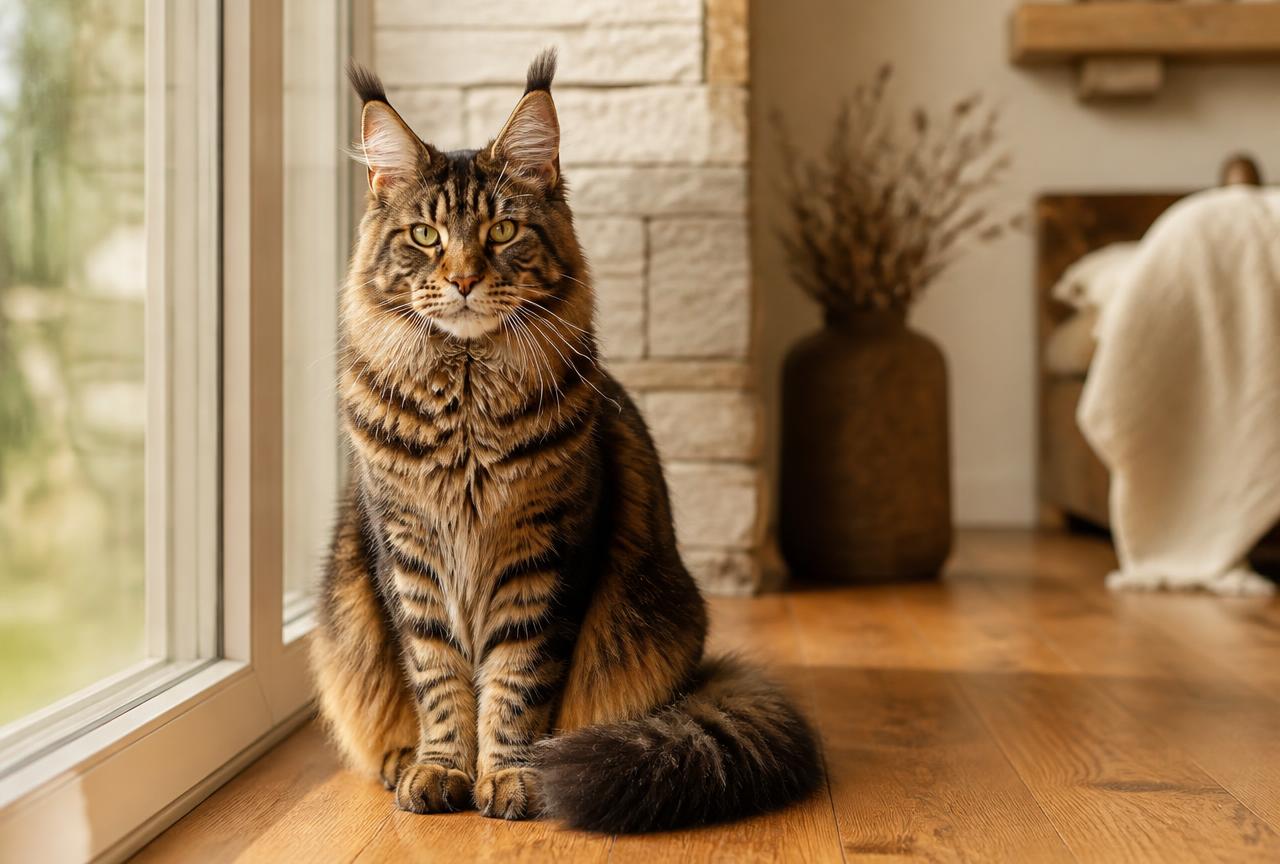
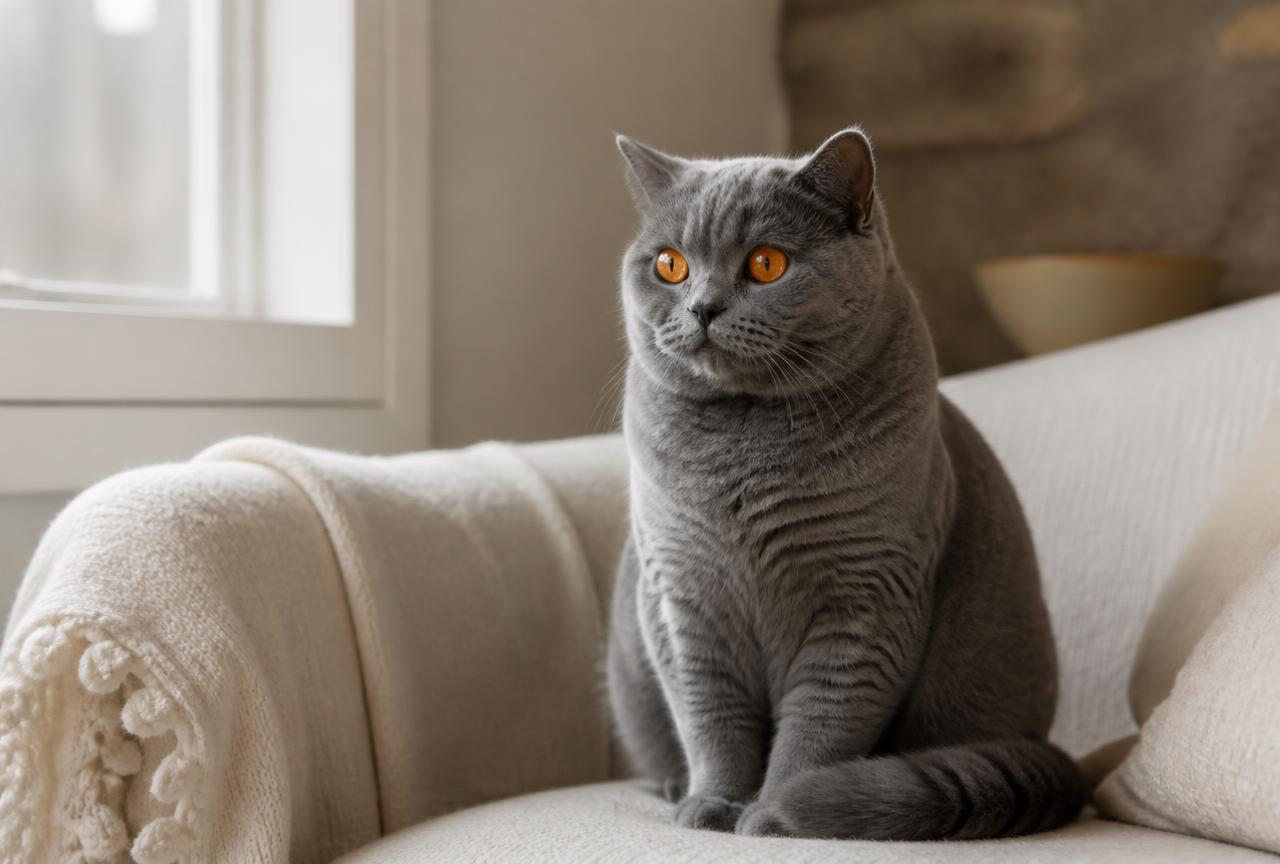
Breeds mentioned

Put it into practice
Read next
Cat weight chart: what a healthy cat actually weighs
A cat weight chart is only half the answer. Here are indicative ranges by breed and life stage, plus how to score the cat in front of you.