United Kingdom
British Shorthair
The armchair cat, honestly assessed: calm, plush and famously undemanding, provided you do not need a lap cat or a kitten forever.
Dr Emma Carlisle, MRCVS
Plush, unbothered, quietly devoted
The short version
- Solid rather than huge: males typically 5–8 kg of dense, cobby muscle. It is the roundness, not the size, that defines the breed.
- Affectionate at a distance. A British Shorthair keeps you company on the same sofa, usually not on the lap, and many dislike being picked up at all.
- The plush double coat is low effort, not no effort: a weekly brush, daily while moulting, and it stays magnificent.
- Calm is not lazy-proof. This is a food-motivated, low-activity breed with a slow metabolism; measured portions are the single most important health habit.
- Choose the breeder on heart screening. Hypertrophic cardiomyopathy is the breed's one serious inherited risk, and a scanned parent is worth more than a round face.
- Weight
- 4–8 kg
- Lifespan
- 12–17 yrs
- Coat
- Short
- Size
- Medium
- Grown male
- 5–8 kg
- Grown female
- 3.5–5.5 kg
- Years to full size
- about 3
- One-off setup
- €350–650
Get one if…
- First-time cat owners
- Flats and quiet households
- People out at work during the day
- Anyone wanting minimal grooming
Think again if…
- Owners who want to carry and cuddle a cat
- Homes wanting a high-energy playmate
- Anyone unwilling to manage portions carefully
Trait profile
Energy at 3 and affection at 6 read together as the breed in a sentence: calm, companionable, undemonstrative. Vocality at 2 is real, a British Shorthair is nearly silent, which some owners find restful and others find oddly distant. Grooming at 3 reflects the dense double coat: easy, but not ignorable. Kid-friendly and pet-friendly scores assume the animal is allowed to keep its feet on the floor.
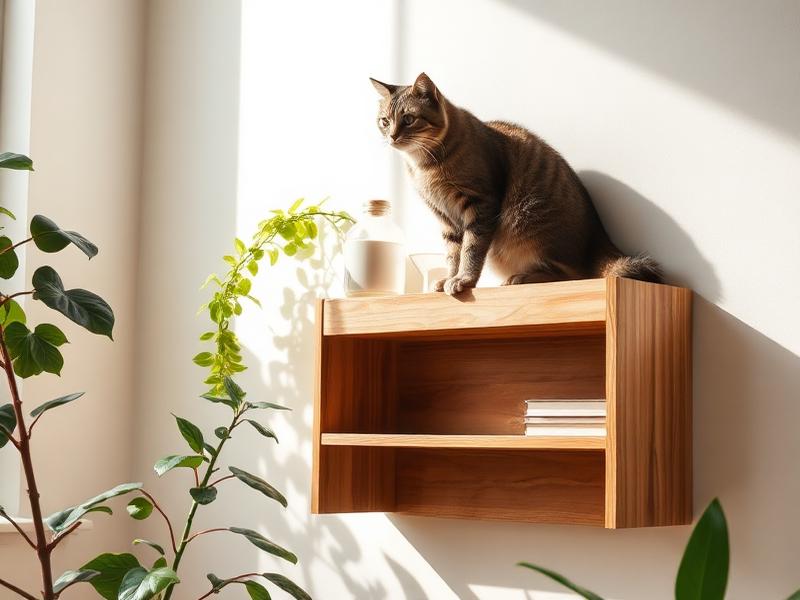
Space & setup. Happy in small flats; prefers low, sturdy perches to tall climbing frames.
Allergies. Dense coat sheds steadily; average dander levels, not hypoallergenic.
The review
A stocky, round-faced breed with a dense plush coat and a famously level temperament. British Shorthairs are undemanding, prefer sitting beside you to sitting on you, and adapt beautifully to apartment life.
The British Shorthair is the cat people picture when they say they want an easy cat, and it is also the cat that quietly disappoints people who did not read the description properly. Both things are true, and this review exists to hold them together.
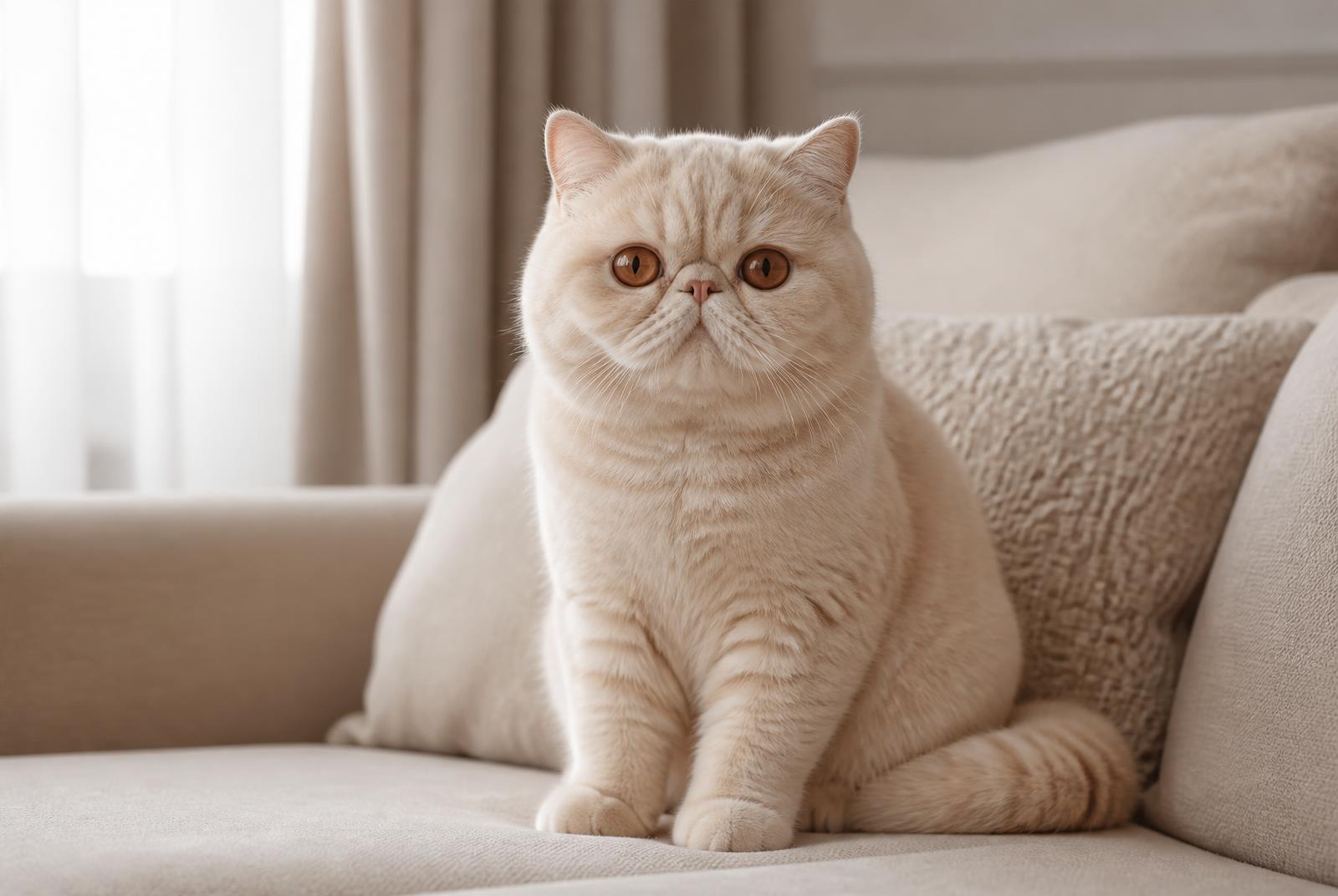
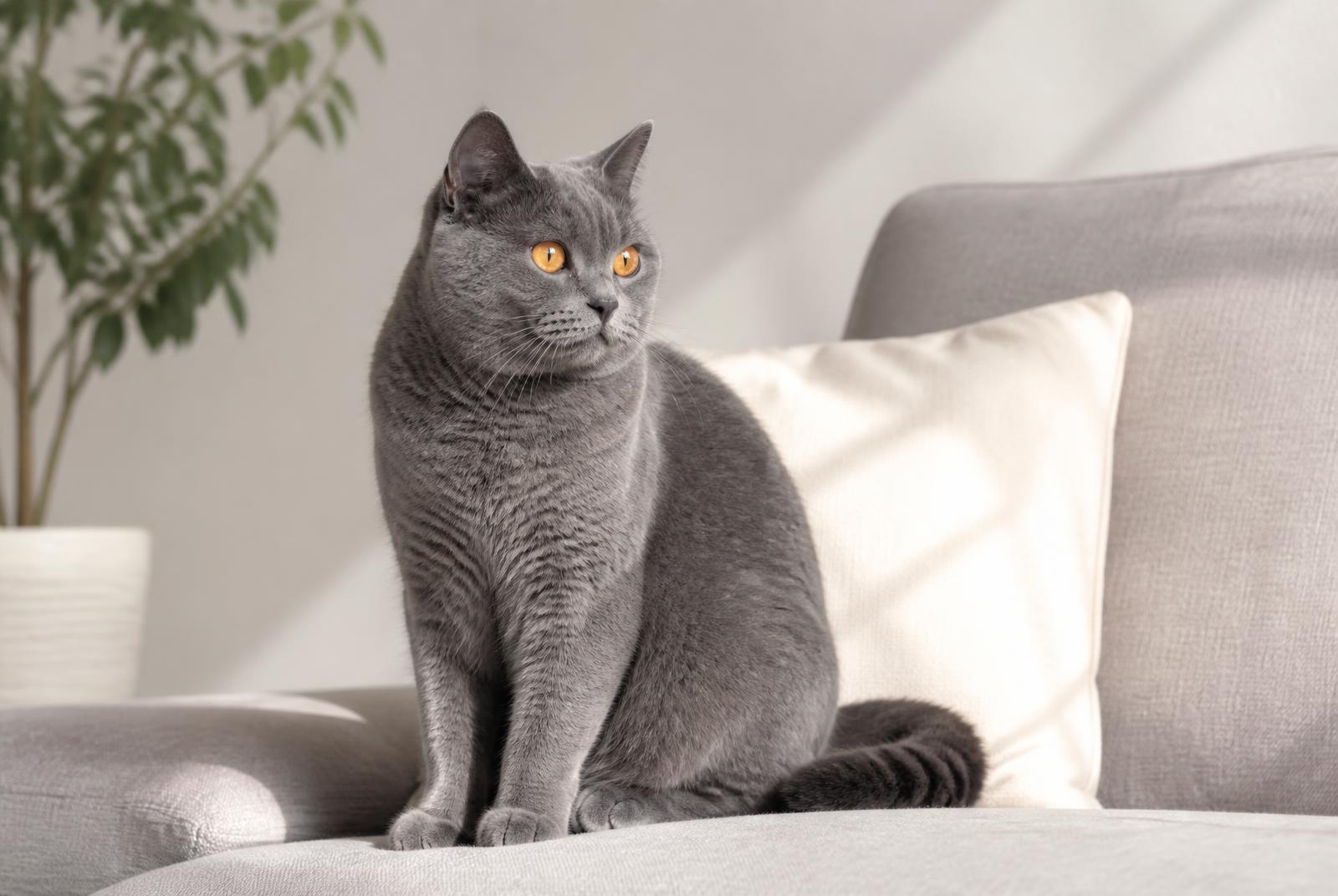
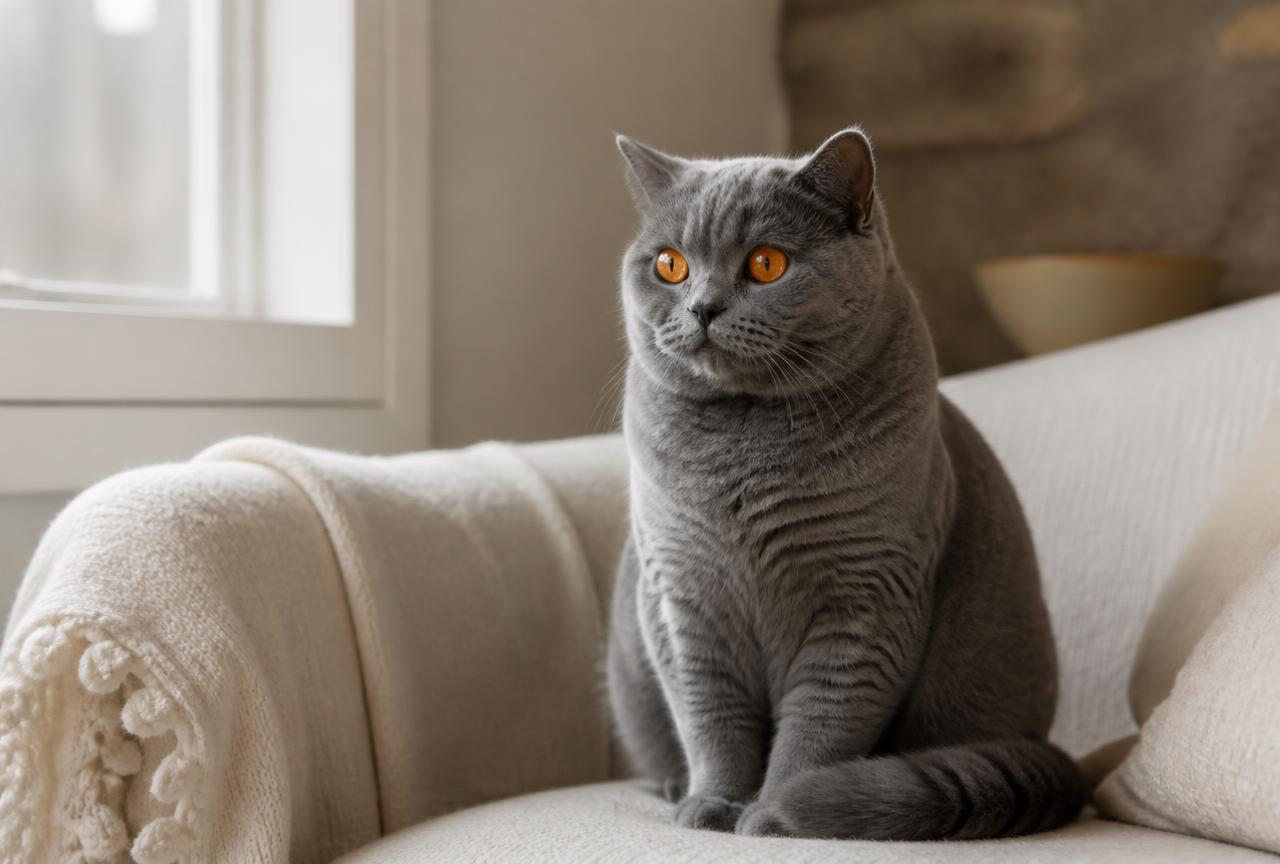
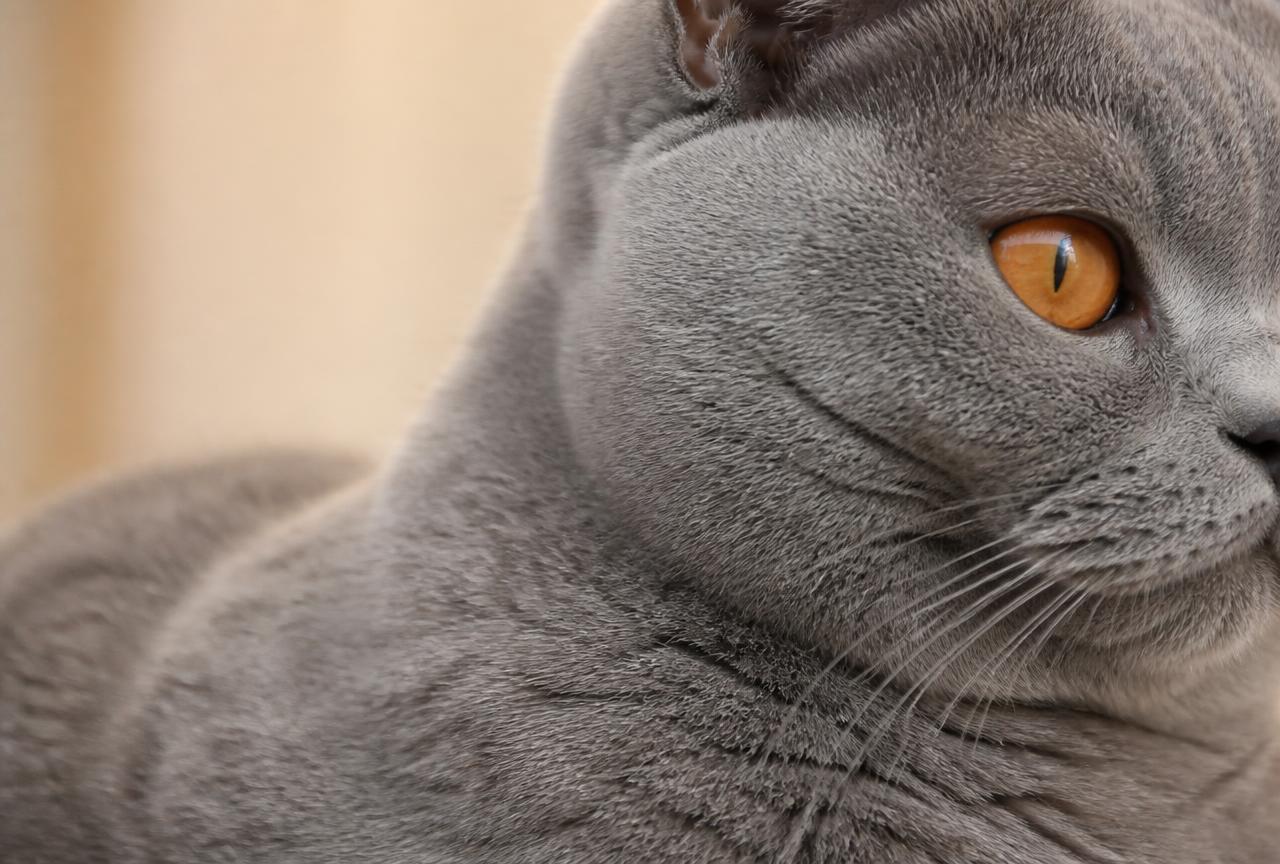
Start with what the breed is. A British Shorthair is a solid, cobby, thick-set animal, males commonly 5 to 8 kg, all of it dense, wrapped in the famous plush double coat that stands away from the body and feels like velvet upholstery. The face is round, the cheeks are full, the copper eyes are enormous, and the expression suggests a creature that has reviewed your plans and found them acceptable. It is, by a distance, the calmest mainstream pedigree: a cat that greets visitors without fleeing, tolerates the vacuum cleaner, and regards a quiet evening as an evening well spent.
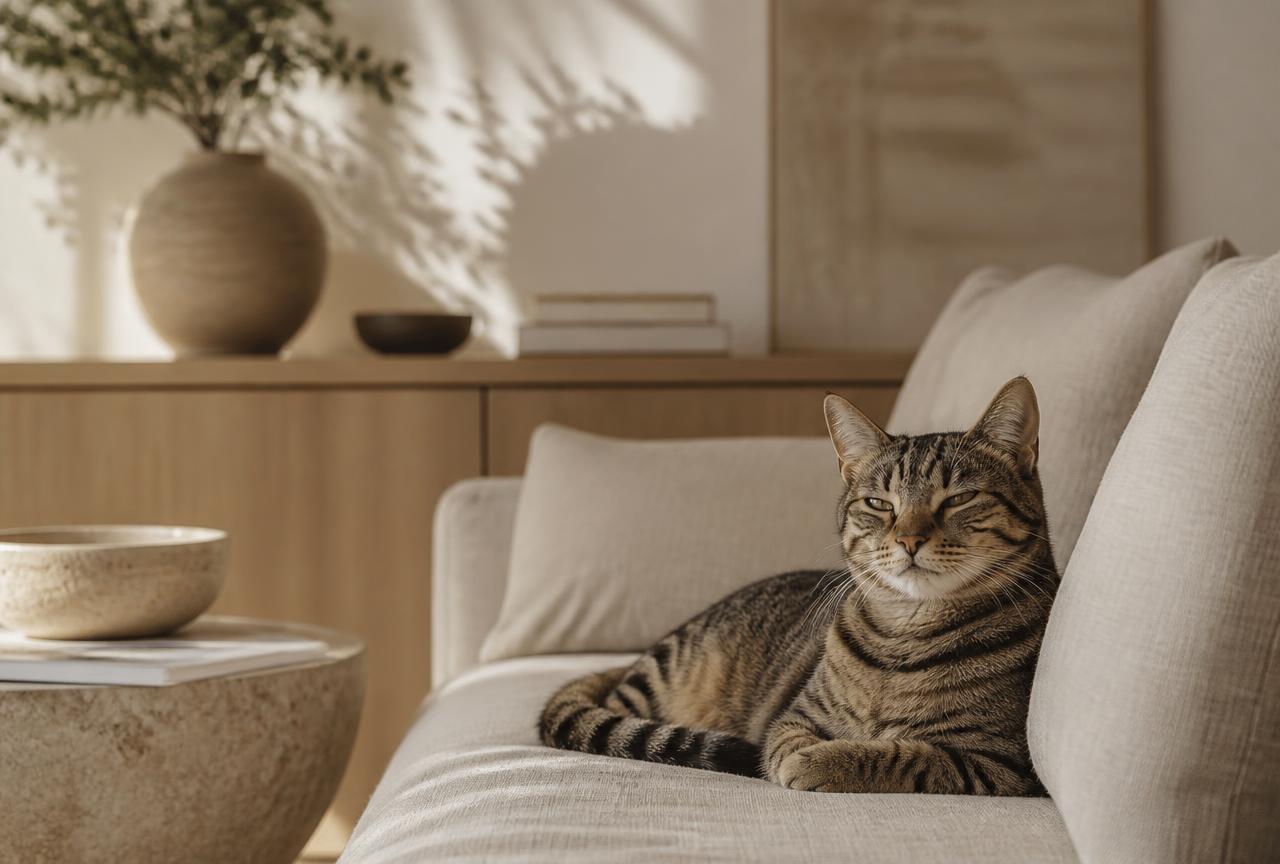
Now the part that needs saying clearly. This is not a lap cat. The British Shorthair is affectionate in the way a dignified old friend is affectionate: it will follow you to the room you are in, settle at a companionable distance, and keep you company for hours without touching you. Pick it up and most will endure it with politeness and obvious relief when put down. People who want a cat draped over them should buy a Ragdoll; people who want a cat that follows them talking should buy a Siamese. The British Shorthair offers presence, not performance, and the owners who love the breed love precisely that.
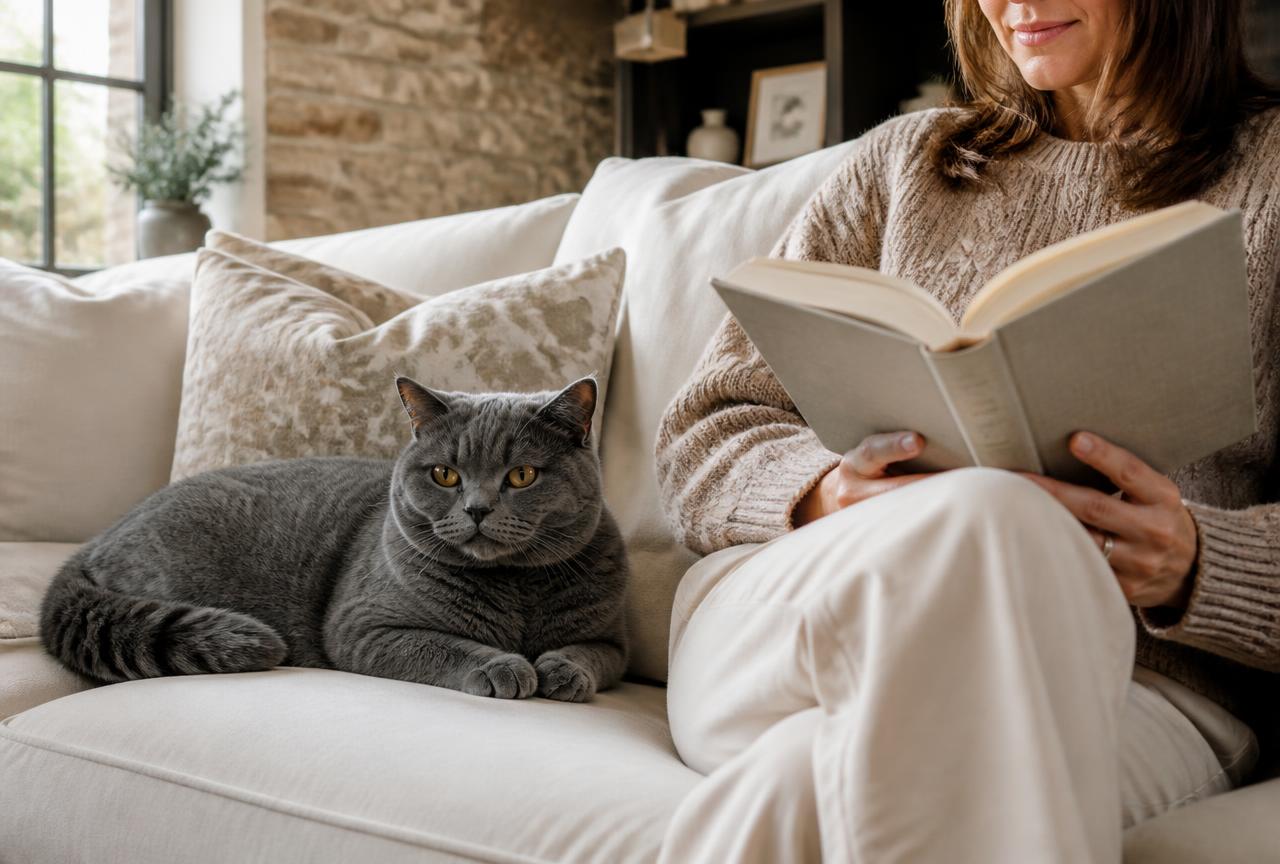
Daily life is genuinely low-friction. There is no climbing the curtains, no opening the cupboards, no dawn opera. Play happens in short, serious bursts, a British Shorthair hunting a wand toy is surprisingly quick and very funny, all that bulk moving properly for once, and then the cat returns to its supervisory duties. They entertain themselves better than almost any pedigree, which is why the breed copes with a working household that would wreck a Siamese.
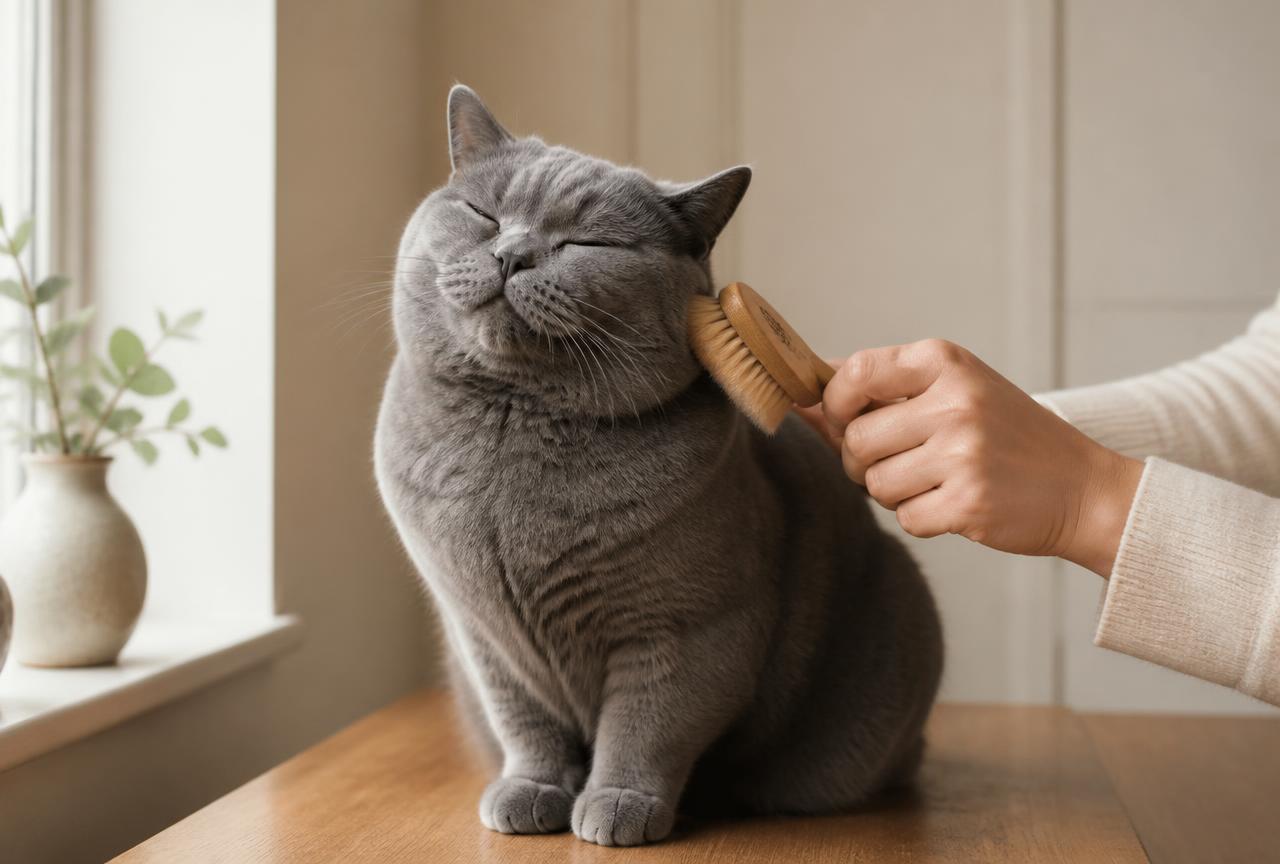
The coat is low effort, not no effort. A weekly brush-through keeps the plush dense and lifts the loose undercoat; during the spring and autumn moults that becomes a daily five minutes, or you will wear the difference. Bathing is unnecessary. The whole grooming routine, claws and ears included, fits inside twenty minutes a week, this breed''s famous independence extends to its maintenance.
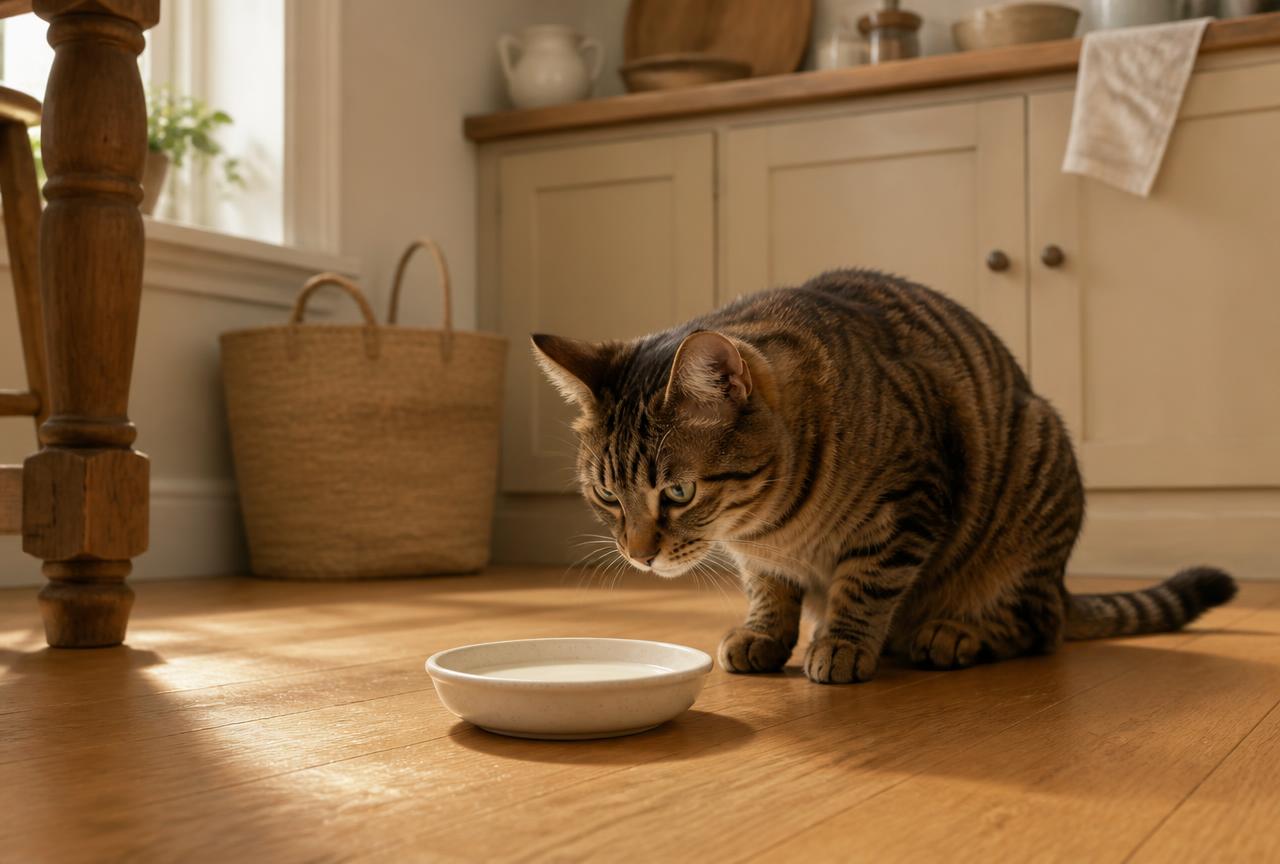
Health is a good story with one serious chapter. The serious chapter is hypertrophic cardiomyopathy, the heart-muscle disease the breed shares with much of the pedigree world; reputable breeders echo-screen their breeding cats, and you should walk away from one who cannot show you a recent clear scan. Beyond that, the everyday health issue is simpler and entirely your department: weight. A calm, food-motivated cat with a slow metabolism gets fat quietly, and the round breed shape hides it well. Weighed meals, honest treats, and a monthly rib-check are the difference between a British Shorthair that lives to fifteen in comfort and one that struggles past ten.
Choose this breed if what you want is a calm, handsome, self-possessed companion who is pleased you are home and entirely capable of managing without you, the best first pedigree, and one of the best flat cats, in the catalogue. Choose something else if you need demonstrative affection, endless play, or a kitten that never grows up. The British Shorthair has been keeping British homes company since the Victorians; it has never once needed to try harder.
A brilliant first cat. Low vocal demands, low grooming, low drama, but watch the waistline, this breed gains weight quietly.
Grooming, realistically
- 1Weekly: five minutes with a soft bristle brush or rubber mitt, working through the dense double coat to the skin. Most treat it as a social event.
- 2Daily while moulting (spring and autumn): the same five minutes, or the undercoat comes out on your clothes instead.
- 3Fortnightly: trim the claw tips. A heavy, placid cat wears its claws down slowly.
- 4Weekly: check ears and eyes, the round face means tear overflow in some lines; wipe with a damp pad and note any change.
- 5Ongoing: the real maintenance is the scales. Weigh the cat monthly; a British Shorthair gains quietly and the plush coat hides it.
What you actually need
- A soft bristle brush or rubber mitt
- A greyhound comb for the moulting weeks
- Cat claw clippers
- Cotton pads for eye and ear checks
- Kitchen scales you will actually use
Kitten to adult
| Age | Male | Female | What is happening |
|---|---|---|---|
| 8 weeks | 0.9–1.2 kg | 0.8–1.1 kg | Round from the start; the cheeks and copper eye colour develop over the first year. |
| 4 months | 2.0–2.6 kg | 1.7–2.3 kg | A solid, plush kitten already. Growth is steady, never fast. |
| 8 months | 3.5–4.5 kg | 2.8–3.6 kg | Looks adult to guests; is nowhere near finished. |
| 12 months | 4.5–6.0 kg | 3.2–4.5 kg | Full height and coat, but the chest and bulk keep coming. |
| 3 years | 5.0–8.0 kg | 3.5–5.5 kg | True maturity. A slow-maturing breed, do not feed for the cat it might become. |
Ranges are typical, not targets. Judge condition by ribs and waist, and check with the ideal weight checker.
What to ask a breeder
- Are the breeding cats echo-screened for hypertrophic cardiomyopathy, and may I see the recent certificates? This is the question the whole purchase turns on.
- Are the lines DNA-tested for PKD? It was bred out through testing years ago; a breeder who shrugs at the question has told you something.
- What is the blood type situation in your lines? British Shorthairs carry type B more than most breeds, and a good breeder plans matings around it.
- How are the kittens raised, and until what age? Twelve to fourteen weeks underfoot makes the steady adult the breed is famous for.
- May I meet the mother? You are looking for calm, solid and friendly at floor level, not shy, not frantic.
- What do your adult cats weigh? An honest answer protects you from lines bred for show-ring bulk at the cost of joints and hearts.
Health watch-list
What to ask a breeder about, and what to watch for over a lifetime. This is orientation, not veterinary advice, anything you notice belongs in front of a vet.
Hypertrophic cardiomyopathy
NotableThe breed's one serious inherited risk: the heart muscle thickens, silently, sometimes young. Reputable breeders echo-screen breeding cats and will show you a recent clear certificate. Ask, and walk away from vagueness.
Obesity
CommonThe everyday health issue, and entirely preventable. A calm, food-motivated cat with a slow metabolism and a coat that hides weight gain. Weighed meals and a monthly rib-check are the fix.
Dental disease
UncommonNot unusually prone, but a placid cat with sore teeth simply eats less and says nothing. Annual checks should include a proper look in the mouth.
Polycystic kidney disease
RareA legacy of Persian outcrosses generations ago, now almost eliminated by DNA testing. Ask the breeder for the test status; there is no modern excuse for an unknown.
Haemophilia B
RareA clotting disorder that occurs in the breed at low frequency. It matters before any surgery, including neutering, a good breeder knows their lines' status.
What it costs to keep one
Realistic running cost
€76 / month
About €912 a year, or roughly €13,680 across a 15-year life, before purchase price, neutering and one-off vet events.
Before the cat arrives. Budget roughly €350–650 for trays, carrier, posts, bowls, bedding and grooming kit sized for this breed. Figures throughout are indicative and vary a good deal between countries.
Interactive · built for this breed
Is a British Shorthair right for your home?
Five honest answers. The verdict updates as you go, and the notes tell you what to change before a kitten arrives.
Verdict
An excellent match
Calm house, realistic expectations, measured food, the British Shorthair starter kit. Choose the breeder on heart screening, not on cheek roundness.
What to sort out first
- Essential. A low-activity, food-motivated cat with a slow metabolism gets round quietly, and the breed carries it well enough to fool you.
For keeping a placid, food-motivated cat at a healthy weight, use the portion calculator and the ideal weight checker.
The verdict, by household
Flat dweller
Excellent
The model flat cat: quiet, low-activity, undestructive, and happy with a window and a routine. One good scratching post is the whole furnishing requirement.
Family with young children
Good
Patient and rarely scratches, but will simply leave when pestered. Teach children the rule the breed lives by: all four paws stay on the floor.
First-time owner
Excellent
The best first pedigree going, forgiving, robust, undemanding, and honest about its needs. The only real skill required is portion discipline.
Multi-cat home
Good
Tolerant and unbothered with a proper introduction, though it will not play referee or entertainer. Choose an equally calm colleague, not a Bengal.
Allergy-conscious
Fair
No breed is hypoallergenic, and the dense double coat sheds real amounts in moulting season. Spend time with an adult before deciding.
When to call your vet
- Laboured or rapid breathing at rest, or reluctance to play that is new, heart disease in this breed is quiet until it is not; breathing changes come first.
- A waist disappearing between weigh-ins, or ribs you can no longer feel under the plush, weight gain here is a health problem, not a look.
- Bad breath, red gum margins or dropping food, the breed is not specially prone, but a low-activity cat with sore teeth stops eating without telling you.
- Drinking more and losing weight in middle age, the standard senior trio (kidneys, thyroid, diabetes) all apply; the calm temperament hides them well.
- Any new hiding or grumpiness. A breed this steady does not change personality without a reason, and the reason is usually physical.
Nothing here is a diagnosis. Breathing difficulty, sudden hind-leg weakness and straining to urinate are emergencies, go the same day.
British Shorthair vs the closest alternatives
| Breed | Weight | Energy | Grooming | € / month |
|---|---|---|---|---|
| British Shorthair | 4–8 kg | 4/10 | 4/10 | €76 |
| Exotic Shorthair | 3–6.5 kg | 3/10 | 4/10 | €84 |
| Chartreux | 3–7 kg | 4/10 | 4/10 | €79 |
| American Shorthair | 3.5–7 kg | 5/10 | 3/10 | €84 |
British Shorthair questions, answered
Are British Shorthairs affectionate?
Yes, but on their own terms. The breed's affection is proximity: following you between rooms and settling nearby for hours. Most are not lap cats and many dislike being carried. Owners who understand this describe a deeply companionable cat; those expecting cuddles describe a cold one.
Can a British Shorthair be left alone while I work?
Better than almost any pedigree. A British Shorthair with a window, a scratching post and a routine tolerates the working day calmly, a large part of the breed's appeal. Two cats are still kinder than one, and the food must be measured, since boredom plus free feeding ends in a very round cat.
Do British Shorthairs shed a lot?
Moderately most of the year, heavily during the spring and autumn moults. The dense double coat holds loose hair until you brush it out, so a weekly five-minute brush controls it well; skip the brush in moulting season and the undercoat transfers to your furniture instead.
Why does my British Shorthair hate being picked up?
Because it is a British Shorthair. The breed's dislike of being carried is well documented and no reflection on your bond, the same cat will follow you around all day. Respect the four-paws-on-the-floor rule and you get a devoted companion; insist on carrying and you get a cat that avoids hands.
How big do British Shorthairs get?
Grown males typically weigh 5–8 kg and females 3.5–5.5 kg, but the breed matures slowly and keeps filling out until about three years old. Do not feed for the size the books promise; an overweight Shorthair and a well-grown one look identical under the plush coat.
Are British Shorthairs good for first-time owners?
Arguably the best first pedigree: robust, calm, quiet, undemanding, tolerant of routine and of reasonable mistakes. The two real requirements are portion discipline, this breed gets fat quietly, and accepting that affection comes at arm's length rather than on the lap.
What is the difference between a British Shorthair and a Russian Blue?
Both are blue-grey, but the resemblance ends there. The British is a heavy, cobby, placid cat with copper eyes and a double plush coat; the Russian Blue is a fine-boned, shy, athletic cat with green eyes and a shimmering single coat. Temperamentally they are almost opposite, meet both before choosing on colour.
Sources
- British Shorthair breed profile, International Cat Care
- Hypertrophic cardiomyopathy in cats, International Cat Care
- Feline obesity: assessment and management, Cornell Feline Health Center
- British Shorthair breed standard, The International Cat Association
- WSAVA Global Nutrition Guidelines, World Small Animal Veterinary Association