France
Chartreux
A quiet, muscular blue cat from France that bonds slowly and deeply with a calm, patient owner.
ReMews. veterinary review board
The quiet blue companion from France
The short version
- Dense, woolly blue coat with copper-gold eyes
- Quiet, loyal and independent temperament
- Needs a calm indoor home and patient bonding
- Weekly combing controls shedding and mats
- Screen for HCM and patellar luxation
- Weight
- 3–7 kg
- Lifespan
- 12–16 yrs
- Coat
- Short
- Size
- Medium to large
- Grown male
- 6–7 kg
- Grown female
- 3–5 kg
- Years to full size
- about 2
- One-off setup
- €900–1600
Get one if…
- People who want a quiet, loyal indoor cat
- Calm households with patient owners
- Adults and older children who respect boundaries
Think again if…
- Homes that want a loud, demonstrative cat
- Busy, noisy or chaotic households
- Owners expecting instant, constant affection
Trait profile
Chartreux are quiet, muscular and loyal. They bond slowly with a calm owner and prefer a predictable indoor life.
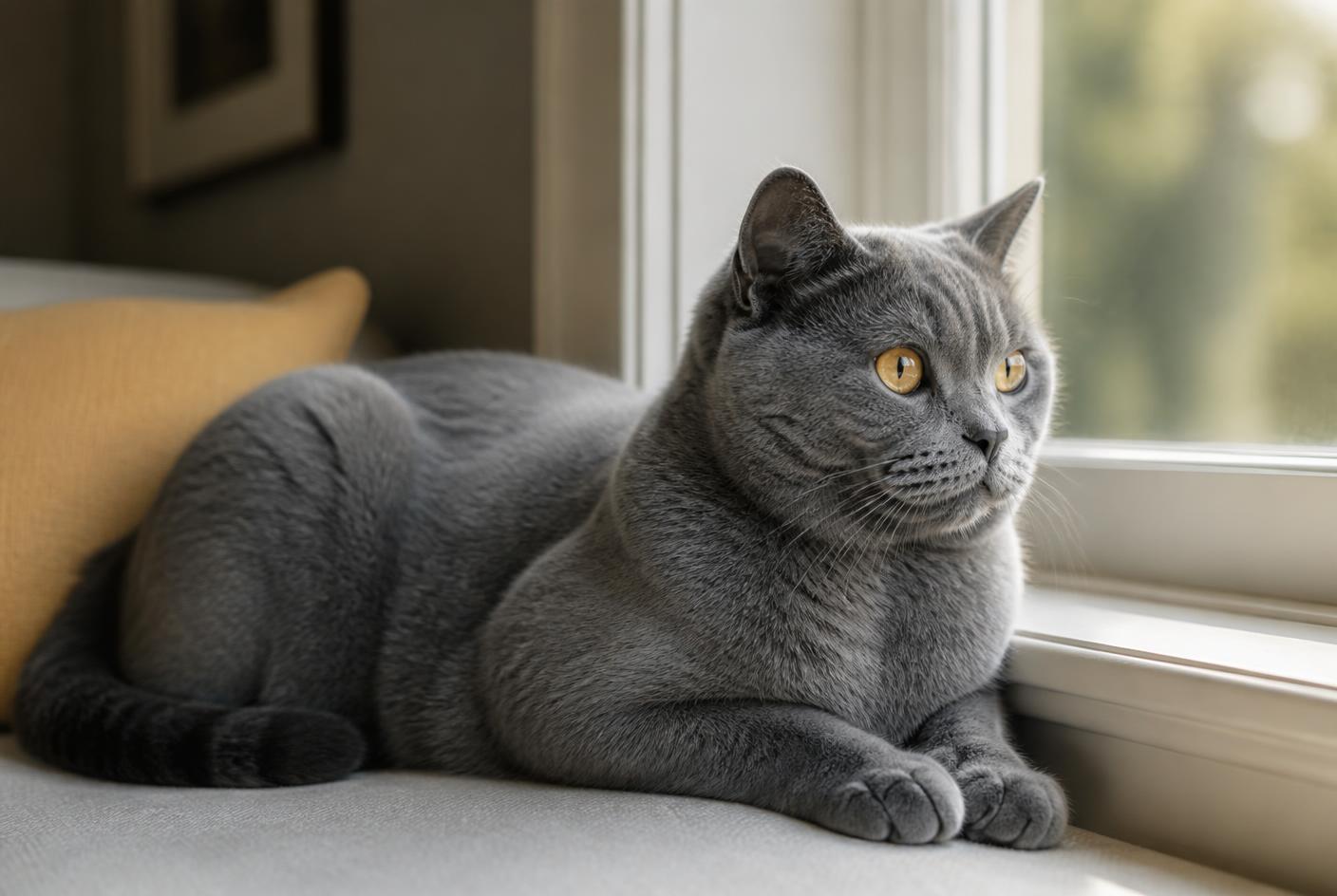
Space & setup. Indoor life is best. Provide scratching posts, a window perch and hiding places. They do not need huge space but appreciate calm and consistency.
Allergies. No cat is hypoallergenic. The dense coat sheds seasonally and carries allergen. Spend time with adults before committing.
The review
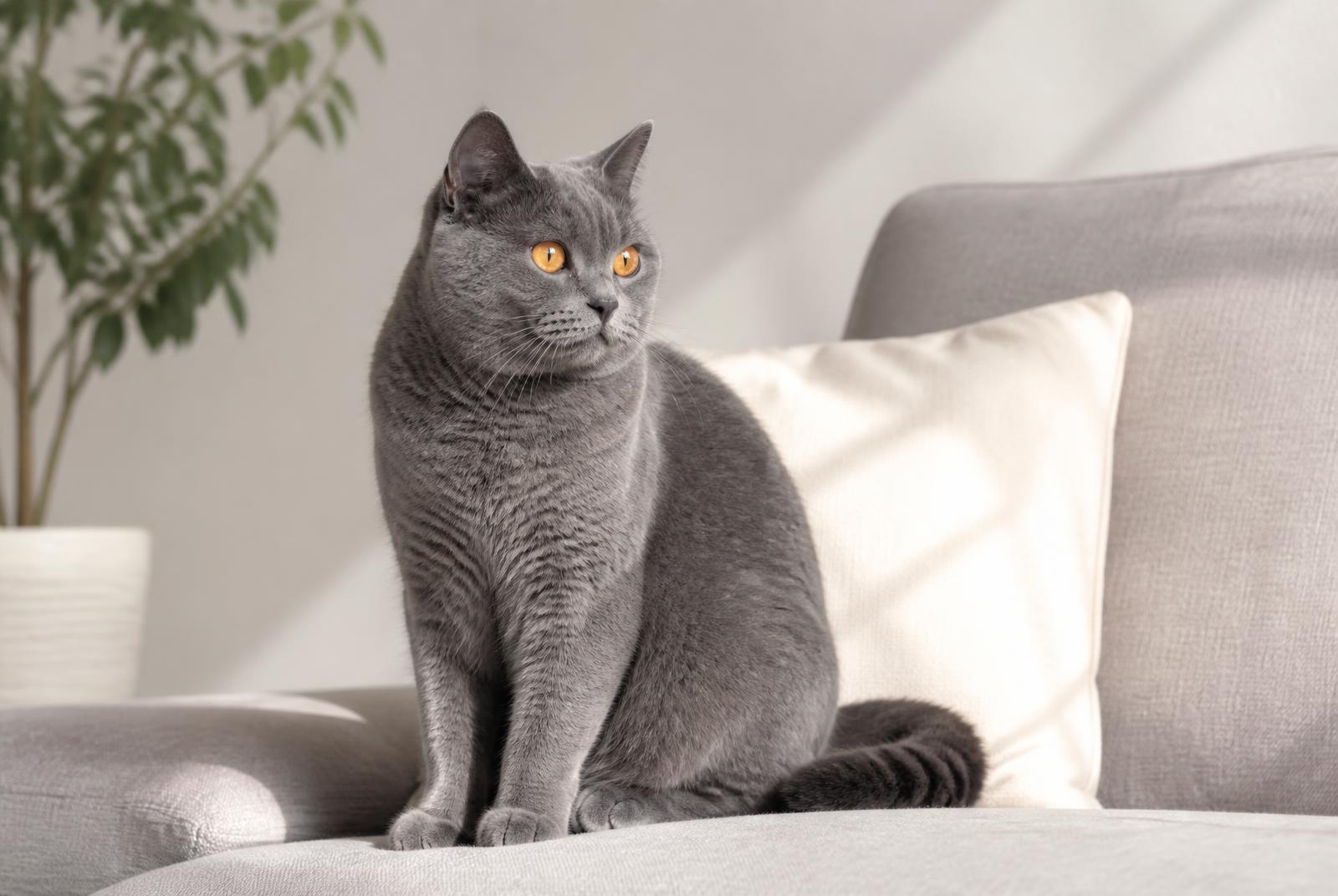
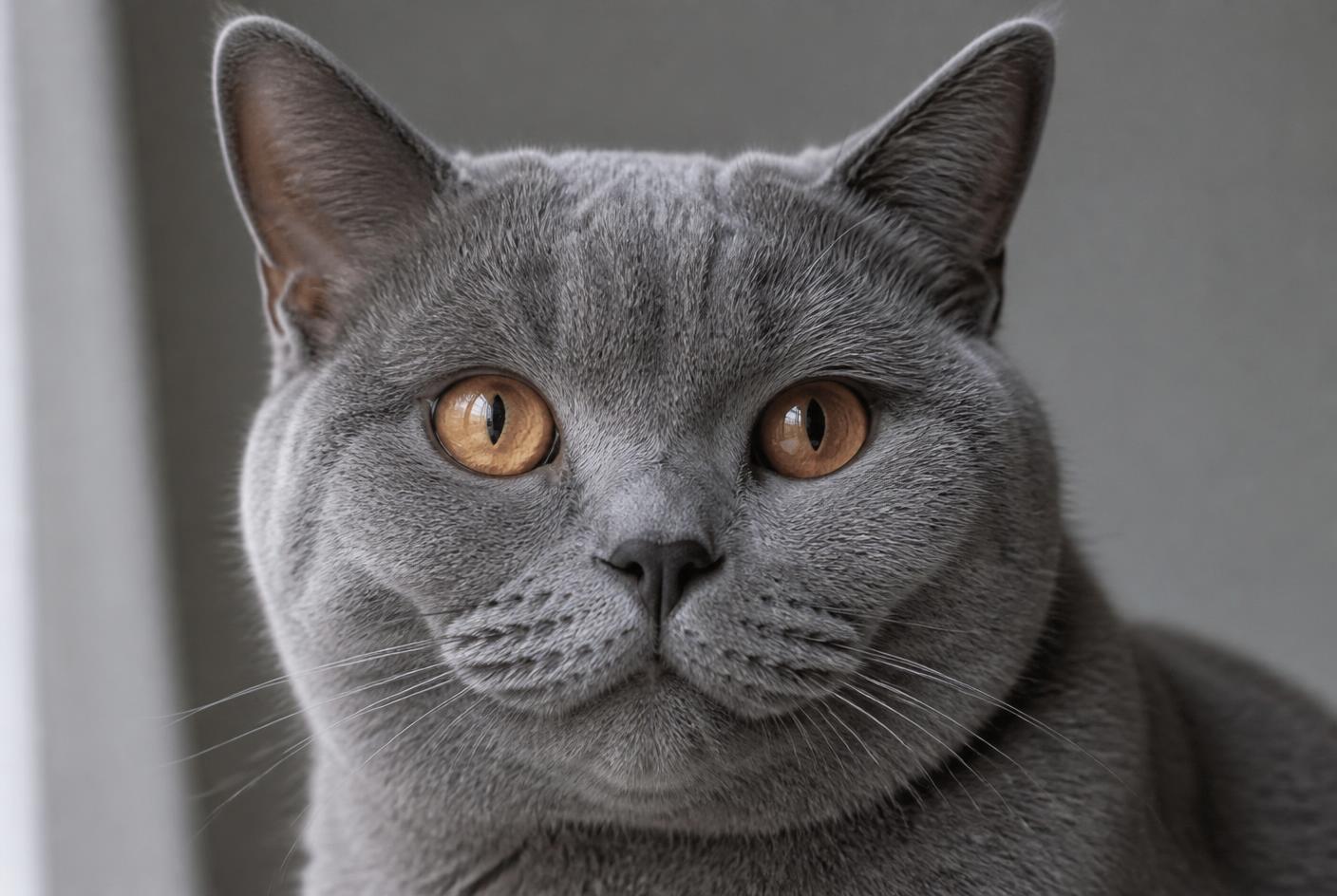
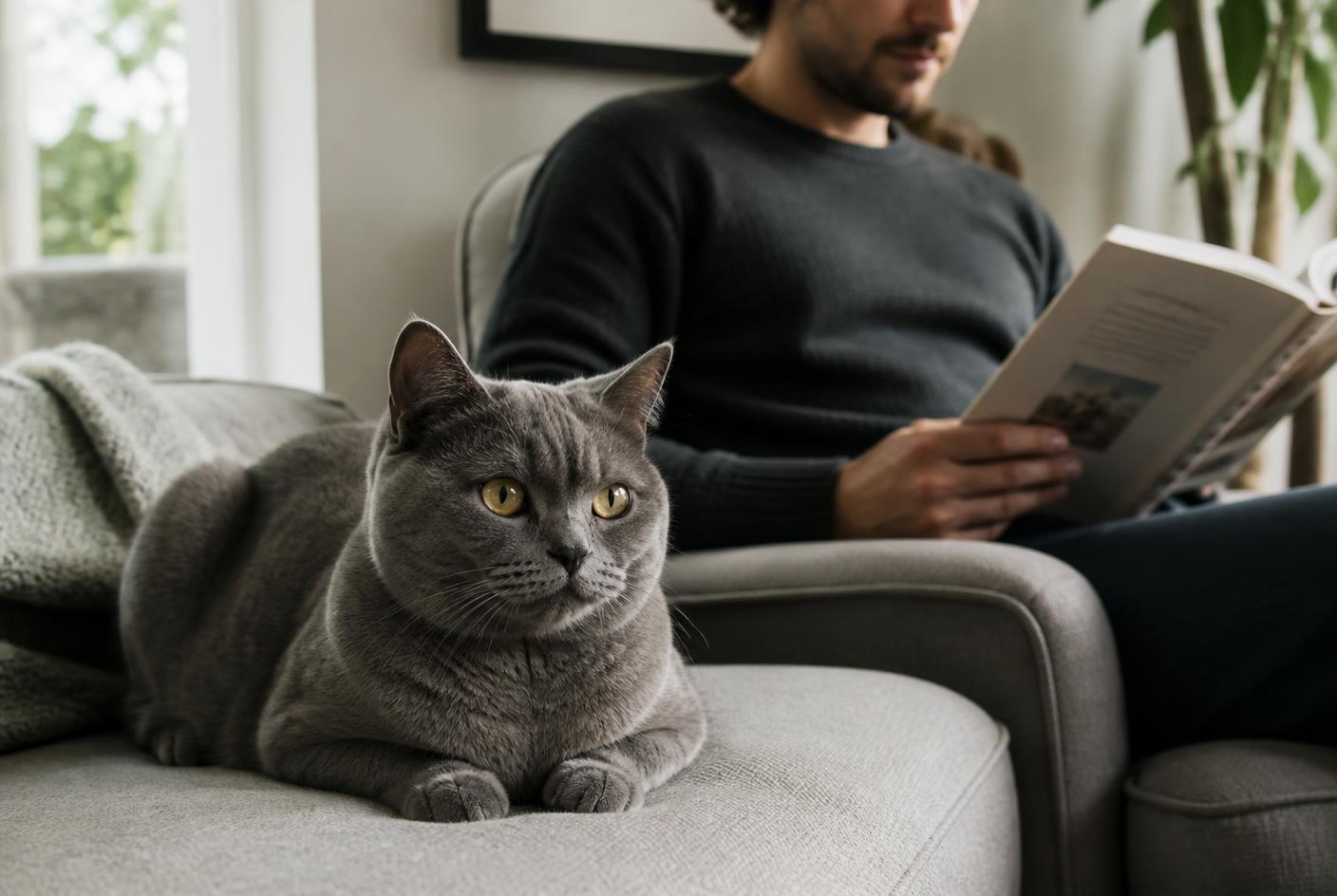
Chartreux are sturdy, muscular cats with a distinctive woolly blue coat, copper to gold eyes and a famously reserved temperament. They bond deeply but show it subtly, preferring to sit nearby rather than demand attention.
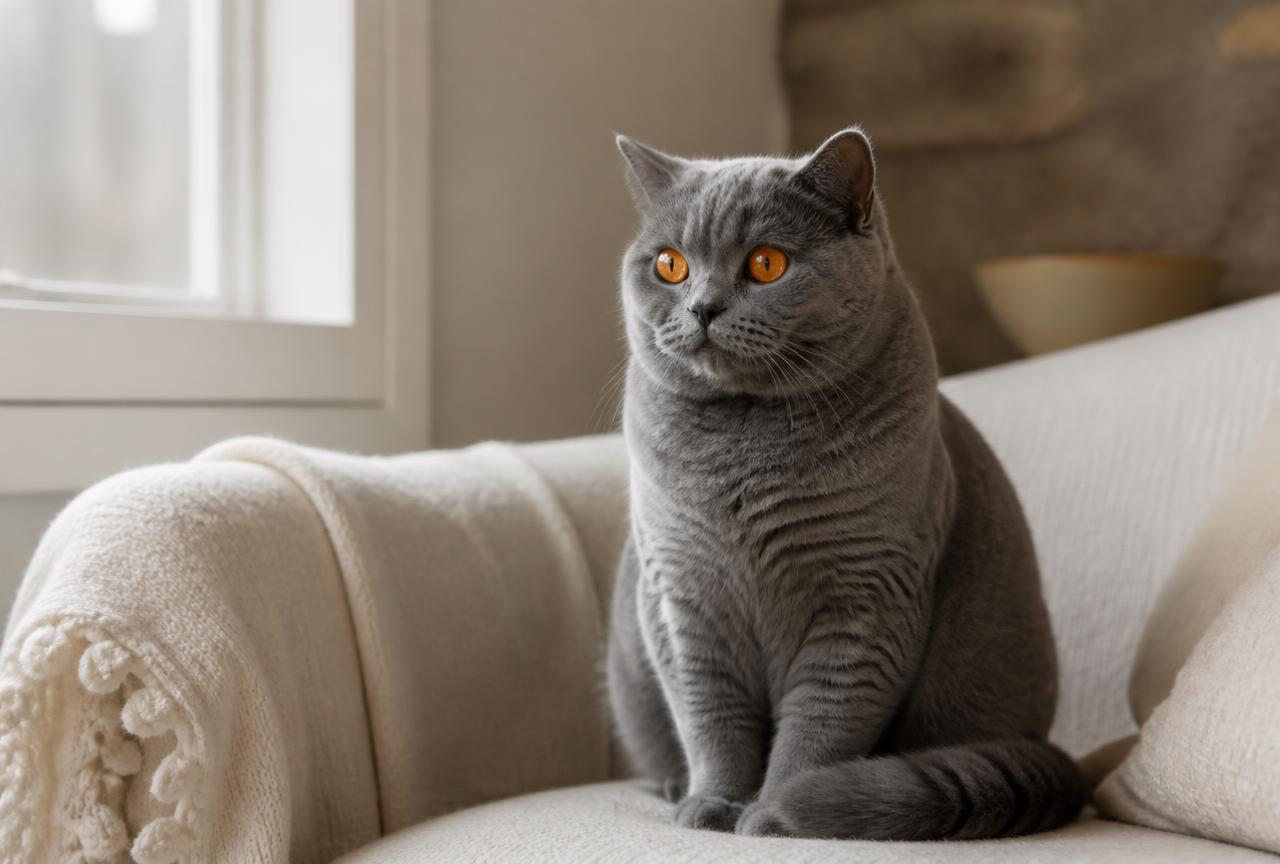
The Chartreux looks like a cat carved from blue smoke. The coat is dense, woolly and water-resistant, standing out from the body rather than lying flat. The eyes are copper to gold, round and set in a broad, smiling face. The body is surprisingly heavy for its size: males can reach 6 to 7 kg, females 3 to 5 kg, and much of that weight is muscle under the coat.
The breed is one of France's oldest, with legends linking it to monastery life and wool-working. What is certain is that it was a working cat, valued for hunting and for a quiet presence. That working background shows in the temperament: independent, observant and not inclined to theatrical displays.
A Chartreux is not an instant lap cat. Many take weeks or months to settle, and their affection is shown by following you, sleeping in the same room and accepting gentle handling rather than by climbing on you. Once bonded, they are deeply loyal. They are also quiet, with a soft voice they rarely use.
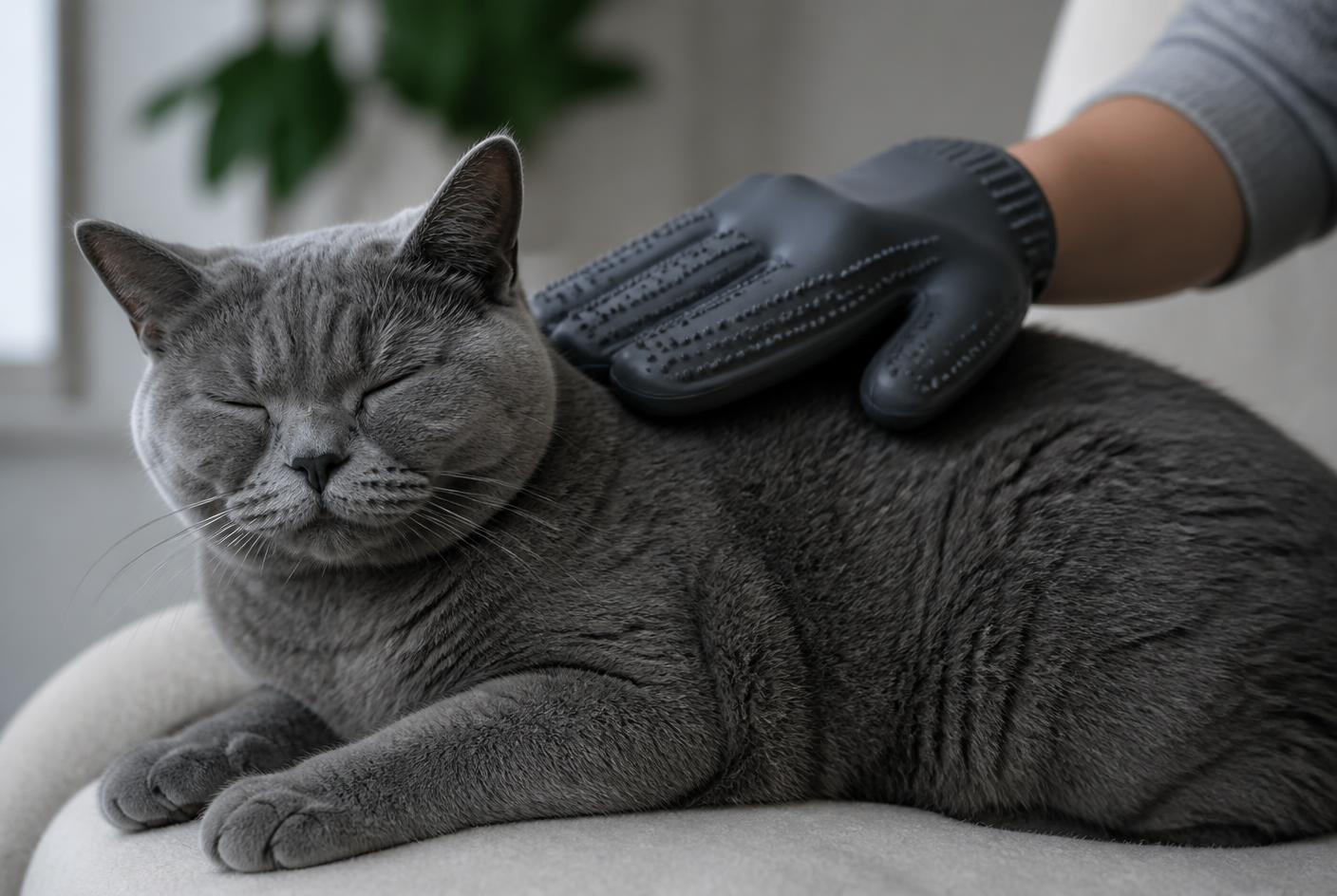
The coat needs a weekly comb to remove dead undercoat. The woolly texture can mat if neglected, especially around the neck and britches, but it is far easier to maintain than a long coat. They are generally healthy, though HCM and patellar luxation have been reported in the breed, so screening of breeding cats is sensible.
This is an indoor breed. Their dense coat overheats in summer, they are not streetwise, and their value and good looks make them a theft risk. A secure catio or supervised harness walks are the compromise if you want outdoor enrichment.
The ideal home is calm, patient and predictable. They suit adults and gentle older children, and they usually accept other quiet pets. A noisy, chaotic household will send a Chartreux into hiding and waste the best of the breed.
A calm, sturdy indoor companion for people who value loyalty over performance. Bonding takes time, but the result is a devoted cat.
Grooming, realistically
- 1Comb once a week with a wide-tooth comb
- 2Pay attention to the neck ruff and britches
- 3Increase combing during seasonal sheds
- 4Wipe eyes gently if any discharge appears
What you actually need
- Wide-tooth metal comb
- Soft bristle brush
- Nail clippers
- Pet-safe ear wipes
Kitten to adult
| Age | Male | Female | What is happening |
|---|---|---|---|
| 3 months | |||
| 6 months | |||
| 9 months | |||
| 12 months | |||
| Full size |
Ranges are typical, not targets. Judge condition by ribs and waist, and check with the ideal weight checker.
What to ask a breeder
- Have the parents been screened for HCM?
- Any history of patellar luxation in the line?
- How are kittens socialised with calm handling?
- Can I meet the mother and see the temperament?
Health watch-list
What to ask a breeder about, and what to watch for over a lifetime. This is orientation, not veterinary advice, anything you notice belongs in front of a vet.
Hypertrophic cardiomyopathy
NotableHCM has been reported. Ask whether breeding cats have been heart-screened by echocardiogram.
Patellar luxation
UncommonA slipping kneecap can cause intermittent lameness. Hip and stifle checks are sensible.
Dental disease
Common with ageAs in every breed, plaque control and professional checks matter.
Obesity
Very likely if overfedA dense coat hides weight. Judge by rib feel and waist shape, not by appearance.
Heat sensitivity
Likely in hot climatesThe thick woolly coat is built for cooler weather. Provide cool retreats and avoid overheating.
Stress-related illness
Likely if unsettledA sensitive, reserved cat that can develop cystitis or appetite loss in a noisy or chaotic home.
What it costs to keep one
Realistic running cost
€79 / month
About €948 a year, or roughly €13,272 across a 14-year life, before purchase price, neutering and one-off vet events.
Before the cat arrives. Budget roughly €900–1600 for trays, carrier, posts, bowls, bedding and grooming kit sized for this breed. Figures throughout are indicative and vary a good deal between countries.
Interactive · built for this breed
Is a Chartreux right for your home?
Quiet, sturdy and slow to bond, the Chartreux is a calm companion rather than a performer. Five questions on noise, patience and indoor life.
Verdict
An excellent match
You want a quiet, loyal indoor companion and you are prepared to let the bond develop. This is the breed at its best.
Keep the weight honest with the ideal weight tool, or compare the alternatives in the matchmaker.
The verdict, by household
Good with gentle, respectful children. Not a cat for rough handling or noisy play.
Excellent. Calm temperament and moderate size make them well suited to indoor life.
A good choice if you read the temperament correctly: low-maintenance, quiet and undemanding.
Usually accepts other calm cats and gentle dogs. Slow introductions are essential.
When to call your vet
- Reluctance to move, stiffness or limping
- Laboured breathing or fainting after mild exercise
- Dramatic weight gain or loss
- Persistent hiding and refusal to eat
- Overheating signs in hot weather
Nothing here is a diagnosis. Breathing difficulty, sudden hind-leg weakness and straining to urinate are emergencies, go the same day.
Chartreux vs the closest alternatives
| Breed | Weight | Energy | Grooming | € / month |
|---|---|---|---|---|
| Chartreux | 3–7 kg | 4/10 | 4/10 | €79 |
| British Shorthair | 4–8 kg | 4/10 | 4/10 | €76 |
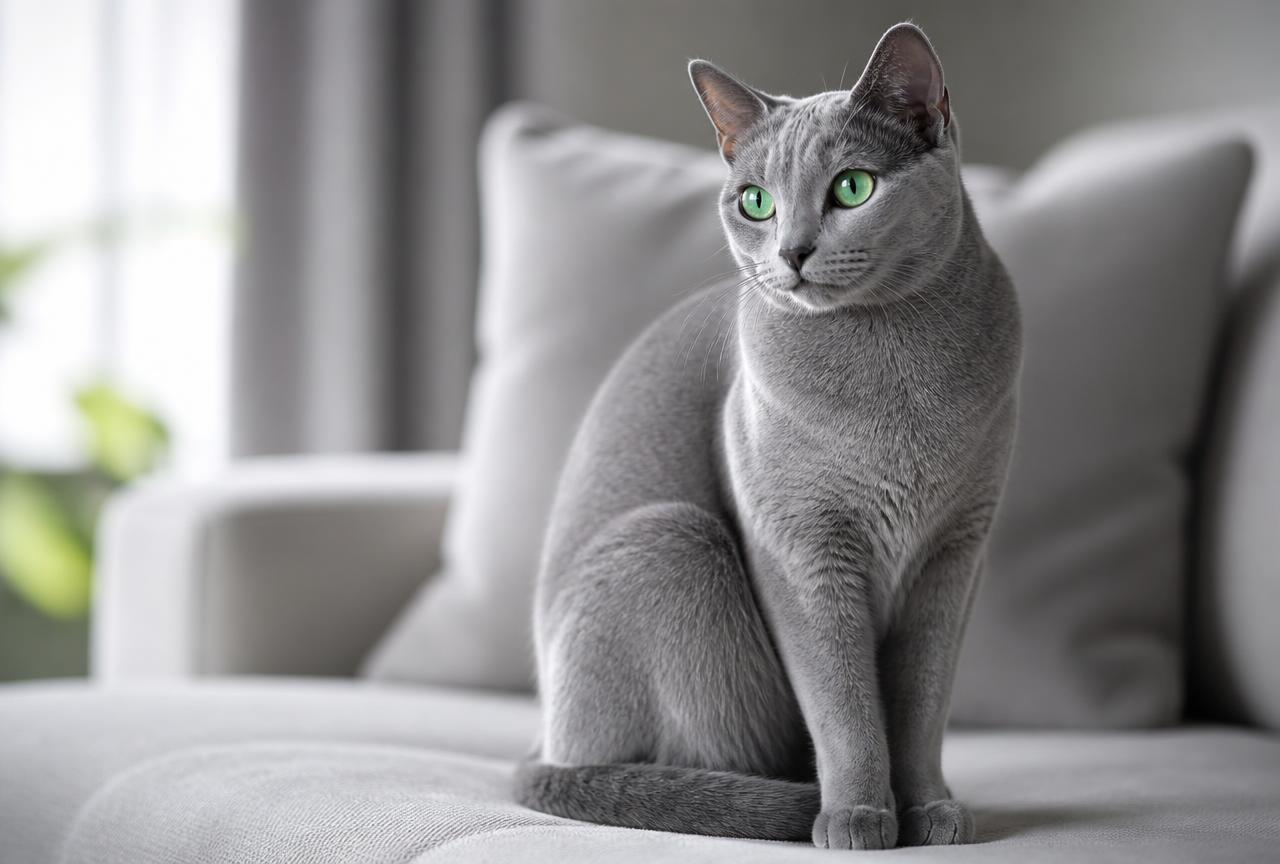
| Russian Blue | 3–7 kg | 5/10 | 3/10 | €73 |
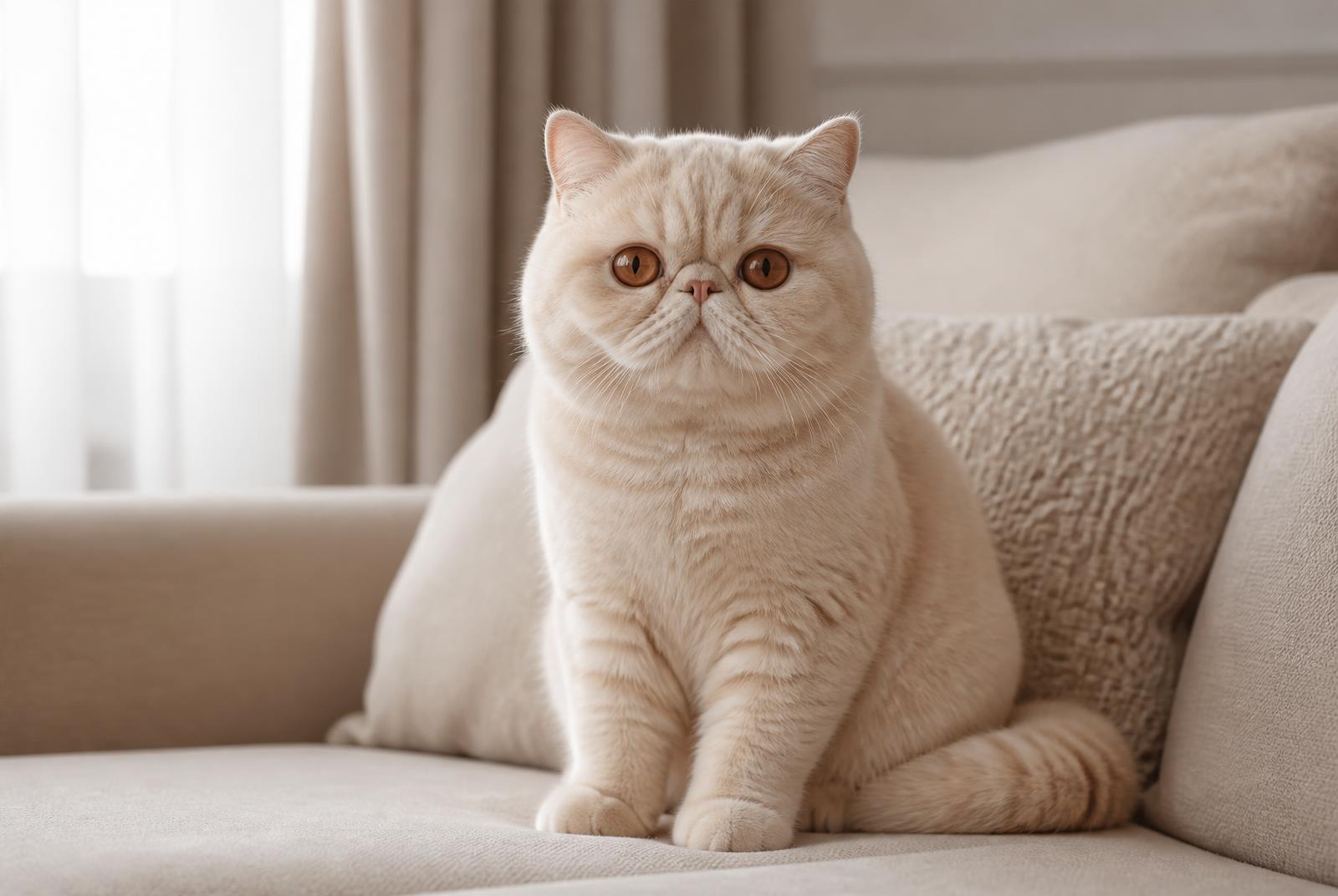
| Exotic Shorthair | 3–6.5 kg | 3/10 | 4/10 | €84 |
Chartreux questions, answered
Are Chartreux good lap cats?
Not usually at first. They bond deeply but show affection by sitting nearby and following you. Some become lap cats once trust is established.
How big do Chartreux get?
Males are noticeably larger and heavier, often 6 to 7 kg. Females are usually 3 to 5 kg. Much of the apparent bulk is dense muscle under the woolly coat.
Do Chartreux meow a lot?
No. They are famously quiet. When they do speak, it is usually a soft chirp or murmur.
How much grooming do they need?
A weekly comb is usually enough. The dense coat can mat if neglected, especially around the neck and britches.
Are Chartreux good indoor cats?
Yes, they are best kept indoors. Their coat overheats in summer and they are not streetwise. A secure catio or harness walks are good compromises.
Are Chartreux hypoallergenic?
No. The dense coat sheds seasonally and carries allergen. Spend time with adults before committing.
What health tests should a breeder provide?
HCM screening and ideally patellar evaluation. Ask to see certificates and meet the parents if possible.