Eleven quiet signals your cat is getting old before you notice
Cats age without announcing it. These are the signs vets wish owners brought in a year earlier, and the ones that are simply ageing rather than illness.
Nadia Ferreira
Feline health writer, ReMews. desk
Published 25 July 2026 · Updated 4 September 2026
Written against AAFP feline life stage and ISFM senior care guidance
The short version
- Cats are mature at seven, senior at eleven and geriatric at fifteen. Twelve is not old in a way that excuses new symptoms.
- Weight loss with a normal appetite is the single most useful early sign, and the one most often dismissed as ageing.
- Cats almost never limp with arthritis. They stop jumping, take the long route up, and pick lower places to sleep.
- Increased thirst is worth a same-week appointment. Kidney disease, diabetes and thyroid disease all start there.
- Weigh monthly on kitchen scales. A 400 g loss on a 4.5 kg cat is roughly a stone on a person.
- From eleven, ask for six-monthly checks with bloods, urine and blood pressure rather than an annual look and a vaccine.
A dog that hurts tells you. It limps, it whines, it stops at the third flight of stairs. A cat that hurts changes route: it takes the sofa arm on the way to the windowsill instead of jumping straight up, and nobody in the house registers it for a year.
That gap, between the point a cat starts compensating and the point an owner notices, is where most feline medicine is lost. Kidney disease has usually removed two thirds of functioning tissue before it produces a visible symptom. Arthritis is present on radiographs in the majority of cats over twelve, yet almost no owners report lameness.
Here are the signals worth watching for, in the order they usually appear, and an honest line between what is simply age and what is a reason to pick up the phone.
When a cat is actually old
The life stage guidance most vets work from splits later life into three: mature from seven to ten, senior from eleven to fourteen, geriatric from fifteen onwards. Those numbers exist to change what happens at appointments, not to be sentimental about.
| Age | Stage | What to expect | Monitoring |
|---|---|---|---|
| --- | --- | --- | --- |
| 7-10 | Mature | Weight creep, first dental disease, less play | Annual check, baseline bloods |
| 11-14 | Senior | Muscle loss, joint change, thirst changes | Six-monthly, bloods, urine, blood pressure |
| 15+ | Geriatric | Cognitive change, sight and hearing loss | Six-monthly minimum, weight every visit |
Two consequences follow. First, "he's twelve" is not an explanation for a new symptom. Second, from eleven the correct appointment is not a vaccination with a quick look, it is a panel.
1-3. The three that need an appointment, not a note
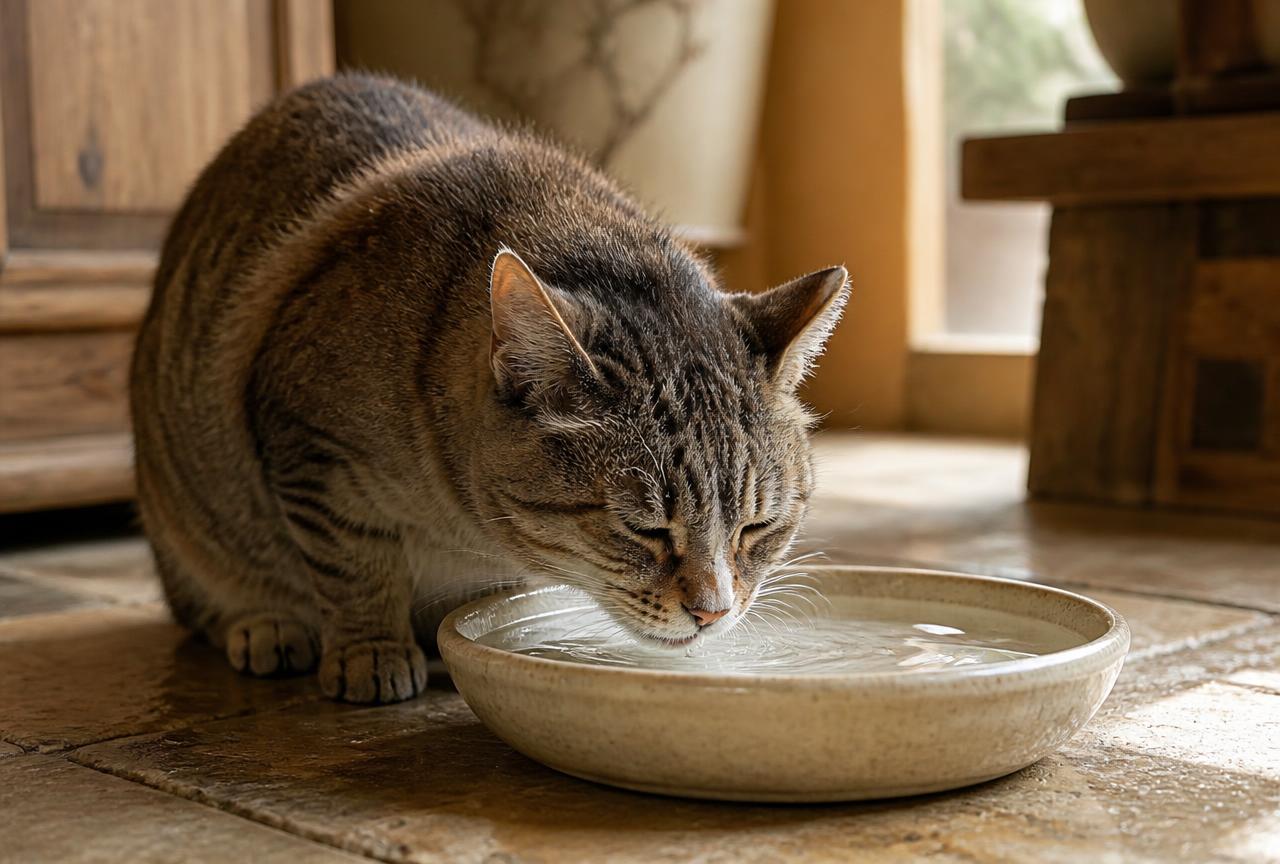
Increased thirst. A cat that starts emptying the bowl, or discovers taps, or drinks where it never used to, is reporting something. Kidney disease, diabetes and hyperthyroidism all begin here. This one earns a same-week booking on its own.
Weight loss with a good appetite. Owners describe this as "he eats like a horse and he's all bones", and then apologise for wasting the vet's time. It is the opposite of a waste of time. Weigh monthly: 400 g off a 4.5 kg cat is proportionally close to a stone off a person.
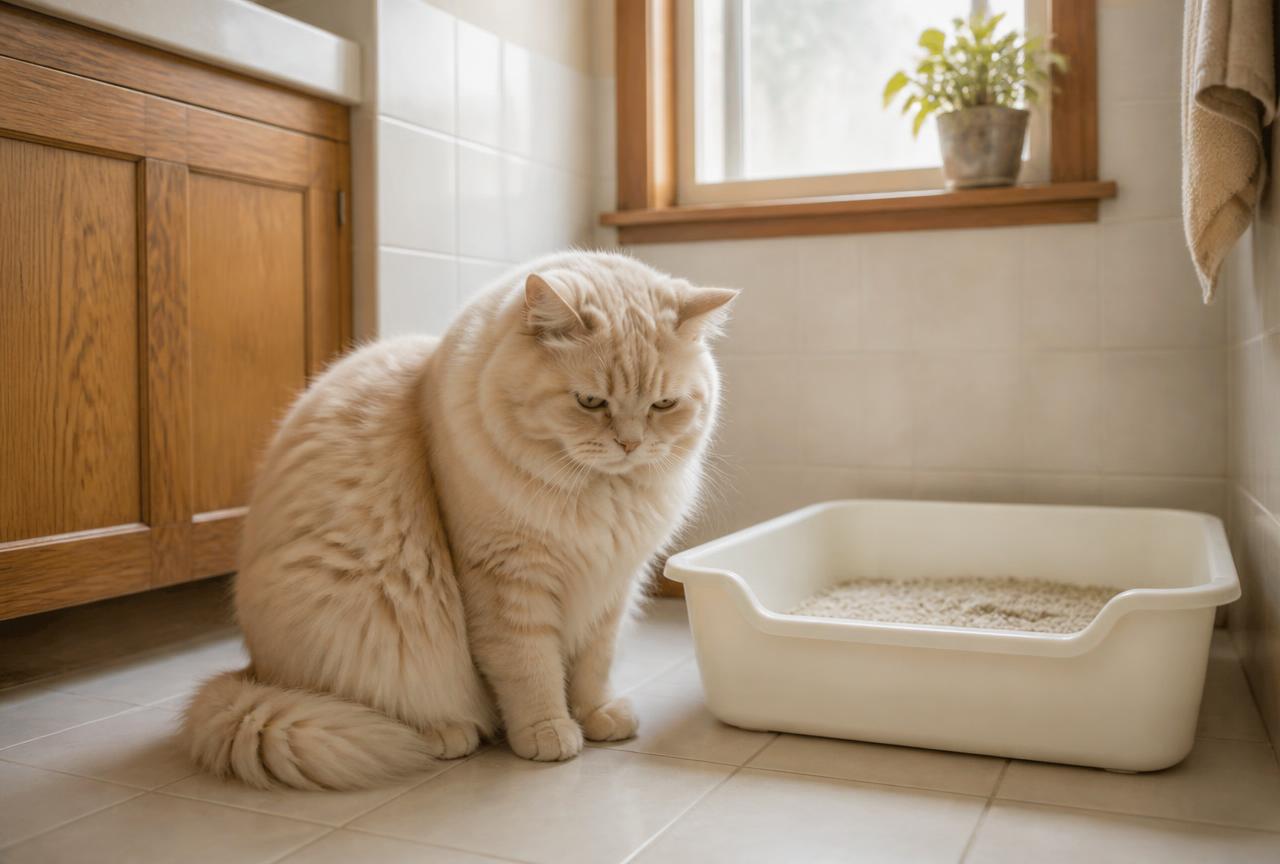
Straining in the tray, or accidents outside it. In a male cat, straining with nothing produced is an emergency, measured in hours. In any cat, a change in tray habits is a medical question before it is a behavioural one.
4-6. The mobility signals nobody reports
Cats do not limp with arthritis, they edit their world. The three things to watch are all about routes.
- Hesitating at the base of a jump it used to take without thinking
- Splitting one jump into two, via a chair, a box or the sofa arm
- Choosing lower, softer, more sheltered places to sleep than it used to
If your cat has stopped going somewhere it used to like, that is a clinical sign, not a preference.
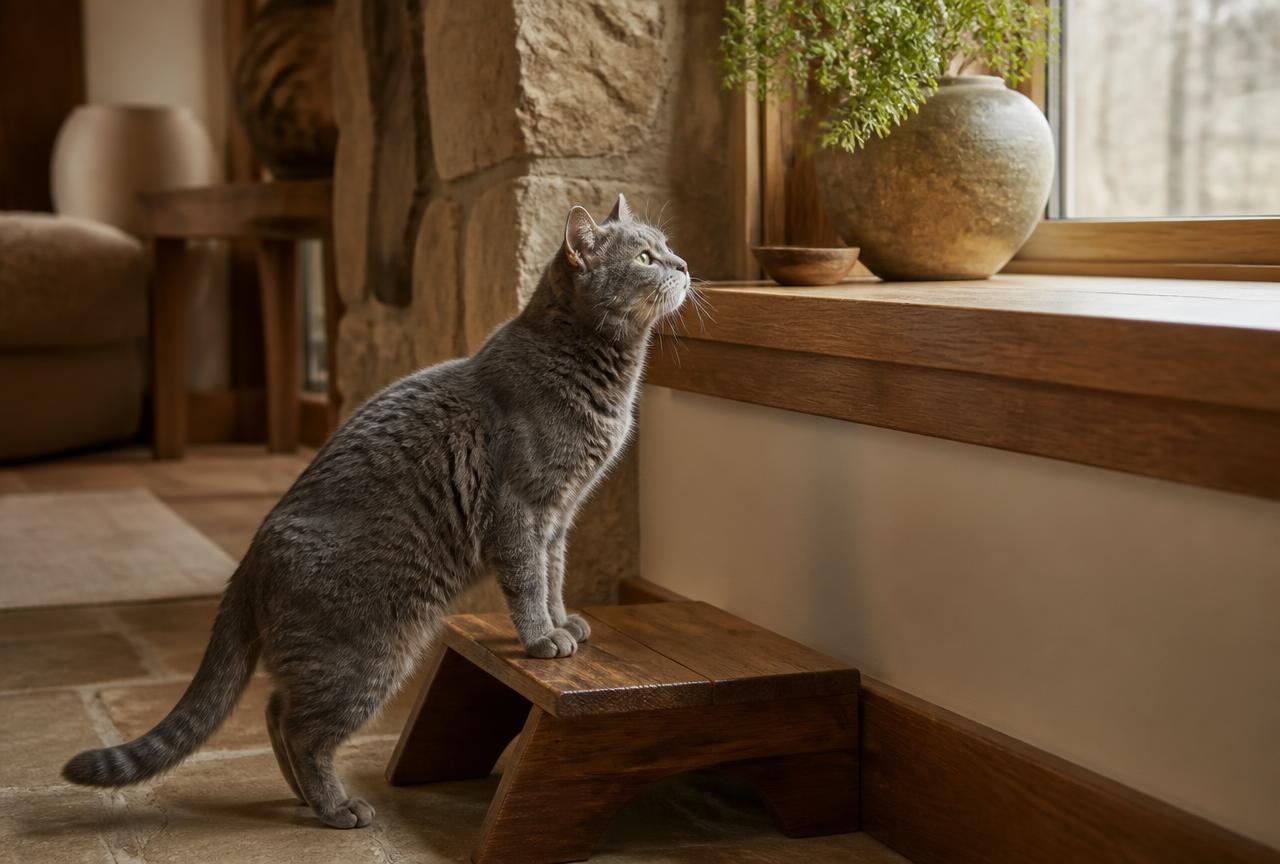
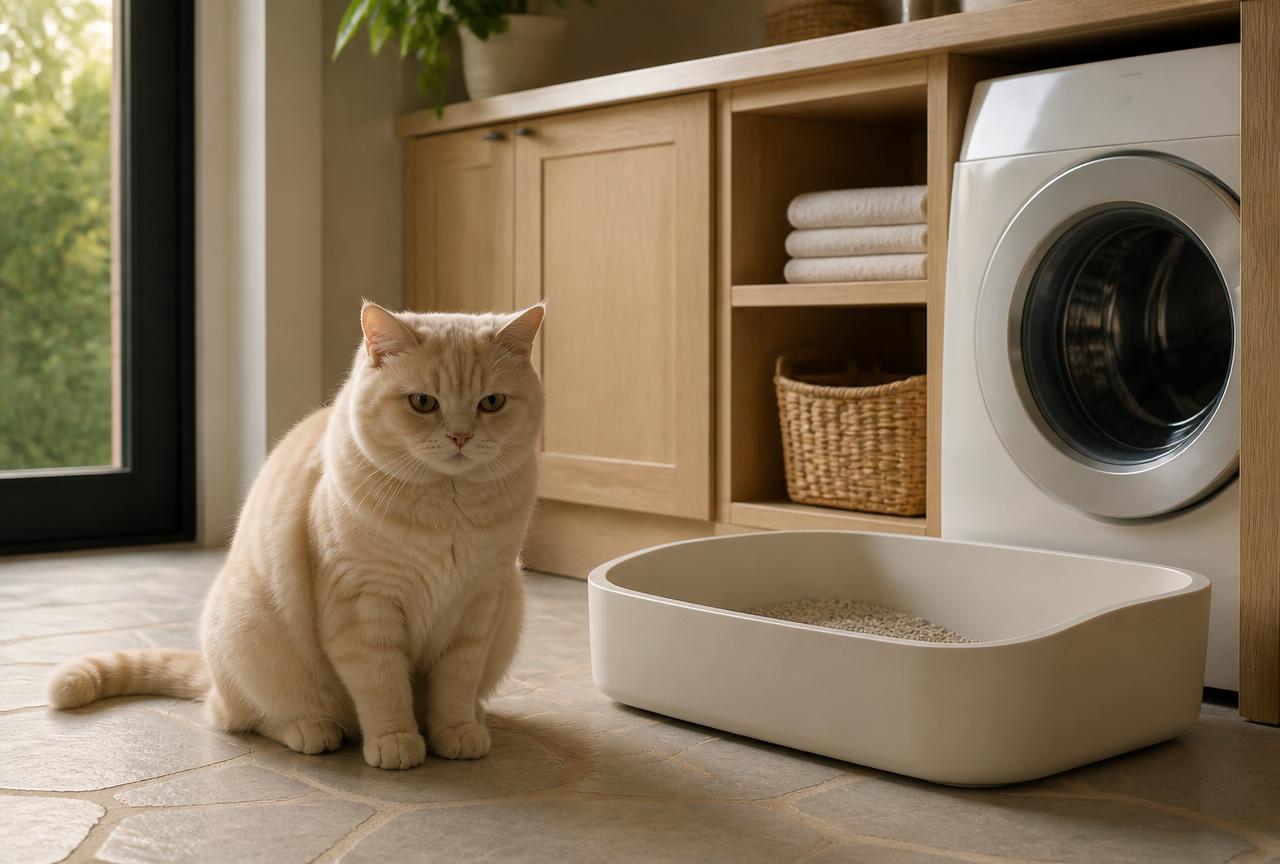
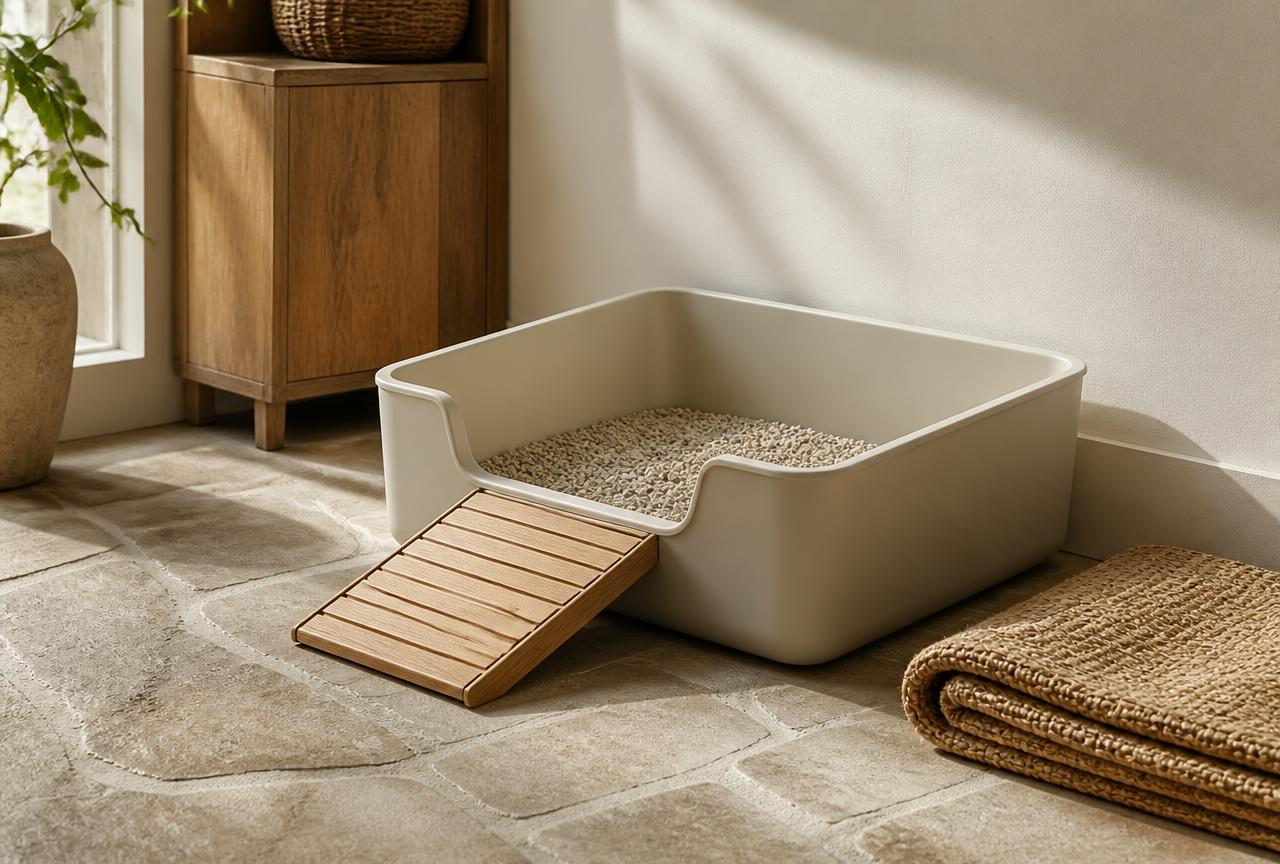
Modern feline pain relief for joint disease is genuinely good, and the environmental side costs almost nothing: steps up to the favourite sill, a bed off the floor and out of draughts, and a tray with one low side. That last one solves a surprising share of "he has started going next to the tray".
7-8. Coat and mouth
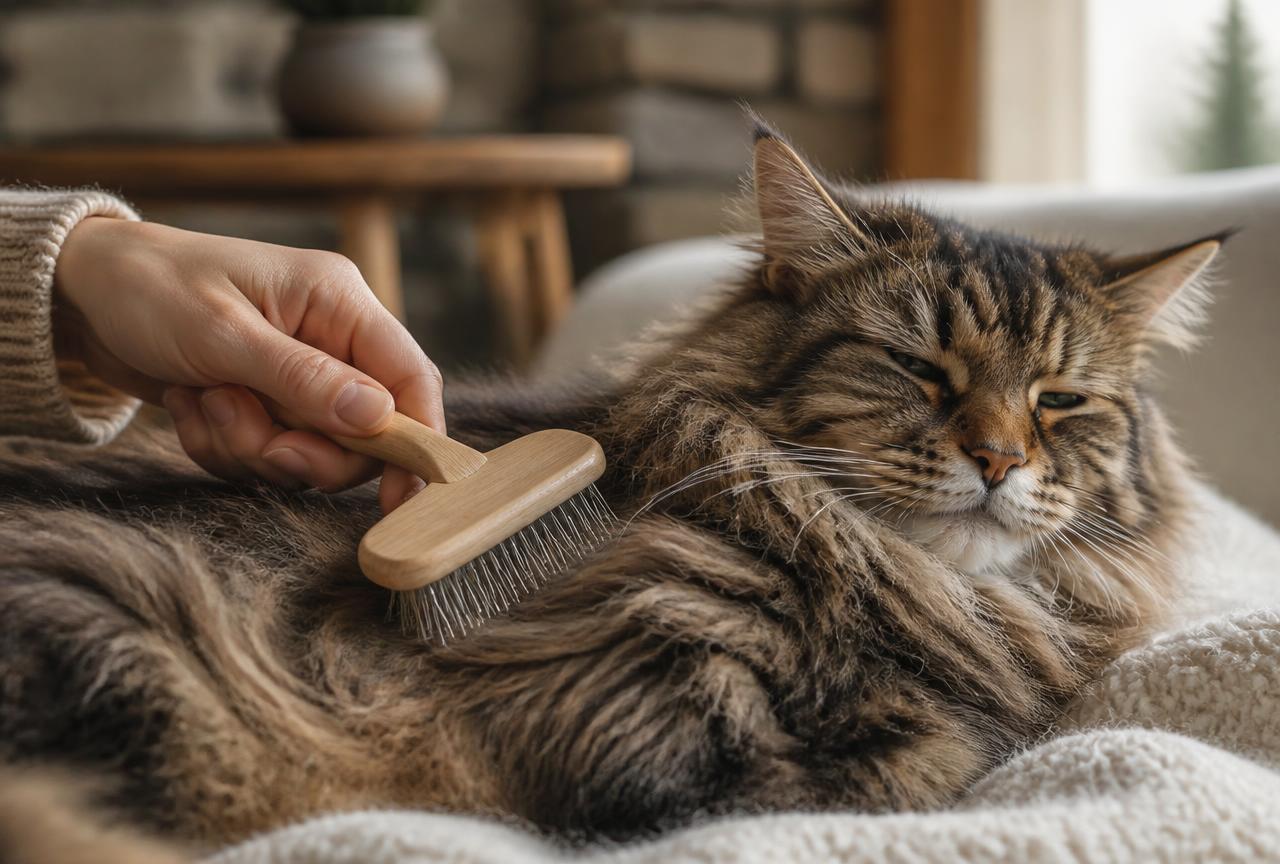
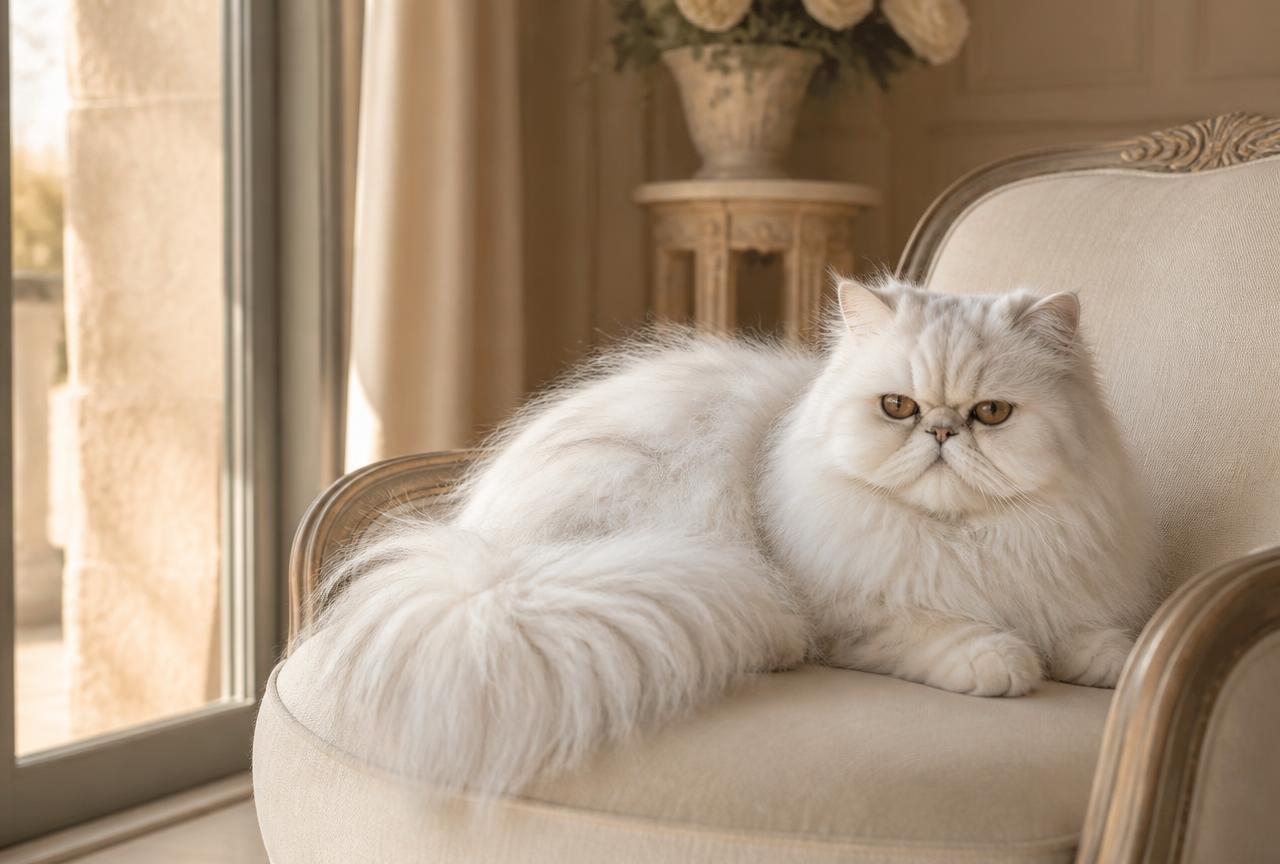
A cat that cannot twist comfortably stops grooming its back half. You see it as a slightly greasy patch above the tail, or clumps along the flanks on a long-coated cat, and it is usually mistaken for laziness. Persians and other long-coated breeds show it earliest, which is one reason our Persian review treats grooming as a daily commitment rather than a weekly one.
The mouth is the other half of this. Dental disease is present in most cats over ten, and the signs are subtle: breath that has changed, dropping kibble, chewing on one side, a sudden preference for wet food, drooling. Cats with painful mouths keep eating, because the alternative is starving. Look for products carrying VOHC acceptance rather than marketing claims, and expect that at some point a scale and polish under anaesthetic is the kind thing to do.
9-11. Night noise, confusion and temper
New yowling at three in the morning is a symptom. Hyperthyroidism, high blood pressure, failing sight, deafness and cognitive dysfunction all produce it, and so does simple disorientation in a dark house. Cats bumping into furniture, or whose pupils stay wide in a bright room, need their blood pressure measured, because sight loss from hypertension can be sudden and is partly reversible if caught.
Shortening temper is the eleventh signal and the most easily misread. A cat that has become less tolerant of handling, or has started swiping at a housemate it used to sleep with, is very often in pain rather than in a mood.
Use the check below to see whether what you have noticed can wait for the next appointment. It weights the signs the way a vet triages them, and it prints you a list to take along.
Interactive · built for this article
Senior check
Set your cat's age, then tick anything you have noticed in the last three months. The result tells you whether it can wait for the next check-up.
Roughly 60 in human terms · Senior · vet check every six months, with bloods and blood pressure
0 of 11 signs ticked
Nothing flagged
Keep to the routine check-up schedule and repeat this list monthly. Most of these signs appear gradually, which is exactly why they get missed.
This is a prompt for a conversation, not a diagnosis; several of these signs share causes and only bloods and urine separate them. To track weight properly, open the ideal weight tool.
A ten-minute monthly routine
- 1Weigh the cat. Kitchen scales and a carrier, or a baby scale. Write the number down with the date; trends beat single readings.
- 2Run the water check. Note roughly how often you refill the bowl. A doubling is significant even if the cat looks well.
- 3Watch one jump. Same target, same day of the month. Hesitation, a two-stage route or a miss all count.
- 4Look in the mouth. Lift the lip on both sides. Red gum margins, brown tartar, a broken tooth, or a smell that has changed.
- 5Feel along the spine and hips. You should feel ribs under a thin layer, not sharp bone, and the cat should not flinch.
- 6Check the tray. Number of urine clumps, size of them, and whether anything landed outside.
- 7Log it. A note on your phone with six lines beats a year of vague impressions at the appointment.
The environment changes that buy the most comfort
- Steps or a stool to one favourite high place, rather than removing access to it
- A tray with one low side, larger than you think necessary, on every floor the cat uses
- Beds off the floor, away from draughts, ideally somewhere warm in the afternoon
- Two water sources in different rooms, wide and shallow, away from food
- Non-slip runners on laminate or tile where the cat lands and turns
- Food raised slightly, which helps cats with neck or shoulder pain finish a meal
For portions as activity drops, our portion calculator works in calories rather than scoops, and the cat age converter puts the year-on-year change in human terms if that helps the household take it seriously.
By household
- One older cat, quiet home: the monthly routine above plus six-monthly checks from eleven. You will catch nearly everything early.
- Multi-cat home: weigh individually, and feed separately at least once a day. Shared bowls hide both appetite loss and thirst changes completely.
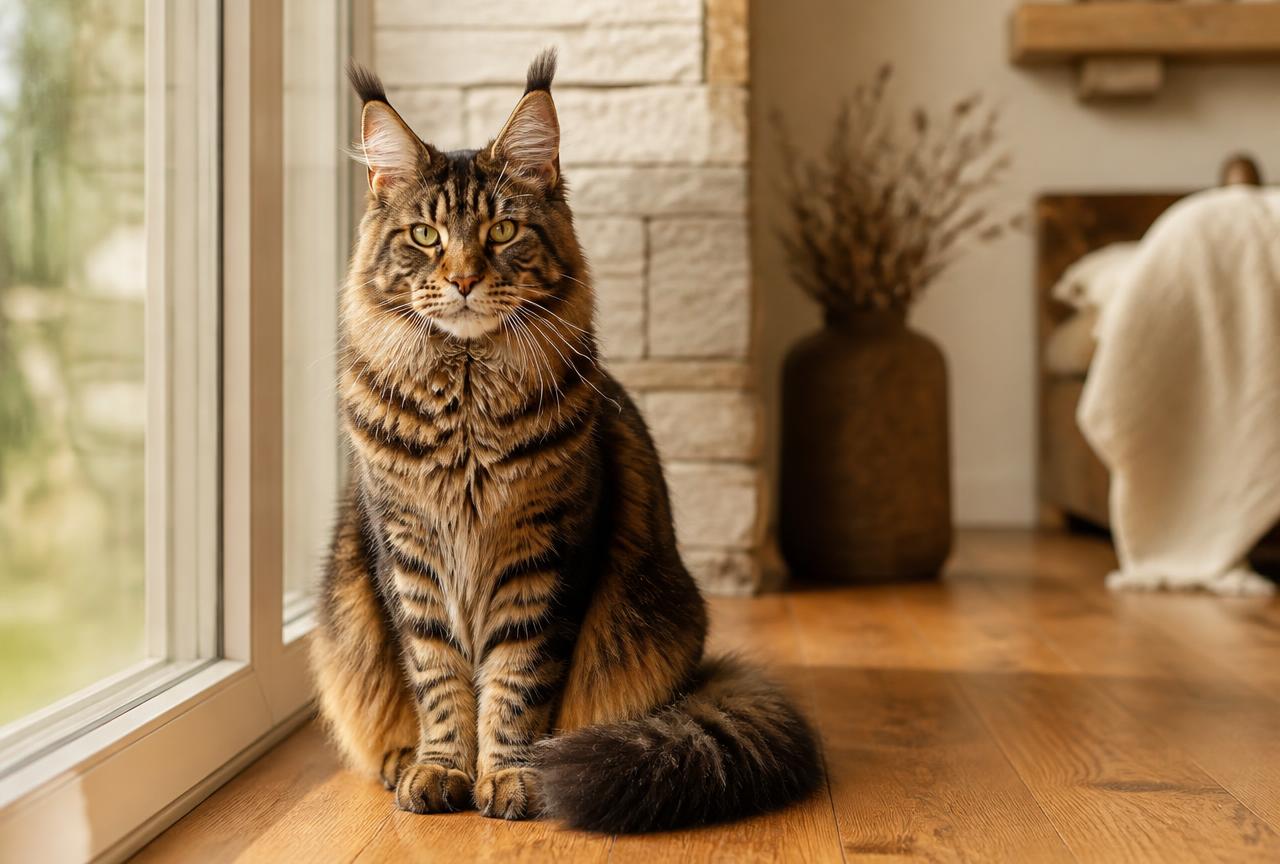
- Long-coated breeds: brush daily from ten onwards and treat any new matting above the tail as a mobility question. Our Maine Coon guide covers the size-related joint side of this.
- Outdoor access: expect fewer, closer trips. A cat that stops patrolling has usually decided it hurts, not that it has grown content.
When to call your vet
Same day: straining in the tray without producing urine, laboured or open-mouthed breathing, collapse, seizure, sudden blindness or bumping into things, no food for 24 hours, repeated vomiting, a swollen painful abdomen, or crying that is clearly distress.
This week: new or increased thirst, weight loss of 5 per cent or more, appetite change, new night vocalising, dropping food or drooling, hesitation before jumps, accidents outside the tray, or a temper that has changed.
What ageing actually looks like
Sleeping more. Playing in shorter bursts. Slightly less interest in the stairs. Greyer around the muzzle. A cat that is content in one place for longer than it used to be.
None of the eleven signals above are on that list, and that is the whole point. If you write down weight, thirst, jumps and the mouth once a month, you will spot the difference roughly a year before it becomes obvious, which is precisely the year in which most of these conditions are cheap and easy to manage.
Questions people actually ask
At what age is a cat considered senior?
Current life stage guidance calls a cat mature from seven to ten, senior from eleven to fourteen and geriatric from fifteen onwards. The labels matter because they change the recommended monitoring: from eleven, most vets want six-monthly checks with bloods, urine and blood pressure rather than an annual glance and a vaccination.
Why is my old cat drinking so much water?
Increased thirst in a cat over seven is one of the few findings worth a same-week appointment. The three common causes are chronic kidney disease, diabetes and hyperthyroidism, and all three are managed far better when caught early. A simple blood and urine panel usually separates them in one visit.
My cat is losing weight but eating normally. Is that ageing?
No. Ageing reduces appetite before it reduces weight, so weight loss alongside a healthy appetite points at hyperthyroidism, diabetes, malabsorption or, less often, cancer. Weigh monthly on kitchen scales and treat any loss of 5 per cent or more as a reason to book, regardless of how well the cat seems.
How can I tell if my cat has arthritis?
Watch routes rather than legs. Cats with degenerative joint disease rarely limp; they hesitate before jumping, break a single leap into two, stop using a favourite high shelf, sleep lower down, and become less tolerant of being touched along the back. Studies with radiographs find joint changes in the large majority of cats over twelve.
Why does my old cat yowl at night?
Night vocalising in an older cat has medical explanations more often than behavioural ones: hyperthyroidism, high blood pressure, failing sight or hearing, pain, and cognitive change. Treat it as a symptom first. If the work-up is clean, a night-light, a late meal and a predictable evening routine help a great deal.
How often should a senior cat see the vet?
Annually until about ten, then every six months, with weight recorded at each visit and a blood, urine and blood pressure panel at least yearly. Twice-yearly checks are not a sales tactic: cats hide illness so effectively that six months is long enough for kidney disease to progress a full stage unnoticed.
Should I change my cat's food as it gets older?
Not automatically. An older cat with normal bloods mainly needs enough calories and enough protein to hold muscle, which is the opposite of the old advice to restrict protein. Diet changes for kidney disease, thyroid disease or diabetes should follow a diagnosis, not an age.
Sources
- AAFP/AAHA Feline Life Stage Guidelines, American Association of Feline Practitioners
- Caring for an older cat, International Cat Care (icatcare)
- ISFM Consensus Guidelines on the Management of Feline Chronic Kidney Disease, International Society of Feline Medicine
- Degenerative joint disease and osteoarthritis in cats, Cornell University College of Veterinary Medicine
- Veterinary Oral Health Council accepted products, VOHC
Breeds mentioned
Put it into practice
Read next
Cat sneezing: colds, dust and the signs that need a vet
Cat sneezing a lot? Dust, viruses, dental roots and foreign bodies, how to sort the harmless from the signs that need a vet.