Thailand
Siamese
The athlete with an opinion: what it is actually like to share a house with the loudest, most attached breed in the catalogue.
Dr Emma Carlisle, MRCVS
The most articulate cat in the room
The short version
- The voice is not a myth, a Siamese comments on its day at full volume, and noise intolerance is the number one reason the breed is rehomed.
- Slim and athletic rather than big: males typically 4–5.5 kg, but all muscle, spring and reach. Cat-proof the high shelves.
- This is a one-person, whole-heart breed. Expect to be followed, supervised and slept on; expect the bathroom door to be a topic.
- Grooming is nearly nothing, a weekly once-over with a rubber mitt, but play is not optional: twenty minutes a day keeps a clever cat from redecorating.
- Long-lived and generally robust: fifteen years is common, twenty not rare. Dental care and an annual check carry most of the health load.
- Weight
- 3–6 kg
- Lifespan
- 15–20 yrs
- Coat
- Short
- Size
- Medium
- Grown male
- 4–5.5 kg
- Grown female
- 2.5–4.2 kg
- Years to full size
- about 1.5
- One-off setup
- €350–650
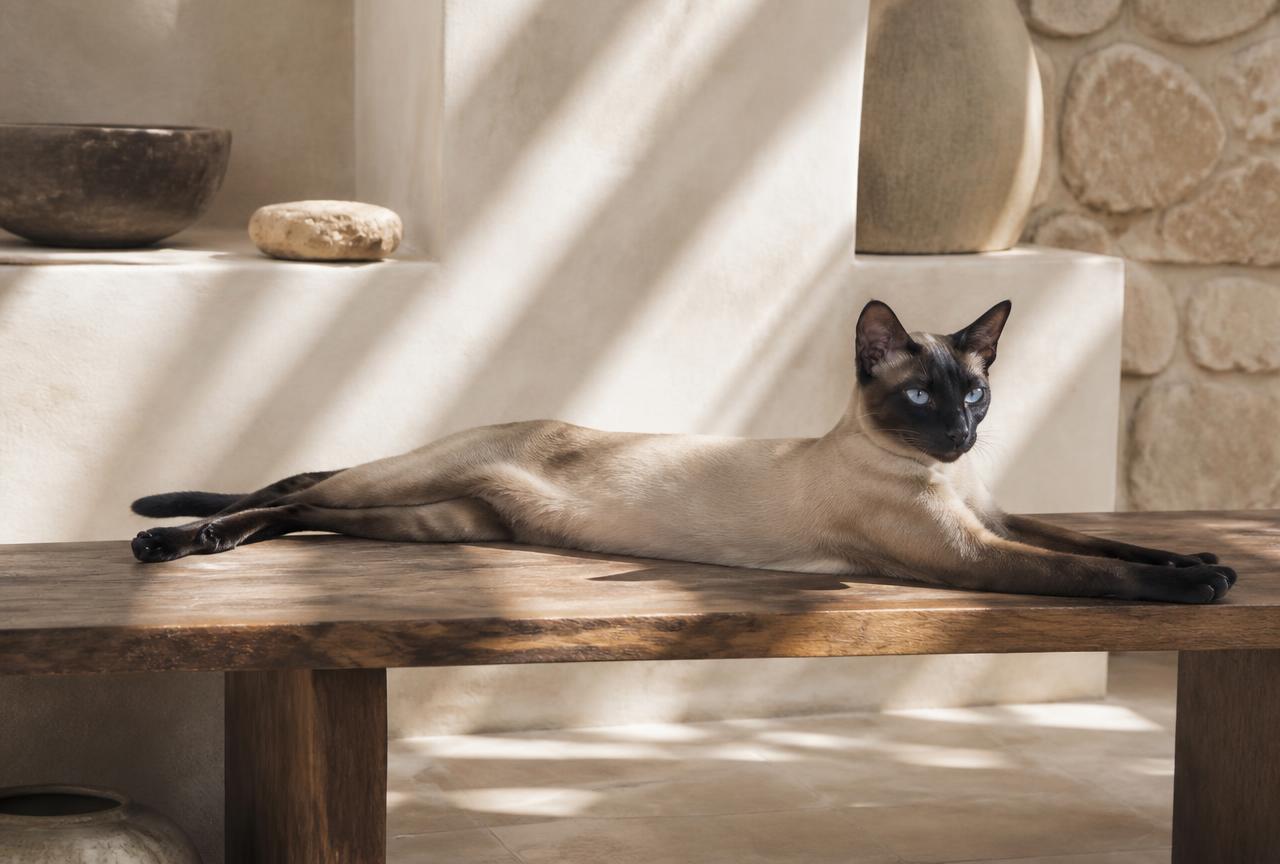
Get one if…
- People home most of the day
- Owners who enjoy a talkative, involved cat
- Anyone interested in clicker training
- Homes taking two cats rather than one
Think again if…
- Noise-sensitive households
- People out at work ten hours a day
- Anyone wanting an aloof, independent cat
Trait profile
Vocality at 10 is the defining number: a Siamese narrates. Affection at 9 means a cat that chooses a person and commits completely, lovely if that is what you want, suffocating if it is not. Energy at 9 on a light, spring-loaded body means climbing, opening and investigating, not just chasing. Grooming at 1 is genuinely earned; the short fine coat needs almost nothing.
Space & setup. Wants height and interaction more than floor area; thrives in a flat with a tall cat tree and company.
Allergies. Low shedding and easy to keep clean, but a talkative, groom-happy cat still spreads dander.
The review
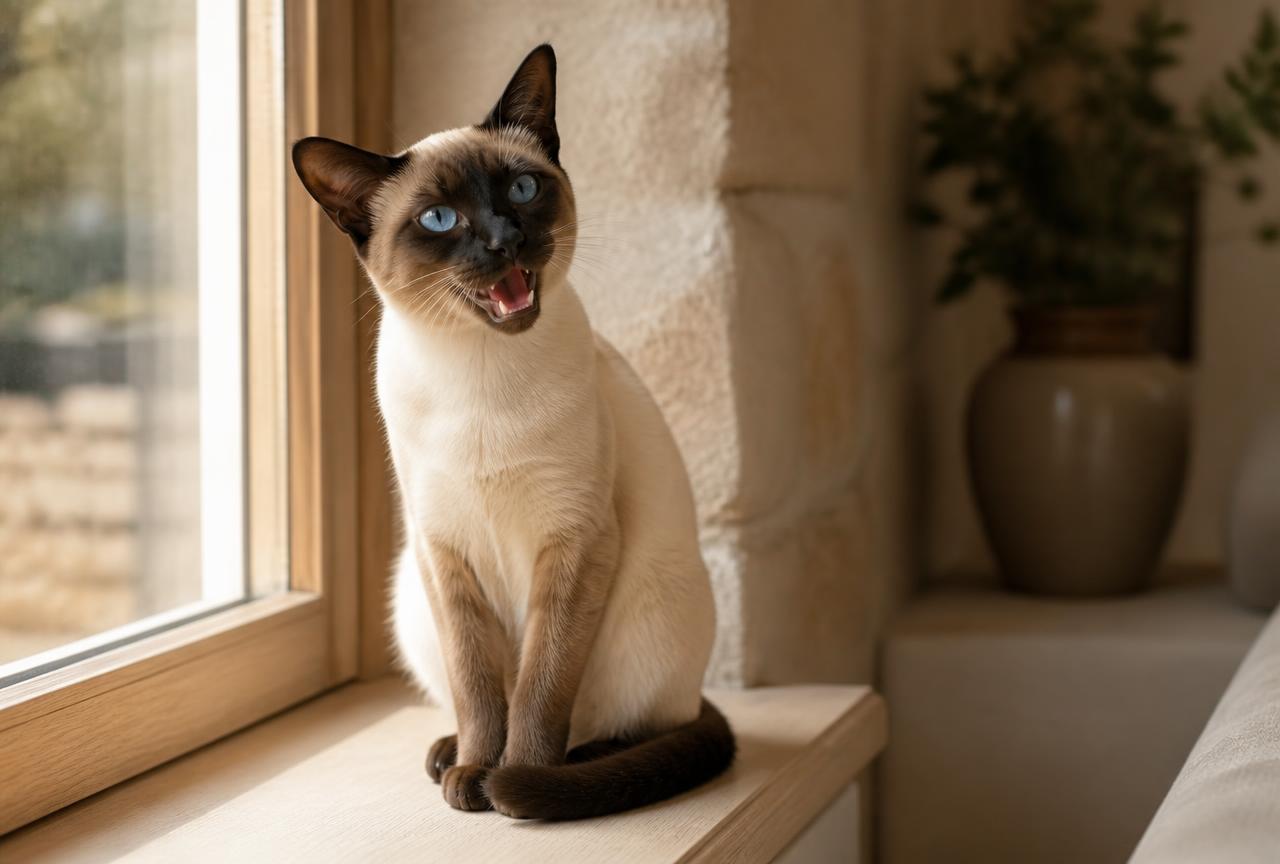
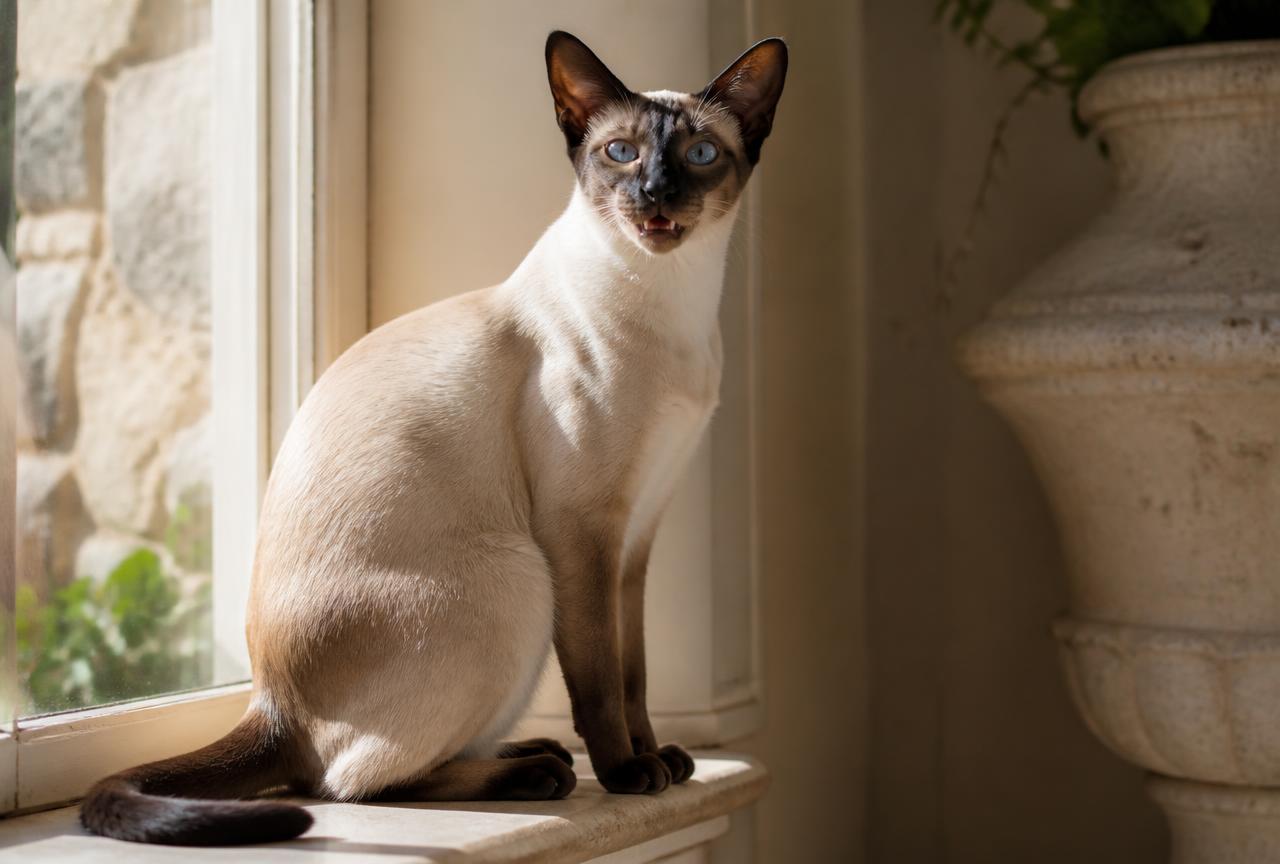
Sleek, angular and pointed, the Siamese is the original talking cat. They form intense bonds with one or two people and will narrate the entire day in a low, insistent voice.
Nobody who has lived with a Siamese describes the experience as peaceful. The breed''s voice is famous, but fame undersells it: this is not a cat that meows when it wants food. This is a cat with opinions about breakfast, the weather, the closed door, the open door, your choice of chair, and the fact that you have stopped playing with it, each delivered in a loud, raspy, unmistakably expressive yowl that carries through walls. Owners learn to answer, because the conversation does not end until you do. If you want a silent house, stop reading here; there are thirty other breeds and none of them will mind.
What the voice buys you, if you can live with it, is the most engaged relationship any breed offers. A Siamese does not cohabit with you; it participates. It learns the household routine faster than the household does, greets you at the door with a full report, supervises cooking from the worktop, and inserts itself between your face and the laptop with the serene confidence of a being that has never once been wrong. Many choose one person as the centre of the universe and treat everyone else as competent staff. It is flattering and exhausting in equal measure.
The body under the commentary is worth noting, because people expecting a delicate cat are surprised. A modern Siamese is a whippy, hard-muscled athlete, males typically 4 to 5.5 kg of spring and reach. They jump from the floor to the top of the wardrobe in one movement, learn to open cupboards and occasionally doors, and play fetch without being taught. The slender build means they feel the cold; the same cat that ignores you all afternoon will be under the duvet by ten.
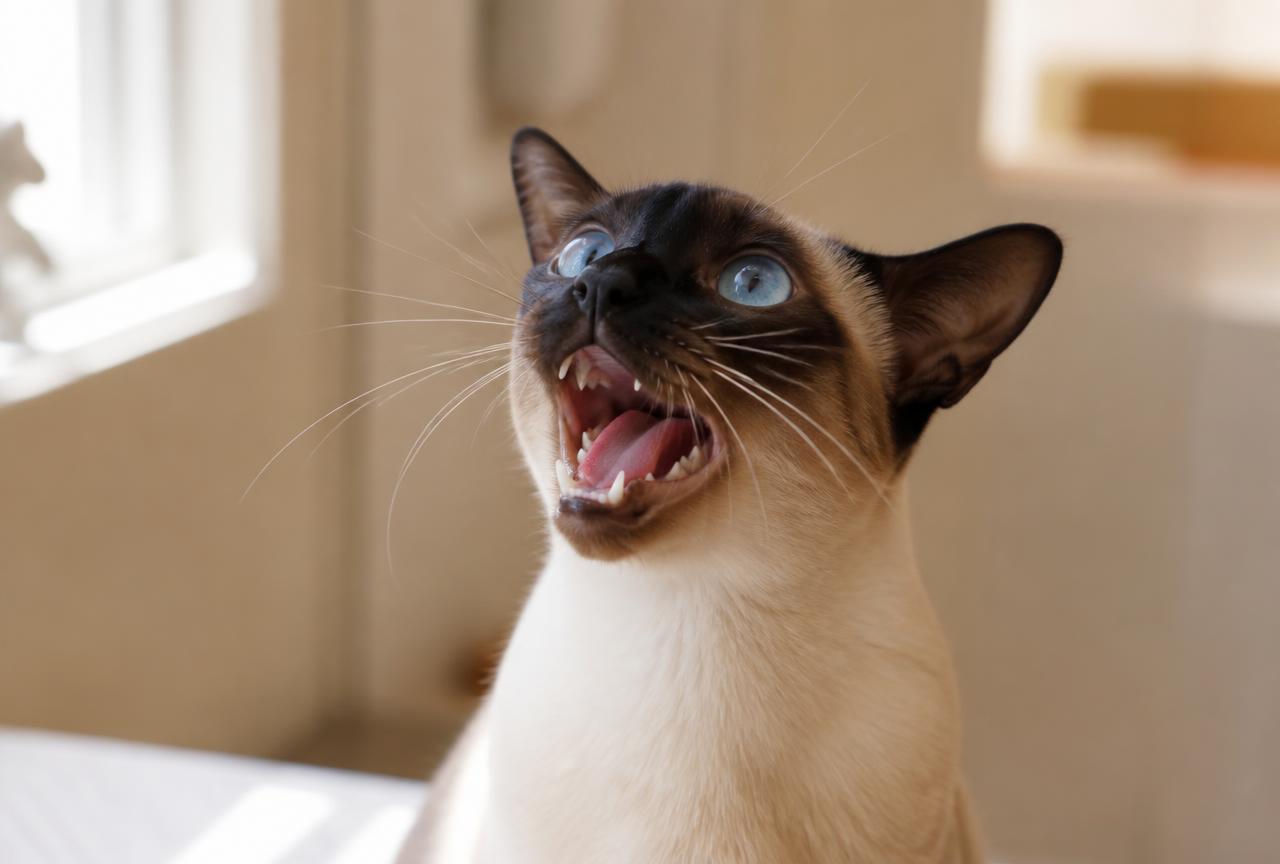
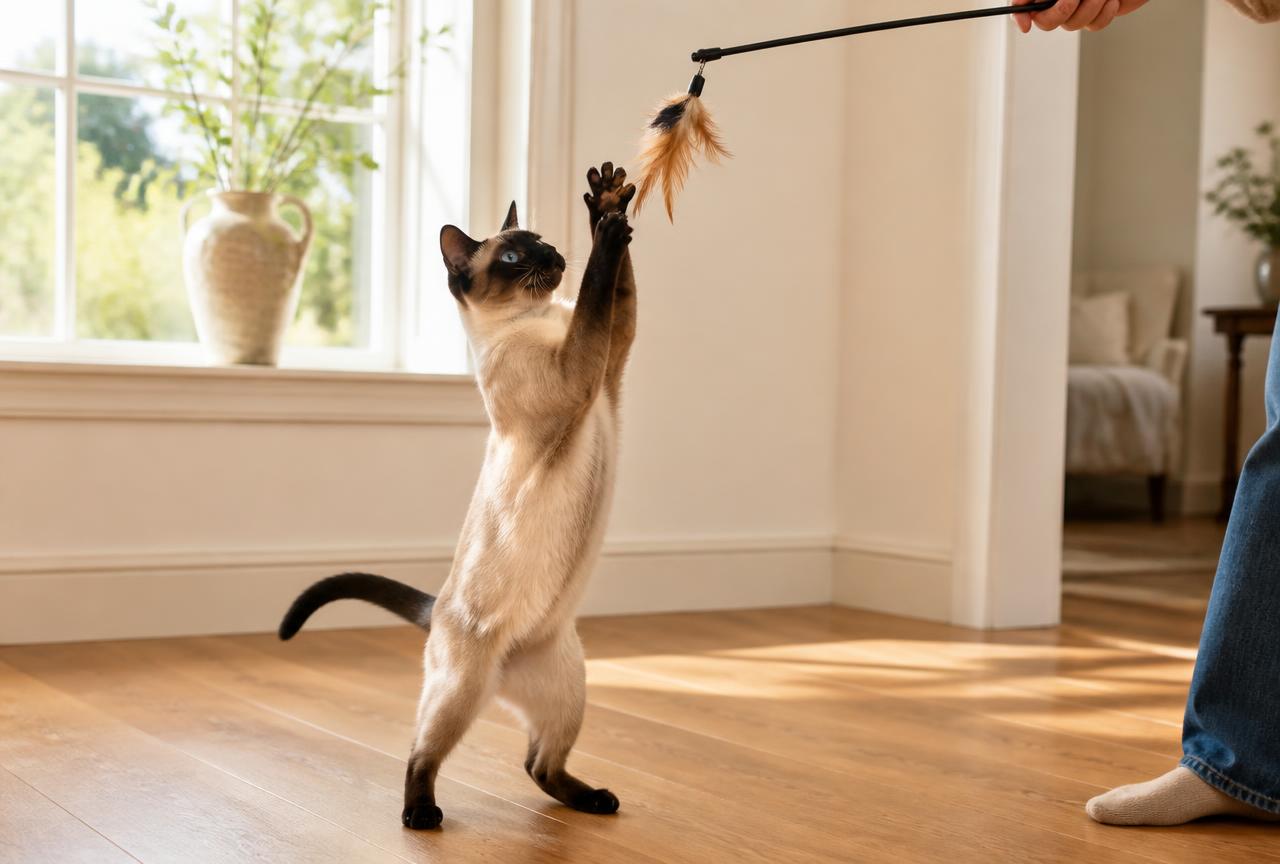
Play is the non-negotiable. Twenty minutes of proper hunting play a day is not enrichment for this breed; it is maintenance. A Siamese with unspent energy does not get quietly bored, it unrolls the toilet paper, knocks the ornaments off the shelf one at a time while maintaining eye contact, and develops habits you will pay a behaviourist to undo. Puzzle feeders, climbing shelves and a second cat all help. Two Siamese, a classic arrangement, will exercise each other at some cost to your soft furnishings and your eardrums.
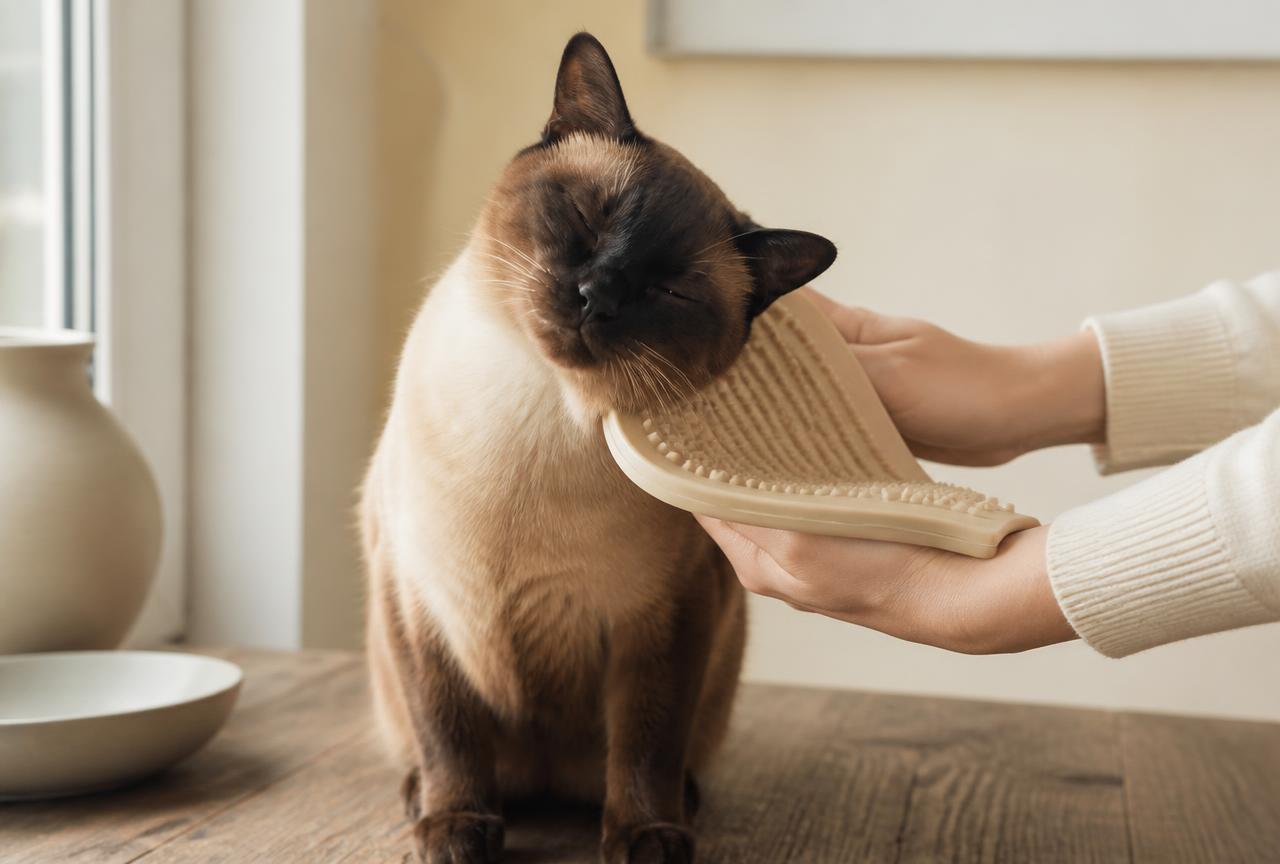
Grooming, by contrast, is a footnote. The short, fine, close-lying coat has no undercoat worth speaking of; a weekly pass with a rubber mitt or a chamois cloth lifts the loose hair and adds a shine, and the cat will treat it as attention, which is the point. The same goes for bathing, essentially never needed. The real coat work is the weekly ear check and claw trim, which a Siamese will submit to while telling you about it.
Health is a good news story with caveats. This is one of the longest-lived pedigree breeds, fifteen years is common, twenty not rare, and the old blemishes (crossed eyes, kinked tails) have been largely bred out of reputable lines. The honest watch-list is dental disease, which the breed is prone to and which rewards early tooth-brushing; a tendency to asthma and bronchial disease in some lines; and, rarely, progressive retinal atrophy, which a good breeder DNA-tests for. A Siamese that goes quiet, incidentally, is a Siamese that needs a vet, silence is the breed''s one alarming symptom.
Choose a Siamese if you want a cat that talks back, follows you room to room, plays like an athlete and sleeps under your duvet, and if you are home enough, and tolerant enough, to be the centre of that much attention. Choose something else if what you actually want is a quiet, decorative, undemanding animal. The Siamese has been royalty''s cat and sailors'' cat for centuries; nowhere in its history is it described as undemanding.
Extraordinary company if you are home a lot. If you work long days away, get two, a lonely Siamese is a loud Siamese.
Grooming, realistically
- 1Weekly: two or three minutes with a rubber grooming mitt or chamois cloth, working with the lie of the coat. The cat will regard this as a social call.
- 2Weekly: check the ears, the breed''s large, open ears collect wax; wipe only what you can see with a damp cotton pad.
- 3Fortnightly: trim the claw tips. A climber this athletic with sharp claws is hard on furniture and on shoulders used as springboards.
- 4Weekly: teeth. Siamese are prone to dental disease; a cat taught young to accept a finger brush saves real money and pain later.
- 5Ongoing: nothing else. No bathing, no de-matting, no seasonal blow. The grooming time you save should be spent on play.
What you actually need
- A rubber grooming mitt or chamois cloth
- Cat claw clippers
- A finger toothbrush and cat toothpaste
- Cotton pads for ear checks
- That is the whole kit, spend the rest on climbing shelves
Kitten to adult
| Age | Male | Female | What is happening |
|---|---|---|---|
| 8 weeks | 0.8–1.0 kg | 0.7–0.9 kg | Kittens are born near-white; the points develop over the first months and keep deepening for life. |
| 4 months | 1.8–2.3 kg | 1.5–2.0 kg | Leggy, fearless and already loud. Mask and ear colour clearly visible. |
| 8 months | 3.0–4.0 kg | 2.2–3.2 kg | Near adult height; muscle and the last of the coat tone still to come. |
| 12 months | 3.8–5.0 kg | 2.5–3.8 kg | Effectively adult in build, though behaviour stays kittenish for years. |
| 18 months | 4.0–5.5 kg | 2.5–4.2 kg | Full adult weight and muscle. Points darken with age, especially in cooler homes. |
Ranges are typical, not targets. Judge condition by ribs and waist, and check with the ideal weight checker.
What to ask a breeder
- Are the parents DNA-tested for progressive retinal atrophy? Ask for the certificates; it is a simple test and there is no excuse for skipping it.
- What do you know about respiratory disease in your lines? Asthma and bronchial problems recur in some Siamese families.
- How are the kittens socialised, and at what age do they leave? Twelve to fourteen weeks, raised underfoot, produces the confident cat the breed should be.
- Can I meet the mother, and is she talking? You are hearing your future. A screamer''s kittens rarely whisper.
- What dental history do your adult cats have? Gum disease runs in the breed, and honest breeders know their lines'' mouths.
- Do you sell kittens singly to homes that are empty all day? A breeder who says yes to that has told you something useful, walk away.
Health watch-list
What to ask a breeder about, and what to watch for over a lifetime. This is orientation, not veterinary advice, anything you notice belongs in front of a vet.
Dental disease
CommonSiamese mouths are prone to early gum disease and resorptive lesions. Tooth brushing taught young and annual dental checks are the highest-value health habit for this breed.
Feline asthma and bronchial disease
NotableRecurring in some lines. Coughing or wheezing that looks like a hairball that never arrives is the classic presentation. It is manageable once diagnosed, report the cough, do not wait it out.
Progressive retinal atrophy
RareAn inherited, painless blindness that responsible breeders now DNA-test out of their lines. Ask for the certificates. First sign an owner notices is night-time hesitation on familiar jumps.
Amyloidosis
RareAn abnormal protein deposit affecting the liver in some Siamese and related oriental lines. Uncommon and not screenable in advance; worth knowing because vague, waxing illness in a middle-aged Siamese deserves thorough bloodwork.
Obesity after neutering
UncommonThe lean build makes it easy to assume a Siamese cannot get fat. A neutered, under-played one can. The tuck of the waist should remain visible from above.
What it costs to keep one
Realistic running cost
€72 / month
About €864 a year, or roughly €15,552 across a 18-year life, before purchase price, neutering and one-off vet events.
Before the cat arrives. Budget roughly €350–650 for trays, carrier, posts, bowls, bedding and grooming kit sized for this breed. Figures throughout are indicative and vary a good deal between countries.
Interactive · built for this breed
Is a Siamese right for your home?
Five honest answers. The verdict updates as you go, and the notes tell you what to change before a kitten arrives.
Verdict
An excellent match
Company, conversation and daily play, exactly what this breed runs on. Spend your effort on kitten-proofing the high shelves.
What to sort out first
- Right. This is a whip-athletic, clever cat; the play is not optional enrichment, it is behaviour management.
For decoding the commentary once a Siamese moves in, read what a Siamese is actually saying, and compare temperaments with the breed matchmaker.
The verdict, by household
Flat dweller
Good, with conditions
Space is not the issue; noise and stimulation are. Thin walls and an under-played Siamese will make you unpopular. Daily play and climbing shelves are mandatory equipment.
Family with young children
Good
Playful and robust with respectful older children, but the sensitive, one-person ones can be sharp with grabby toddlers. Supervise the under-fives and give the cat an escape route.
First-time owner
Workable
Forgiving on grooming and feeding, demanding on everything else. A first-timer who wants engagement will love it; one who wants an easy ornament will not.
Multi-cat home
Excellent
Social, playful and much happier with a feline colleague, the classic answer to the working-day problem is two of them. Introduce properly; a Siamese is territorial about its person.
Allergy-conscious
Fair
The short coat sheds less visibly, but no breed is hypoallergenic and Siamese are not among the low-allergen lines. Spend an evening with an adult before committing.
When to call your vet
- A Siamese that goes quiet. Silence is so out of character in this breed that it is a symptom in itself.
- Coughing, wheezing or open-mouth breathing after play, the breed has a genuine tendency to feline asthma; it is treatable, but it must be diagnosed.
- Bad breath, drooling or dropping food, dental disease starts early in Siamese mouths and is far cheaper caught at the gum-redness stage.
- Bumping into furniture in dim light, or new hesitation on familiar jumps at night, report it; progressive retinal atrophy is rare but real in the breed.
- Any sudden change in the voice itself, hoarse, weaker or different in pitch, is worth a check, especially past middle age.
Nothing here is a diagnosis. Breathing difficulty, sudden hind-leg weakness and straining to urinate are emergencies, go the same day.
Siamese vs the closest alternatives
| Breed | Weight | Energy | Grooming | € / month |
|---|---|---|---|---|
| Siamese | 3–6 kg | 8/10 | 2/10 | €72 |
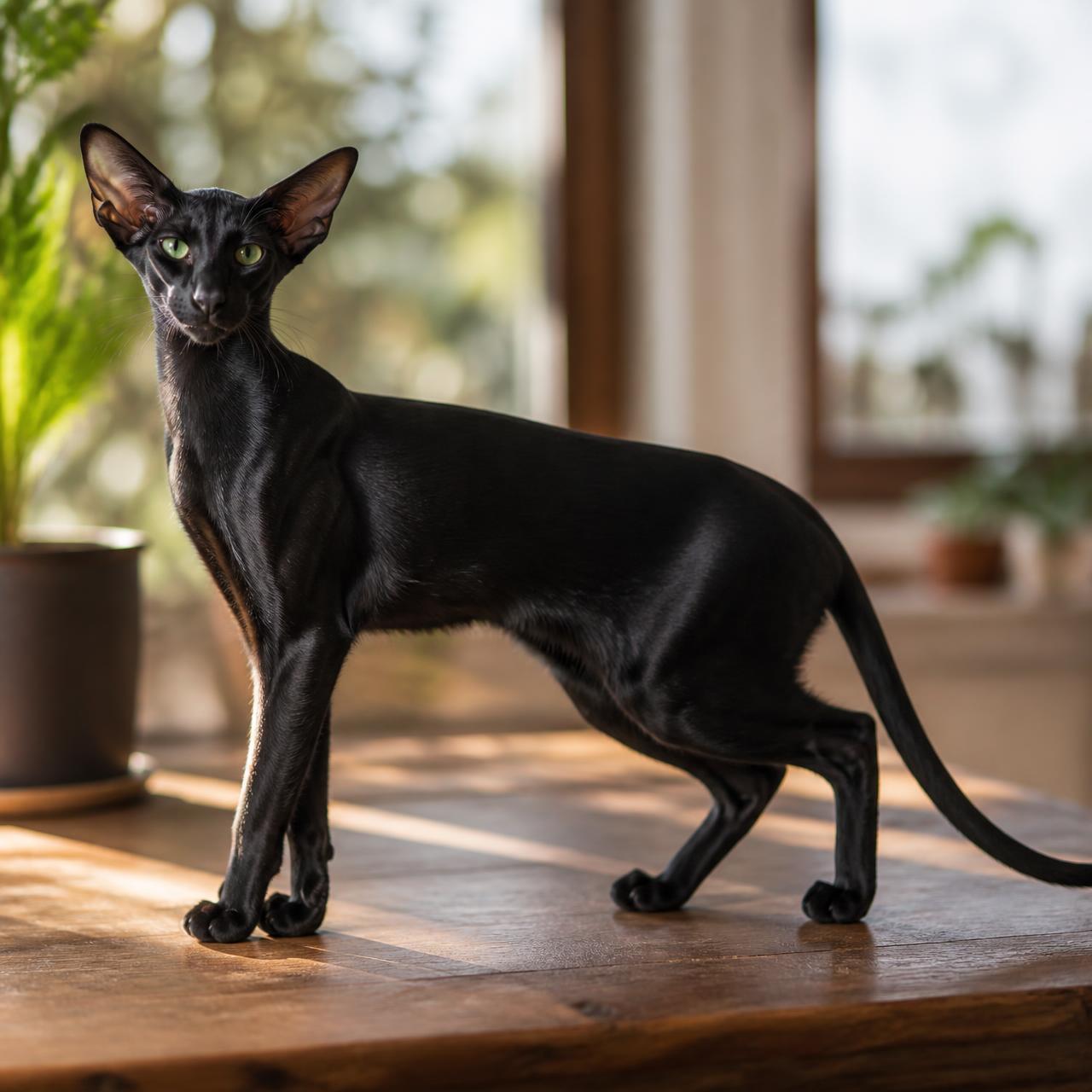
| Oriental Shorthair | 3–5.5 kg | 9/10 | 2/10 | €75 |
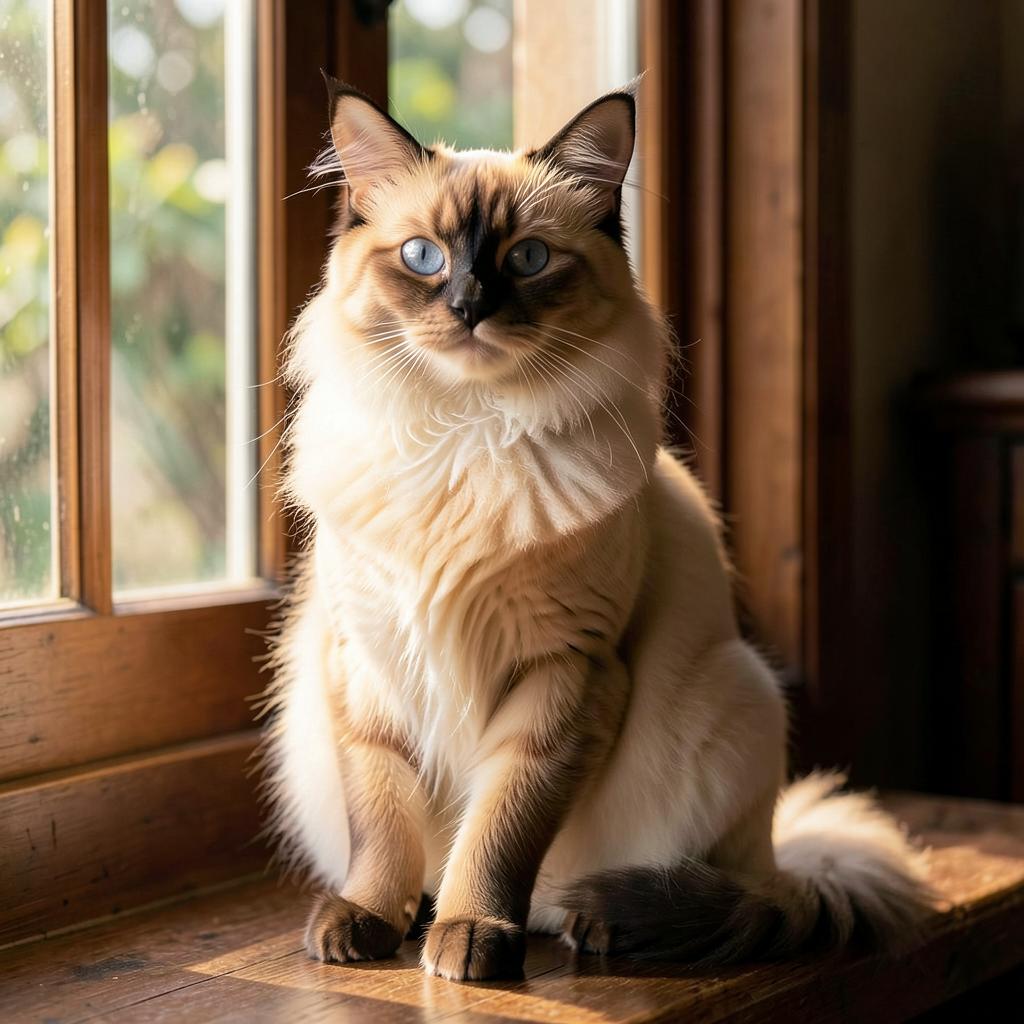
| Balinese | 2.5–5 kg | 8/10 | 5/10 | €84 |
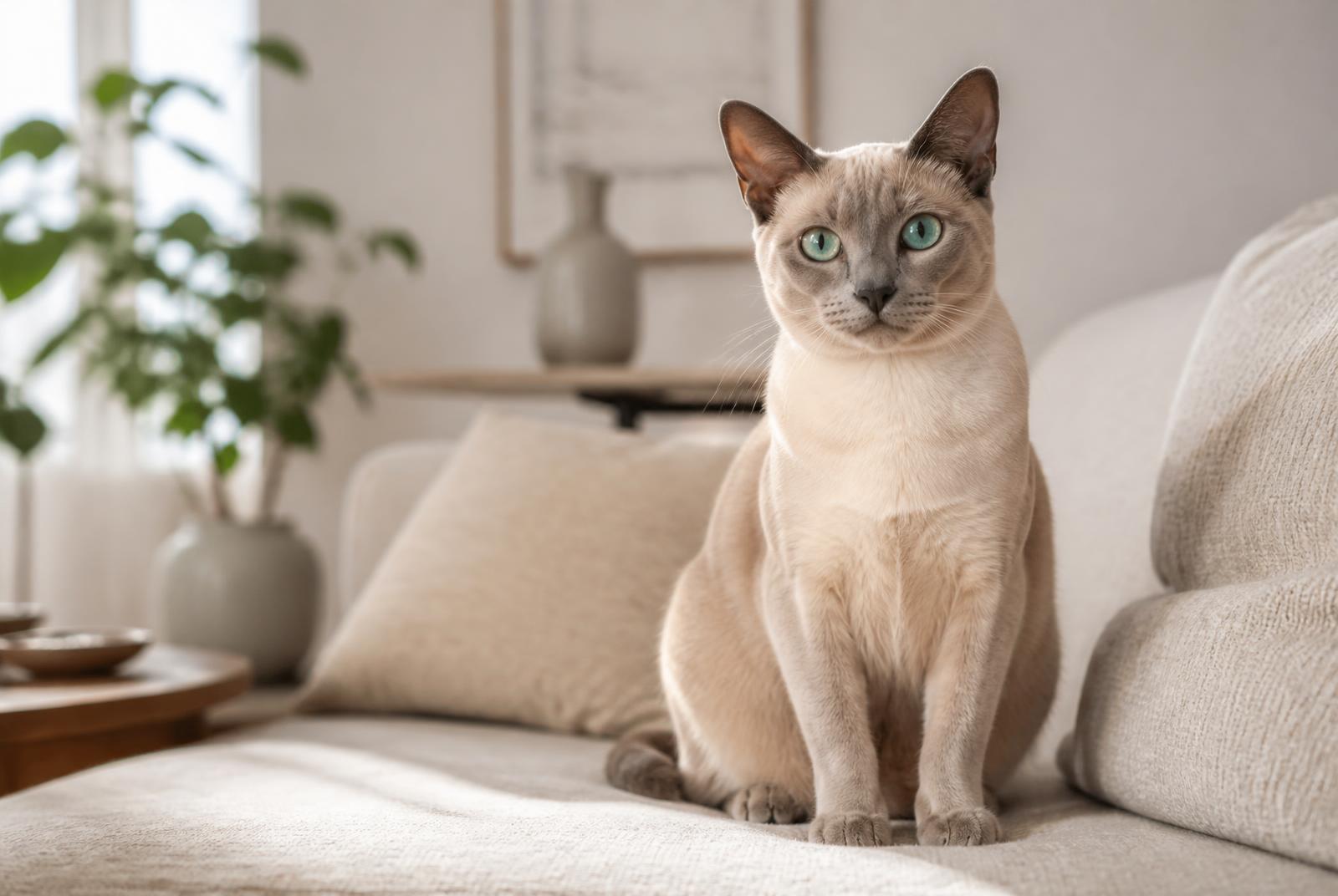
| Tonkinese | 2.5–5.5 kg | 8/10 | 3/10 | €79 |
Siamese questions, answered
Are Siamese cats really that vocal?
Yes. It is not an occasional meow but a running commentary, greetings, complaints, announcements and replies, delivered in a loud raspy yowl, sometimes at night. Most owners learn to talk back. If you need a quiet house, choose a different breed rather than hoping for a quiet Siamese.
Can a Siamese be left alone during the working day?
Not happily as a solo cat. The breed bonds intensely and a Siamese alone for ten hours daily commonly becomes loud, destructive or withdrawn. The classic solutions are a second cat, frequently a second Siamese, or a household where someone is usually home.
Do Siamese cats get darker as they age?
Yes. The pointed pattern is temperature-sensitive: the cooler extremities darken. Kittens are born near-white, points develop over the first months, and the whole coat tends to deepen with age, cats in cooler homes darken faster than cats in warm ones.
Are Siamese good first cats?
For the right person, yes: robust, long-lived, nearly no grooming, and endlessly engaging. The catch is the demands, daily play, constant company and the voice. A first-timer wanting interaction will thrive; one wanting a low-maintenance pet should look at a British Shorthair instead.
How long do Siamese cats live?
Fifteen years is common and twenty is not rare, the Siamese is among the longest-lived pedigree breeds. The variables are the usual ones: indoor living, dental care, weight control, and a vet check that does not skip the mouth.
Do Siamese shed much?
Modestly. The short, fine coat has little undercoat and sheds lightly and evenly rather than in seasonal clouds. A weekly rubber-mitt session lifts most of it. You will find hairs, but nothing like the tumbleweeds a Maine Coon or Ragdoll produces.
Why does my Siamese follow me everywhere?
Because it is a Siamese. The breed was selected for centuries as a close companion, and following, supervising and sitting on whatever you are using is the job description. It is attachment, not anxiety, though a cat that also yowls and paces when you leave may need more play and routine.
Sources
- Siamese breed profile, International Cat Care
- Feline asthma and bronchial disease, Cornell Feline Health Center
- Feline dental disease, Cornell Feline Health Center
- Siamese breed standard, The International Cat Association
- WSAVA Global Nutrition Guidelines, World Small Animal Veterinary Association