United States (from Siamese lines)
Balinese
All the intelligence and conversation of a Siamese, wrapped in a silky single coat that mats far less than it looks like it should.
ReMews. veterinary review board
The longhaired Siamese, minus the undercoat
The short version
- A longhaired Siamese: same build, same voice, same intelligence
- Single silky coat with no undercoat, combing twice a week is enough
- Cannot cope with long days alone; a second cat helps considerably
- Points darken with age and in cooler homes
- Frequently lives to eighteen or beyond
- Weight
- 2.5–5 kg
- Lifespan
- 14–20 yrs
- Coat
- Long
- Size
- Medium
- Grown male
- 3.5–5 kg
- Grown female
- 2.5–4 kg
- Years to full size
- about 2
- One-off setup
- €900–1700
Get one if…
- People who work from home or are usually in
- Households happy to keep two cats
- Owners who enjoy training and interaction
- Anyone who wants a longhaired cat without the grooming burden
Think again if…
- Homes empty for ten hours a day
- Anyone who needs a quiet cat
- Thin-walled flats with sensitive neighbours
- Owners who want an independent, low-contact pet
Trait profile
Very high affection and vocality, high intelligence and energy. Grooming looks demanding and is not, there is no undercoat to mat.
Space & setup. Content in a flat provided it has height, toys and company. Isolation, not square metres, is what this breed cannot tolerate.
Allergies. No cat is hypoallergenic. The single coat sheds less visibly, but the Balinese produces the same Fel d 1 protein as any other cat. Spend time with an adult before deciding.
The review
The Balinese is a longhaired Siamese: same elegant build, same colourpoints, same insistent voice and formidable intelligence, but with a fine single coat and a plumed tail. It is affectionate to the point of dependency and unsuited to long days alone.
A Balinese is a Siamese wearing better clothes. The breed began as an occasional longhaired kitten appearing in pedigree Siamese litters, for years a fault to be quietly rehomed, until American breeders in the mid-twentieth century decided the look deserved recognition. The name has nothing to do with Bali; it was chosen because the cats moved like Balinese temple dancers, which is exactly the kind of thing people named cats after in 1955.
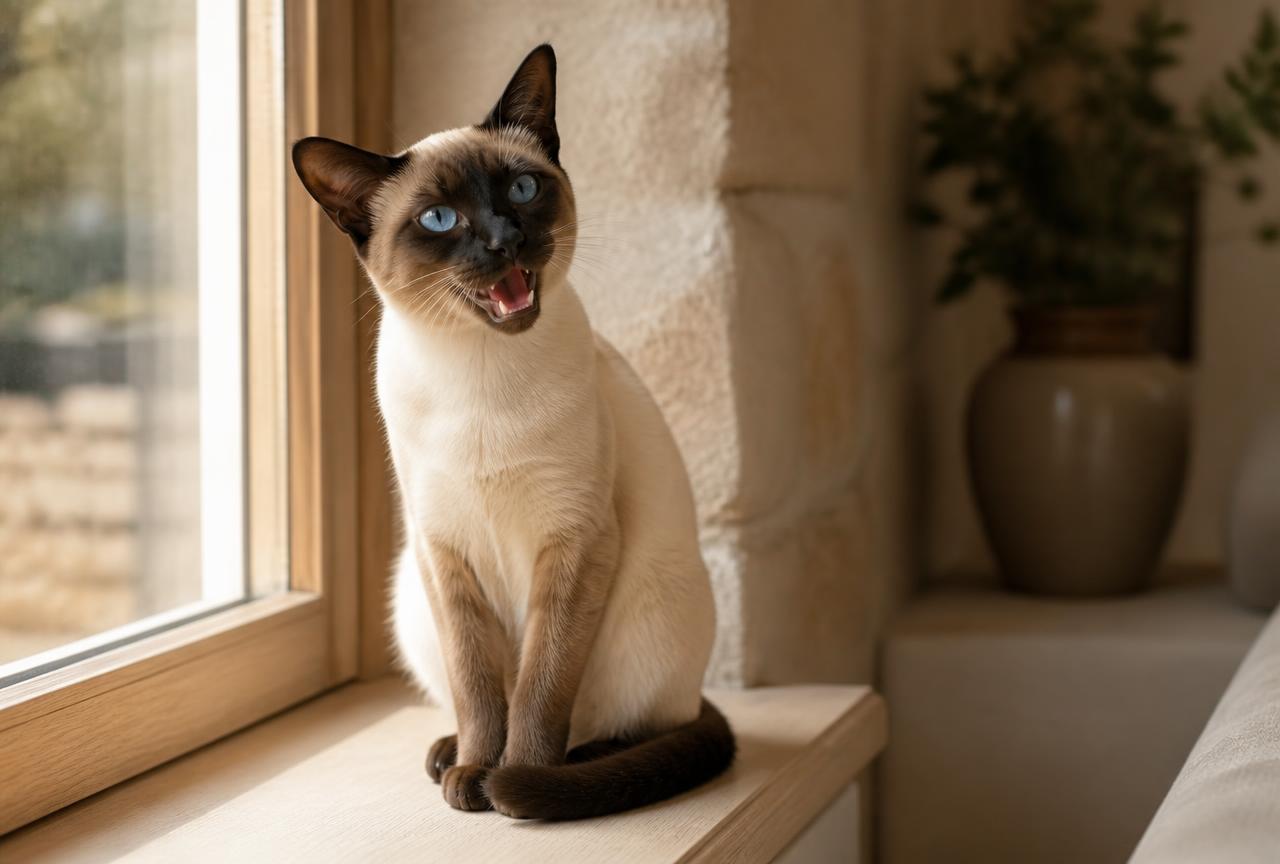
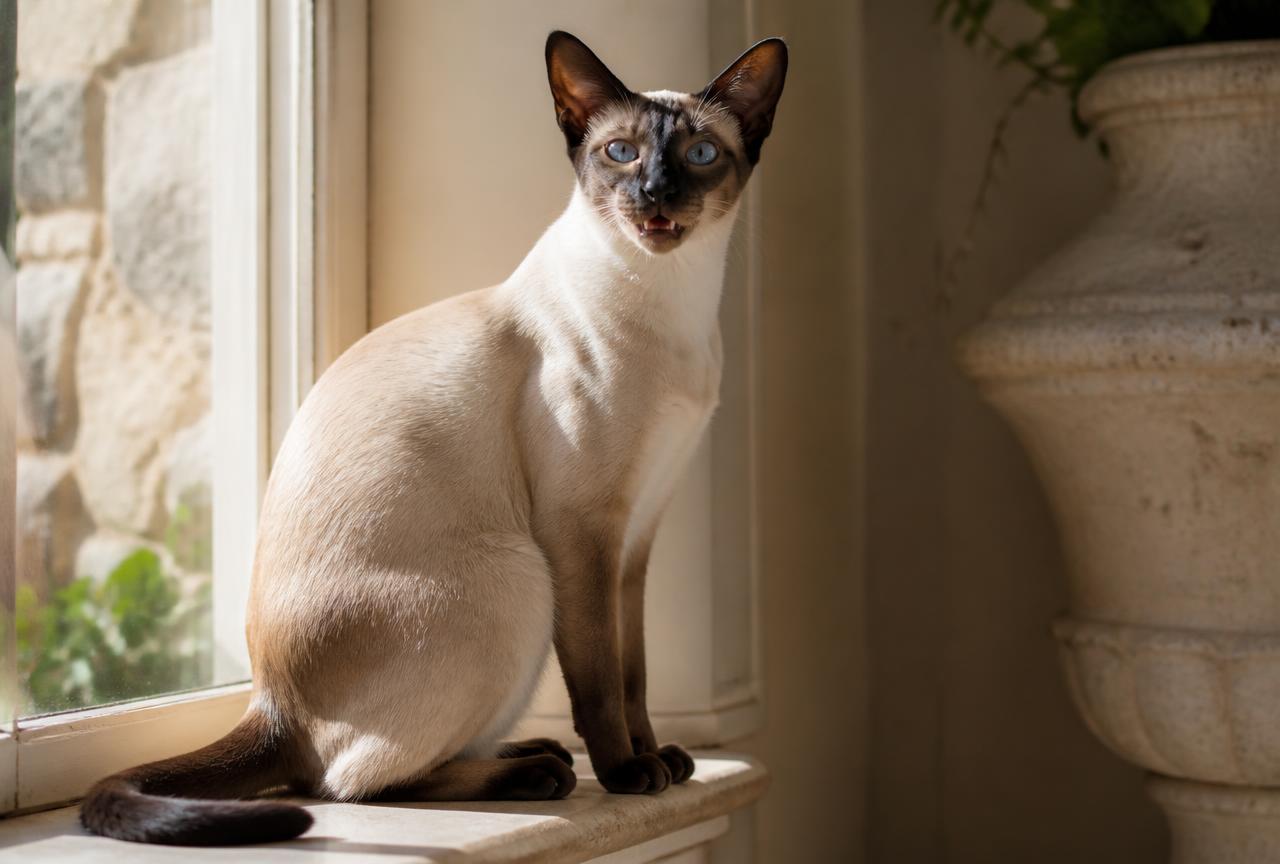
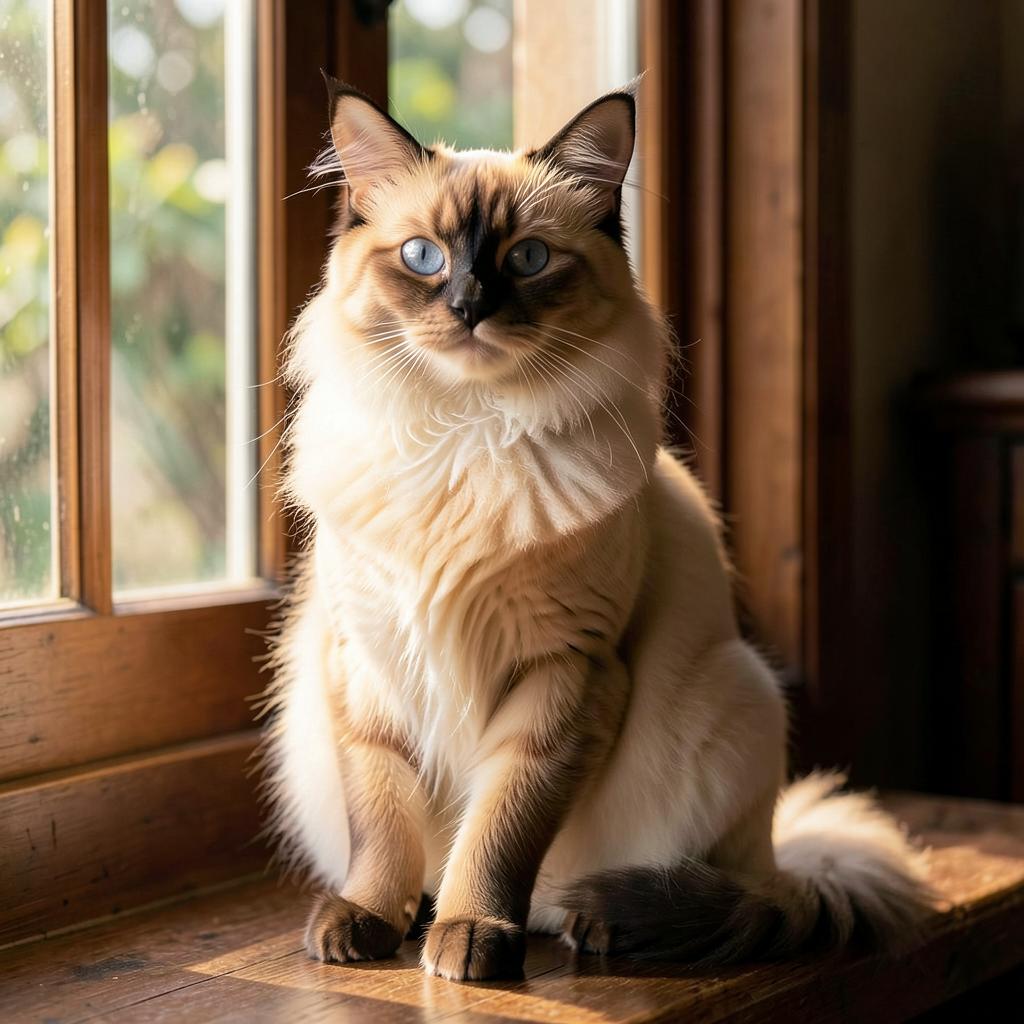
Structurally, the Balinese is the Siamese: a long, fine-boned, tubular body, a wedge-shaped head, enormous ears, and deep blue almond eyes set on the slant. The colourpoint pattern comes from a temperature-sensitive enzyme, which is why the cooler extremities, face, ears, legs, tail, carry the colour while the body stays pale. Kittens are born almost white and develop their points over the first weeks, and the points continue to darken slowly for life. A Balinese living in a cold house will darken faster than one living in a warm one, which is a genuinely observable effect and not a myth.
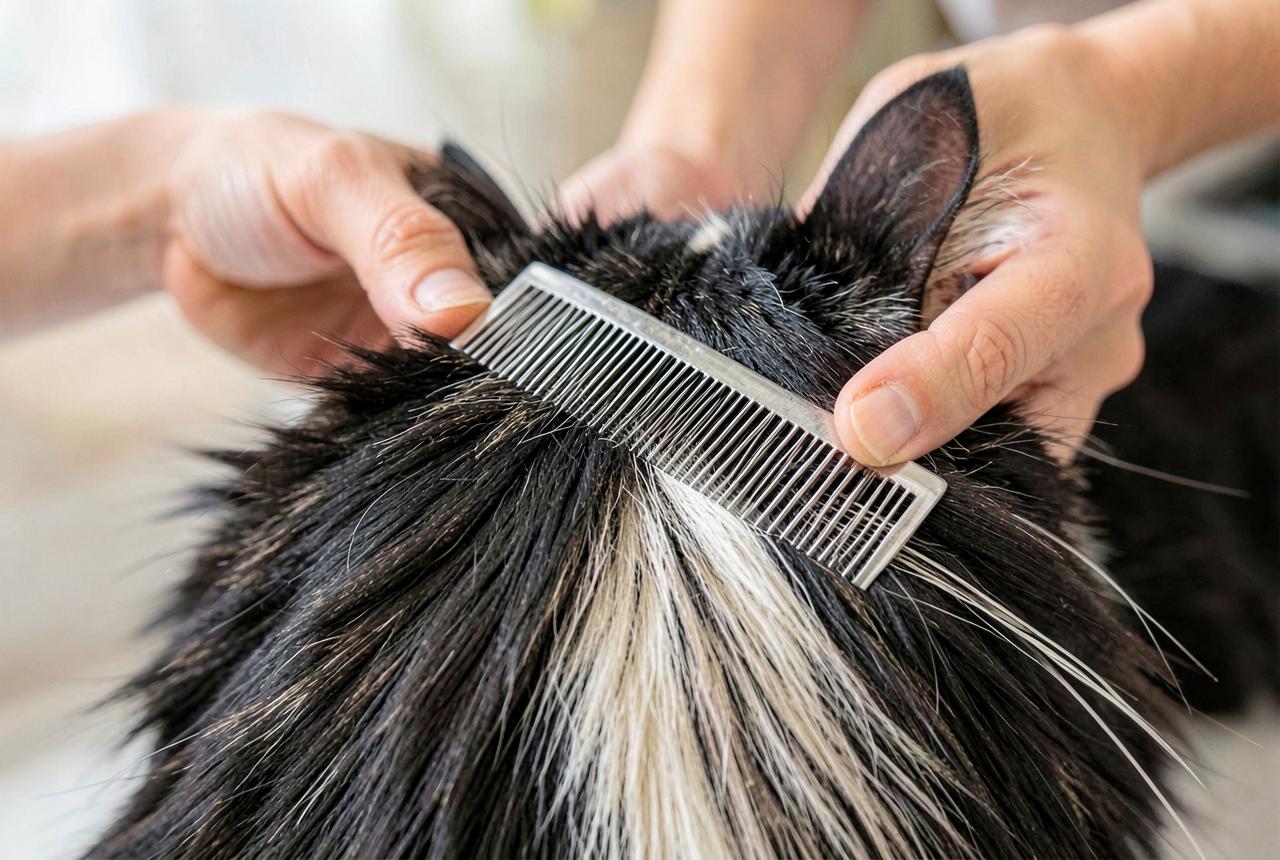
The coat is the part people get wrong. It is not a Persian coat. There is no woolly undercoat, only a single layer of fine, silky hair, longest at the ruff and the plumed tail and lying close to the body elsewhere. It does not mat readily, it does not hold a great deal of loose hair, and it needs combing perhaps twice a week rather than daily. Anyone who has fought a double coat will find the Balinese a relief. Twice a year it sheds a little more and you comb a little more often. That is the whole grooming story, aside from claws and teeth.
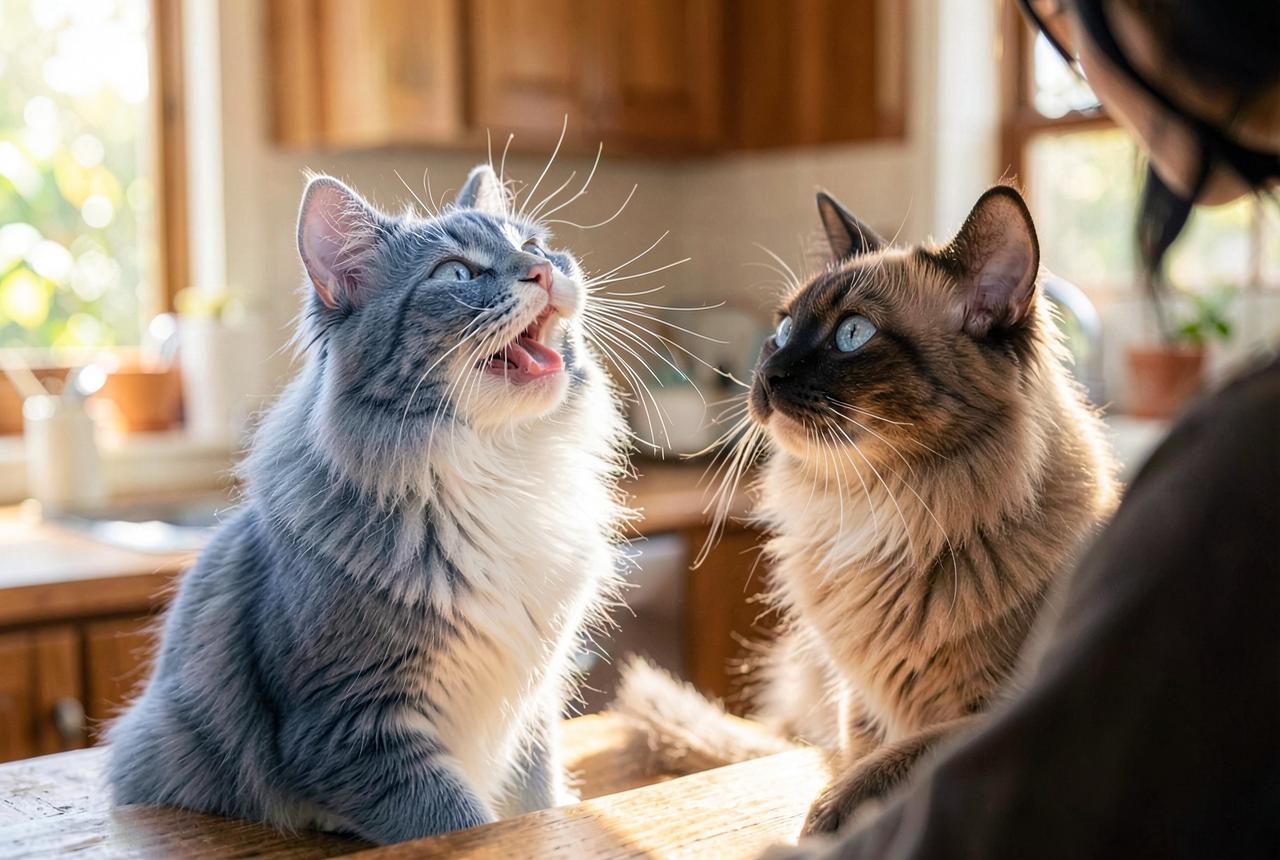
The personality, on the other hand, is the entire proposition. Balinese are among the most intelligent domestic cats and among the most emotionally demanding. They do not simply enjoy your company; they require it. A Balinese will follow you from room to room, sit on the paper you are reading, supervise the shower, sleep against your neck, and object loudly when a door closes between you. Owners who work from home adore them. Owners out ten hours a day find they come back to a distressed, destructive, extremely vocal animal.
And they are vocal. The voice is the Siamese voice, carrying, insistent, capable of remarkable volume, though many owners find the Balinese slightly softer and less strident. Slightly. They comment on arrivals, departures, food, closed doors and anything you do that they consider interesting. If noise is a problem in your building or your household, this breed is a mistake.
The intelligence needs a job. Balinese learn to open cupboards, work out where the treats live, fetch reliably, walk on a harness and respond to their names. Puzzle feeders, a tall cat tree, clicker sessions and rotating toys are not enrichment extras here; they are the difference between a delightful cat and an inventive vandal. Many will happily learn a small repertoire of tricks purely because being taught something is itself the reward.
They are social with other animals too. A Balinese usually welcomes a second cat and often gets on well with a calm dog, and a pair keeps each other occupied in a way that solves half the separation problem. Where a household is out during the day, two Balinese are considerably kinder than one.
Health follows the Siamese lines closely, and that means asking real questions. Progressive retinal atrophy has a DNA test and no responsible breeder should be selling untested lines. Amyloidosis affecting the liver appears in some Oriental and Siamese families, and lymphoma is reported at a somewhat higher rate than average. Crossed eyes and a kinked tail were once common and have largely been bred out. Dental disease is the most likely thing you will actually face; the fine jaw crowds teeth and brushing genuinely helps.
The compensation is longevity. Balinese frequently reach eighteen, and cats of twenty are not remarkable. That is a long commitment to a cat that will talk to you every day of it.
Buy one if you want a real relationship with an animal, if someone is usually home, and if you are not attached to silence. Buy something else if any of those three is untrue, a Balinese punished by loneliness is a sad, noisy, entirely avoidable outcome.
A brilliant, funny, exhausting companion for someone who is home. The coat is easier than it looks; the personality is not.
Grooming, realistically
- 1Comb twice a week with a fine-tooth metal comb
- 2Give extra attention to the ruff and the plumed tail
- 3Comb every other day during the seasonal shed
- 4Brush teeth two or three times a week, the fine jaw crowds teeth
- 5Trim claws every two to three weeks
What you actually need
- Fine-tooth metal comb
- Soft slicker brush for the tail plume
- Cat toothbrush and enzymatic paste
- Nail clippers
- Puzzle feeders and a wand toy
Kitten to adult
| Age | Male | Female | What is happening |
|---|---|---|---|
| 3 months | |||
| 6 months | |||
| 9 months | |||
| 12 months | |||
| Full size |
Ranges are typical, not targets. Judge condition by ribs and waist, and check with the ideal weight checker.
What to ask a breeder
- Are both parents DNA-tested clear for progressive retinal atrophy?
- Is there any history of amyloidosis or lymphoma in your lines?
- Have the parents been scanned for heart disease?
- How long do cats in your lines typically live?
- Do you recommend homing kittens in pairs?
Health watch-list
What to ask a breeder about, and what to watch for over a lifetime. This is orientation, not veterinary advice, anything you notice belongs in front of a vet.
Progressive retinal atrophy
UncommonAn inherited, gradual loss of vision with a reliable DNA test. Both parents should be tested clear, ask to see the certificates.
Amyloidosis
RareAbnormal protein deposits, usually in the liver, reported in some Siamese and Oriental families. Signs include increased thirst, vomiting and weight loss.
Dental disease
CommonThe fine wedge-shaped jaw crowds teeth and encourages plaque. Regular brushing and annual checks make a measurable difference.
Hypertrophic cardiomyopathy
UncommonNot breed-exclusive, but ask whether both parents have had a proper cardiologist scan.
Lymphoma
UncommonReported at a somewhat higher rate in Siamese-derived breeds. Unexplained weight loss or persistent vomiting deserves prompt investigation.
Separation-related stress
CommonNot a disease, but the commonest welfare problem in the breed. Over-grooming, constant calling and inappropriate toileting often trace back to loneliness.
What it costs to keep one
Realistic running cost
€84 / month
About €1,008 a year, or roughly €17,136 across a 17-year life, before purchase price, neutering and one-off vet events.
Before the cat arrives. Budget roughly €900–1700 for trays, carrier, posts, bowls, bedding and grooming kit sized for this breed. Figures throughout are indicative and vary a good deal between countries.
Interactive · built for this breed
Is a Balinese right for your home?
A longhaired Siamese with the same voice and the same need for company, but a coat far easier than it looks. Five questions on noise, hours alone, grooming and experience.
Verdict
An excellent match
You want closeness and conversation, which is the whole point of this breed.
Keep the weight honest with the ideal weight tool, or compare the alternatives in the matchmaker.
The verdict, by household
Excellent with children old enough to play properly. Thrives on activity and attention.
Well suited on space, less so on sound. The voice carries through walls.
Rewarding but demanding. Only if someone is home most of the day.
Usually delighted by a second cat and comfortable with a calm dog.
When to call your vet
- Bumping into furniture or hesitancy in dim light
- Increased thirst or urination
- Persistent vomiting or weight loss
- Bad breath, drooling or dropping food
- A normally talkative cat falling silent
- Laboured breathing or reduced exercise tolerance
Nothing here is a diagnosis. Breathing difficulty, sudden hind-leg weakness and straining to urinate are emergencies, go the same day.
Balinese vs the closest alternatives
Balinese questions, answered
Is a Balinese just a longhaired Siamese?
Essentially yes. The breed began as longhaired kittens appearing naturally in pedigree Siamese litters. Build, colourpoints, voice and temperament are Siamese; the coat is a single silky layer with a plumed tail.
Does the long coat mat?
Far less than people expect. There is no woolly undercoat, so the silky hair lies flat and rarely tangles. Combing twice a week keeps a Balinese in good order, with a little more attention during the seasonal shed.
Are Balinese hypoallergenic?
No cat is. The claim circulates because the single coat sheds less visibly, but the Fel d 1 protein responsible for most allergies comes from saliva and skin, not coat length. Spend time with adult cats before committing.
How loud are they?
Loud. The voice is the Siamese voice, carrying and insistent, though many owners find it slightly softer. Balinese talk about arrivals, meals, closed doors and anything they find interesting, which is most things.
Can a Balinese be left alone during the day?
Not comfortably. This is one of the most companion-dependent breeds, and a full working day alone regularly produces over-grooming, destructive behaviour and constant calling. If the house is empty, keep two cats.
Why are the points getting darker?
Point colour is produced by a temperature-sensitive enzyme, so cooler areas of the body carry more pigment. Points darken naturally with age, and a cat living in a cool home will darken faster than one in a warm one.
How long do Balinese live?
Frequently eighteen years, and twenty is not exceptional. Good dental care, a controlled weight and DNA-tested parents give the best chance of the full span.