Kidney disease in cats: the slow one you can catch early
By the time a cat looks ill, most of the kidney function has already gone. The early signs are boring, domestic and easy to record.
Marta Fenwick
Feline health writer, ISFM-trained
Published 4 September 2026
Reviewed by Dr Anneke Rautenbach BVSc
The short version
- Signs usually appear only after around two thirds of kidney function has been lost, so early detection depends on testing rather than watching.
- The two earliest home signals are drinking and urinating more, and slow weight loss over months.
- SDMA rises earlier than creatinine, and dilute urine with normal creatinine is often the first abnormal result.
- From eleven years old, an annual blood and urine screen is the standard recommendation, moving to twice yearly past about fourteen.
- A therapeutic renal diet with controlled phosphate has the best evidence for extending survival, but only after diagnosis.
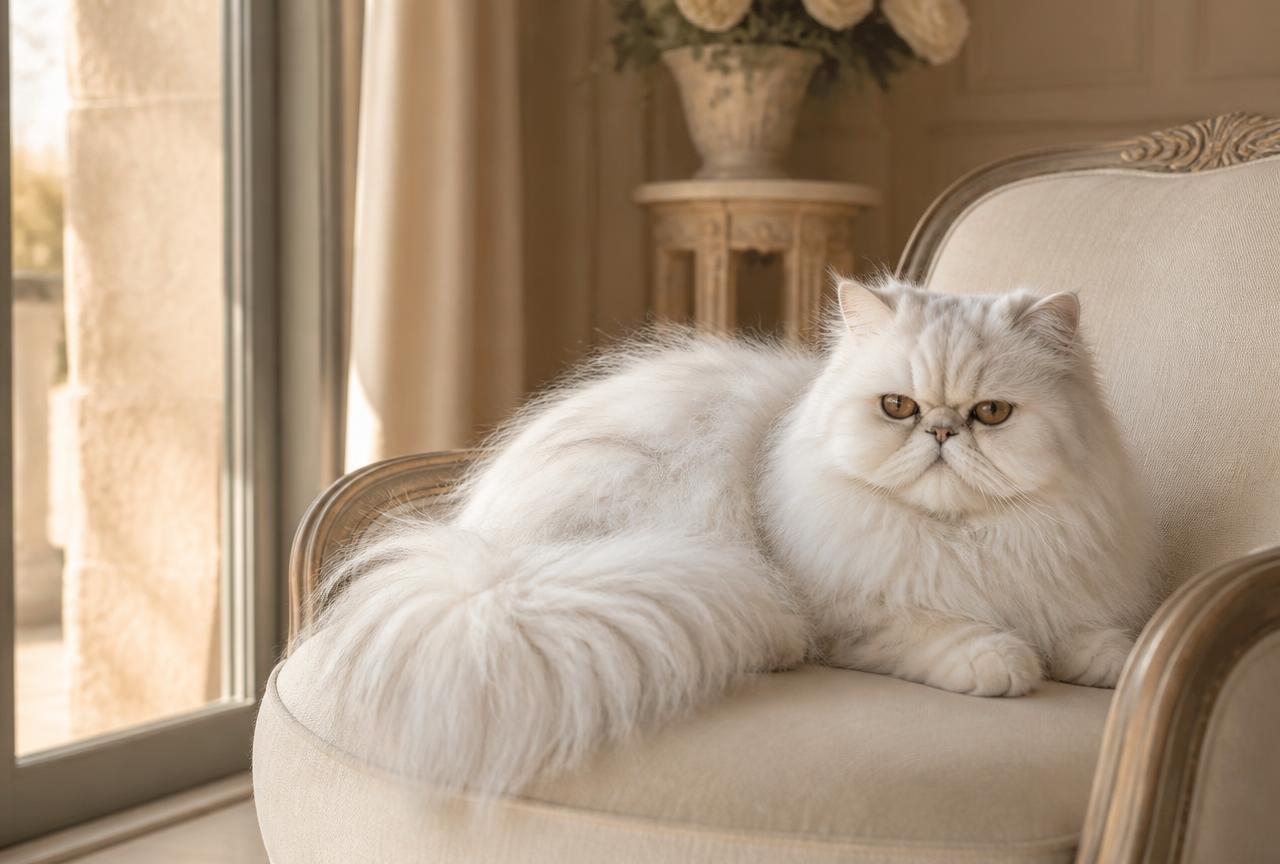
- Persians and related breeds should be asked about specifically, because polycystic kidney disease is inherited and appears far earlier.
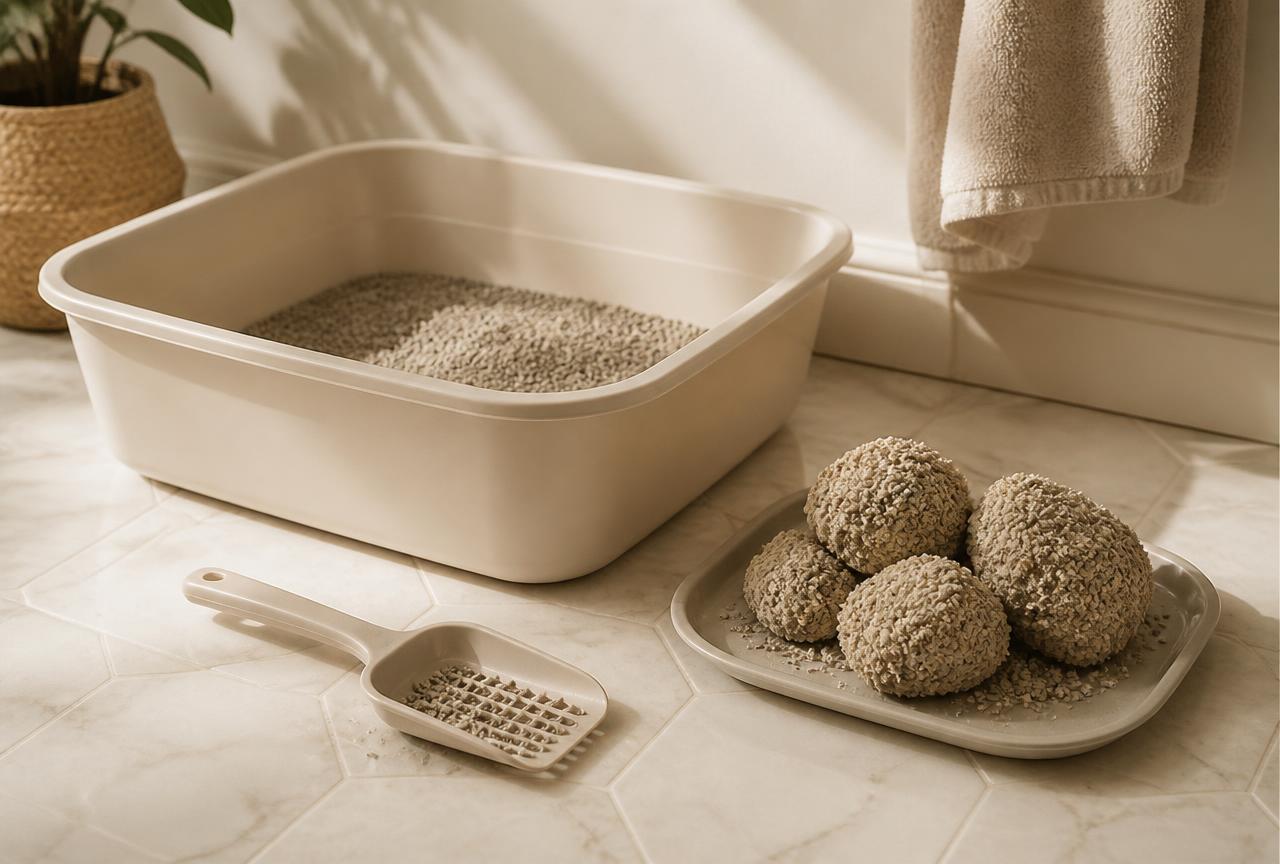
Kidney disease does not announce itself. There is no limp, no cough, no obvious bad day. What there is instead is a water bowl that needs filling more often, litter clumps that have quietly doubled in size, and a cat that weighs a little less every time you think to check. Cats compensate so well that outward signs typically appear only once around two thirds of functional kidney tissue has been lost.
That is the frustrating part and also the useful part. The disease is slow, which means there is a long window in which it can be found on a blood and urine test while the cat still looks perfectly well. Cats diagnosed in that window, and managed properly, often live for years with a good quality of life. Cats diagnosed in a crisis usually do not.
What the kidneys actually do
They filter waste products out of the blood, concentrate urine to conserve water, regulate phosphate, potassium and blood pressure, and produce the hormone that tells the bone marrow to make red blood cells. Chronic kidney disease degrades all of that, which is why the illness eventually touches appetite, hydration, blood pressure and even the coat.
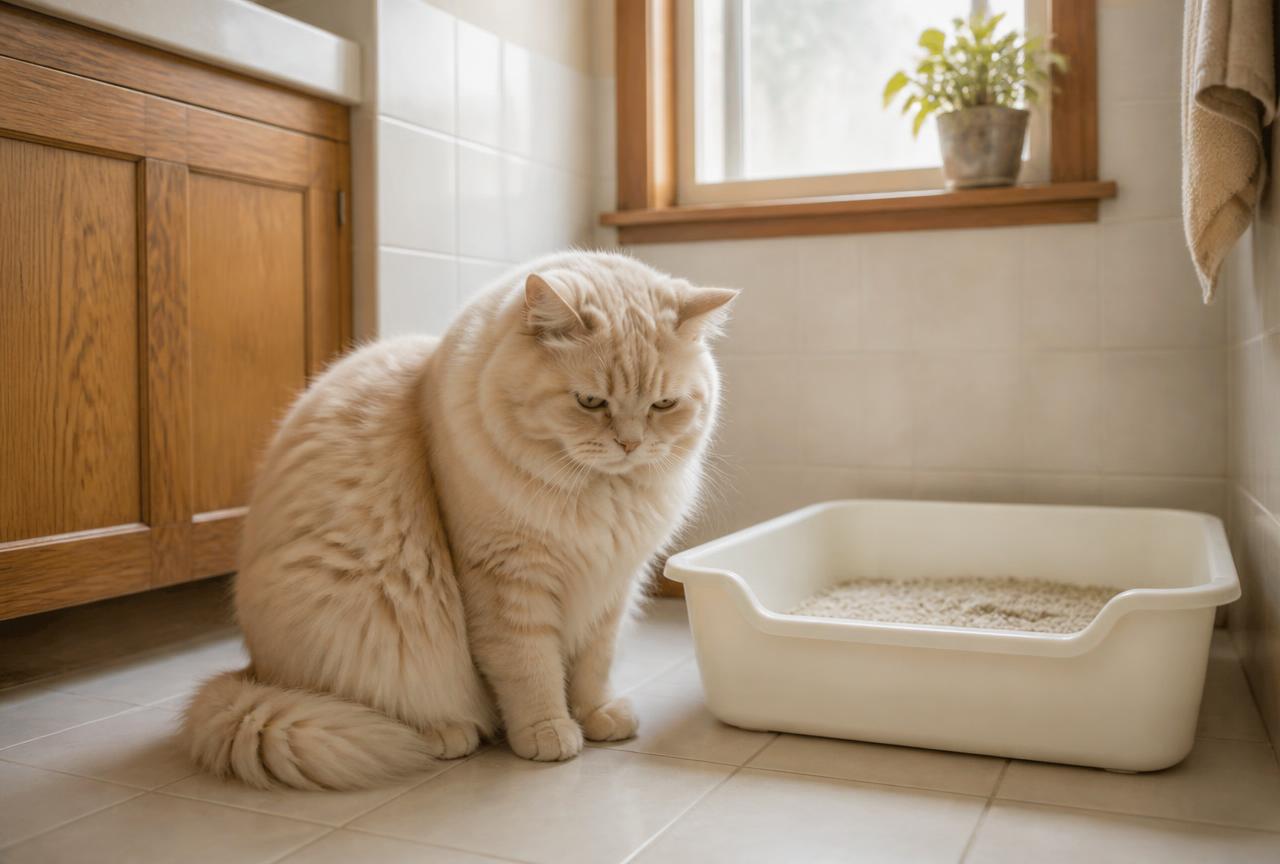
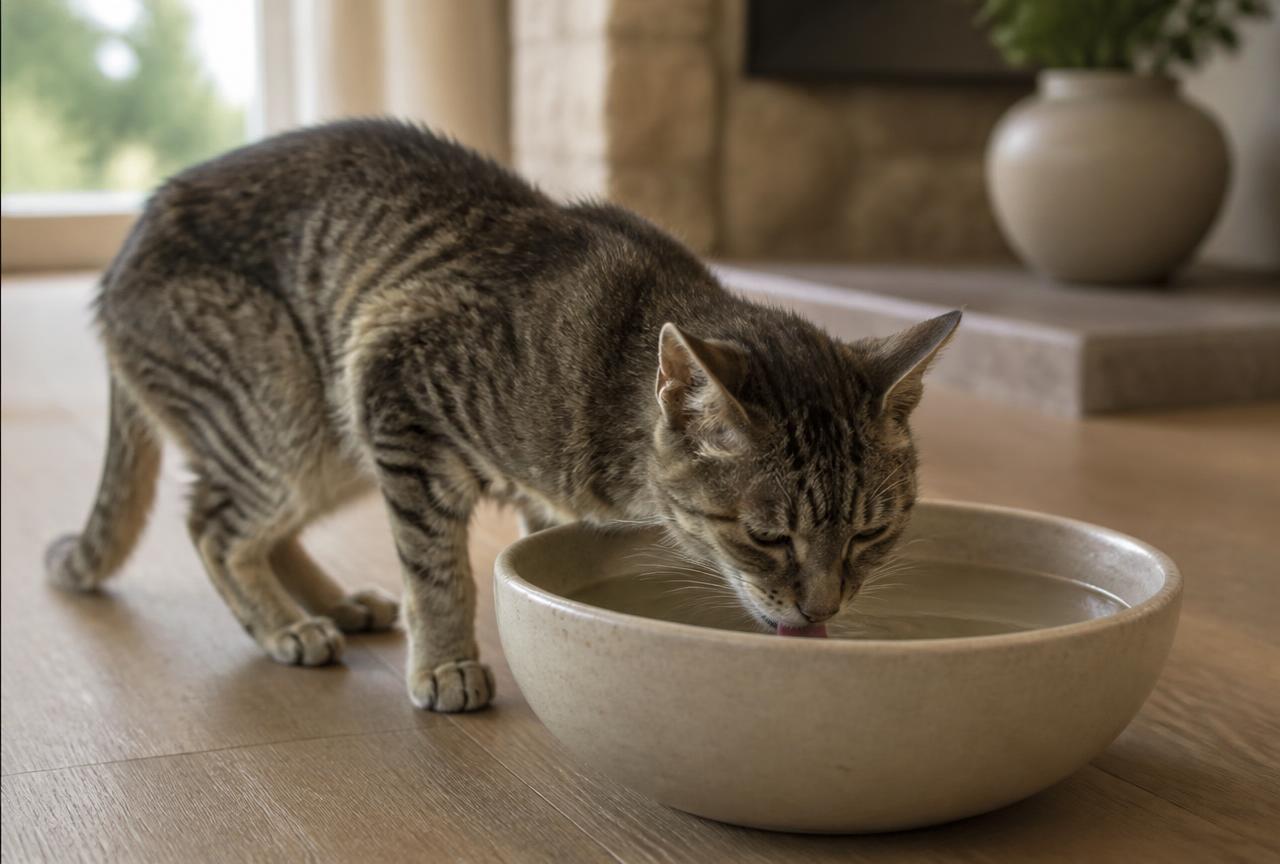
The first function to fail is concentration. A kidney that can no longer concentrate urine puts out more water, so the cat loses fluid and drinks to keep up. That single mechanism explains the two earliest signs: more drinking, and larger or more frequent wet patches in the tray.
The early signs, ranked by how useful they are
| Sign | Why it happens | How early it appears |
|---|---|---|
| --- | --- | --- |
| Drinking more, urinating more | The kidney cannot concentrate urine | Earliest reliable home sign |
| Slow weight loss over months | Reduced appetite and protein loss | Early, and often missed without scales |
| Picking at food, nausea | Waste products building up in the blood | Early to middle |
| Breath with a chemical or ammonia edge | Uraemia | Middle |
| Dull, unkempt coat, less grooming | General malaise and dehydration | Middle |
| Vomiting, lethargy, hiding | Advanced uraemia | Late |
| Mouth ulcers, weakness, pale gums | Severe disease and anaemia | Late |
Notice that everything in the top half is measurable rather than visible. This is why a set of flat kitchen scales, used fortnightly, is one of the better pieces of veterinary equipment a cat owner can buy. Our water intake guide sets out how much a cat of a given weight should be drinking, which makes "drinking more" a number rather than a hunch.
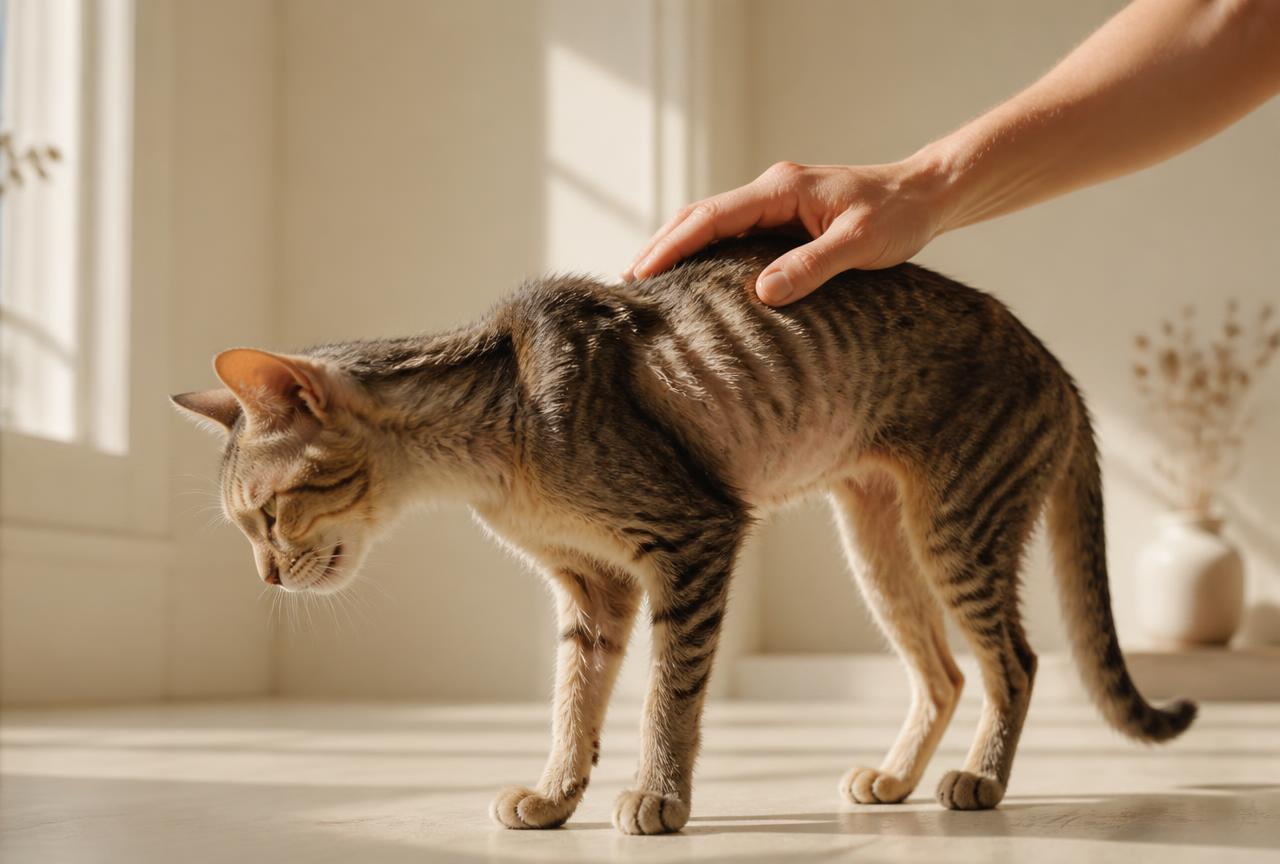
Weight is the earliest honest signal you have. A cat that has lost half a kilogram over six months has told you something, whatever it looks like from the sofa.
Interactive
Kidney risk check
Kidney disease is found early on paper and late at home. This weighs age against the signs that usually arrive first.
Where this sits
Low concern for now
Nothing here points to kidney trouble today. Keep a fortnightly weight record and mention any change in drinking at the next routine visit.
0 signs noted, age band 2/4
What to do at home either way
- Weigh the cat fortnightly on a flat scale and write the number down. Slow loss is the single most useful early signal.
- Note how often you refill the water bowl and how large the wet clumps in the tray are.
- No blood test on record: from seven years old, an annual screen is the standard recommendation.
- Feed more moisture. Wet food raises total water intake more reliably than any fountain.
Guidance, not a diagnosis. Kidney disease is confirmed on blood and urine results, and staged by a vet.
Which cats are at higher risk
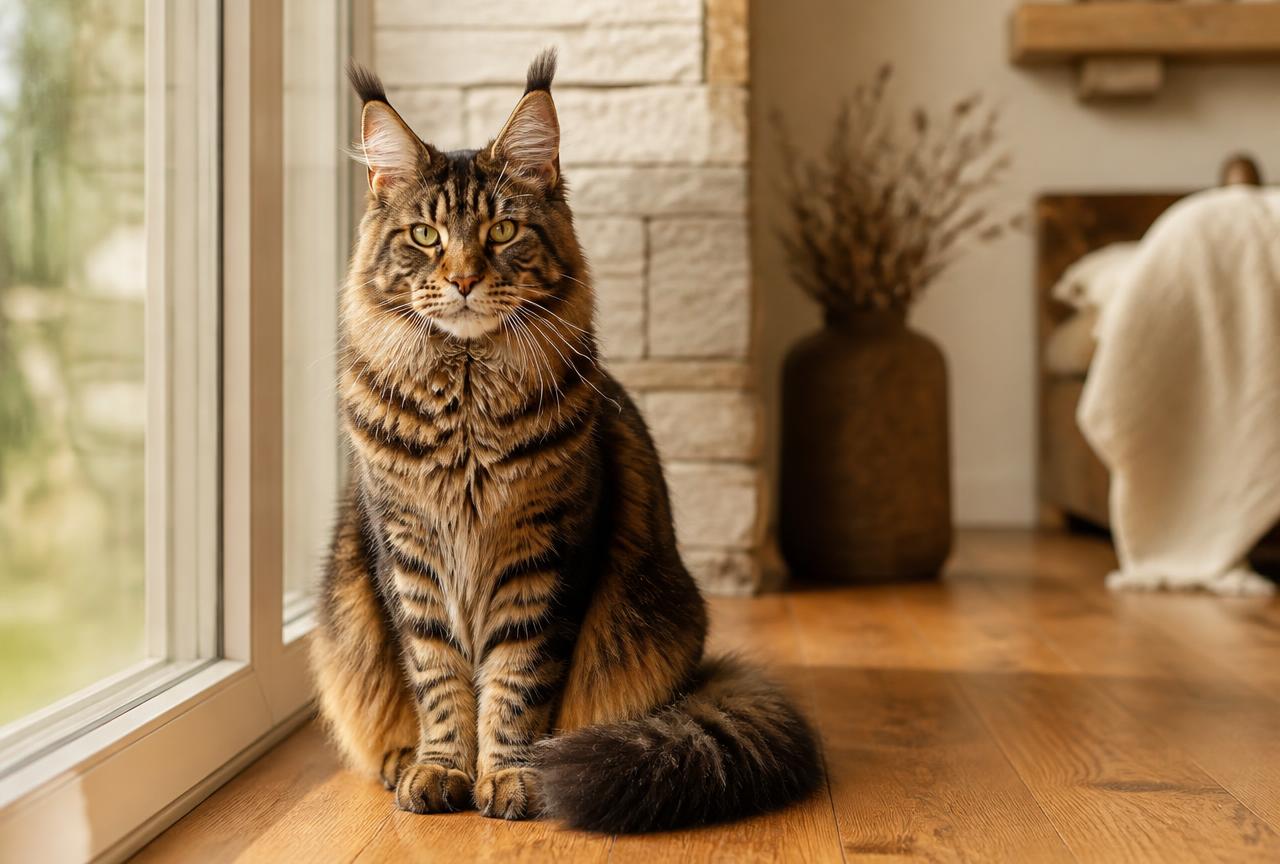
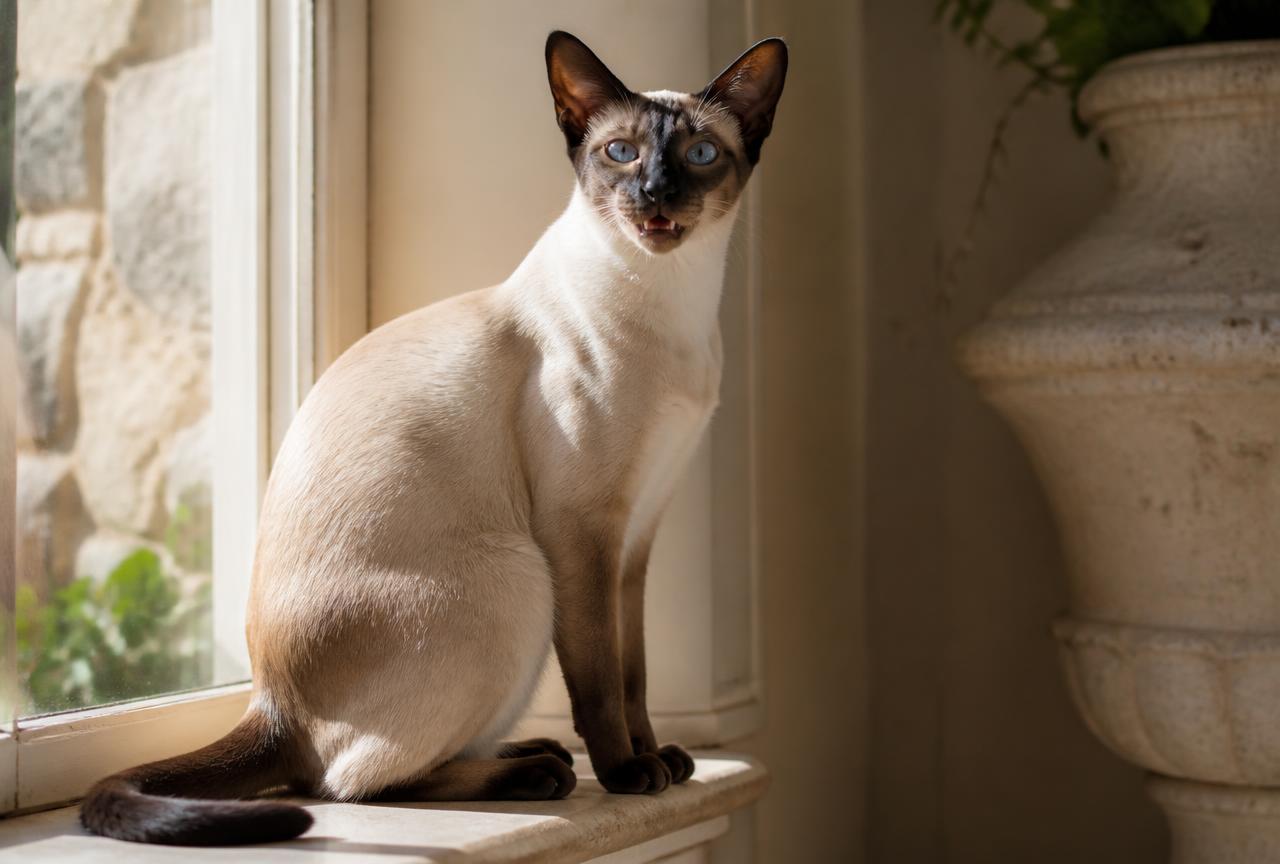
Age is the dominant factor: prevalence rises sharply past ten, and a large share of cats over fifteen have some degree of disease. Beyond age, the risk factors worth knowing are a family or breed predisposition, notably Persian cats and related flat-faced breeds, where polycystic kidney disease is inherited; Maine Coon and Siamese lines have their own reported predispositions. Previous urinary obstruction, repeated bouts of lower urinary tract disease, chronic dental disease, hyperthyroidism, high blood pressure, and any past episode of acute kidney injury from a toxin such as lily pollen or antifreeze all raise the odds. Our toxic plants guide explains why a single lily can cause irreversible damage in a day.
How it is diagnosed
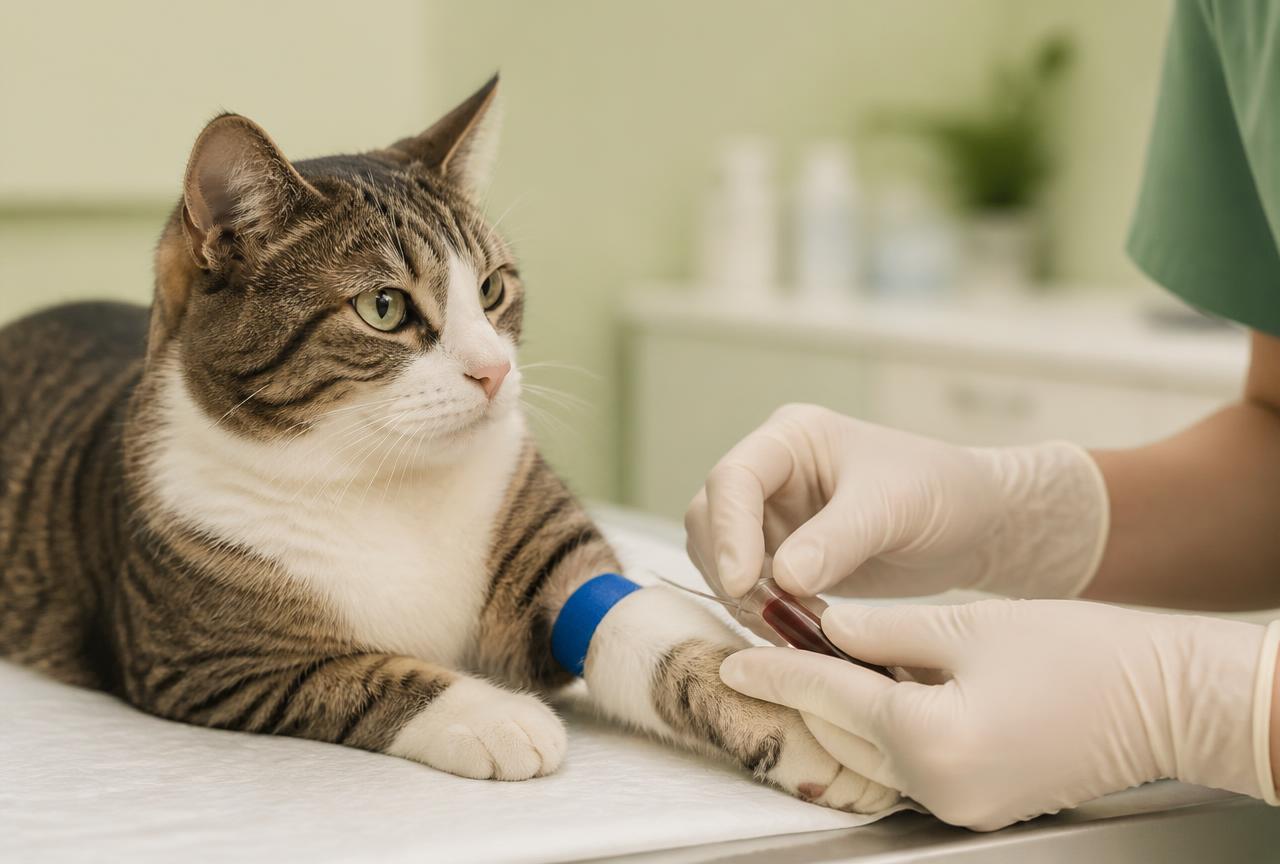
There is no way to diagnose this from the sofa, and no home test worth relying on. Diagnosis is a blood sample and a urine sample, read together.
- Creatinine rises as filtration falls, but only once substantial function is lost, and it is affected by muscle mass.
- SDMA rises earlier than creatinine and is less affected by muscle mass, which is why it has become the marker of choice for early detection.
- Urea, phosphate and potassium describe how well the rest of the chemistry is holding.
- Urine specific gravity shows whether the kidney can still concentrate. A dilute urine alongside a normal creatinine is often the very first abnormal number.
- Urine protein and blood pressure guide treatment, because protein loss and hypertension both accelerate the disease.
The results are staged using the international IRIS system, which sets the treatment plan and the monitoring interval. Ask which stage your cat is in, and ask for a copy of the numbers so you can compare the next set against them.
What treatment involves
There is no cure and no way to regrow kidney tissue. What there is, and it matters, is a set of measures that slow progression and keep the cat feeling well. Broadly, in order of impact:
- 1A therapeutic renal diet. Restricted, high-quality protein and controlled phosphate. This is the single intervention with the best evidence for extending survival, and phosphate control is most of the reason. Introduce it slowly, over two to three weeks, because a cat that decides against it will simply stop eating.
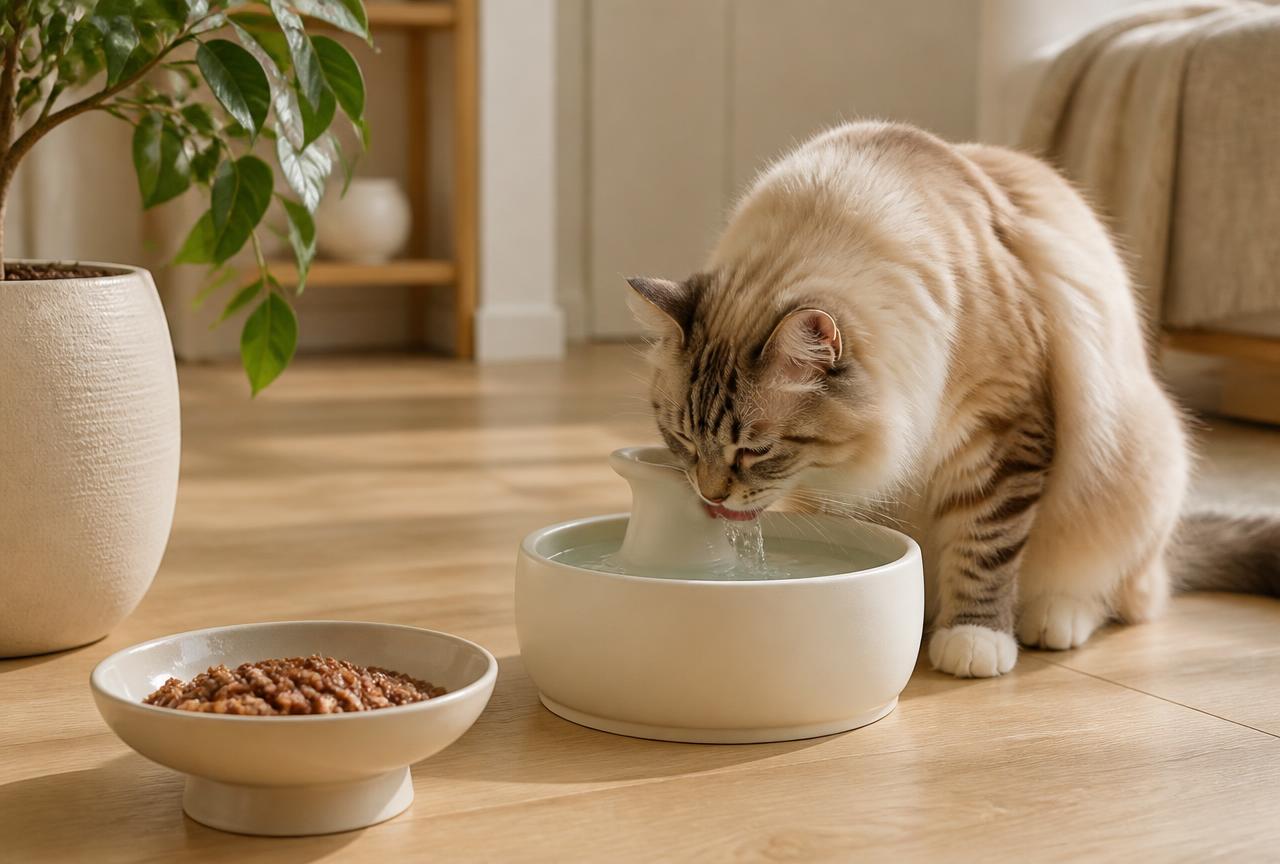
- 2Water, relentlessly. Wet food, several water stations, wide bowls, a fountain if the cat likes moving water. Dehydration makes everything worse and is the commonest reason for a sudden decline.
- 3Phosphate binders, if diet alone does not bring phosphate into the target range.
- 4Blood pressure medication, because hypertension is common in these cats and damages the kidney further, along with the eyes.
- 5Anti-nausea and appetite support as needed. A cat that eats does better than a cat that does not, and appetite loss is treatable. Our guide to a cat that stops eating covers the hour-by-hour side of that.
- 6Regular rechecks. Every three to six months in stable early disease, more often later, with weight, bloods, urine and blood pressure each time.
Do not put a cat on a renal diet on your own initiative. Restricted protein in a cat that does not need it is not harmless, and the diagnosis has to come first.
Verdict by household
A cat under seven, no signs. Nothing to do beyond a weight record and a routine annual check. Keep lilies out of the house entirely.
A cat aged seven to ten. Ask for a baseline blood and urine screen at the next visit. A normal result now is what makes an abnormal result in three years meaningful.
A cat aged eleven or over. An annual screen including SDMA and urine specific gravity is the standard recommendation, moving to twice yearly past about fourteen. Weigh fortnightly. Our age calculator puts the life stage in context, and the senior signals guide lists what else changes.
A cat already diagnosed. Feed the renal diet consistently, keep water everywhere, keep to the recheck schedule, and weigh at home between visits. Report any drop in appetite early rather than waiting to see whether it settles.
A Persian or a Persian-cross of any age. Ask specifically about polycystic kidney disease, which can be screened for with ultrasound and appears far earlier than age-related disease.
When to call your vet
Book a routine appointment if your cat is drinking noticeably more, urinating more, or has lost weight over recent months, even if it seems well otherwise. Go promptly if appetite has dropped for more than a day, if there is repeated vomiting, if the breath has developed a chemical smell, or if a diagnosed cat becomes lethargic or stops drinking. Treat sudden weakness, collapse, laboured breathing, straining without producing urine, or any suspected lily or antifreeze exposure as an emergency the same hour.
Take numbers with you: current weight against previous weights, how often the bowl is refilled, what is being eaten, and the last set of blood results. Use the portion calculator to check the daily amount is right for the cat's current weight, and the ideal weight tool to judge whether the trend is going the right way.
Questions people actually ask
What are the first signs of kidney disease in cats?
Drinking and urinating more than usual, and gradual weight loss over months. Both arrive before a cat looks unwell, which is why a fortnightly weight record and an eye on how often the water bowl needs filling are the most useful things an owner can do.
How long can a cat live with kidney disease?
It depends heavily on the stage at diagnosis. Cats found early and managed with a therapeutic renal diet, good hydration and regular monitoring often live for several years with good quality of life. Cats diagnosed in crisis have a much shorter outlook.
Is kidney disease in cats painful?
The kidneys themselves are not usually painful in chronic disease, but cats feel unwell from nausea, dehydration, mouth ulcers and high blood pressure. Those symptoms are treatable, which is a large part of what management is for.
What should I feed a cat with kidney disease?
A veterinary therapeutic renal diet with restricted, high-quality protein and controlled phosphate, introduced over two to three weeks. Do not restrict protein on your own initiative before a diagnosis, and prioritise the cat continuing to eat over any particular brand.
Can kidney disease in cats be cured?
Chronic kidney disease cannot be cured or reversed, because lost kidney tissue does not regrow. It can be slowed substantially with diet, hydration, phosphate control and blood pressure management.
What blood test detects kidney disease early in cats?
SDMA rises earlier than creatinine and is less affected by muscle mass, so it is the preferred early marker. It should be read alongside creatinine, urea, phosphate and a urine specific gravity, since dilute urine with normal creatinine is often the first abnormal finding.
At what age should a cat be screened?
A baseline screen between seven and ten is sensible, an annual blood and urine screen from eleven is the standard recommendation, and twice yearly is reasonable past about fourteen.
Sources
Breeds mentioned
Put it into practice
Read next
Cat sneezing: colds, dust and the signs that need a vet
Cat sneezing a lot? Dust, viruses, dental roots and foreign bodies, how to sort the harmless from the signs that need a vet.