Canada
Sphynx
The most demanding cat in the index, and the most misunderstood. A Sphynx is not a low-maintenance cat with the grooming removed, it is a weekly skin-care commitment attached to one of the most affectionate animals you can live with.
The ReMews. breed desk
Warm, wrinkled, permanently attached to you
The short version
- Hairless is not low-maintenance. Skin oil that a coat would absorb goes onto your furniture instead, so a weekly bath or wipe-down is part of the deal.
- They are genuinely cold. Warm rooms, heated beds and covered hideaways are welfare items, not accessories.
- Not hypoallergenic. The allergen is in saliva and skin, not hair, some allergic people do better with a Sphynx, many do not.
- Hypertrophic cardiomyopathy is over-represented in the breed. Buy from a breeder who scans breeding cats by echocardiogram, and insure from day one.
- In exchange you get an extraordinary companion: sociable, comic, permanently in your lap and permanently in your business.
- Weight
- 3.5–7 kg
- Lifespan
- 9–15 yrs
- Coat
- Hairless
- Size
- Medium
- Grown male
- 4–6 kg
- Grown female
- 3–4.5 kg
- Years to full size
- about 2
- One-off setup
- €350–800
Get one if…
- Warm homes with someone in most of the day
- Owners who enjoy hands-on care and bathing
- Households happy to take two cats
- People wanting an extroverted, dog-like cat
Think again if…
- Allergy sufferers, hairless is not allergen-free
- Cold homes or unheated flats
- Anyone wanting a low-effort cat
- Homes empty all day
Trait profile
The affection score is the highest in the index and it is not an exaggeration, this breed follows you between rooms and sleeps under the covers. Read the grooming score carefully: it is high not because of hair but because of skin, ears and nail beds. High energy here means clownish rather than athletic, and the moderate vocality is chatty conversation rather than the Siamese demand.
Space & setup. Needs warm resting spots, heated beds and no unsupervised outdoor access; sunburn is a real risk.
Allergies. No coat, but Fel d 1 comes from saliva and skin, Sphynx frequently trigger allergies and spread oil onto fabrics.
The review
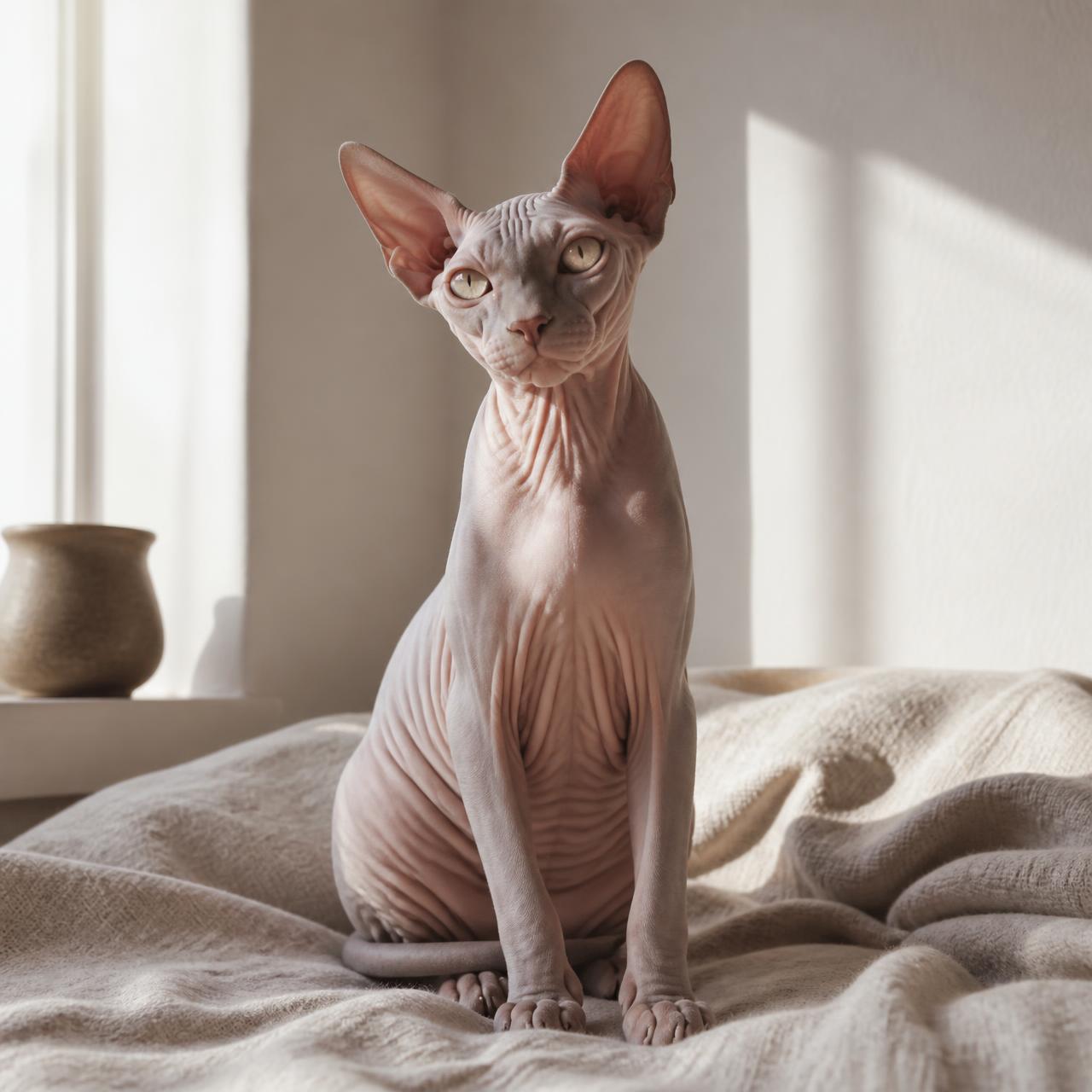
Hairless apart from a fine down, the Sphynx is a heat-seeking, extroverted breed with enormous ears and boundless confidence. Skin needs weekly bathing as oils are not absorbed by fur.
The first thing people say when they meet a Sphynx is that it feels like a warm suede hot water bottle. The second thing, usually within a minute, is that it will not get off them. Both observations are the breed in miniature: strange to the touch, and relentlessly, unembarrassedly affectionate.
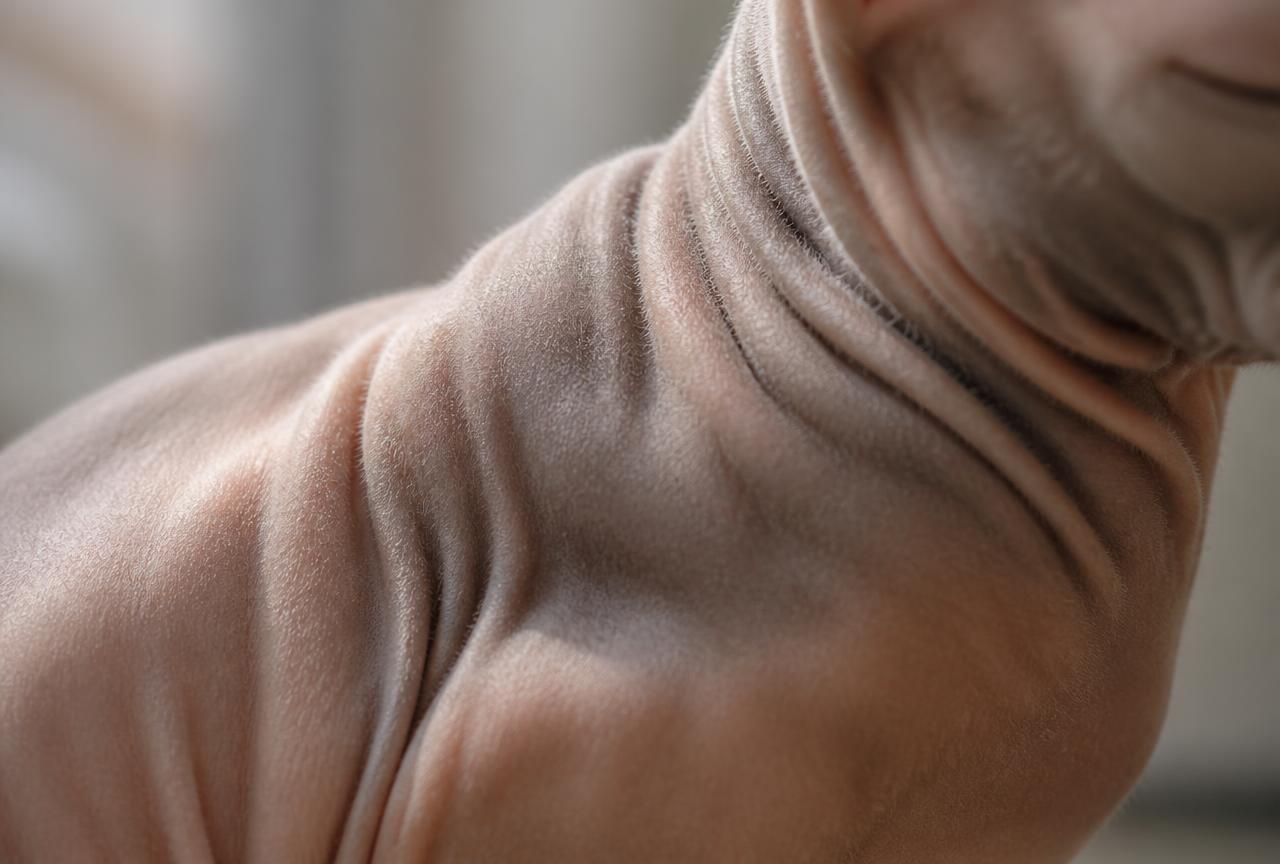
The Sphynx is not truly hairless. Most are covered in a fine down that is easier to feel than to see, with the skin showing the cat's underlying colour and pattern as pigment, a tabby Sphynx has tabby markings printed on the skin. The body is medium, muscular and surprisingly heavy in the hand, with a rounded abdomen, a long neck, enormous ears and prominent cheekbones. Whiskers are often short, sparse or absent altogether. It is not a conventionally pretty cat, and owners are usually the first to say so with some affection.
Temperament is why people put up with the rest. Sphynxes are among the most people-oriented cats in domestic breeding: they greet visitors at the door, follow their owners between rooms, sleep under the duvet rather than on it, and treat any lap as public property. They are clownish, undignified and constantly in motion in a way that reads as comic rather than athletic. Most are excellent with children, other cats and calm dogs, and many households find that a second Sphynx is easier than one, because the two of them stay warm together.
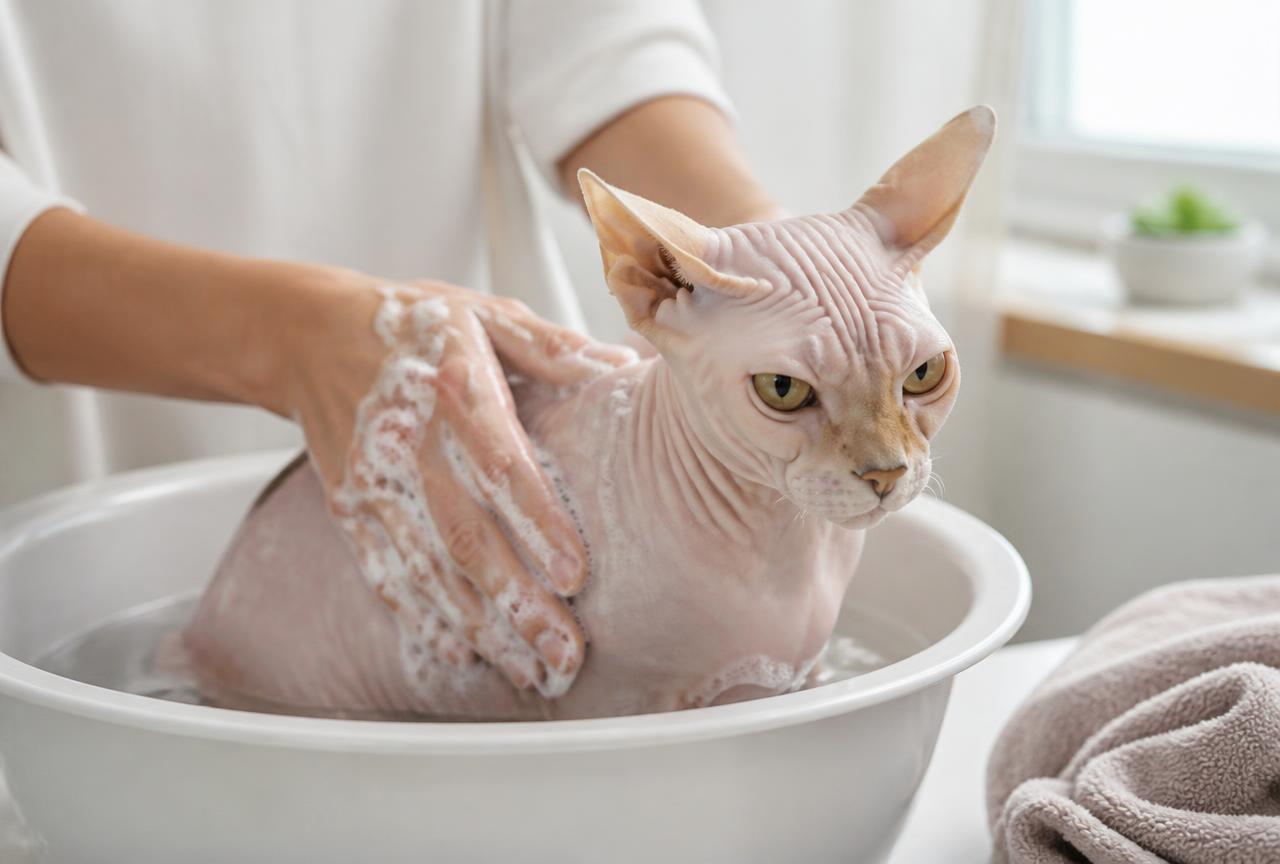
Now the honest part. Without a coat to absorb it, the natural oil the skin produces accumulates, and it transfers to whatever the cat touches, bedding, sofa arms, the shoulders of your jumper. A weekly bath, or a wipe-down with warm water and a soft cloth, is the routine that keeps both cat and furniture comfortable. Skin folds around the neck and armpits collect grime and need attention. Ears produce a noticeable amount of dark wax with no hair to slow it, so a weekly clean with a veterinary ear cleaner and cotton wool is standard. The nail beds accumulate a waxy brown build-up that needs wiping at the same time. None of this is difficult, and a cat introduced to it as a kitten accepts it entirely, but it is a real weekly commitment for fifteen years, and it is where most Sphynx regret comes from.
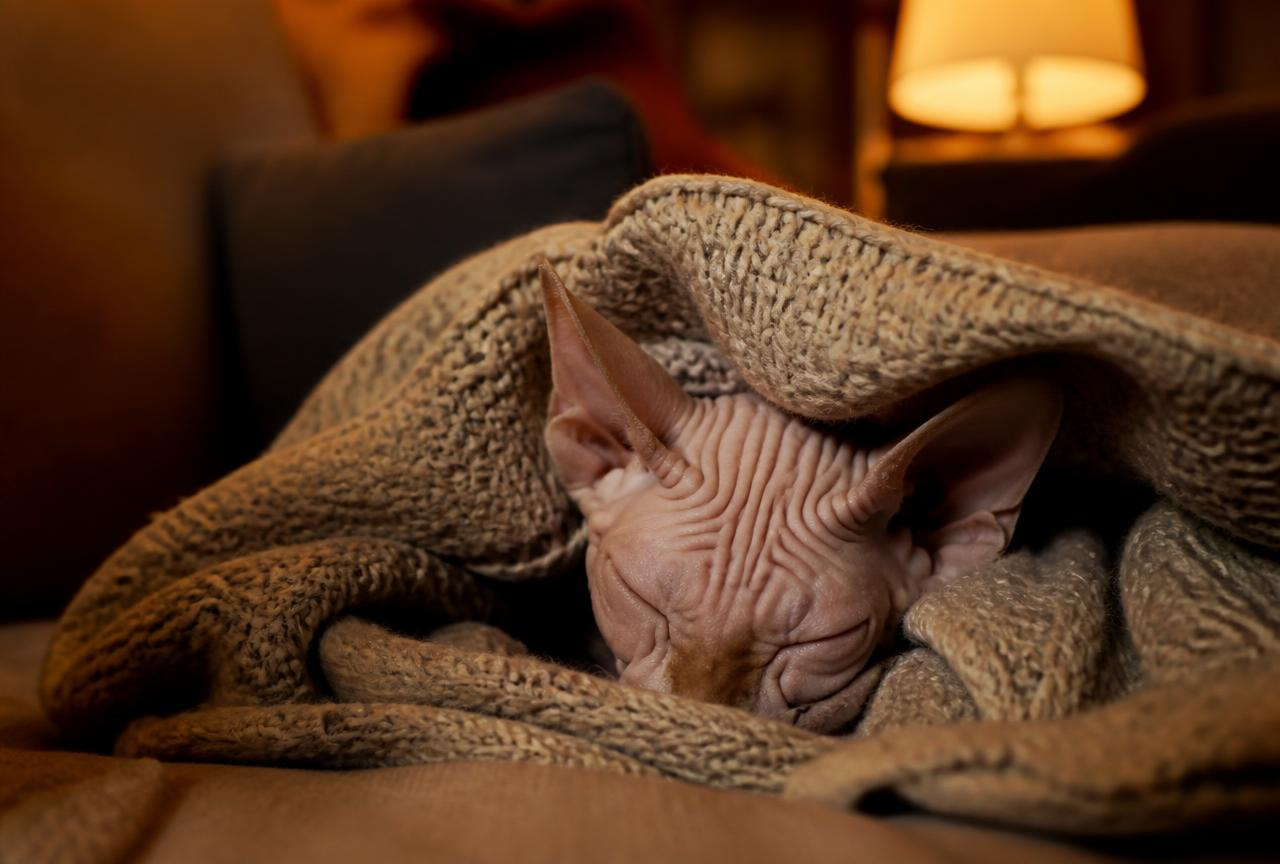
Temperature is the other structural fact. A hairless cat loses heat quickly and will spend a cold house's day hunting for warmth: under blankets, on radiators, on top of the router, and occasionally behind appliances, which is genuinely dangerous. Keep rooms warm, provide a heated bed or two and several covered hideaways, and accept that this cat sleeps under the covers with you. Jumpers are a partial answer at best and need washing often, since they collect the same skin oil. Direct sun is the flipside, unpigmented skin burns, so a Sphynx on a sunny sill needs shade available and should not be an outdoor cat.
Health is where a buyer must be disciplined. Hypertrophic cardiomyopathy, the most common heart disease in cats, is over-represented in the Sphynx, and it can be silent until it is severe. Responsible breeders scan breeding cats by echocardiogram with a cardiologist, annually, and will show you the reports. The breed also carries a risk of a hereditary myopathy, tested by DNA, and some lines have skin conditions of their own. Buy from someone who volunteers this paperwork; walk away from anyone who treats the question as an insult.
The verdict is unusually clear-cut. A Sphynx in a warm, busy, financially prepared household with someone who enjoys the weekly ritual is one of the great companion animals, funny, devoted, and impossible to ignore. The same cat in a cool, empty flat belonging to someone who wanted a low-effort pet is a mistake that takes fifteen years to play out. There is no version of this breed that is undemanding, and anyone selling one as an easy cat is selling something else.
Not hypoallergenic, and not low maintenance, the grooming just moves from brush to bath. In return you get the friendliest cat alive.
Grooming, realistically
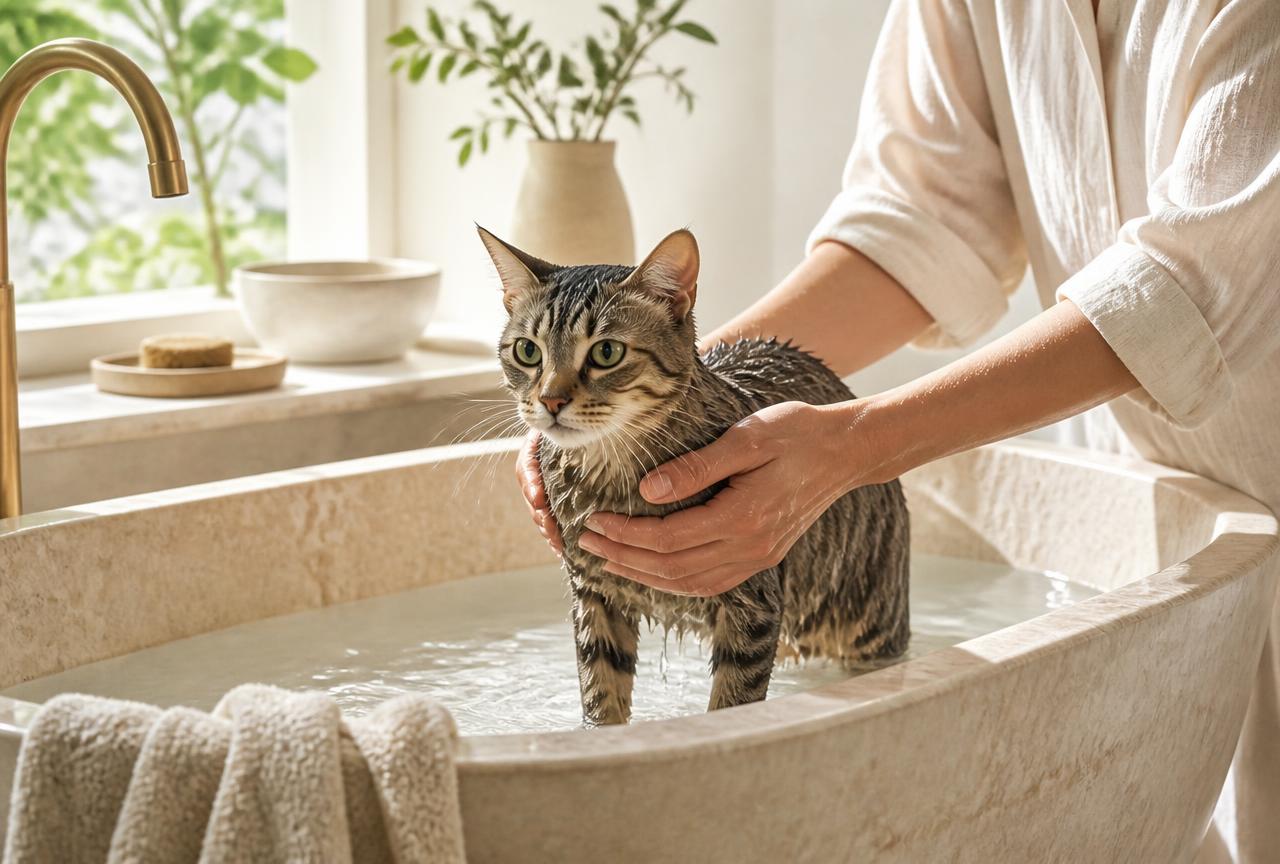
- 1Once a week, bathe in warm water with a mild cat shampoo, or wipe the whole cat down with a warm damp cloth if a full bath is not needed.
- 2Dry thoroughly and immediately in a warm room. A damp hairless cat gets cold fast.
- 3Weekly, clean the ears with a veterinary ear cleaner and cotton wool, never a cotton bud inside the canal. Dark wax builds quickly with no hair to slow it.
- 4Weekly, wipe the nail beds and between the toes, where a waxy brown residue collects, and trim the claw tips.
- 5Weekly, check the skin folds at the neck and armpits, and any spots or scabs. Two or three times a week, brush the teeth.
What you actually need
- Mild cat-specific shampoo (never human shampoo)
- Two soft towels and a warm room to dry in
- Veterinary ear cleaner and cotton wool
- Claw clippers and unscented baby-safe wipes for nail beds
- A heated bed and two covered hideaways
- Two or three washable jumpers for cool days
Kitten to adult
| Age | Male | Female | What is happening |
|---|---|---|---|
| 12 weeks | Too young to leave. Sphynx kittens are fragile about temperature and most breeders keep them to fourteen or sixteen weeks. | ||
| 6 months | Establish the bath, ear-clean and nail-wipe routine now. A kitten who accepts it will never argue about it. | ||
| 1 year | Close to adult size. The first cardiac screening conversation with your vet belongs around here. | ||
| 2 years | Fully grown and typically heavier than it looks. Muscular and dense rather than large. |
Ranges are typical, not targets. Judge condition by ribs and waist, and check with the ideal weight checker.
What to ask a breeder
- Can I see current echocardiogram reports for both parents, done by a cardiologist, and how often are breeding cats rescanned?
- Have the parents been DNA tested for hereditary myopathy?
- Has HCM ever been diagnosed in this line, and what did you do about it?
- At what age do kittens leave, and are they already used to bathing and ear cleaning?
- What skin problems have you seen in your cats, and how were they managed?
- What does your health guarantee cover, and for how long?
Health watch-list
What to ask a breeder about, and what to watch for over a lifetime. This is orientation, not veterinary advice, anything you notice belongs in front of a vet.
Hypertrophic cardiomyopathy (HCM)
Over-represented in the breedA thickening of the heart muscle that can be silent until it is severe. Breeding cats should be echocardiogram-screened annually by a cardiologist; ask to see the reports.
Hereditary myopathy
UncommonA muscle weakness seen in some lines, causing a stiff gait or head tremor in young cats. A DNA test is available for the known variant.
Skin conditions
CommonOily skin, blackheads, yeast overgrowth in the folds and fungal infections all occur. Nearly all of it is managed by the weekly bathing routine.
Sunburn and skin damage
Common if unmanagedUnpigmented skin burns quickly. Provide shade, keep the cat indoors, and treat any pink, hot or flaking area as a veterinary matter.
Ear wax build-up
Very commonWith no hair in the canal, wax accumulates fast. Weekly cleaning is routine; dark smelly discharge with head shaking is not, and needs a vet.
Cold stress
Common if unmanagedA hairless cat in a cool house burns energy staying warm. Heated beds, covered hideaways and warm rooms are welfare requirements, not luxuries.
What it costs to keep one
Realistic running cost
€106 / month
About €1,272 a year, or roughly €15,264 across a 12-year life, before purchase price, neutering and one-off vet events.
Before the cat arrives. Budget roughly €350–800 for trays, carrier, posts, bowls, bedding and grooming kit sized for this breed. Figures throughout are indicative and vary a good deal between countries.
Interactive · built for this breed
Is a Sphynx right for your home?
Five honest answers. The verdict updates as you go, and the notes tell you what to change before a kitten arrives.
Verdict
An excellent match
Warm house, someone home, a weekly care ritual and insurance in place. That is exactly the household in which a Sphynx becomes the most affectionate cat you will ever own.
If allergies are the reason you are here, read the truth about hypoallergenic cats first, or compare temperaments with the breed matchmaker.
The verdict, by household
Flat dweller
Excellent match
Family with young children
Excellent match
First-time owner
Think carefully
Multi-cat home
Excellent match
Allergy-conscious
Not the answer
When to call your vet
- Faster or laboured breathing at rest, open-mouth breathing, or sudden hind-leg weakness, treat as an emergency; these can indicate heart disease.
- Reduced exercise tolerance or a new reluctance to play in a normally clownish cat.
- Red, sore or greasy skin, persistent spots, or scabs that do not settle within a few days.
- Dark, smelly ear discharge, head shaking or scratching at the ears.
- Sunburn, pink, hot or flaking skin after time on a sunny sill.
- Shivering, seeking heat obsessively, or hiding in warm machinery.
Nothing here is a diagnosis. Breathing difficulty, sudden hind-leg weakness and straining to urinate are emergencies, go the same day.
Sphynx vs the closest alternatives
Sphynx questions, answered
Are Sphynx cats hypoallergenic?
No. The protein most people react to, Fel d 1, is produced in saliva and skin, and a Sphynx grooms itself and sheds skin cells like any other cat. Some allergic people do report fewer symptoms, probably because there is no allergen-carrying hair circulating, but plenty react just as badly. Spend real time with adult Sphynxes before committing.
How often does a Sphynx need bathing?
About once a week for most cats, either a full bath or a thorough wipe-down with a warm damp cloth. Without a coat to absorb it, skin oil accumulates and transfers to bedding and furniture. Start the routine in kittenhood with warm water and a mild cat shampoo, and dry the cat immediately in a warm room.
Do Sphynx cats get cold?
Yes, noticeably. They seek out heat constantly, under duvets, on radiators, against people, and in a cool house they will hunt for warmth in unsafe places. Keep rooms warm, provide a heated bed and covered hideaways, and expect the cat to sleep under the covers with you. Jumpers help a little but are not a substitute for a warm room.
Are Sphynx cats healthy?
Mostly robust, with one serious caveat: hypertrophic cardiomyopathy is over-represented in the breed and can be silent until it is advanced. Buy only from a breeder who echocardiogram-screens breeding cats annually with a cardiologist, insure from the day the kitten arrives, and treat any laboured breathing or sudden hind-leg weakness as an emergency.
Can a Sphynx be left alone during the workday?
It is one of the hardest breeds to leave. Sphynxes are exceptionally people-dependent and become loud and unhappy when isolated. If the house is empty on weekdays, get two, they keep each other warm as well as entertained, and make the first hour home a proper play and lap session.
Do Sphynx cats need special food?
No special diet, but they do tend to eat more than a coated cat of the same size because they burn energy staying warm. Feed a complete diet to a measured amount, weigh the cat monthly, and adjust, the pot belly is normal to the breed and should not be confused with weight gain. Our portion calculator gives a starting point.
Can a Sphynx go outside?
Not unsupervised. Unpigmented skin burns in sun, the cat loses heat rapidly in cool air, and there is no coat to protect against scratches or bites. A secure, shaded garden or a harness walk on a mild day is fine; free roaming is not appropriate for this breed.