How to bathe a cat: when it is needed, and how to survive it
Most cats never need a bath, they wash themselves to a standard we cannot match. For the rare times a bath is genuinely required, preparation is the entire difference between a damp cat and a war.
Nadia Ferreira
Certified feline groomer and care writer
Published 7 September 2026
Dr Leonie Brandt, DVM, CertAVP
The short version
- Healthy cats almost never need baths, their own grooming outperforms any shampoo.
- Genuine reasons to bathe: unsafe substances on the coat, medicated washes, hairless breeds, and cats who can no longer groom themselves.
- Prepare everything before the cat enters the room: shallow warm water, rubber mat, staged towels, shampoo open.
- Keep the head dry, rinse twice as long as feels necessary, and blot dry rather than rub.
- Use only cat-formulated shampoo, dog products can contain permethrin, which is dangerous to cats.
- A cat that fights, is elderly, or is heavily matted belongs with a professional groomer or vet nurse.
Let us start with the honest headline: the vast majority of cats should never be bathed. A healthy cat spends a solid slice of its waking life washing itself with a barbed tongue designed for exactly that job, and it does it to a standard no shampoo will improve on. Bathing a clean cat solves nothing and costs trust.
But there is a short, genuine list of exceptions, a cat coated in something it should not lick, a skin condition needing medicated washes, a hairless breed, an elderly or arthritic cat who can no longer reach its own coat. For those, the bath is a favour, and this is how to do it without injury on either side.
The short list of cats who actually need baths
Before running any water, confirm you are on it.
- Something on the coat the cat must not swallow, oil, paint, cleaning products, unknown sticky substances. This is the one urgent case.
- A vet-prescribed medicated shampoo for ringworm, yeast or allergic skin disease.
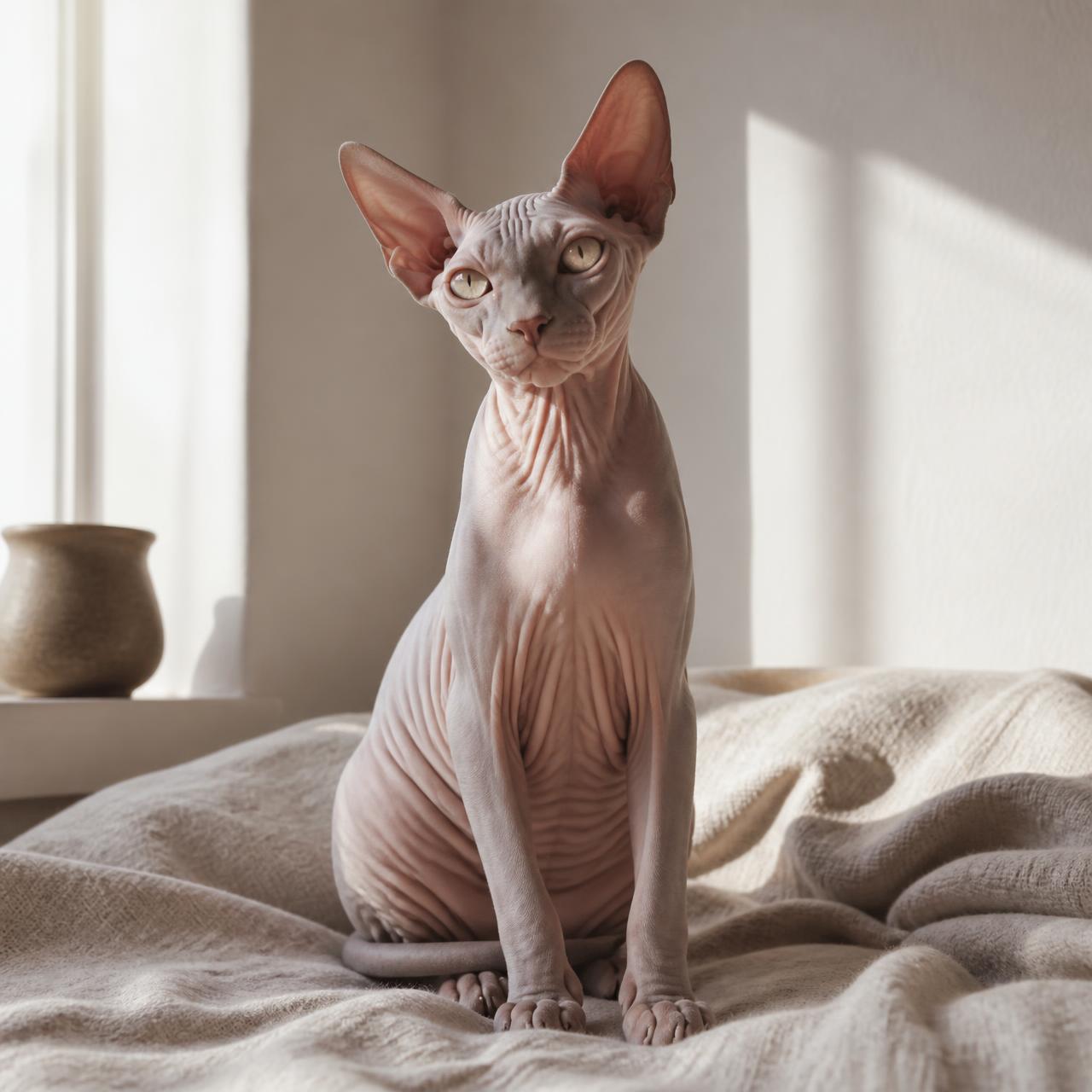
- Hairless breeds like the Sphynx, whose skin oils have no fur to wick into and build up within weeks.
- Cats who can no longer groom, the arthritic senior, the obese cat who cannot reach, or a cat recovering from surgery.
- Longhaired cats in genuine crisis, heavy soiling or matting too severe for brushing alone.
Notably absent from the list: "the coat looks a bit dull", "she smells slightly of cat", and "it would be nice for the sofa". All of those are brushing problems or, if persistent, vet questions.
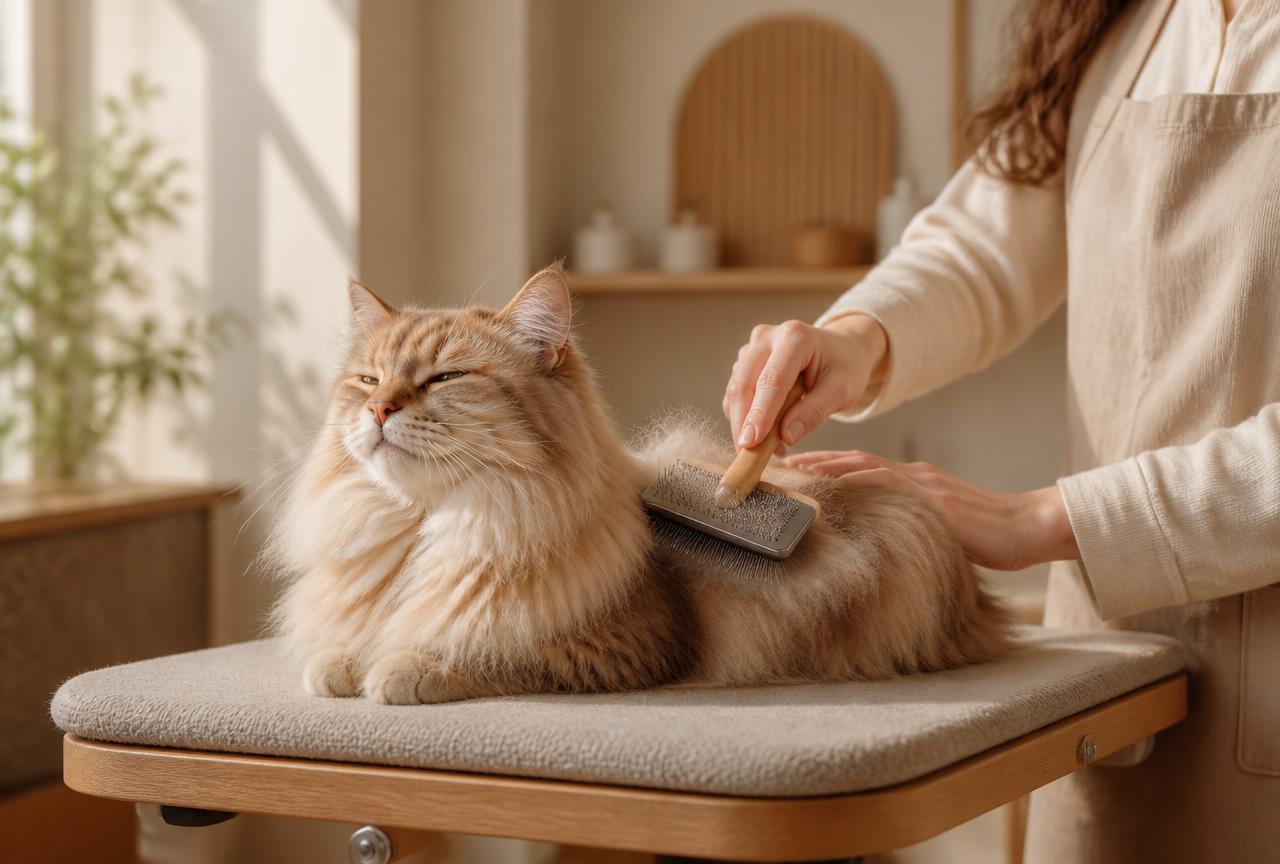
Setup: everything happens before the cat
A cat bath is won or lost in the preparation. Once a wet, alarmed cat is in your hands, the time to find the towel was ten minutes ago.
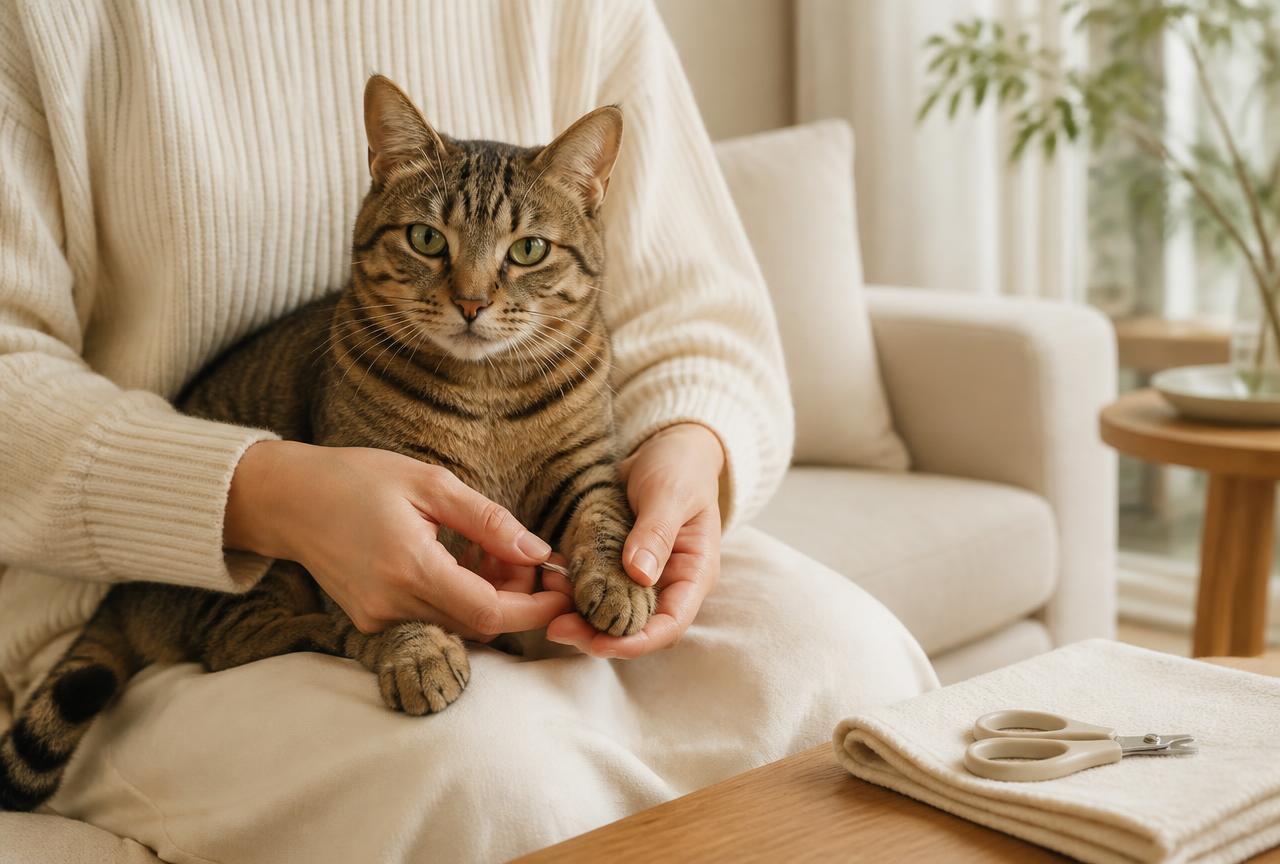
- 1Trim claws the day before. Not the same day, one stressor at a time. See our guide to claw trimming.
- 2Brush the coat out completely. Every tangle. Wet mats set like felt.
- 3Choose the room and close the door. A small bathroom or a deep sink beats a full bath; less space means less escape.
- 4Lay a rubber mat or folded towel in the basin. A secure footing is the single biggest calmer, a cat standing on slipping porcelain panics.
- 5Fill before the cat arrives. A few centimetres of lukewarm water, around 37°C, elbow-tested like a baby''s bath. Never run taps with the cat present; the noise alone ends careers.
- 6Stage everything within arm''s reach. Jug for wetting and rinsing, cat-formulated shampoo already opened, two large towels, and treats for afterwards.
- 7Recruit a second person if the cat is anything less than docile. One holds, one washes. It is not a luxury.

The bath itself: eight calm minutes
Move slowly, speak normally, and accept that the cat''s dignity will not survive. Yours might.
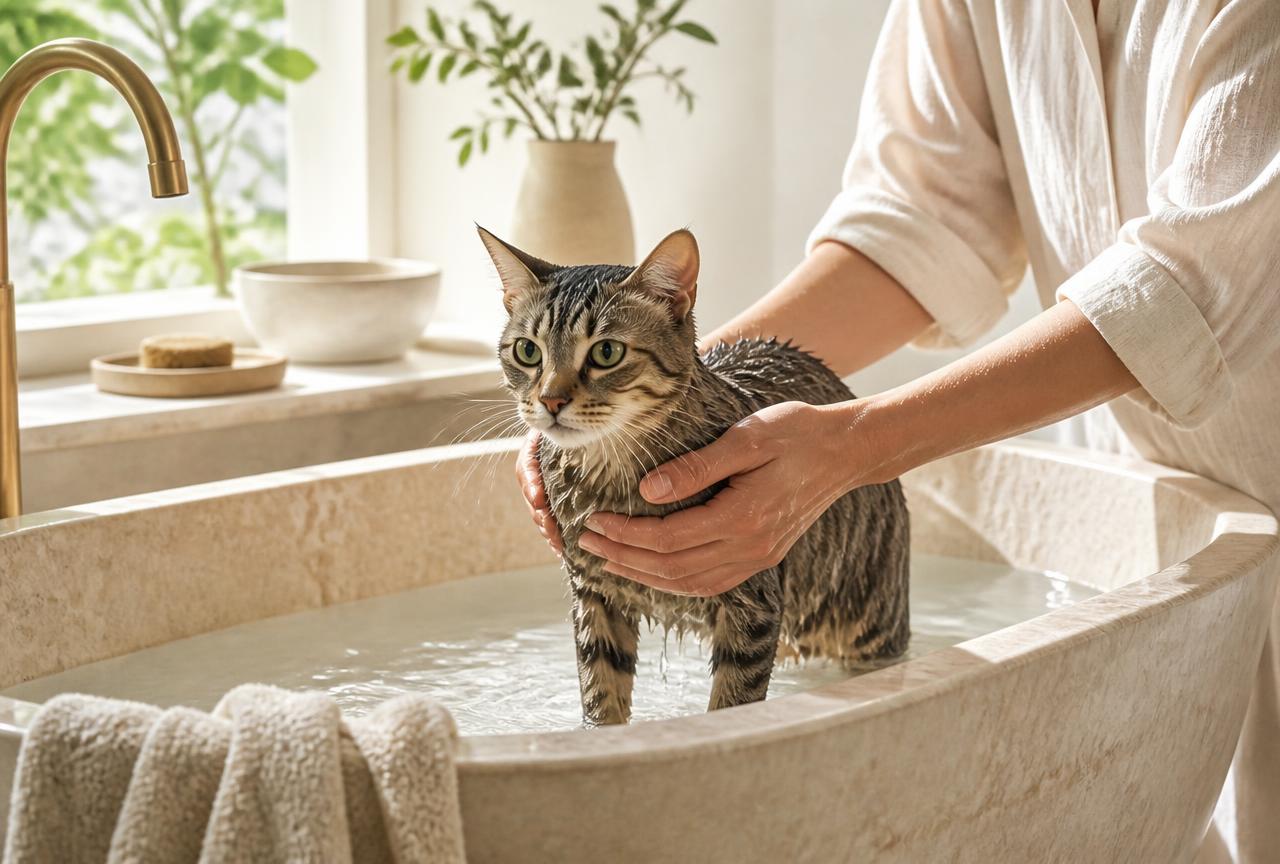
- 1Lower the cat in gently, back feet first, keeping a firm but kind hold on the scruff-shoulder area. Never lift by the scruff alone.
- 2Keep the head dry throughout. Water in the ears invites infection, and a soaked head is the moment most cats go from resigned to feral. Clean the face separately afterwards with a damp cloth.
- 3Wet the coat with the jug, working from neck to tail, keeping the water shallow and the pours slow.
- 4Shampoo sparingly, a cat-formulated product only, worked down to the skin. Human shampoo is the wrong pH; dog shampoo can contain permethrin, which is dangerous to cats.
- 5If it is a medicated shampoo, set a timer. Most need five to ten minutes of contact time. This is the hardest stretch: keep the cat wrapped against you, warm and calm.
- 6Rinse twice as long as feels necessary. Shampoo residue irritates skin and gets licked off later. When you think you are done, rinse once more.
- 7Lift out into the waiting towel and wrap snugly, head first, then body. The towel burrito is not a meme; it is restraint that calms.
- 8Blot, never rub. Rubbing tangles long coats and undoes your brushing. Swap to the second dry towel once the first is sodden.
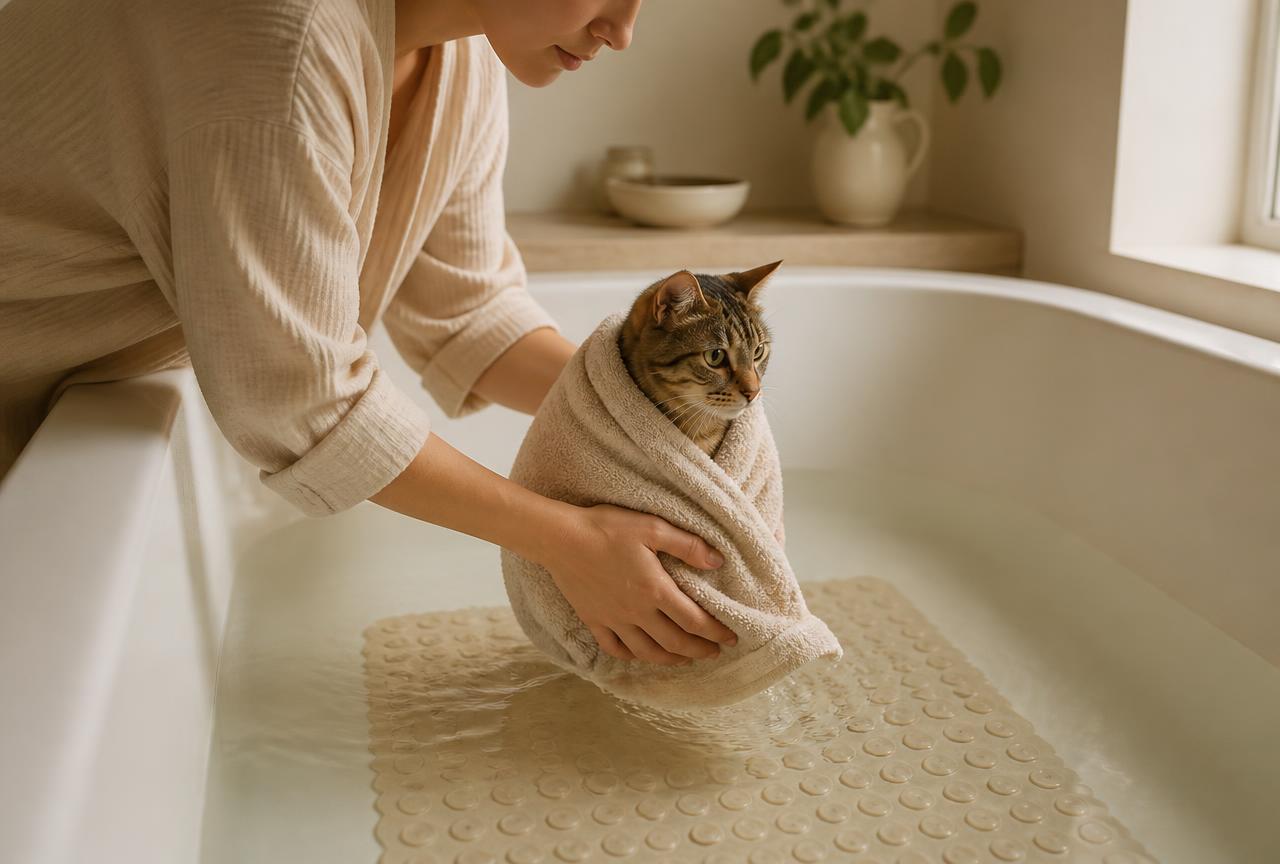
Drying: the part everyone underestimates
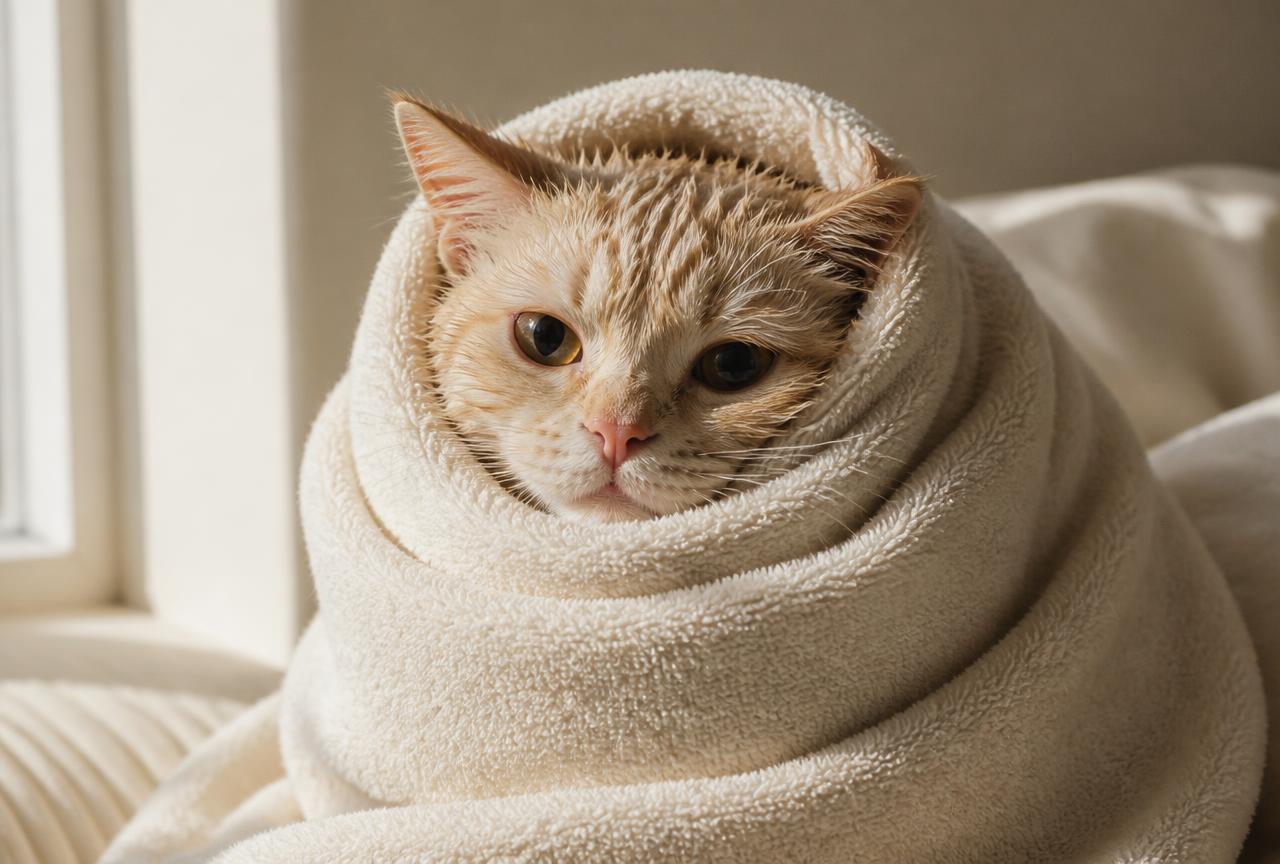
A wet cat in a cool room gets cold fast, and a longhaired cat left to air-dry mats as it dries. Blot thoroughly with both towels, then confine the cat to one warm, quiet room with a heater on, bedding down, and no radiators close enough to burn. Most cats will then take over and finish the job themselves, grooming themselves dry, which is also their way of restoring their own scent after your shampoo has vandalised it.
A hairdryer is, for most cats, a step too far. If your cat tolerates one, use the coolest, lowest setting at a distance. Otherwise accept the towel and the warm room. Longhaired cats benefit from a comb-through once half-dry to keep the coat separating.
The bath planner
Not sure the bath is even justified? Three questions, the reason, the coat, and the cat''s tolerance of handling, settle it.
Interactive
The bath planner
Why, what coat, and what temperament, the three questions that decide whether to fill the bath, reach for the brush, or call a groomer.
Verdict
Yes, bath, with the full setup
This is a legitimate bath. Prepare everything before the cat enters the room, keep the water shallow and warm rather than hot, wash the body but not the head, and have the towels staged. The step-by-step plan above is your script.
Also worth knowing
- Trim claws the day before, not the day of, one stressor at a time, and shorter claws make any wriggling considerably cheaper for you.
Practical guidance, not veterinary advice. Anything toxic on the coat, or a cat in genuine distress, means the vet first.
The verdict, by household
The clean, healthy, shorthaired adult. No bath. Ever, most likely. Brush weekly and enjoy the arrangement.
The Sphynx owner. Baths are part of the breed, roughly weekly to monthly, gentle wash, meticulous drying. Budget for towels.
The cat coated in something unidentifiable. Do not bathe blind: wipe what you can, prevent licking with a towel wrap, phone the vet first. Some substances need solvent-specific handling.
The arthritic senior with a greasy, matted rear. A genuine candidate, and a great use of a professional groomer or vet nurse. Also raise the grooming decline at the next check-up, pain relief changes lives.
The longhair whose coat has gone feral. If mats are tight to the skin, this is a clipper job, not a bath job. A vet or groomer with sedation options is kinder than a two-hour home battle.
When to skip the home bath entirely
Some cats should never be bathed at home: the genuinely aggressive, the very elderly, cats with heart or respiratory conditions, and any cat who found the last bath terrifying. A professional groomer who works with cats, or a vet practice offering nurse-led grooming, sometimes with light sedation for matted coats, is not an indulgence but the right tool. And if the reason for the bath is medical, let the vet see the cat first; what looks like a dirty coat is occasionally a sick one.
Frequently asked questions
The questions below cover the specifics, shampoo choices, hairdryers, frequency, and what to do about the cat who fought back last time.
Questions people actually ask
Do cats really never need baths?
Most healthy cats groom themselves thoroughly and never need one. The genuine exceptions: something unsafe on the coat that the cat would lick off, vet-prescribed medicated washes, hairless breeds like the Sphynx, and cats who can no longer groom themselves through age, arthritis or obesity. A dull coat or a faint smell is usually a brushing problem, or a health question, not a reason for a bath.
What shampoo is safe for cats?
Only shampoo formulated for cats. Feline skin runs at a different pH from human skin, so even baby shampoo is too harsh. Dog shampoo is worse, some contain permethrin, an insecticide that is genuinely dangerous to cats even in small amounts. For a single emergency wash with nothing else available, plain warm water alone is the safer choice.
How often should you bathe a cat?
For a normal furred cat: essentially never, beyond the rare genuine need. Bathing more than very occasionally strips the coat''s oils and irritates the skin. The exception is hairless breeds, which need a bath roughly every one to four weeks because skin oils have no fur to wick into. If you feel your furred cat needs frequent baths, that is a conversation for the vet.
How do you bathe a cat that hates water?
Reduce everything that frightens it: a small basin rather than a bath, shallow warm water filled before the cat arrives, a rubber mat for footing, no running taps, a second person to hold, and a towel wrap on exit. Keep the head dry and the whole event under ten minutes. A cat that still fights hard belongs with a professional groomer or vet nurse, forcing it at home injures everyone and teaches the cat to dread handling.
Can I use a hairdryer on my cat?
Only if the cat tolerates it, and most do not, the noise is the problem more than the air. If yours is relaxed about it, use the coolest and lowest setting, held at a distance, and stop at the first sign of distress. The safer default is thorough towel blotting followed by a warm, quiet room where the cat can groom itself dry. Never use a hot setting; cat skin burns easily.
My cat got something sticky on its fur, what do I do first?
Do not reach straight for the bath. If the substance might be harmful when licked, oil, paint, cleaning products, anything unknown, wipe off what you can with a damp cloth, stop the cat grooming with a towel wrap, and phone the vet before washing. Some substances need specific removal, and spreading them through a wet coat makes things worse. For harmless stickiness, snipping out the affected fur is often easier than bathing.
Should I bathe my kitten to get them used to it?
Not baths, handling. Kittens who are gently and regularly handled all over, paws and ears included, accept the rare necessary bath far better as adults. You can accustom a kitten to the bathroom, the basin and shallow water with treats over short sessions without ever doing a full wash. An actual bath for a clean kitten teaches nothing except that the bathroom is a place of horror.
Sources
- Bathing your cat, International Cat Care
- Grooming your cat, American Veterinary Medical Association
- Feline skin and coat care, Cornell Feline Health Center
- Permethrin toxicity in cats, International Cat Care
- Caring for Sphynx skin, GCCF Cats
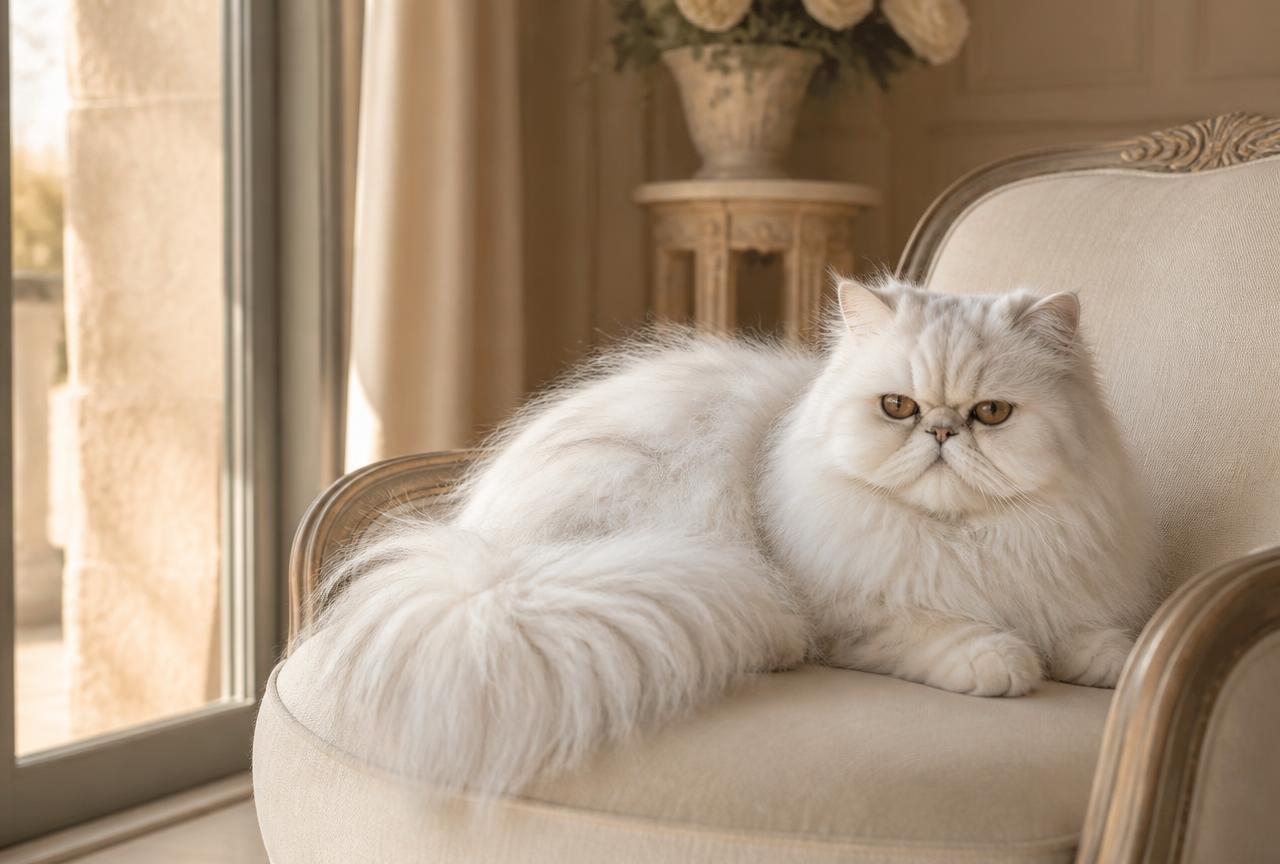
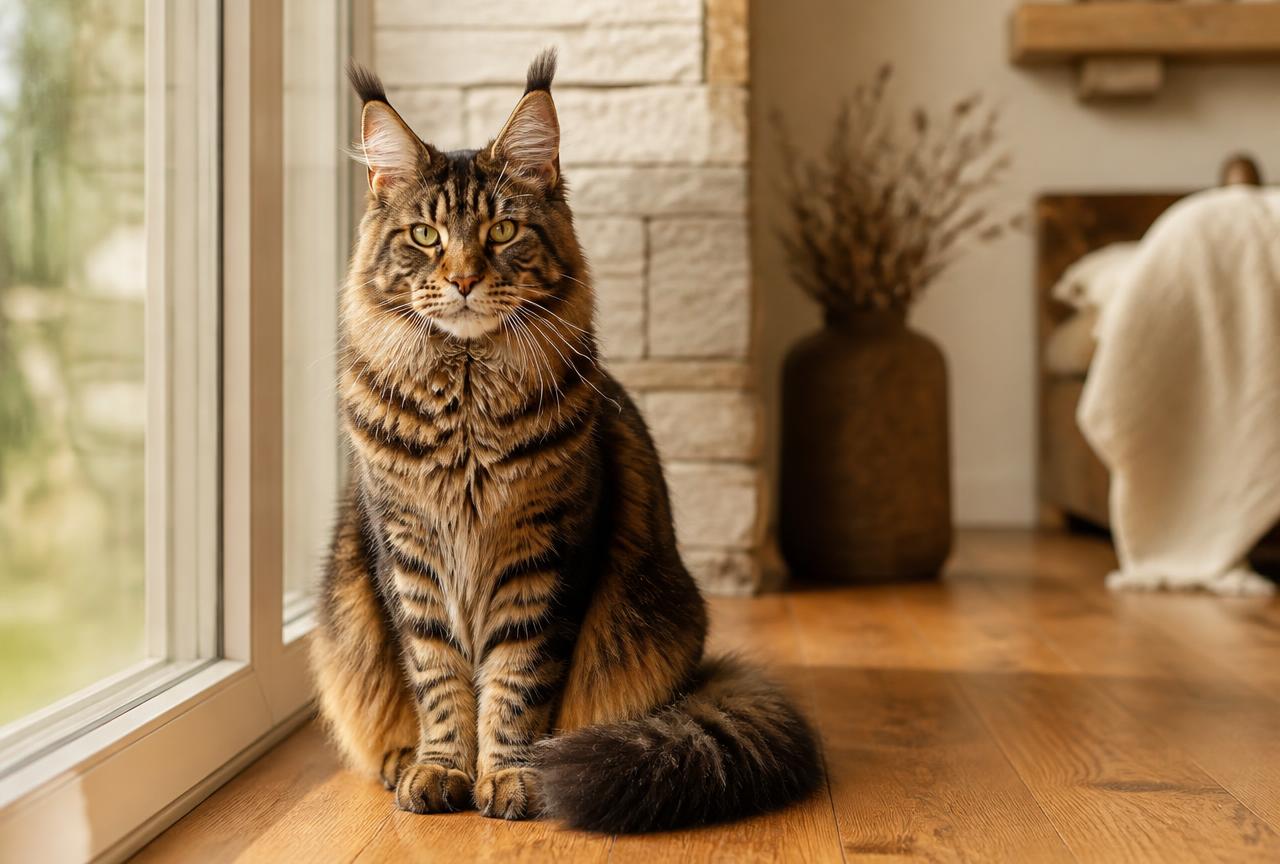
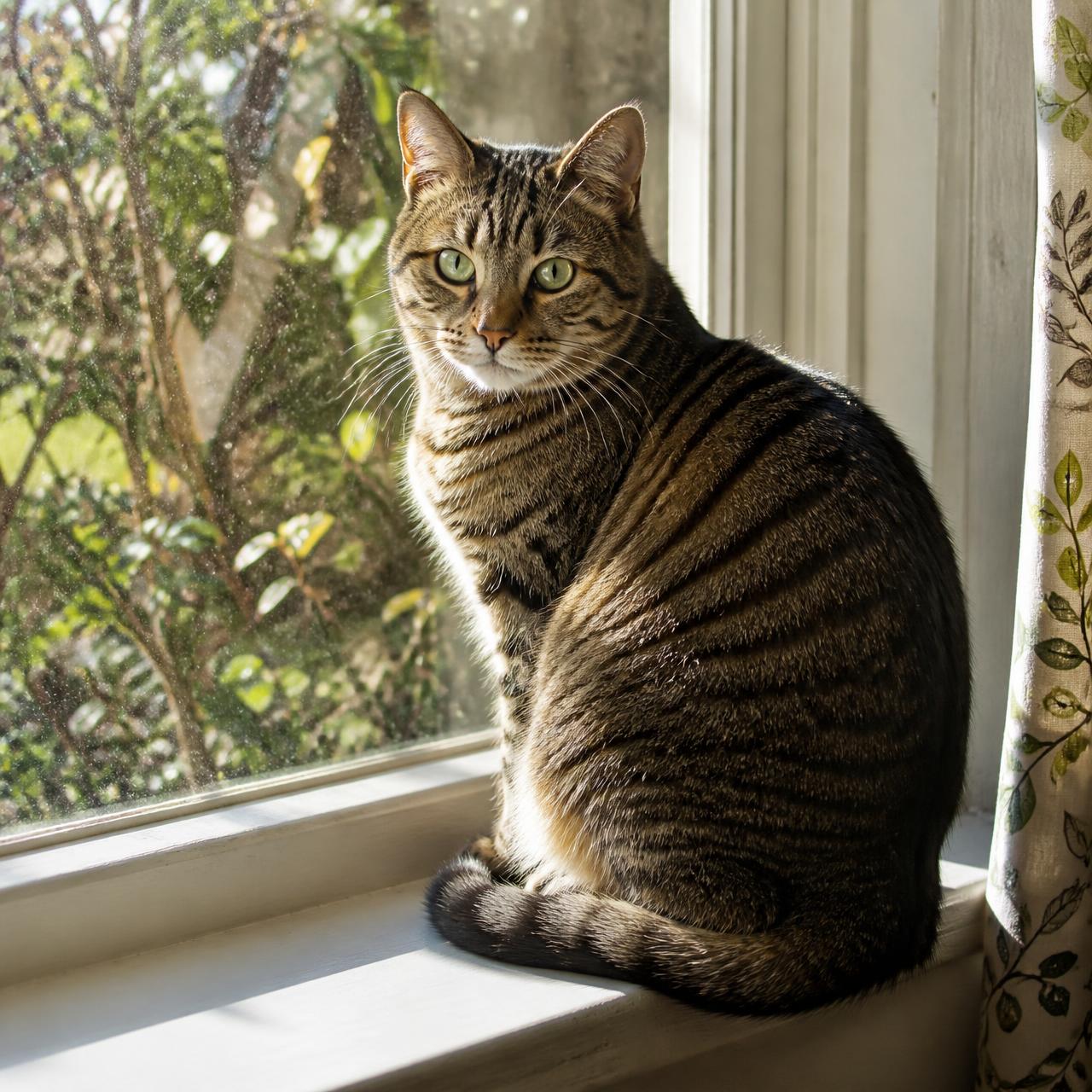
Breeds mentioned
Put it into practice
Read next
How to trim your cat's claws without a fight
How to trim cat claws calmly: where the quick is, the ten-day desensitising plan, how often to trim, and why declawing is not an alternative.