Hypoallergenic cats: what the label really means and which breeds come close
No cat is truly hypoallergenic, but the gap between the marketing and the science is smaller than either camp claims. Here is what Fel d 1 actually does, which breeds people with allergies genuinely manage, and the home routine that matters more than the pedigree.
Helen Marsh
Feline behaviour and welfare writer; volunteer rehoming coordinator for twelve years
Published 4 September 2026
Dr Tomas Reyes, DVM
The short version
- No cat is truly hypoallergenic, every cat produces some Fel d 1, the main cat allergen, in its saliva and skin
- Individual cats vary more than breeds: the specific cat you tolerate is better evidence than any breed list
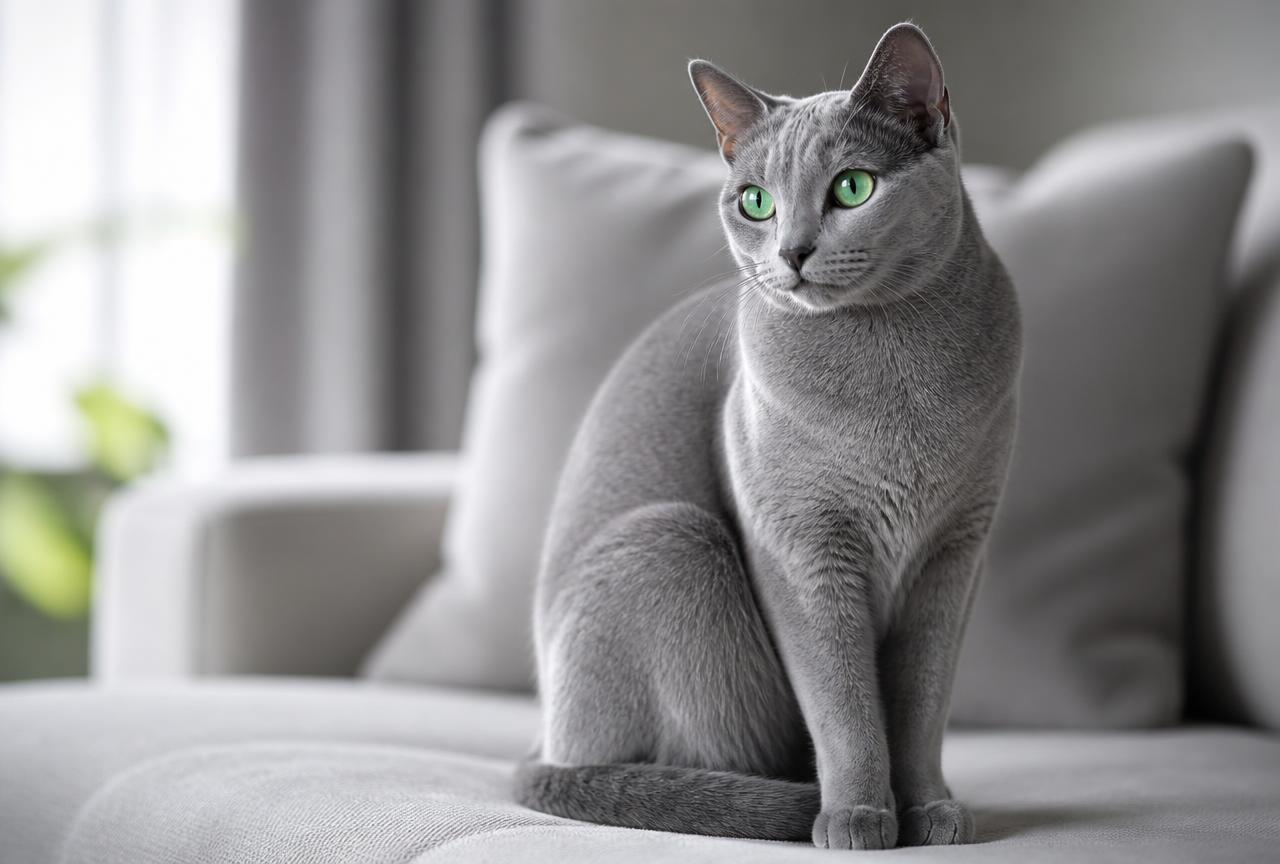
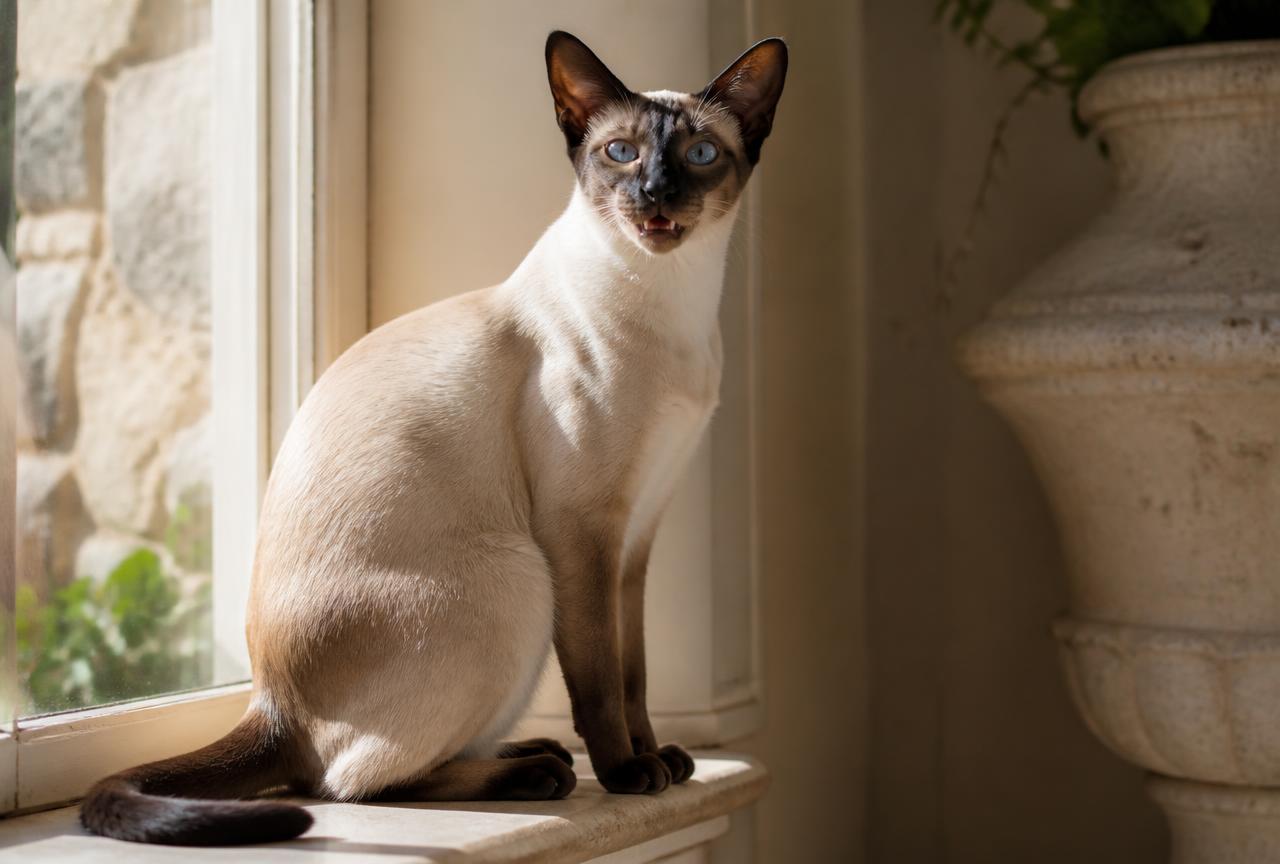
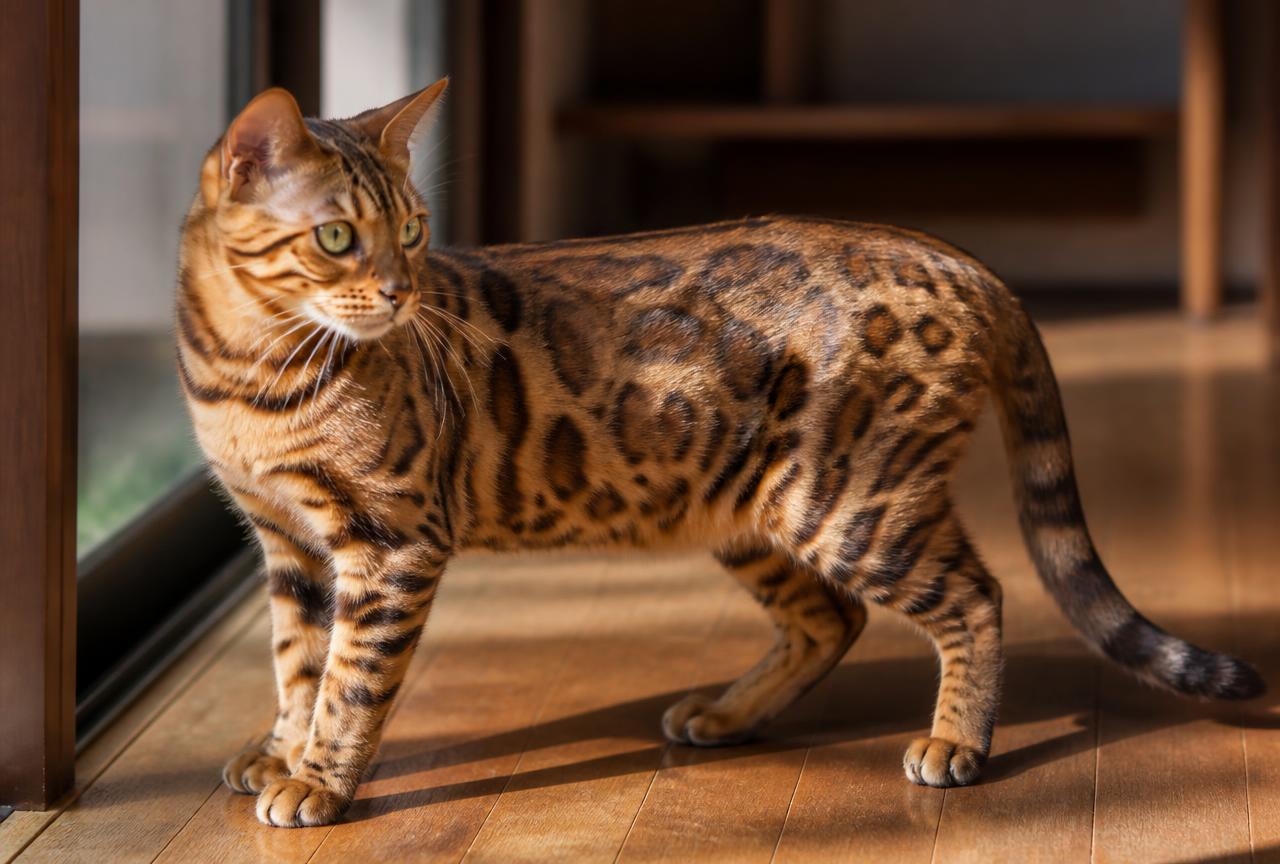
- Russian Blue, Siamese, Bengal, Siberian, Balinese and the rex breeds are the best-tolerated options, with honest caveats
- An overnight trial in a cat household beats a forty-minute breeder visit, allergen load builds over weeks
- The bedroom ban, weekly hot-washing of the cat's blanket and HEPA vacuuming matter more than the pedigree
- Strong reactions, wheeze, chest tightness, mean a doctor's conversation before any cat comes home
Somewhere between the third sneeze and the breeder's website promising a cat your immune system will never notice, most allergic cat lovers land on the same uncomfortable question: is any of this actually true?
The honest answer sits in the middle. No cat is allergen-free, and any breeder who uses the word "hypoallergenic" without a long caveat is selling something. But the variation between individual cats is enormous, some breeds genuinely produce less of the problem protein, and the way you run your home changes your daily allergen load more than any pedigree. People with mild-to-moderate cat allergies live happily with cats every day. People with severe reactions sometimes cannot, whatever the breed. This piece is about telling those two situations apart before a cat comes home.
The short version
- "Hypoallergenic" means "produces less of the main allergen", not "produces none". Every cat produces some Fel d 1.
- The allergen is in saliva and skin secretions, not fur itself, so hairless cats are not automatically safe, and fluffy cats are not automatically worse.
- Individual cats vary more than breeds. The specific cat you react well to is better evidence than any breed list.
- Neutered males produce less Fel d 1 than intact males; females generally less than males.
- Your home's soft furnishings are the allergen reservoir. Weekly hot-washing of the cat's favourite blanket beats any single product.
- Always trial with real, repeated, overnight-level exposure before committing.
What you are actually allergic to
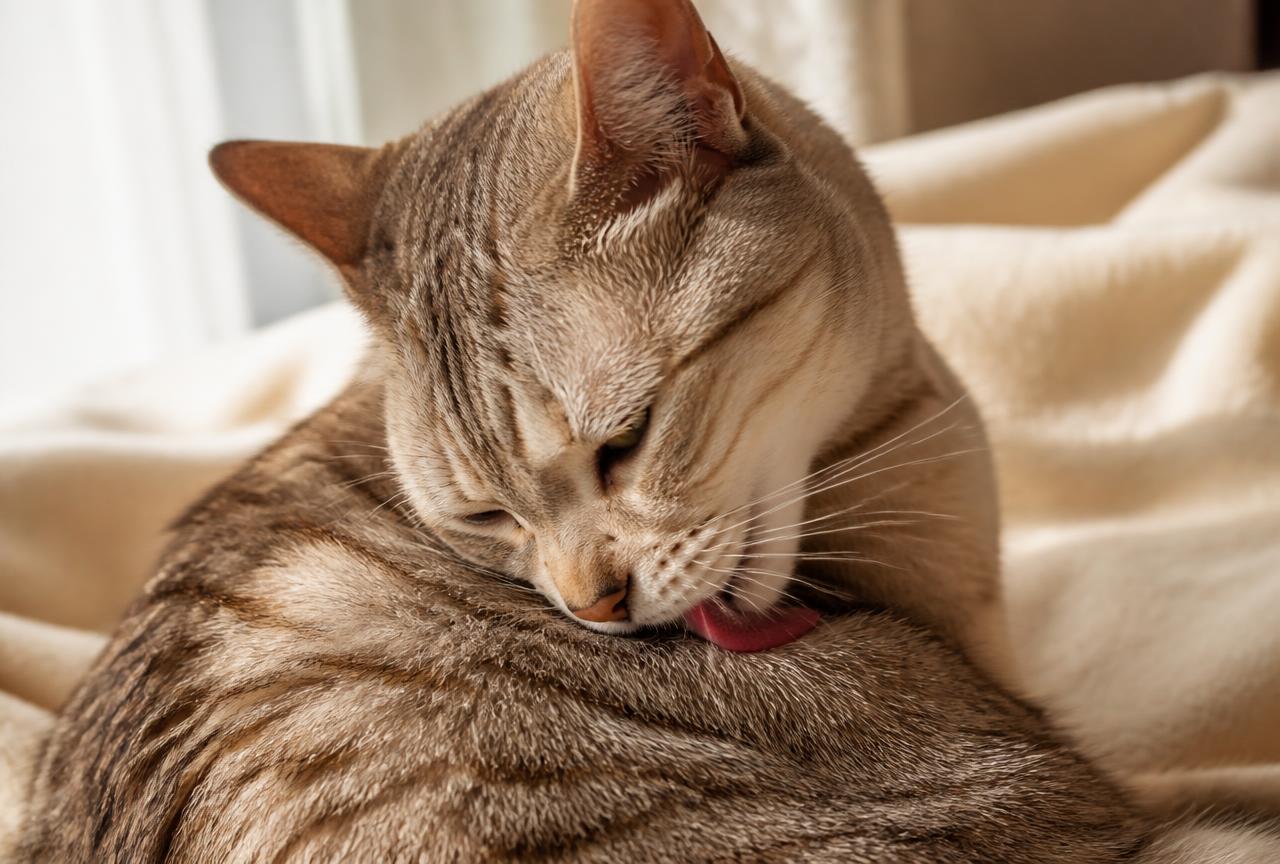
Around nine in ten cat-allergic people react to a protein called Fel d 1, produced mainly in the salivary and sebaceous glands. Cats groom constantly, coating their fur in saliva; the protein dries, flakes off with dander, and floats. It is small, sticky and stubborn, it rides on clothing, persists in homes for months after a cat leaves, and survives ordinary cleaning.
This explains the two most persistent myths:
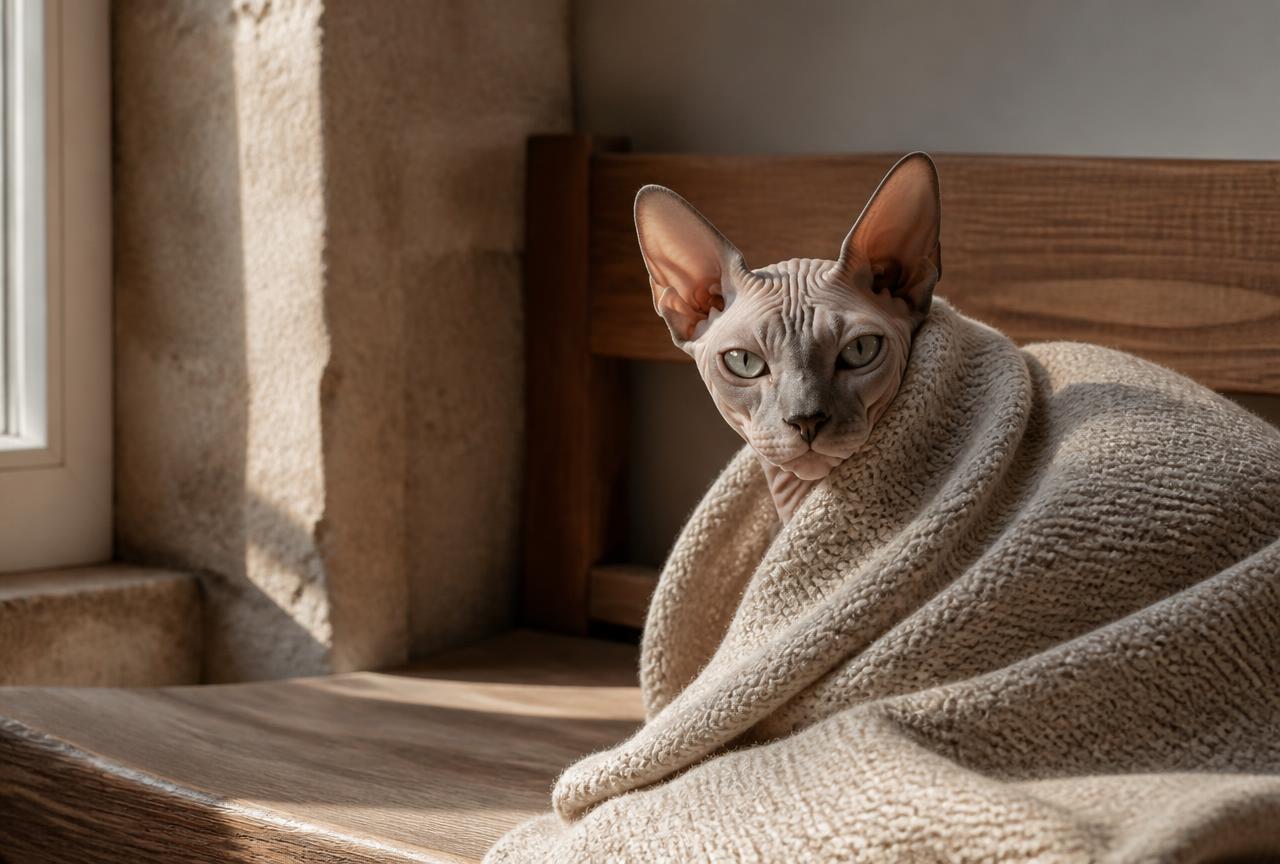
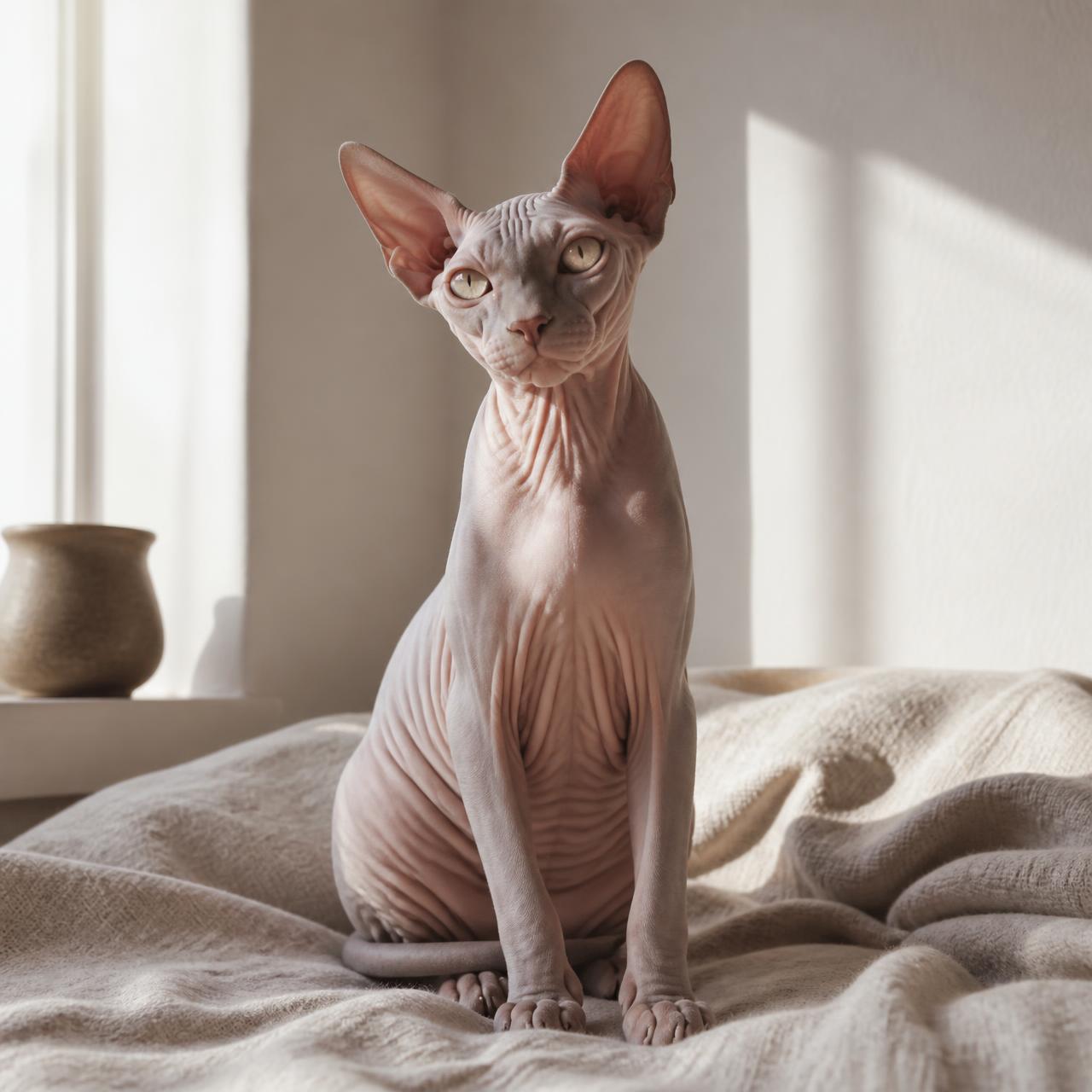
- "It's the fur." Fur is the vehicle, not the allergen. A Sphynx still produces Fel d 1 in its saliva and skin oils, which is why hairless cats still trigger some people, and why they need regular bathing to manage the oils.
- "Long hair means worse allergies." Coat length correlates poorly with allergen production. Some longhaired breeds appear on well-tolerated lists because what matters is how much Fel d 1 the individual cat secretes, not how much hair it wears.
Cats also produce other allergens, Fel d 2, Fel d 4 and several more, which is why a person can react to one "low-allergen" cat and not another. The biology is individual on both sides of the sneeze.
Which breeds come closest
No breed is allergen-free, and the science behind most breed claims is thinner than the marketing. What follows is the honest version of the usual list, the breeds allergic owners most often report managing well, with the reasons and the caveats.
| Breed | Why it is on the list | The caveat |
|---|---|---|
| --- | --- | --- |
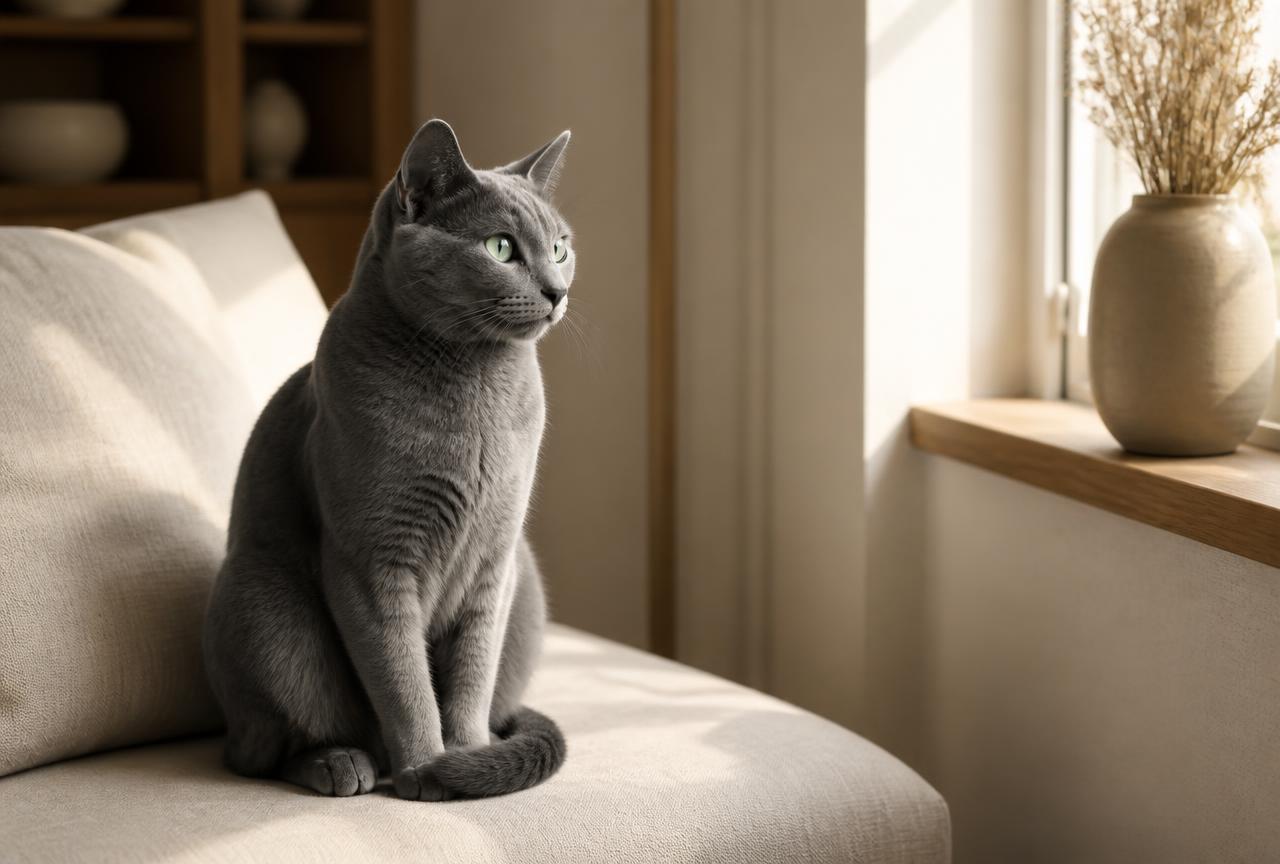
| Russian Blue | Anecdotally lower Fel d 1 production; dense coat may trap dander close to the skin | Evidence is largely owner report, not controlled study |
| Sphynx | No fur to carry dried saliva around the house | Skin still secretes the protein; needs regular bathing; reactions are common |
| Siamese | Frequently tolerated by mildly allergic owners; short, low-shedding coat | Individual variation is huge; vocal, demanding personality is the real commitment |
| Bengal | Short pelt-like coat, often reported as low-shedding | High-energy breed, the allergy may be fine while the furniture is not |
| Siberian | The famous claim: some lines appear to produce genuinely less Fel d 1 | The studies are small and old; breeders' "tested lines" claims vary in rigour |
| Balinese | Sometimes called the "longhaired Siamese", reported to produce less Fel d 1 | Same caveat, owner reports, not trials |
| Devon and Cornish Rex | Fine, minimal coats shed less hair around the home | Less shed hair is not the same as less allergen |
The pattern worth noticing: the breeds people manage with are mostly short-coated or low-shedding, which reduces how much allergen-laden hair spreads around the home, a practical benefit that has nothing to do with the protein itself. And the breeds with the strongest scientific claims, like the Siberian, still produce reactions in plenty of people.
The factor nobody lists: the individual cat
Fel d 1 production varies wildly between individuals, by some research, more than tenfold between two cats of the same breed. Intact males produce the most; neutering drops levels measurably. Females produce less on average. Some studies suggest lighter-coloured cats produce less, though the data is thin.
The cat in front of you is a better guide than the breed behind it.
This has a practical consequence that changes how you should shop: if you meet a specific cat and spend real time with it without reacting, that cat is your evidence. A different cat of the same breed, even its littermate, is a fresh roll of the dice. Breeders of "hypoallergenic" lines who are serious about the claim will welcome long visits; treat any breeder who rushes you past the sneezing question as answering it.
Test before you commit
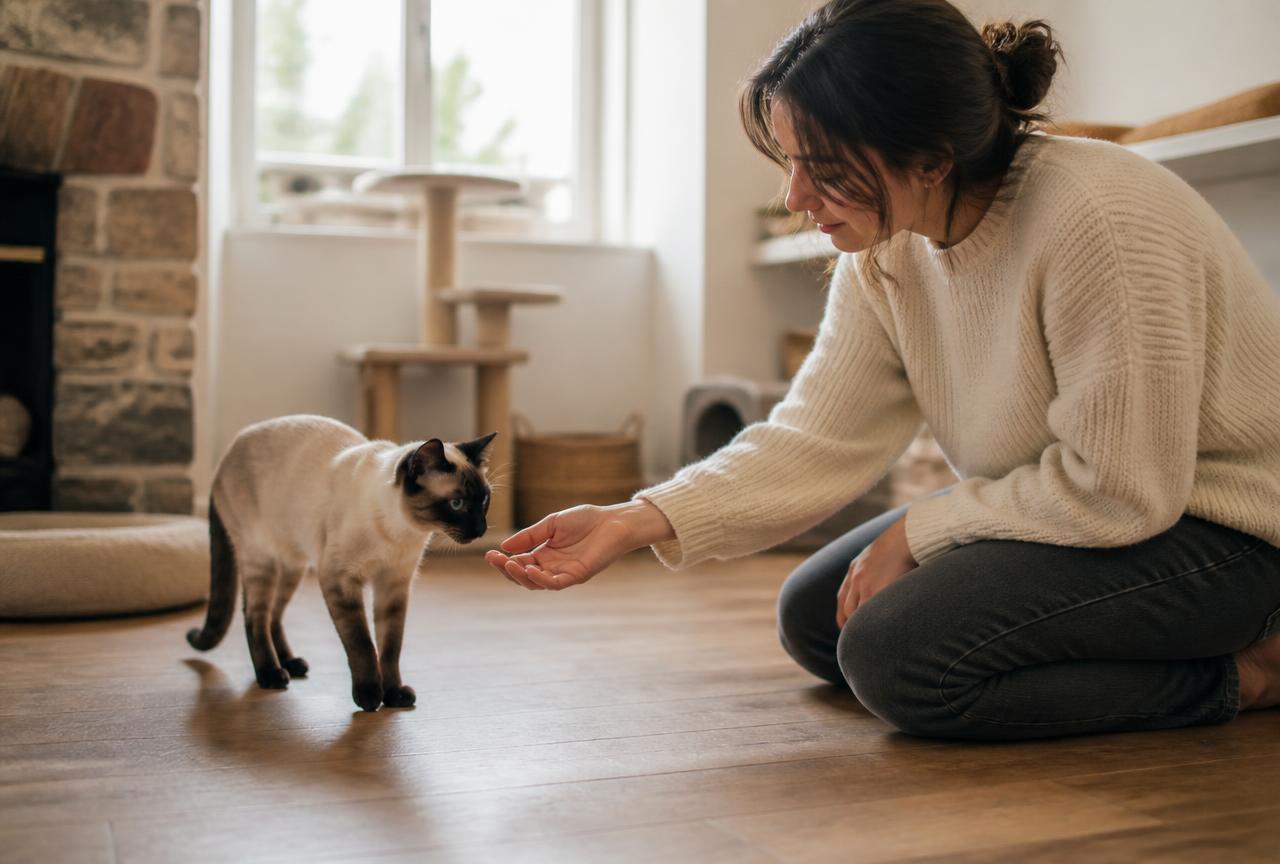
Allergy to a cat is dose-dependent, and the dose in a breeder's front room for forty minutes is nothing like the dose in your own home after three weeks. Fel d 1 accumulates in carpets, sofas, bedding and clothes. Many people feel fine on visit one and are streaming by week two.
A proper trial looks like this:
- 1Visit the specific cat twice, a week apart. Handle it, then touch your face. Delayed reactions are common and informative.
- 2Get an overnight dose if you can. Stay overnight in a home where a cat actually lives, a friend's cat is fine for a general reading, though only the specific cat is a true test.
- 3Consider fostering first. Some rescues arrange foster-to-adopt placements. A month of real cohabitation is the only test that matches the commitment.
- 4If your reactions are strong, talk to your doctor first. Antihistamines, nasal sprays and immunotherapy change what is possible for some people, that is a medical decision, not a shopping one.
The step most people skip is the overnight. An hour tells you about acute sensitivity; a night tells you about the chronic exposure you are actually signing up for.
Running a low-allergen home
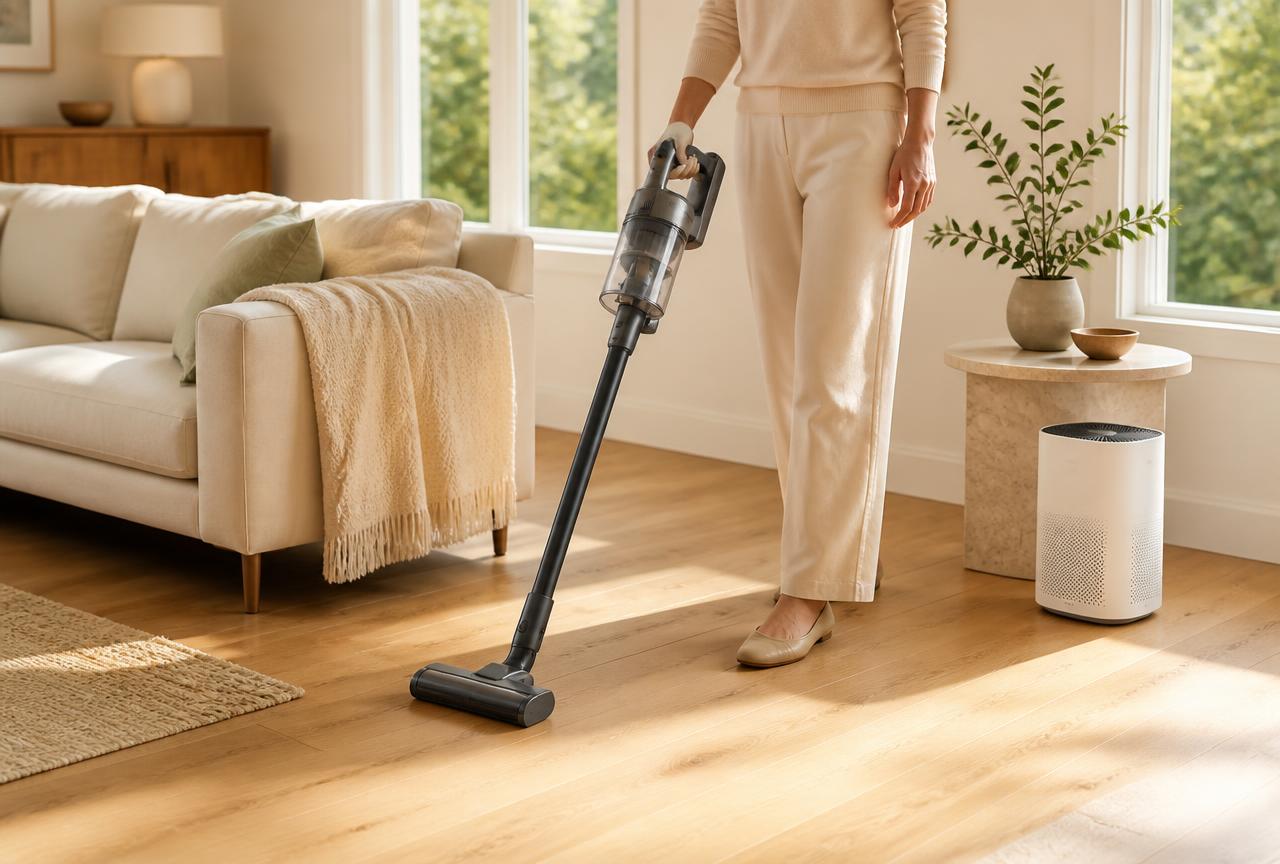
Whether you choose a Russian Blue or a Domestic Shorthair from the shelter, this routine is where allergic households are actually won and lost. None of it is glamorous. All of it works by the same principle: Fel d 1 lives in reservoirs, and your job is to empty them faster than the cat fills them.
- Make the bedroom a cat-free zone, permanently. You spend a third of your life there; keeping it allergen-light gives your immune system eight hours of recovery a night. This is the single highest-value rule.
- Wash the cat's favourite blanket or throw weekly, hot. The sofa spot the cat sleeps on is the densest reservoir in the house.
- Vacuum with a HEPA-filtered machine, slowly, twice a week, fast passes with a leaky vacuum just aerosolise the dander.
- Run a HEPA air purifier in the room where the cat spends most time. It helps; it does not substitute for the washing.
- Prefer hard floors and washable throws over carpets and heavy curtains in the rooms the cat uses.
- Wash hands after handling, and keep the cat off your pillow. Face contact is the fast lane.
- Let a non-allergic member of the household do the brushing, outdoors ideally, and the litter tray.
- Ask your vet about allergen-reducing diets. Foods containing anti-Fel d 1 antibodies have reasonable trial evidence for reducing active allergen on the coat over several weeks. Not a cure, a reducer.
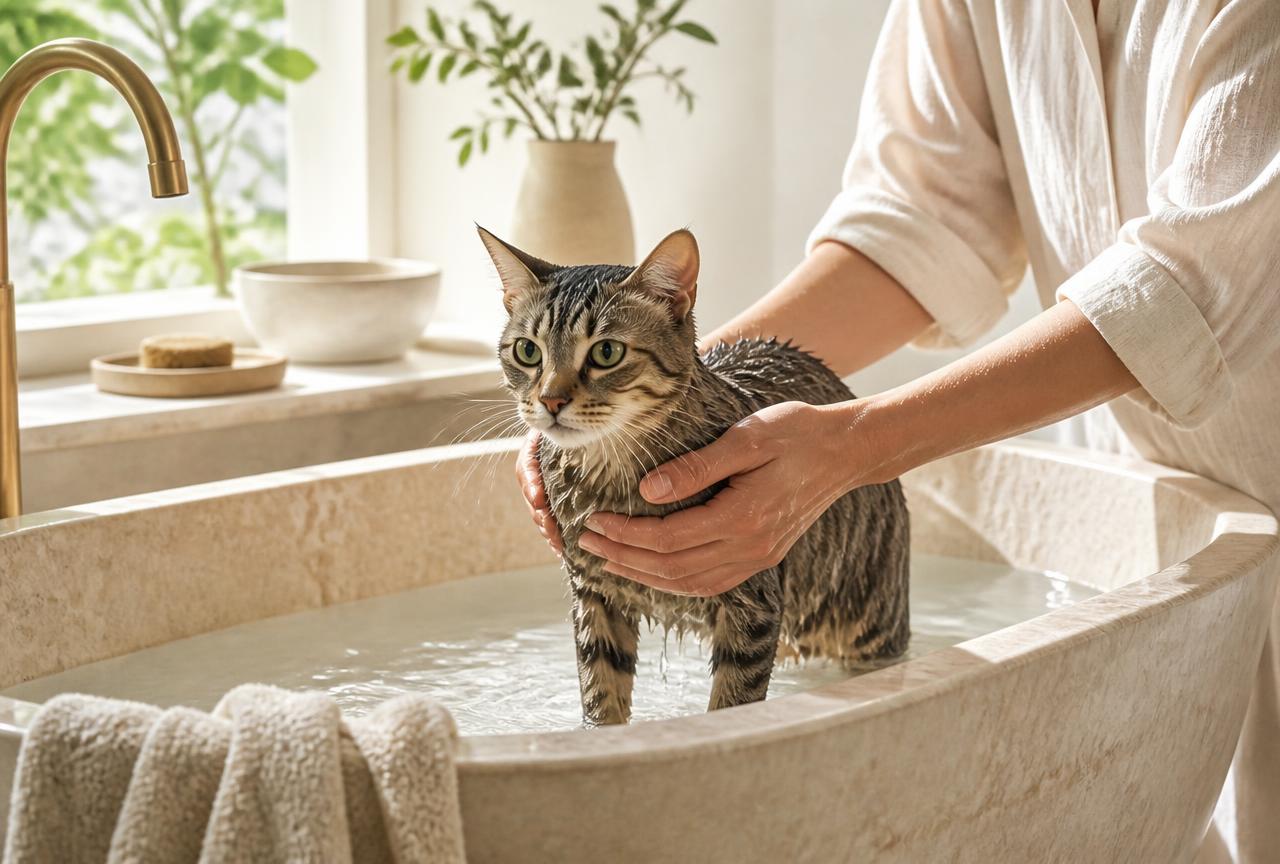
Bathing the cat weekly also reduces surface allergen, but most cats consider this an act of war; see our piece on bathing a cat without bloodshed before committing to that routine, and weight it against the stress for the cat.
The verdict, household by household
Mild symptoms, hard floors, realistic expectations: a cat is a reasonable project. Test the individual, pick a lower-producing breed or a cat you have personally trialled, keep the bedroom closed, and start the cleaning routine on day one.
Moderate symptoms: possible, but earn it with evidence first, overnight exposure, ideally fostering. Have a management plan agreed with your doctor before the cat comes home, not after.
Strong reactions, wheeze, chest tightness, skin flares: be honest with yourself. A breed label will not protect you, and rehoming a cat you love because your lungs refused is the worst outcome for both of you. Explore medical management with your doctor first, and treat any fostering trial as genuinely a trial.
Children with allergies: the same rules, applied more conservatively, because a child cannot report symptoms clearly and exposure is round the clock. The bedroom rule matters most here.
When to talk to a doctor, not a breeder
Cat allergy is usually a nuisance, occasionally a risk. Take medical advice before committing to a cat if you have ever had chest tightness, wheezing or asthma symptoms around cats; if a child in the household has asthma; or if your reactions have been getting stronger over years of exposure, allergies can escalate with time rather than fade. Immunotherapy (allergy shots or drops) has decent evidence for cat allergy and is the one intervention that changes the underlying sensitivity rather than the symptoms; it takes months to years and is a conversation for an allergist.
The bottom line
"Hypoallergenic" is a spectrum, not a category, and you sit on it as much as the cat does. The people who succeed with cat allergies are rarely the ones who bought the right breed, they are the ones who tested the specific cat honestly, closed the bedroom door, and kept the washing machine busy. Do those things and the breed becomes a preference. Skip them and no pedigree will save you.
Interactive
The allergy-fit matcher
Three honest answers, how strong your reaction is, how much real exposure you have had, and what your home is made of, give a fairer verdict than any breed list.
Verdict
A realistic project
Your combination, manageable symptoms, some real exposure, and a home you can adapt, is the one where people succeed. Choose a lower-producing breed or an individual cat you have tested, keep the bedroom a cat-free zone, and run the cleaning routine from the checklist below from day one, not after symptoms appear.
Also worth knowing
- Washable throws on the sofa the cat favours, washed weekly at high temperature, remove more allergen than any single product, reservoirs matter more than the cat.
- Visit the breeder or shelter twice, at least a week apart, and touch your face after handling the cat. A delayed reaction on visit two is useful information, not a failure.
Guidance, not medical advice. Strong allergic reactions are a conversation for your doctor before any cat comes home.
Questions people actually ask
Sources
- American College of Allergy, Asthma & Immunology, Pet Allergy overview
- Journal of Feline Medicine and Surgery, Fel d 1 and the cat-human allergy interface
- Allergy, Asthma & Immunology Research, Cat allergen Fel d 1: production and variability
- International Cat Care, Living with a cat allergy
- Humane Society guidance on allergies and choosing a pet
Breeds mentioned
Put it into practice
Read next
How to bathe a cat: when it is needed, and how to survive it
How to bathe a cat without bloodshed: when a bath is genuinely needed, the setup, the step-by-step, and when to call a groomer instead.