United States
Ocicat
A large, spotted domestic cat with wild looks, high energy and a surprisingly people-oriented, trainable nature.
ReMews. veterinary review board
A wild look with a domestic heart
The short version
- Large, athletic body with a striking spotted coat
- Confident, affectionate and trainable
- Needs active play and vertical space
- Short coat is low-maintenance
- Screen for HCM and PK deficiency
- Weight
- 3.5–7 kg
- Lifespan
- 12–18 yrs
- Coat
- Short
- Size
- Large
- Grown male
- 5–7 kg
- Grown female
- 3.5–5.5 kg
- Years to full size
- about 2
- One-off setup
- €1000–1800
Get one if…
- Active owners who want a trainable, interactive cat
- Households with vertical space and playtime
- Families and multi-pet homes
Think again if…
- Sedentary owners or very quiet homes
- People away all day with no companion cat
- Anyone wanting a low-energy lap cat
Trait profile
Ocicats are large, spotted and athletic. They need active play, vertical space and secure outdoor alternatives.
Space & setup. Space matters less than enrichment. Ocicats need climbing routes, puzzle feeders and play. A secure outdoor alternative is ideal.
Allergies. No cat is hypoallergenic. The short coat may shed less visibly than a long coat, but the allergen is still present. Spend time with adults before committing.
The review
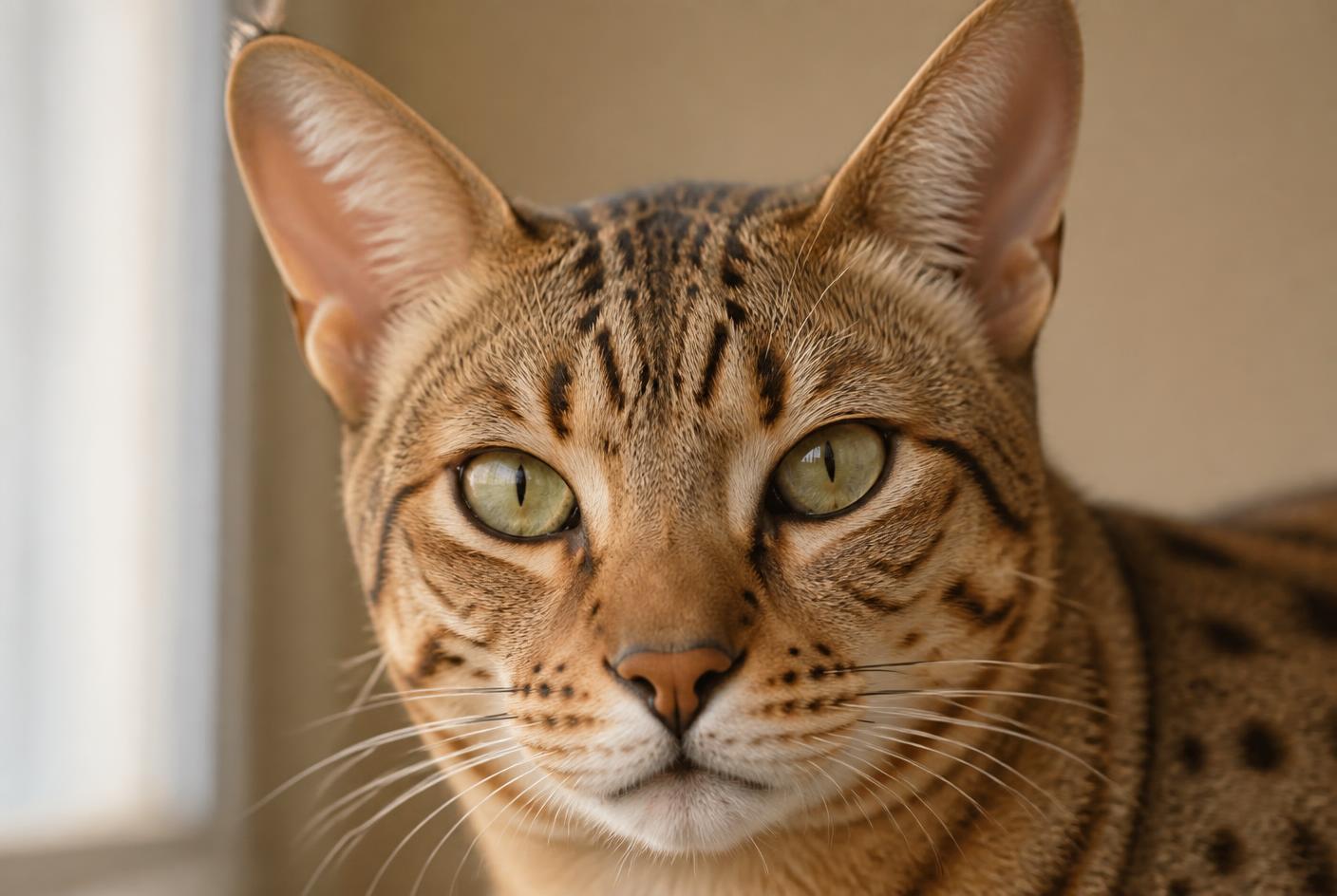
Ocicats are large, spotted cats that look like a small wildcat but are fully domestic. They are athletic, confident and unusually people-oriented, often described as having a dog-like devotion to their family.
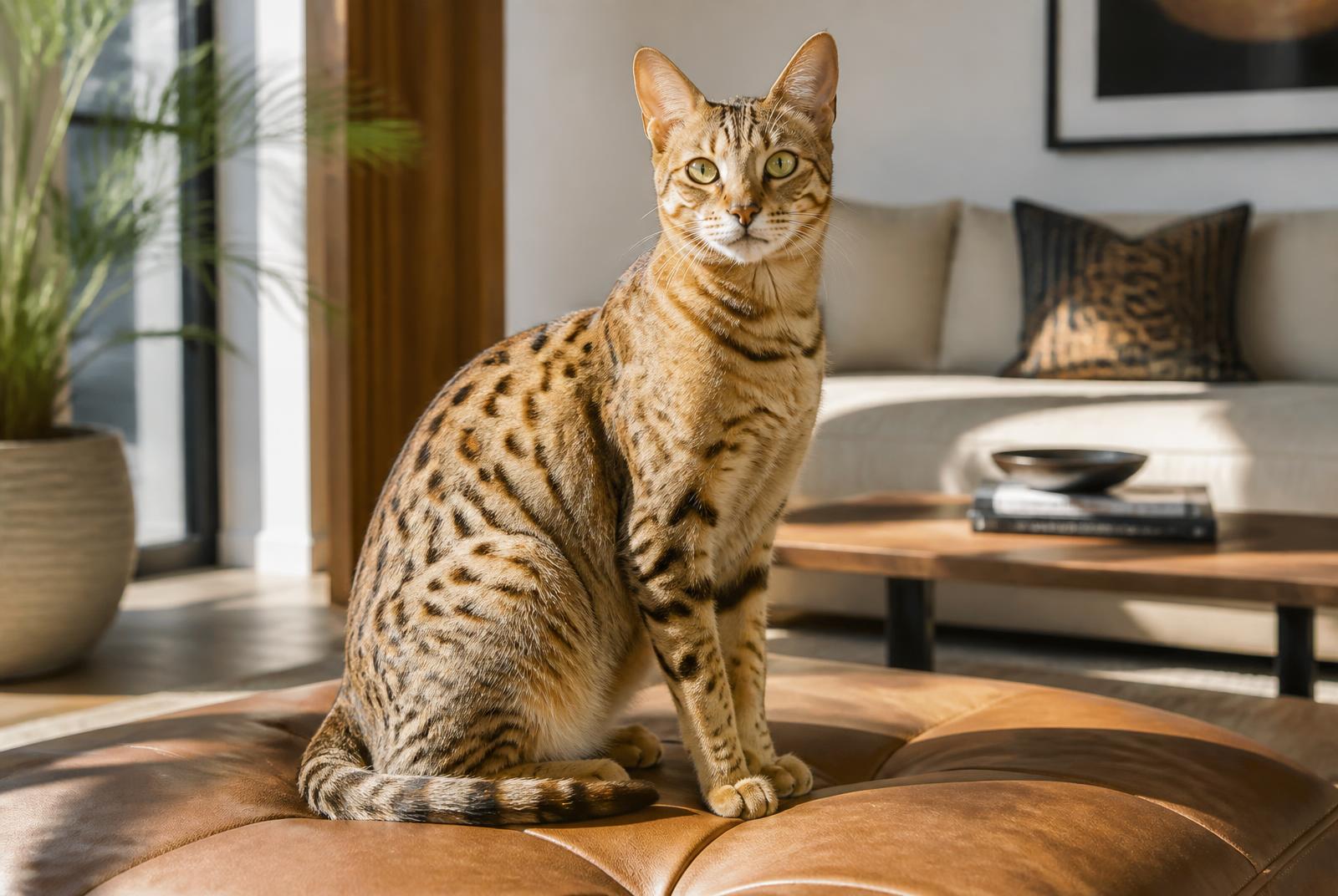
The Ocicat is a lesson in appearances. It has the spotted coat, the long legs and the athletic build of a wildcat, but it was created entirely from domestic breeds, Abyssinian, Siamese and American Shorthair, and has no wild blood. The result is a cat that looks exotic but behaves like an affectionate, high-energy companion.
The breed is relatively recent, developed in the United States in the 1960s. Males usually finish between 5.0 and 7.0 kg, females between 3.5 and 5.5 kg. They are large, solid cats with surprising muscle under the short, spotted coat. The markings should be clear and random, like a wildcat's, not striped or blotched.
Personality is the selling point. Ocicats are confident, curious and people-oriented. They greet visitors, follow their owners from room to room and can often be trained to walk on a harness, retrieve toys or come when called. They are vocal but not piercing: more chirps and trills than demands.
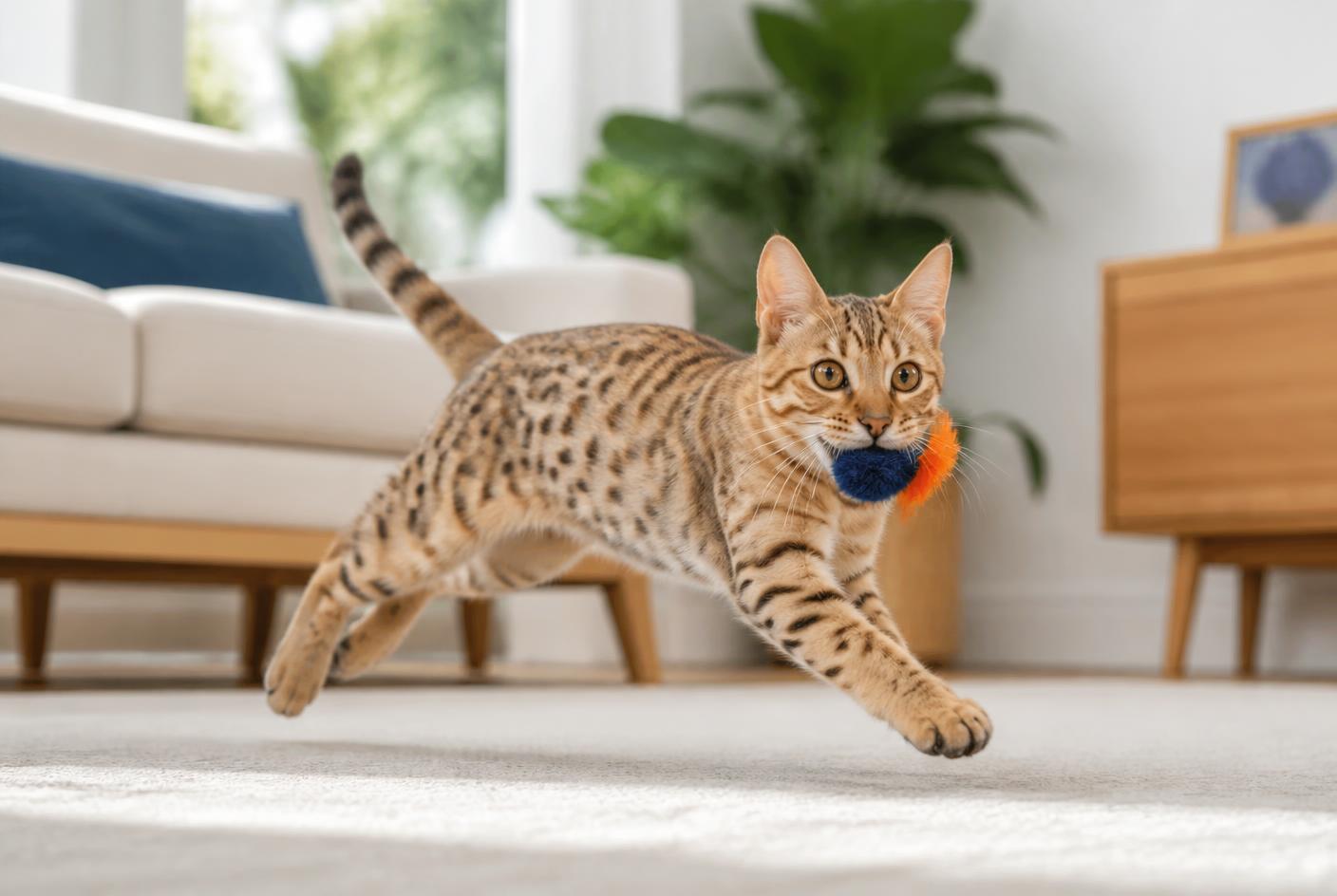
Energy is high. They need two active play sessions a day, tall climbing trees, puzzle feeders and safe high routes. A bored Ocicat will open cupboards, scale curtains and loudly announce its displeasure. They are best in homes where someone is around for much of the day, or where they have a companion cat with a similar energy level.
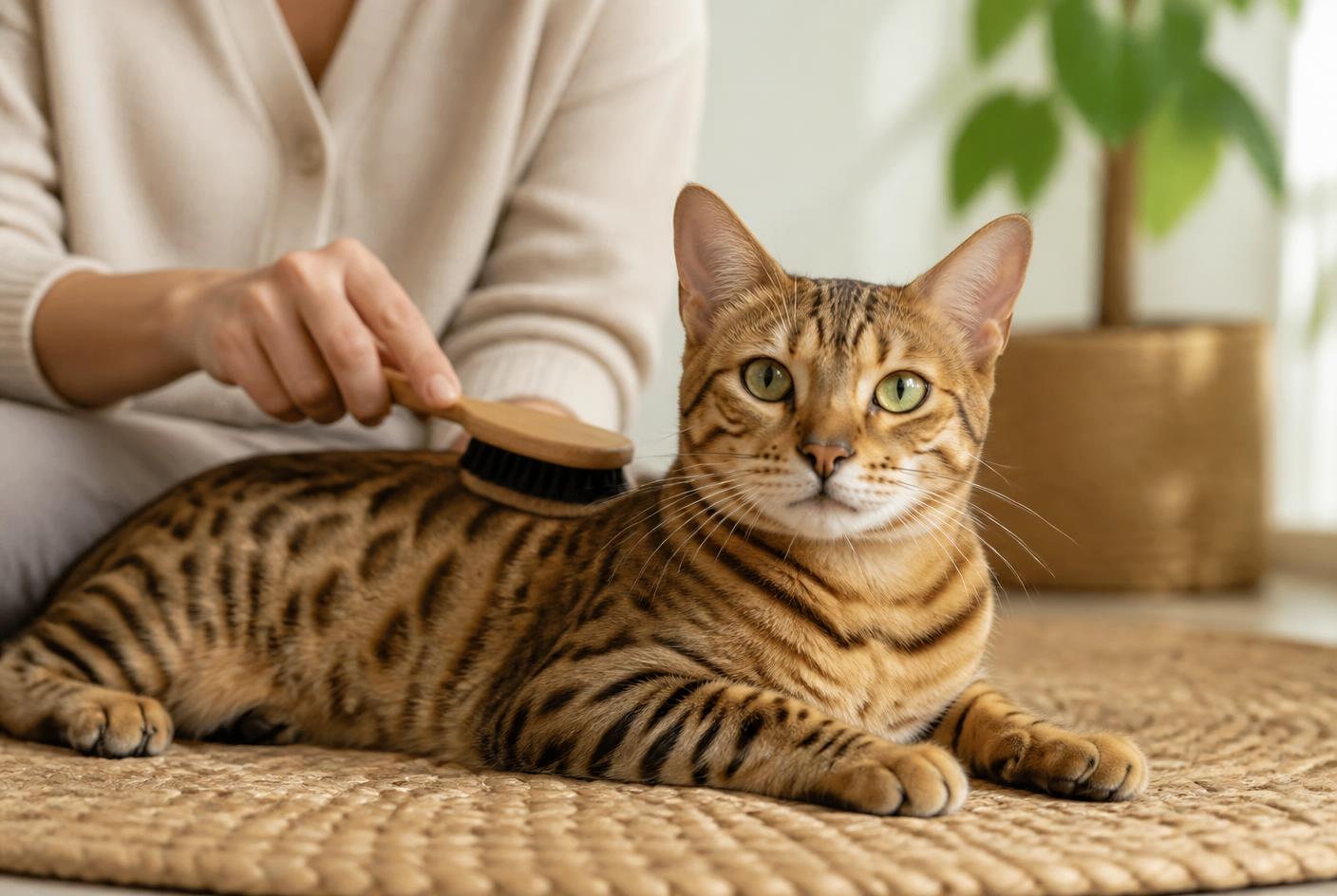
The short coat is easy care: a weekly brush is enough. Health is generally robust, but HCM can occur, and some lines carry a risk of pyruvate kinase deficiency because of the Abyssinian influence. Dental disease is the universal risk if teeth are neglected.
Outdoor access should be secure, a catio or supervised harness walks, never free roaming. Their value and appearance make them a target, and they are not streetwise.
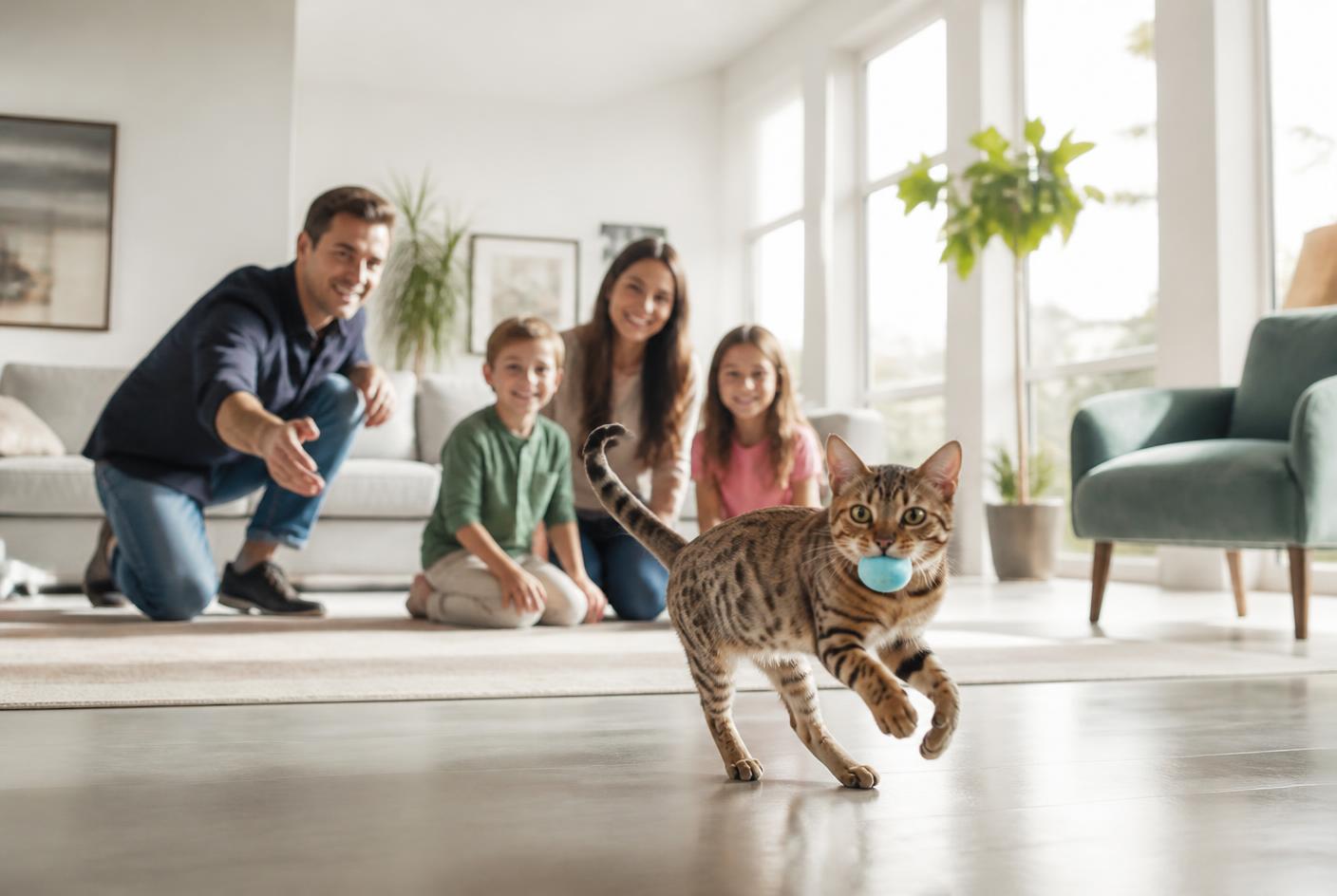
The right home is active, enriched and social. They suit families, multi-cat households and owners who want a trainable, interactive cat.
A striking, athletic cat for active owners. The spots are eye-catching, but the personality, playful, devoted and trainable, is the real story.
Grooming, realistically
- 1Brush weekly with a soft bristle brush or grooming mitt
- 2Trim claws every two to three weeks
- 3Check ears for wax during grooming
- 4Use dental treats or brushing several times a week
What you actually need
- Soft bristle brush or grooming mitt
- Nail clippers
- Pet-safe ear wipes
- Enzymatic toothpaste
Kitten to adult
| Age | Male | Female | What is happening |
|---|---|---|---|
| 3 months | |||
| 6 months | |||
| 9 months | |||
| 12 months | |||
| Full size |
Ranges are typical, not targets. Judge condition by ribs and waist, and check with the ideal weight checker.
What to ask a breeder
- Have the parents been screened for HCM?
- Any PK deficiency testing because of Abyssinian ancestry?
- How are kittens socialised with people, toys and handling?
- Can I meet the parents to assess temperament?
Health watch-list
What to ask a breeder about, and what to watch for over a lifetime. This is orientation, not veterinary advice, anything you notice belongs in front of a vet.
Hypertrophic cardiomyopathy
NotableHCM can occur. Echocardiogram screening of breeding cats is the best precaution.
Pyruvate kinase deficiency
Notable in some linesBecause of Abyssinian ancestry, some lines carry PK deficiency. Genetic testing should be available.
Patellar luxation
UncommonA slipping kneecap can occur. Ask about the parents' orthopaedic history.
Dental disease
Common with ageRoutine dental care is needed as the cat ages.
Obesity
Likely if under-exercisedA large, muscular cat needs portion control and active play to stay lean.
Boredom and destructiveness
Likely if under-stimulatedHigh intelligence and energy without outlets lead to curtain climbing, cupboard raids and loud complaints.
What it costs to keep one
Realistic running cost
€85 / month
About €1,020 a year, or roughly €15,300 across a 15-year life, before purchase price, neutering and one-off vet events.
Before the cat arrives. Budget roughly €1000–1800 for trays, carrier, posts, bowls, bedding and grooming kit sized for this breed. Figures throughout are indicative and vary a good deal between countries.
Interactive · built for this breed
Is an Ocicat right for your home?
A wild-looking, fully domestic cat with high energy and a dog-like devotion to people. Five questions on activity, climbing, noise and household type.
Verdict
An excellent match
You want an active, people-oriented cat and you have the space, playtime and secure enrichment to support it.
Keep the weight honest with the ideal weight tool, or compare the alternatives in the matchmaker.
The verdict, by household
Excellent with children who enjoy interactive play. Confident enough to handle a busy household.
Fine if enriched, but the energy and size need space and climbing routes.
Rewarding, but the energy and need for play are higher than many first cats.
Usually good with another playful cat or a cat-savvy dog. They prefer company to solitude.
When to call your vet
- Laboured breathing or fainting after play
- Lethargy or pale gums suggesting anaemia
- Persistent limping or skipping gait
- Dramatic weight loss or refusal to eat
- Signs of overheating in hot weather
Nothing here is a diagnosis. Breathing difficulty, sudden hind-leg weakness and straining to urinate are emergencies, go the same day.
Ocicat vs the closest alternatives
| Breed | Weight | Energy | Grooming | € / month |
|---|---|---|---|---|
| Ocicat | 3.5–7 kg | 9/10 | 3/10 | €85 |
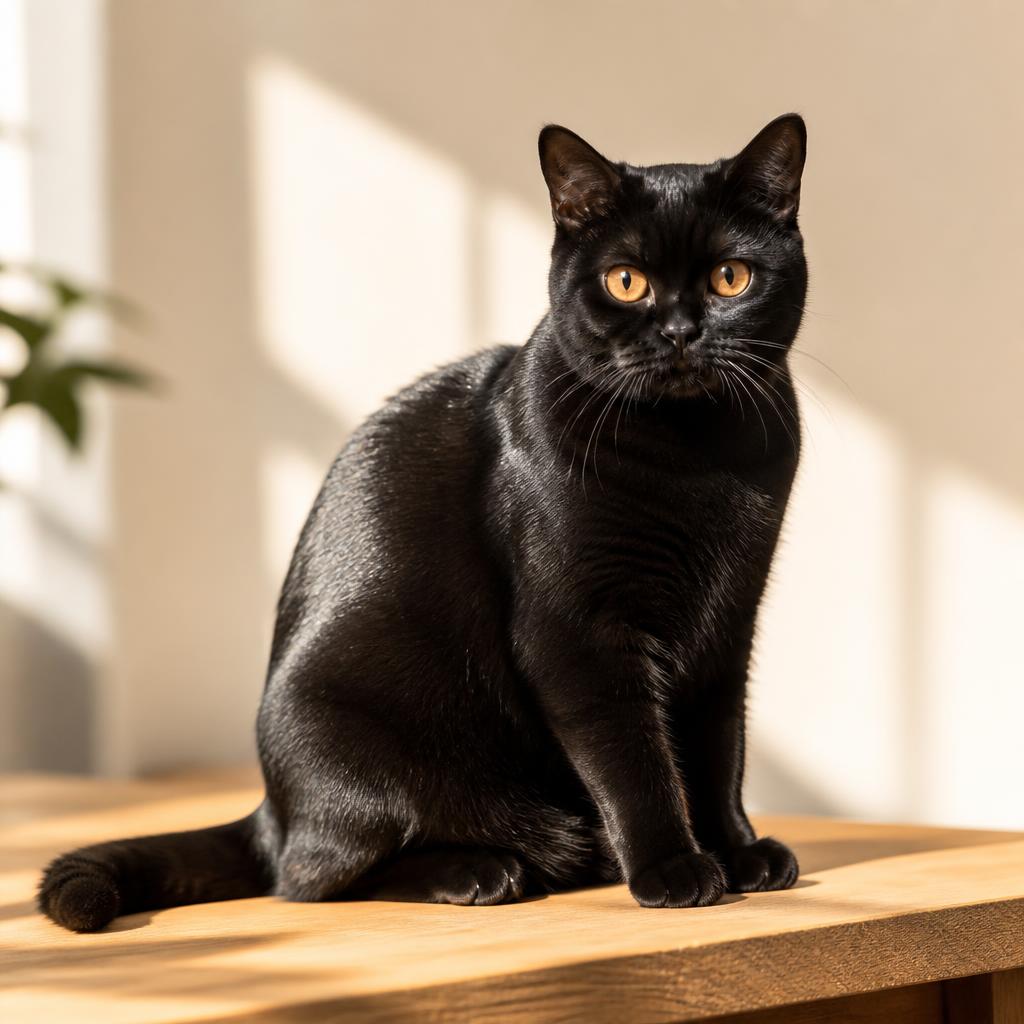
| Bombay | 2.5–5.5 kg | 7/10 | 3/10 | €78 |
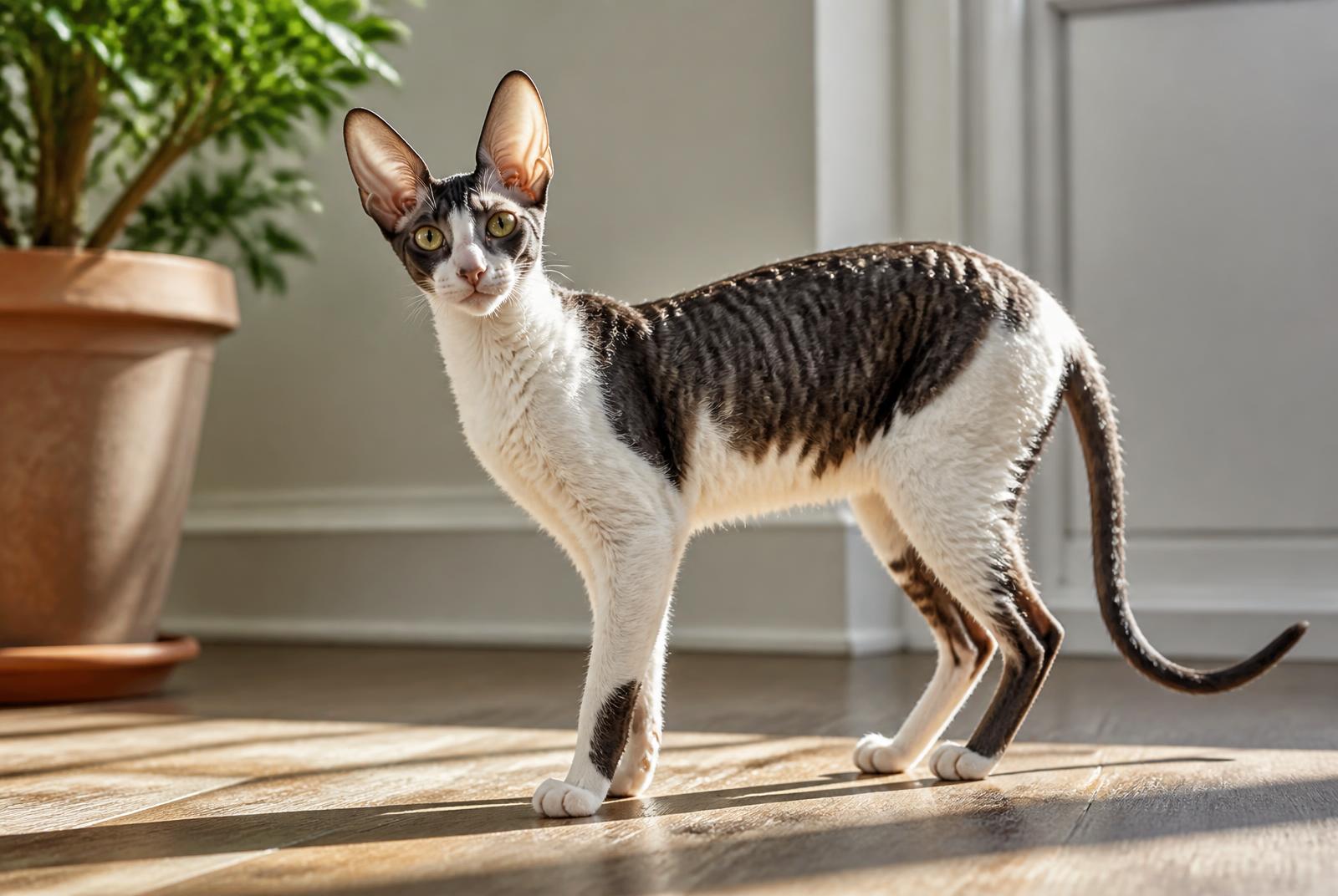
| Cornish Rex | 2.5–4.5 kg | 10/10 | 2/10 | €80 |
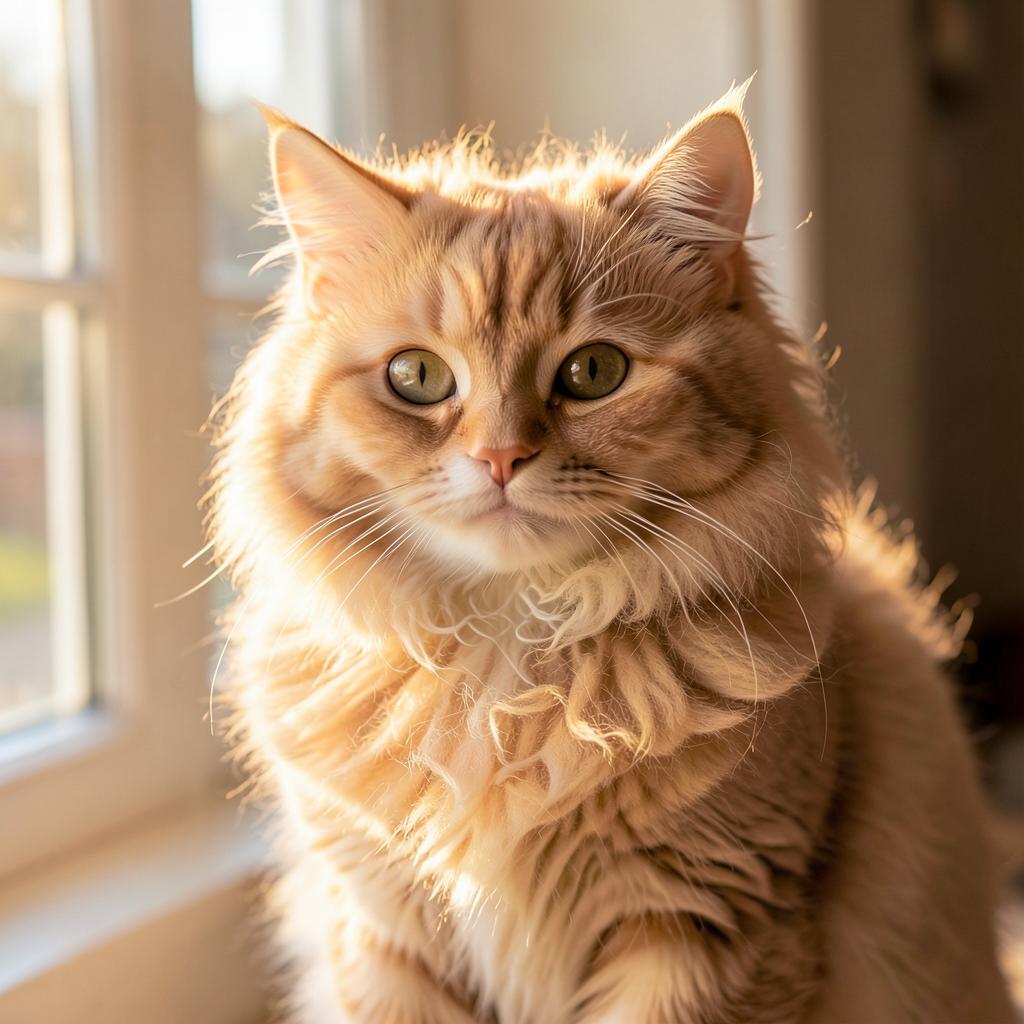
| LaPerm | 2.5–5 kg | 7/10 | 4/10 | €71 |
Ocicat questions, answered
Is an Ocicat a wildcat hybrid?
No. Despite the spots and wild look, the Ocicat is fully domestic, developed from Abyssinian, Siamese and American Shorthair lines.
How active is an Ocicat?
Very active. They need daily interactive play, climbing space and mental challenges. A bored Ocicat will create its own entertainment.
Are Ocicats trainable?
Yes. Many learn to fetch, walk on a harness, come when called and even perform simple tricks. Positive reinforcement works best.
Do Ocicats get along with other pets?
Usually yes, especially with another playful cat or a cat-savvy dog. They prefer company and can become lonely as a single pet.
How much grooming do they need?
Very little. A weekly brush keeps the short coat glossy. Trim claws and check ears regularly.
Are Ocicats hypoallergenic?
No. The short coat may shed less visibly, but the allergen is still present. Spend time with adults before committing.
What health tests should a breeder provide?
HCM screening and PK deficiency testing where relevant. Ask for certificates and meet the parents to assess temperament.