Cornwall, England, from a single spontaneous mutation in 1950
Cornish Rex
The other curly breed, and a very different animal from the Devon Rex. Softer to the touch, faster on its feet, and dependent on a warm home in a way few cats are.
The ReMews. desk
Marcel waves, whippet lines, and a cat that never really stops.
The short version
- Only the soft undercoat remains, arranged in tight waves. Almost no insulation, so the home must be genuinely warm.
- One of the most athletic breeds in domestic cats, and kitten-like for life. Height and daily play are requirements, not extras.
- Do not brush hard, a hand or soft cloth is enough. What needs regular care is ears, skin oil and nails.
- Highly social. A single Cornish Rex alone all day becomes a destructive problem-solver; home two instead.
- Ask about echocardiogram screening for heart disease, patellar luxation, and what adult coats look like at five years.
- Weight
- 2.5–4.5 kg
- Lifespan
- 12–16 yrs
- Coat
- Short
- Size
- Small
- Grown male
- 3.2–4.5 kg
- Grown female
- 2.5–3.6 kg
- Years to full size
- about 2
- One-off setup
- €260–560
Get one if…
- Your home is warm year round
- You want an athletic, funny, involved cat
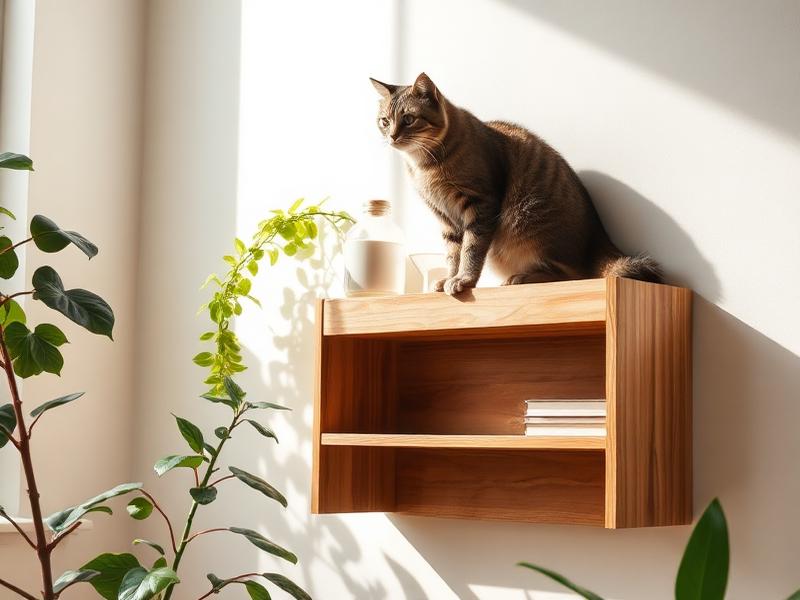
- You will provide a tall tree and shelves
- Someone is usually home, or you will home two
- You want a cat that sheds very little
Think again if…
- Your home is cool or draughty
- You want a calm, restful cat
- No climbing furniture is planned
- You need a genuinely hypoallergenic cat
- The home is empty all day and this would be the only cat
Trait profile
Top of the index on energy, bottom on grooming and shedding. The hidden score is warmth: this coat insulates almost nothing.
Space & setup. Well suited to a flat, provided the flat is warm and has height. Floor area matters far less than a tall tree, shelves and a route to the top of something.
Allergies. Not hypoallergenic. A short wavy coat sheds less visibly, but the allergen is produced in saliva and skin, and it will still be present throughout the home.
The review
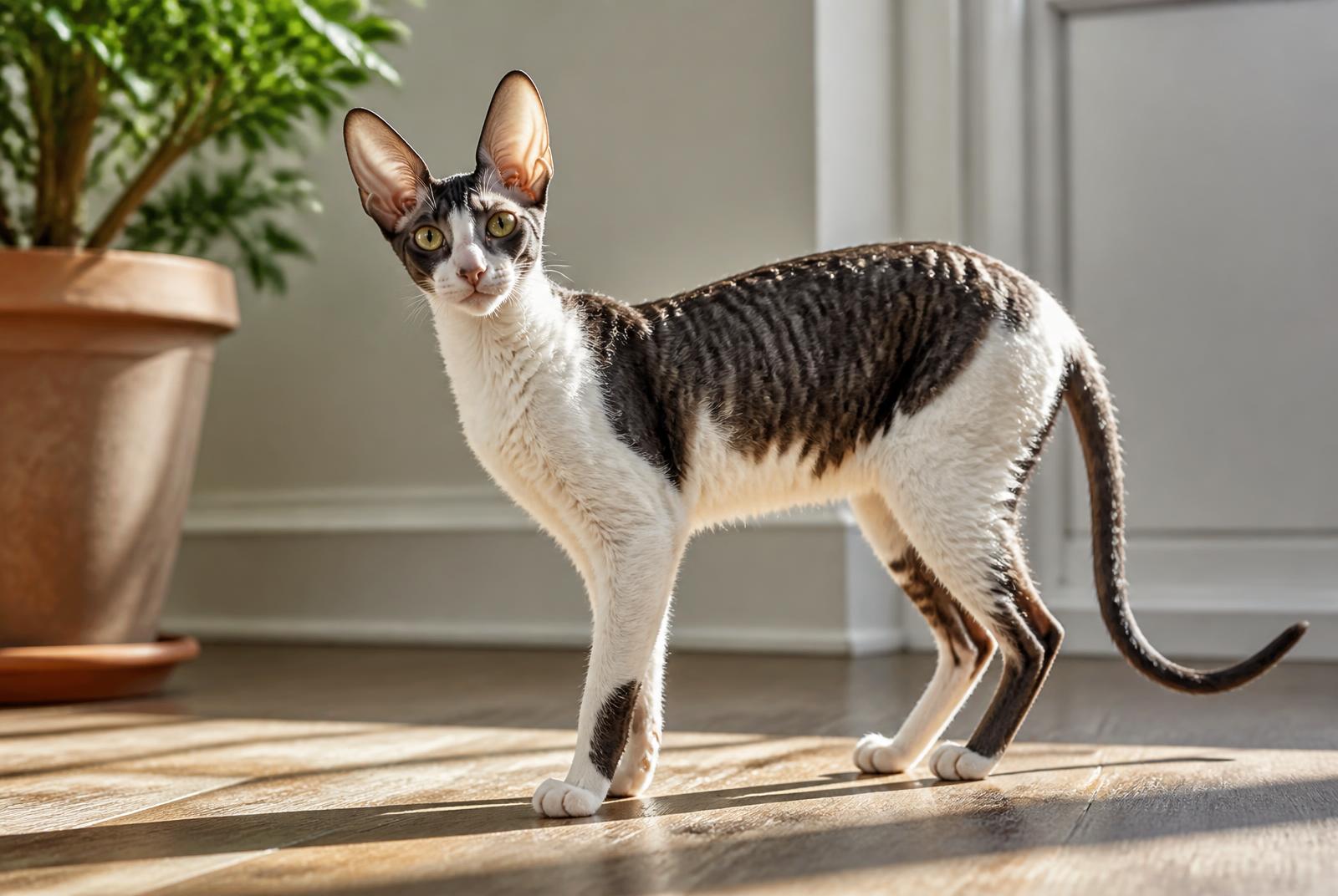
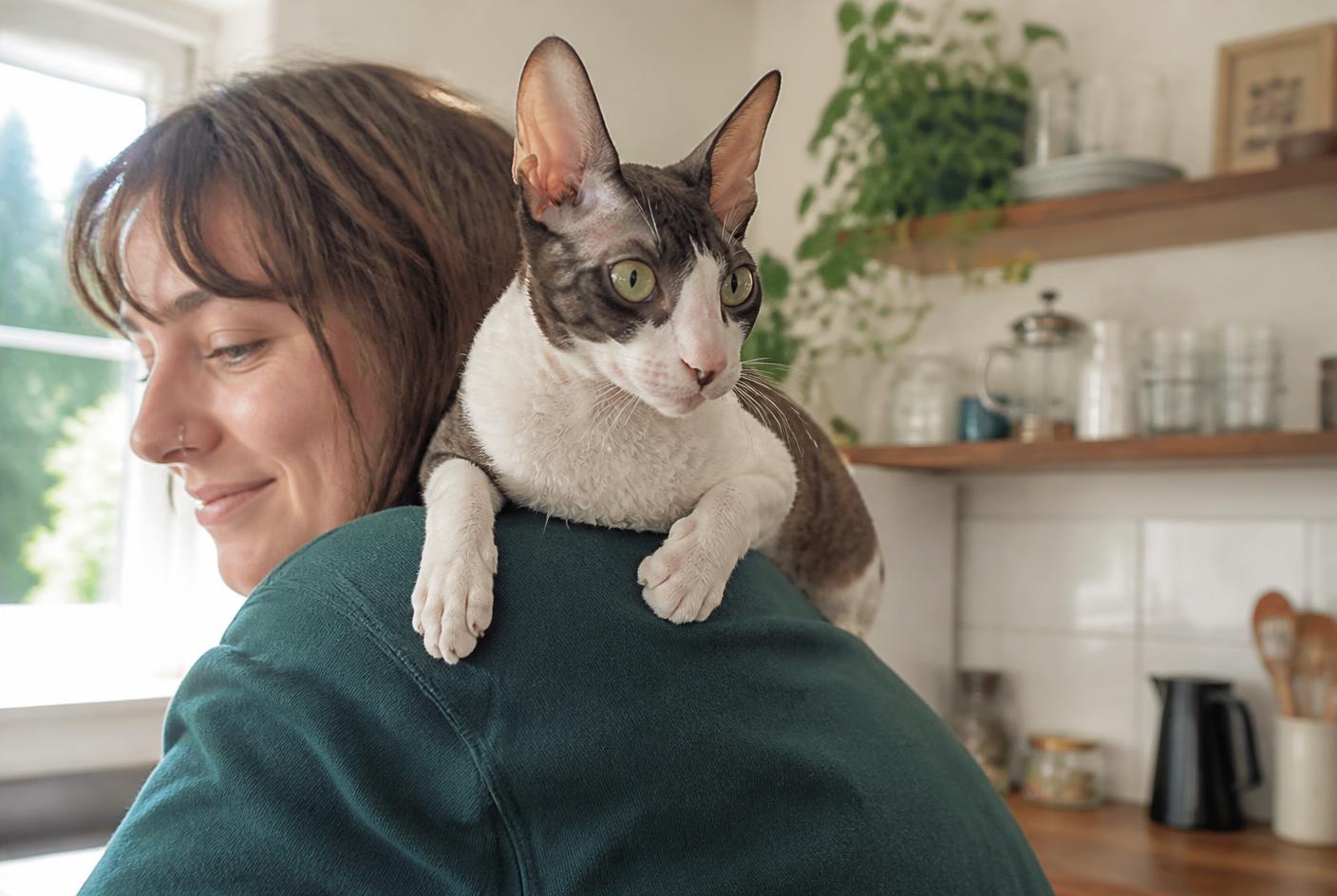
A fine-boned, large-eared cat with a short coat of soft undercoat hairs arranged in tight waves. Extremely active, warmth-seeking and permanently kitten-like in behaviour.
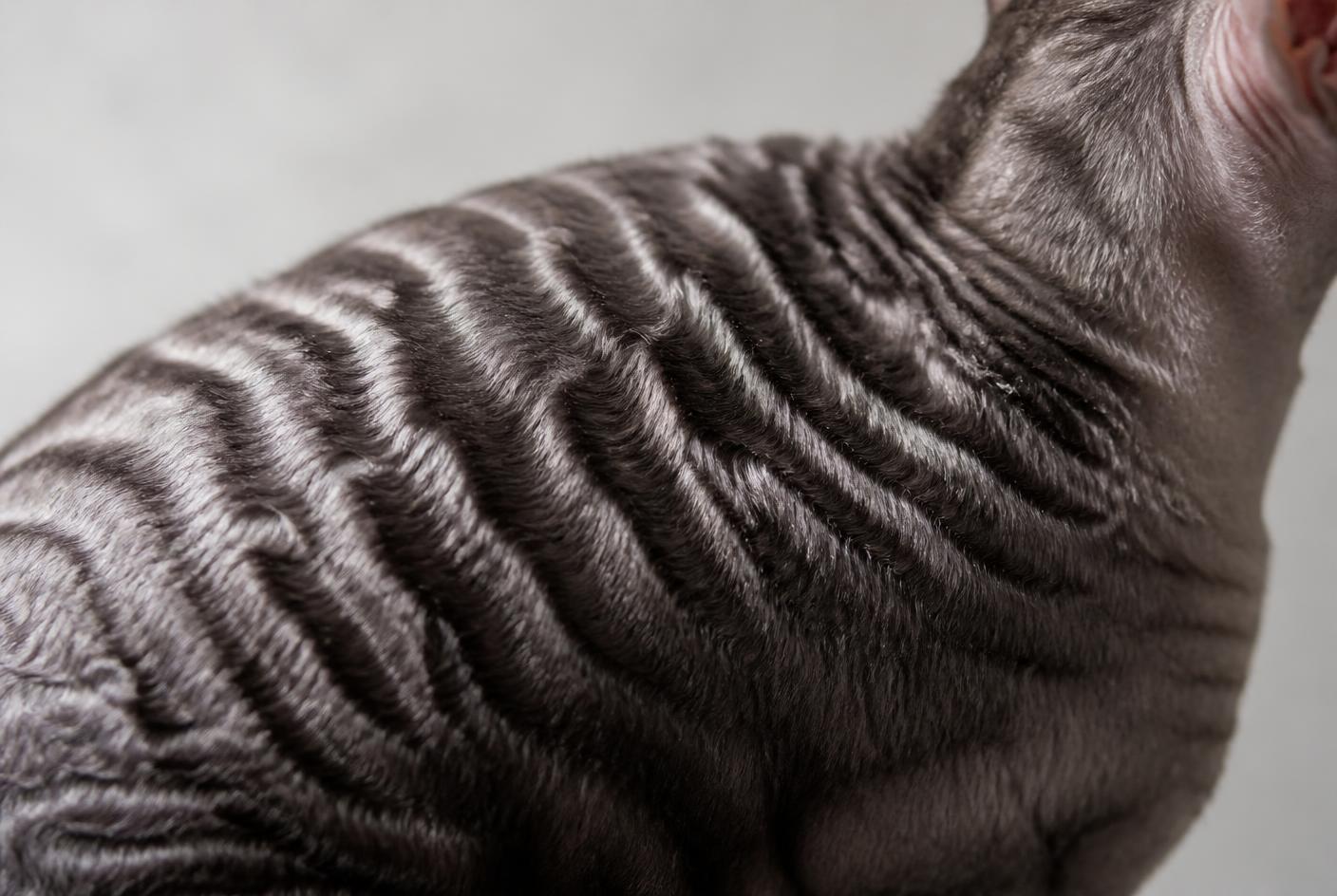
Every Cornish Rex alive descends from a cream-coloured kitten called Kallibunker, born in a Cornish barn in 1950 with a coat that had no business existing. The mutation removed the outer guard hairs entirely, leaving only the soft down of the undercoat, which lies in tight parallel waves, the marcel wave, named after an old hairdressing technique, from the top of the head to the tip of the tail. The result feels like nothing else: warm, slightly springy, closer to crushed velvet than to fur.
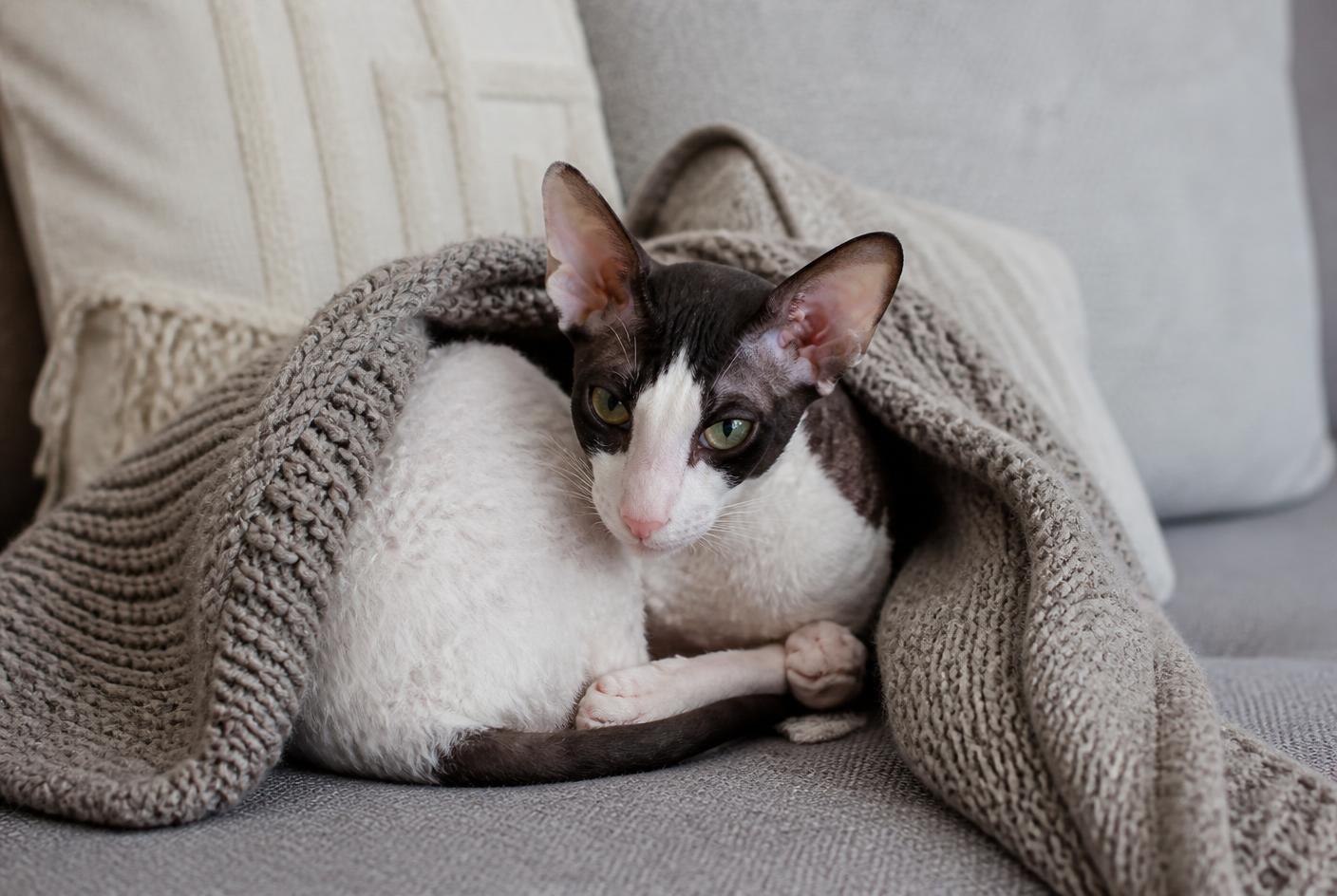
That coat is the source of both the appeal and the constraints. With no guard hairs and no real insulation, a Cornish Rex loses heat quickly and knows it. These cats seek out warmth relentlessly: radiators, laptops, sunny windowsills, the space under a duvet, the back of your neck. In a warm home this is charming. In a cool or draughty one it is a welfare problem, and no amount of blankets fully compensates for a cold room. If your heating goes off overnight in winter, plan for a covered bed and a safe pet-safe heat pad before the cat arrives.
The build matches the coat for delicacy of appearance and completely contradicts it in practice. A Cornish Rex has an arched back, a deep narrow chest, long fine legs and enormous ears set high on an egg-shaped head, a whippet in cat form. It looks fragile. It is not. This is one of the fastest, most acrobatic breeds in domestic cats, capable of turning in the air, sprinting flat out across a room and clearing surfaces that seem beyond a cat of four kilograms. Owners describe permanent kittenhood, and they mean it: a ten-year-old Cornish Rex will still ambush your ankles.
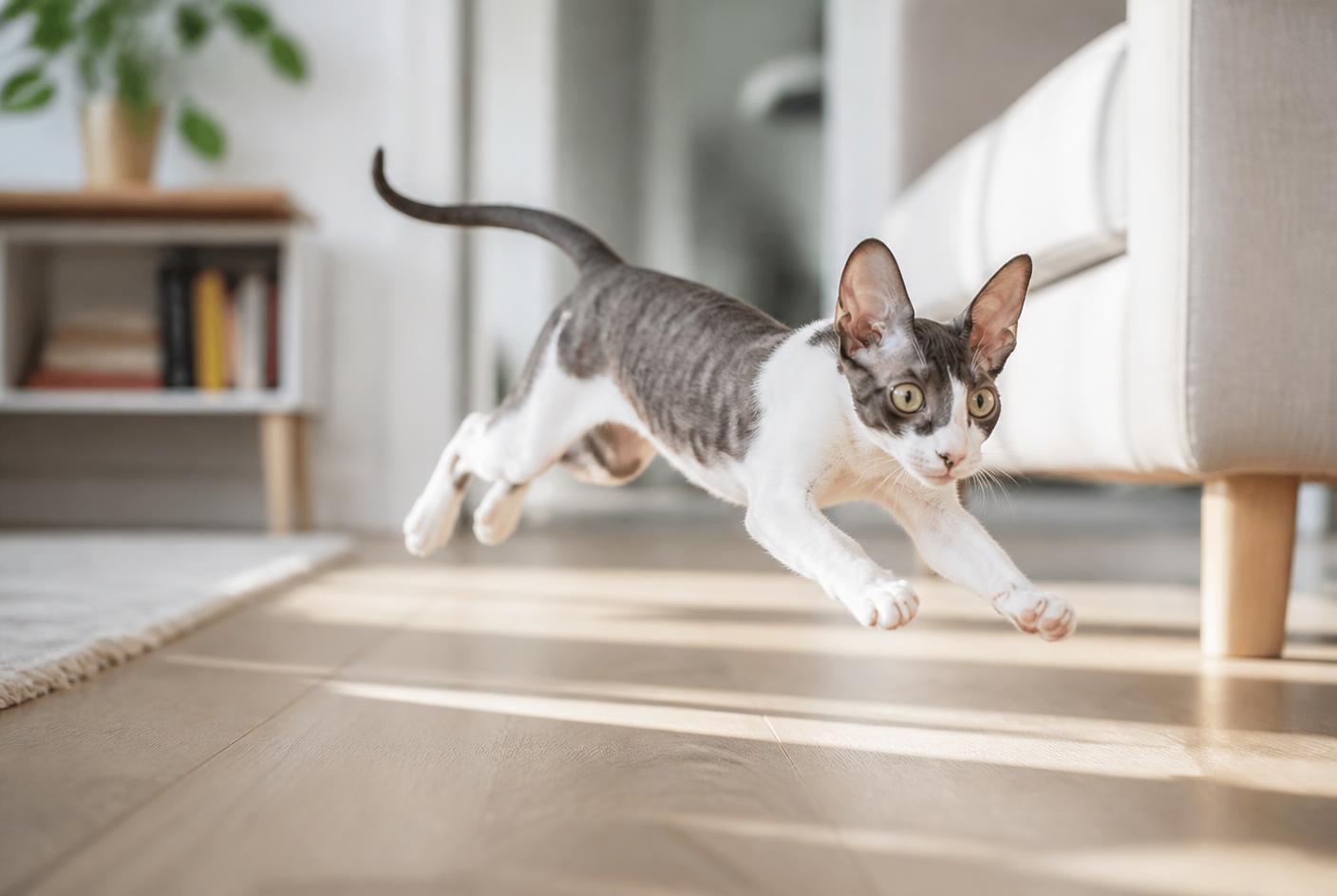
Behaviourally the breed is intensely social and highly interactive. It fetches, it opens things, it steals small objects and hides them, and it wants to be involved in whatever is happening, preferably from your shoulder. The voice is present but moderate, closer to a chirp than the Siamese wail. Left alone all day with nothing to do, an intelligent, athletic, sociable cat becomes a problem-solver, and its problems will be your cupboards. Two together, or a household with someone usually in, is the sensible arrangement.
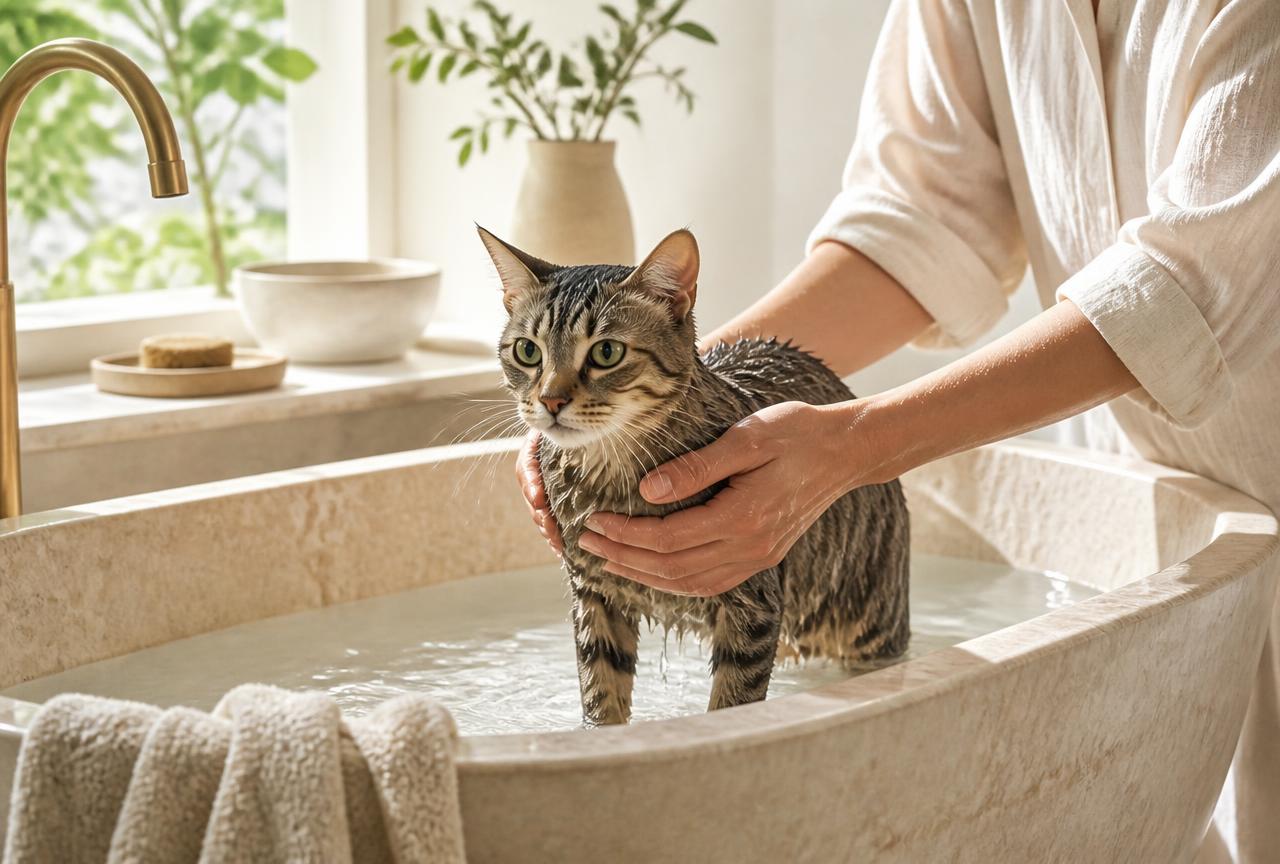
Grooming is minimal and slightly counter-intuitive. Brushing is largely unnecessary and a stiff brush can damage the delicate coat; a hand or a piece of soft cloth is enough. What does need attention is oil. With so little coat to distribute it, sebum accumulates on the skin and in the ears, so many Cornish Rex need their ears wiped weekly and an occasional gentle bath with a cat-safe shampoo if the skin starts to feel greasy. Nails collect wax at the base for the same reason and want checking every couple of weeks. Whiskers and eyebrows are curly and brittle, and they break, this is normal and not a sign of anything wrong.
Health is generally good, with a short list to raise with a breeder. Hypertrophic cardiomyopathy occurs in the breed and breeding cats should be echocardiogram-screened. Patellar luxation has been reported. Some lines carry a hereditary form of hair loss, and a small number of individuals have shown thin or patchy coats; ask what the adults look like at five years, not just at six months. Because the breed carries very little body fat, anaesthetic and drug dosing needs care, and a vet who knows the breed is an advantage. Being lean also means a Cornish Rex burns energy staying warm, so appetite is often robust and weight is rarely the problem it is in placid breeds.
What you get for all this is a cat with more personality per kilogram than almost anything else in this index, soft to touch, funny to watch, and thoroughly attached to the people it lives with. What it asks for is warmth, height, and company. Provide those three and there is very little else to manage.
One of the most entertaining cats you can own, on two conditions: a warm home and someone in it.
Grooming, realistically
- 1Smooth the coat with a clean hand or a soft cloth once or twice a week. Avoid stiff brushes, which break the delicate waves.
- 2Wipe the visible part of the ears weekly with a damp pad, this breed accumulates wax faster than most.
- 3Check nail beds every two weeks for waxy build-up and trim as needed.
- 4Bathe occasionally with a cat-safe shampoo only if the skin feels greasy, and dry the cat fully in a warm room.
- 5Provide a covered bed and a safe heat source, and keep the room warm overnight in winter.
- 6Run two proper play sessions a day and rotate toys to keep a clever cat occupied.
What you actually need
- Soft cloth or grooming glove
- Cat-safe shampoo
- Damp cotton pads for ears
- Nail clippers
- Covered or hooded bed
- Pet-safe heat pad
- Tall cat tree and wall shelves
- Puzzle feeders
Kitten to adult
| Age | Male | Female | What is happening |
|---|---|---|---|
| Birth | Born with a tightly waved coat that may thin during a normal kitten moult before coming back. | ||
| 8 weeks | Fine-boned and already fast. Introduce ear cleaning and nail handling immediately. | ||
| 6 months | Full acrobatics arrive. Tall climbing furniture should be in place well before this. | ||
| 12 months | Adult size close. Coat pattern settles into its permanent wave. | ||
| 2 years | Fully mature and still behaving like a kitten. Very little body fat is normal for the breed. |
Ranges are typical, not targets. Judge condition by ribs and waist, and check with the ideal weight checker.
What to ask a breeder
- Have both parents been screened by echocardiogram for hypertrophic cardiomyopathy, and when?
- Has patellar luxation or any hereditary hair loss appeared in your line?
- What do your adult coats look like at five years old, not just as kittens?
- How do your cats cope with the temperature of an average home in winter?
- Are kittens raised in the house with people, and used to being handled?
- Would you recommend two kittens for a household that is out during the day?
- Does your vet have experience anaesthetising Rex cats, and what do you advise owners to ask for?
Health watch-list
What to ask a breeder about, and what to watch for over a lifetime. This is orientation, not veterinary advice, anything you notice belongs in front of a vet.
Hypertrophic cardiomyopathy
UncommonReported in the breed. Breeding cats should be echocardiogram-screened; ask for the dates.
Getting cold
CommonNo guard hairs means almost no insulation. Cold, draughty homes cause real distress, provide covered beds and a warm room.
Greasy skin and waxy ears
CommonWith little coat to absorb it, sebum builds up on skin, in ears and around nail beds. Weekly ear wiping and occasional bathing.
Patellar luxation
UncommonA kneecap that slips out of position, causing a skipping gait. Ask whether it has appeared in the line.
Hereditary hair loss
RareSome lines have produced thin or patchy adult coats. Ask what the parents look like at five years, not six months.
Anaesthetic sensitivity
UncommonVery little body fat affects drug dosing and heat loss under anaesthesia. Tell your vet the cat is a Rex before any procedure.
What it costs to keep one
Realistic running cost
€80 / month
About €960 a year, or roughly €13,440 across a 14-year life, before purchase price, neutering and one-off vet events.
Before the cat arrives. Budget roughly €260–560 for trays, carrier, posts, bowls, bedding and grooming kit sized for this breed. Figures throughout are indicative and vary a good deal between countries.
Interactive · built for this breed
Is a Cornish Rex right for your home?
A warm-seeking, permanently busy cat in a wavy coat that insulates almost nothing. Five questions covering warmth, energy and company.
Verdict
An excellent match
Warmth, height, play and company. That is the entire specification, and you have it.
Keep the weight honest with the ideal weight tool, or compare the alternatives in the matchmaker.
The verdict, by household
Flat dweller
Very good
Family with young children
Good
First-time owner
Mixed
Multi-cat home
Excellent
Out all day
Poor
Cool home
Poor
When to call your vet
- Breathlessness, open-mouth breathing or reduced exercise tolerance
- Sudden lameness or a skipping hind-leg gait
- Greasy skin, redness or a persistent smell from the ears
- Patchy hair loss beyond a normal kitten moult
- Seeking heat constantly, shivering or a hunched posture
- Weight loss in a cat that already carries little fat
Nothing here is a diagnosis. Breathing difficulty, sudden hind-leg weakness and straining to urinate are emergencies, go the same day.
Cornish Rex vs the closest alternatives
| Breed | Weight | Energy | Grooming | € / month |
|---|---|---|---|---|
| Cornish Rex | 2.5–4.5 kg | 10/10 | 2/10 | €80 |
| Abyssinian | 3–5.5 kg | 10/10 | 2/10 | €74 |
| Ocicat | 3.5–7 kg | 9/10 | 3/10 | €85 |
| Singapura | 1.5–3.5 kg | 9/10 | 2/10 | €58 |
Cornish Rex questions, answered
Is the Cornish Rex hypoallergenic?
No. The coat is short, wavy and sheds very little visible hair, which some allergic people find easier, but Fel d 1 is produced in saliva and skin regardless of coat length, and it will still be throughout the home. Test in person before committing.
Cornish Rex or Devon Rex?
Different mutations and different cats. The Cornish Rex has a coat of undercoat hairs only, arranged in tight even waves, with a whippet-like build and extreme athleticism. The Devon Rex has a looser, patchier coat, a pixie face and a stronger tendency to sit on you. Both need warmth and company.
Do Cornish Rex cats get cold?
Yes, and it matters. With no guard hairs there is very little insulation, so these cats seek warmth constantly. Provide a covered bed and a safe heat source, and keep the room warm overnight in winter. A draughty or unheated home is genuinely unsuitable.
How do you groom a Cornish Rex?
Barely, and gently. A clean hand or a soft cloth once or twice a week is enough; a stiff brush breaks the delicate waves. What does need attention is oil, wipe the visible part of the ears weekly, check the nail beds for waxy build-up, and bathe occasionally with cat-safe shampoo if the skin feels greasy.
Are Cornish Rex cats high energy?
Among the highest in this index, and they stay that way. Expect sprinting, mid-air turns, fetch and a permanent interest in whatever you are doing. A tall cat tree, wall shelves and two proper play sessions a day are requirements, not extras.
Do their whiskers really break?
Yes, and it is normal. Whiskers and eyebrows are curly and brittle in this breed and snap easily. It is not a sign of illness or poor care.
Can a Cornish Rex be left alone during the day?
Not ideally, and not on its own. An intelligent, athletic, sociable cat left alone all day will find its own occupation, usually in your cupboards. Home two, or choose a more self-contained breed.