Singapore
Singapura
Tiny, ticked and tirelessly curious: the Singapura climbs high, plays hard and wants to be wherever you are.
Reviewed against International Cat Care and veterinary guidance
The smallest pedigree cat with the biggest curiosity
The short version
- Adults often weigh 1.5–3.5 kg, making them the smallest recognised pedigree breed.
- Extremely active and curious; vertical space and puzzle feeders are non-negotiable.
- Affectionate but not fragile; they dislike rough handling all the same.
- Generally healthy, but ask breeders about PKD and thyroid screening.
- Best in a home where someone is around for much of the day, or with another friendly cat.
- Weight
- 1.5–3.5 kg
- Lifespan
- 11–15 yrs
- Coat
- Short
- Size
- Small
- Grown male
- 2.5–3.5 kg
- Grown female
- 1.5–2.5 kg
- Years to full size
- about 1.5
- One-off setup
- €120–260
Get one if…
- People who want an active, playful cat
- Homes with vertical space
- Owners home much of the day
- Gentle older children
Think again if…
- Households wanting a calm lap cat
- Very young children who may be rough
- Homes with no climbing opportunities
- Long daily absences
Trait profile
Read the bars as energy and engagement. Very high energy means daily, vigorous play and vertical space are essential, not optional. High affection shows as wanting to be near you, often from a high vantage point. Moderate vocality means soft chirps rather than loud demands.
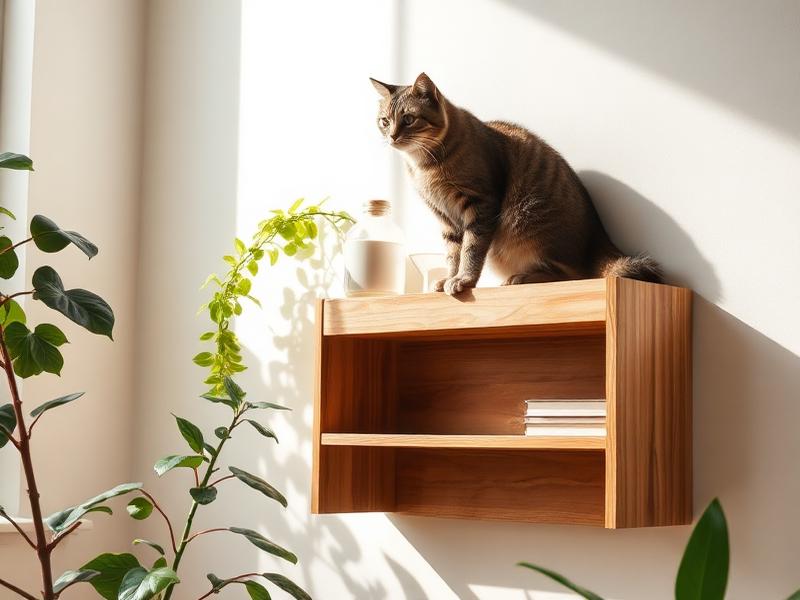
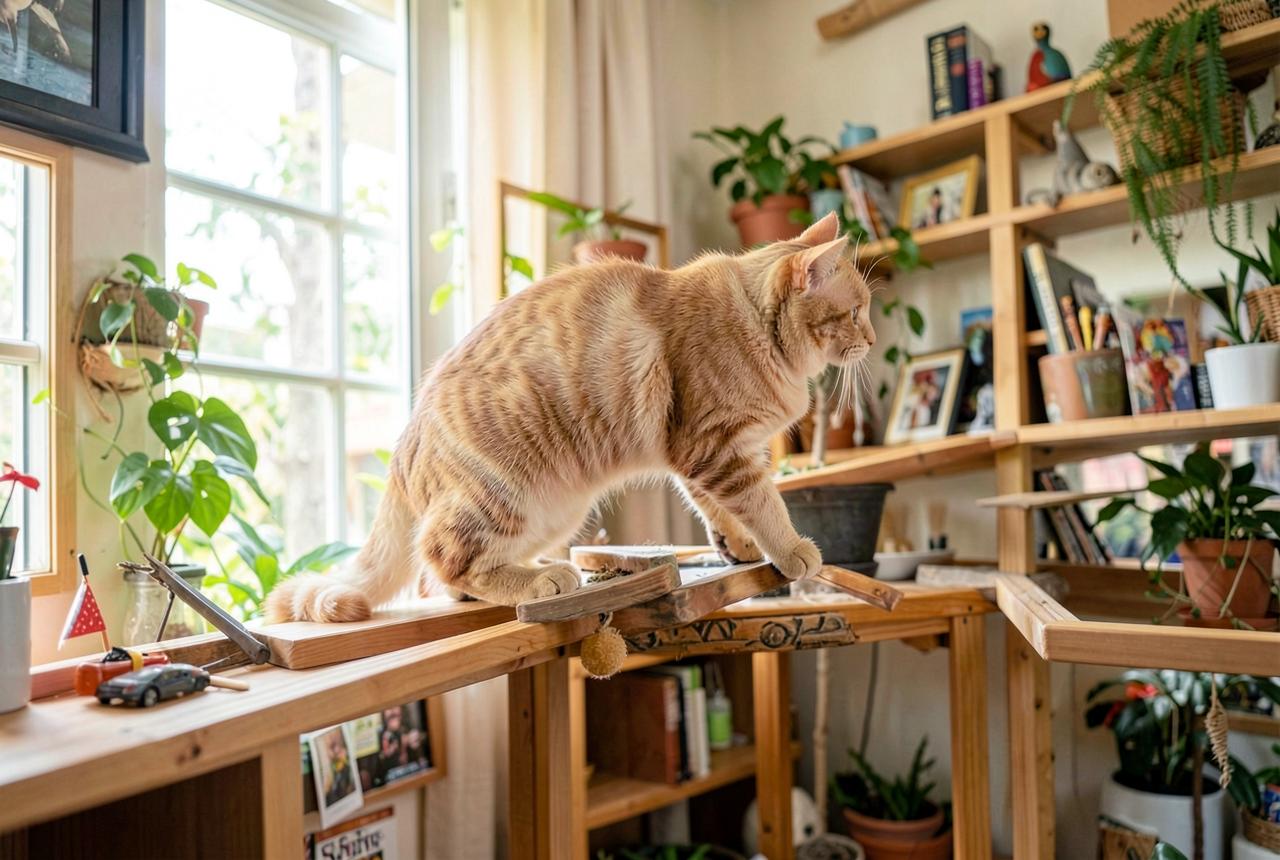
Space & setup. Needs tall cat trees, high shelves and safe observation points; will make its own if none provided.
Allergies. Short coat sheds little, but no cat is hypoallergenic; dander still spreads.
The review
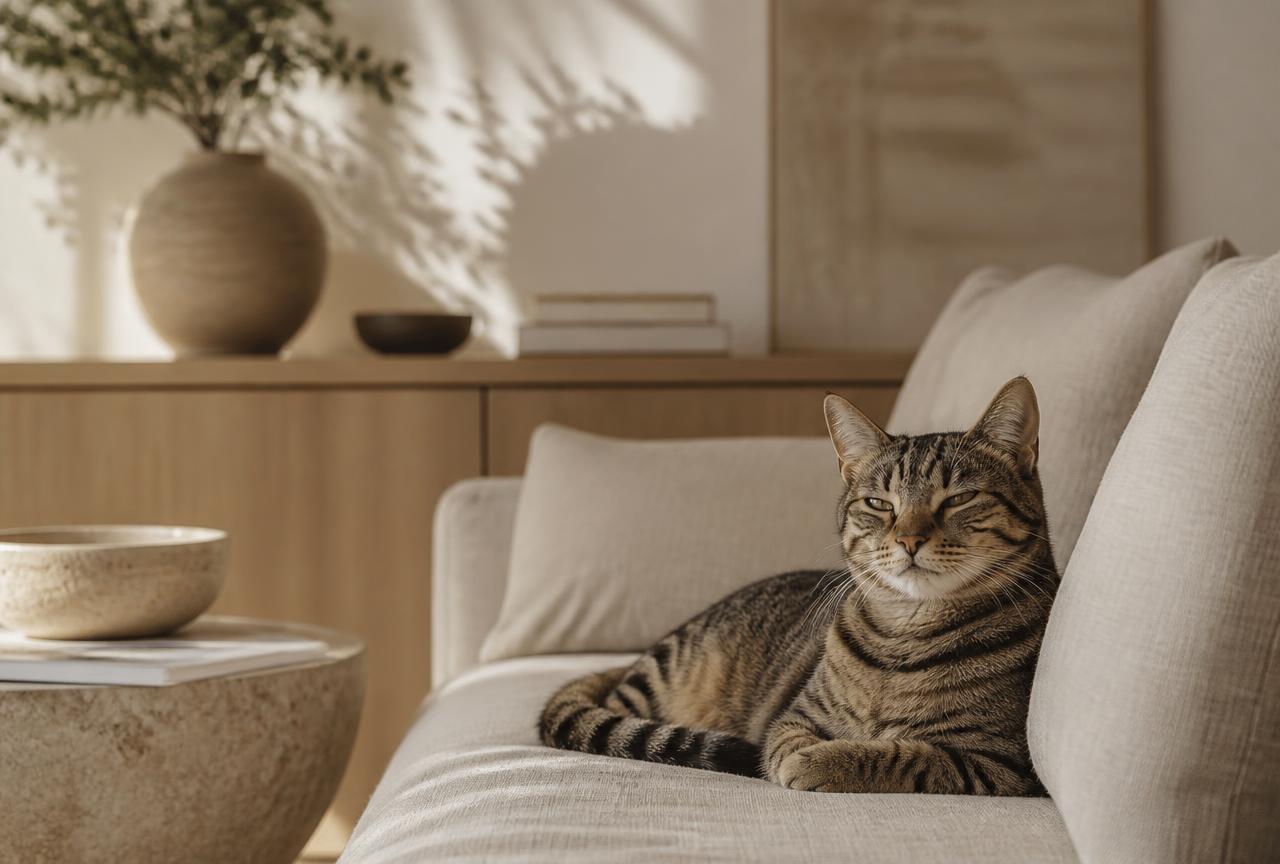
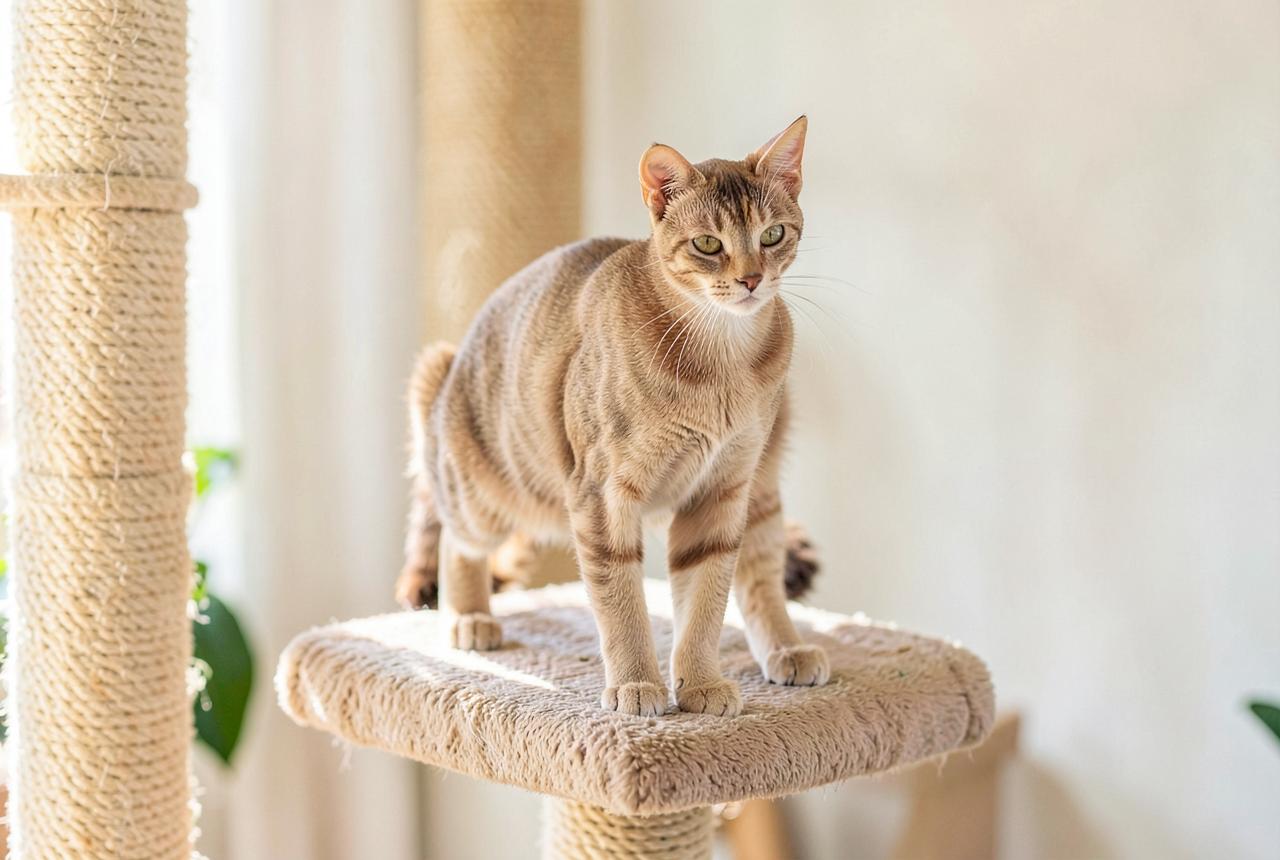
Singapura are tiny, ticked-coated cats with large eyes and ears, known for being active, affectionate and endlessly inquisitive. They climb to the highest point in any room and insist on being part of the action.
A Singapura does not enter a room so much as investigate it. Every drawer, shelf, bag and windowsill is a potential discovery, and the cat will be on the highest one before you have finished unpacking. It is the smallest recognised pedigree breed, but it behaves as if nobody has told it. That combination of tiny frame and enormous curiosity is the whole point of the cat.
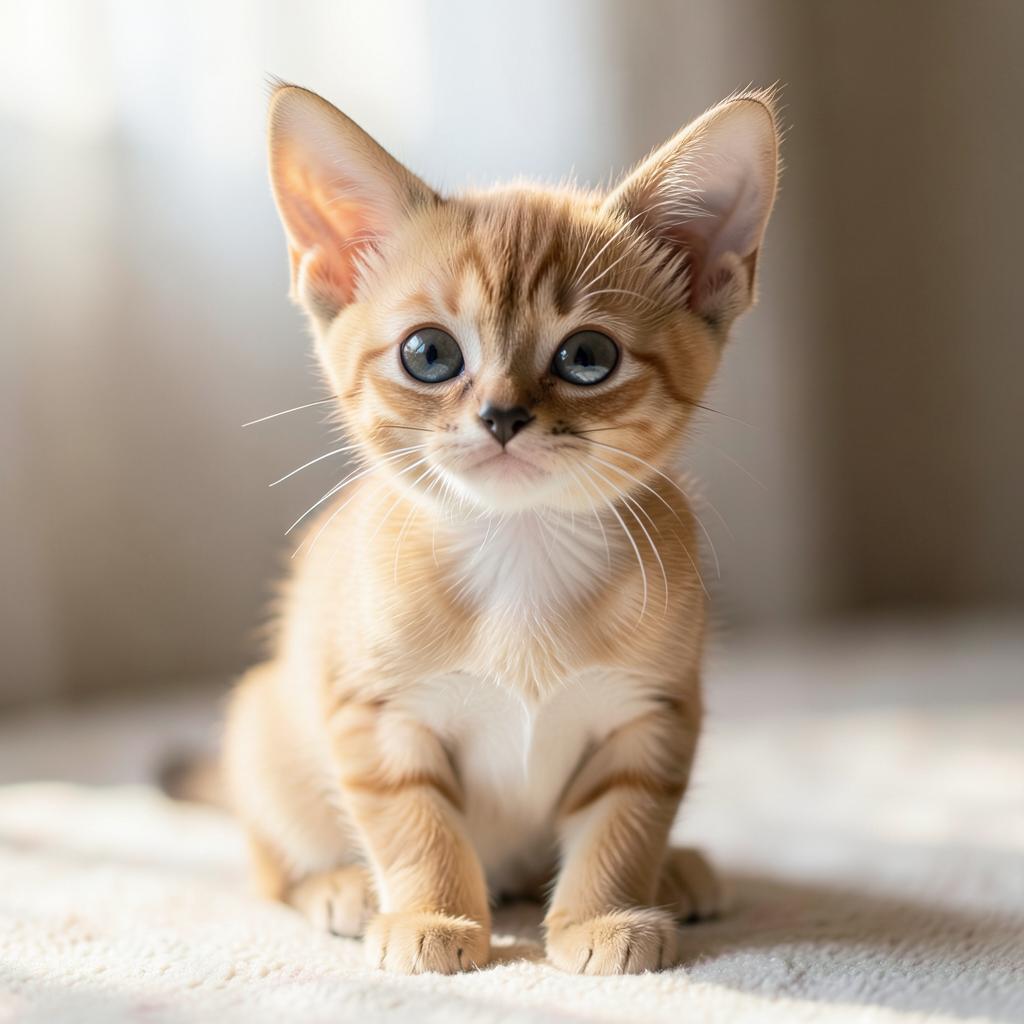
Adults typically weigh between 1.5 and 3.5 kg, with males at the top of the range and females often under 2.5 kg. The body is small but not fragile: the breed is muscular, the ears are large, and the eyes are disproportionately expressive. The coat is short, fine and ticked in warm sepia tones. Because they are so small, they look like kittens for years, and many owners report that the behaviour matches.
Energy is the defining trait. A Singapura wants to play, climb, chase and explore every day. Vertical space is not optional; without tall cat trees, shelves and window perches, they will create their own routes over bookcases and wardrobes. Puzzle feeders, treat balls and wand toys are useful not as luxuries but as necessities. A bored Singapura can become a destructive one, though the destruction is usually inventive rather than malicious.
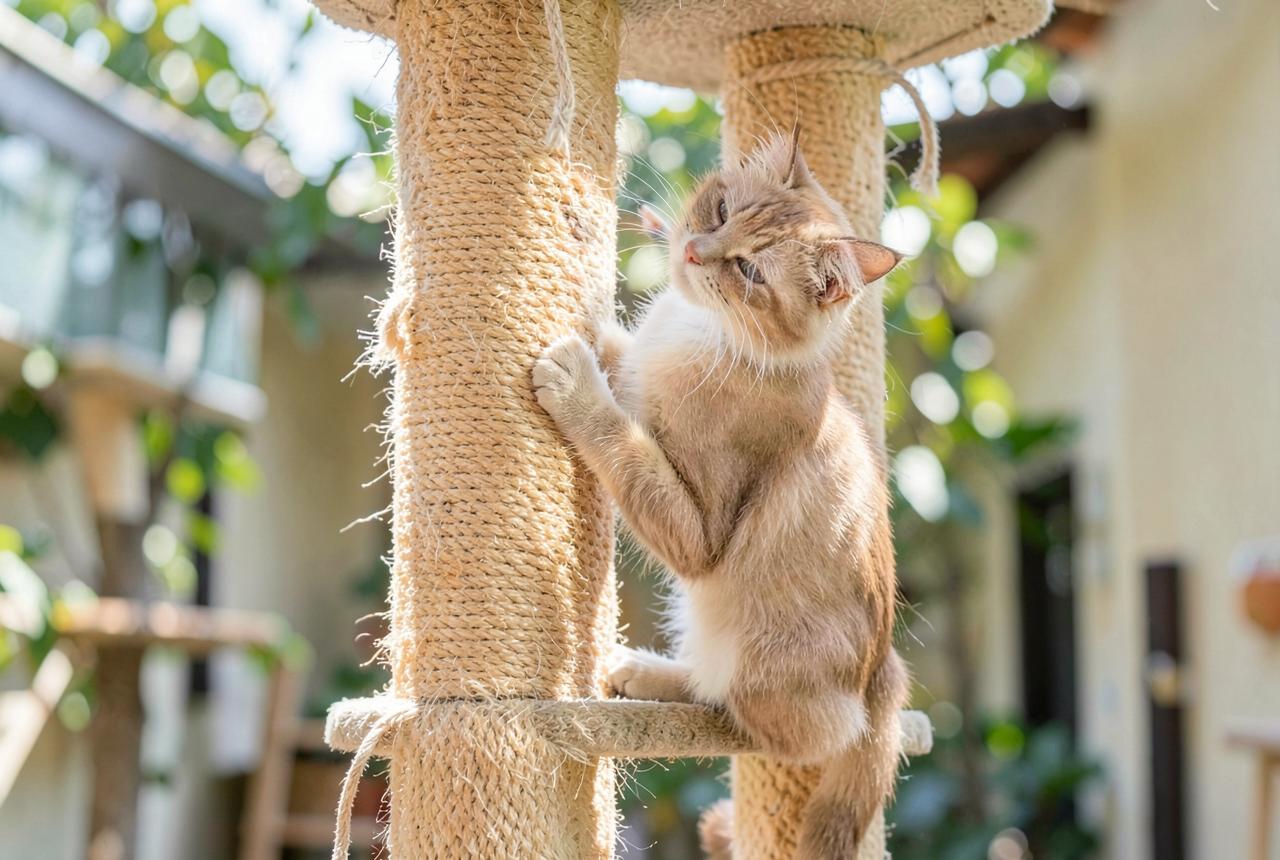
Despite the busyness, they are affectionate and people-oriented. They will sleep on you, under you, or beside you, and they prefer a household where someone is around for much of the day. They are not fragile, but they are small, and they do best with respectful handling. Very young children who grab or chase are a poor match; gentle older children who understand how to play are ideal.
Health is generally good, but the breed is not immune to the usual feline issues. Ask breeders about pyruvate kinase deficiency and thyroid screening. Dental care matters, and because they are so active, keeping weight on can be as much of a concern as keeping it off. A slight, well-muscled frame is the goal.
A Singapura is the right cat for an active home with vertical space, time to play and a sense of humour. It is the wrong cat for someone who wants a sedate lap cat, who is away all day, or whose idea of cat ownership is a quiet ornament on the sofa. Given engagement and room to climb, it is one of the most entertaining breeds to live with.
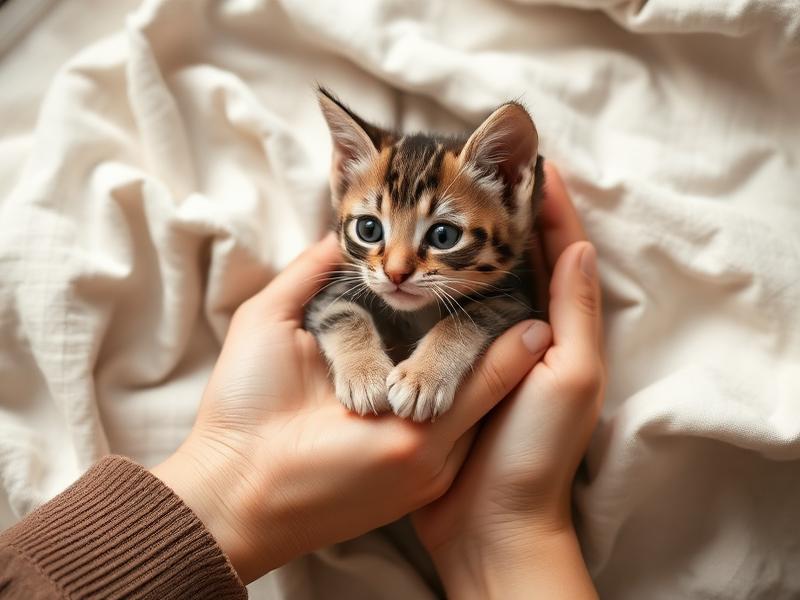
A Singapura is a permanent kitten: small, busy, and convinced that everything you are doing is interesting.
Grooming, realistically
- 1Brush the short, fine coat once a week with a soft bristle brush or grooming mitt.
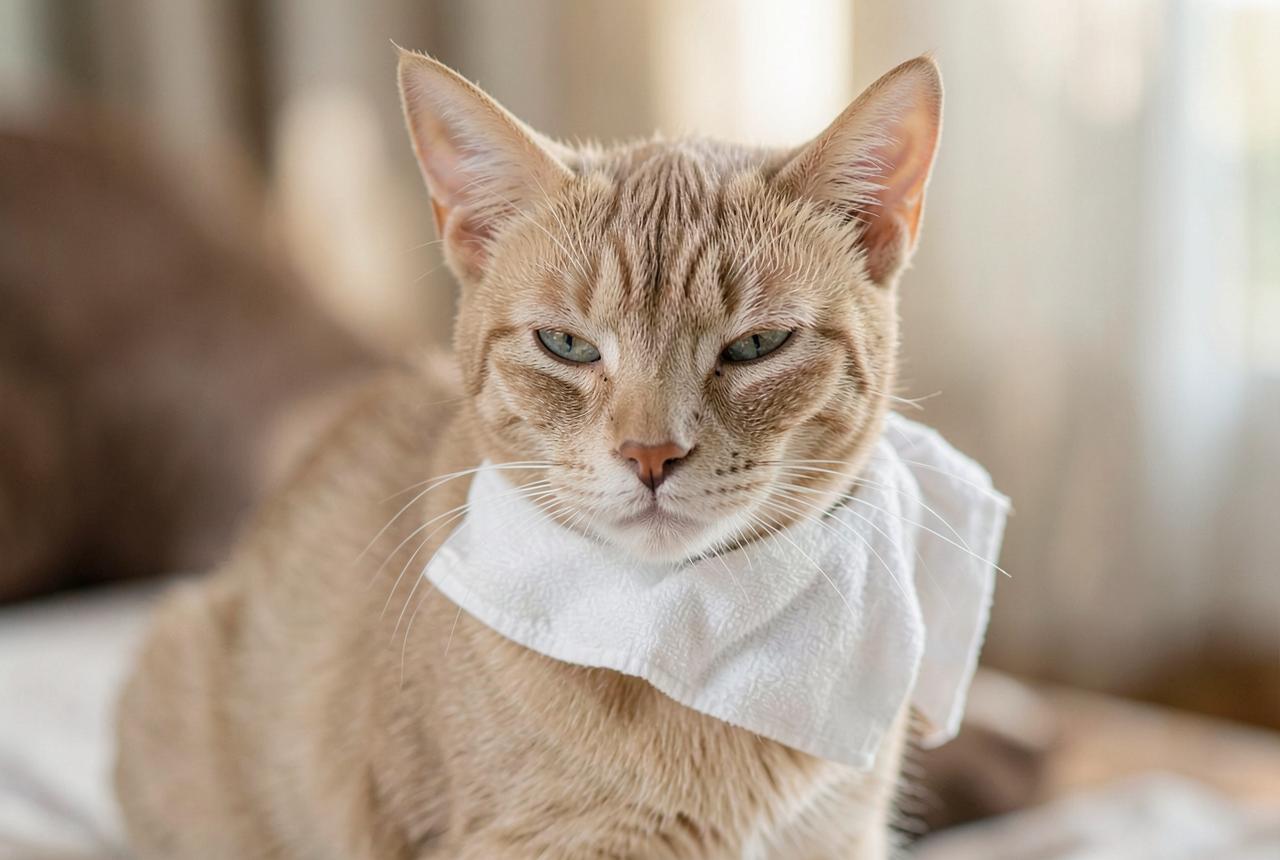
- 2Wipe the coat with a damp cloth to lift loose hairs and keep the ticking looking bright.
- 3Check the large ears for wax and the eyes for any discharge, especially after dusty play.
- 4Trim claws every two to three weeks; active cats wear claws down but still need trimming.
- 5Use play as grooming time, a tired Singapura is far more willing to sit still.
- 6Bathe only if soiled; the short coat does not hold odour and dries quickly.
What you actually need
- Soft bristle brush or rubber grooming mitt
- Fine-tooth comb for the face
- Claw clippers
- Damp cloth for coat wiping
- A tall, stable cat tree with multiple levels
Kitten to adult
| Age | Male | Female | What is happening |
|---|---|---|---|
| 8 weeks | 0.5–0.7 kg | 0.4–0.6 kg | Tiny and active; needs frequent small meals |
| 3 months | 0.9–1.3 kg | 0.8–1.1 kg | Growth is steady; play drive is already high |
| 6 months | 1.4–2.0 kg | 1.2–1.6 kg | Neutering usually discussed; keep lean and muscular |
| 12 months | 1.9–2.7 kg | 1.5–2.2 kg | Near adult weight; may still look kittenish |
| 18 months | 2.3–3.1 kg | 1.7–2.5 kg | Adult condition established |
| 2 years | 2.5–3.5 kg | 1.5–2.5 kg | Final adult weight; maintain active lifestyle |
Ranges are typical, not targets. Judge condition by ribs and waist, and check with the ideal weight checker.
What to ask a breeder
- Have the parents been tested for pyruvate kinase deficiency and any thyroid issues?
- Can you show heart screening results, ideally by echocardiogram?
- How do you socialise kittens with climbing, handling and household activity?
- At what age do the kittens leave, and what diet are they used to?
- Do you provide guidance on enrichment for such an active breed?
Health watch-list
What to ask a breeder about, and what to watch for over a lifetime. This is orientation, not veterinary advice, anything you notice belongs in front of a vet.
Pyruvate kinase deficiency
UncommonA genetic anaemia for which a reliable test exists. Responsible breeders screen for it.
Progressive retinal atrophy
RareAn inherited eye condition reported in some lines. Ask whether testing is done.
Hypertrophic cardiomyopathy (HCM)
NotableHeart screening is worthwhile in any pedigree breed. Watch for breathing changes or lethargy.
Dental disease
Common with ageRoutine tooth brushing and annual checks protect against plaque and gum disease.
Hyperthyroidism
Common with ageA common older-cat issue across breeds; watch for weight loss with increased appetite.
Patellar luxation
UncommonSlipping kneecaps can cause intermittent lameness. Mention any odd gait to your vet.
What it costs to keep one
Realistic running cost
€58 / month
About €696 a year, or roughly €9,048 across a 13-year life, before purchase price, neutering and one-off vet events.
Before the cat arrives. Budget roughly €120–260 for trays, carrier, posts, bowls, bedding and grooming kit sized for this breed. Figures throughout are indicative and vary a good deal between countries.
Interactive · built for this breed
Is a Singapura right for your home?
The smallest pedigree breed, but bold, busy and endlessly curious. They climb, investigate and want to be where you are.
Verdict
An excellent match
You have the space, energy and sense of humour for this tiny, busy breed.
Keep the weight honest with the ideal weight tool, or compare the alternatives in the matchmaker.
The verdict, by household
Small flat, no outdoor access
Good fit
Works well if you build upwards. Tall trees, shelves and window perches are essential in a small space.
Family with young children
Workable, with conditions
Best with gentle, supervised children. Rough handling or chasing is unfair on a small cat.
First-time owner
Good fit
Easy coat and friendly nature help, but the activity level needs commitment.
Multi-cat or dog household
Good fit
Usually sociable with other gentle pets. Another playful cat can help burn energy.
Allergy-conscious home
Think again
Short coat does not mean hypoallergenic. Dander and saliva proteins still spread.
Away from home all day
Poor fit
This breed needs company and stimulation. Long absences are hard unless there is another friendly cat.
When to call your vet
- Lethargy or loss of appetite in a usually busy cat
- Pale gums, weakness or collapse, possible anaemia from PKD
- Weight loss despite a good appetite
- Persistent vomiting or diarrhoea
- Sudden lameness or reluctance to jump
Nothing here is a diagnosis. Breathing difficulty, sudden hind-leg weakness and straining to urinate are emergencies, go the same day.
Singapura vs the closest alternatives
| Breed | Weight | Energy | Grooming | € / month |
|---|---|---|---|---|
| Singapura | 1.5–3.5 kg | 9/10 | 2/10 | €58 |
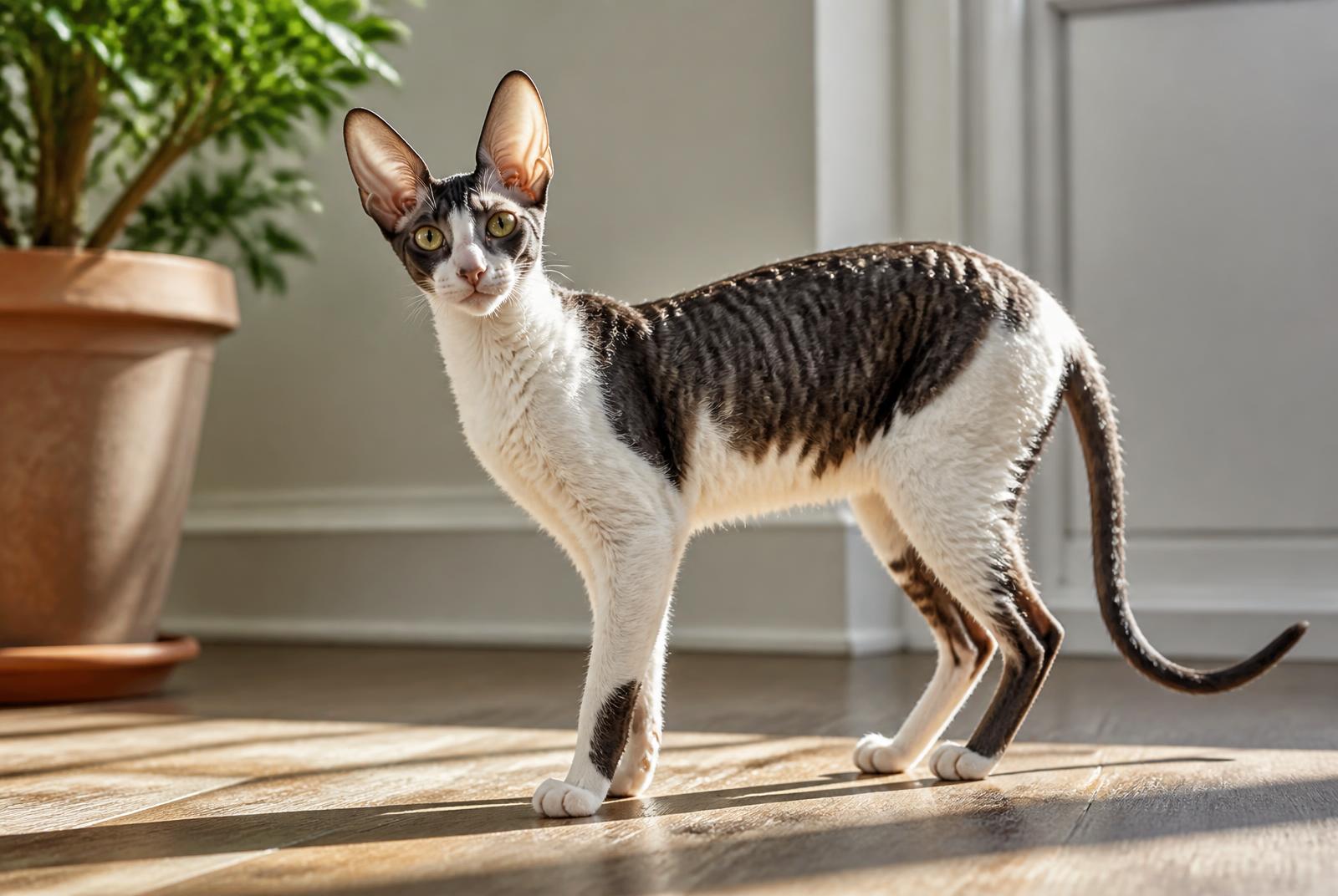
| Cornish Rex | 2.5–4.5 kg | 10/10 | 2/10 | €80 |
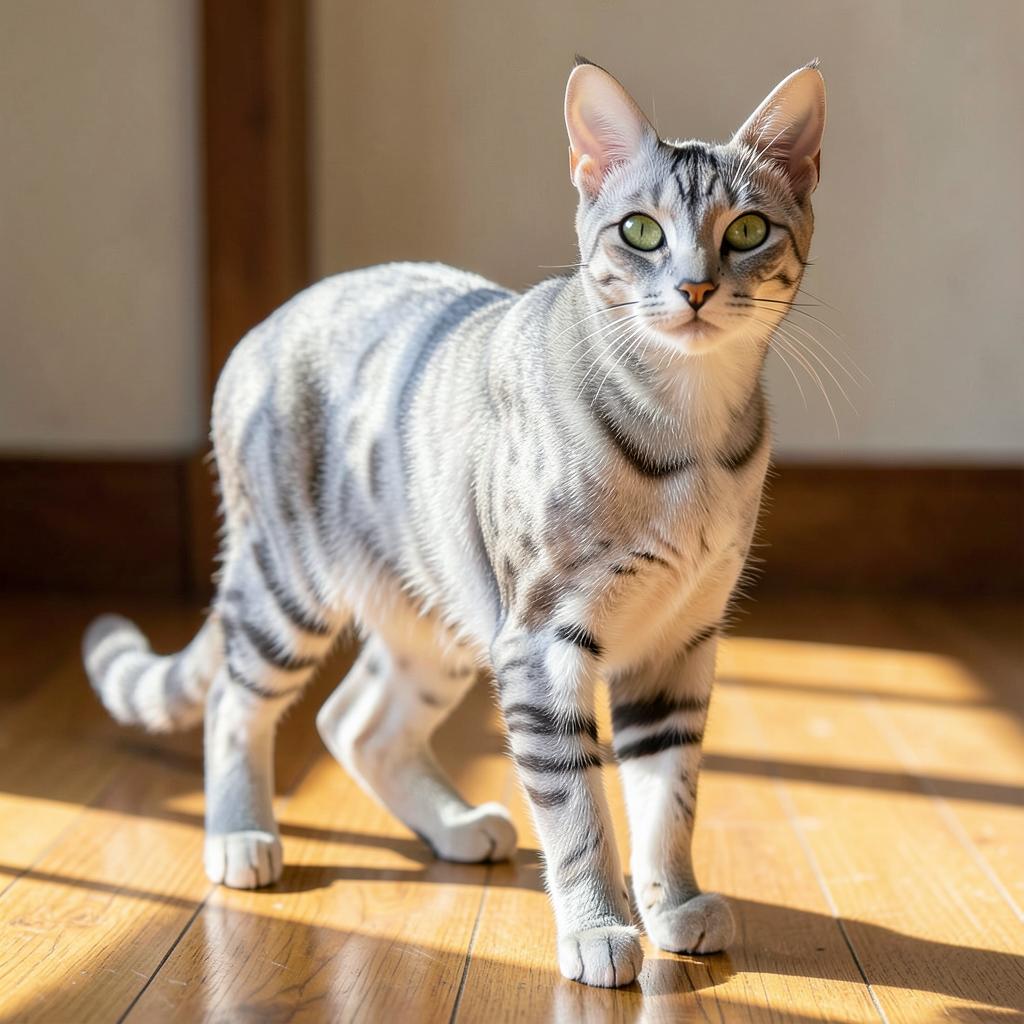
| Egyptian Mau | 3–5 kg | 9/10 | 3/10 | €80 |
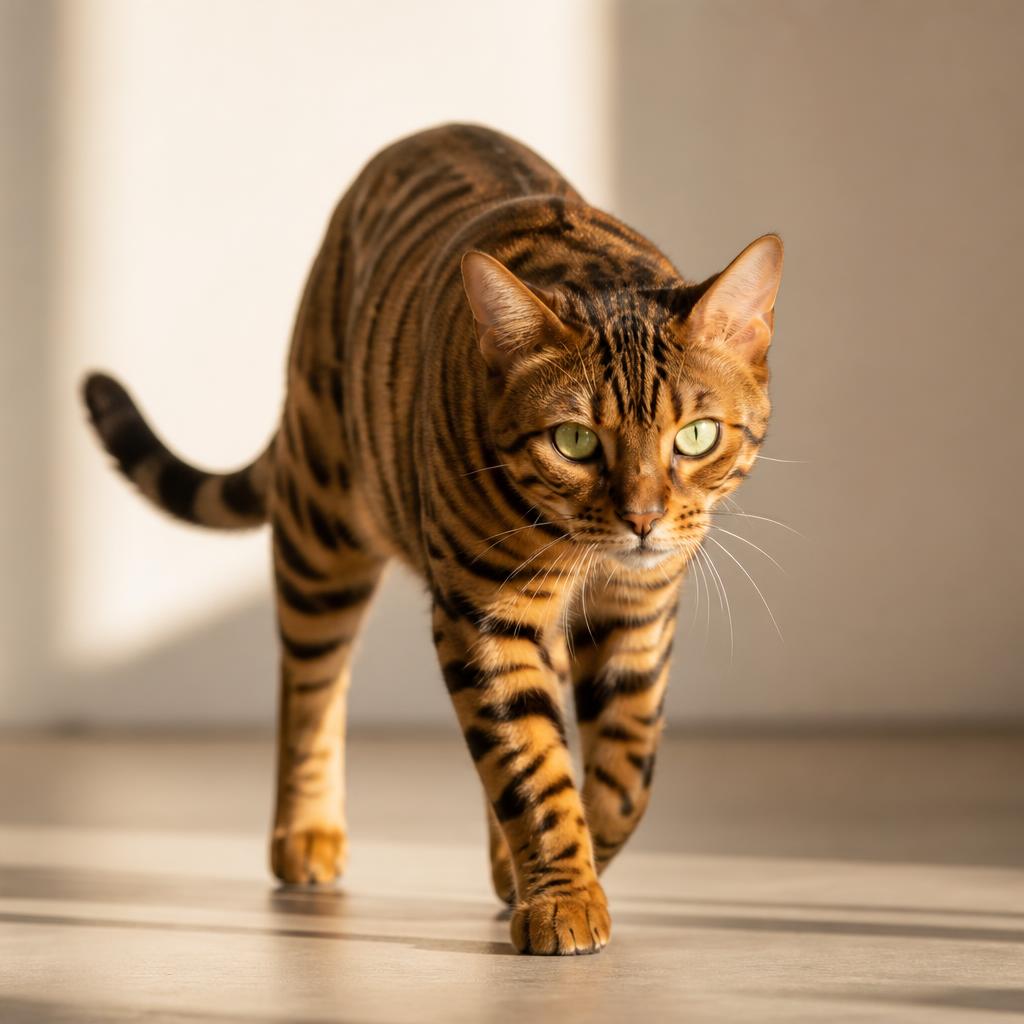
| Toyger | 3–6.5 kg | 9/10 | 3/10 | €88 |
Singapura questions, answered
How big does a Singapura get?
Very small. Most adults weigh 1.5–3.5 kg, with females often at the lower end. They remain kitten-sized and kitten-acting for years.
Are Singapura cats active?
Extremely. They need daily play, climbing opportunities and mental stimulation. A bored Singapura will make its own entertainment.
Do Singapura cats need a lot of grooming?
No. A weekly brush or wipe is enough. The short coat is easy to maintain.
Are Singapura cats good with children?
They can be good with gentle, respectful children. Their small size makes rough handling a serious concern.
Can a Singapura live in a flat?
Yes, provided you build upwards. Tall cat trees, shelves and window perches are essential in a small space.
Are Singapura cats hypoallergenic?
No. They shed little, but the allergen is in saliva and skin secretions, not the hair.
What health tests should a Singapura breeder provide?
Genetic testing for pyruvate kinase deficiency and ideally heart screening. Ask also about eye and thyroid health in the line.
Sources
- Keeping your cat happy, International Cat Care
- Feline health topics, Cornell Feline Health Center
- WSAVA global nutrition guidelines, WSAVA
- Grooming and coat care, International Cat Care