
Why is my cat drooling? From bliss to a dental warning
A little dribble during a purring session is affection. Drool that arrives out of nowhere usually means the mouth, the stomach or something the cat should not have licked. Here is how to tell.
Dr Amara Okonjo, DVM
Small animal veterinarian with a special interest in feline dentistry
Published 20 September 2026
Helen Marsh, feline behaviour writer
The short version
- A drop or two during purring, consistently and only then, is normal for some cats
- New drooling in a cat that never drooled before always needs investigating
- Dental disease and resorptive lesions are the most common medical cause
- Nausea, a foreign body in the mouth and toxins are the other main explanations
- Drool with lethargy, weight loss or refusal to eat is a same-day vet call
- After chewing an unfamiliar plant or chemical, treat drooling as a possible poisoning
Some cats dribble when they are happy. A patch appears on your knee halfway through a purring session, and it means nothing more alarming than a cat that has gone completely soft. Other cats drool because something in their mouth hurts, because they feel sick, or because they licked something they should not have. The two look similar for about four seconds, and then the differences become obvious if you know what to look at.
The short version
- A drop or two during purring and kneading, consistently and only then, is normal for some cats.
- Drooling that appears suddenly in a cat that never did it before is not normal.
- Dental disease is the most common medical cause, and it is easy to miss.
- Volume matters more than frequency: wet patches mean saliva the cat cannot comfortably swallow.
- Drooling plus a cat that is quiet, off its food or losing weight is a same-day vet call.
- After chewing an unfamiliar plant, cloth or chemical, treat drooling as a possible poisoning.
The happy version, and how to be sure of it
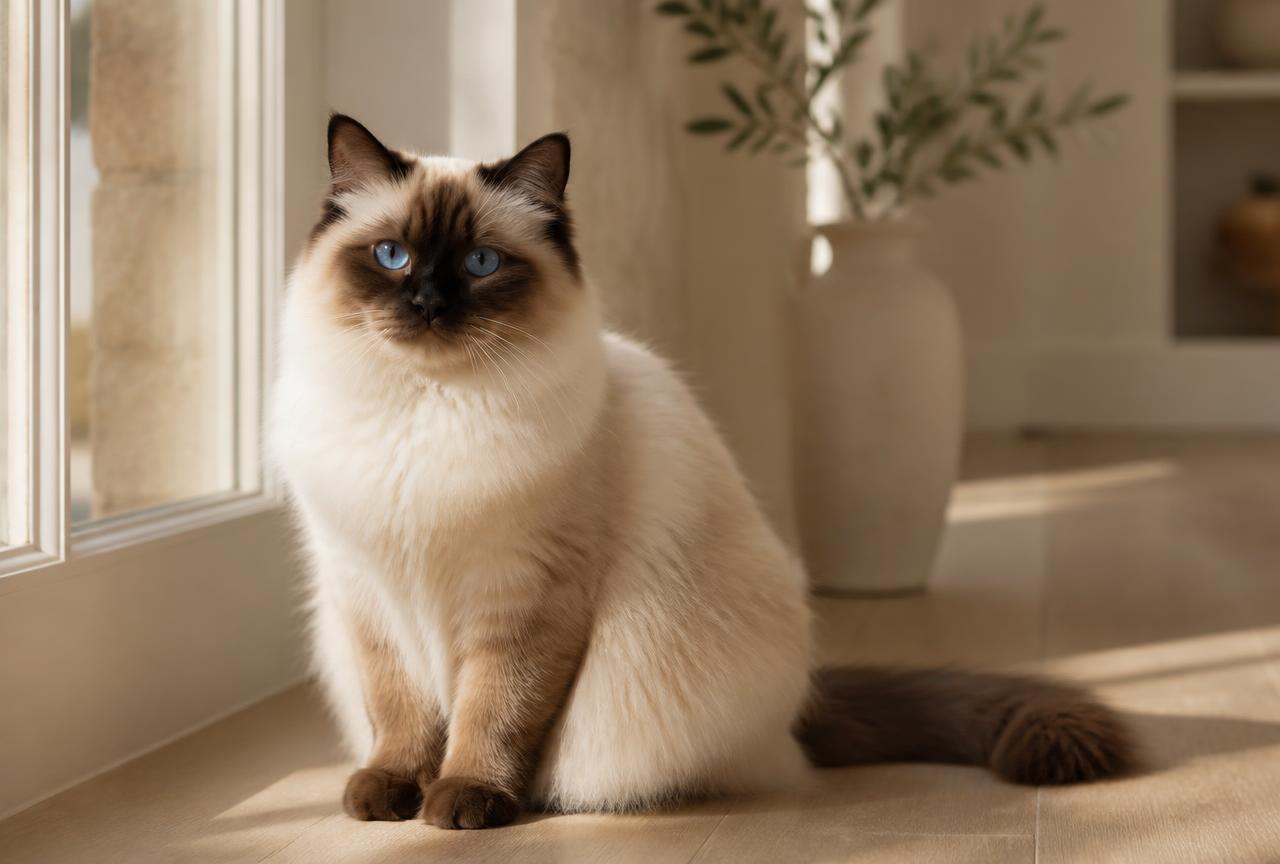
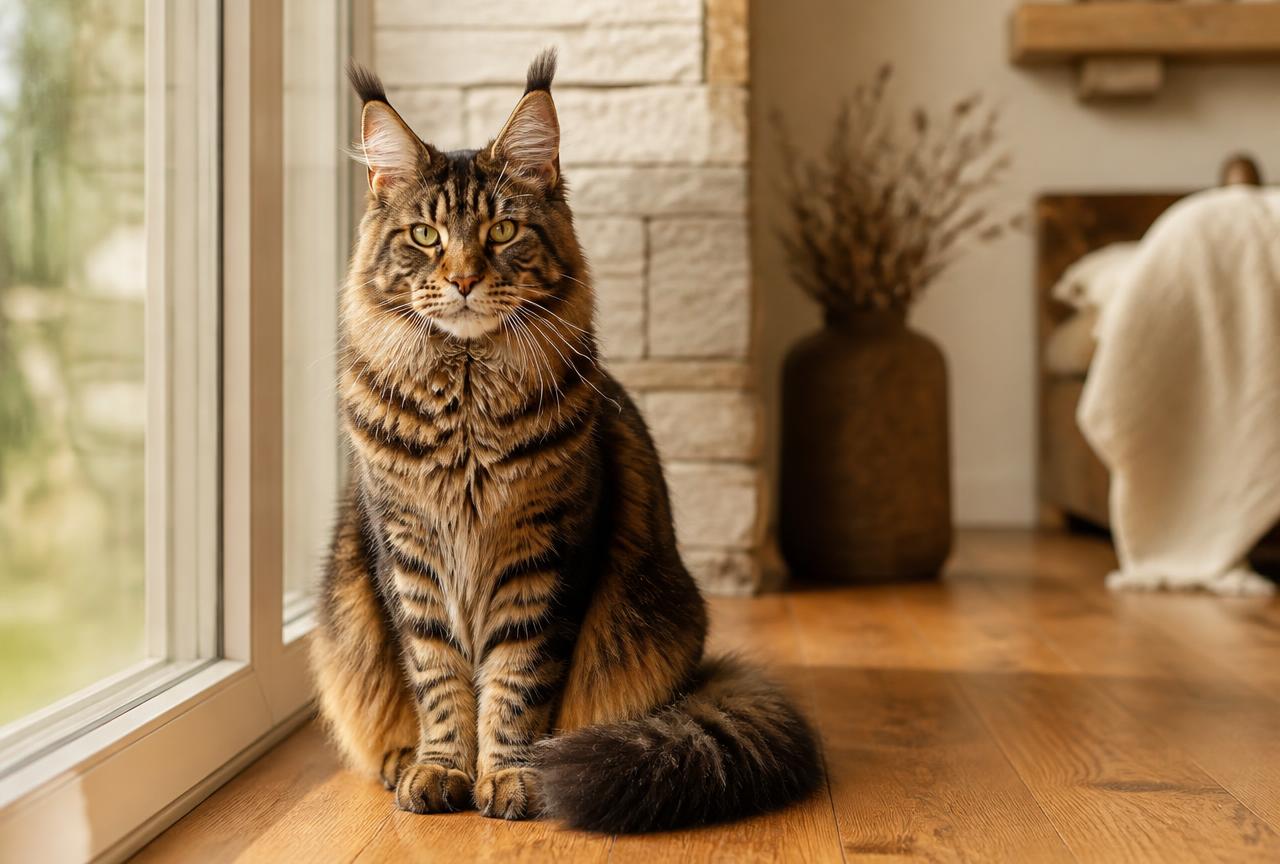
Contentment drooling is a kitten reflex that some cats never grow out of. Suckling and kneading trigger salivation, and in an adult cat the same wiring fires during deep relaxation: slow blinking, kneading paws, a rumbling purr, and a small bead of saliva. Longhaired breeds show it more because the evidence sticks to the coat, which is why Ragdoll and Maine Coon owners talk about it more than most.
Three things make it recognisable as harmless:
- It is old news. The cat has done it for years, not since last Tuesday.
- It is context locked. It happens during affection and nowhere else, never while eating, never while sitting alone.
- It is small. A drop or two, not a stream.
If all three hold, you have a very relaxed cat. Note it at the annual check and stop worrying about it.
The mouth is the usual suspect
When drooling is new, dental disease is the first thing a vet will look for, and with good reason. Periodontal disease is near universal in adult cats, and painful resorptive lesions, where the tooth structure itself breaks down, are extremely common. Cats hide oral pain exceptionally well, because a wild cat that stops eating dies. So they carry on eating, and the only outward sign is drool, breath that has turned sour, or a preference for chewing on one side.
What to look for, once a month, in daylight:
- Red or swollen gum margins where tooth meets gum.
- Brown tartar, especially on the back teeth.
- Breath that has changed character rather than simply being cat breath.
- Food dropped from the mouth, or a cat that approaches the bowl, starts, and backs off.
- Pawing at the face, or flinching when the cheek is touched.
Stomatitis, an intensely painful inflammation of the mouth lining, and ulcers under the tongue also present as drooling, and both need veterinary treatment rather than time. Our dental care piece covers prevention in full, including brushing that cats tolerate.
Cats do not tell you their mouth hurts. They keep eating and let you find the drool.
The other causes, in the order a vet works through them
Nausea. Cats hypersalivate when they feel sick, often before any vomiting. Drooling that comes with lip smacking, swallowing repeatedly or hiding is nausea until proven otherwise, and nausea has a long list of causes including kidney disease, an overactive thyroid and simple hairballs.
Stress and travel. Carriers, cars and vet waiting rooms produce drooling in a fair number of cats. It should stop once the cat is home and settled. If it does not, or the cat also vomits on every journey, it is motion sickness worth a conversation before the next trip.
Something in the mouth. A grass blade lodged at the back of the throat, a thread, a splinter of bone, or a needle. Cats with a foreign body drool, gag, paw at the mouth and sometimes cannot close it properly. This is urgent, and it is not a wait and see.
Toxins and bitter tastes. Many things taste foul rather than being deadly, and a cat that has licked flea treatment intended for a dog, a cleaning product from a wet floor, or chewed a houseplant will foam and drool. Some of those are genuinely dangerous: lilies above all, but also several common cleaners. Phone a vet with the name of what was involved.
Upper respiratory infection. A blocked nose makes swallowing awkward, and drooling follows. Usually there are sneezes and eye discharge too; our sneezing guide sets out when that needs a vet.
Mouth injury. Electrical cable bites in kittens, a burn from something hot, or a fall that chipped a tooth.
Sorting one from the other
| What you see | Most likely | What to do |
|---|---|---|
| --- | --- | --- |
| A drop or two while purring, for years | Contentment | Nothing |
| Drool only in the carrier or the car | Stress or travel nausea | Manage the journey, mention it at the next visit |
| Bad breath, chewing on one side, food dropped | Dental disease or resorptive lesions | Book a dental examination |
| Steady stream, pawing at the mouth, cannot close it | Foreign body or severe oral pain | Same day, treat as urgent |
| Foaming after chewing a plant or chemical | Possible toxin | Phone a vet immediately with the name |
| Drool plus quiet, off food, weight loss | Systemic illness or nausea | Vet appointment this week |
What the vet will actually do
Expect a full oral examination, which frequently means a short sedation, because the areas that hurt are exactly the areas a cat will not allow anyone to touch. Dental X-rays are routine, since resorptive lesions and root problems are invisible from above. Blood and urine tests come in when the picture suggests nausea rather than mouth pain, to look at kidney and thyroid function. If a foreign body is suspected, the throat is examined under sedation.
Indicative costs vary widely by country. A consultation commonly sits somewhere around 40 to 80 EUR, a sedated dental assessment with X-rays roughly 150 to 400 EUR, and extractions more again depending on how many teeth are involved. Ask for an estimate before the day.
Three days of useful notes
- 1Photograph the chin and any wet patch with the date. Change over time is the most useful thing you can bring.
- 2Note the timing each time it happens: during affection, at the bowl, in the carrier, at rest.
- 3Weigh the cat on kitchen scales in a carrier if you can, or note whether the spine and hips feel sharper than a month ago.
- 4Watch the food bowl, not just the food level. A cat approaching, starting and stopping is a mouth problem. A cat ignoring the bowl entirely is often nausea.
- 5Take the notes with you. Five lines of dated observation changes a consultation considerably.
Verdict by household
One relaxed cat, drool during affection only. Almost certainly nothing. Keep an eye on the mouth at the yearly check.
A longhaired breed. Expect more visible dribble and more damp ruff, and groom the chin area so the coat does not mat.
A multi-cat home. Watch who is eating what. A cat with a sore mouth will hover at the bowl and get displaced, and in a busy house that goes unnoticed for weeks.
A senior cat. New drooling in a cat over ten points at dental disease, kidney trouble or thyroid problems far more often than at contentment. Book rather than wait.
Kittens. Chewing cables is the specific risk, and an electrical burn in the mouth is an emergency.
When to call your vet
- Drooling that started suddenly in a cat that has never drooled.
- A steady stream, wet patches, or a cat that cannot close its mouth.
- Pawing at the mouth, gagging, or refusing food.
- Foaming after chewing any plant, cloth or cleaning product.
- Drooling alongside lethargy, hiding, weight loss or increased thirst.
- Any drooling with laboured breathing, which is an emergency.
Happy drool is one of the nicer things a cat does. Everything else on this page is a request for help from an animal that is not built to ask.
Questions people actually ask
Sources
- American Association of Feline Practitioners, Feline dentistry and oral health guidelines
- International Cat Care, Dental disease and mouth problems in cats
- Cornell Feline Health Center, Feline oral health
- Veterinary Oral Health Council, Accepted products and oral care evidence
- ASPCA Animal Poison Control, Toxic and non-toxic plant list
Breeds mentioned
Put it into practice
Read next
A cat in heat: the noise, the behaviour, and what to do
Cat in heat explained: the calling, rolling and restlessness, how long each cycle lasts, how to keep her calm and safe, and when spaying is the answer.