Cat sneezing: colds, dust and the signs that need a vet
Most sneezing is irritation or a mild viral flare and settles within days. The colour of the discharge and the state of the appetite tell you when it is not.
Marta Keller
Feline health writer; International Cat Care contributor
Published 5 September 2026
Dr Leonie Brandt, DVM, CertAVP
The short version
- Occasional sneezing with clear discharge and a bright cat is usually dust or a mild virus and settles within days.
- Feline herpesvirus and calicivirus cause most infectious sneezing; herpesvirus stays for life and flares under stress.
- One-sided chronic sneezing in a cat with poor teeth points to a dental root problem pressing into the nose.
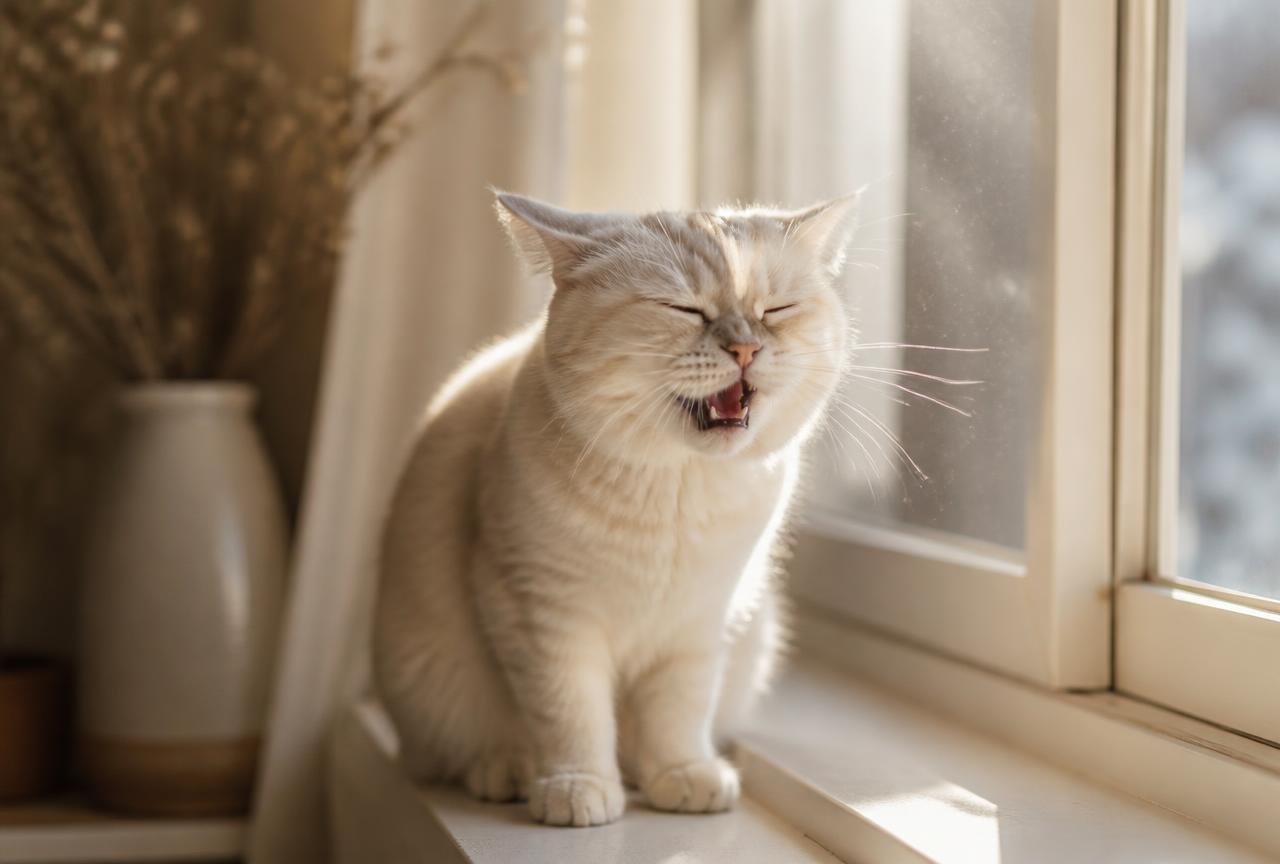
- Sudden violent sneezing fits, often one-sided and in summer, suggest an inhaled grass seed, phone the vet today.
- Open-mouth breathing, bloody discharge, or a cat off food for 24 hours all need a vet the same day.
- Never give human cold medicines to cats; several common ingredients are toxic to them.
A cat sneezing now and then is a nose doing its job. A cat sneezing fifty times a day, or for the third week running, is a different conversation. The art is telling which cat you have, and it comes down to four things: how often, how long, what comes out, and what else is wrong.
The causes divide into a tidy shortlist, dust and irritation, the respiratory viruses lumped together as cat flu, dental roots that press up into the nose, foreign bodies, and the chronic sniffles that follow an early infection. Each has a recognisable signature.
The everyday sneeze: dust, litter and household air
Before illness, consider the obvious. A cat''s nose works at floor level, which is where dust, litter particles and the residue of sprays and plug-in fresheners actually live. A new bag of dusty litter is one of the most common sneezing triggers in the species, and one of the most overlooked.
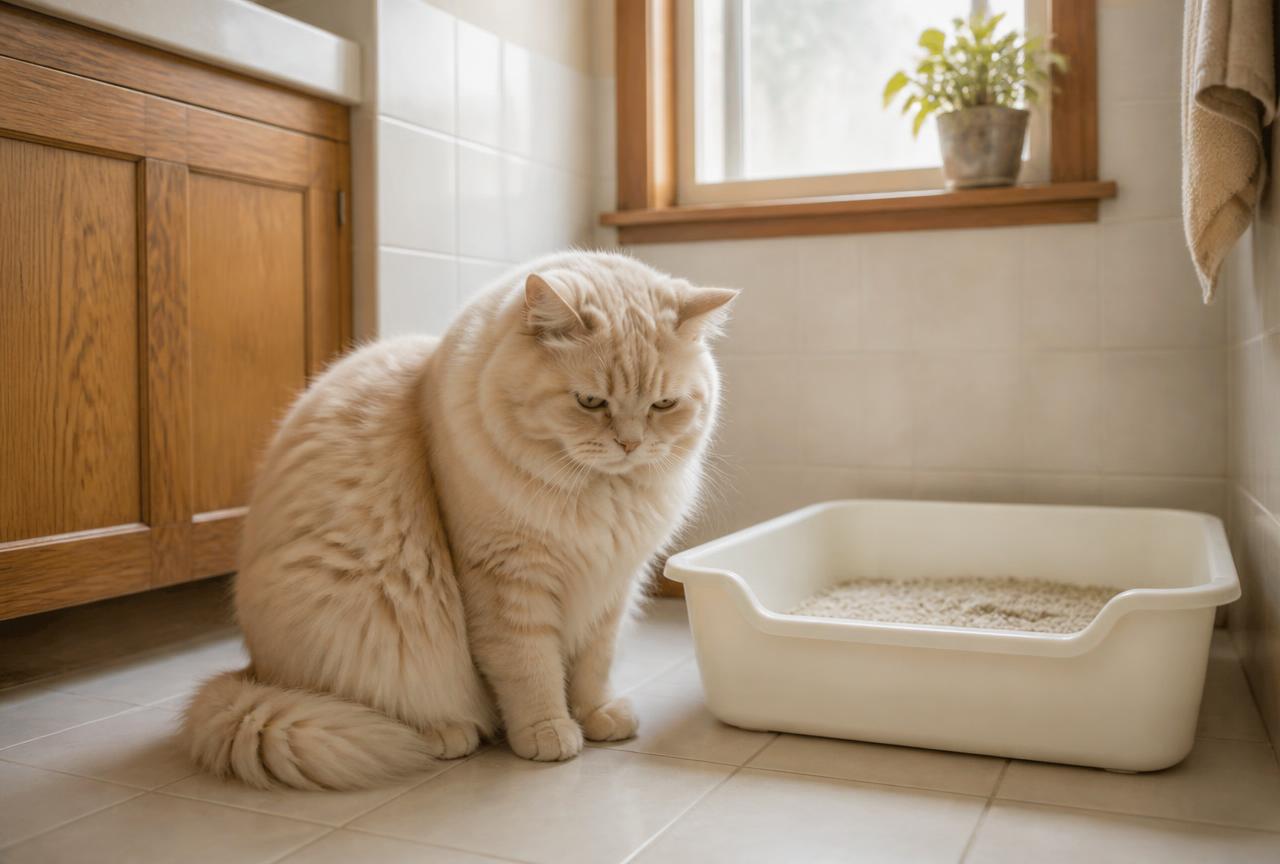
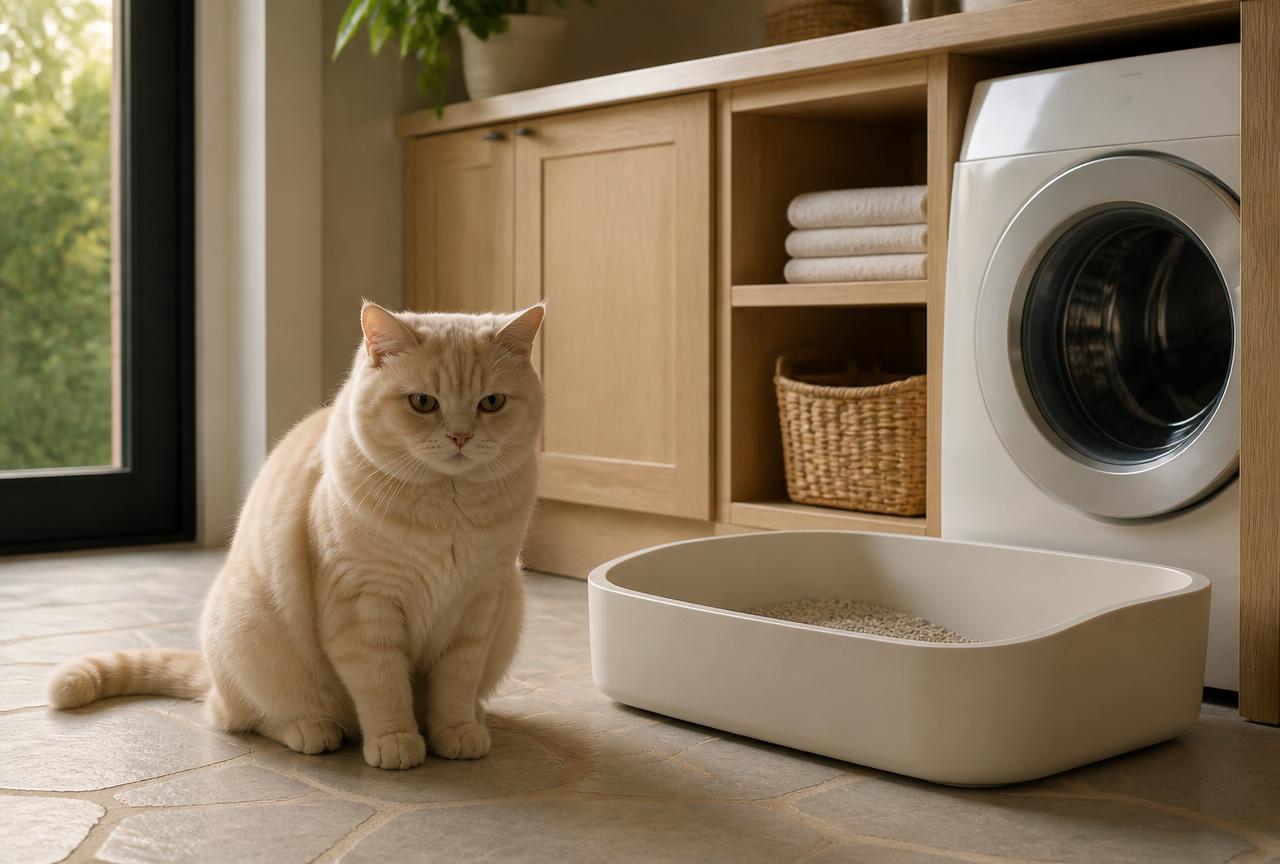
The signature is sneezing that clusters around the litter tray or follows a change in the home, new litter, building work, a scented candle habit. Discharge, if any, is clear. The cat is otherwise entirely well. Fix the air and the sneezing usually stops within the week: a low-dust, unscented litter, no aerosols near cat level, and a vacuum of the skirting-board run the cat patrols.

Cat flu: the viral duo
Most infectious sneezing in cats comes from two viruses, feline herpesvirus and calicivirus, which between them account for the great majority of what people call cat flu. Both are intensely contagious between cats, both produce sneezing, runny eyes and a muted appetite, and both usually burn out in seven to ten days with nursing care.
Two things distinguish them. Herpesvirus is the one that never really leaves: after recovery it retreats into the nerves and can flare again at times of stress, which is why some cats sneeze after every house move, boarding stay or new arrival. Calicivirus more often adds mouth ulcers and drooling to the picture. Vaccination blunts both but does not fully prevent them, a vaccinated cat can still catch a mild dose.
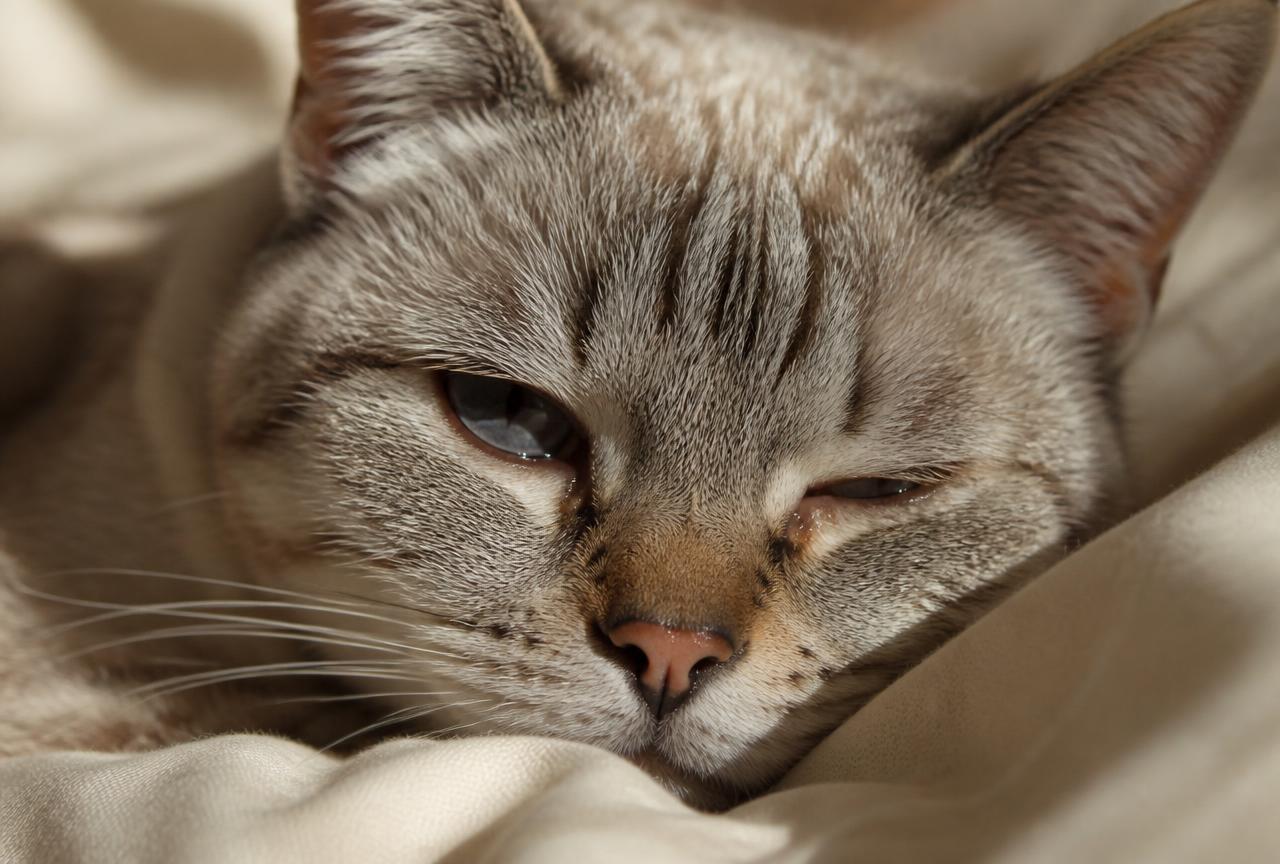
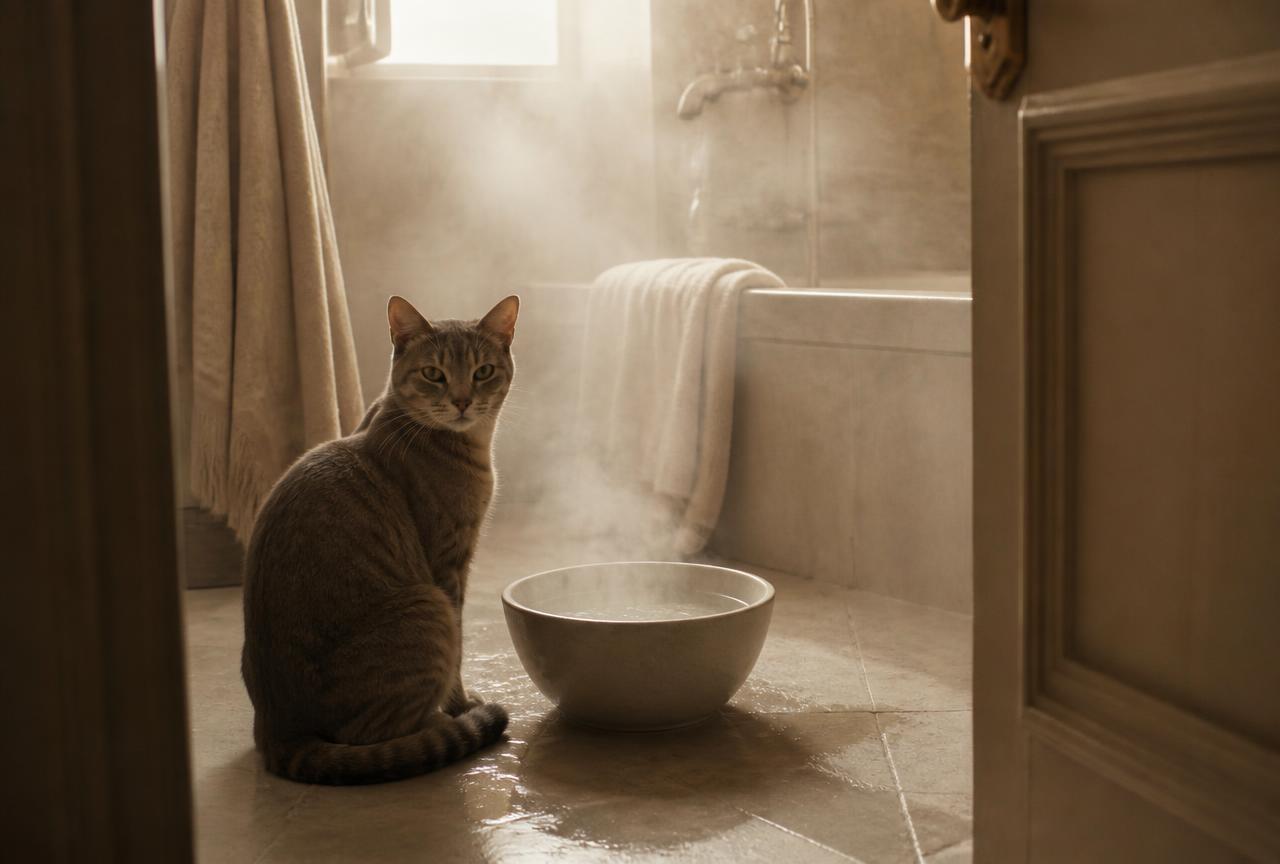
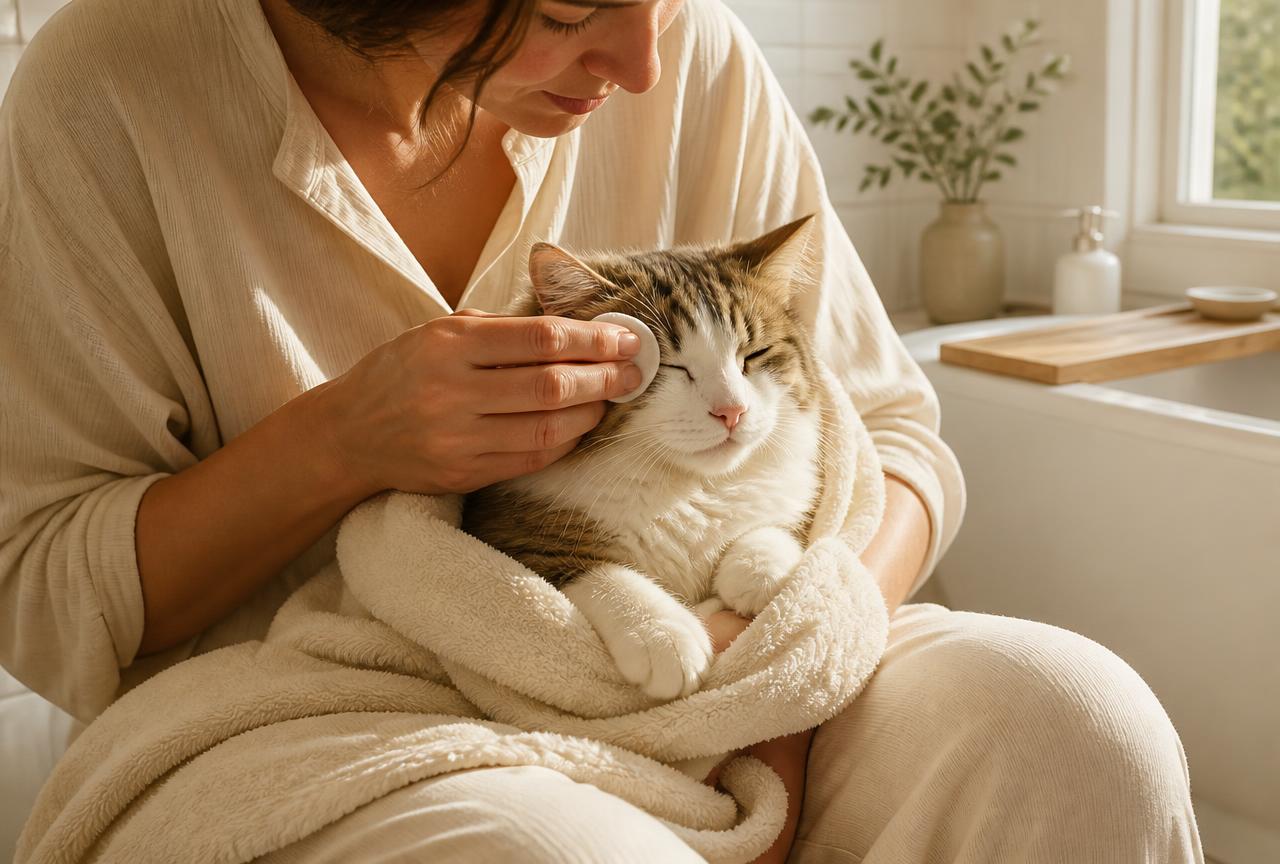
Home nursing is genuinely useful: warmth, steam sessions in a small bathroom to loosen congestion, strong-smelling wet food to tempt a nose that cannot smell its dinner, and gentle wiping of eyes and nose with cooled boiled water on fresh cotton for each eye. What does not help is human cold medicine of any kind, several common ingredients are dangerous to cats.
A cat flu carrier is not a sick cat; it is a well cat with a virus on standby, waiting for a stressful month.
The dental connection nobody expects
The roots of the upper teeth, particularly the canines and premolars, end a whisker''s breadth below the nasal passages. An abscessed upper tooth can therefore present as one-sided nasal discharge, sneezing and face-rubbing long before any obvious mouth sign. The classic clue is sneezing that is stubbornly one-sided, sometimes with a swelling under the eye, in a cat whose teeth have not been looked at in years.
This is one reason chronic sneezing deserves an actual examination rather than another phone consultation. If your cat has one-sided signs, the dental care guide is worth a read while you wait for the appointment.
Foreign bodies: the grass-seed season
A blade of grass or a grass seed snorted up a nostril produces one of the most distinctive presentations in general practice: sudden, violent, repeated sneezing fits, often with pawing at the face, usually one-sided, frequently starting mid-summer. The cat cannot sneeze the thing out because the nasal passage is built to resist exactly that direction of travel.
Do not wait these out. A foreign body that does not exit within a day or two migrates or infects, and removal under sedation is quick and kind. The signature, sudden onset, dramatic fits, one nostril, is distinctive enough that your vet will ask about it first.
Chronic rhinitis: the lifelong sniffle
Some cats sneeze on and off for life. The usual history is a severe bout of cat flu in kittenhood that scarred the delicate scrollwork inside the nose, leaving passages that block easily, drain poorly and host low-grade bacterial overgrowth. These cats snuffle, sneeze coloured discharge in bouts, and are otherwise well.
Chronic rhinitis is managed, not cured. What helps: steam, saline nose drops if your vet approves them, low-dust litter, weight kept lean, and prompt treatment of flare-ups. What does not help: repeated short courses of antibiotics with no work-up. A cat who has been sneezing for months deserves one proper investigation, examination under sedation, imaging, possibly a flush and culture, after which management becomes far more targeted.
The sneeze sorter
Four questions, how often, how long, what colour, what else, sort most sneezing cats into watch at home, phone today, or go now.
Interactive
The sneeze sorter
Frequency, duration, discharge and what else is going on. Four answers sort a sneeze into watch, phone or go.
Verdict
Watch at home
Occasional sneezing with clear discharge and a cat who is eating, playing and bright is usually irritation or a mild viral flare-up. Give it three to five days with the environment tidied up and it typically settles.
Also worth knowing
- Clear discharge suggests irritation or a viral cause rather than bacteria. Swap to a low-dust unscented litter, stop any sprays and plug-ins near the cat, and see whether the frequency drops within a week.
A guide to urgency, not a diagnosis. Kittens, elderly cats and any cat that stops eating always warrant an earlier call.
The verdict, by household
The occasional sneezer, otherwise bouncing. Dust check: litter, sprays, candles. Watch for a week. Done.
The new sneezer with runny eyes and a reduced appetite. Mild cat flu, most likely. Nursing care, steam, smelly food, and a vet call if the appetite drops further or the eyes look sore rather than merely wet.
The cat with fits out of nowhere in summer. Foreign body until proven otherwise. Phone the vet today.
The months-long snuffler. Chronic rhinitis work-up time. One good investigation beats a year of guesswork.
The one-sided sneezer with bad teeth. Dental root involvement is high on the list. Examination and probably a dental under anaesthesia.
When to call your vet
The lines are fairly clear. Same day: open-mouth or laboured breathing, blood from the nose, a kitten or elderly cat who is flat and off food, or any cat not eating for 24 hours. Phone within a day or two: coloured discharge, sneezing fits, sore or squinting eyes, or sneezing that passes the ten-day mark. Watch comfortably at home: occasional sneezes, clear discharge, a cat who is eating, playing and entirely itself.
Frequently asked questions
The questions below are the ones typed into search bars, duration, home remedies, contagion, and the kitten question.
Questions people actually ask
Why does my cat keep sneezing but seems fine?
A bright, eating cat with occasional sneezes and clear discharge usually has an irritant or a mild viral flare. Check the environment first: dusty or scented litter, sprays, plug-in fresheners and candles at cat level. Swap to low-dust unscented litter, remove the sprays, and give it a week. If sneezing persists past ten days or the discharge turns coloured, phone the vet.
How long is too long for a cat to be sneezing?
Ten days is the working line. A straightforward viral bout typically improves within seven to ten days; sneezing that plateaus or passes that mark deserves an examination, because the list shifts toward secondary bacterial infection, dental roots, polyps or chronic rhinitis. Kittens, elderly cats and cats off their food should not wait anywhere near that long.
Can I give my cat anything for a cold at home?
No human medicines, paracetamol, ibuprofen and decongestants are dangerous to cats. What genuinely helps is nursing: steam sessions in a small bathroom to loosen congestion, strong-smelling wet food for a cat who cannot smell dinner, eyes and nose wiped with cooled boiled water on fresh cotton, and a warm quiet room. Antibiotics, when needed, come from the vet.
Is cat sneezing contagious to humans or dogs?
Feline herpesvirus and calicivirus do not infect humans, and dogs are not at risk from them either. They are, however, intensely contagious between cats, so a sneezing cat in a multi-cat household should eat and sleep separately and have its own bowls and tray until the signs settle. Wash hands between handling cats during an outbreak.
Why does my cat sneeze more after using the litter tray?
Almost certainly litter dust. Clay litters in particular throw up fine particles at digging distance, which is exactly nose height for a squatting cat. Switching to a low-dust unscented litter resolves it in most cases within days. If the sneezing continues well away from the tray, look further up the list of causes.
My kitten is sneezing a lot, should I worry?
Kittens deserve a lower threshold for the vet than adults. Their airways are small, congestion interferes with feeding, and cat flu can escalate quickly in an unvaccinated or recently weaned kitten. A sneezing kitten who is bright and eating can be watched for a day or two; one who is snuffly, off food or has sore eyes should be seen promptly.
Can allergies make cats sneeze?
Yes, though true allergic sneezing is less common in cats than viral or irritant causes. Cats more often express airborne allergy through itchy skin than through sneezing. When allergy is the driver, the pattern is usually seasonal or tied to something specific indoors, discharge stays clear, and itchiness is present somewhere on the body. Your vet can help separate it from the lookalikes.
Sources
- Cat flu, International Cat Care
- Sneezing and nasal discharge in cats, Cornell Feline Health Center
- Feline respiratory disease, American Veterinary Medical Association
- Chronic rhinitis in cats, International Cat Care
- Feline dental disease, Cornell Feline Health Center
Breeds mentioned
Put it into practice
Read next
Constipation in cats: the quiet problem hiding behind the litter tray
How to spot a constipated cat, the home levers that actually move things, and the point where straining becomes a same-day problem.