
Cat dandruff: flaky skin, and what it is telling you
Flakes in a cat coat are rarely about the skin alone. More often they are about weight, joints, dry air or a diet running short on the fats that keep the skin barrier intact.
Dr Amara Okonjo, DVM
Small animal veterinarian with a special interest in feline dermatology
Published 20 September 2026
Helen Marsh, feline behaviour writer
The short version
- Flakes are dead skin shed faster than grooming can clear it
- The lower back flakes first because it is the hardest place for a cat to reach
- Weight and stiffness are the most common causes, not skin disease
- Flakes that move mean mites, black grit means fleas, and both are easy to check at home
- Wet food, brushing and a complete diet fix most mild cases within six weeks
- Never use human anti-dandruff shampoo or dog flea products on a cat
You notice it on a dark cat first: a scatter of white specks along the back, most of them gathered near the base of the tail, and more of them on the brush than on the cat. Cat dandruff is common, usually mild, and almost always a symptom of something rather than a condition in itself. The useful question is not how to get rid of the flakes, it is what the flakes are reporting.
The short version
- Flakes are dead skin cells shed faster than grooming can clear them.
- The lower back and tail base flake first because that is what a cat can least easily reach.
- Weight and stiffness are the most common causes, because both reduce grooming range.
- Dry indoor air, low fat intake and infrequent brushing account for most of the rest.
- Flakes that move are mites, and specks of black grit are fleas.
- Itching, scabs, hair loss, weight loss or increased thirst move this from home care to the vet.
What dandruff actually is
Skin renews constantly, and the old cells come off. In a healthy cat, grooming distributes natural oils and carries away the debris so quietly that you never see it. Flakes become visible when one of three things changes: the skin is drier than usual, the cells are shed faster than usual, or the grooming has stopped working.
That last one is the most common and the most overlooked. It is also why a cat's dandruff often says more about its joints and its waistline than about its skin.
The causes, roughly in order of frequency
Reduced grooming range. A cat carrying extra weight, or one whose hips and spine have stiffened with age, physically cannot reach its lower back. Flakes pile up exactly there, which is diagnostic in itself. Arthritis is far more common in cats over ten than most owners assume, and it is quiet: no limping, just less jumping, less grooming and more sleeping.
Dry air. Central heating in winter, a favourite spot pressed against a radiator, air conditioning in summer. Coat moisture drops and the skin follows.
Diet. Essential fatty acids maintain the skin barrier. A complete food formulated to FEDIAF or equivalent standards supplies them, but a diet heavy on dry food with little water intake, or an unbalanced homemade diet, will show up in the coat within weeks.
Too little brushing. For longhaired and dense-coated cats especially, brushing is not cosmetic. It lifts trapped flakes, spreads oils and prevents the mats that hide problem skin.
Parasites. Cheyletiella mites are literally nicknamed walking dandruff, because the flakes appear to move. Flea dirt looks like ground black pepper and turns rusty red on damp paper. Both are easily confirmed at home with a fine comb and a sheet of white paper.
Allergy and dermatitis. Food or environmental allergies produce flaking with itching, and usually scabs around the neck and head.
Fungal infection. Ringworm gives circular scaly patches with hair loss, is contagious to people, and needs veterinary diagnosis rather than guesswork.
Systemic illness. Diabetes, an overactive thyroid, kidney disease and, less often, more serious conditions all show up in coat quality. This is why flaking alongside weight loss or increased drinking is never just a skin matter.
Dandruff on the lower back is usually a joint question or a weight question wearing a skin costume.
Telling a dry coat from a skin condition
| What you see | Likely explanation | Next step |
|---|---|---|
| --- | --- | --- |
| Fine flakes, lower back only, comfortable cat | Grooming range or dry air | Home routine below |
| Flakes across the whole coat, dull fur | Diet, hydration or dry air | Review the food, add wet food |
| Flakes that appear to move | Cheyletiella mites | Vet, treatable |
| Black grit in the coat, scratching | Fleas | Vet-grade treatment for all pets |
| Round scaly patches with hair loss | Possible ringworm | Vet, contagious to people |
| Flakes with scabs and constant itching | Allergy or dermatitis | Vet |
| Flakes plus weight loss or thirst | Systemic illness | Vet appointment this week |
The two-minute home test is worth doing before anything else. Comb the cat over a sheet of white paper in good light. Still white flakes point at skin. Moving flakes point at mites. Black grit points at fleas. Our parasite guide covers treatment and the household side of it.
The home routine
- 1Brush little and often. Two or three short sessions a week with a soft slicker or a rubber grooming mitt, following the direction of the coat. Never scrape at dry skin, and stop while the cat is still enjoying it.
- 2Raise water intake. Wet food is the most effective single change, since it delivers water with every meal. Add a second water station away from the food. Our water intake piece has the full set of levers.
- 3Check the diet is complete. The label should state that it is a complete food for the cat's life stage. If you are feeding a homemade diet, have it reviewed properly.
- 4Consider an omega supplement, with your vet. Omega-3 and omega-6 supplements can help genuinely dry skin, but dose matters and some are unsuitable alongside certain conditions.
- 5Deal with the reachability problem. If the cat is overweight, a structured weight plan will do more for the coat than any shampoo. If it is stiff, ask about pain relief, and in the meantime do the grooming they cannot.
- 6Keep winter air from getting parched. Move the cat bed slightly off the radiator, and let one room stay cooler and less dry.
Give it four to six weeks. Skin turns over slowly, and coat condition lags behind whatever caused it in both directions.
What not to do
- No human anti-dandruff shampoo. Several active ingredients, including some coal tar and salicylate products, are unsuitable or toxic for cats.
- No dog flea or skin products. Permethrin-based treatments sold for dogs are dangerous to cats and cause serious neurological signs.
- No oil rubbed into the coat. It does not rehydrate skin, it makes a greasy cat that grooms the oil off and has digestive upset for its trouble.
- No aggressive brushing of flaky skin. It removes flakes and the skin barrier together.
- No bathing unless a vet has recommended it, and then only with a product they have chosen. Our bathing guide sets out the rare cases where a bath is genuinely needed.
Verdict by household
Shorthaired cats. Flakes show most on dark coats and the fix is usually diet and brushing. Easy wins here.
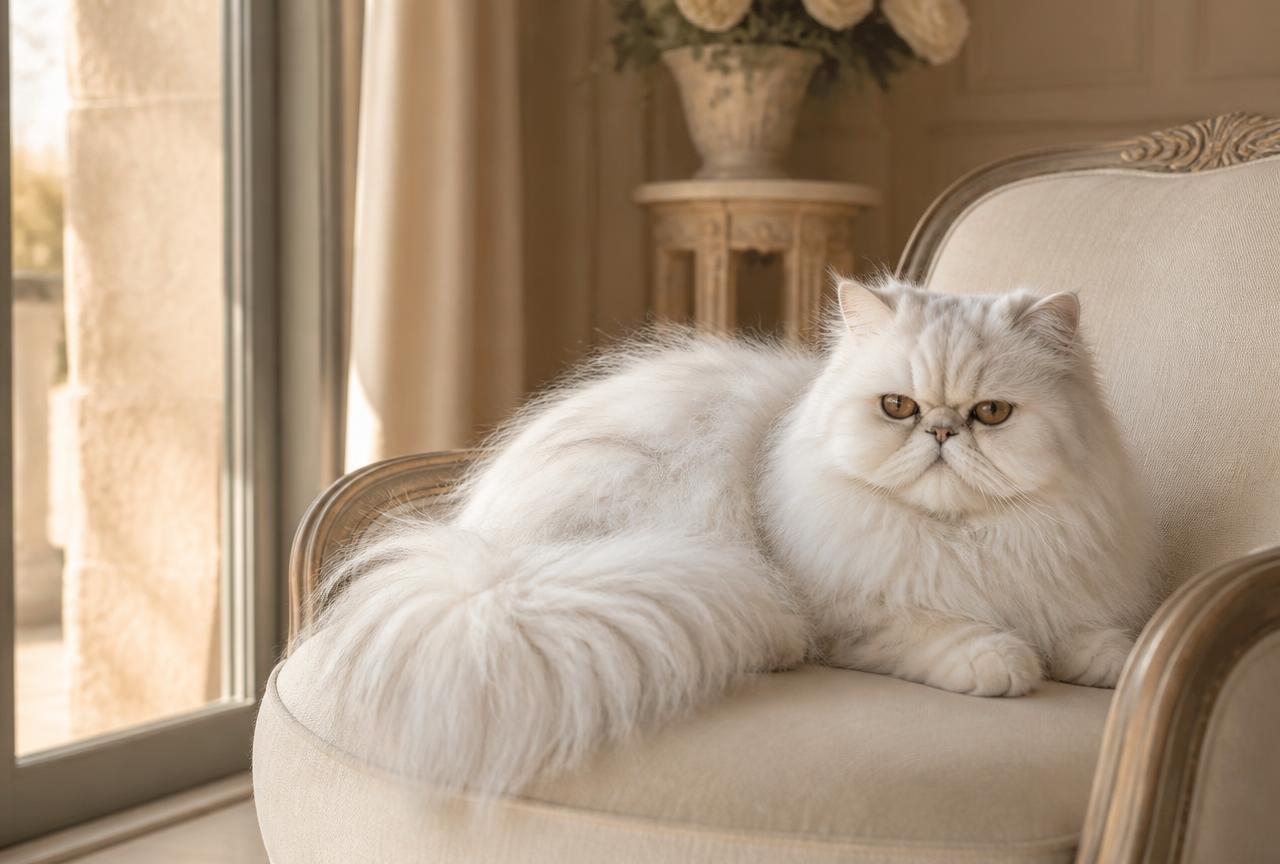
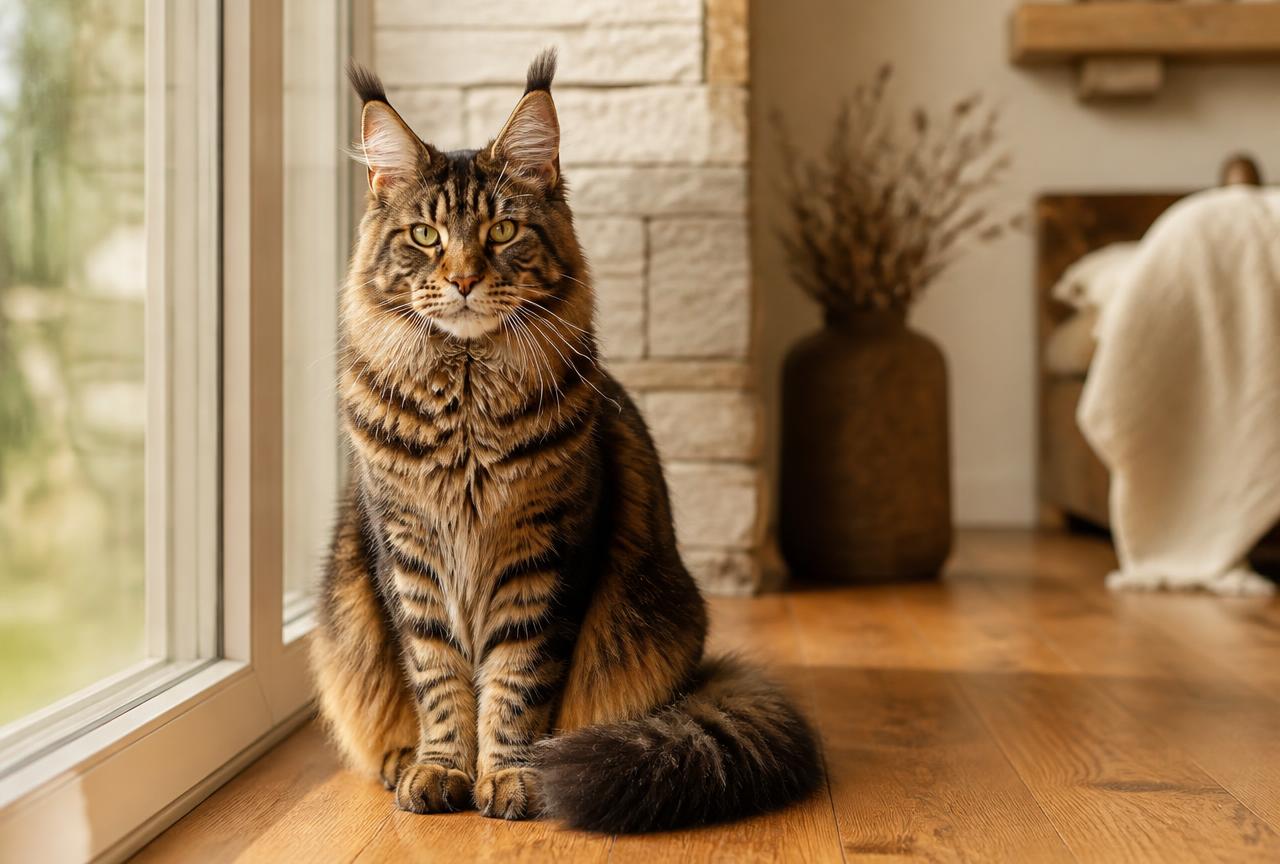
Longhaired breeds. Brushing is non-negotiable, both for flakes and for the mats that conceal skin problems. Persian, Maine Coon and Ragdoll owners should expect a routine rather than an occasional session.
Senior cats. Assume reduced grooming range until proven otherwise, and raise the question of joint pain with your vet. A senior cat with a flaky lower back is often a cat in mild, undiagnosed discomfort.
Overweight cats. The coat is one of the first visible costs of the extra weight, and one of the first things to improve on a weight plan.
Multi-cat and multi-pet homes. Mites and fleas are household problems, not individual ones. Treat every animal in the home or the cycle restarts.
When to call your vet
- Constant scratching, scabs, broken skin or bald patches.
- Flakes that appear to move, or black grit in the coat.
- Circular scaly patches, particularly with hair loss, or any skin change in a household where a person has developed a rash.
- Flaking alongside weight loss, increased thirst, vomiting or lethargy.
- Greasy, sticky or foul-smelling skin rather than dry skin.
- No improvement after six weeks of the routine above.
Mild flakes on an otherwise bright, comfortable cat are a maintenance job. Flakes on a cat that is itching, thinning or off colour are a message, and the sooner it is read the shorter the treatment.
Questions people actually ask
Sources
Breeds mentioned
Put it into practice
Read next
A cat in heat: the noise, the behaviour, and what to do
Cat in heat explained: the calling, rolling and restlessness, how long each cycle lasts, how to keep her calm and safe, and when spaying is the answer.