Why do cats sleep so much? Normal hours, odd habits and the red flags
Cats sleep twelve to sixteen hours a day because they are built to hunt in bursts, not because they are lazy. The number matters less than what happens in the hours between.
Iona Whitfield
Feline behaviour researcher; ISFM-accredited writer
Published 6 September 2026
Dr Leonie Brandt, DVM, CertAVP
The short version
- Twelve to sixteen hours of sleep is normal for an adult cat; kittens and seniors may reach twenty.
- Three quarters of cat sleep is a light doze with ears on duty, only about a quarter is deep, dreaming sleep.
- Cats are crepuscular, most active at dawn and dusk, but will adapt to a consistent household routine.
- Judge sleep by the waking hours: a bright, playful, hungry cat who sleeps a lot is a healthy cat.
- A bored indoor cat sleeps more; two short hunting-style play sessions a day change the whole pattern.
- Sudden extra sleep, new hiding spots, or dullness when awake, especially in seniors, warrants a vet check.
The average adult cat sleeps twelve to sixteen hours a day. Kittens and seniors push towards twenty. By any human measure that is an extraordinary allocation of a life, and yet for a cat it is not indulgence, it is engineering. The question worth asking is never "why so much" but "is this pattern normal for this cat".
That distinction, between the species'' normal and the individual''s normal, is the whole game. A cat who has always slept fourteen hours and plays like a demon in the other ten is a healthy cat. The same cat suddenly sleeping eighteen, in new hiding places, with a dulled interest in food, is telling you something else entirely.
Built for the sprint, not the marathon
Cats are ambush predators. Their hunting style, explosive acceleration, a few seconds of maximum effort, then either a kill or an abort, is spectacularly expensive in energy terms. Wild and feral cats may attempt ten to twenty hunts a day with a success rate that keeps them permanently on a calorie budget. Sleep is how the budget is balanced.
Domestication has removed the hunt but not the wiring. The indoor cat with a full bowl still runs the same metabolic programme: conserve, burst, conserve. What looks like laziness on the sofa is, physiologically, an athlete between events. The prey has been replaced by a feather wand; the recovery sleep has not noticed.
A sleeping cat is not an idle cat. It is a predator on standby, saving fuel for a hunt that now happens at six in the evening, in the hallway, against a shoelace.
Two kinds of sleep
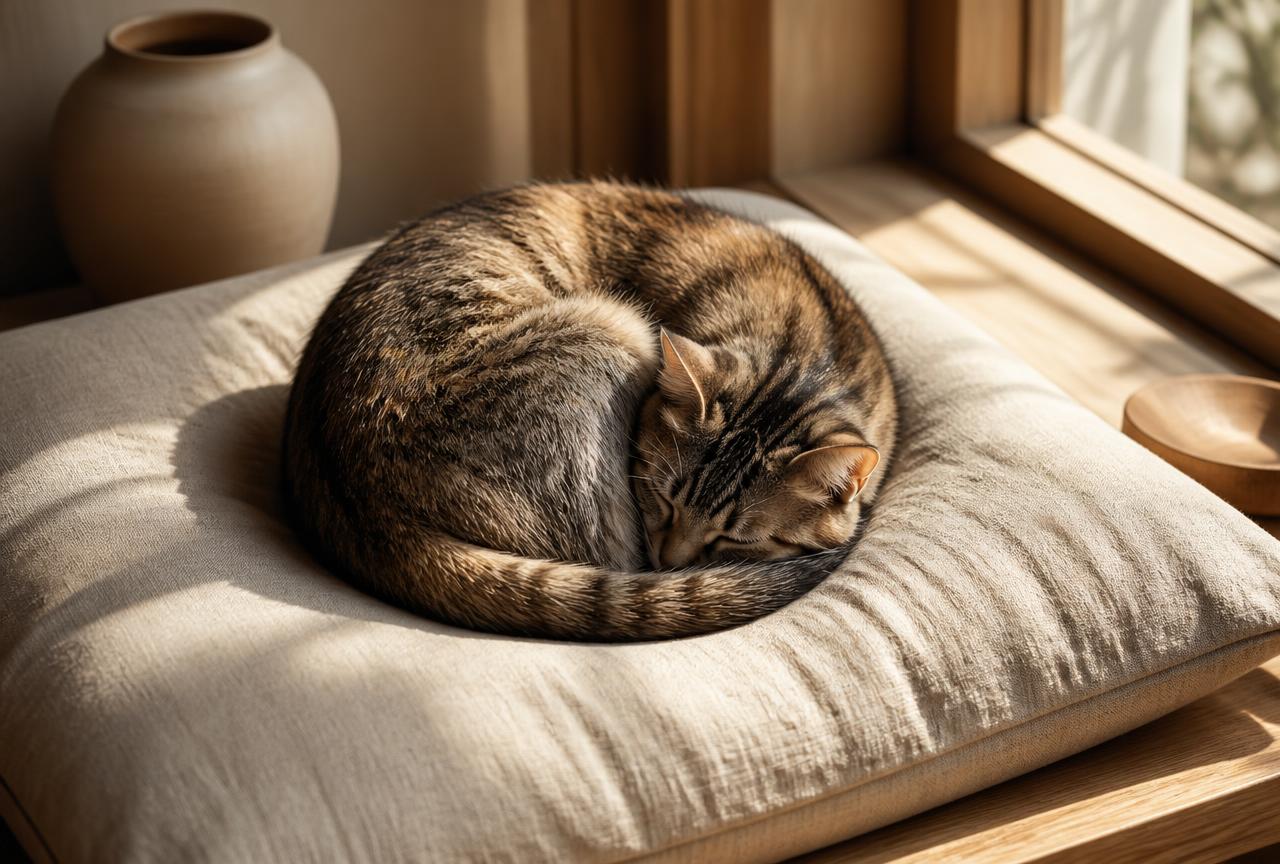
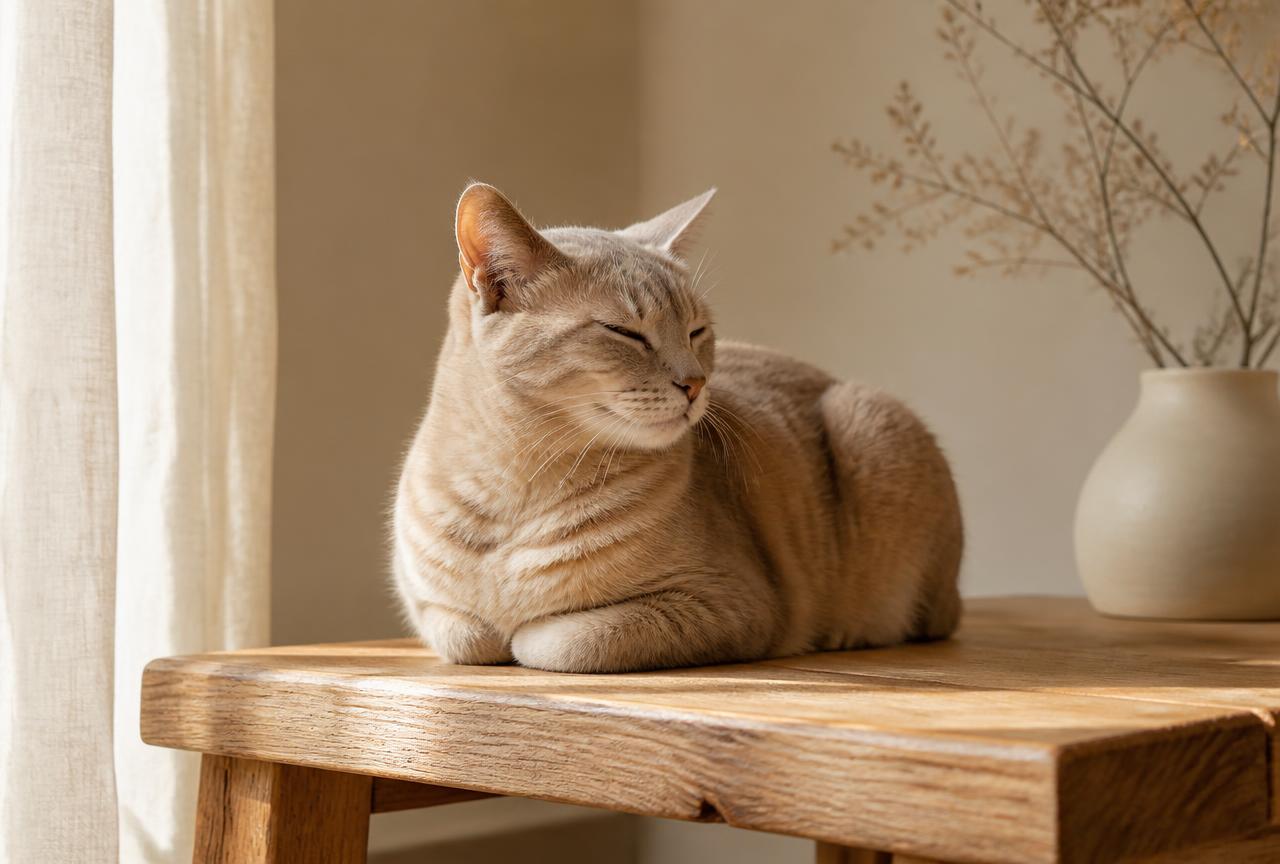
Watch a sleeping cat closely and you will see it cycle. Roughly three quarters of feline sleep is the light doze: the loaf or sphinx position, eyes closed, but ears rotating independently towards sounds, ready to be fully awake in under a second. This is rest, not unconsciousness, a cat in a doze is monitoring.
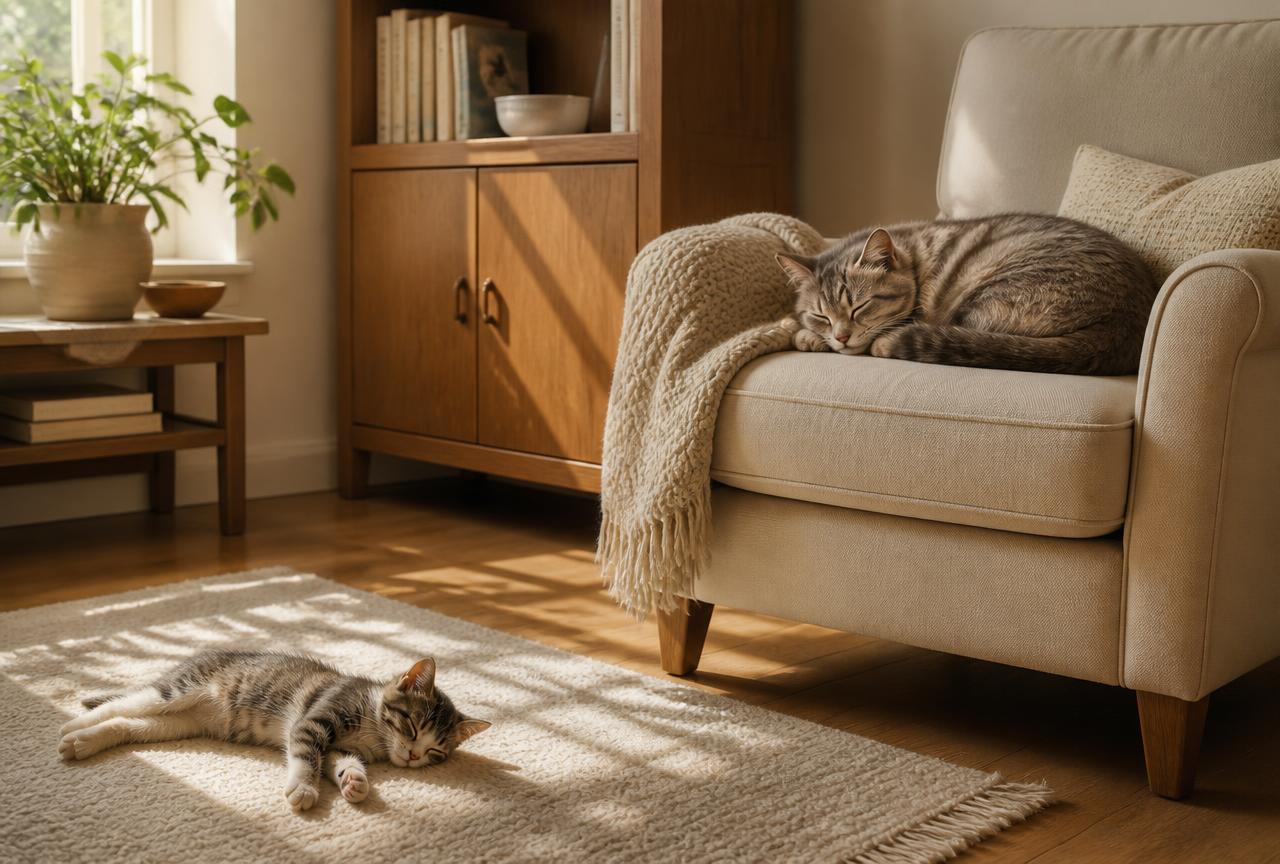
The remaining quarter is deep sleep: the body fully relaxed, often on the side or curled nose-to-tail, paws or whiskers twitching, sometimes with muted squeaks. This is the dreaming phase, and it is where the restorative work happens, memory consolidation, tissue repair, growth hormone release. Kittens get a far larger share of deep sleep than adults, which is one reason they sleep so much more. If your cat''s paws are paddling and the whiskers are fluttering, the mouse hunt is happening on the inside. Do not wake them; deep sleep is the fraction that matters most.
The crepuscular clock
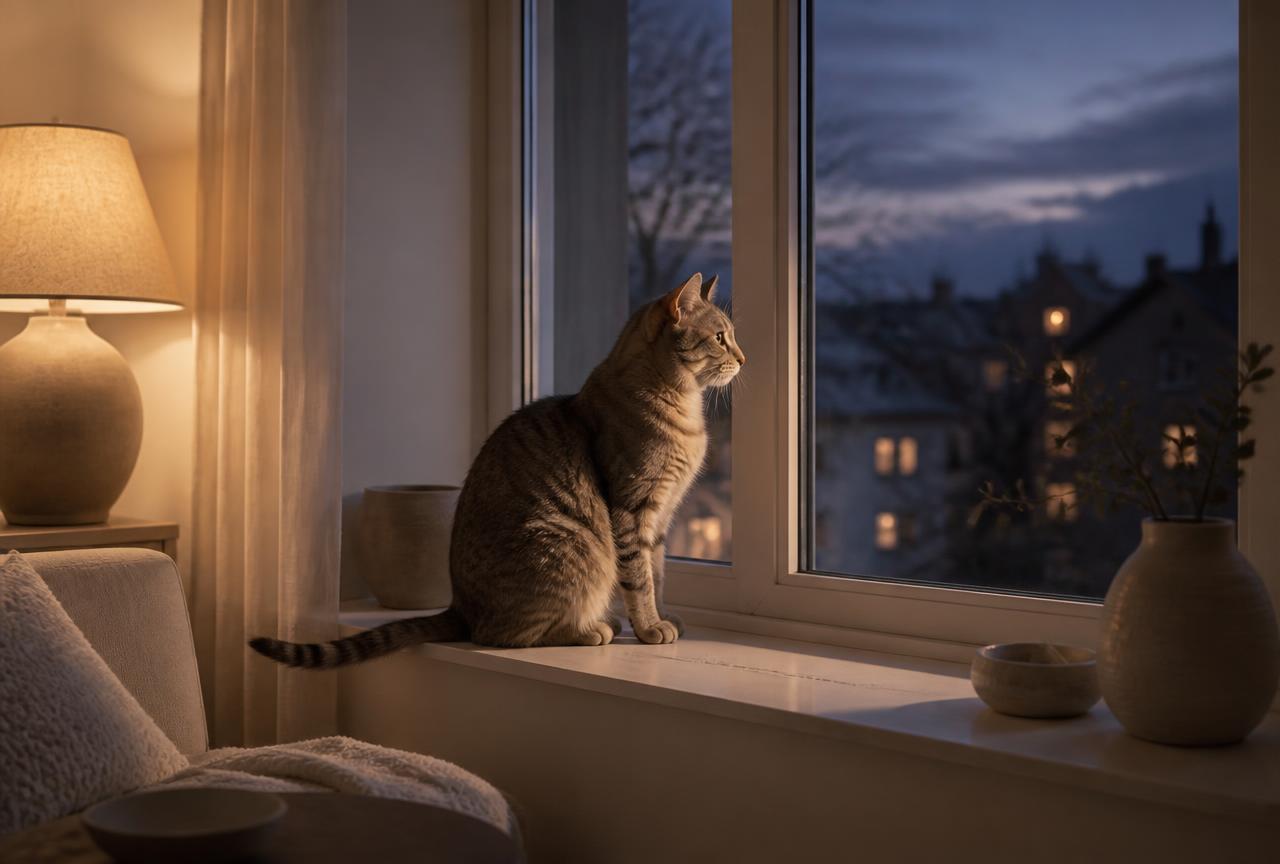
Cats are not nocturnal, a common misconception. They are crepuscular, most active at dawn and dusk, the hours when their natural prey is active and the light suits eyes built for low levels of it. This is why the household''s busiest cat hours are so often six in the morning and ten at night, and why the 5 a.m. wake-up call is not spite but schedule.
The good news is that the schedule is negotiable. Cats synchronise strongly to household routine: a reliable pattern of play followed by food in the late evening, and ignoring rather than rewarding dawn demands, shifts most cats towards their humans'' hours within a few weeks. The ones who never shift are usually the ones whose dawn yowling has been rewarded with breakfast "just this once", several hundred times.
Age changes everything
The honest answer to "how much should my cat sleep" depends entirely on who is asking.
| Life stage | Typical sleep per day | What is normal |
|---|---|---|
| --- | --- | --- |
| Kitten (to 6 months) | 18–22 hours | Explosive awake intervals, then collapse mid-play |
| Junior (6 months–2 years) | 14–18 hours | Long naps punctuated by chaos, often at night |
| Adult (2–10 years) | 12–16 hours | Predictable pattern, dawn and dusk peaks |
| Senior (10+ years) | 16–20 hours | Deeper, longer sleeps; slower to rouse |
With seniors, one nuance matters: sleeping more is normal, sleeping *differently* is not. A change in chosen sleeping spots, away from the warm window to a cold, hidden corner, or new difficulty jumping up to a favoured bed can flag pain or illness before any other sign appears. Our piece on senior cat signals covers this territory in detail.
When sleep is boredom, not biology
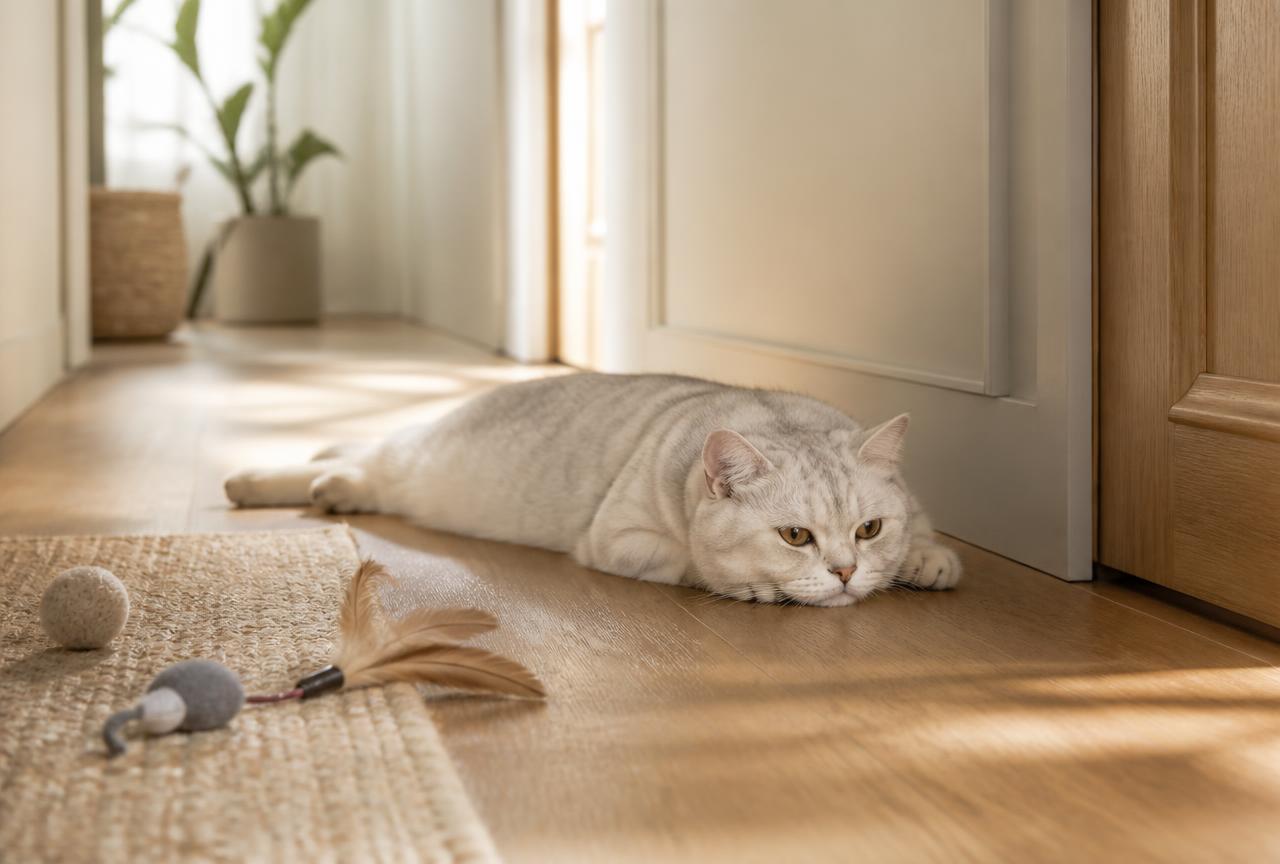
An indoor cat with nothing to do will sleep out the empty hours. It is the feline equivalent of sitting through a long flight. The giveaway is the awake behaviour: a bored sleeper is often lethargic when up, uninterested in play at first, and drifts back to the same spot. This is not illness, but it is not neutrality either, chronic boredom in cats is linked to overeating, weight gain and stress behaviours like overgrooming.
The fix is stimulation on a schedule, not a bigger toy basket. Two ten-minute hunting-style play sessions a day, wand toy, chase, catch, then a small meal to close the loop, measurably change how a cat spends the rest of its day. Our indoor enrichment guide has the full programme, and the enrichment audit on that page will score your current setup.
The sleep checker
Hours alone mislead. This combines age, rough sleep tally, the quality of the waking hours and appetite, the four inputs that actually separate normal from noteworthy.
Interactive
The sleep checker
Age, hours, and, most importantly, the quality of the waking ones. Four answers place the pattern.
Verdict
Normal sleep pattern
Twelve to sixteen hours is standard for an adult cat, more for kittens and seniors. If the waking hours are bright and the appetite is normal, the sleeping ones are simply a cat being a cat.
Also worth knowing
- A bored indoor cat will bank extra sleep simply because there is nothing else to do. If the waking hours lack play, add two short hunting-style sessions a day and watch the pattern shift.
A guide to whether the pattern fits, not a diagnosis. A cat who has stopped eating, or who cannot settle at all, needs a vet regardless of the tally.
The verdict, by household
The kitten who plays hard then collapses mid-corridor. Textbook. Growth runs on sleep. Enjoy the quiet windows.
The adult sleeping fourteen hours, bright and hungry between. Also textbook. If anything, add play to make the awake hours richer.
The indoor cat sleeping eighteen hours, sluggish when up, weight creeping. Boredom plus calories. Fix the schedule, play, then food, and run the portion calculator.
The senior who has quietly added hours and swapped the sunny sill for the wardrobe floor. Change, not age. Book the check; ask about blood pressure and thyroid.
The cat who barely sleeps, paces and yowls at night. Under-sleeping flags as much as over-sleeping: pain, hypertension or hyperthyroidism in older cats, stress in any. Vet visit, and mention the nights specifically.
When to call your vet
Sleep itself is rarely the emergency; the company it keeps is the signal. Phone promptly if increased sleep comes with reduced appetite, weight loss, vomiting, hiding in new places, or a cat who is dull when awake. Same day if the cat is hard to rouse, breathing oddly, or has stopped eating altogether. And take night-time yowling in a senior seriously, it is one of the more common first flags of high blood pressure and thyroid disease, both very treatable when caught.
Frequently asked questions
The questions below cover the specifics, the twitching, the belly-up pose, the sleeping-on-you habit, and how many hours is genuinely too many.
Questions people actually ask
Why do cats sleep so much during the day?
Cats are crepuscular, built to be most active at dawn and dusk, so the middle of the day is their natural downtime. Added to that, their hunting style, short, explosive, expensive, makes long rest periods the way the energy budget balances. An indoor cat with little to do will also simply sleep through the empty hours, which is worth fixing with scheduled play rather than more toys.
How many hours of sleep is too much for a cat?
There is no fixed ceiling, because age and habit vary so much. Over twenty hours in a healthy adult is worth a look, but the real red flag is change: a cat sleeping noticeably more than its own established pattern, especially alongside reduced appetite, weight loss or hiding in new places. Judge the waking hours, bright, playful and hungry between naps means the naps are fine.
Why does my cat twitch in its sleep?
Twitching paws, fluttering whiskers, flicking ears and small squeaks are signs of deep, dreaming sleep, the feline equivalent of REM. Cats are thought to dream much as we do, likely replaying the day''s hunts. It is normal and healthy; let them be. The time to worry is twitching while awake, or violent, unrousable episodes, which deserve a vet check.
Why does my cat sleep on me?
Warmth, scent and trust, in that order. You are a reliable heat source, you smell like home, and a cat only sleeps properly on or against someone it regards as safe, sleep is a vulnerable state. Cats also gravitate to the person who ignores them least predictably or moves least. It is, in short, a compliment delivered at some cost to your circulation.
Why does my cat sleep with its belly up?
The belly-up sprawl is the deepest vote of confidence a cat can cast. The abdomen is the most vulnerable part of a cat, so exposing it in sleep means the cat feels entirely safe in that spot and that household. It is not, despite appearances, an invitation to rub it, most cats will take a swipe at a hand that tries. Admire from a distance.
Is it normal for older cats to sleep more?
Yes, senior cats commonly sleep sixteen to twenty hours a day, and both deeper and longer stretches are expected as they age. What is not normal is a change in pattern: new sleeping spots in cold or hidden places, difficulty reaching a favoured high bed, or dullness during waking hours. Those warrant a vet visit, with blood pressure and thyroid on the checklist.
Why is my cat suddenly awake and yowling all night?
In a young cat, night-time activity is usually schedule mismatch, too much daytime sleeping, no evening play, and a history of being fed for making noise. In a senior cat, new night yowling is a medical flag until proven otherwise: high blood pressure, thyroid disease and cognitive decline all announce themselves this way. Mention the nights specifically when you book the vet.
Sources
- Why do cats sleep so much?, International Cat Care
- Cat sleep: what is normal, Cornell Feline Health Center
- Normal feline behaviour, International Cat Care
- Cognitive and behaviour changes in senior cats, American Veterinary Medical Association
- Feline environmental needs, American Association of Feline Practitioners
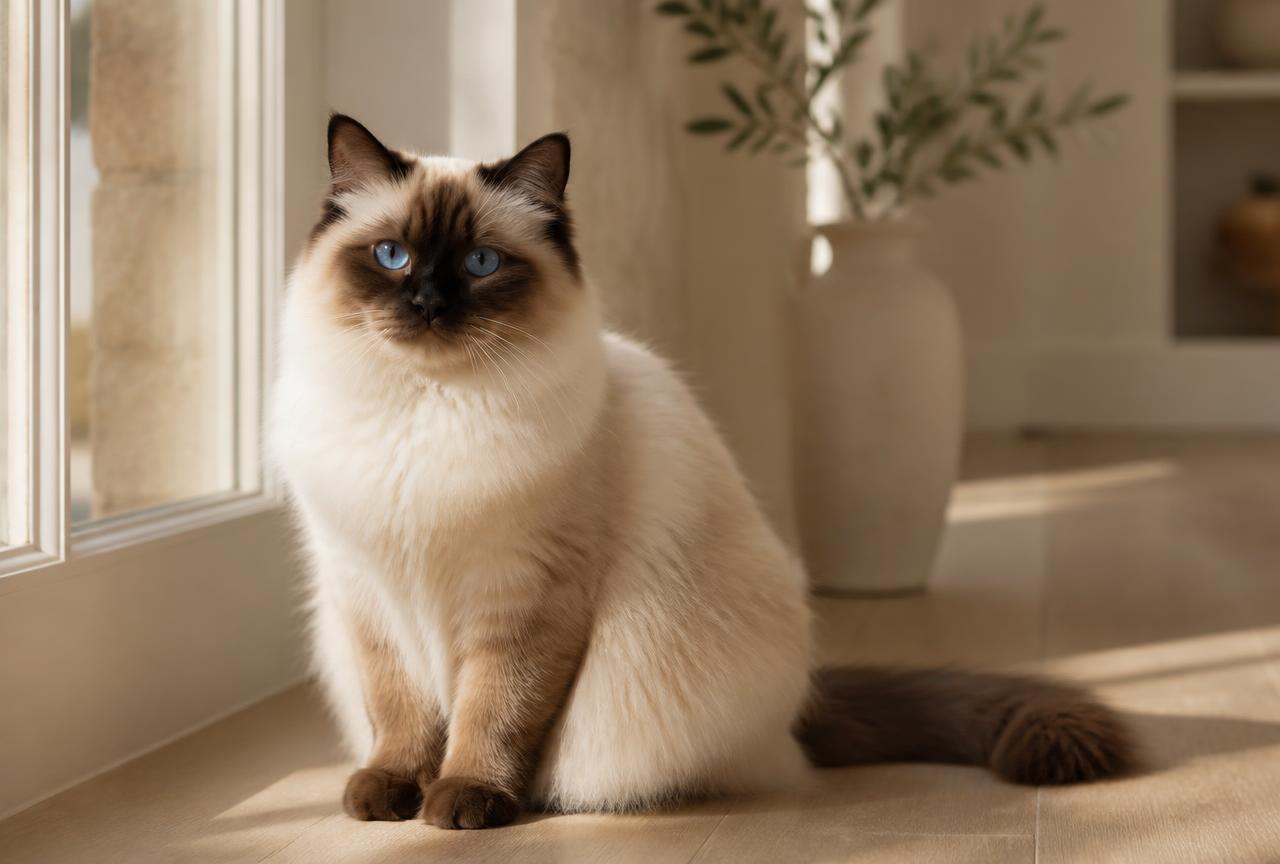
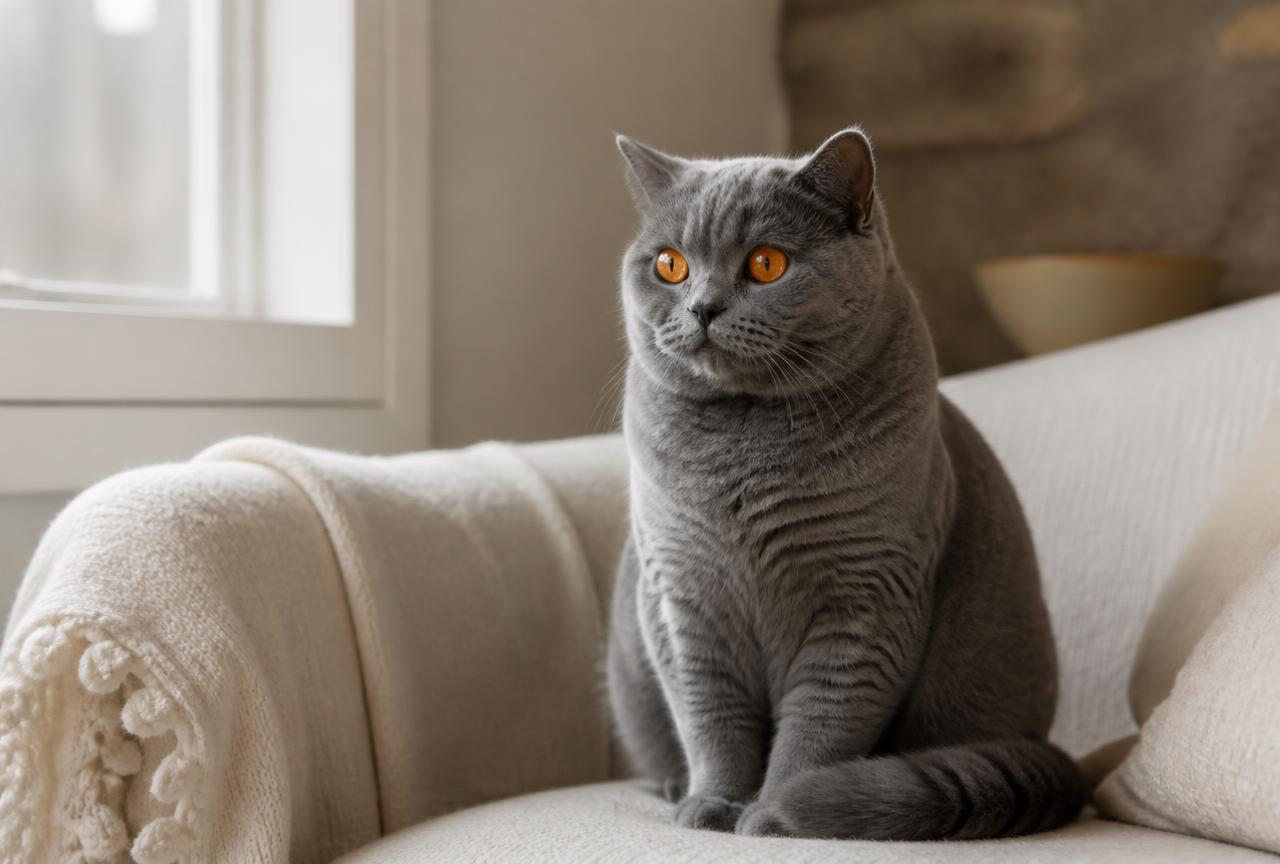
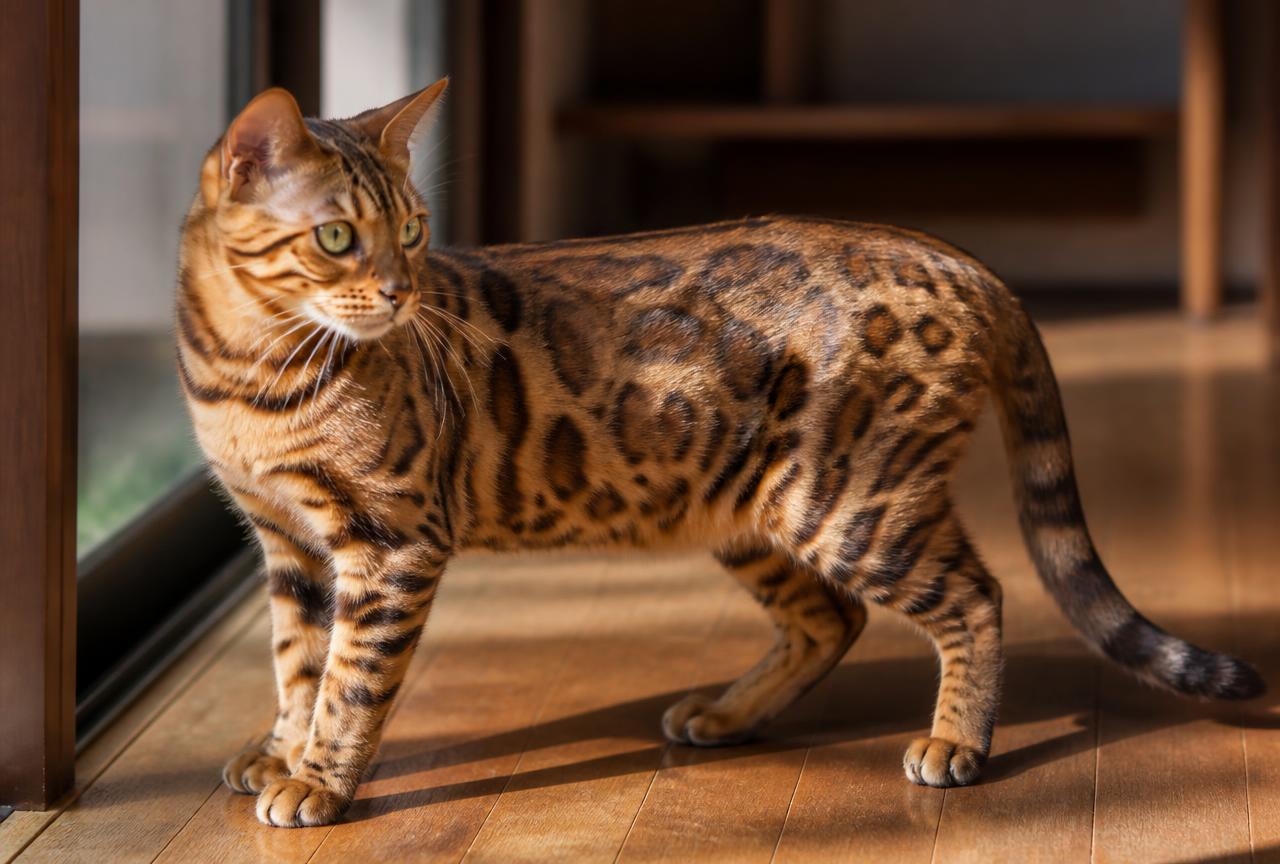
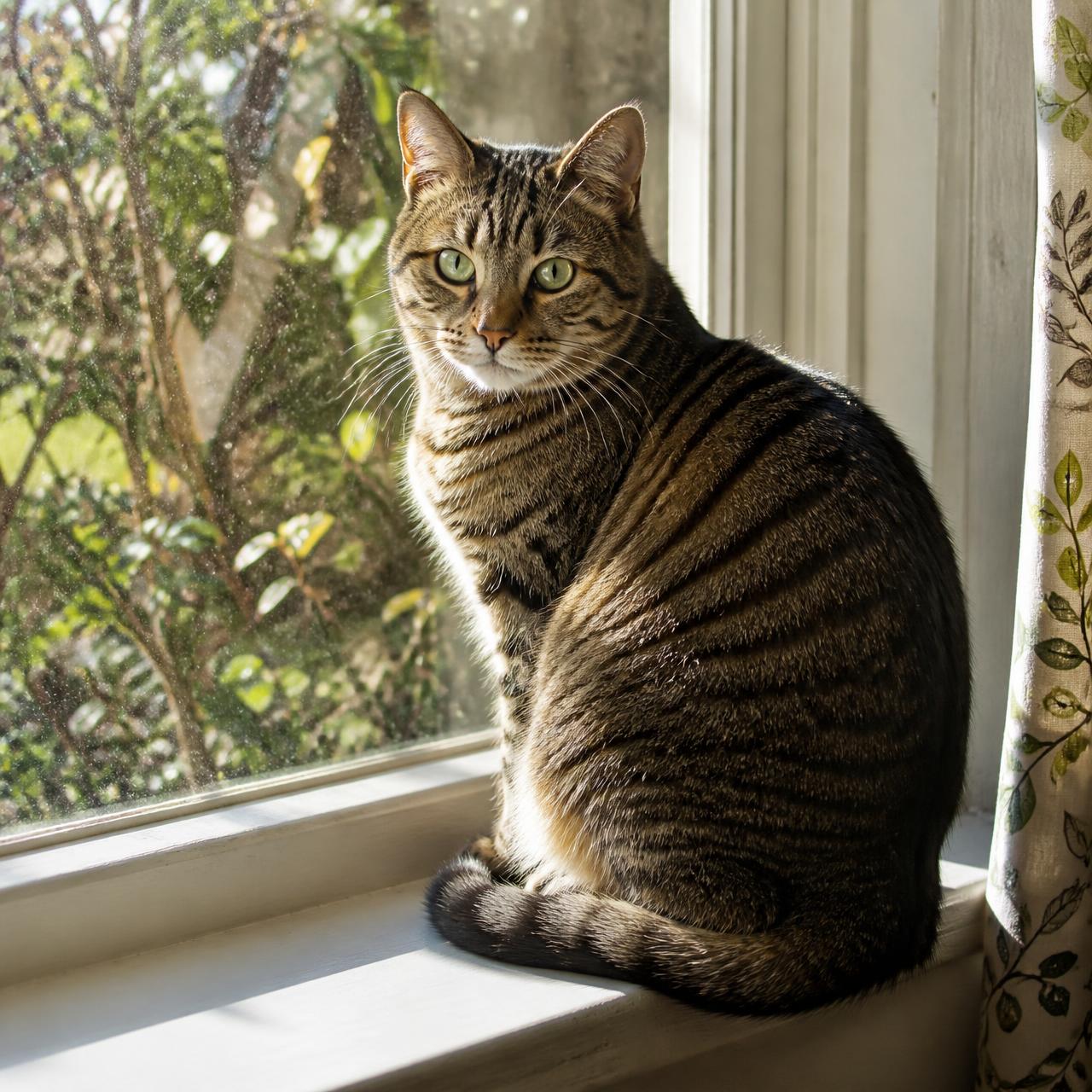
Breeds mentioned
Put it into practice
Read next
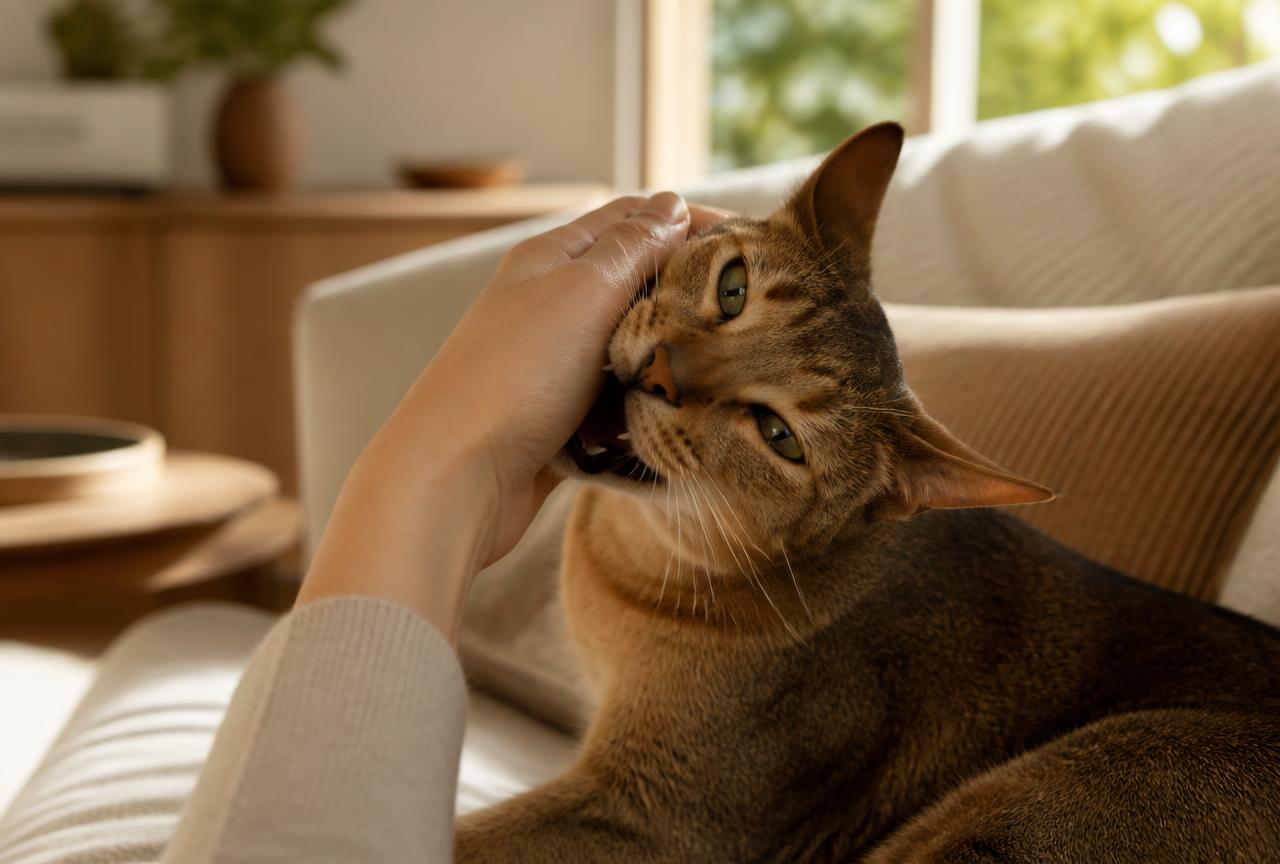
Why does my cat bite me? From love bites to the real thing
Why does my cat bite me? Petting bites, play bites, redirected aggression and pain, how to tell them apart and what actually fixes each.