
Why cats hate water, and the breeds that break the rule
The hatred of water is not a quirk. A wet coat is heavy and cold, a bath erases a cat s identity smell, and the whole event removes its ability to leave. The exceptions prove the rule.
Helen Marsh
Feline behaviourist and ReMews. staff writer
Published 21 September 2026
Dr Tomas Reyes, DVM
The short version
- A saturated cat coat becomes heavy and cold: water conducts heat away from the body far faster than air
- Bathing erases the scent a cat relies on for identity and comfort, which is why cats groom frantically afterwards
- The panic is about control: chosen, shallow water interests many cats; inescapable water frightens them
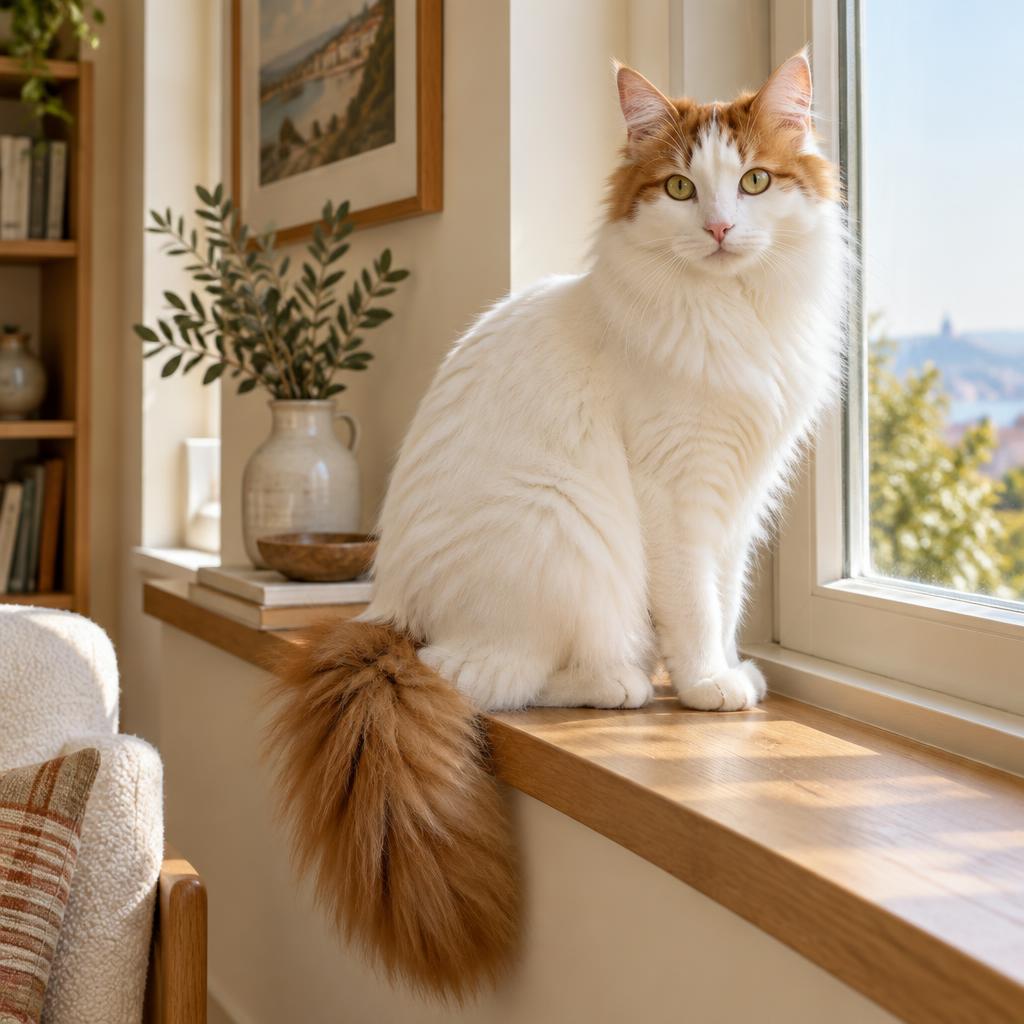
- The Turkish Van is the famous water-loving exception, helped by a coat without a heavy undercoat
- Healthy cats almost never need baths; a barbed tongue is better equipment than shampoo
- Real reasons to bathe: toxic substances on the coat, cats who can no longer groom, hairless breeds, and veterinary instruction
Put a cat anywhere near a filled bathtub and you will witness a transformation: a liquid animal becomes rigid, a calm animal becomes a siren, and your forearms become a cautionary tale. The aversion is so reliable it feels like a personality trait. It is not. It is physics, chemistry and control, and each part has a boring, sensible explanation.
It is also not universal. A handful of breeds paddle voluntarily. And the whole question matters less than people think, because a healthy cat almost never needs a bath at all.
Here is what is actually going on, why some cats defy it, and what to do on the rare occasion water is genuinely required.
The physics: a wet coat is a heavy, cold coat
A cat's coat is engineered insulation: a dense undercoat trapping warm air, guard hairs shedding the weather. It works beautifully right up until it gets soaked. Unlike a dog's coat, which most breeds carry loosely, a cat's fur saturates, clumps and holds water against the skin.
The consequences arrive fast. The coat becomes heavy, literally dragging on an animal whose whole design brief is lightness and speed. Worse, water conducts heat away from the body far faster than air, so a wet cat is a cold cat, and cats run hotter than we do. Their normal body temperature sits around 38 to 39 degrees, and they seek warmth relentlessly. Being wet and cold is not a mild inconvenience for a cat; it is a genuine physiological insult.
Then there is the drying time. A soaked cat can stay damp for hours. For an animal that spends a large share of its day asleep in draught-sensitive spots, hours of evaporative cooling is a miserable prospect. Your cat is not being dramatic. Your cat is being thermodynamically literate.
The chemistry: water ruins a carefully curated smell
Cats live in a world of scent. A cat's own smell, built up through grooming and spread around the house by cheek-rubbing, is its identity card and its comfort blanket. A bath, especially a scented one, wipes the card clean.
A freshly bathed cat does not smell right to itself, and it knows it. Watch a cat after an enforced wash: it will often groom frantically and at length, not to get dry but to get back to smelling like itself. Some cats in multi-cat households get briefly hissed at by their own housemates after a bath, because they no longer smell like a member of the household.
Add the smells we bring to the event, shampoo, bathroom cleaner, our own stress, and the bath is an olfactory assault layered on top of a thermal one.
The psychology: cats hate losing the option to leave
The third part is control. A cat's stress response is governed less by what happens than by whether it can leave. A bath removes the exits: slippery surfaces, closed bathroom door, a human's hands on wet fur. Even a cat who tolerates the water itself may panic at the trap of it.
This is also why the same cat who screams at a bath will sit on the edge of the tub and dab at the water, or demand the tap be left dripping. Chosen, shallow, escapable water is interesting. Imposed, deep, inescapable water is a crisis. The variable is not water. It is consent.
The breeds that break the rule
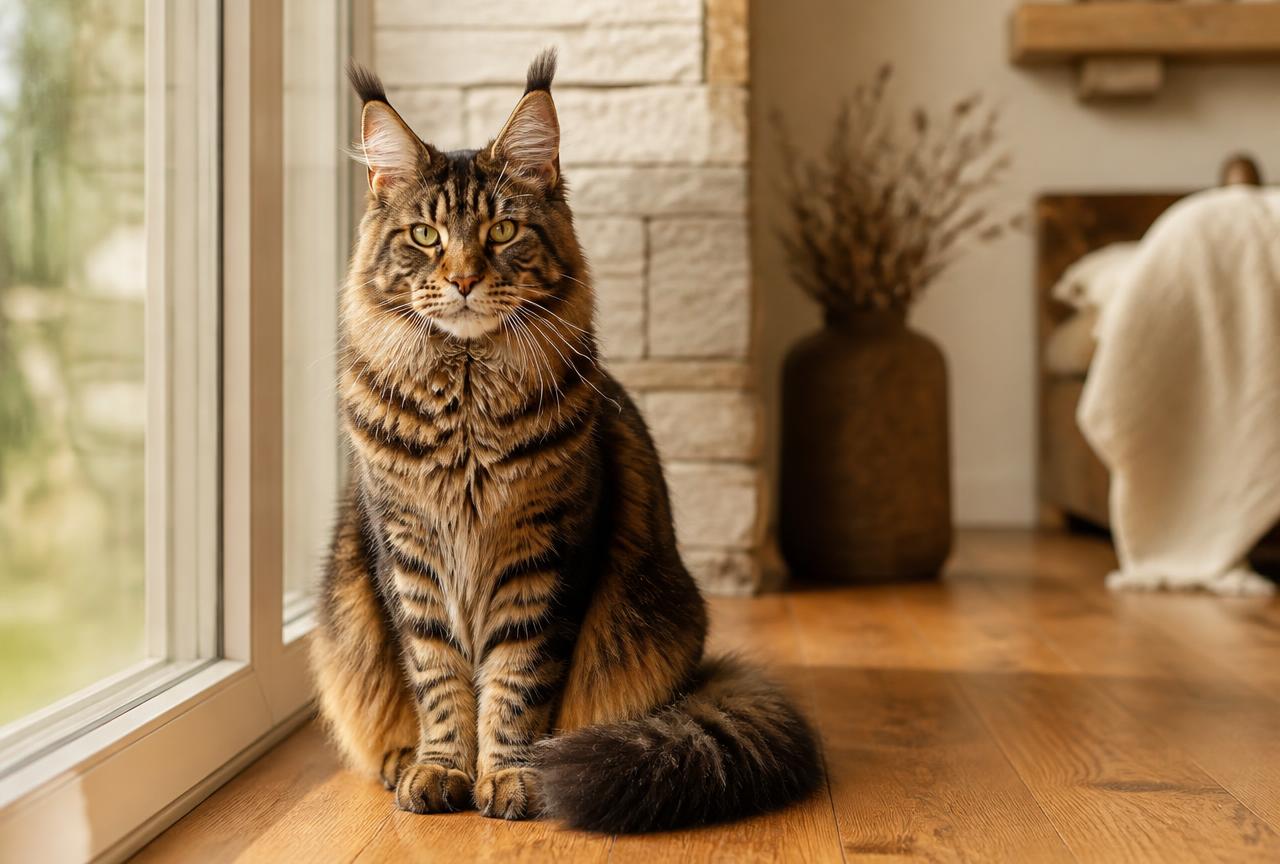
A few breeds genuinely seek water out, and the usual suspect is the Turkish Van, whose love of swimming is famous enough to have earned it the nickname the swimming cat. Its coat has an unusual cashmere-like texture without the heavy, water-hoarding undercoat, so it dries faster and stays warmer when wet. Turkish Angoras, Maine Coons and Bengals also have reputations for water fascination, though plenty of individuals of every breed remain firmly in the dry camp.
The lesson from the water breeds is the same as the lesson from the haters: coat physics and individual choice. Nobody breeds a cat for loving bathtime; the swimmers arrive at it themselves, on their own terms, in water they can leave.
The water-curious cat: taps, glasses and paw-dipping
Between the bath-haters and the swimming Vans sits a large, funny middle: cats who are fascinated by water precisely because it stays on their terms. The cat who demands the tap be left dripping. The paw dipped repeatedly into your water glass. The solemn spectator on the bath edge, watching the water like television.
This is all the same principle in miniature. The water is shallow, observable and utterly escapable, so it is entertainment rather than threat. Some behaviourists add that moving water simply reads as fresher and more interesting to a species whose ancestors drank from streams, one reason many cats prefer a running tap or a fountain to a still bowl.
If your cat is a tap-worshipper, lean in: a pet water fountain is a cheap, genuinely enriching purchase, and cats that drink more do their kidneys a favour. Curiosity about water you control is healthy. It is only the imposed dunking that violates the treaty.
So does your cat ever need a bath?
Far less often than the pet-shampoo aisle suggests. A healthy cat spends hours a day washing itself with a barbed tongue that is, frankly, a better tool than anything in your bathroom.
The genuine reasons are a short list:
- 1Something on the coat that should not be licked off. Oils, paint, chemicals, anything potentially toxic. Ring the vet first if you are unsure what it is.
- 2A cat who physically cannot groom. Elderly, arthritic or very overweight cats whose coats have become greasy or matted despite your brushing.
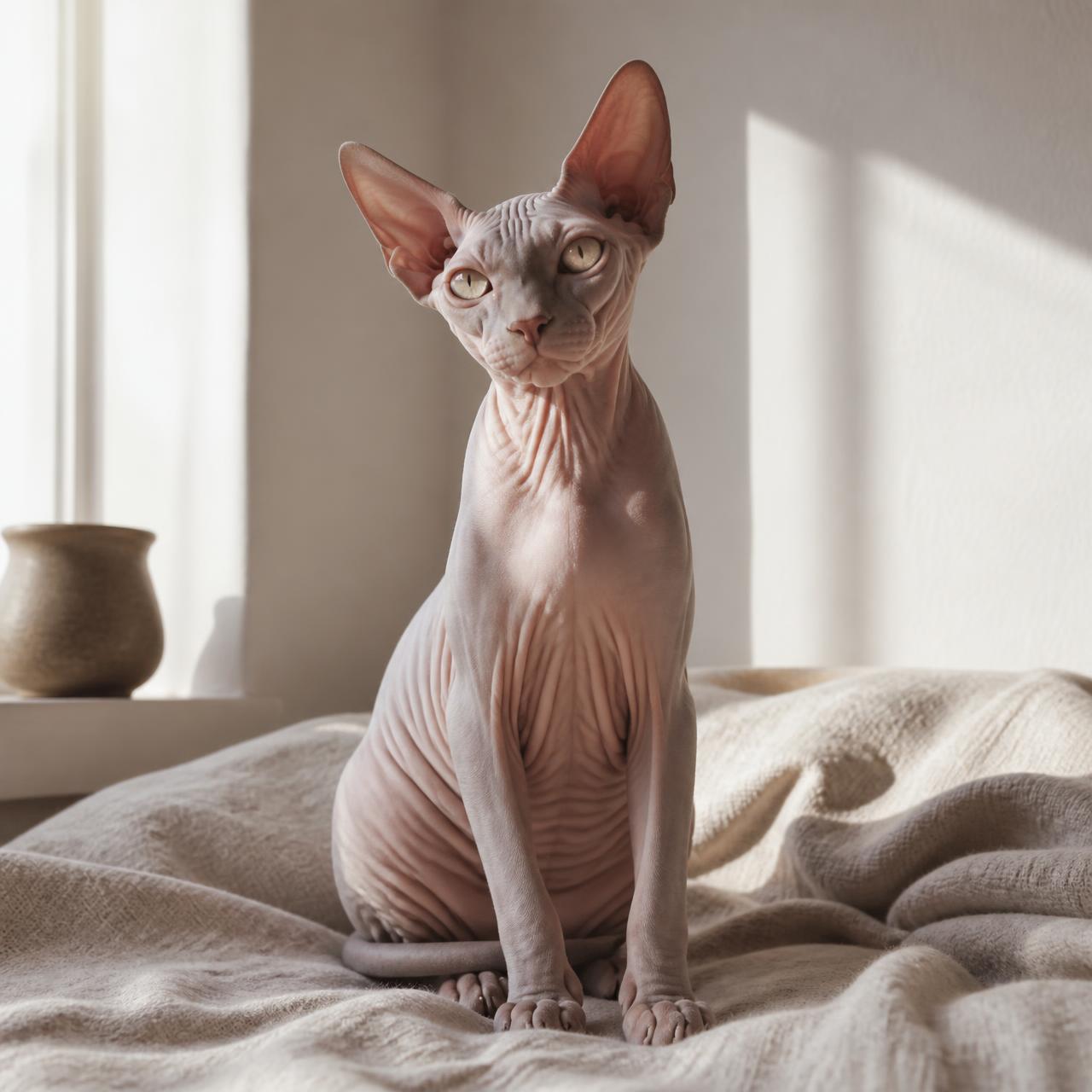
- 3Hairless breeds. A Sphynx has no coat to absorb skin oils and needs regular gentle washing. This is the one true bath-schedule breed.
- 4Medical reasons on veterinary instruction, such as medicated washes for skin conditions.
The checker below weighs coat, situation and age and gives an honest verdict, plus the least stressful way to proceed if water really is required.
If you must: how to do it kindly
- 1Prepare everything before the cat enters the room. Lukewarm water a few centimetres deep, a non-slip mat, jugs for rinsing, towels within reach, door shut.
- 2Two people if at all possible. One steadies and reassures, one washes.
- 3No running taps, no shower spray near the face. A jug of warm water poured gently is quieter and less frightening.
- 4Cat shampoo only. Human products, including baby shampoo, have the wrong pH for cat skin.
- 5Fast and calm beats thorough. Get the job done in minutes, not a spa session.
- 6Dry properly. Towel firmly, then a warm room until the coat is fully dry. Most cats will not tolerate a hairdryer; do not force it.
Verdict by household
- Healthy short-coated adult: brush weekly, bathe never, feel no guilt.
- Long coats: a proper brushing routine prevents nearly every situation people think needs a bath; spot-clean the rest.
- Seniors and arthritic cats: help with a warm damp cloth on the areas they cannot reach, bath only when the coat is genuinely failing.
- Hairless breeds: regular gentle washing is part of the deal; a weekly lukewarm wash keeps the skin comfortable.
- Toxic substance on the coat: vet first, then targeted washing, this is the one true bath emergency.
When to call your vet
Call before washing anything you suspect is toxic, since some substances are better removed by a clinic. And if the reason you are considering a bath is a coat that has become greasy, smelly or matted in a cat who used to cope, that change is itself worth a vet visit: failing self-grooming is often the first visible sign of pain, dental disease, arthritis or weight gain.
Frequently asked questions
The questions people actually search, answered below.
Questions people actually ask
Why do cats hate water so much?
Three reasons stack up: a wet coat becomes heavy and cold because cat fur saturates and water strips body heat quickly; washing erases the personal scent cats rely on; and being bathed removes their ability to leave, which cats experience as a loss of control.
Do any cats like water?
Yes. The Turkish Van is famous for swimming, and Turkish Angoras, Maine Coons and Bengals often enjoy water. Many ordinary cats will play with dripping taps or shallow water on their own terms. Chosen water is interesting; imposed water is the problem.
Do cats need baths?
Almost never. A healthy cat grooms itself effectively. Baths are only warranted for toxic substances on the coat, cats physically unable to groom, hairless breeds who need regular washing, or medicated washes prescribed by a vet.
How often should you bathe a cat?
For a typical short-haired cat, never is a reasonable answer. Long-haired cats who can no longer cope may need a bath every few months. Hairless breeds like the Sphynx usually need a gentle wash weekly because skin oils have no coat to absorb them.
Can I use baby shampoo on my cat?
No. Human shampoos, including baby products, are formulated for human skin pH and can irritate a cat s skin. Use a shampoo made for cats, keep water lukewarm, and keep the whole event short and quiet.
Why does my cat watch me in the bath but hate being in it?
Watching water is safe and interesting; being in it is heavy, cold and inescapable. Many cats are fascinated by water they control: taps, drips, paw-depth bowls. The variable is choice, not the water itself.
Sources
- Bathing your cat, International Cat Care
- Grooming your cat, Cats Protection
- Why cats dislike water, Purina pet care library
- Feline grooming behaviour, Cornell Feline Health Center
Breeds mentioned
Put it into practice
Read next
Why cats meow: what each sound is actually asking for
Why do cats meow? Mostly at us, rarely at each other. What the greeting, the demand and the night yowl each mean, and when extra talking means a vet visit.