Turkey
Turkish Angora
A silky, athletic longhair from Turkey that combines beauty with intelligence and a need for calm, attentive care.
ReMews. veterinary review board
An elegant athlete in a longhair coat
The short version
- Fine-boned, elegant body with a single-layer silky coat
- Intelligent, active and sensitive to household mood
- Needs twice-weekly combing to prevent tangles
- Can be deaf in white, blue-eyed lines, test hearing
- Lives 12–18 years with good care
- Weight
- 2.5–5 kg
- Lifespan
- 12–18 yrs
- Coat
- Semi-long
- Size
- Medium
- Grown male
- 3.5–5 kg
- Grown female
- 2.5–4 kg
- Years to full size
- about 1.5
- One-off setup
- €1000–1800
Get one if…
- People who enjoy an elegant, active cat
- Households with vertical space and calm routines
- Owners ready to groom twice a week
Think again if…
- Homes that need a very quiet, low-energy cat
- Households with frequent chaos or loud visitors
- Anyone wanting a no-maintenance coat
Trait profile
Turkish Angoras are fine-boned, athletic and intelligent. They need vertical space, a calm household and regular combing.
Space & setup. Vertical space matters more than floor space. Turkish Angoras use shelves, trees and high perches. A secure window seat is ideal.
Allergies. No cat is hypoallergenic. The single coat may shed less than a double coat, but it still carries the Fel d 1 allergen. Spend time with adults before deciding.
The review
Turkish Angoras are one of the oldest longhair breeds: fine-boned, graceful and surprisingly athletic. They carry a single-layer silky coat that flows behind them as they move, and they are known for intelligence, sensitivity and a strong bond with their chosen people.
The Turkish Angora is the cat that makes you understand why people once believed cats could be royal. It is long, fine-boned and light on its feet, with a single-layer coat that lies flat and silky rather than standing out in a fluff cloud. Movement is the breed's signature: they walk with a dancer's lift and can leap to places you did not think were reachable.
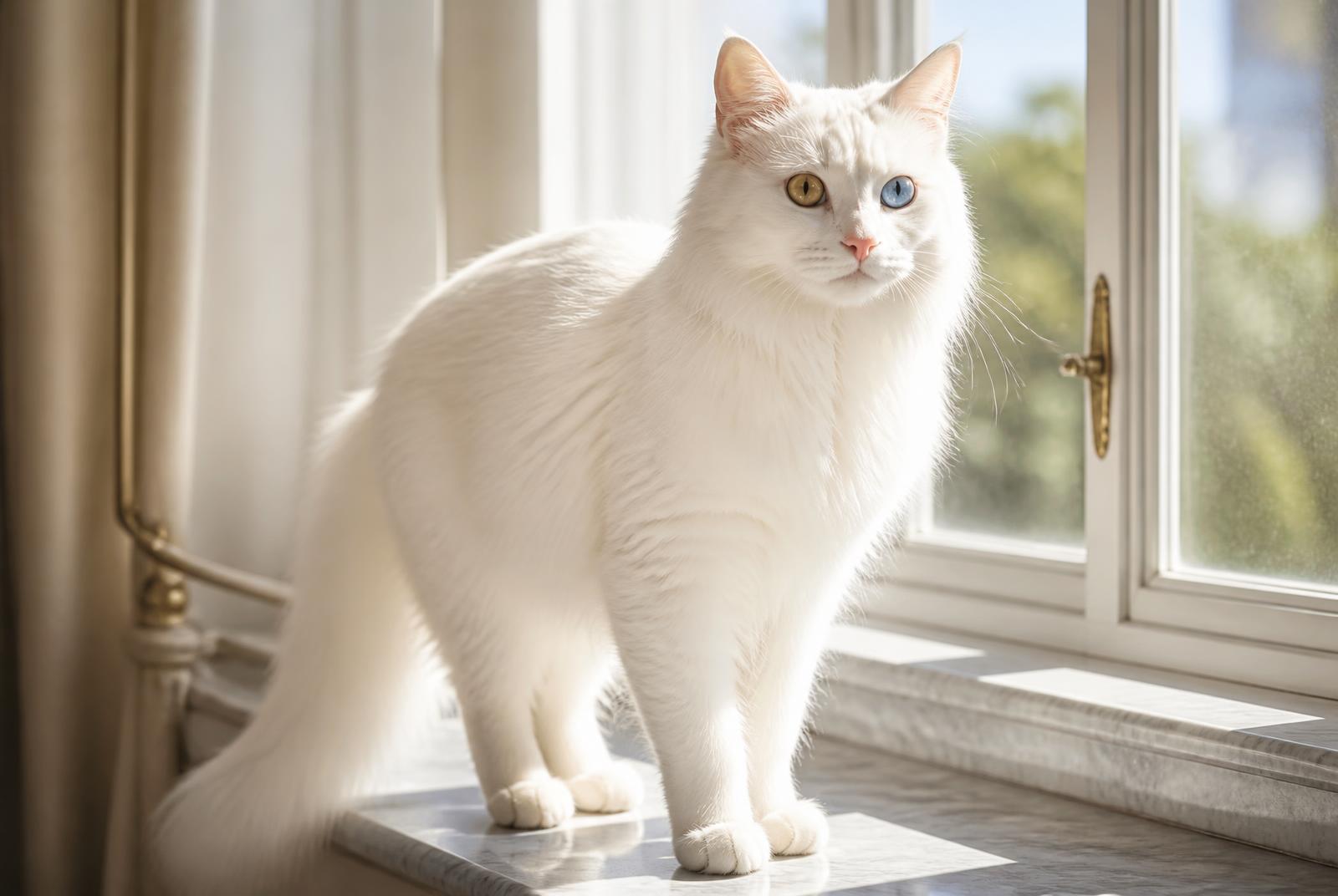
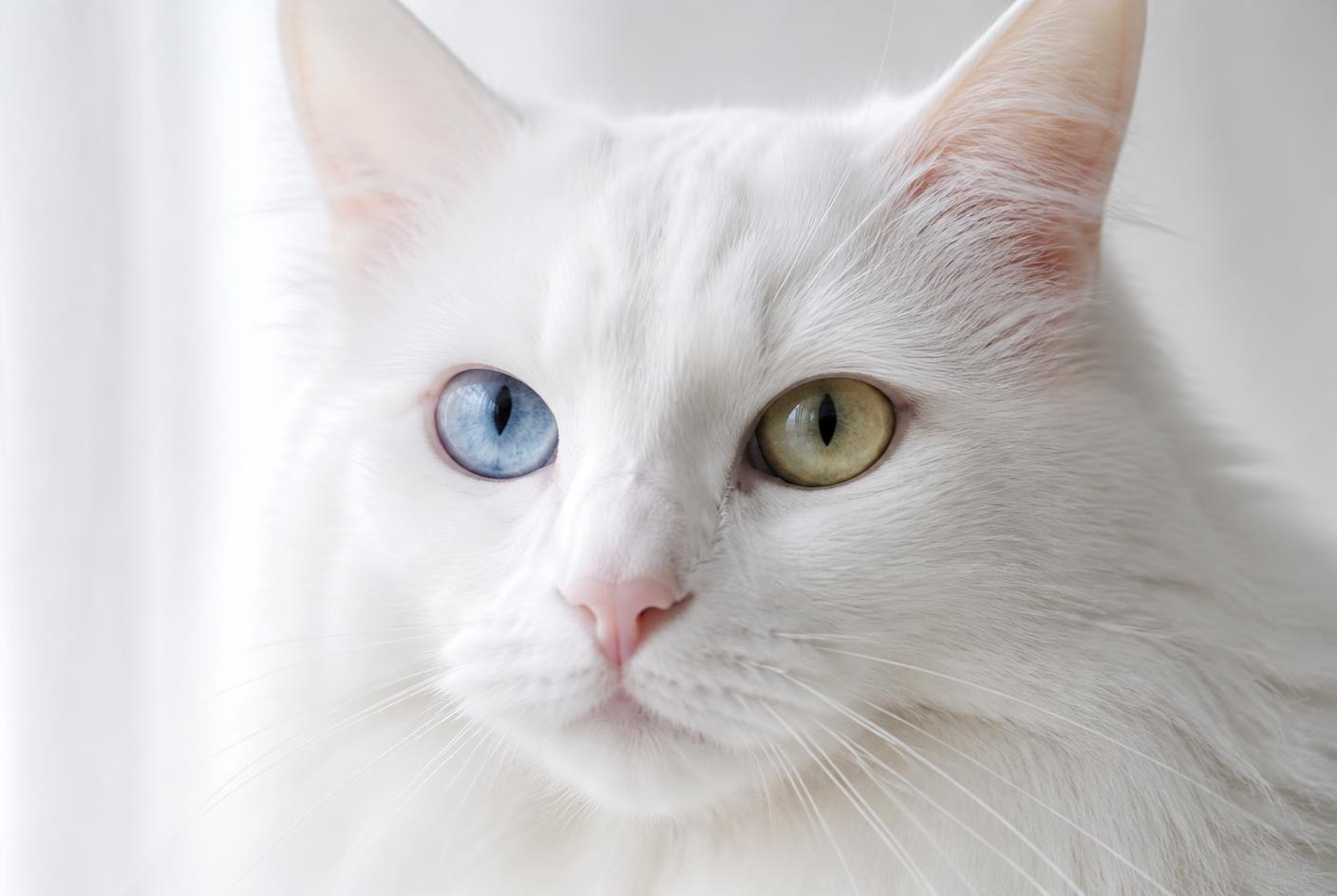
Historically, the breed comes from Turkey, where white Angoras with blue or amber eyes have been protected as a national treasure for centuries. Modern breeding has expanded the colours, but the body type remains the same: slender, elegant and athletic. Males usually finish between 3.5 and 5.0 kg, females between 2.5 and 4.0 kg.
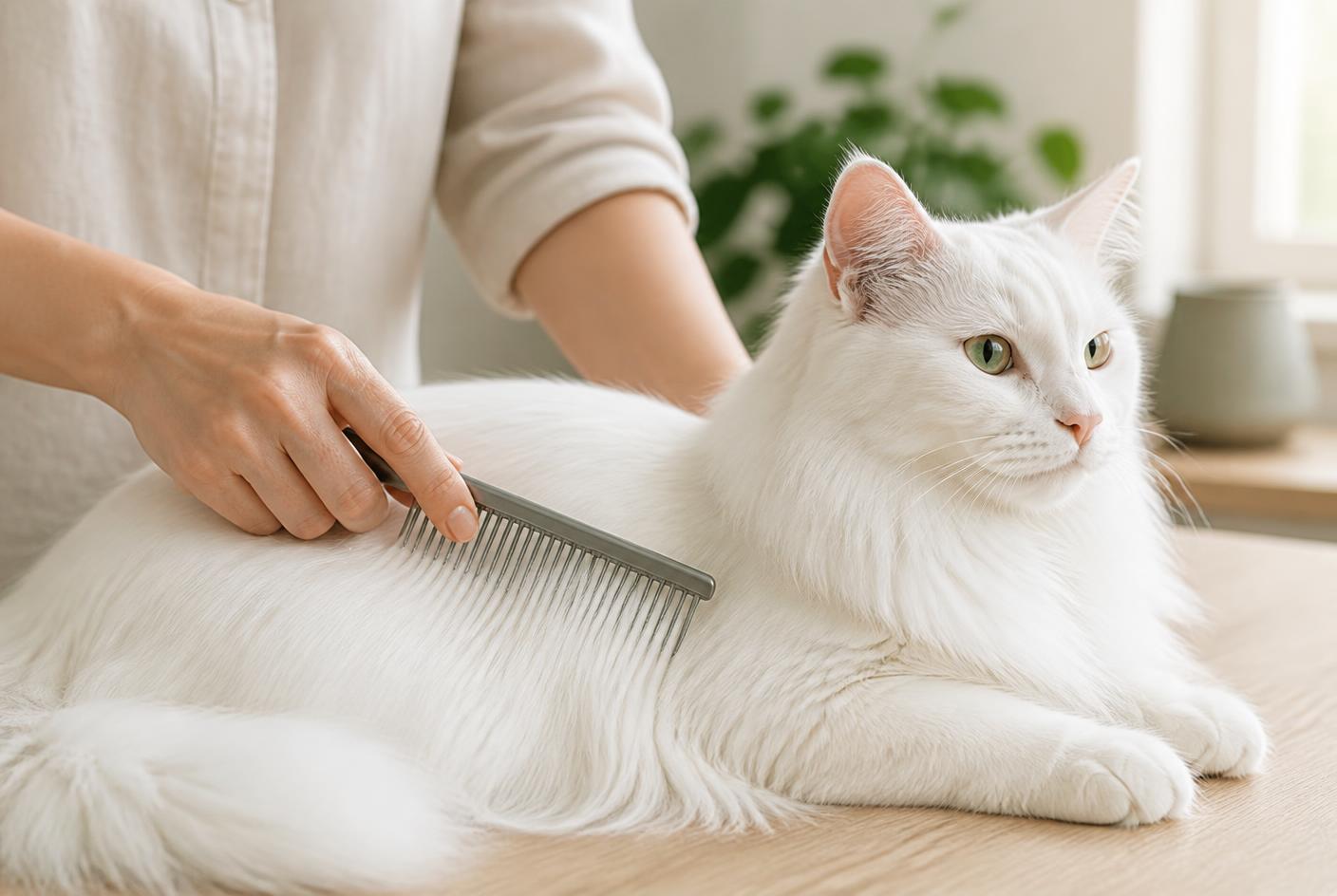
The coat is the practical detail that surprises new owners. It is single-layer, which means far less undercoat than a Persian or even a Maine Coon, but the fine texture tangles easily behind the ears, under the legs and along the britches. Twice-weekly combing is the minimum. During seasonal shedding, daily attention may be needed for a week or two.
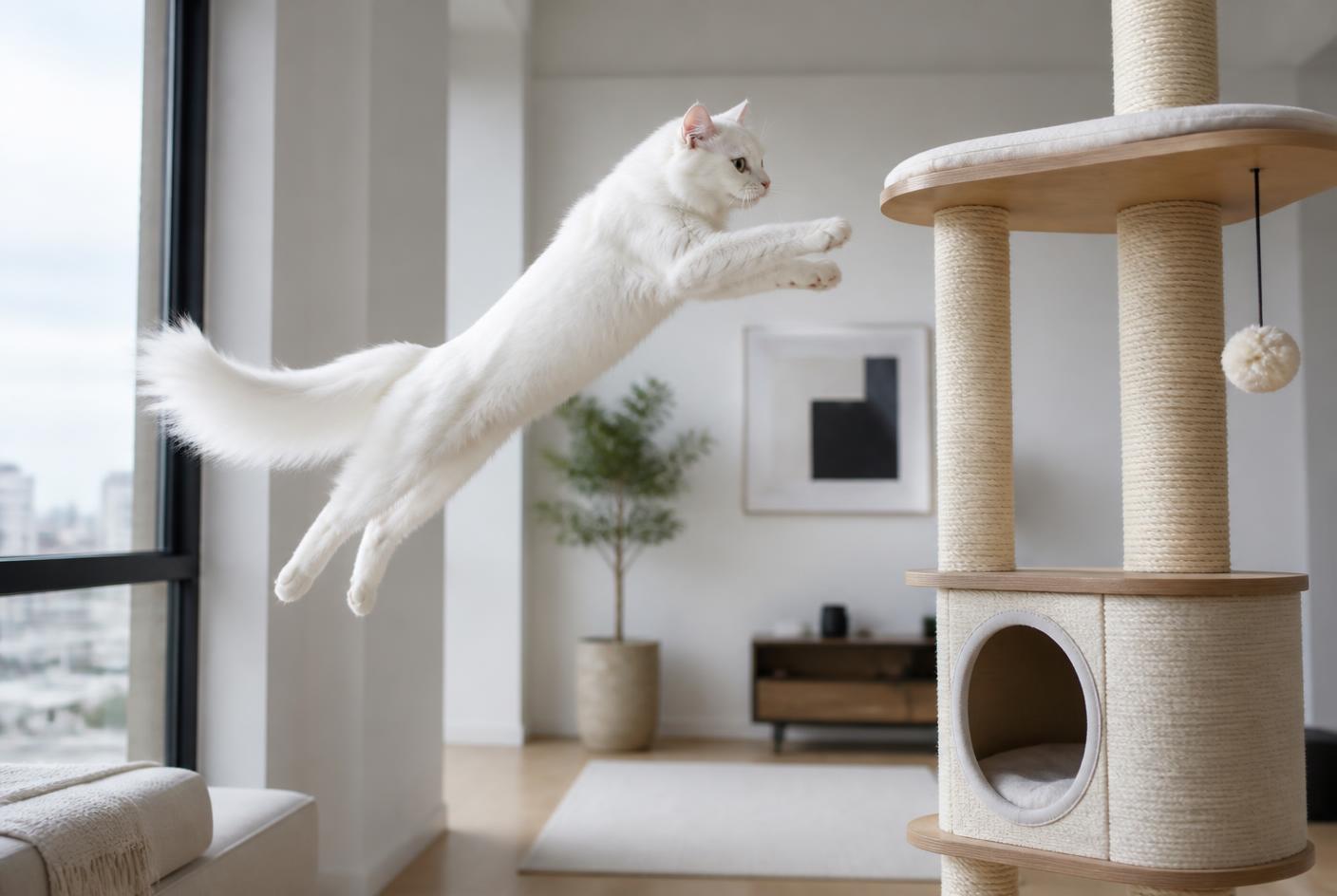
Temperament is people-oriented but not clingy. They often choose one person and shadow them, yet they remain independent enough to entertain themselves. They are sensitive to household tension: raised voices, frequent changes or a chaotic environment can send this cat into hiding. They are also clever enough to learn how to open cupboards, turn taps and retrieve toys on command.
Health is generally robust, with one notable exception. White Turkish Angoras with two blue eyes have a higher incidence of deafness; odd-eyed whites may be deaf on the blue-eyed side. Responsible breeders test hearing. There is also a known risk of hypertrophic cardiomyopathy, so heart screening of breeding cats is valuable.
The right home has vertical space, a calm atmosphere and a committed grooming routine. They can live with gentle children and other cats, but they prefer not to be overwhelmed.
A beautiful, brainy longhair that behaves more like an acrobat than a lap ornament. Expect climbing, conversation and a coat that needs real attention.
Grooming, realistically
- 1Comb twice a week with a fine-tooth comb or slicker
- 2Pay attention to behind the ears, armpits and britches
- 3Increase to daily during seasonal sheds
- 4Bathe only if the coat becomes greasy
What you actually need
- Fine-tooth metal comb
- Soft slicker brush
- Nail clippers
- Pet-safe ear wipes
Kitten to adult
| Age | Male | Female | What is happening |
|---|---|---|---|
| 3 months | |||
| 6 months | |||
| 9 months | |||
| 12 months | |||
| Full size |
Ranges are typical, not targets. Judge condition by ribs and waist, and check with the ideal weight checker.
What to ask a breeder
- Have the parents been screened for HCM?
- Were the kittens BAER-tested if white with blue eyes?
- How are the kittens socialised with handling and grooming?
- Can I see the living conditions and meet the mother?
Health watch-list
What to ask a breeder about, and what to watch for over a lifetime. This is orientation, not veterinary advice, anything you notice belongs in front of a vet.
Congenital deafness
Notable in white, blue-eyed catsWhite Turkish Angoras with two blue eyes have a higher risk of deafness; odd-eyed cats may be deaf on the blue-eyed side. BAER testing confirms hearing.
Hypertrophic cardiomyopathy
NotableHCM has been reported in the breed. Ask whether breeding cats have been echocardiogram-screened.
Ataxia
RareA genetic neurological condition has been documented in some lines. Reputable breeders test for it.
Dental disease
Common with ageAs with all cats, dental care matters. Home brushing and annual checks are the standard.
Skin and coat issues
Likely if neglectedThe fine coat tangles and can become greasy without regular grooming. Mats can pull the skin and cause irritation.
Stress-related illness
Likely if unsettledA sensitive breed that can develop cystitis or appetite loss in a stressful household. Calm routines matter.
What it costs to keep one
Realistic running cost
€86 / month
About €1,032 a year, or roughly €15,480 across a 15-year life, before purchase price, neutering and one-off vet events.
Before the cat arrives. Budget roughly €1000–1800 for trays, carrier, posts, bowls, bedding and grooming kit sized for this breed. Figures throughout are indicative and vary a good deal between countries.
Interactive · built for this breed
Is a Turkish Angora right for your home?
Elegant, athletic and clever, a longhair that behaves more like an acrobat than a sofa ornament. Five questions on grooming, space and household calm.
Verdict
An excellent match
You have the grooming routine, the vertical space and the calm household this breed loves.
Keep the weight honest with the ideal weight tool, or compare the alternatives in the matchmaker.
The verdict, by household
Good with gentle, respectful children. Too sensitive for noisy or rough handling.
Excellent if there is vertical space and a window perch. The calm temperament suits indoor life.
Rewarding, but the grooming and sensitivity require more attention than a typical shorthair.
Usually accepts other cats in a calm introduction. Dogs are fine if dog-savvy and gentle.
When to call your vet
- Persistent hiding and refusal to eat in a new home
- Trouble hearing or startling easily
- Laboured breathing or fainting after play
- Limping or reluctance to jump
- Severe matting or skin irritation under the coat
Nothing here is a diagnosis. Breathing difficulty, sudden hind-leg weakness and straining to urinate are emergencies, go the same day.
Turkish Angora vs the closest alternatives
| Breed | Weight | Energy | Grooming | € / month |
|---|---|---|---|---|
| Turkish Angora | 2.5–5 kg | 9/10 | 5/10 | €86 |
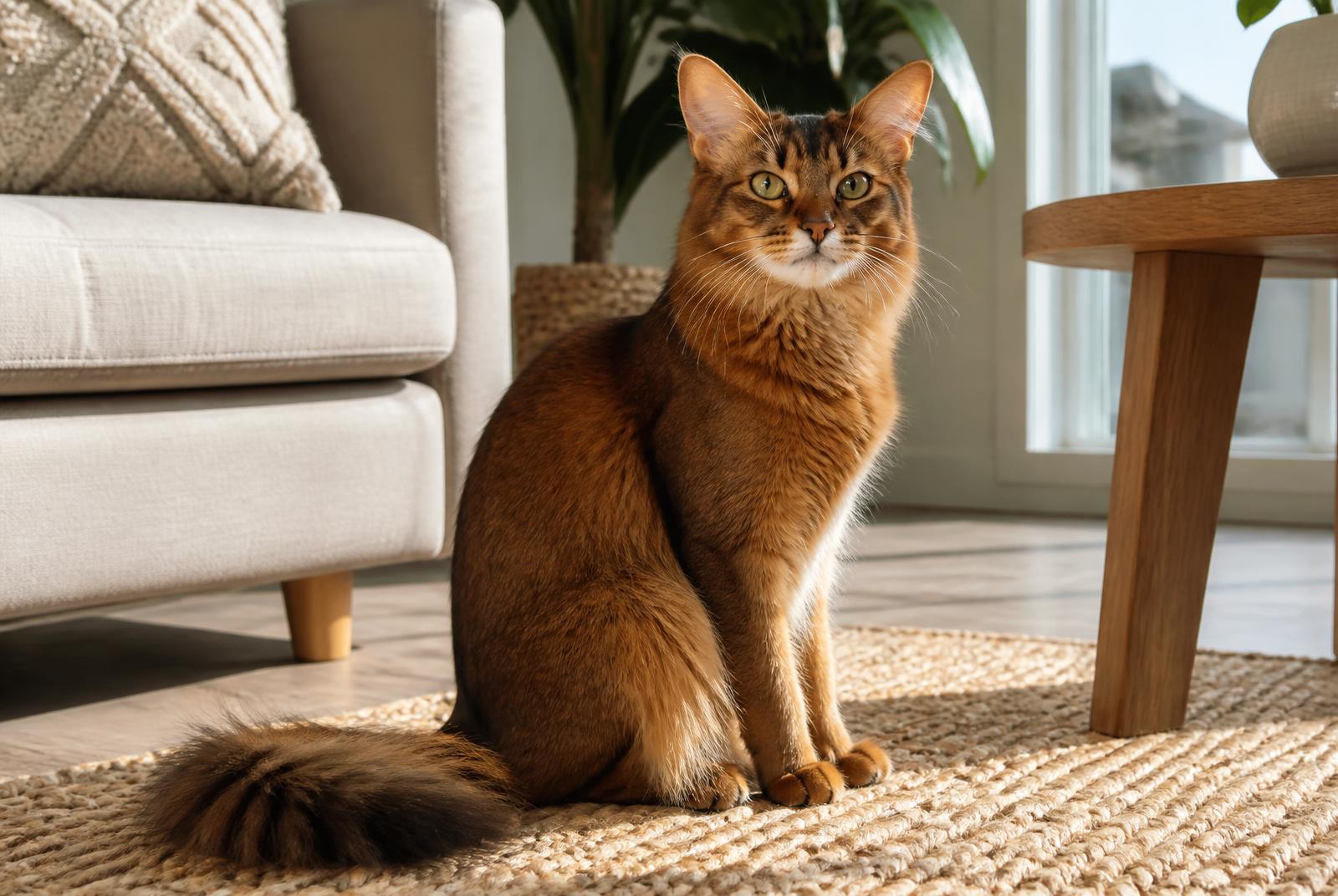
| Somali | 3–5.5 kg | 10/10 | 5/10 | €86 |
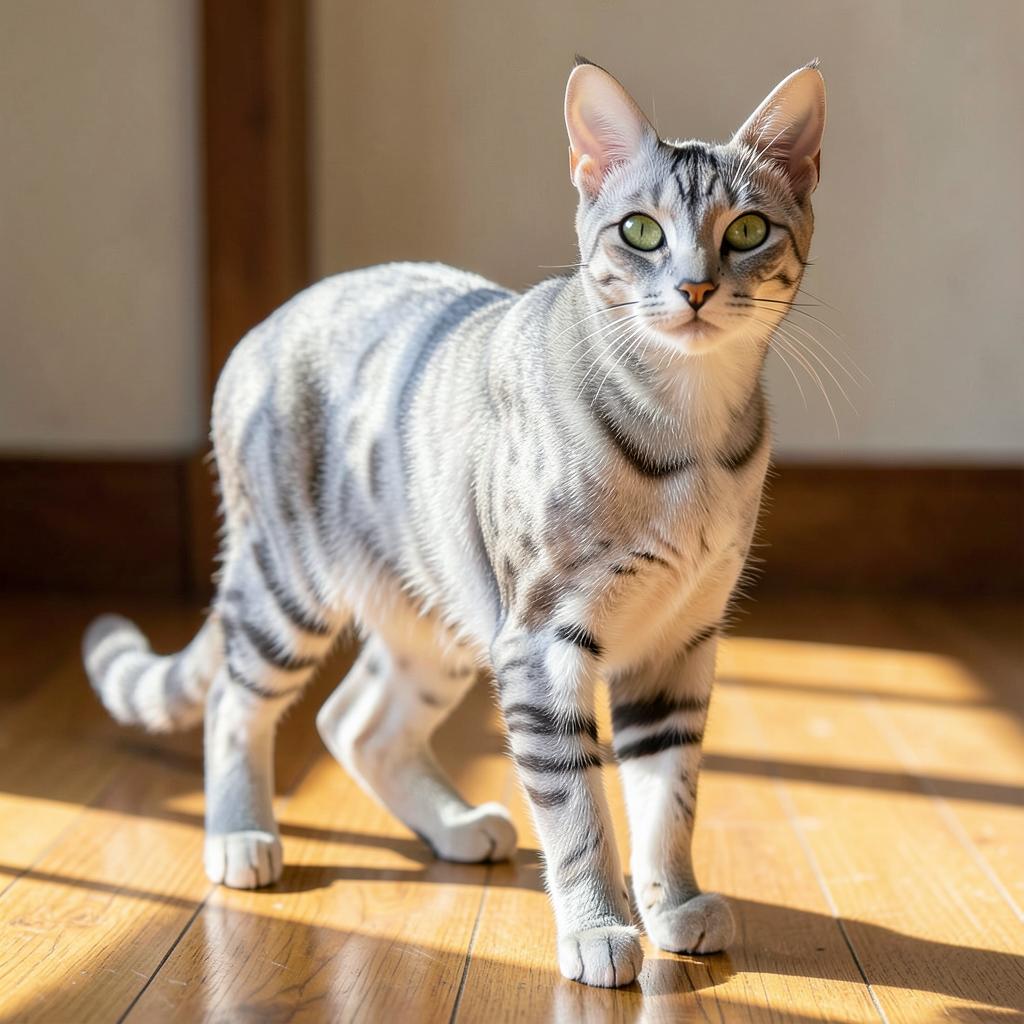
| Egyptian Mau | 3–5 kg | 9/10 | 3/10 | €80 |
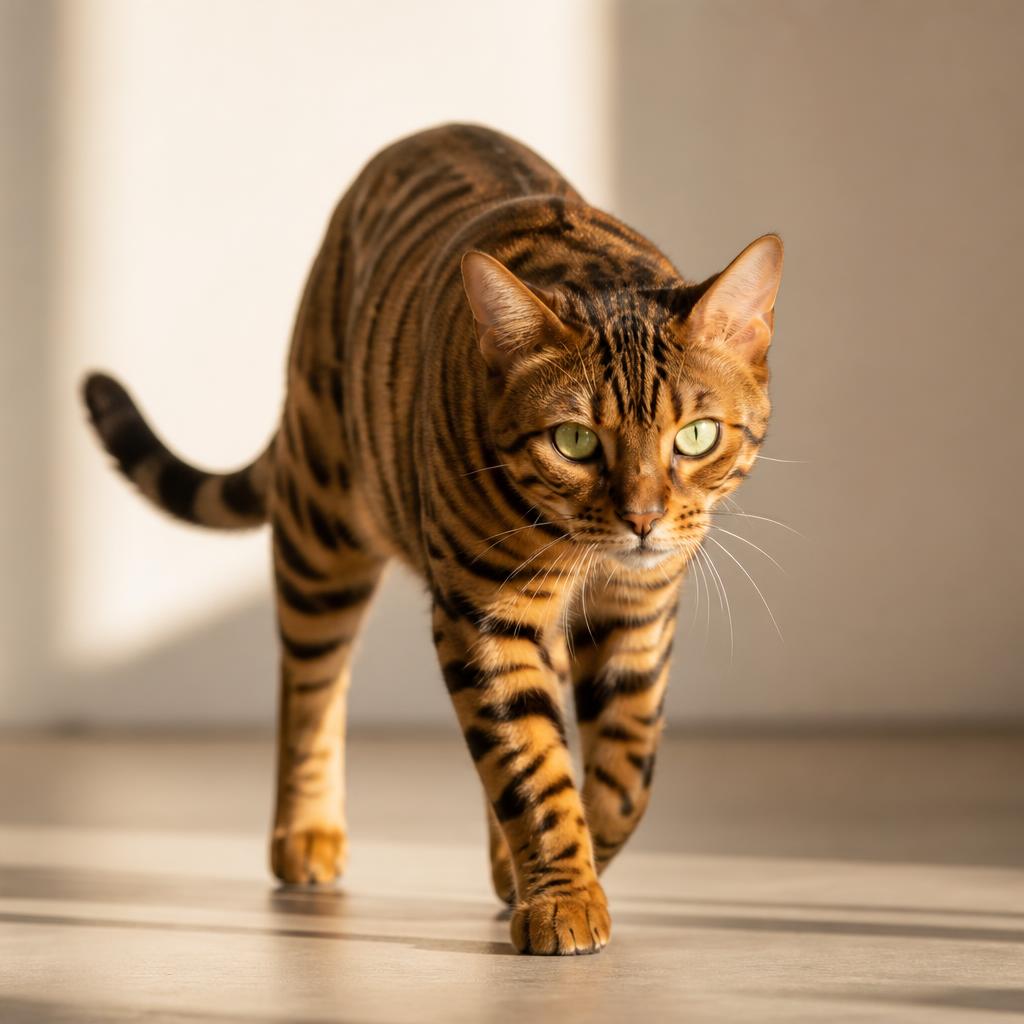
| Toyger | 3–6.5 kg | 9/10 | 3/10 | €88 |
Turkish Angora questions, answered
Are Turkish Angoras related to Persians?
No. They are a separate, older breed from Turkey. They are finer-boned, more athletic and have a single-layer coat rather than the Persian's dense double coat.
Are white Turkish Angoras deaf?
White cats with two blue eyes have a higher risk of deafness; odd-eyed white cats may be deaf on the blue-eyed side. BAER testing confirms hearing in kittens.
How much grooming does a Turkish Angora need?
Twice a week as a minimum, daily during seasonal sheds. The fine coat tangles behind the ears, under the legs and along the britches.
Are Turkish Angoras good indoor cats?
Yes, provided they have vertical space, a window perch and calm routines. They are sensitive and do best in a predictable indoor environment.
Do Turkish Angoras like water?
Many are fascinated by running water and may play in sinks or showers. This is individual, not a breed guarantee.
Are they hypoallergenic?
No. The single coat may shed less than a double coat, but the allergen is still present. Spend time with adults before deciding.
What health tests should a breeder provide?
HCM screening of breeding cats and, for white kittens, BAER hearing tests. Ask to see certificates.