Spraying and marking: why it happens, and how to stop it
Spraying is not spite and it is not a toilet accident. It is a message, and the message tells you exactly which fix to try.
Marta Fenwick
Feline behaviour writer, ISFM-trained
Published 4 September 2026
Reviewed by Dr Anneke Rautenbach BVSc
The short version
- Standing with a quivering tail and a small squirt on a wall is spraying; squatting to make a puddle is urination and needs a vet first.
- Neutering resolves or greatly reduces spraying in most entire cats, though established habits fade over weeks.
- In single-cat homes, the commonest trigger is another cat visible or active outside.
- In multi-cat homes, count resources rather than cats: one food, water, tray and high perch per cat plus one spare, in different rooms.
- Clean with an enzymatic cleaner and never with anything ammonia-based, which smells like urine to a cat.
- Never punish a marking cat. Anxiety drives most marking, and punishment reliably makes it worse.
There is a particular sinking feeling that comes from finding a wet patch halfway up a wall. It is worse than a puddle on the floor, because a puddle can be an accident and a wall cannot. Owners generally read it as a protest, and often as a personal one. It is neither. Spraying is scent communication, and the cat doing it is usually anxious rather than angry.
The useful thing about marking is that it is legible. The posture, the surface and the location narrow the cause down to a handful of possibilities, and each of those possibilities has a different first move. Working through them in order saves months of buying products that were never going to help.
Spraying is not the same as urinating
This distinction decides everything that follows, so make it before anything else.
| Spraying | Urinating outside the tray | |
|---|---|---|
| --- | --- | --- |
| Posture | Standing, tail raised and quivering, back feet often treading | Squatting, as in the tray |
| Surface | Vertical: walls, doors, curtains, furniture legs | Horizontal: carpet, beds, laundry, baths |
| Volume | A small squirt, a few millilitres | A full bladder, a visible puddle |
| Usual meaning | Territorial or emotional communication | Medical problem, or a tray the cat rejects |
| First step | Find the trigger | Vet visit and a urine sample |
If your cat squats and produces a puddle, the most likely explanations are cystitis, crystals, kidney disease, diabetes or a tray the cat has decided against. Start with our litter tray problems guide and a vet appointment, not with this article's behaviour work. A male cat straining and producing little or nothing is an emergency measured in hours, not days.
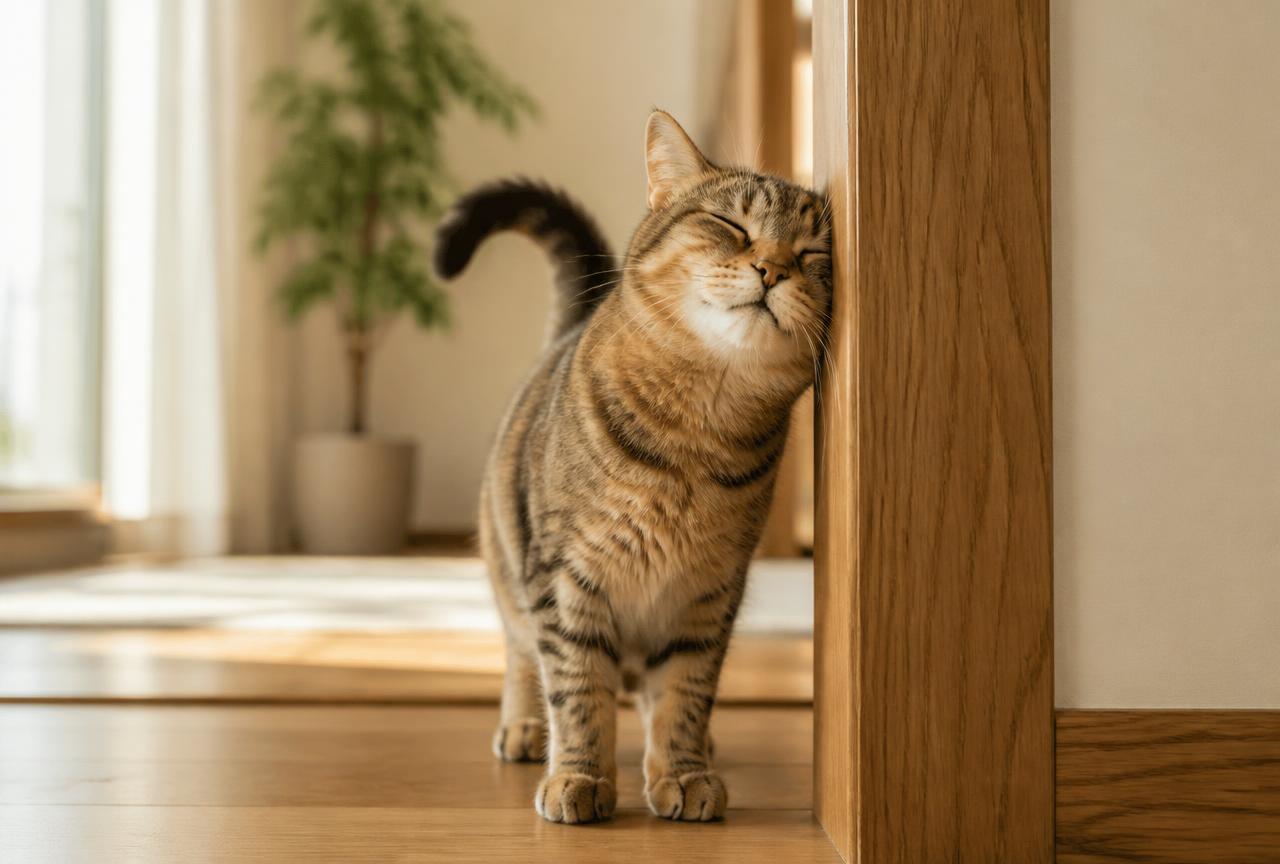
Cats mark with cheeks and paws all day long and no one minds. Urine marking is the same system used louder, because something has made the quiet version feel insufficient.
Interactive
Spray cause finder
Marking has a small number of causes and each one has a different first move. Answer these and start with the one named.
Most likely cause
Territorial marking
Clean thoroughly with an enzymatic cleaner, never anything ammonia-based, then work through the resource and sight-line checks below.
Do these alongside, whatever the cause
- Clean every marked spot with an enzymatic cleaner. Ammonia-based products smell like urine to a cat and invite a repeat.
- Map the marks on a floor plan. Doors and windows point outside; furniture and beds point inside.
- Never punish or startle a marking cat. It raises anxiety, which is the fuel for most marking.
- Make the marked spot mean something else: feed, play or place a scratching post there once it is clean.
- Give it two to four weeks of consistency before you judge whether it has worked.
Guidance, not a diagnosis. Any cat urinating outside the tray should have a medical cause ruled out before behaviour work begins.
The five causes, in the order worth checking
1. Hormones. Entire cats spray. Males spray more, and their urine is markedly stronger smelling, but entire females spray too, especially when calling. Neutering resolves or substantially reduces spraying in the large majority of cats, and the earlier it happens, the less likely the behaviour becomes a habit that outlives the hormones.
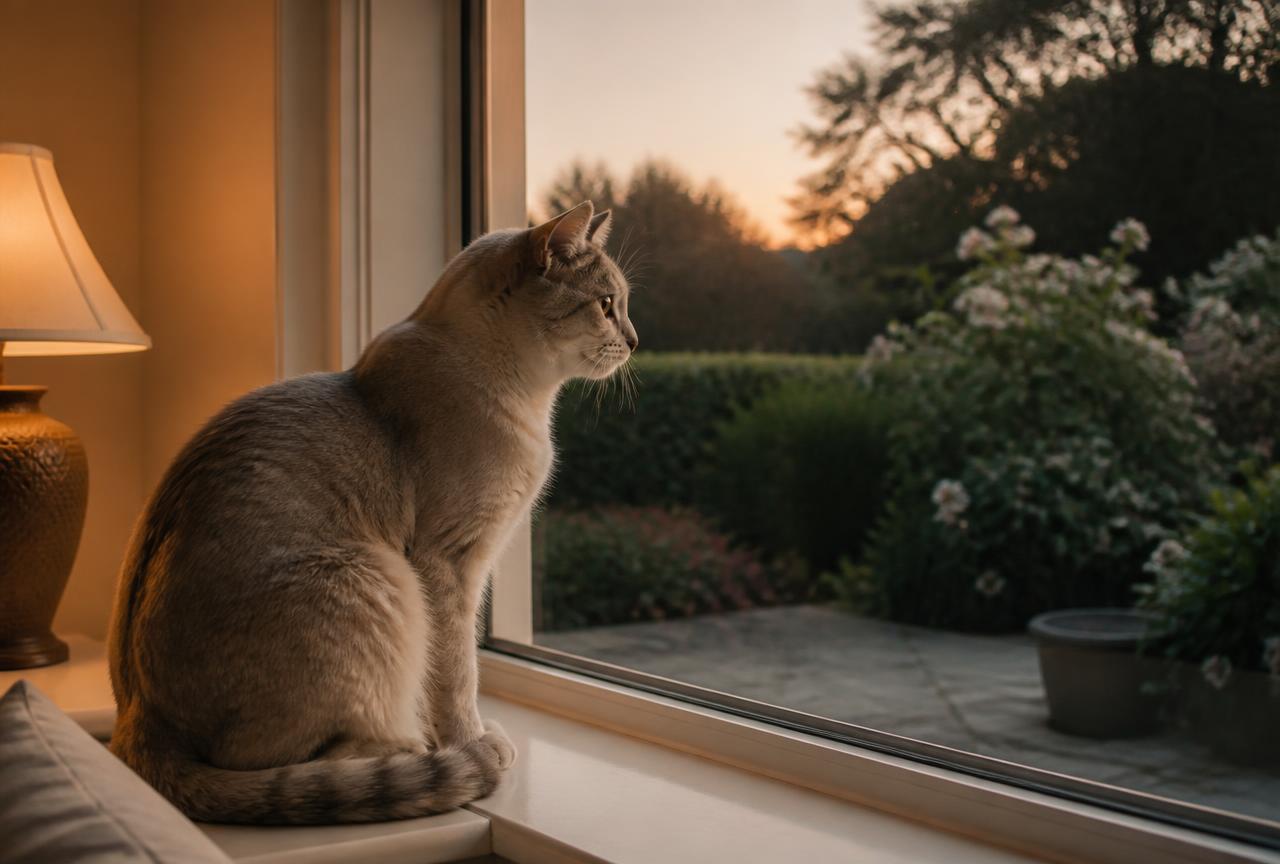
2. Cats outside. This is the most commonly missed cause in single-cat households. A cat that can see or smell another cat at the boundary marks the inside of the boundary: the front door, the hall, the patio window, the cat flap. The cat is responding to something you cannot see from the sofa.
3. Tension between the cats you own. Households with several cats are the highest-risk group, and the tension is often invisible to owners because cats avoid rather than fight. Blocked corridors, a single food station, one tray, and no high perches all concentrate the pressure. Our guide to introducing two cats covers the resource maths and how to restart a failed introduction.
4. Change. A move, building work, new furniture, a new baby, a house guest, a different work pattern. New objects carry unfamiliar scent, and a cat re-scents them the way it re-scents anything else. This kind of marking is usually short-lived if you do not make it worse.
5. Medical or pain-driven. Arthritis makes climbing into a high-sided tray unpleasant, and lower urinary tract disease makes urination urgent and painful. Both can produce marking-like behaviour in a cat that never did it before. A sudden onset in an older, neutered, previously reliable cat should always see a vet first.
Cleaning, done properly
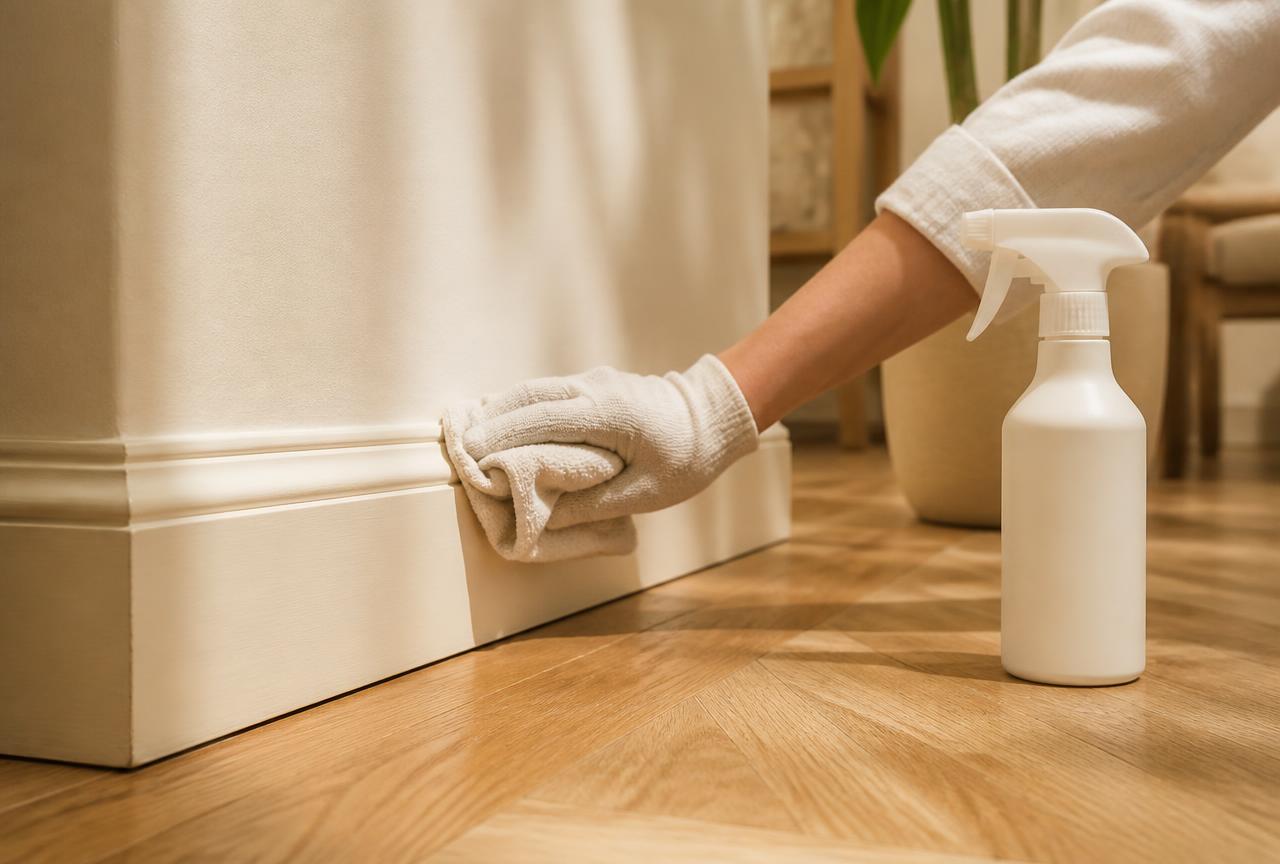
Cleaning is not cosmetic. A spot that still carries scent invites a repeat, so this is half of the treatment.
- Use an enzymatic cleaner made for pet urine. Enzymes break the odour compounds down rather than covering them.
- Never use anything containing ammonia or chlorine. Ammonia smells like urine to a cat, which reads as an invitation.
- Blot rather than rub, then apply the cleaner generously and let it dwell for the time on the label rather than wiping it straight off.
- Do soft furnishings and skirting boards, not just the visible mark. Spray travels further down and wider than it looks.
- Wash affected fabrics at the highest temperature the fabric allows, with no fabric conditioner.
- Do not use a steam cleaner on urine-marked carpet. Heat can set the proteins in place.
A four-week plan that works
- 1Week one: rule out medicine and clean. Vet visit if there is any straining, blood, frequency or a squatting posture. Clean every mark with an enzymatic cleaner and mark the spots on a rough floor plan.
- 2Week one: reduce the trigger. Frosted film on the lower half of the window the cat watches from, or block the sight line another way. Stop feeding visiting cats. Move visitors' bags and shoes off the hall floor.
- 3Week two: add resources. One food station, water station, tray and high resting place per cat, plus one spare, spread across different rooms rather than lined up in one. Cats do not queue politely.
- 4Week two: change what the spot means. Once a spot is properly clean, put a scratching post, a feeding bowl or a play session there. Cats rarely mark where they eat or scratch.
- 5Weeks three and four: hold steady and record. Note each incident with date, place and what was happening. Give any change a fortnight before judging it. If nothing improves by four weeks, ask your vet about a referral to a qualified behaviourist and about whether medication has a role alongside the environmental work.
Do not punish, shout, startle or use water sprays. Marking is driven by anxiety in most cases, and punishment reliably increases it while teaching the cat to mark where you cannot see.
Verdict by household
One entire cat, any age. Neutering is the first and largest intervention. Expect improvement over weeks rather than days if the habit is established.
One neutered indoor cat, marking at doors and windows. The cause is almost always outside. Block the sight line and stop feeding visiting cats before changing anything indoors.
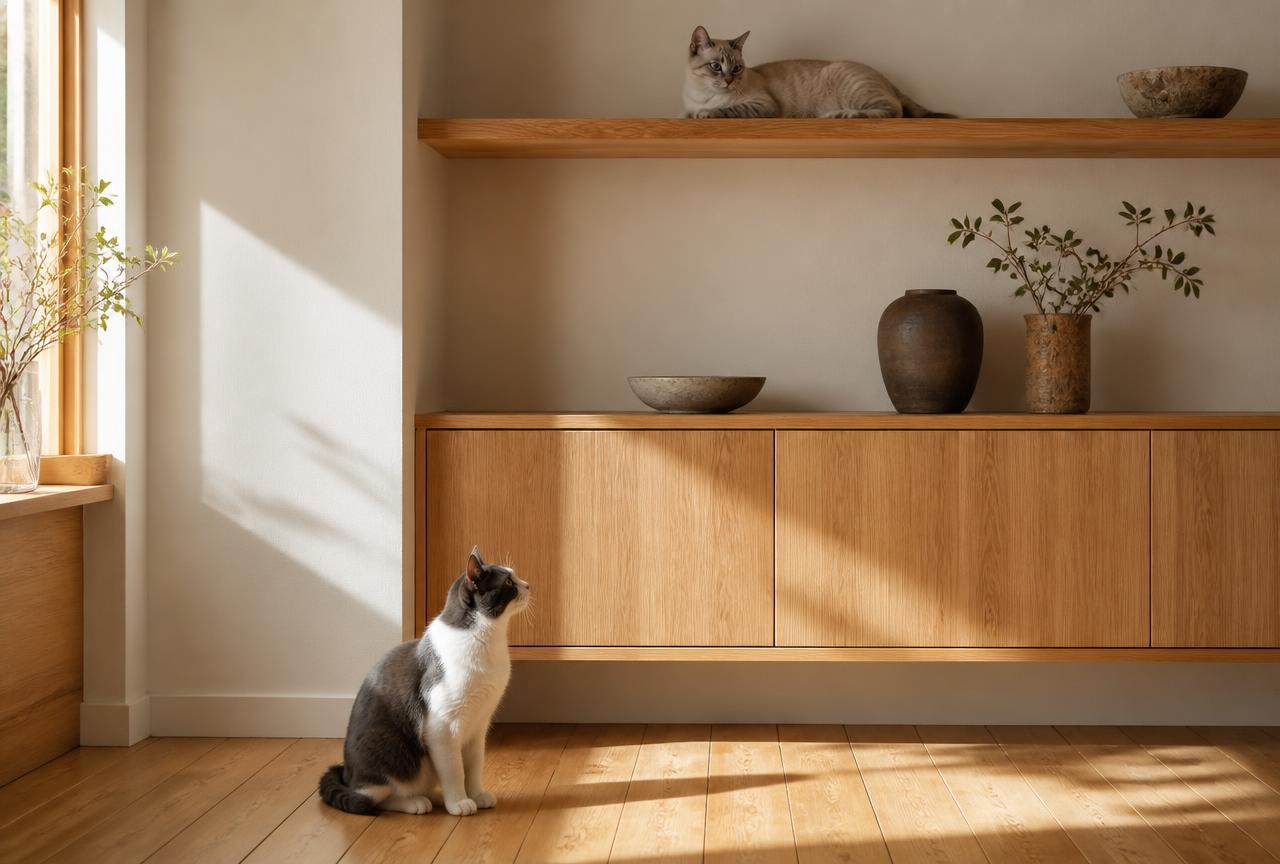
Two or more cats. Count resources, not cats, and spread them across rooms. Add height. If the cats were introduced quickly, treat the introduction as unfinished and restart it slowly.
A recently moved or renovated household. Give the cat one quiet room with its own tray, food, water and familiar-smelling bedding, and expand its territory over a fortnight rather than all at once.
A senior cat that has never done this before. Vet first, always. Arthritis, kidney disease and cognitive change all present this way, and our senior signals guide lists what else to look for.
When to call your vet
Book an appointment if the cat squats rather than stands, if there is blood in the urine, if trips to the tray are frequent or prolonged, if it cries while urinating, or if marking has started suddenly in a neutered cat that was previously reliable. Treat a male cat straining without producing urine as an emergency and go immediately, day or night: a blocked urethra is fatal within a day or two.
Once medical causes are excluded, ask about a referral to a qualified behaviourist. Marking that has run for months responds much better to a structured plan than to another product. In the meantime, the matchmaker tool is worth a look if you are considering adding another cat to a household that is already marking, because it will usually tell you to wait.
Questions people actually ask
What is the difference between spraying and peeing?
A spraying cat stands with its tail raised and quivering and leaves a few millilitres on a vertical surface. A urinating cat squats and leaves a full puddle on a horizontal one. Squatting outside the tray points to a medical problem or a rejected tray and warrants a vet visit.
Will neutering stop my cat spraying?
In most entire cats it stops or greatly reduces it. Where the behaviour has been going on for a long time it can persist as a habit after the hormones are gone, so expect improvement over several weeks rather than overnight.
Do female cats spray?
Yes, though less often than males. Entire females spray particularly when calling, and spayed females spray in response to territorial pressure or stress just as neutered males do.
What smell stops cats spraying?
No smell reliably stops it, and repellents often add stress. What helps is removing the existing scent with an enzymatic cleaner and never using ammonia-based products, which smell like urine to a cat and invite a repeat.
Why has my cat suddenly started spraying?
Sudden onset in a neutered adult usually means either a new trigger, such as a visiting cat, building work or a house guest, or a medical problem such as lower urinary tract disease or arthritis. A vet check comes first when the change is abrupt.
Does punishing a cat for spraying work?
No. Marking is mostly anxiety-driven, so punishment increases the anxiety and therefore the marking, and teaches the cat to do it where you are not watching.
How long does it take to stop spraying?
Give any change two to four weeks before judging it. Marking that has run for months usually needs a structured plan and sometimes a behaviourist referral, plus medication in some cases alongside the environmental work.
Sources
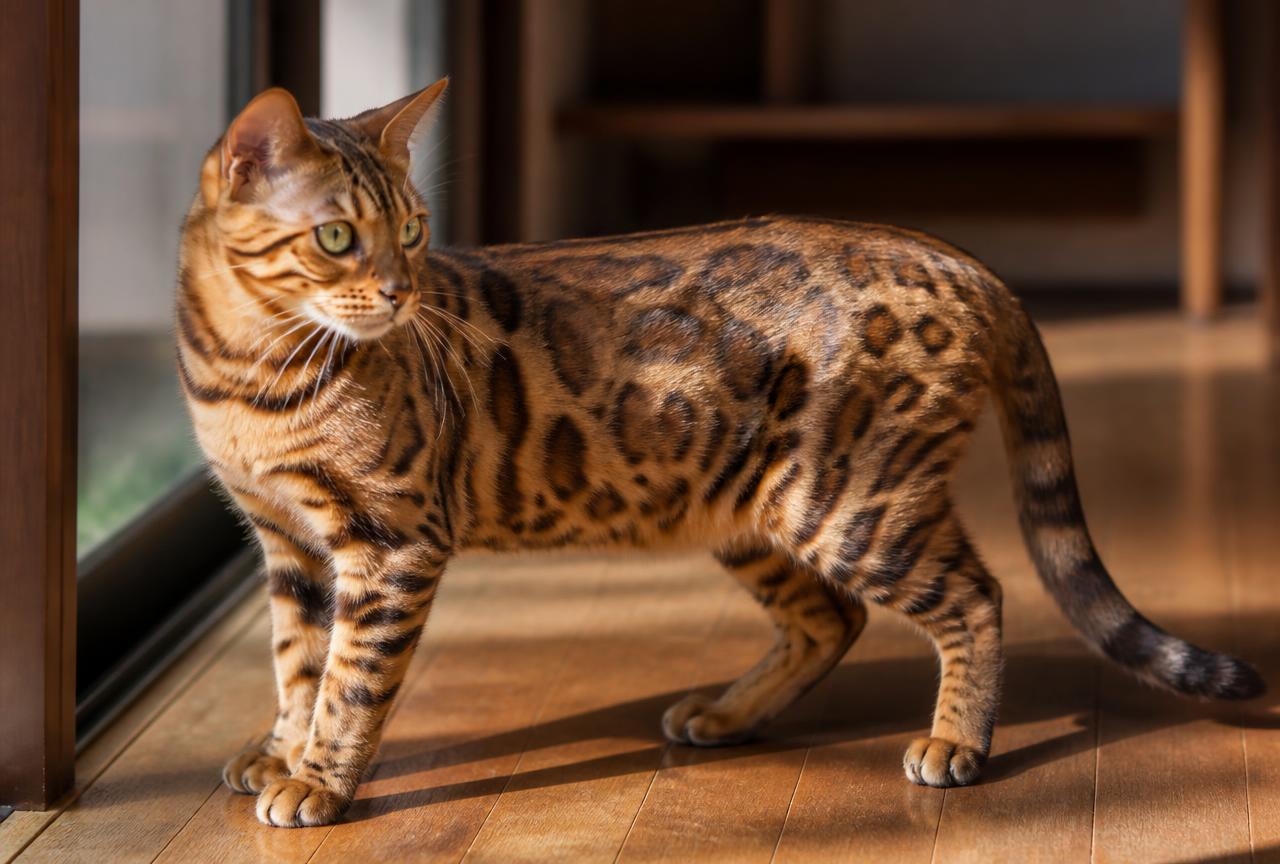
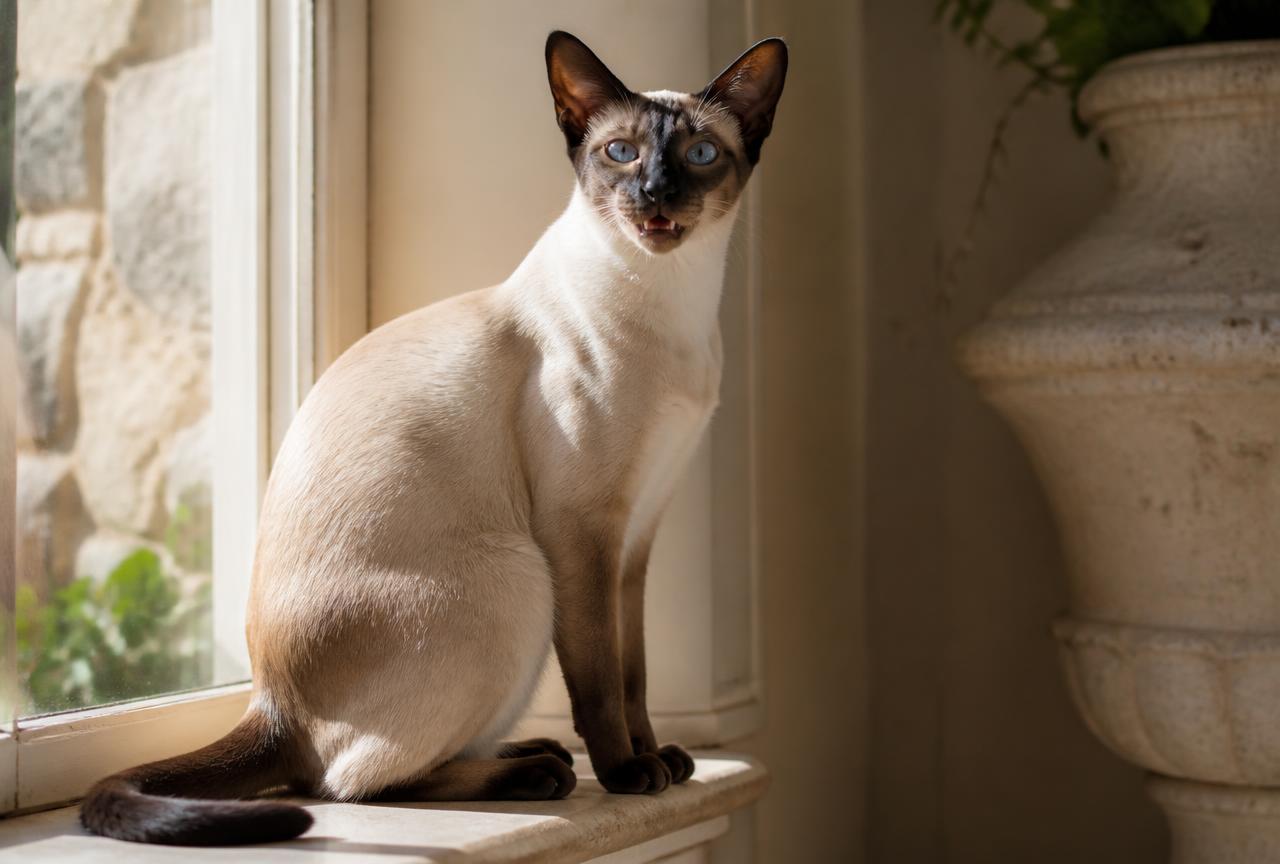
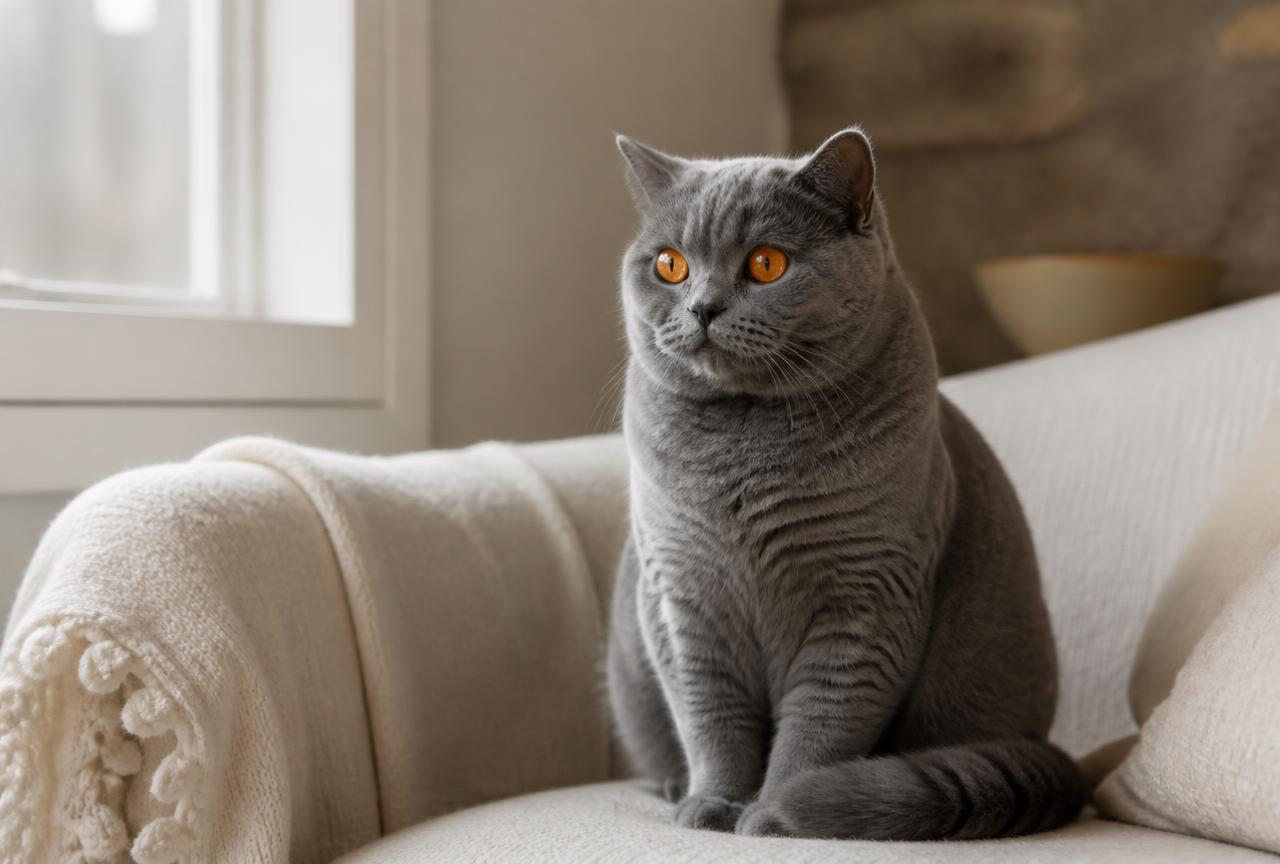
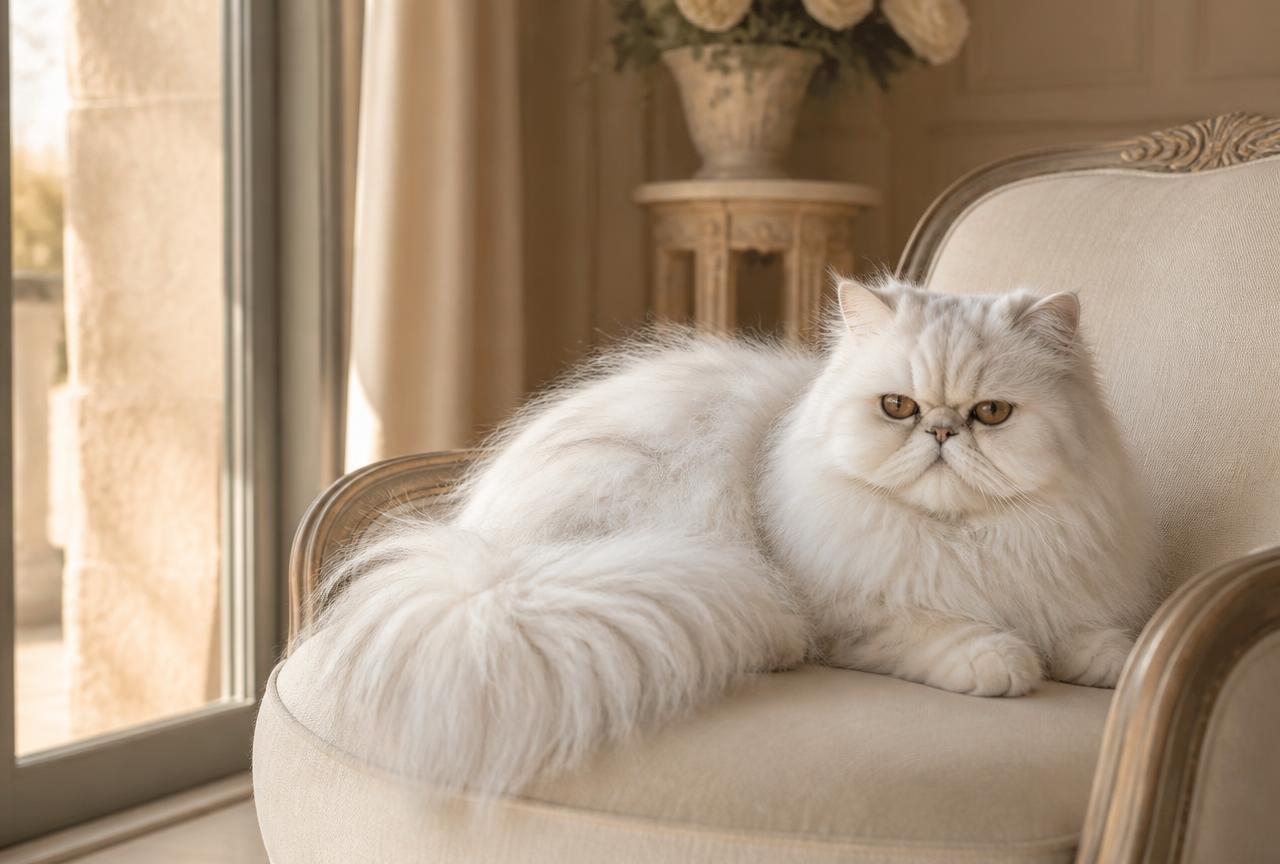
Breeds mentioned
Put it into practice
Read next
Why do cats sleep so much? Normal hours, odd habits and the red flags
Why do cats sleep so much? What 12–16 hours a day really means, the light doze vs deep sleep, and the changes that actually matter.