
Watery eyes and discharge: from a stray lash to an infection
One watery eye on a bright cat is usually nothing. A squinting eye, or coloured discharge, is never nothing. How to tell the difference, and what to do while you decide.
Dr Amara Okonjo
DVM, small-animal practice
Published 20 September 2026
The ReMews. desk
The short version
- Judge any eye problem by three things: whether the eye is held open, what the discharge looks like, and whether one or both eyes are affected.
- A squinting, pawed-at or closed eye is painful and needs a vet within 24 hours.
- Yellow or green discharge means infection; clear tears on a bright cat can be watched for 48 hours.
- Conjunctivitis, usually driven by feline herpesvirus, is the commonest cause and often flares after stress.
- Clean only with cooled boiled water and cotton pads, one wipe per pad, and never touch the eyeball.
- Never use human eye drops or leftover medication from another pet.
A bit of sleep in the corner of a cat's eye is normal. Cats produce tears constantly to keep the eye surface healthy, and a small amount of clear or rust-coloured crust at the inner corner, wiped away or groomed off, is the system working as designed.
The question this article answers is the one every owner eventually faces: this eye looks wrong, how wrong is it? The honest answer is that eyes sit on a short list of body parts where the safe default is caution. Eyes deteriorate fast, they hurt, and the treatments that save them work best early. But not every watery eye is a crisis, and knowing which is which saves you both panic and complacency.
The three things to look at
Assess any eye problem with three questions, in this order.
First: is the eye held open? A cat that squints, blinks repeatedly, paws at the eye or holds it shut is telling you the eye hurts. Pain changes everything about the urgency. Second: what does the discharge look like? Clear and watery is tears. Cloudy or sticky suggests inflammation. Yellow or green means infection. Blood means a vet today. Third: one eye or both? One eye suggests a local problem, a lash, dust, a scratch, a blocked tear duct. Both eyes together suggests something systemic, most commonly a respiratory infection.
Reading the discharge
| What you see | Likely meaning | What to do |
|---|---|---|
| --- | --- | --- |
| Small rust-coloured crust at the corner, eyes open | Normal tear overflow | Wipe with damp cotton, nothing else |
| One eye watering, eye open, cat bright | Irritant, draught or a stray lash | Monitor 24 to 48 hours |
| Watery eyes both sides plus sneezing | Viral upper respiratory infection | Book a routine appointment |
| Cloudy, sticky discharge, mild squint | Conjunctivitis | Vet within a few days |
| Yellow or green discharge | Bacterial infection | Vet within 24 hours |
| Eye held shut, pawing, third eyelid up | Pain: ulcer or injury likely | Vet today |
| Blood in or around the eye | Trauma | Vet today |
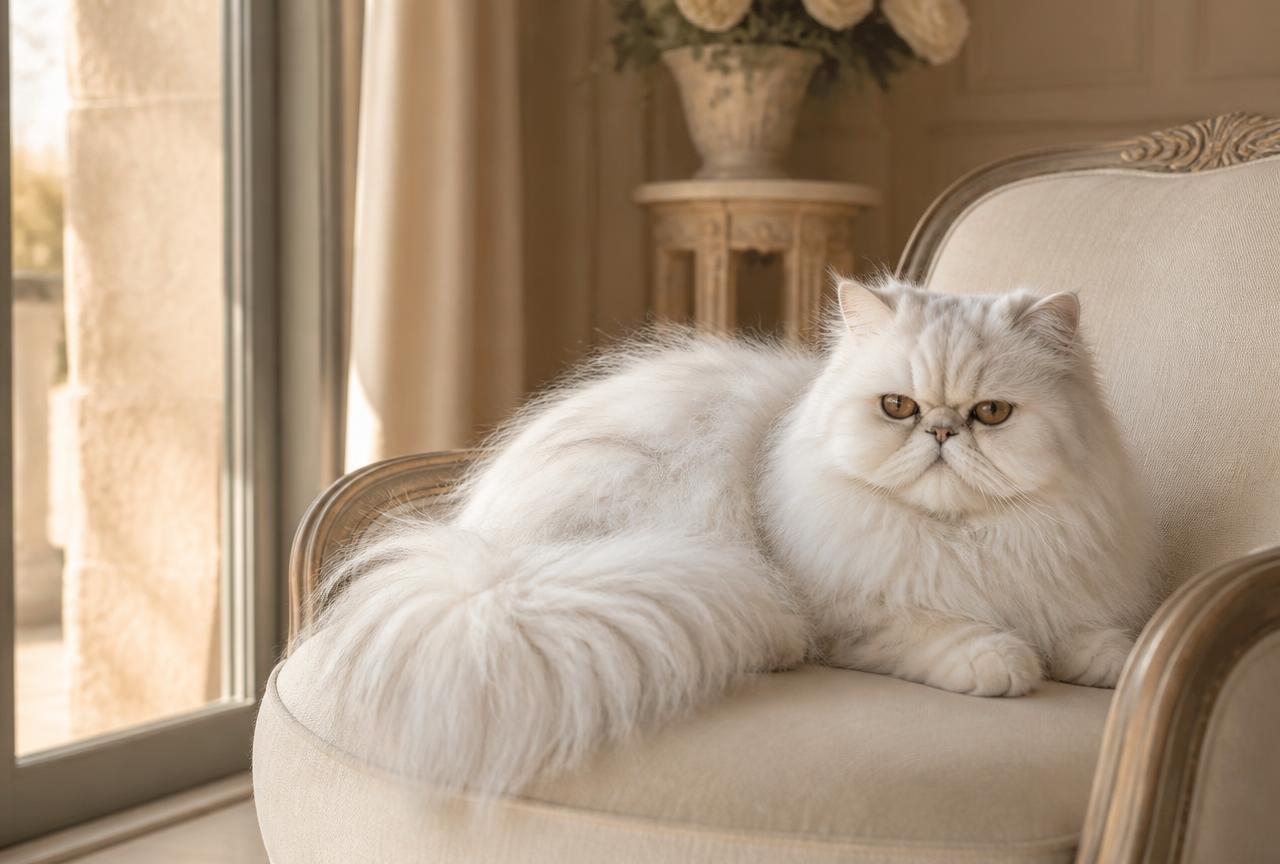
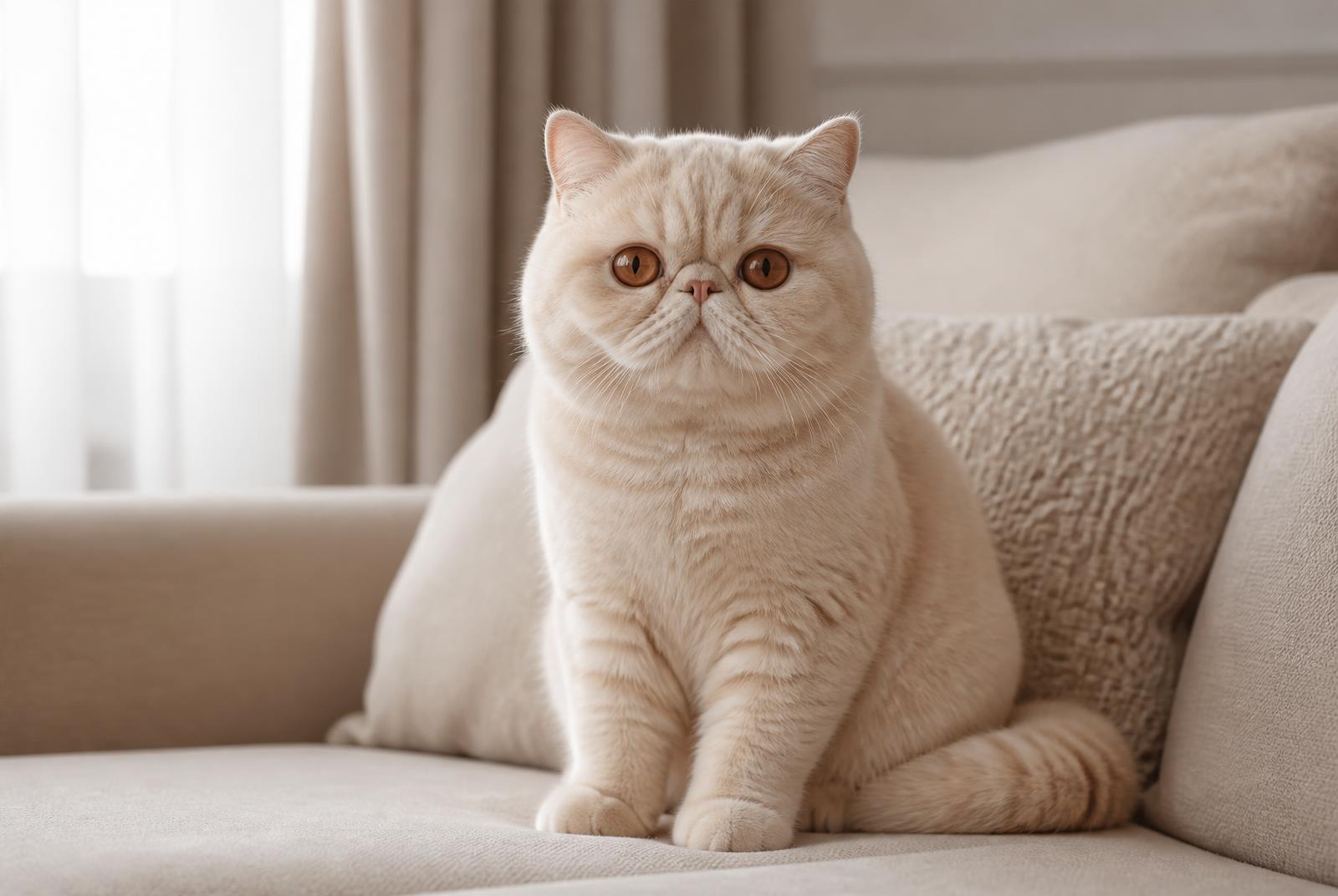
Two breeds of context matter here. Flat-faced cats like Persians and Exotic Shorthairs have shortened tear ducts, so a constantly damp inner corner can be their normal; the test is whether it has changed. And the third eyelid, a pale membrane that sweeps up from the inner corner, is normally invisible: seeing it at rest means the eye is sore or the cat is unwell.
Conjunctivitis, the common culprit
The single most common diagnosis behind a runny, sticky cat eye is conjunctivitis, inflammation of the pink tissue around the eye. In cats it is usually driven by feline herpesvirus, a virus most cats were exposed to as kittens and carry for life. It lies dormant and flares under stress, which is why eye trouble so often appears a week after a move, a vet stay or a new arrival in the home.
Mild conjunctivitis in an otherwise well adult often settles with simple cleaning and time. The patterns that do not settle, kittens, coloured discharge, squinting, or a cat that stops eating, need the practice. Fluorescein staining, a painless dye test the vet does in the consult, shows up corneal ulcers in seconds and is the difference between drops and urgency.
Cleaning an eye safely
If the eye is open and the discharge is clear, gentle cleaning helps and is safe.
- 1Wash your hands first.
- 2Boil water and let it cool to comfortably warm.
- 3Soak a cotton pad, squeeze it out, and hold it against the crust for a few seconds to soften it.
- 4Wipe once, from the inner corner outward, then bin that pad. A fresh pad for each wipe, and a fresh pad for the other eye.
- 5Stop if the cat objects. A wrestling match over an eye does more harm than the crust does.
Never use human eye drops, contact-lens solution, salt water you mixed yourself, or leftover drops from a previous pet. Some human drops contain ingredients that damage cat eyes, and a bottle used on an infected eye can carry the infection back in.
The sorter below takes the three checks, which eyes, what discharge, whether the eye is held open, and tells you which track you are on: monitor, book, or call today.
Verdict by situation
- One watery eye, bright cat, eye open: clean it, watch it for 48 hours. Still watering after two days earns an appointment.
- Watery eyes plus sneezing after a stressful week: likely a herpesvirus flare. Book a routine visit; it often settles, but a proper look is cheap insurance.
- The flat-faced cat with permanently damp corners: if it has always been this way, it is anatomy. If it has changed, it is an appointment.
- Any squinting, coloured discharge or pawing: do not monitor, call the practice today.
When to call your vet
Same day for an eye held shut, an eye the cat paws at, yellow, green or blood-tinged discharge, a visible third eyelid at rest, a cloudy or bluish surface to the eye itself, or any eye problem in a kitten. Within a few days for sticky discharge without squinting, both-eyes watering with sneezing, or any watery eye not clearly improving after 48 hours. Eyes are the one place where waiting to see is the risky option, and no vet will mind a cautious call about one.
Questions people actually ask
Why is my cat's eye watering?
A single watery eye with the eye held open is usually an irritant like dust, a draught or a stray lash, and often clears within 48 hours. Watering with squinting, stickiness or colour is different: conjunctivitis, infection or a scratched cornea. Judge it by whether the eye is open, what the discharge looks like, and whether it improves in two days.
Why does my cat have eye discharge in one eye only?
One-eye problems are usually local: a foreign body, a scratch, a blocked tear duct or a mild infection starting. That is more reassuring than both eyes, which suggests a respiratory infection, but a one-eyed discharge that lasts beyond 48 hours, turns cloudy, or comes with squinting still needs a vet.
What is the brown gunk in the corner of my cat's eye?
Small amounts of rust-brown crust at the inner corner are normal: tears contain pigments that stain as they dry. Wipe with cooled boiled water on a cotton pad. It becomes a concern when the amount increases, the discharge turns yellow or green, or the eye starts squinting.
Can I use human eye drops on my cat?
No. Human eye drops, including simple lubricants and contact-lens solutions, can contain preservatives and decongestants that harm cat eyes. The same applies to leftover drops prescribed for another pet. The safe home treatment is cooled boiled water and cotton pads; anything stronger comes from the vet.
Is cat conjunctivitis contagious to humans?
The common feline conjunctivitis, driven by feline herpesvirus or chlamydophila, does not spread to people. Wash your hands after cleaning an eye anyway, and keep the cat's face cloth separate, because it can spread to other cats. Rare causes like ringworm near the eye can affect humans.
Sources
- Conjunctivitis in cats, International Cat Care (ISFM)
- Eye problems in cats, PDSA
- Feline herpesvirus, VCA Animal Hospitals
Breeds mentioned
Put it into practice
Read next
Overgrooming and bald patches: when licking becomes a symptom
A cat licking a bald patch into its own belly is not being vain. Overgrooming is a symptom with two main causes, skin disease and stress, and telling them apart changes the whole response.