United States
Selkirk Rex
A heavy-boned, exceptionally patient cat with a loose curly coat, and a heritage that means the health questions are about British Shorthairs and Persians, not about the curls.
ReMews. veterinary review board
The cat in sheep's clothing
The short version
- The curl is dominant and quite unlike the Cornish or Devon Rex
- Kittens curl, straighten, then curl again, the adult coat settles by about two years
- Full double coat: comb two to three times weekly and never brush the curl out
- Outcross heritage means PKD and HCM screening are essential questions
- One of the most patient, child-tolerant pedigree breeds available
- Weight
- 3.5–7 kg
- Lifespan
- 13–16 yrs
- Coat
- Long
- Size
- Large
- Grown male
- 5–7 kg
- Grown female
- 3.5–5.5 kg
- Years to full size
- about 3
- One-off setup
- €1000–1900
Get one if…
- Families with young children
- Homes with dogs or other cats
- People who want an affectionate but undemanding cat
- Owners happy to comb three times a week
Think again if…
- Anyone hoping for a low-shedding or allergy-friendly cat
- Owners who will not commit to regular grooming
- Buyers unwilling to check breeder health testing
Trait profile
Moderate energy, very high affection and tolerance, low vocality. The grooming score reflects a genuinely demanding double coat.
Space & setup. Comfortable in a flat. Moderate energy and a quiet voice make the Selkirk one of the easier large breeds for shared buildings, given a sturdy tree and daily play.
Allergies. No cat is hypoallergenic and the Selkirk is a poor choice for allergy sufferers despite the curl. It has a full double coat and sheds normally; the curl simply holds the hair until combing releases it.
The review
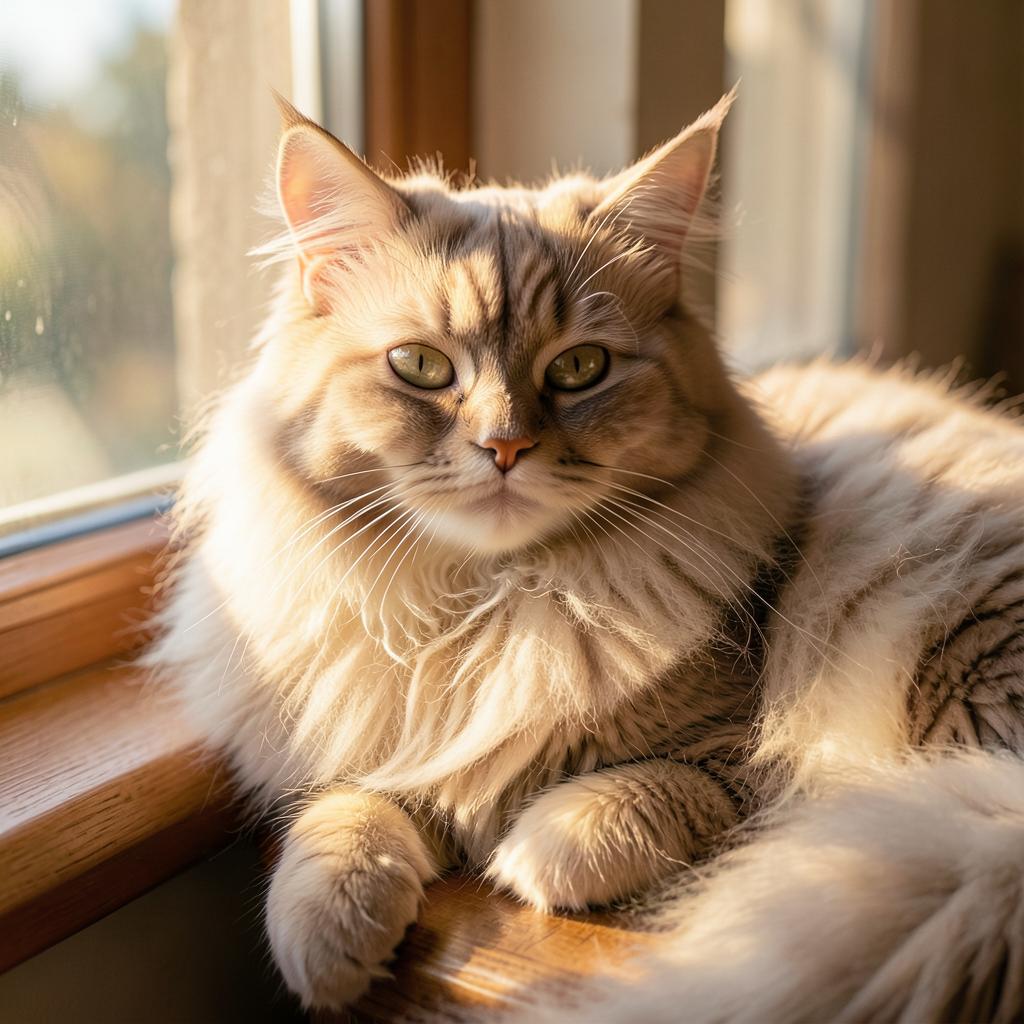
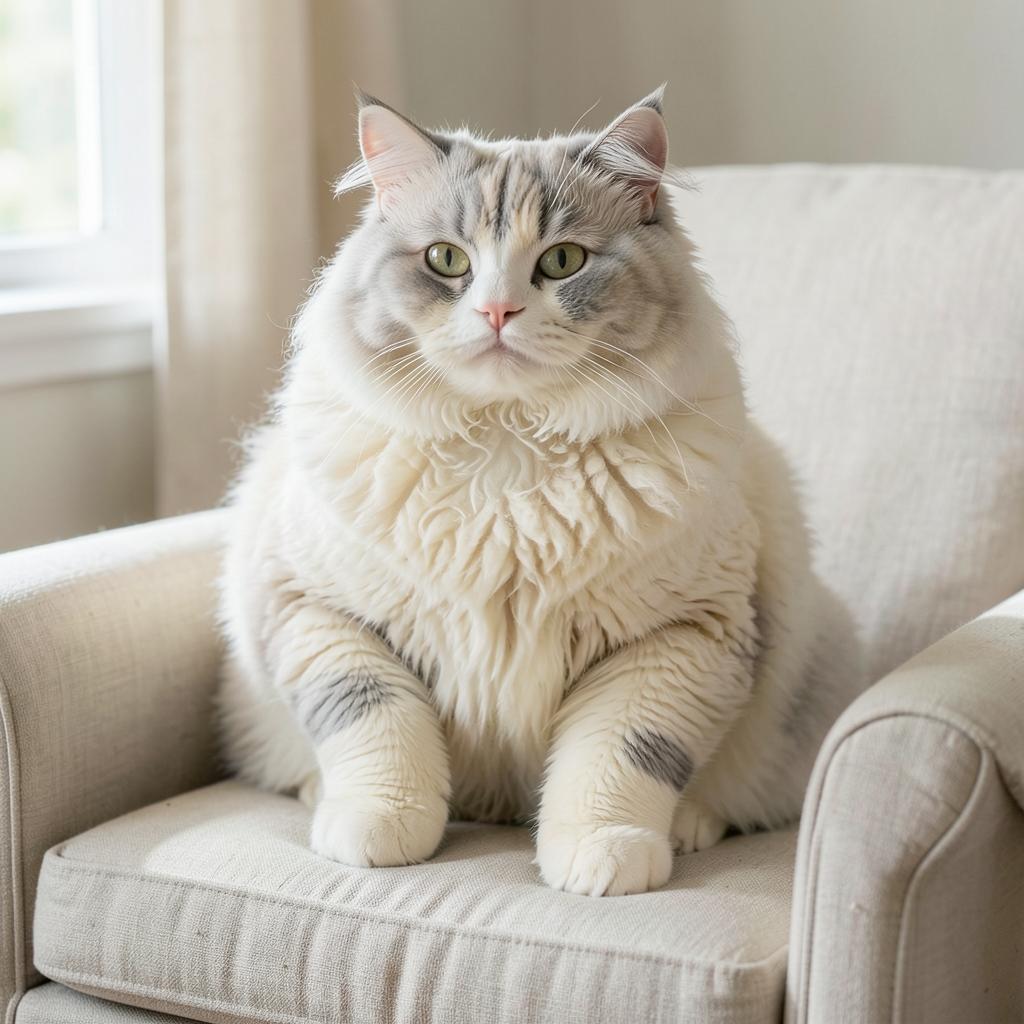
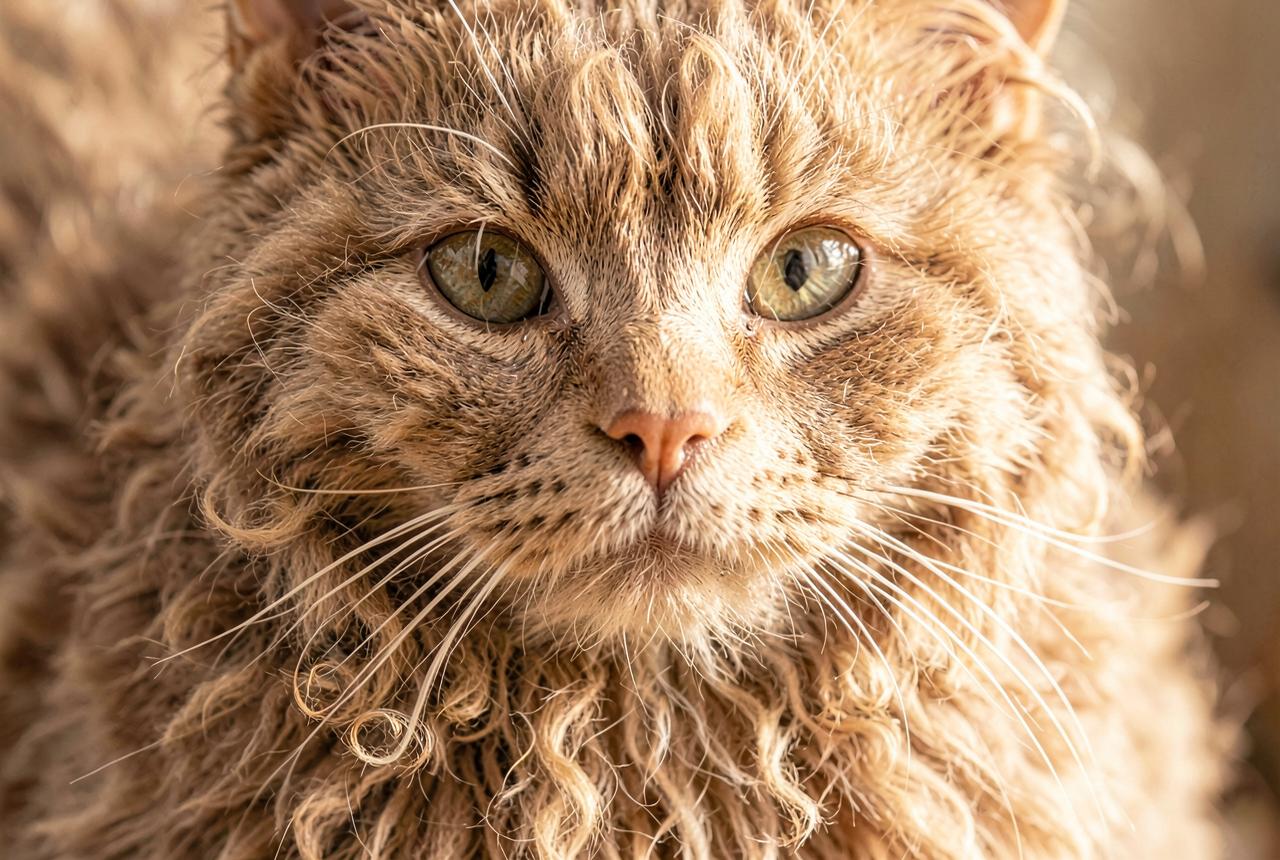
The Selkirk Rex is a sturdy, plush-bodied cat with a distinctive loose, woolly curl to its coat, including the whiskers. It is calm, patient and affectionate, one of the most tolerant breeds for families, and its outcross heritage brings specific health checks to ask about.
The Selkirk Rex began with one curly kitten in a Montana shelter litter in 1987, fostered by a breeder who recognised something worth keeping. That cat, Miss DePesto, was bred to a Persian, and the curly kittens that followed proved the mutation was dominant, unlike the Cornish and Devon Rex curls, which are recessive and produce quite different coats. It is the reason a Selkirk looks nothing like the other rex breeds. Where a Cornish Rex is a fine, close-lying wave over a whippet frame, a Selkirk is a heavy, cobby cat in a loose, woolly, slightly chaotic curl.
The curl itself behaves unpredictably, and prospective owners should know this in advance. Kittens are born curly, straighten out almost entirely within the first six months, and then curl again as they mature, with the adult coat usually settled somewhere between eighteen months and two years. Humidity, hormones, season and neutering all shift the look. Longhaired Selkirks carry a full, tousled curl; shorthairs look plush and rumpled rather than ringleted. Whiskers curl too, and they break easily, a Selkirk with short, broken whiskers is normal, not neglected.
Underneath the coat is a big cat. Selkirks are heavy-boned and muscular, with a round head, full cheeks and a broad chest, and a mature male can reach 7 kg without being fat. They take a full three years to reach adult size and substance, which is longer than most breeds and worth remembering when a growing cat looks awkward at eighteen months.
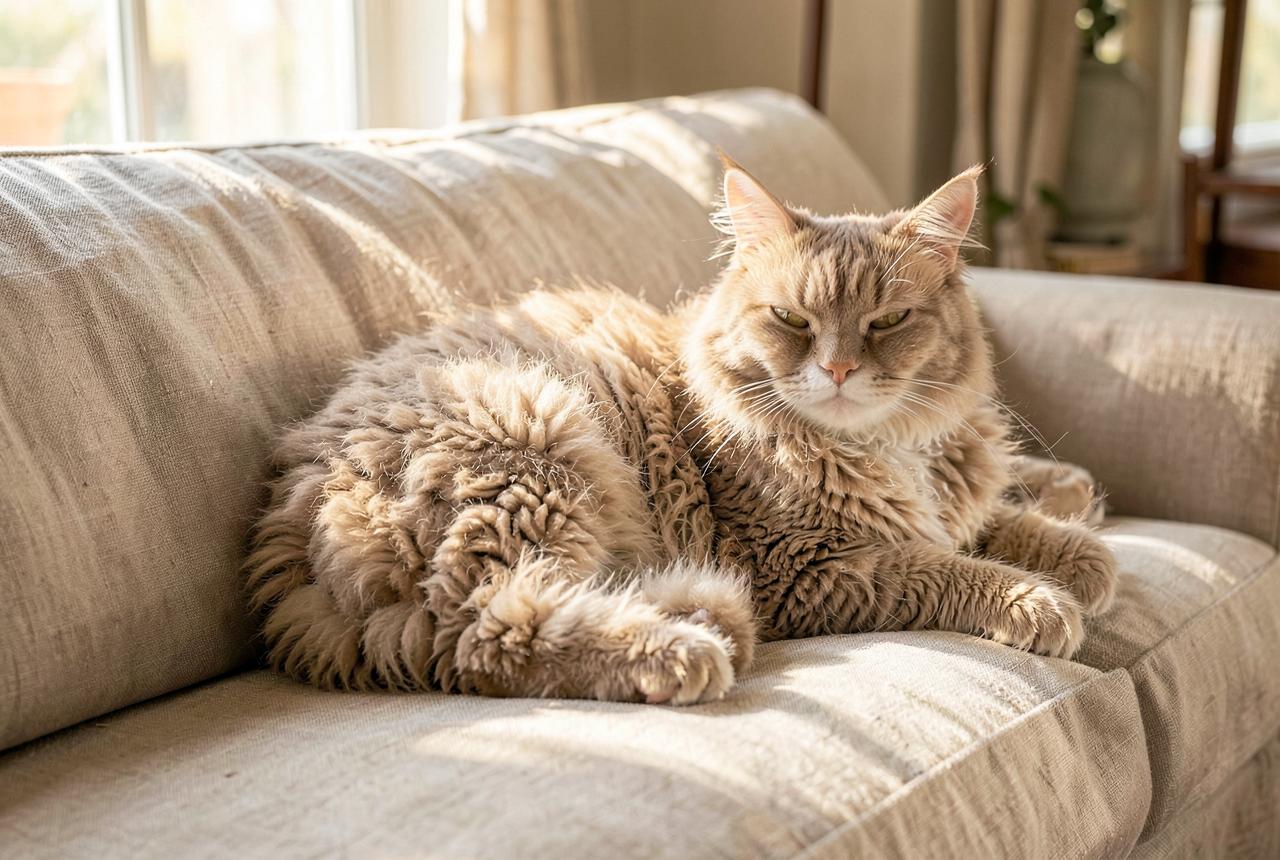
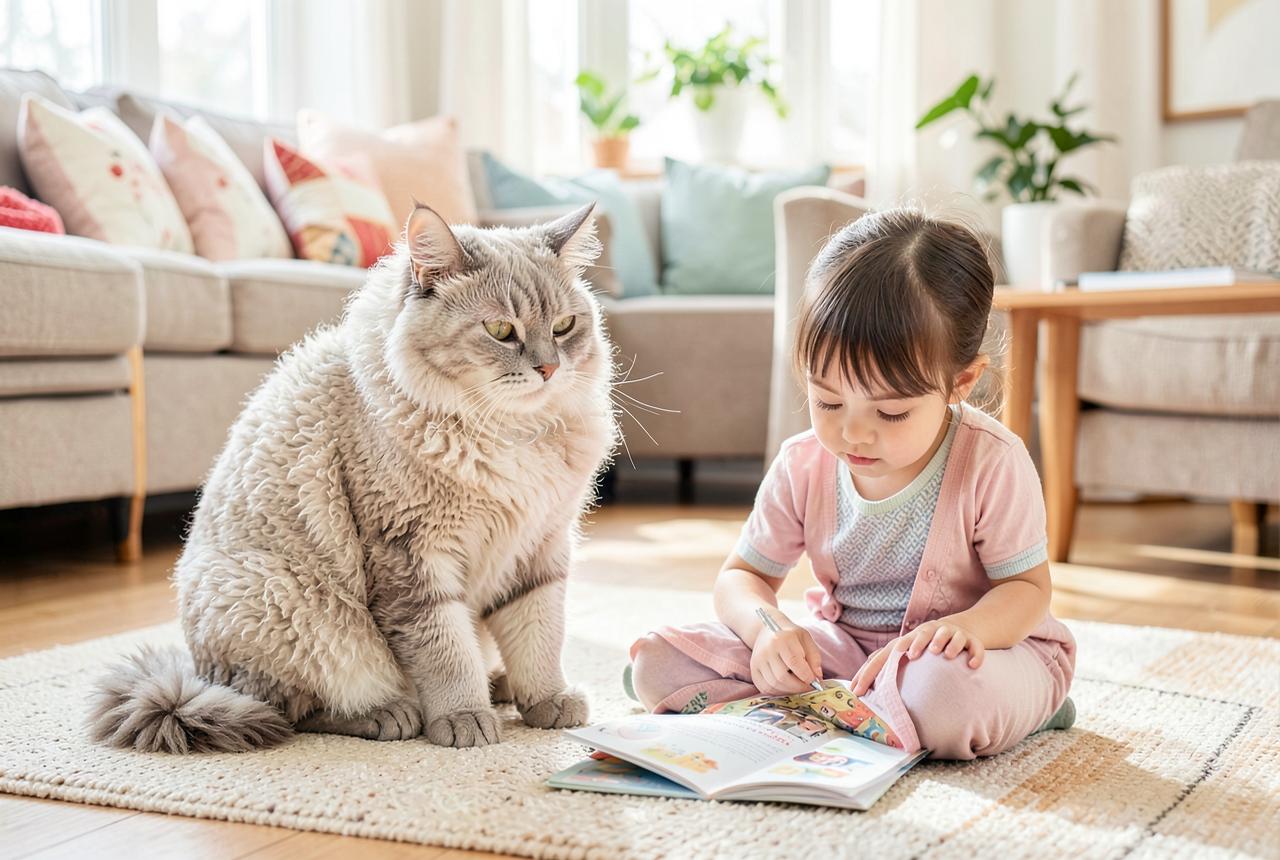
Temperament is the breed's real achievement. Selkirks inherited the calm of the British Shorthair and the placidity of the Persian, then added a playfulness of their own that persists well into adulthood. They are patient with handling to an unusual degree, tolerant of children who have not yet learned to be gentle, easygoing with dogs, and disinclined to sulk. They are affectionate without being clingy, a Selkirk will settle beside you rather than on your keyboard, and will accept being left alone during the day better than most affectionate breeds.
They are also quiet. Vocalisation is minimal and soft, and the energy level is moderate: interested in a wand toy twice a day, content to nap between sessions. This combination, sociable, undemanding, quiet, tolerant, is what makes the Selkirk one of the few genuinely low-friction pedigree cats for a busy household.
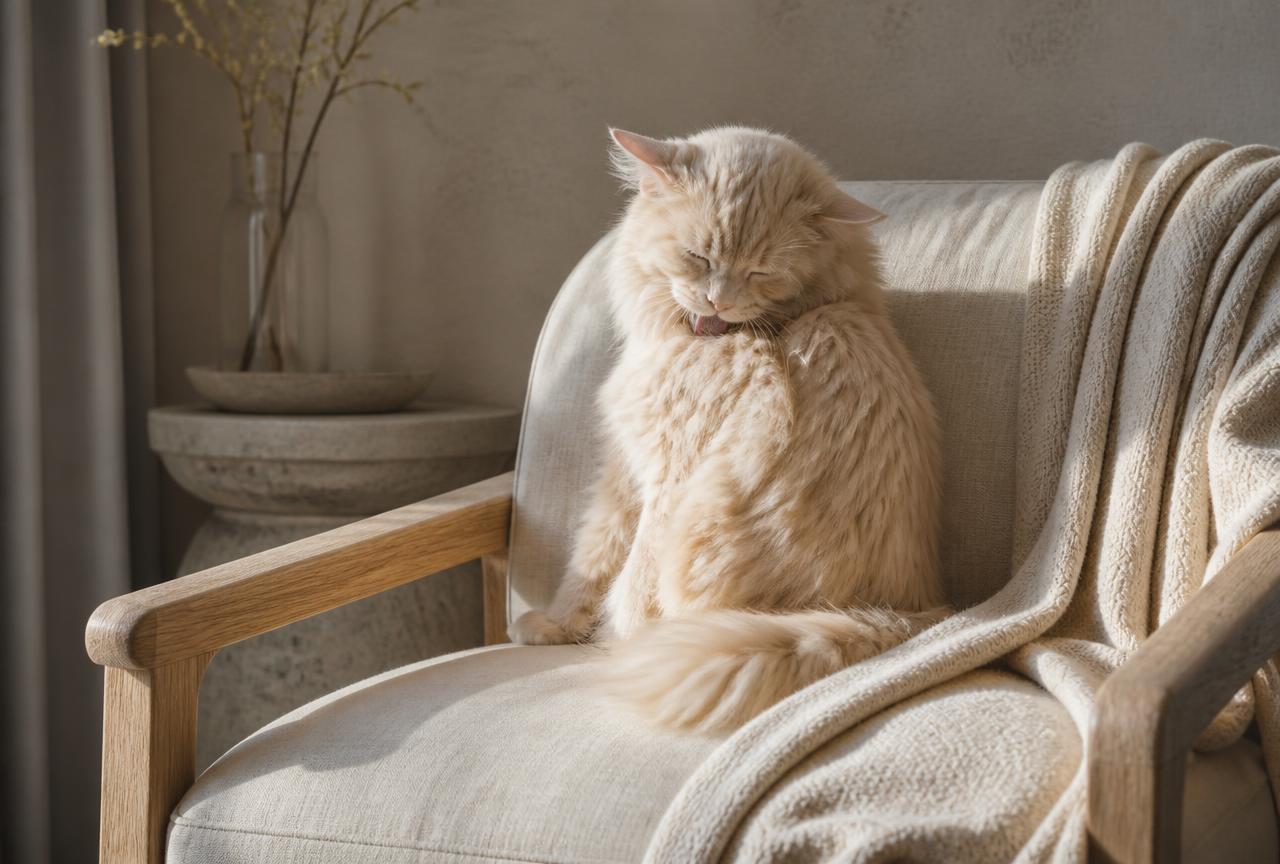
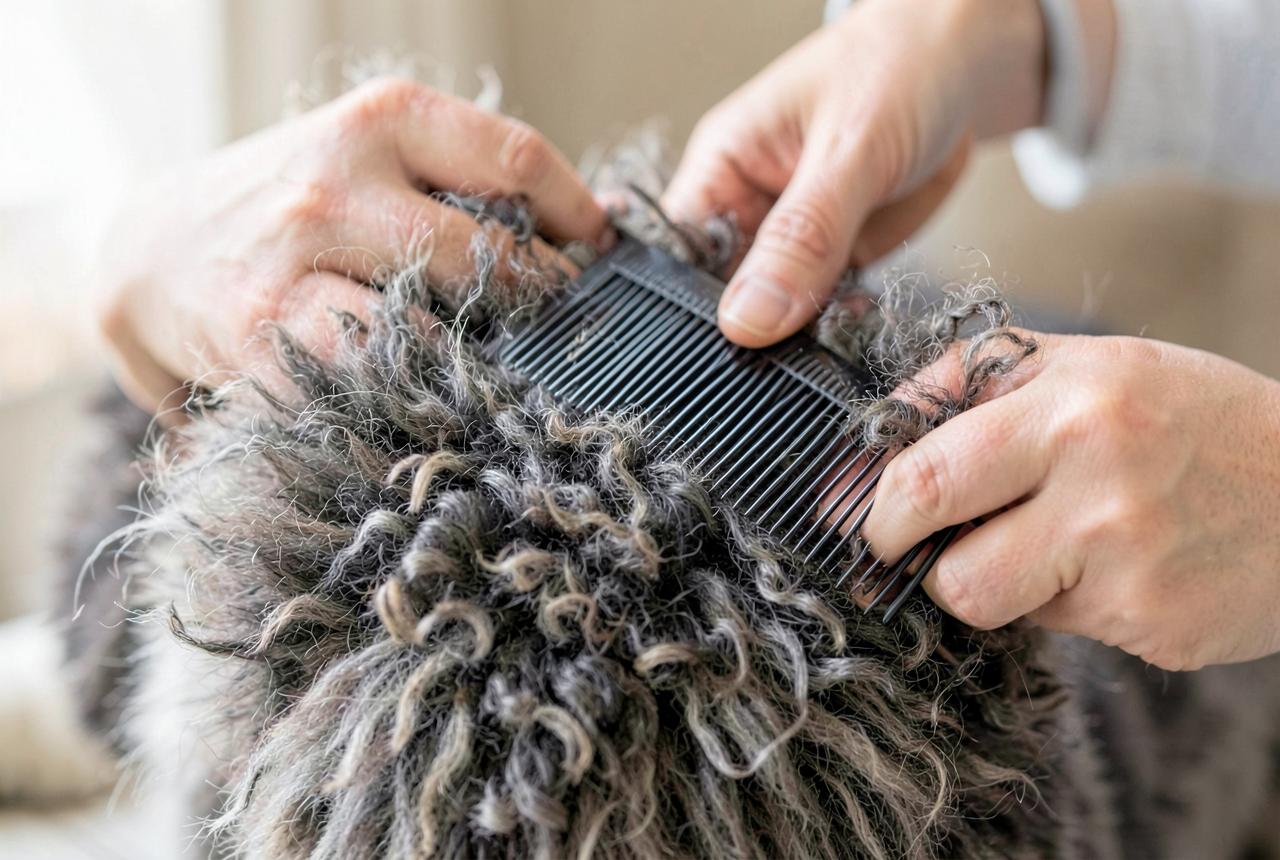
Grooming is the price. The coat is a full double coat with a dense undercoat, and the curl traps dead hair rather than releasing it. Combing two or three times a week is the minimum, and the technique matters: use a wide-tooth comb and work gently in sections, because brushing vigorously or with a slicker straightens the curl and can leave the cat looking frizzy for weeks. Never blow-dry a Selkirk straight after a bath; let the coat air-dry to preserve the curl pattern. Longhaired cats need attention behind the ears, in the armpits and around the britches, where mats form first.
The health conversation is the part people skip, and it is the most important part. Because the breed was developed by outcrossing to Persians, Exotics and British Shorthairs, it inherited those breeds' risks. Polycystic kidney disease came in through the Persian line and has a straightforward DNA test, a responsible breeder tests and will show you the results. Hypertrophic cardiomyopathy came in through the British Shorthair line and needs cardiologist scanning of the parents, not a stethoscope. Some Selkirks show a slightly shortened muzzle from Persian ancestry and can have mild tear staining or breathing noise; choose the kittens with the more open faces. These are all manageable questions, and a breeder who cannot answer them is the wrong breeder.
Be careful, too, about the claim that a curly coat is hypoallergenic. It is not. Selkirks have a full double coat, they shed a normal amount, and the curl simply holds the loose hair against the body until you comb it out. If anything, an unbrushed Selkirk deposits more allergen into a room in one session than a shorthaired cat does gradually.
What you end up with, if the sourcing is right, is a large, soft, ridiculous-looking cat that tolerates nearly everything, plays like a kitten at eight, and asks for a comb three times a week. For a family, that is a very good trade.
The most patient curly cat you can buy, and a genuinely good family choice, provided the breeder can talk about kidneys and hearts.
Grooming, realistically
- 1Comb two to three times a week with a wide-tooth comb, working in sections
- 2Avoid slicker brushes and vigorous brushing, they straighten the curl
- 3Check behind the ears, the armpits and the britches for early mats
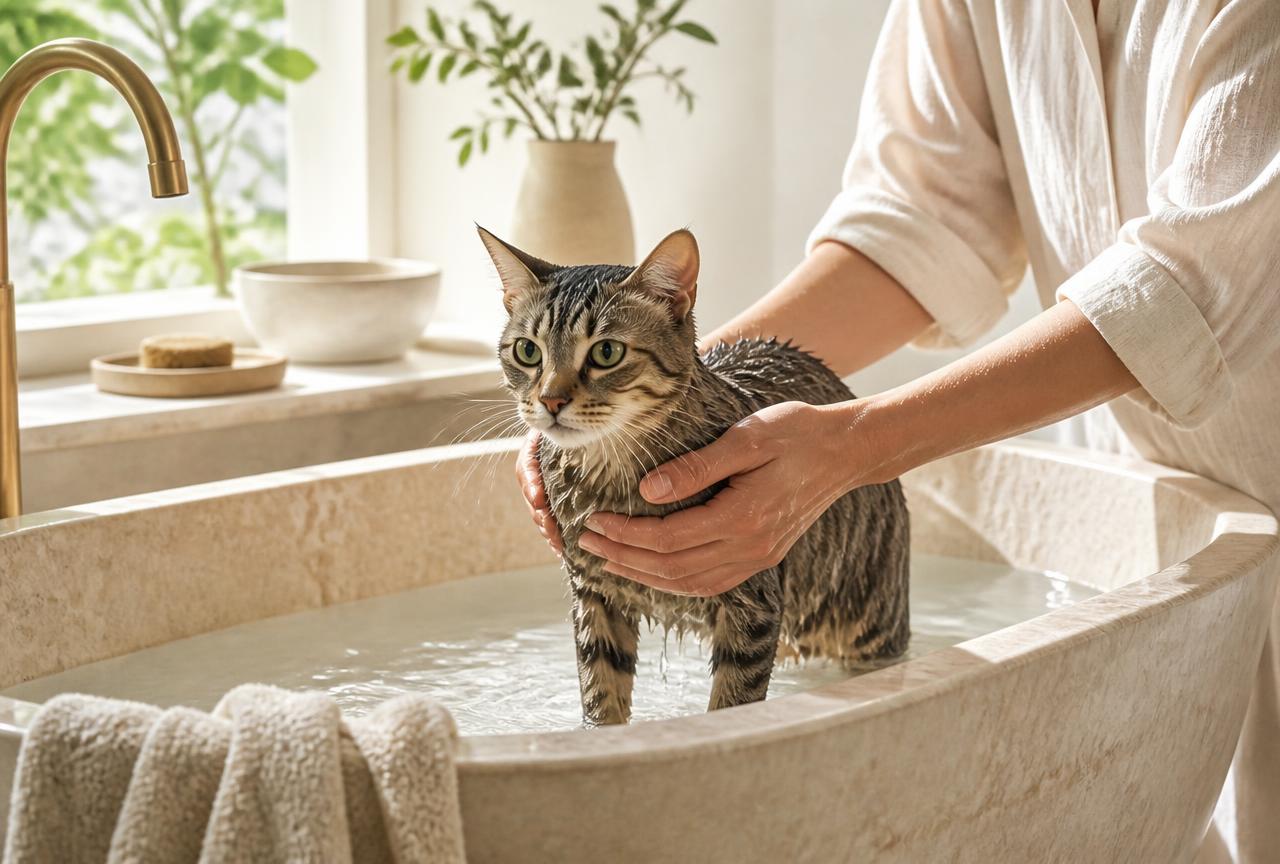
- 4Let the coat air-dry after any bath; never blow it straight
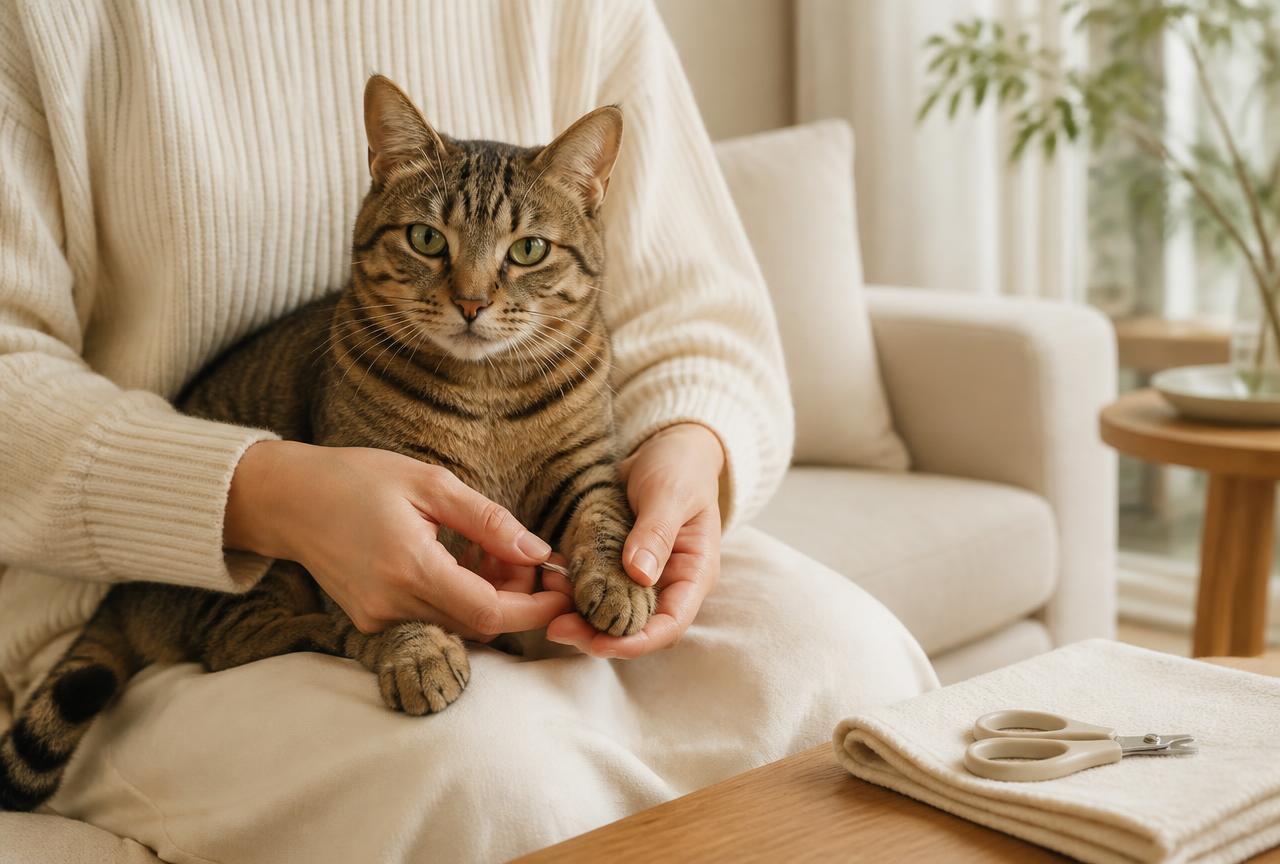
- 5Trim claws every two to three weeks and brush teeth twice a week
What you actually need
- Wide-tooth metal comb
- Fine-tooth comb for the face and ears
- Mat splitter for emergencies
- Nail clippers
- Cat toothbrush and enzymatic paste
Kitten to adult
| Age | Male | Female | What is happening |
|---|---|---|---|
| 3 months | |||
| 6 months | |||
| 9 months | |||
| 12 months | |||
| Full size |
Ranges are typical, not targets. Judge condition by ribs and waist, and check with the ideal weight checker.
What to ask a breeder
- Are both parents DNA-tested clear for polycystic kidney disease?
- Have both parents had a cardiologist scan for HCM?
- Which breeds do you outcross to, and how recently?
- Do any of your lines show a shortened muzzle or tear staining?
- How curly were the parents at two years old?
Health watch-list
What to ask a breeder about, and what to watch for over a lifetime. This is orientation, not veterinary advice, anything you notice belongs in front of a vet.
Polycystic kidney disease
UncommonInherited from the Persian outcross lines. A simple DNA test exists and both parents should be certified clear.
Hypertrophic cardiomyopathy
UncommonInherited risk from the British Shorthair lines. Ask for cardiologist scan results for both parents, not a stethoscope check.
Matting and skin irritation
CommonThe curl traps dead undercoat. Mats form close to the skin behind the ears and in the armpits and can cause soreness if left.
Brachycephalic features
UncommonSome lines retain a shortened muzzle from Persian ancestry, bringing tear staining or noisy breathing. Prefer kittens with open faces.
Obesity
CommonA heavy, placid, food-motivated cat gains weight easily. Measure portions and score body condition monthly.
Dental disease
CommonRound-headed breeds crowd teeth. Brushing two or three times a week and annual checks are worthwhile.
What it costs to keep one
Realistic running cost
€96 / month
About €1,152 a year, or roughly €17,280 across a 15-year life, before purchase price, neutering and one-off vet events.
Before the cat arrives. Budget roughly €1000–1900 for trays, carrier, posts, bowls, bedding and grooming kit sized for this breed. Figures throughout are indicative and vary a good deal between countries.
Interactive · built for this breed
Is a Selkirk Rex right for your home?
The plush curly cat: calm, patient and heavier than it looks. Five questions on grooming, pace, allergies and household.
Verdict
An excellent match
Calm household, regular combing, sensible feeding, this breed asks for little else.
Keep the weight honest with the ideal weight tool, or compare the alternatives in the matchmaker.
The verdict, by household
Outstanding. Patient with handling, playful for years and very hard to provoke.
Quiet and moderate in energy. Give it a sturdy tree that carries a 7 kg cat.
Easy temperament, but the grooming commitment is real and the health questions are non-negotiable.
Calm and confident with dogs and other cats. Introductions are usually uneventful.
When to call your vet
- Increased thirst or urination
- Reduced appetite with gradual weight loss
- Laboured breathing, fainting or sudden hind-leg weakness
- Persistent tear staining or noisy breathing
- Mats forming close to the skin, or sore patches under mats
- Reluctance to jump in a cat that previously climbed
Nothing here is a diagnosis. Breathing difficulty, sudden hind-leg weakness and straining to urinate are emergencies, go the same day.
Selkirk Rex vs the closest alternatives
| Breed | Weight | Energy | Grooming | € / month |
|---|---|---|---|---|
| Selkirk Rex | 3.5–7 kg | 5/10 | 7/10 | €96 |
| Ragdoll | 4.5–9 kg | 4/10 | 7/10 | €90 |
| Ragamuffin | 4.5–9 kg | 5/10 | 7/10 | €100 |
| Birman | 3.5–6.5 kg | 4/10 | 5/10 | €82 |
Selkirk Rex questions, answered
How is the Selkirk Rex different from a Cornish or Devon Rex?
Completely different coat and body. The Selkirk curl is caused by a dominant gene and produces a thick, loose, woolly coat on a heavy, cobby body. Cornish and Devon curls are recessive, producing fine, close coats on slender, fine-boned cats.
Why did my curly kitten go straight?
That is the normal pattern. Selkirks are born curly, straighten substantially in the first six months, then curl again as they mature. The adult coat usually settles between eighteen months and two years, and humidity and season keep shifting it afterwards.
Are Selkirk Rex cats hypoallergenic?
No, and the breed is a poor choice for allergy sufferers. It has a full double coat and sheds normally; the curl holds loose hair against the body until you comb, which can release a lot at once.
How should I groom the curly coat?
Comb two or three times a week with a wide-tooth comb, working gently in sections. Avoid slicker brushes and vigorous brushing, which straighten the curl. After a bath, let the coat air-dry rather than blow-drying it.
Are they good with children?
Exceptionally. Patience under handling is the breed's strongest trait, and Selkirks stay playful well into adulthood. They are among the most forgiving pedigree cats for a household with young children.
Why do the whiskers keep breaking?
Curly whiskers are brittle and snap easily. Short, uneven or missing whiskers on a Selkirk are normal and not a sign of poor health or grooming.
How big do they get?
Males commonly reach 5 to 7 kg and females 3.5 to 5.5 kg, with heavy bone and a broad chest. They take a full three years to reach adult size, so an awkward-looking eighteen-month-old is still filling out.