United States
Ragamuffin
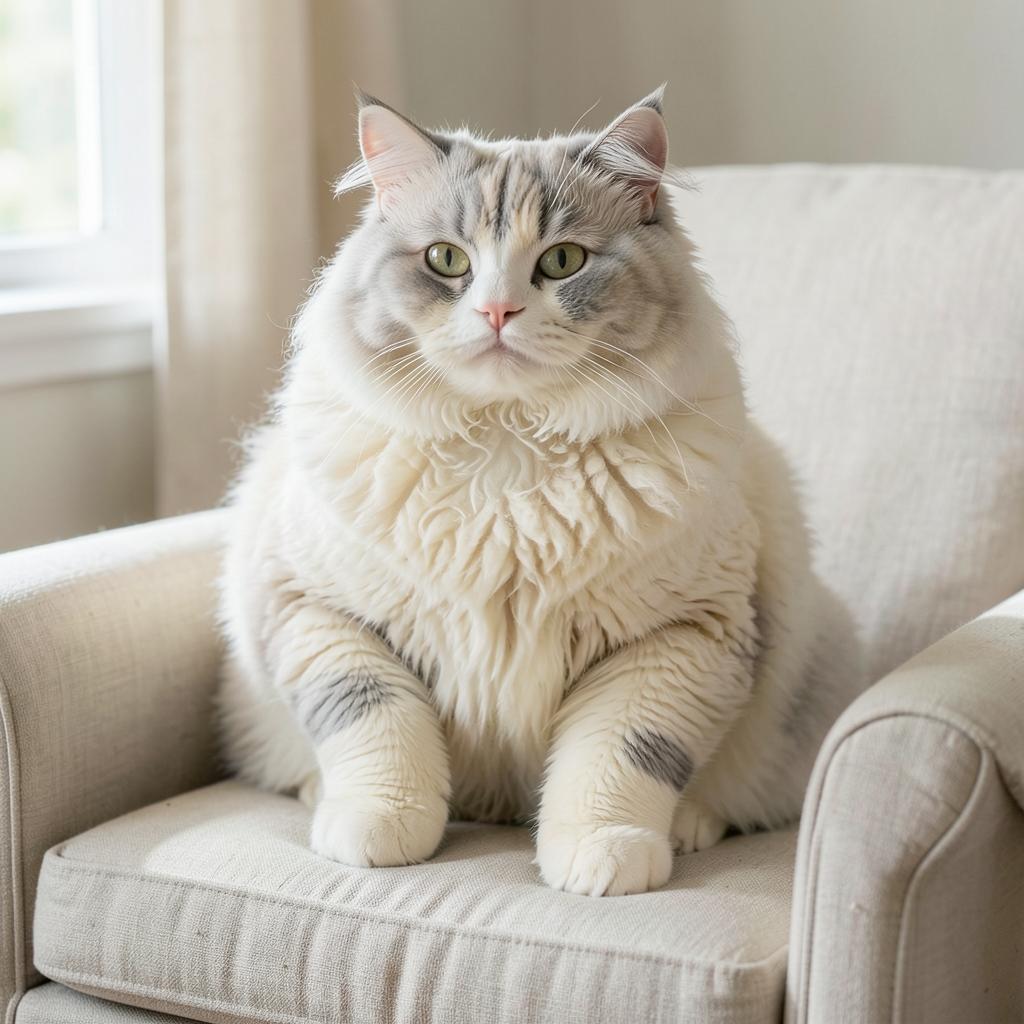
A large, affectionate semi-longhair that wants to be carried, combed and included in every room you enter.
Reviewed against International Cat Care and Cornell Feline Health Center guidance
A large, floppy teddy bear of a cat
The short version
- Males can reach 6.5–9 kg; females 4.5–6.5 kg, with a plush coat that needs twice-weekly combing.
- Famous for going limp when held and for following people from room to room.
- Gentle with children and other pets, but needs company; long daily absences are hard.
- Watch weight carefully; a big frame hides excess kilos until they become joint strain.
- Ask breeders about heart screening and any history of bladder stones in their lines.
- Weight
- 4.5–9 kg
- Lifespan
- 12–16 yrs
- Coat
- Semi-long
- Size
- Large
- Grown male
- 6.5–9 kg
- Grown female
- 4.5–6.5 kg
- Years to full size
- about 4
- One-off setup
- €200–420
Get one if…
- People who want a lap cat
- Families with gentle children
- Multi-pet homes
- Owners happy to comb twice a week
Think again if…
- Very small flats with no vertical space
- Anyone who dislikes shedding
- Households away all day
- People wanting an independent cat
Trait profile
Read the bars as daily life. High affection means physical presence and a willingness to be handled; this is not a cat that wants to spend the day alone. Low energy means bursts of play followed by long rest, not laziness. Moderate grooming and high shedding are the price of the plush coat, and the two numbers should be budgeted together.
Space & setup. Needs sturdy, wide perches and a long litter tray; a tall cat tree rated for large cats is essential.
Allergies. Heavy seasonal shedding; the plush coat spreads dander and is not a good choice for allergy sufferers.
The review
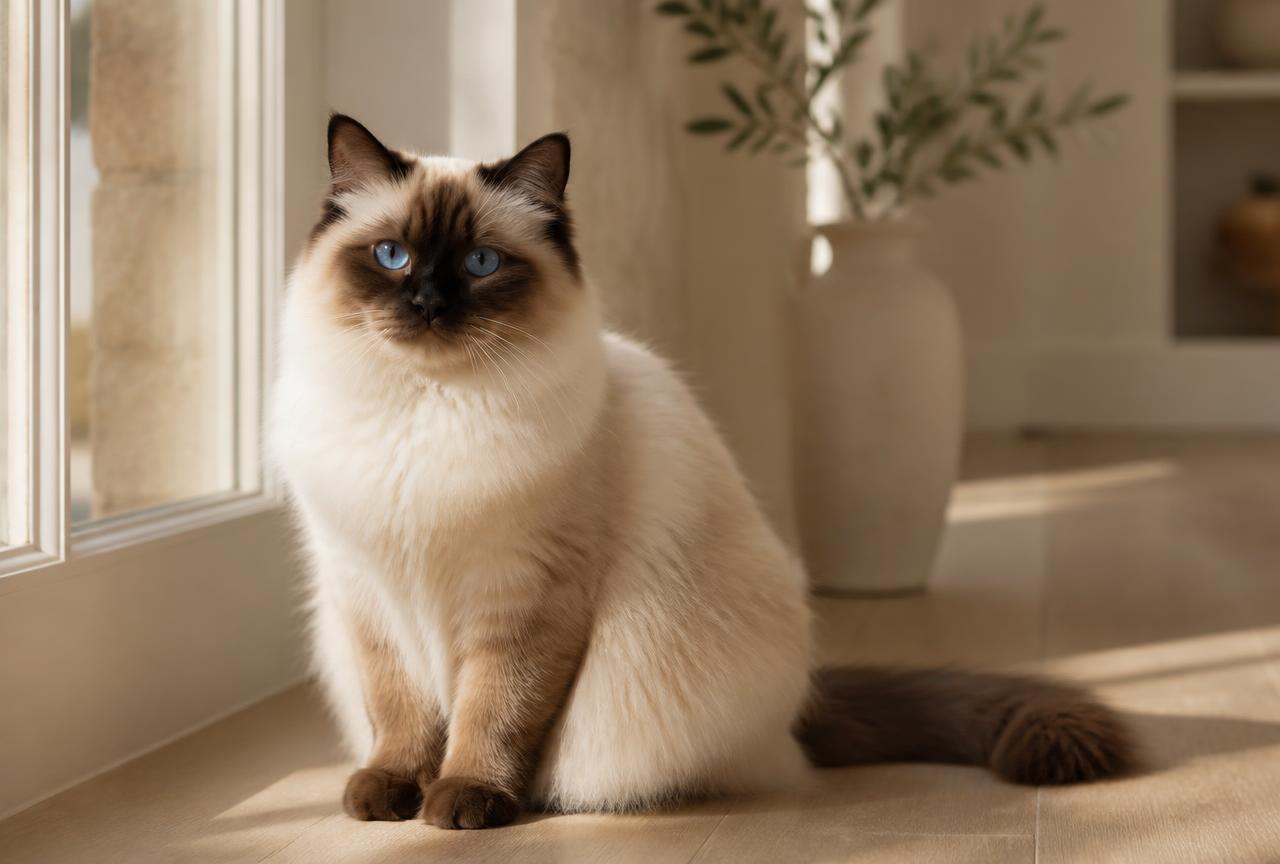
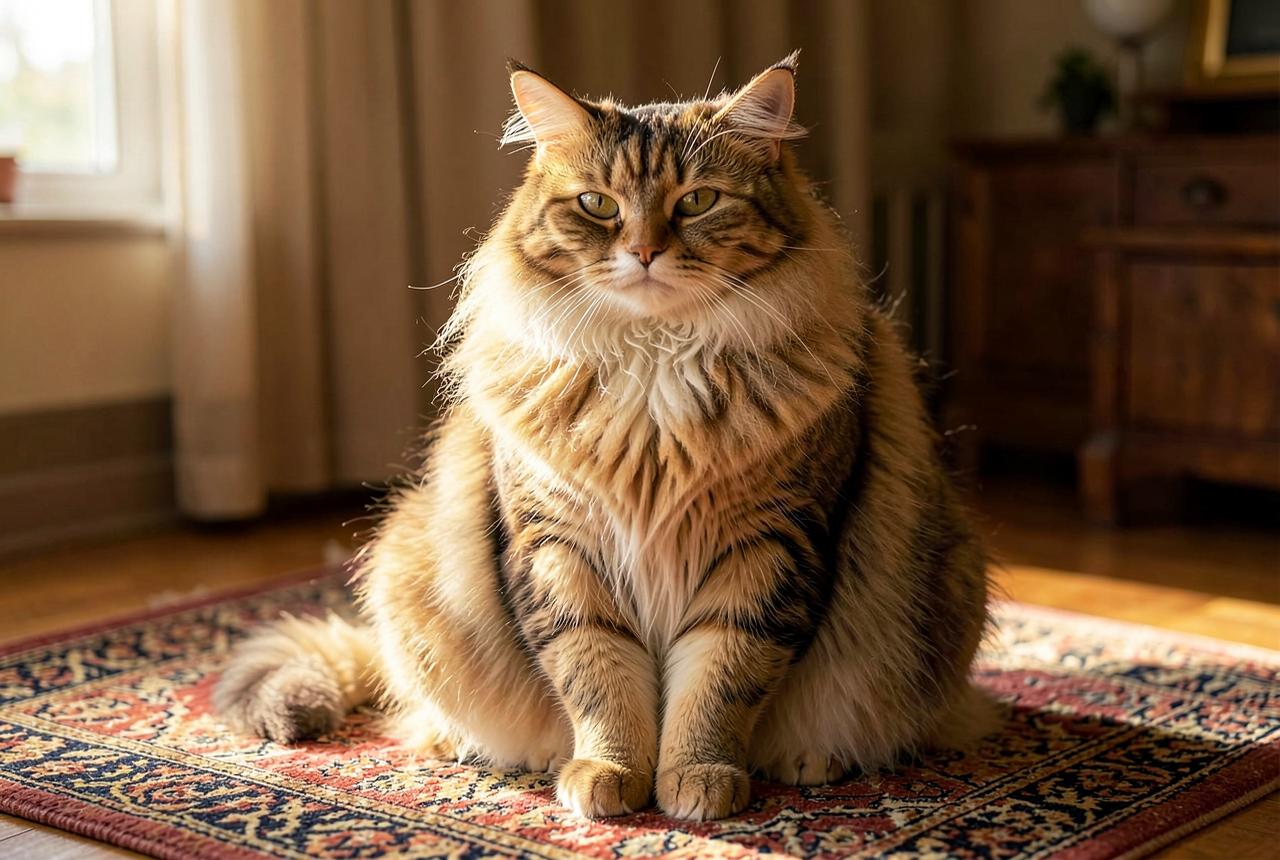
Ragamuffins are big, heavy-boned cats with a plush semi-long coat and a famously relaxed temperament. They go limp when lifted, follow people from room to room, and remain kitten-soft in personality even as adults.
The first time you lift a Ragamuffin, the breed makes its case without any help from you. The body goes heavy and relaxed, the head tips back, and the cat seems to decide that being carried is now its job. It is a deliberate physical statement, and it is the reason so many owners describe the breed as a teddy bear rather than a cat. What the teddy-bear label misses is the intelligence underneath: this is a cat that has worked out that going limp earns more lap time, and it will use that information shamelessly.
Size is the next thing that announces itself. Males in most lines finish between 6.5 and 9 kg, females between 4.5 and 6.5 kg, and the frame is broad and long rather than merely fat. They also mature slowly. A Ragamuffin at a year old still has filling out to do, and the full chest and ruff may not arrive until three or four. That slow development matters because it is easy to mistake a gangly adolescent for underweight and overfeed it. The breed gains weight quietly under all that coat, and the first sign of trouble is often that the waist has disappeared.
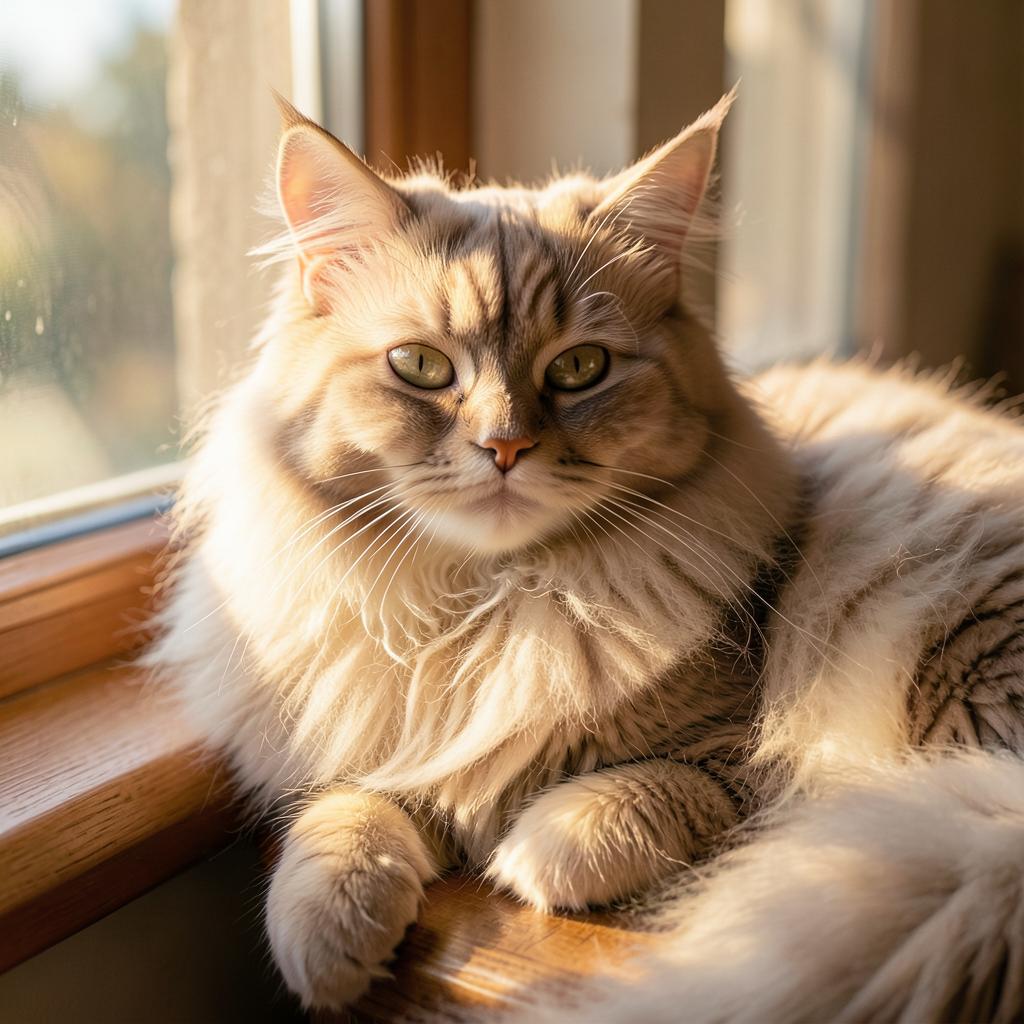
The coat is the part that needs negotiating. It is semi-long, plush and silky, and it is genuinely less demanding than a Persian's. But it is not no-maintenance. The mat zones are the same as every semi-long coat: behind the ears, under the armpits, the britches at the back of the thighs, and the ruff. Two thorough combing sessions a week keep them away; three during the spring and autumn coat drops is better. The shedding is real and seasonal, and because there is a lot of cat, there is a lot of fur. Anyone hoping for a hypoallergenic option should look elsewhere.
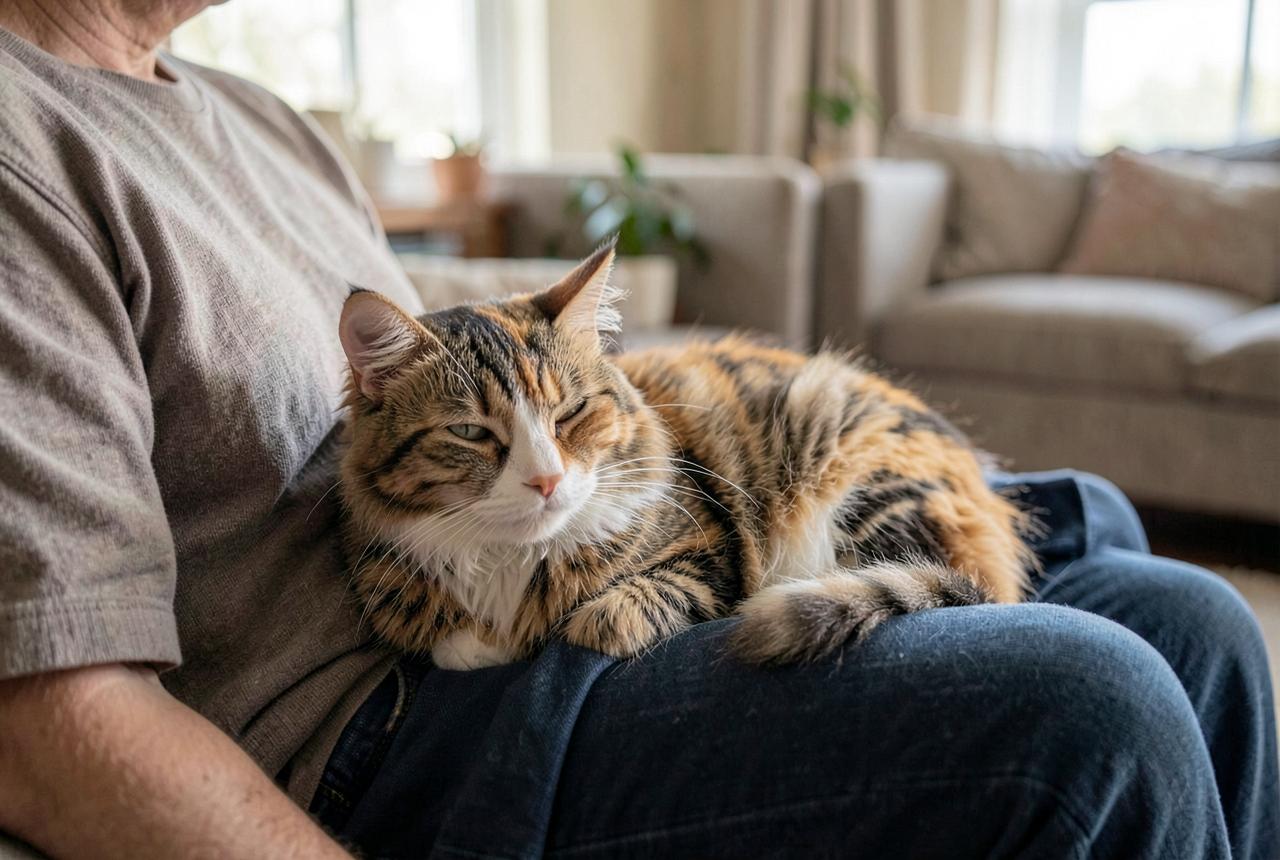
Temperament is where the Ragamuffin earns its keep. These cats are sociable without being frantic, affectionate without being demanding, and unusually tolerant of the things that stress other breeds. They tend to accept children who are taught to sit beside them rather than hoist them, and they usually integrate with calm dogs. The voice is soft and infrequent; most of their communication is physical presence. They will appear on the desk, the sofa, the bed, and the bathroom floor, and they expect to be included.
Health is broadly good, but the size of the breed brings the usual large-cat caveats. Hypertrophic cardiomyopathy should be discussed with any breeder, and heart screening by echocardiogram is the evidence worth seeing. Some lines have a history of bladder stones, so ask directly. Dental disease and obesity are the predictable risks of age and lifestyle rather than genetics, and both are preventable with routine care.
A Ragamuffin suits a household that wants a quiet, affectionate, physically present cat and can commit to the coat. It is not the right choice for people who are away all day, who dislike shedding, or who want an independent pet. Given company, a comb and a sturdy cat tree, it is one of the most rewarding lap cats in the cat fancy.
The Ragamuffin is a cat built for being held. Size, coat and devotion are all turned up; the attitude is turned down.
Grooming, realistically
- 1Comb twice a week as a baseline, three times through the spring and autumn coat changes. Ten minutes each time is enough if you never skip.
- 2Start at the shoulders with a wide-tooth metal comb, then work down the flanks in short strokes, lifting rather than dragging.
- 3Give the four mat-prone zones their own pass: behind the ears, the ruff, the armpits and the britches at the back of the thighs.
- 4Finish the tail last and gently, the plume is the part a cat objects to most, so keep it short and end on a good note.
- 5Check for mats with your fingers, not the comb. Anything you cannot separate by hand needs scissors held flat to the skin, or a groomer.
- 6Trim claws every three to four weeks and look inside the ears while the cat is already sitting still.
What you actually need
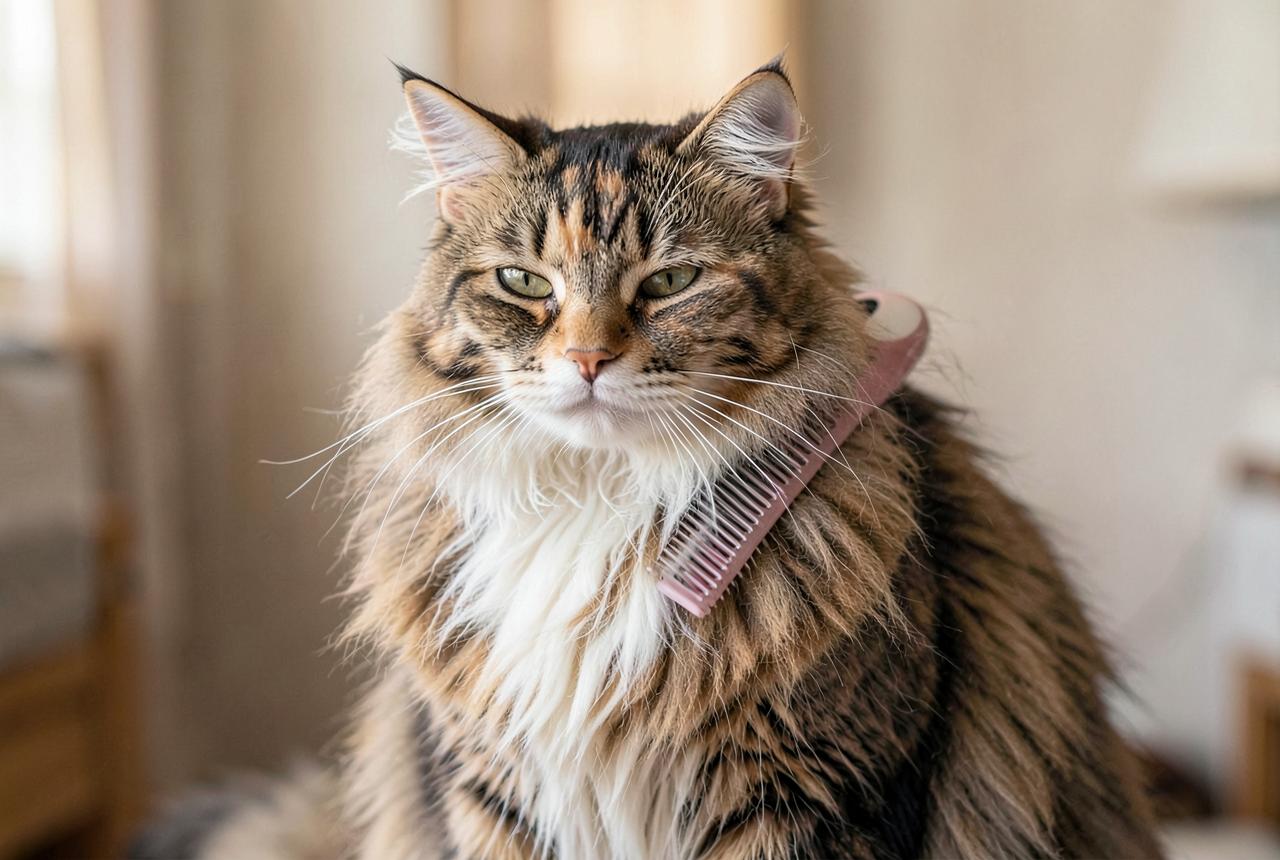
- Wide-tooth stainless steel comb, the single most useful tool for a semi-long coat
- Fine-tooth comb for the ruff and behind the ears
- Blunt-nosed scissors for mats, used flat against the skin
- Claw clippers sized for a large cat
- A tray at least 55–60 cm long, and a carrier rated well above the cat's weight
Kitten to adult
| Age | Male | Female | What is happening |
|---|---|---|---|
| 8 weeks | 0.9–1.2 kg | 0.8–1.1 kg | Still with the breeder; should be handled daily and litter-trained |
| 3 months | 1.6–2.2 kg | 1.4–1.9 kg | Growth is steady; four small meals a day |
| 6 months | 2.8–3.8 kg | 2.4–3.2 kg | Already substantial; neutering timing is usually discussed now |
| 12 months | 4.0–5.5 kg | 3.2–4.5 kg | Frame lengthens first; chest and ruff still developing |
| 2 years | 5.5–7.5 kg | 4.0–5.5 kg | Coat reaches adult density; males broaden through the head |
| 3–4 years | 6.5–9.0 kg | 4.5–6.5 kg | Final weight. Beyond this range is usually fat, not frame |
Ranges are typical, not targets. Judge condition by ribs and waist, and check with the ideal weight checker.
What to ask a breeder
- Can you show me heart screening for both parents, done by echocardiogram rather than a stethoscope check?
- Have the parents been genetically tested for hypertrophic cardiomyopathy where a test is available?
- Has either parent had any history of urinary stones or blockages?
- At what age do the kittens leave, and what have they already been socialised with, children, dogs, vacuum, carrier?
- What are the adult weights in this line, honestly? Anyone promising an unusually large cat is selling a story.
Health watch-list
What to ask a breeder about, and what to watch for over a lifetime. This is orientation, not veterinary advice, anything you notice belongs in front of a vet.
Hypertrophic cardiomyopathy (HCM)
NotableA concern in many large breeds. Ask for echocardiogram screening of breeding cats and be alert for fast breathing or sudden hind-leg weakness.
Obesity and joint strain
Very likelyA big frame hides weight gain well. Judge by ribs and waist rather than the scales, and measure food rather than filling a bowl.
Bladder stones
UncommonSome lines have a history of calcium oxalate stones. Ask the breeder directly and ensure fresh water is always available.
Dental disease
Common with agePlaque becomes gingivitis and then tooth loss. Home brushing plus a professional check-up as the cat ages is the whole strategy.
Polycystic kidney disease
UncommonPossible in lines with Persian ancestry. Genetic testing is available and should be straightforward to discuss.
Hairball obstruction
CommonA long, plush coat is swallowed during grooming. Regular combing and a small amount of lubricant or fibre reduce the risk.
What it costs to keep one
Realistic running cost
€100 / month
About €1,200 a year, or roughly €16,800 across a 14-year life, before purchase price, neutering and one-off vet events.
Before the cat arrives. Budget roughly €200–420 for trays, carrier, posts, bowls, bedding and grooming kit sized for this breed. Figures throughout are indicative and vary a good deal between countries.
Interactive · built for this breed
Is a Ragamuffin right for your home?
A large, floppy, people-oriented breed that wants to be handled and will follow you from room to room. Five questions on lap time, grooming and household calm.
Verdict
An excellent match
You have the calm, company and grooming routine this breed thrives on.
What to sort out first
- The right rhythm for the semi-long coat. Armpits and trousers are the trouble spots.
Keep the weight honest with the ideal weight tool, or compare the alternatives in the matchmaker.
The verdict, by household
Small flat, no outdoor access
Workable, with conditions
Space matters less than sturdy vertical furniture and a long tray. A bored Ragamuffin becomes a heavy Ragamuffin, so play twice daily.
Family with young children
One of the best choices there is
Tolerance for handling and noise is genuinely high. Still teach children to sit beside the cat rather than carry it, nobody carries 9 kg well.
First-time owner
Yes, if you commit to the comb
Temperament is forgiving; the coat is not. Owners who fall behind on grooming end up paying a groomer to clip out mats twice a year.
Multi-cat or dog household
Strong fit
Usually confident without being pushy. Introduce slowly anyway, and feed separately, a big cat quietly eats everyone else's dinner.
Allergy-conscious home
Think again
No cat is hypoallergenic, and a large semi-long-haired cat spreads more allergen around the room than a small short-haired one.
Away from home all day
Only in pairs
This is a sociable breed that follows people. Alone from morning until evening is a poor arrangement for it.
When to call your vet
- Breathing that is fast or effortful at rest, or open-mouthed breathing after mild activity
- Sudden weakness or dragging in the hind legs, which can signal a clot associated with heart disease
- Straining in the tray, or repeated visits with nothing produced, urgent in males
- Steady weight gain despite unchanged feeding, or loss of waist definition
- A drop in appetite lasting more than 24 hours, especially in a usually greedy cat
Nothing here is a diagnosis. Breathing difficulty, sudden hind-leg weakness and straining to urinate are emergencies, go the same day.
Ragamuffin vs the closest alternatives
| Breed | Weight | Energy | Grooming | € / month |
|---|---|---|---|---|
| Ragamuffin | 4.5–9 kg | 5/10 | 7/10 | €100 |
| Ragdoll | 4.5–9 kg | 4/10 | 7/10 | €90 |
| Selkirk Rex | 3.5–7 kg | 5/10 | 7/10 | €96 |
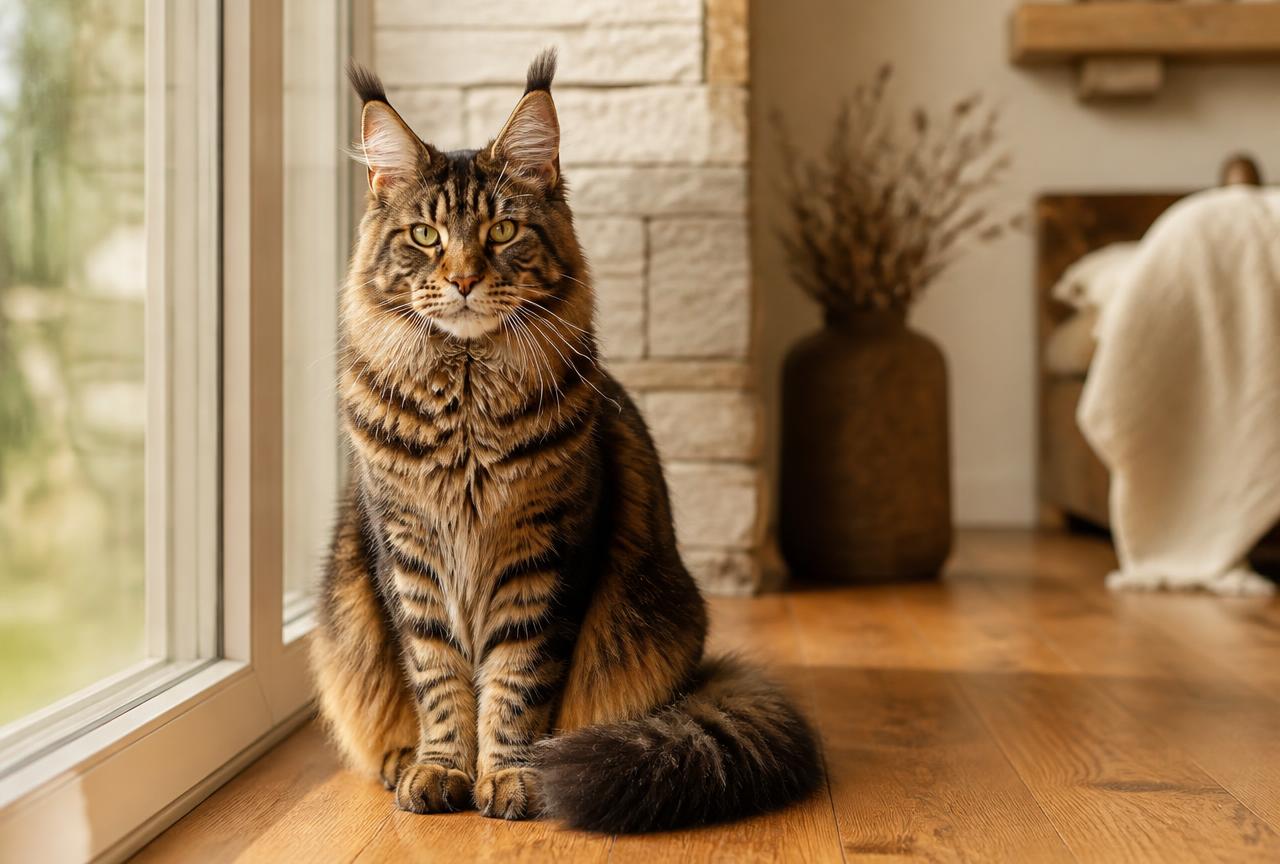
| Maine Coon | 4.5–8.5 kg | 7/10 | 8/10 | €118 |
Ragamuffin questions, answered
How big does a Ragamuffin get?
Males usually finish between 6.5 and 9 kg, females between 4.5 and 6.5 kg. The breed is broad and long rather than just heavy, and they keep maturing until three or four years old.
Do Ragamuffins really go limp when you pick them up?
Most do. It is a breed trait rather than a trick, and it reflects a generally relaxed attitude to handling. They are also genuinely heavy, so support the hindquarters.
How often does a Ragamuffin need grooming?
Two thorough combing sessions a week is the working minimum, three during seasonal coat changes. Concentrate on behind the ears, the ruff, the armpits and the britches.
Are Ragamuffins good with children and other pets?
Usually excellent. They are tolerant and low-aggression, but children should be taught to sit beside the cat rather than carry it. Introduce dogs and other cats gradually.
Are Ragamuffins hypoallergenic?
No. They shed a lot and spread dander. Allergy sufferers should spend extended time with adult cats before committing.
What health tests should a Ragamuffin breeder have done?
Echocardiogram screening for hypertrophic cardiomyopathy, and ideally genetic testing where available. Ask also about any history of bladder stones in the line.
Can a Ragamuffin live in a flat?
Yes, if you provide sturdy vertical furniture, a long litter tray and daily play. They are not climbers in the Bengal sense, but they need a perch wide enough for their full length.
Sources
- Hypertrophic cardiomyopathy in cats, International Cat Care
- Hypertrophic cardiomyopathy, Cornell Feline Health Center
- WSAVA global nutrition guidelines and body condition tools, WSAVA
- Nutritional guidelines for complete and complementary pet food, FEDIAF
- Grooming and coat care, International Cat Care