United States
Savannah
A serval cross bred for height, spots and stamina. Spectacular, restricted in some places, and the wrong cat for almost every ordinary household.
Dr Tomas Reyes, DVM
The tallest domestic cat, and the most demanding
The short version
- Generation matters more than anything else. F1 and F2 cats are restricted in many places and behave very differently from a house cat.
- Later generations, F5 onward, are legally and behaviourally domestic cats with an extraordinary look.
- Space and daily interaction are not optional. Under-stimulated Savannahs become destructive.
- Many are drawn to water and will get into a bath or a pond given the chance.
- Check local law before you do anything else, and buy only from a breeder open about generation and health testing.
- Weight
- 5–11 kg
- Lifespan
- 12–18 yrs
- Coat
- Short
- Size
- Large
- Grown male
- 7–11 kg
- Grown female
- 5–8 kg
- Years to full size
- about 3
- One-off setup
- €900–2200
Get one if…
- Experienced owners of active breeds
- Houses with height, space and a secure enclosure
- People who want to train and play daily
- Owners who have checked local law and breeder ethics
Think again if…
- Flats and small houses
- First-time cat owners
- Households out for long working days
- Homes with small pets, given the prey drive
- Anyone hoping for a calm lap cat
Trait profile
The highest energy score on the site, with moderate affection. This is a cat who bonds strongly but interacts on their own terms, and who becomes destructive when under-exercised.
Space & setup. Needs a house with height, running room and ideally a secure outdoor enclosure. A small flat is not workable.
Allergies. Not hypoallergenic. The short coat sheds and carries dander like any other cat.
The review
A tall, long-legged spotted breed developed from crosses between domestic cats and the African serval. Later generations behave as domestic cats; early ones are a different proposition entirely and are regulated in many places.
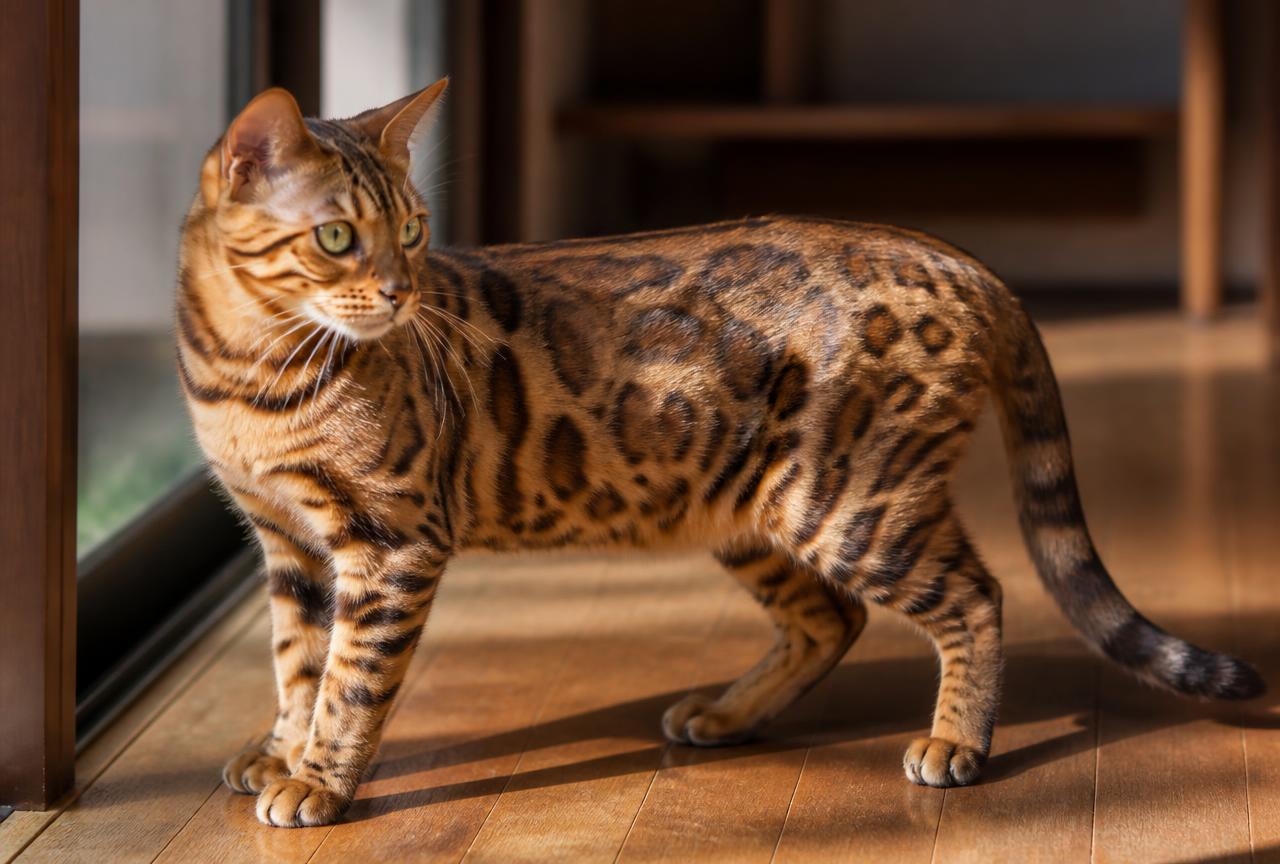
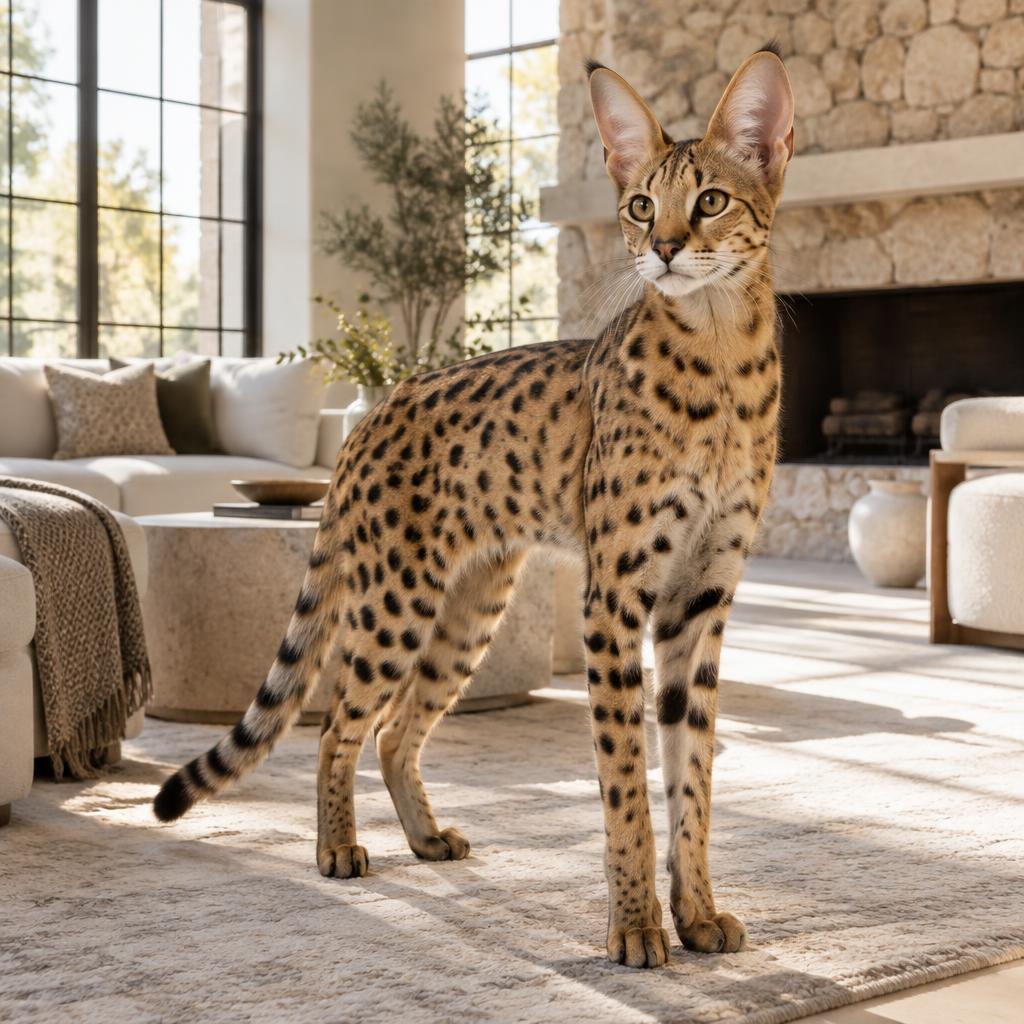
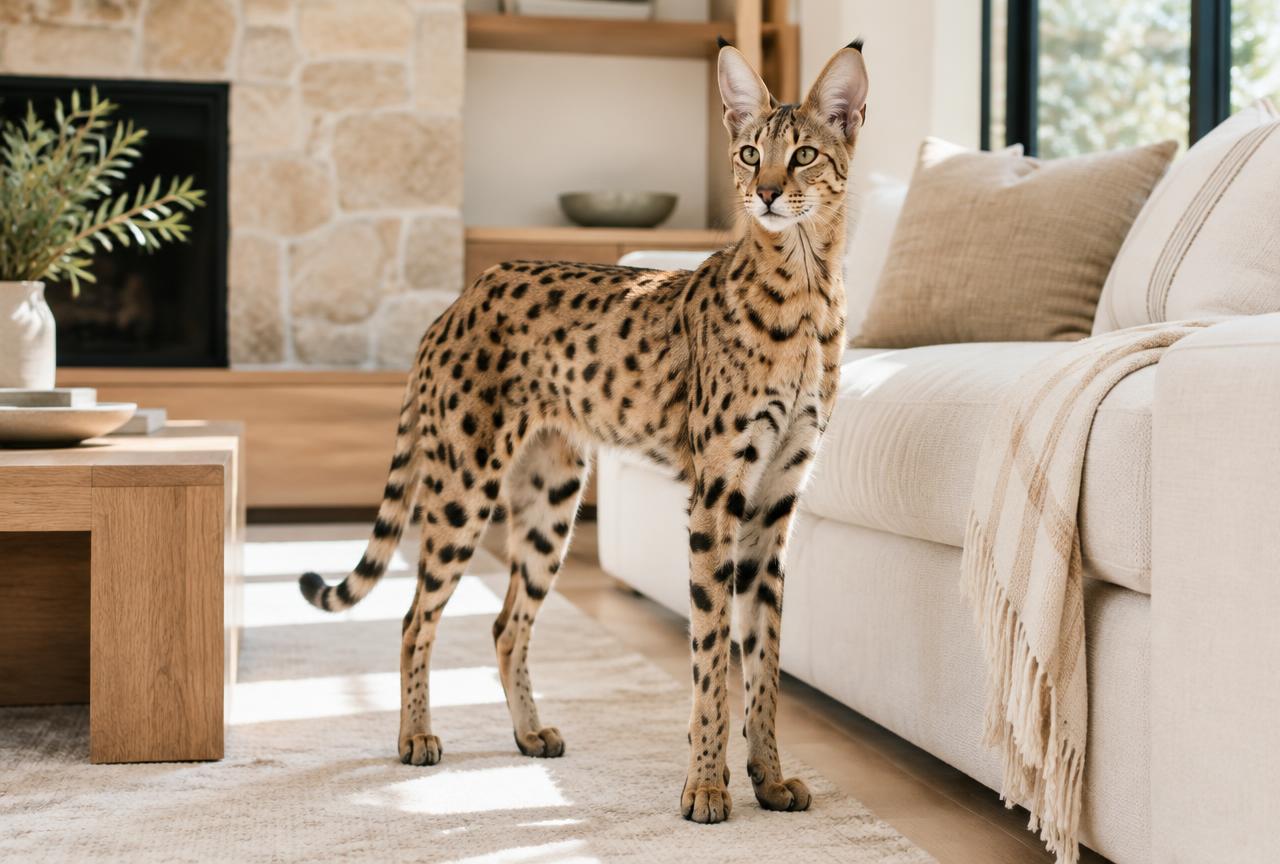
The Savannah is the most spectacular cat we cover and the one we recommend most cautiously. It began as a cross between a domestic cat and the African serval, and the result is a cat that stands taller than any other breed, with long legs, a small head, huge upright ears and bold dark spots on a warm background. Seeing one move across a room is genuinely startling. Living with one is a different question.
Everything starts with generation. Breeders count the distance from the wild ancestor: an F1 has a serval parent, an F2 a serval grandparent, and so on. F1 and F2 cats are large, powerful and often deeply unsuited to a family home. They may not use a litter tray reliably, they can be intensely wary of strangers, and their needs are closer to those of a wild species than a pet. Many countries and regions restrict or ban them outright, and require licensing, enclosure standards or both. By F4 and F5, the cat is legally and behaviourally a domestic cat: still athletic, still demanding, but a pet. Anybody considering this breed should establish the legal position where they live before they look at a single photograph, and should treat a breeder who is vague about generation as disqualified.
Assume, then, an F5 or later. What arrives is a cat with enormous physical capability and a mind that needs work. Savannahs jump extraordinarily high, open cupboards, learn to fetch, follow their people from room to room and take an interest in everything. Many enjoy water, from pawing a tap to climbing into a filling bath. They are often described as dog-like, and the comparison is fair in one respect: they want activity with you rather than beside you. An hour of interactive play, training and problem-solving across the day is a reasonable baseline. Left short of that, they do not sulk. They find their own entertainment, which usually means your shelves, your blinds and your worktops.
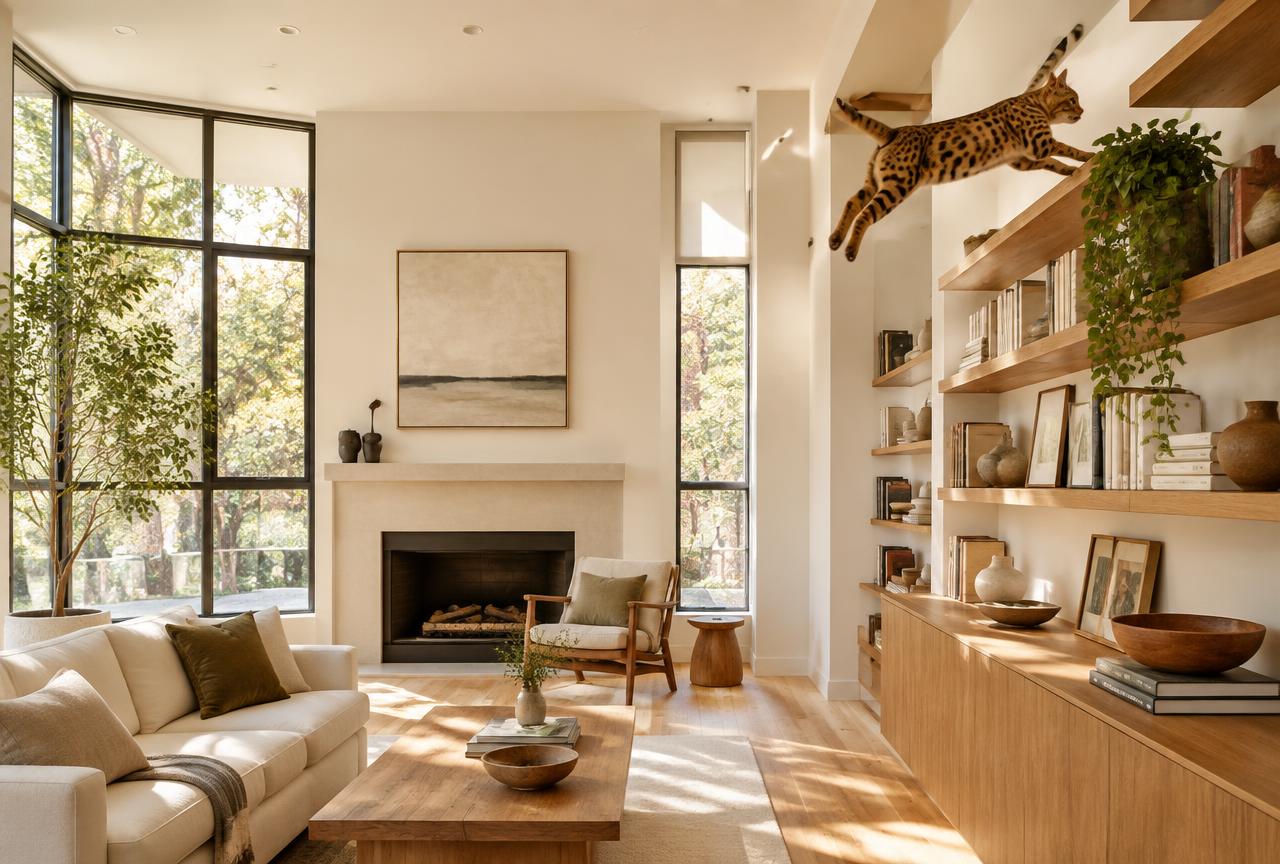
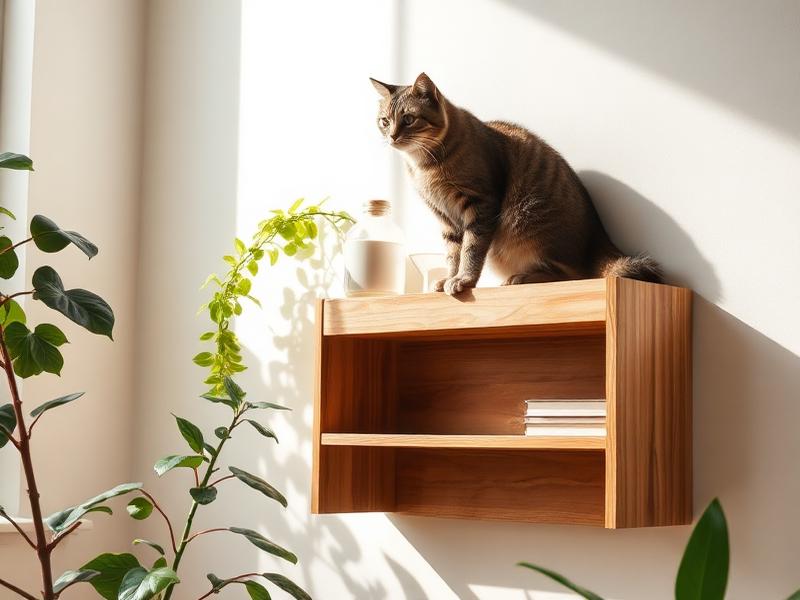
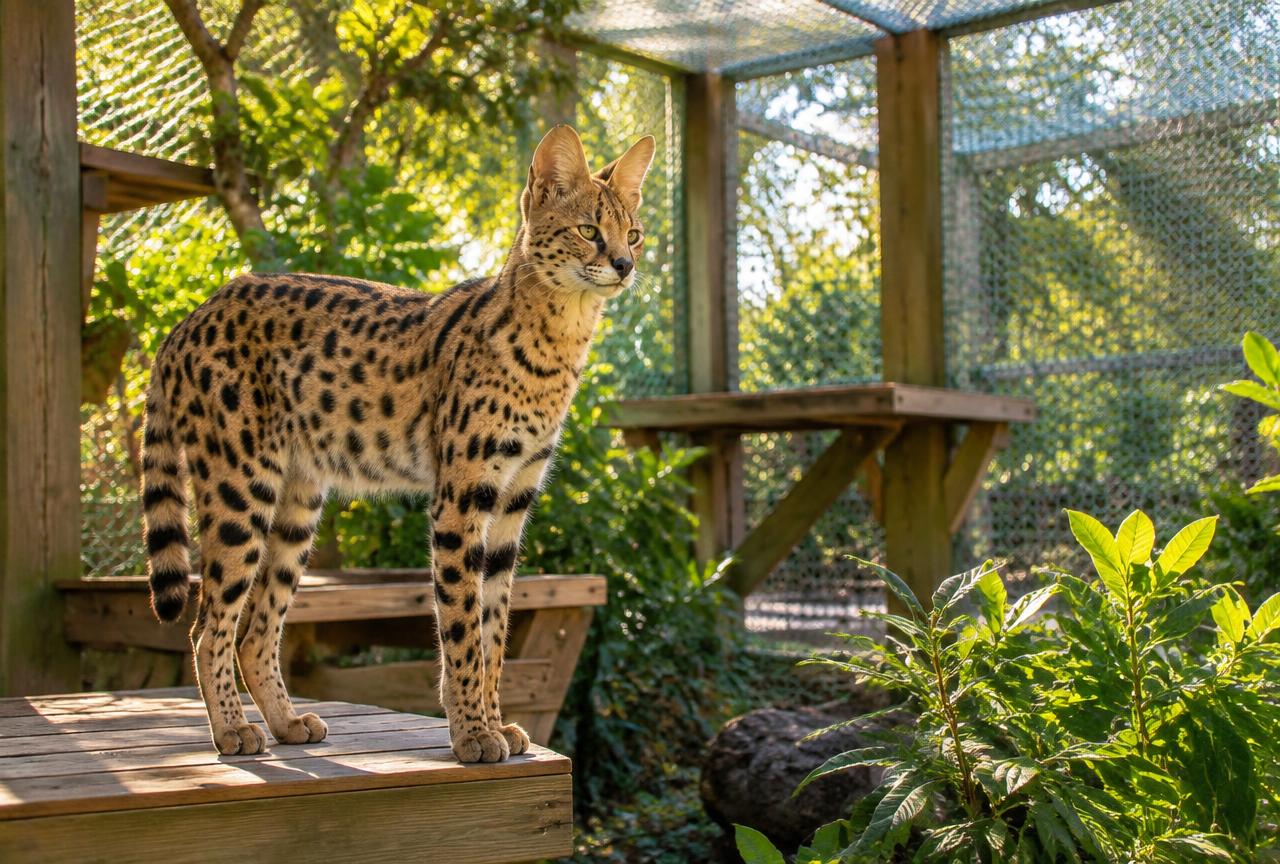
Space is the second requirement. A Savannah needs a running distance, not just a corner, and height they are allowed to use, since they will use height regardless. Wall-mounted shelving, tall sturdy trees, and ideally a secure outdoor enclosure make the difference between a cat who is satisfied and a cat who is frustrated. Ordinary garden fencing does not contain them, and free outdoor access carries real risk both to the cat and to local wildlife, given the prey drive.
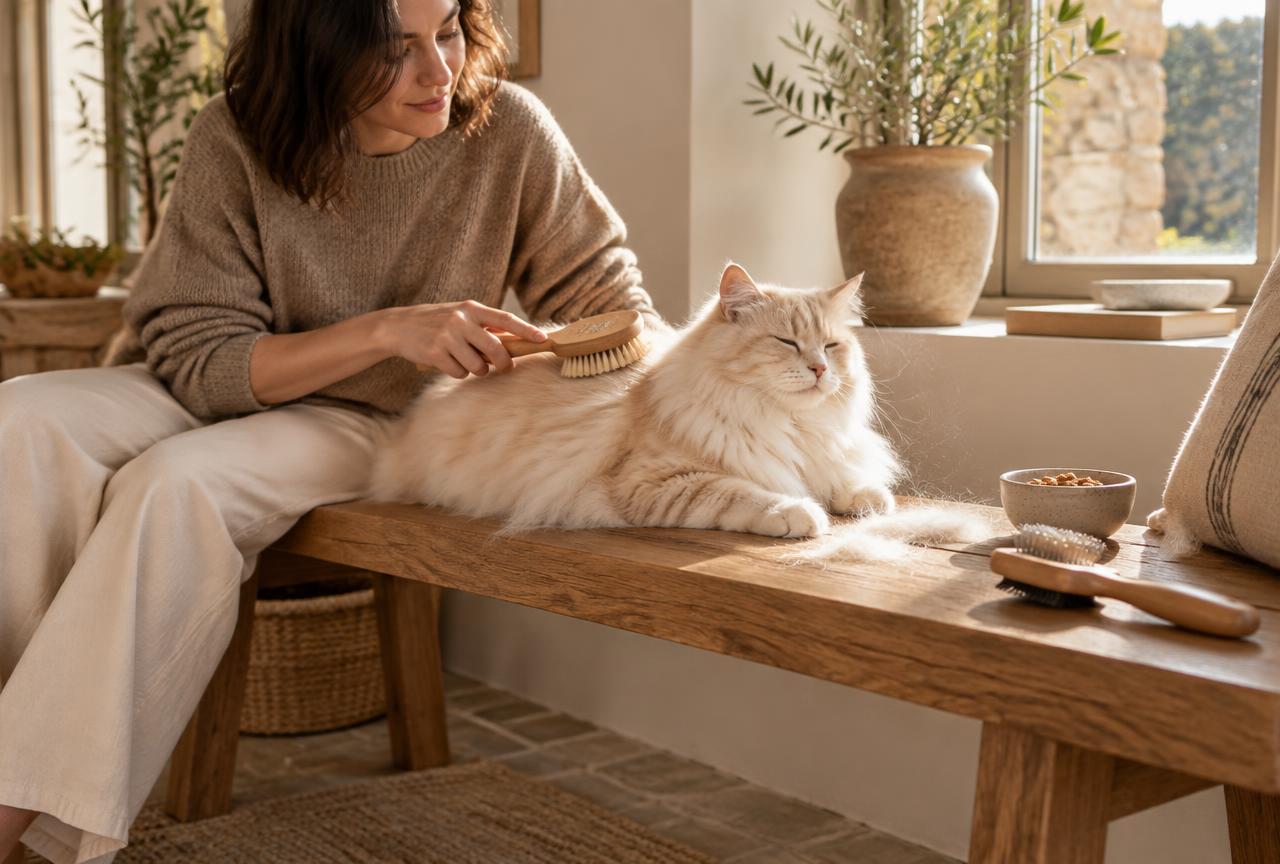
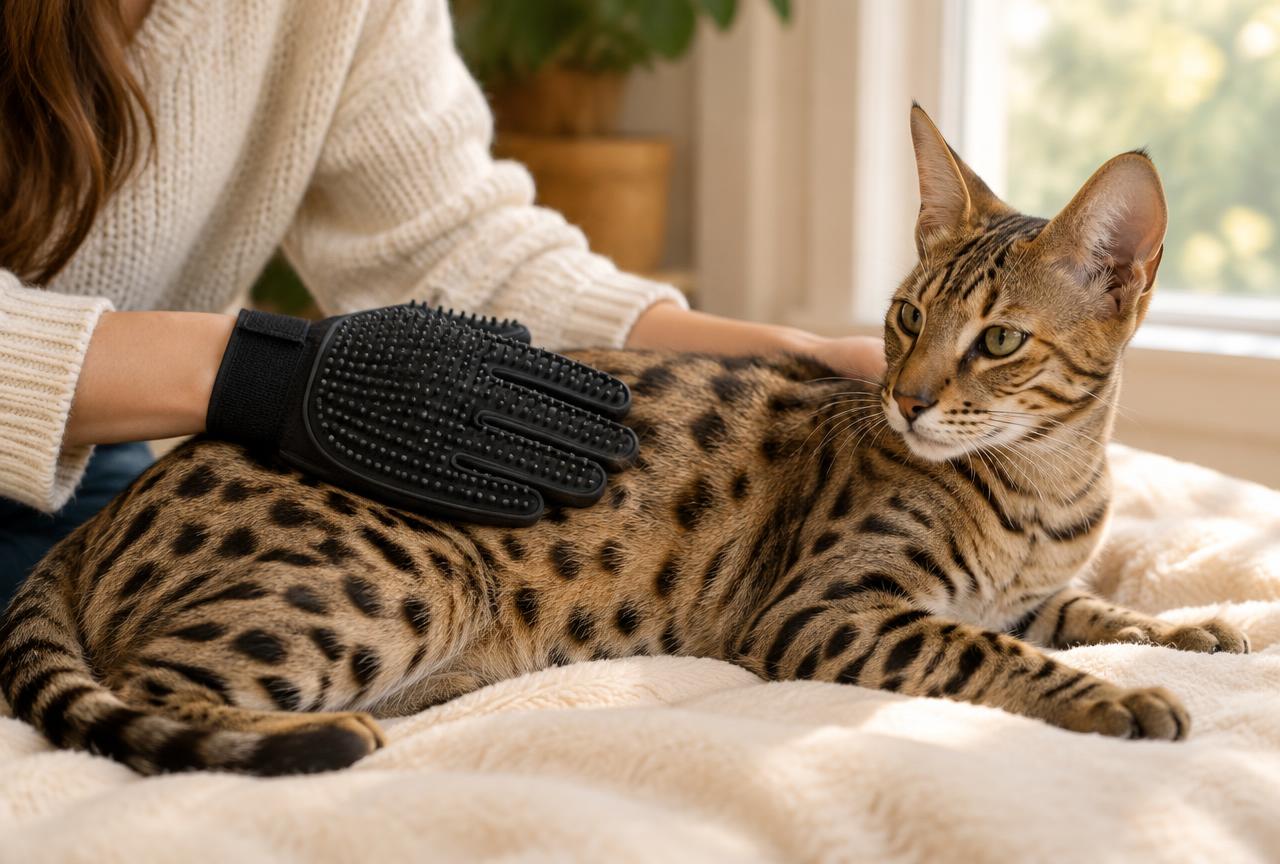
Care beyond exercise is simple. The short spotted coat needs a weekly wipe with a rubber mitt, nothing more. Appetite is large, and food costs run higher than for a typical cat simply because of size. Keep them lean, since a heavy Savannah loses the athleticism that makes the breed what it is. Claw trimming every few weeks is worth establishing early, because these are strong cats and a battle over a nail clipper is a battle you will lose.
Health is reasonably good in later generations, though there are points to check. Hypertrophic cardiomyopathy appears in the breed and should be screened by ultrasound. Pyruvate kinase deficiency has a genetic test, inherited from the Bengal lines in the background. Some early-generation cats have shown digestive sensitivity, and anaesthetic protocols can need adjusting, so a vet who knows the breed is worth finding before you need one urgently. Lifespan is long, often into the late teens, which makes this a very substantial commitment.
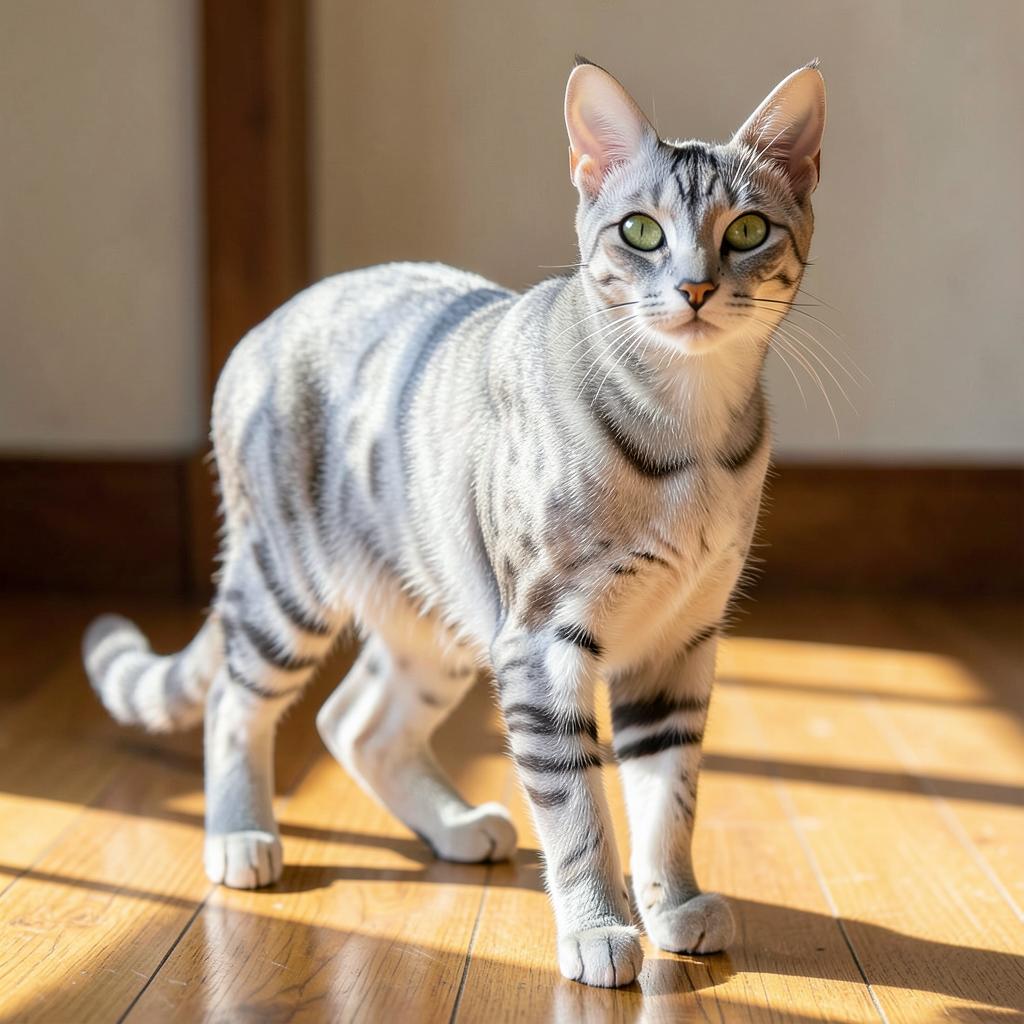
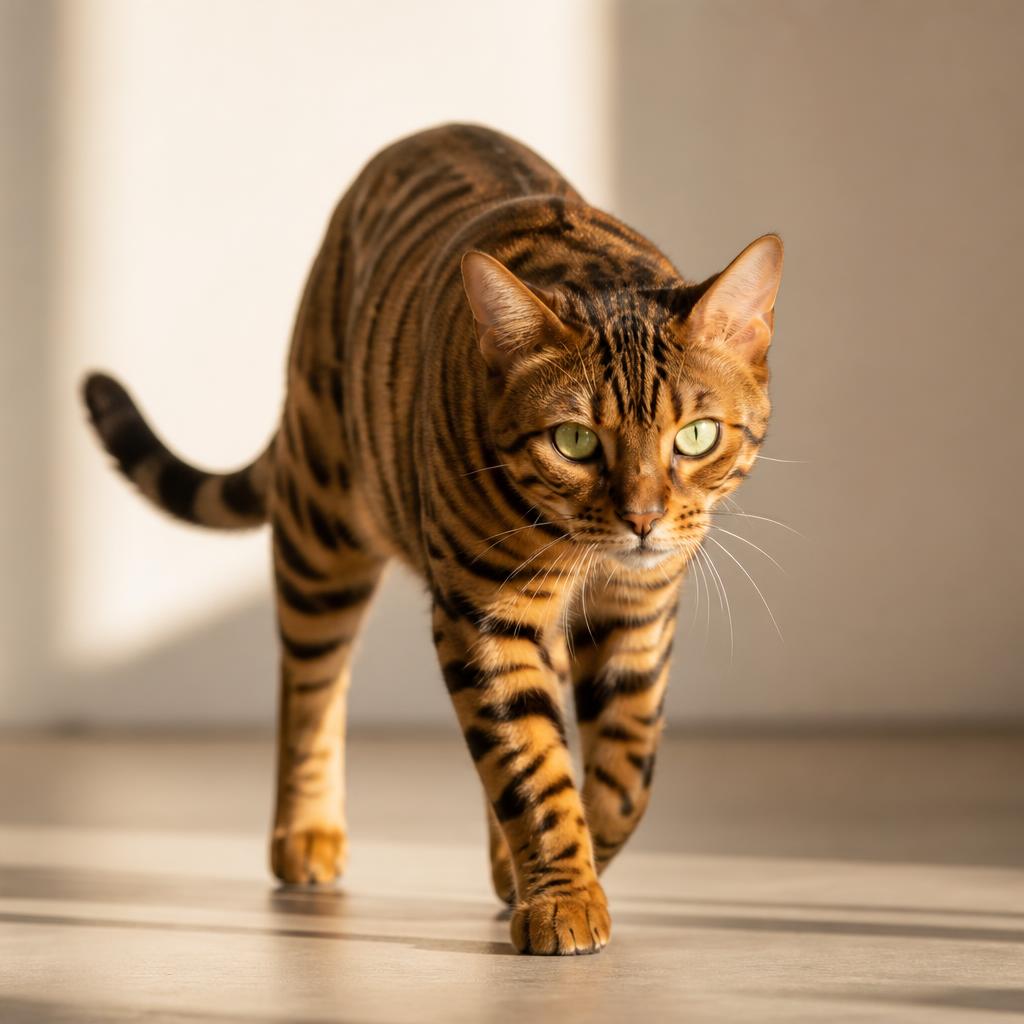
Our view is straightforward. For an experienced owner with a large house, secure outdoor space, time for daily structured play and a willingness to do the legal and ethical homework, a later-generation Savannah is a remarkable companion. For everyone else, the honest recommendation is a Bengal or an Egyptian Mau: similar drama in the coat, similar intelligence, and needs that a normal home can actually meet. The gap between what this breed requires and what most households can provide is the single biggest reason Savannahs end up rehomed.
Grooming, realistically
- 1Wipe the coat weekly with a rubber grooming mitt to lift loose hair and keep the spots sharp.
- 2Trim claws every two to three weeks, starting in kittenhood while they are easy to handle.
- 3Check ears fortnightly; large open ears collect dust readily.
- 4Brush teeth daily or use veterinary dental chews.
- 5Weigh monthly. A lean Savannah is a healthy Savannah, and the breed hides gain under muscle.
What you actually need
- Rubber grooming mitt
- Sturdy blunt-nosed claw clippers
- Cat-safe ear wipes
- Puzzle feeders and wand toys
- Tall wall shelving or a heavy-duty climbing frame
Kitten to adult
| Age | Male | Female | What is happening |
|---|---|---|---|
| 8 weeks | 1.2-1.7 kg | 1.0-1.5 kg | Legs already long. Confirm generation paperwork before deposit. |
| 3 months | 2.5-3.5 kg | 2.0-3.0 kg | Fast growth and relentless play. Establish claw handling now. |
| 6 months | 4.5-6.0 kg | 3.5-5.0 kg | Height nearly adult, body still narrow. |
| 12 months | 6.0-8.5 kg | 4.5-6.5 kg | Looks adult but will keep filling out. |
| 2 years | 7.0-10.0 kg | 5.0-7.5 kg | Muscle and chest depth arrive. |
| 3 years | 7.0-11.0 kg | 5.0-8.0 kg | Final size. Keep the waist visible from above. |
Ranges are typical, not targets. Judge condition by ribs and waist, and check with the ideal weight checker.
What to ask a breeder
- Which generation is this kitten, and can you document it?
- What are the legal requirements for this generation where I live?
- Have both parents been heart-screened by ultrasound?
- Have the lines been tested for pyruvate kinase deficiency?
- How are kittens socialised, and are they reliably using a litter tray?
Health watch-list
What to ask a breeder about, and what to watch for over a lifetime. This is orientation, not veterinary advice, anything you notice belongs in front of a vet.
Hypertrophic cardiomyopathy
UncommonScreened by ultrasound in responsible programmes. Ask for results for both parents.
Pyruvate kinase deficiency
UncommonInherited from Bengal lines in the background. A genetic test exists; insist on clear results.
Digestive sensitivity
More common in early generationsLoose stools and food intolerance are reported. Introduce diet changes slowly.
Anaesthetic sensitivity
ReportedSome vets adjust protocols for hybrid breeds. Find a vet familiar with them before you need one.
Behavioural problems from under-stimulation
CommonNot a disease, but the leading cause of rehoming. Space, play and training prevent it.
Obesity
PossibleMuscle hides weight gain. Check the waist from above monthly.
What it costs to keep one
Realistic running cost
€130 / month
About €1,560 a year, or roughly €23,400 across a 15-year life, before purchase price, neutering and one-off vet events.
Before the cat arrives. Budget roughly €900–2200 for trays, carrier, posts, bowls, bedding and grooming kit sized for this breed. Figures throughout are indicative and vary a good deal between countries.
Interactive · built for this breed
Is a Savannah right for your home?
This is the most demanding cat on the site. Four questions, answered honestly, will tell you whether to go ahead.
Verdict
A genuine match
Space, time and experience all line up. Buy only from a breeder who health tests and is open about generation.
Keep the weight honest with the ideal weight tool, or compare the alternatives in the matchmaker.
The verdict, by household
Flat dwellers
Not recommended
There is no way to give this cat enough running and climbing space in a flat.
Families with young children
Fair at best
Powerful, fast and rough in play. Better with older children who respect boundaries.
First-time owners
Not recommended
Start with a Bengal or Abyssinian. This breed punishes inexperience.
Multi-pet homes
Depends
Fine with confident cats and dogs. Unsafe around rabbits, birds and rodents.
Long working days
Poor
Boredom turns straight into destruction with this breed.
When to call your vet
- Laboured breathing, sudden lethargy or fainting, which can signal heart disease
- Pale gums or unexplained weakness, which can point to anaemia
- Persistent diarrhoea or weight loss despite a good appetite
- A sudden change from active to withdrawn behaviour
- Limping or reluctance to jump in a cat who normally leaps freely
Nothing here is a diagnosis. Breathing difficulty, sudden hind-leg weakness and straining to urinate are emergencies, go the same day.
Savannah vs the closest alternatives
| Breed | Weight | Energy | Grooming | € / month |
|---|---|---|---|---|
| Savannah | 5–11 kg | 10/10 | 3/10 | €130 |
| Bengal | 4.5–9 kg | 10/10 | 3/10 | €96 |
| Egyptian Mau | 3–5 kg | 9/10 | 3/10 | €80 |
| Toyger | 3–6.5 kg | 9/10 | 3/10 | €88 |
Savannah questions, answered
Are Savannah cats legal to own?
It depends entirely on where you live and on the generation. F1 and F2 cats are restricted, licensed or banned in many countries and regions, while later generations are usually treated as ordinary domestic cats. Check your local rules before contacting a breeder, and treat any breeder who is vague about generation as one to avoid.
What does F1, F2 or F5 mean?
It measures the distance from the African serval ancestor. An F1 has a serval parent, an F2 a serval grandparent, and so on. Behaviour, size and legal status all shift with each step. F5 and later cats are domestic in temperament and are the only generations we would suggest for a normal home.
How big do Savannahs actually get?
Later-generation males typically reach 7 to 11 kg and stand noticeably taller than other breeds, with females around 5 to 8 kg. Early generations can be larger still. The height comes from long legs rather than bulk, so they look bigger than the weight suggests.
Do Savannahs really like water?
Many do. Pawing at taps, standing in showers and climbing into baths are all common. Cover ponds and water butts, and never leave a filling bath unattended around a young cat.
Can a Savannah live in a flat?
We would say no. This is a cat that needs running distance, serious climbing height and ideally a secure outdoor enclosure. In a flat the energy goes into your furniture, and frustration in this breed is the usual route to rehoming.
How much does a Savannah cost to keep?
Running costs are high for a cat: budget around 125 to 135 EUR a month as an indicative range for food, litter and insurance, plus 900 to 2,200 EUR of setup for enclosure fittings, heavy-duty climbing structures and equipment. Purchase prices, especially for early generations, are far higher again.
Are Savannahs good with other pets?
Usually fine with confident cats and dogs, given proper introductions. They are not safe with rabbits, birds or rodents, because the prey drive is strong and the physical capability is considerable.