Thailand
Korat
A silver-blue Thai breed that chooses one or two people and stays close, quietly, for life.
Reviewed against International Cat Care and veterinary guidance
A quiet, silver-blue shadow with a single owner in mind
The short version
- Small to medium, 2.5–4.5 kg, with a short silver-tipped coat that needs only weekly grooming.
- Forms a strong bond and can be distressed by rehoming or long absences.
- Reserved with strangers and noise; a calm, predictable home is essential.
- Generally robust, but ask about genetic neuromuscular conditions and heart screening.
- Play daily with puzzle toys and wand toys to keep an intelligent mind busy.
- Weight
- 2.5–4.5 kg
- Lifespan
- 12–16 yrs
- Coat
- Short
- Size
- Medium
- Grown male
- 3.5–4.5 kg
- Grown female
- 2.5–3.5 kg
- Years to full size
- about 2
- One-off setup
- €150–300
Get one if…
- Quiet adults or calm older children
- People home much of the day
- Those wanting a close bond
- Owners who appreciate a reserved cat
Think again if…
- Busy, loud households
- Long daily absences
- Homes with constant strangers
- People wanting a very playful or outgoing cat
Trait profile
Read the bars as temperament, not activity. High affection shows as quiet devotion and proximity, not loud demands. Low vocality means communication is subtle. Low grooming reflects an easy coat, but the sensitivity score is high: this cat notices tension in the home.
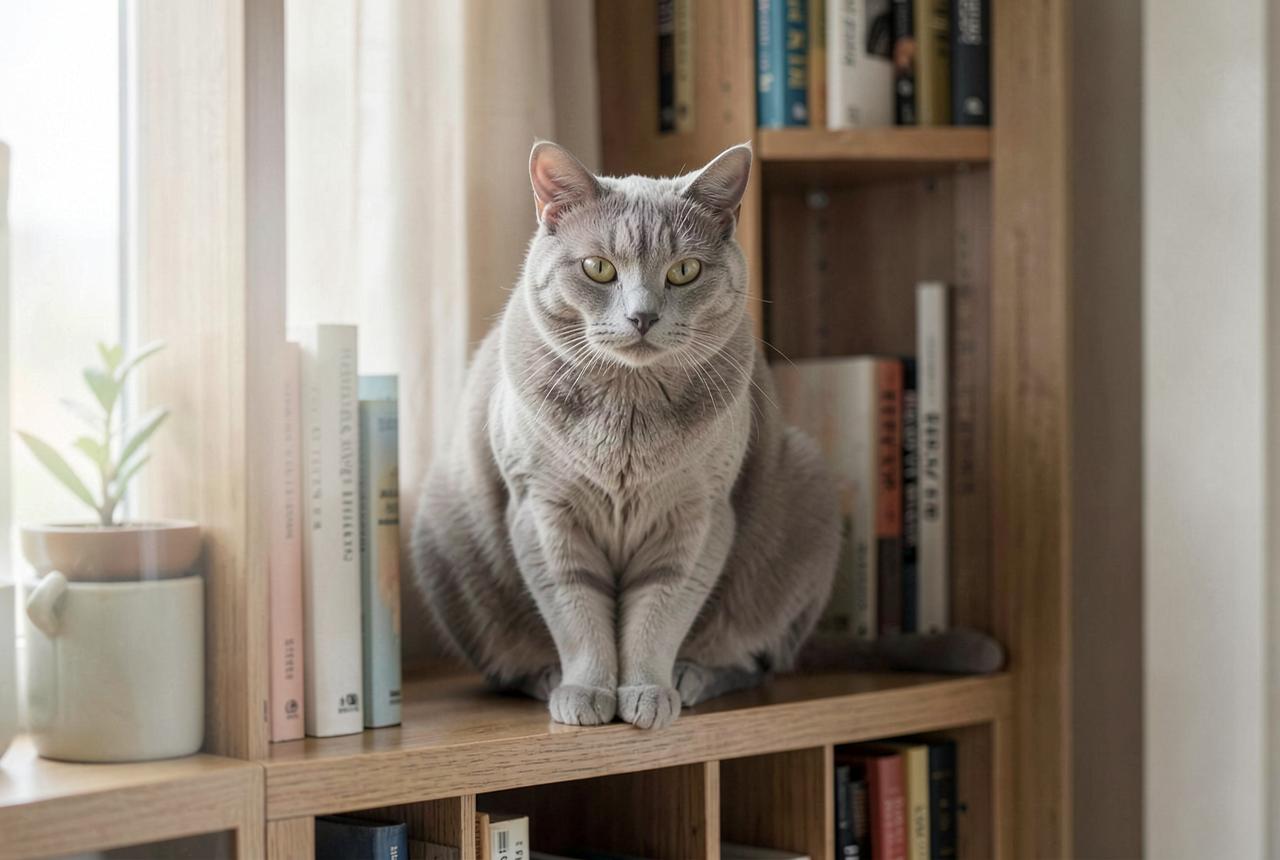
Space & setup. A medium-sized cat that likes height and hiding spots; vertical space helps them feel secure.
Allergies. Short coat sheds moderately; no cat is hypoallergenic, but regular wiping keeps dander manageable.
The review
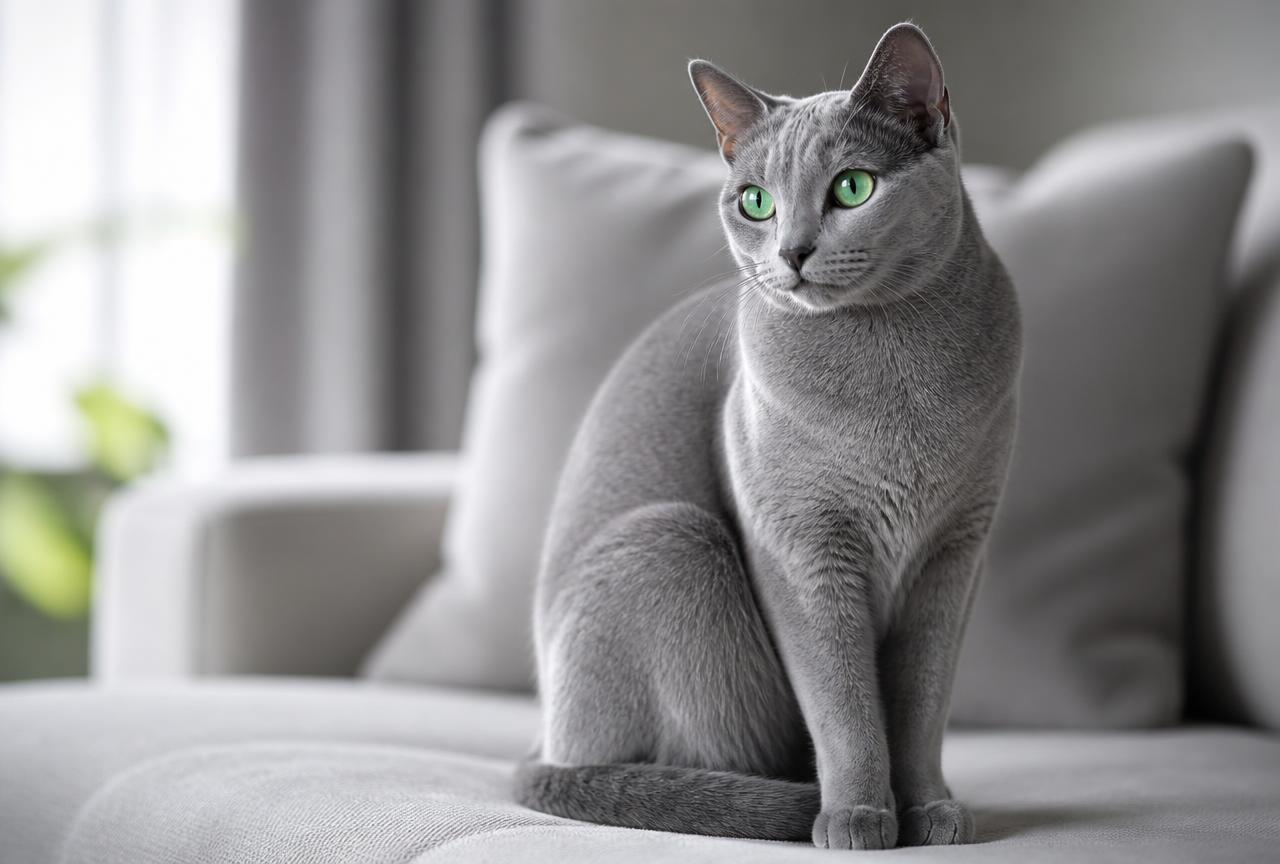
Korats are compact, muscular cats with a distinctive silver-tipped blue coat and large green eyes. They bond deeply with their chosen people, prefer calm households, and are reserved with strangers.
The Korat does not audition for attention. Where some breeds arrive in a home and perform, the Korat watches from a safe distance, chooses its person, and then settles in like a quiet shadow. That reserve is often mistaken for coldness, but it is better understood as discretion. Once the choice is made, the bond is intense: a Korat will follow its chosen person from room to room, sleep close, and greet them with a soft chirp that is easy to miss if you are not listening for it.
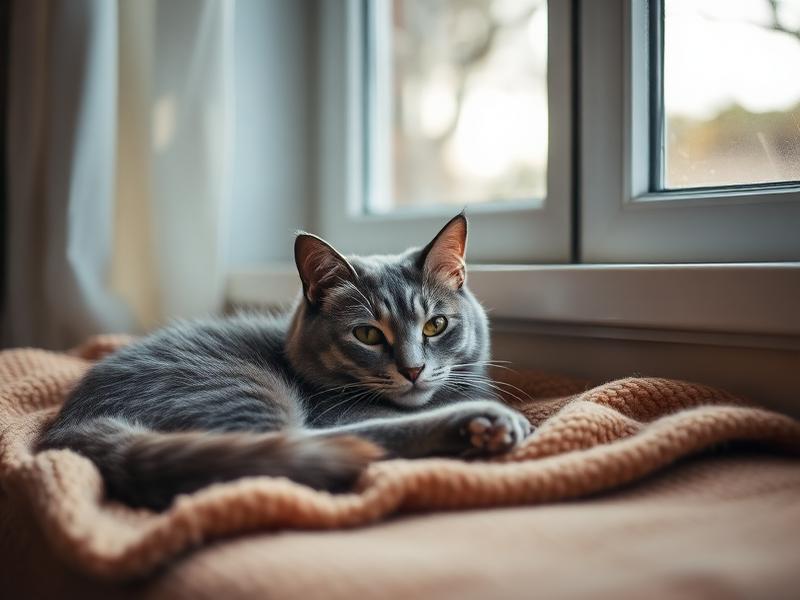
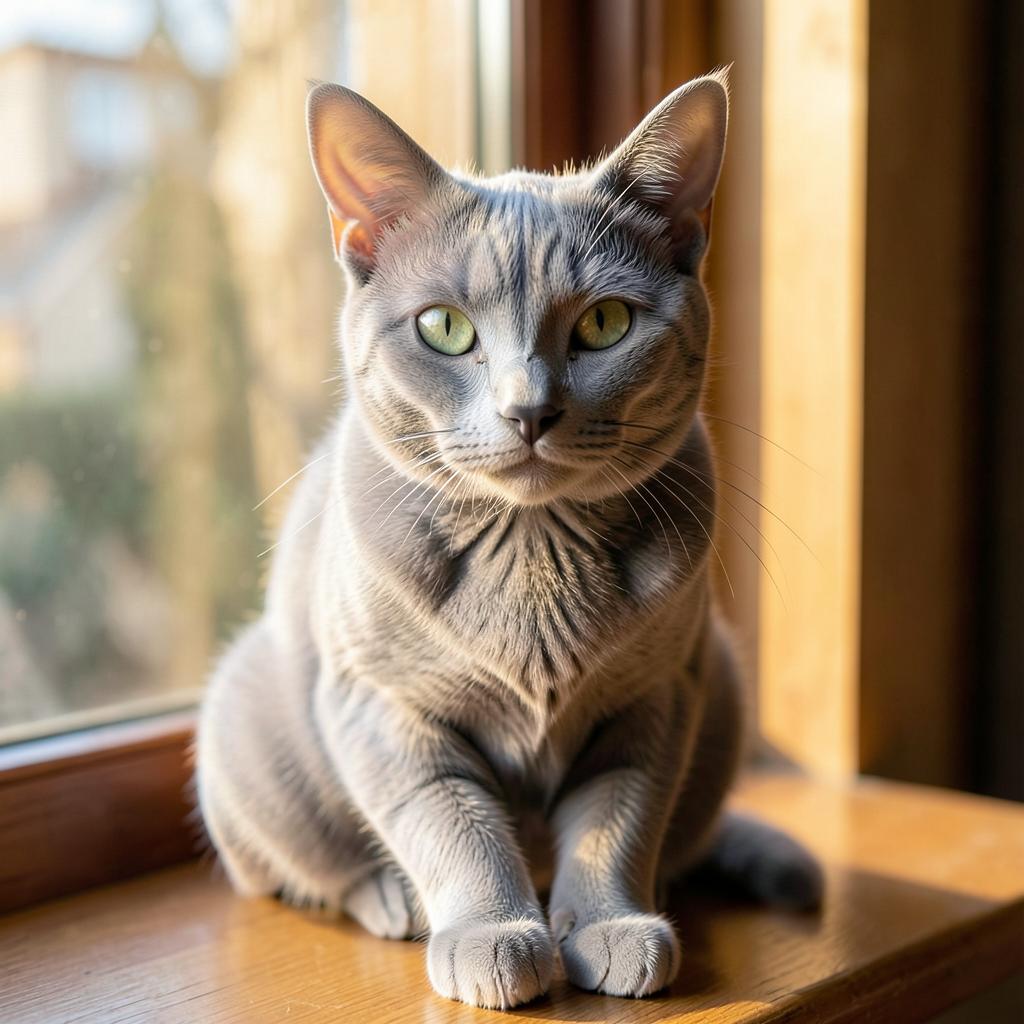
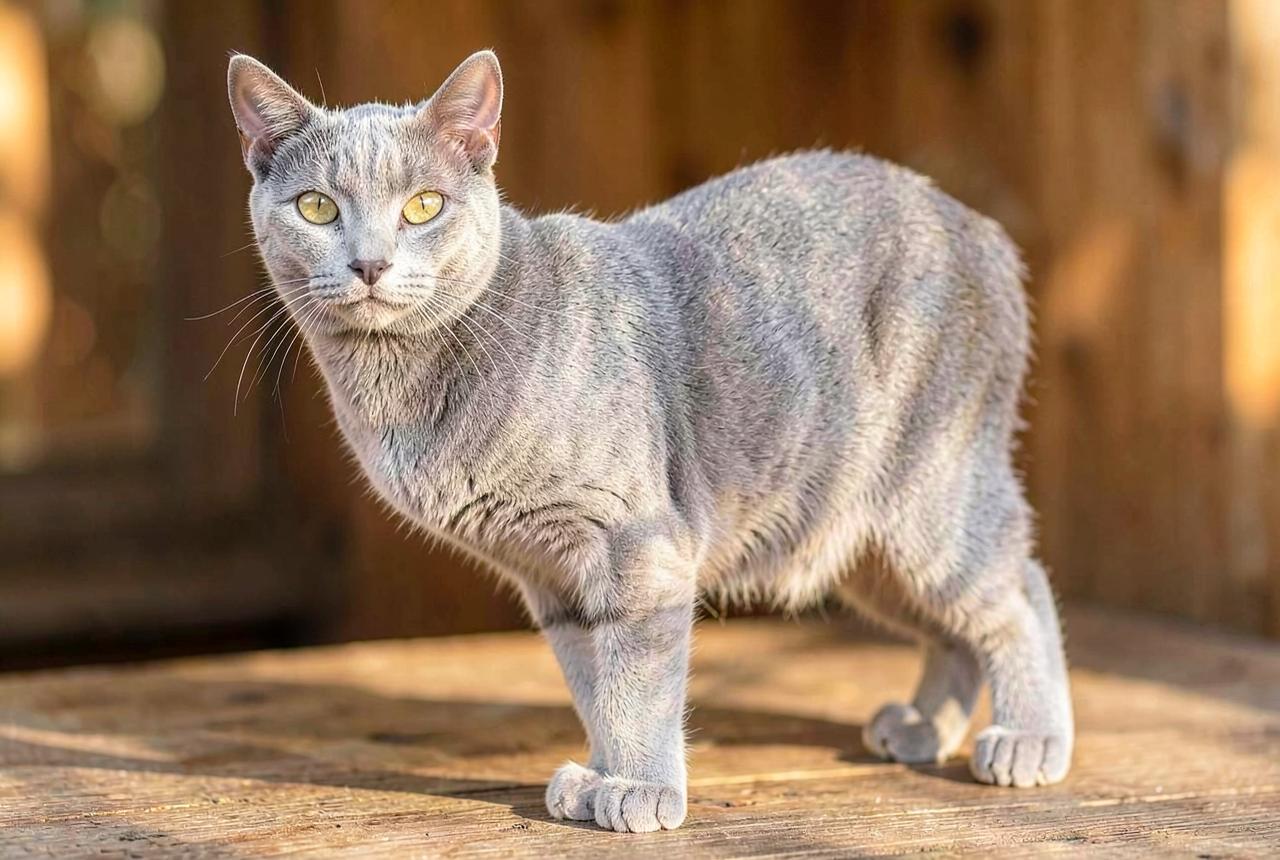
Physically, the breed is unmistakable. The coat is short, close-lying and silver-tipped, giving it a haloed blue sheen that looks different in every light. The head is heart-shaped, the ears are large, and the eyes shift from amber in kittens to green in adults. They are small to medium cats, with males usually between 3.5 and 4.5 kg and females between 2.5 and 3.5 kg. The compact size makes them undemanding of space, but it does not make them undemanding of stability.
The temperament is the real filter. Korats are sensitive to noise, change and emotional tension. A household that is calm and predictable will bring out a playful, affectionate side; a chaotic one will produce a cat that hides under the bed and only emerges at night. They are intelligent and enjoy puzzle toys, wand play and being taught simple routines, but they do not want to be the centre of a party. Strangers are tolerated after a careful introduction, not greeted at the door.
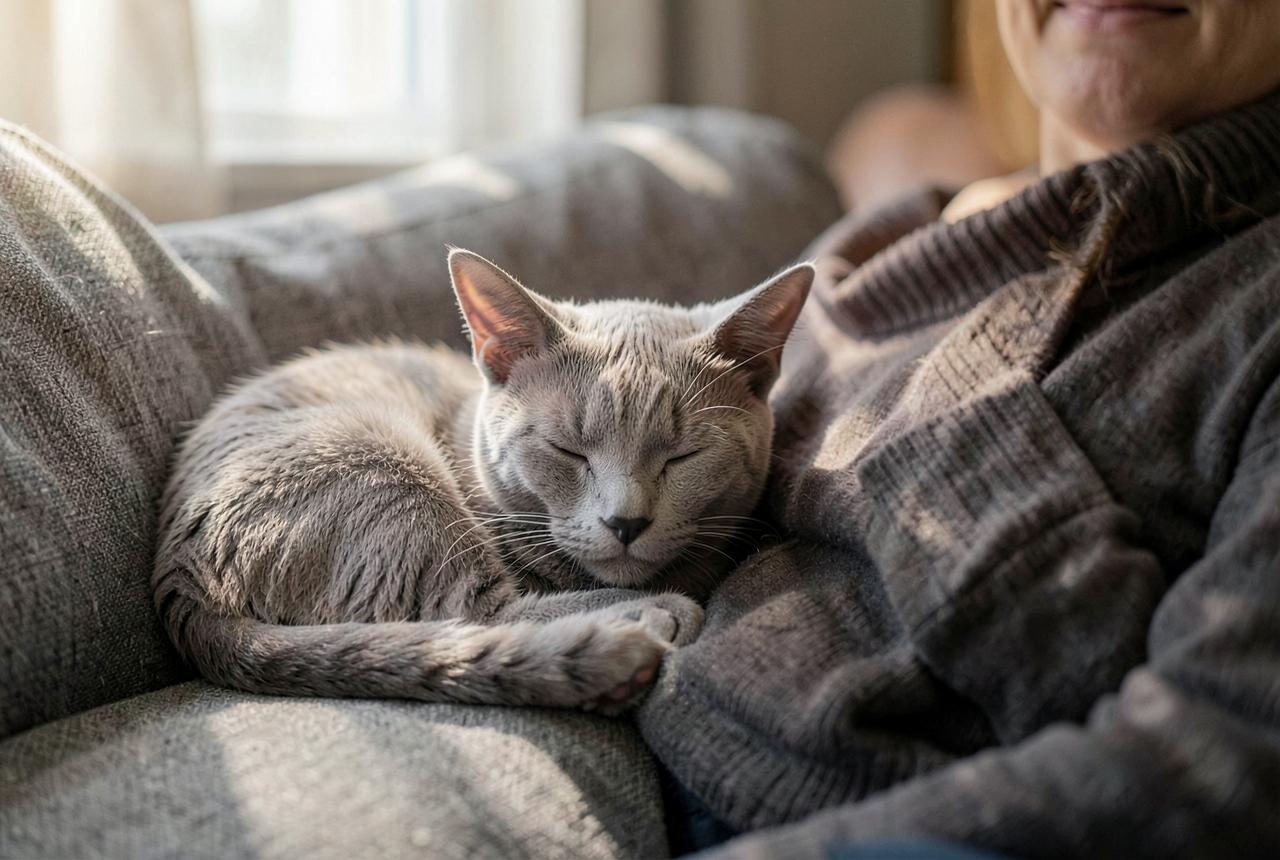
Care is straightforward. The short coat needs only a weekly brush or a soft wipe to remove loose hair and keep the silver tipping looking its best. They are not outdoor cats in the traditional sense; their trusting nature and small size make them poor defenders against traffic, dogs or theft. A secure flat with high perches, a predictable routine and one or two trusted people is close to ideal.
Health is generally good, but the breed has a few points to raise with a breeder. Genetic tests exist for some inherited neuromuscular conditions, and heart screening is worthwhile. Because they bond so strongly, rehoming an adult Korat can be genuinely stressful; this is a cat to commit to for life, not to trial.
A Korat is the right cat for someone who wants a quiet, devoted companion and can offer a calm, consistent home. It is not the right cat for a busy household, for long daily absences, or for anyone who wants a cat that performs for guests. Given peace and patience, it is one of the most loyal cats in the fancy.
The Korat is devotion in a small, quiet package. It is not a cat for a noisy household or a part-time owner.
Grooming, realistically
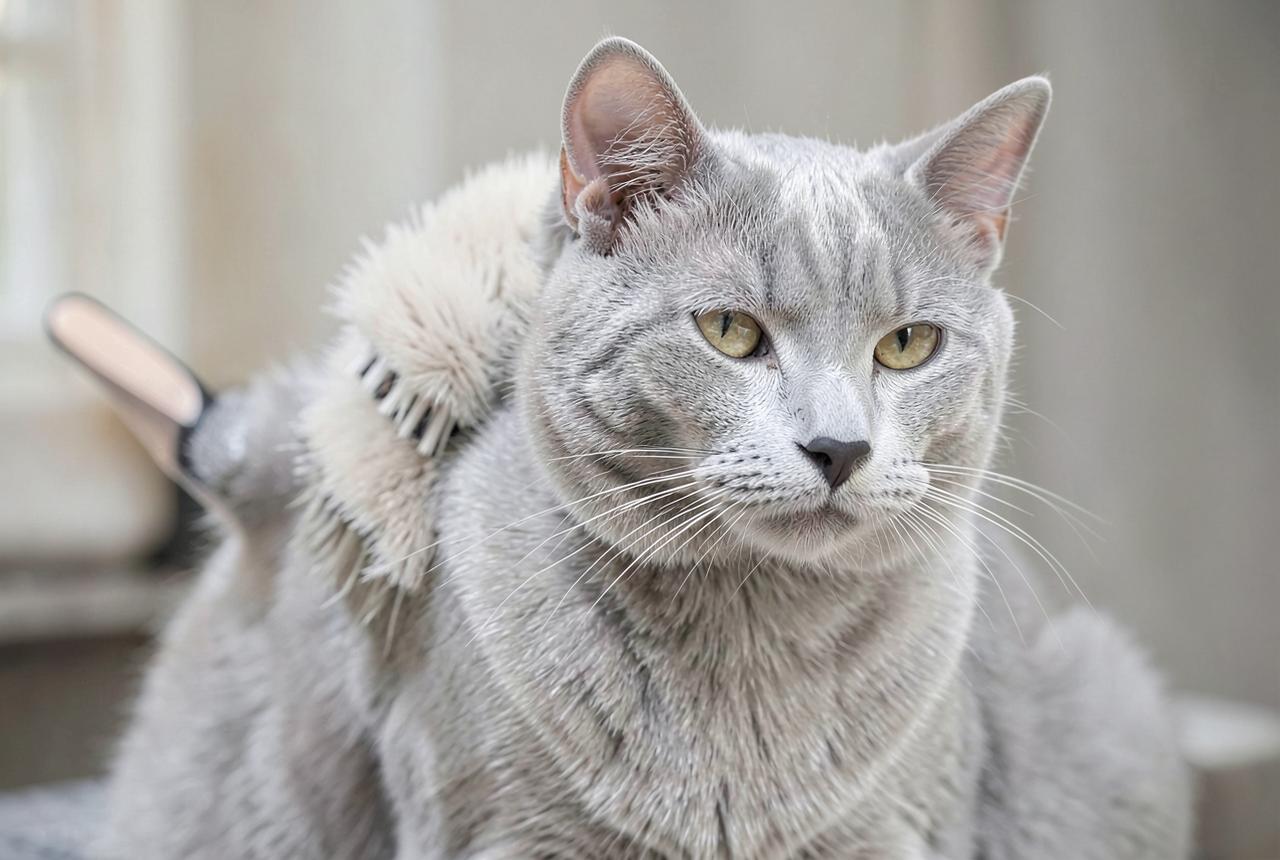
- 1Brush or wipe the coat once a week with a soft bristle brush or grooming mitt.
- 2Wipe the silver-tipped coat in the direction of growth to lift loose hairs without dulling the sheen.
- 3Check the large ears for wax while the cat is relaxed; clean only if necessary.
- 4Trim claws every three to four weeks, keeping sessions short and quiet.
- 5Use grooming time as bonding time; a Korat that trusts the routine will accept handling more readily.
- 6Bathe only if soiled; the short coat dries quickly and does not need regular washing.
What you actually need
- Soft bristle brush or rubber grooming mitt
- Fine-tooth comb for the face and neck
- Claw clippers
- Soft, damp cloth for wiping the coat
- A secure, covered bed or high perch for retreat
Kitten to adult
| Age | Male | Female | What is happening |
|---|---|---|---|
| 8 weeks | 0.7–1.0 kg | 0.6–0.9 kg | Still with the breeder; should be handled gently and litter-trained |
| 3 months | 1.3–1.8 kg | 1.1–1.5 kg | Active growth phase; feed three to four small meals |
| 6 months | 2.0–2.8 kg | 1.7–2.3 kg | Neutering usually discussed; keep weight lean |
| 12 months | 2.8–3.6 kg | 2.2–3.0 kg | Near adult weight; muscle continues to fill out |
| 18 months | 3.2–4.2 kg | 2.5–3.4 kg | Adult condition; eyes should be green by now |
| 2 years | 3.5–4.5 kg | 2.5–3.5 kg | Final adult weight; maintain lean body condition |
Ranges are typical, not targets. Judge condition by ribs and waist, and check with the ideal weight checker.
What to ask a breeder
- Have the parents been tested for inherited neuromuscular conditions such as gangliosidosis?
- Can you show heart screening results, ideally by echocardiogram?
- How are the kittens socialised with strangers, children and household noises?
- At what age do the kittens leave, and what transition advice do you provide?
- Do you offer lifelong rehoming support? Korats bond deeply and rehoming can be stressful.
Health watch-list
What to ask a breeder about, and what to watch for over a lifetime. This is orientation, not veterinary advice, anything you notice belongs in front of a vet.
Inherited neuromuscular disorders
UncommonGenetic tests are available for some conditions. Responsible breeders should be able to show clear test results for both parents.
Hypertrophic cardiomyopathy (HCM)
NotableHeart screening by echocardiogram is the meaningful evidence. Watch for breathing changes or sudden weakness.
Dental disease
Common with ageAs in all breeds, plaque control and annual dental checks protect long-term health.
Obesity
CommonA small frame shows weight quickly. Measure food and use body condition scoring rather than the number on the scale.
Stress-related illness
CommonSensitive cats can develop urinary or digestive issues after stress, rehoming or household upheaval. Stability matters.
Upper respiratory infection
UncommonMore relevant to crowded catteries than well-run homes. Ensure vaccinations are up to date.
What it costs to keep one
Realistic running cost
€68 / month
About €816 a year, or roughly €11,424 across a 14-year life, before purchase price, neutering and one-off vet events.
Before the cat arrives. Budget roughly €150–300 for trays, carrier, posts, bowls, bedding and grooming kit sized for this breed. Figures throughout are indicative and vary a good deal between countries.
Interactive · built for this breed
Is a Korat right for your home?
A quiet, silver-blue, people-devoted breed from Thailand. They bond tightly, dislike noise and strangers, and need a predictable home.
Verdict
An excellent match
A calm, devoted companion will fit your quiet, predictable home beautifully.
Keep the weight honest with the ideal weight tool, or compare the alternatives in the matchmaker.
The verdict, by household
Small flat, no outdoor access
Excellent fit
Compact size and low exercise demands suit a secure flat. Provide high perches and a predictable routine.
Family with young children
Workable, with conditions
Calm, respectful children are fine. Rough handling or noisy play will send a Korat into hiding.
First-time owner
Good fit
Easy coat and modest size help, but the emotional sensitivity requires an owner who reads a cat's signals.
Multi-cat or dog household
Workable, with conditions
Possible with a gentle companion and slow introductions. A boisterous dog or dominant cat is a poor match.
Allergy-conscious home
Think again
Short coat does not mean low allergen. Spend time with adult cats before deciding.
Away from home all day
Poor fit
This breed bonds tightly and does poorly with long daily absences. A second gentle cat may help.
When to call your vet
- Hiding more than usual, especially if accompanied by reduced eating or grooming
- Limping, stiffness or a reluctance to jump in a young cat
- Laboured breathing or open-mouthed breathing at rest
- Persistent vomiting, diarrhoea or weight loss
- A sudden change in temperament, such as unprovoked aggression or extreme withdrawal
Nothing here is a diagnosis. Breathing difficulty, sudden hind-leg weakness and straining to urinate are emergencies, go the same day.
Korat vs the closest alternatives
| Breed | Weight | Energy | Grooming | € / month |
|---|---|---|---|---|
| Korat | 2.5–4.5 kg | 6/10 | 2/10 | €68 |
| Singapura | 1.5–3.5 kg | 9/10 | 2/10 | €58 |
| Russian Blue | 3–7 kg | 5/10 | 3/10 | €73 |
| Bombay | 2.5–5.5 kg | 7/10 | 3/10 | €78 |
Korat questions, answered
How big is a Korat?
Small to medium. Males are usually 3.5–4.5 kg, females 2.5–3.5 kg. They are compact and muscular rather than delicate.
Do Korats like strangers?
They are typically reserved with strangers and need time to trust new people. Once they know you, they are affectionate and loyal.
How much grooming does a Korat need?
Very little: a weekly brush or wipe is usually enough. The short coat does not mat, but regular handling helps with bonding.
Are Korats good with children?
They can be good with calm, respectful children. Rough or noisy handling will send them into hiding.
Can a Korat be left alone all day?
Not happily. They bond deeply and do best in a home where someone is around, or with another gentle companion.
What health tests should a Korat breeder provide?
Genetic testing for inherited neuromuscular conditions where available, and ideally heart screening by echocardiogram.
Do Korats change eye colour?
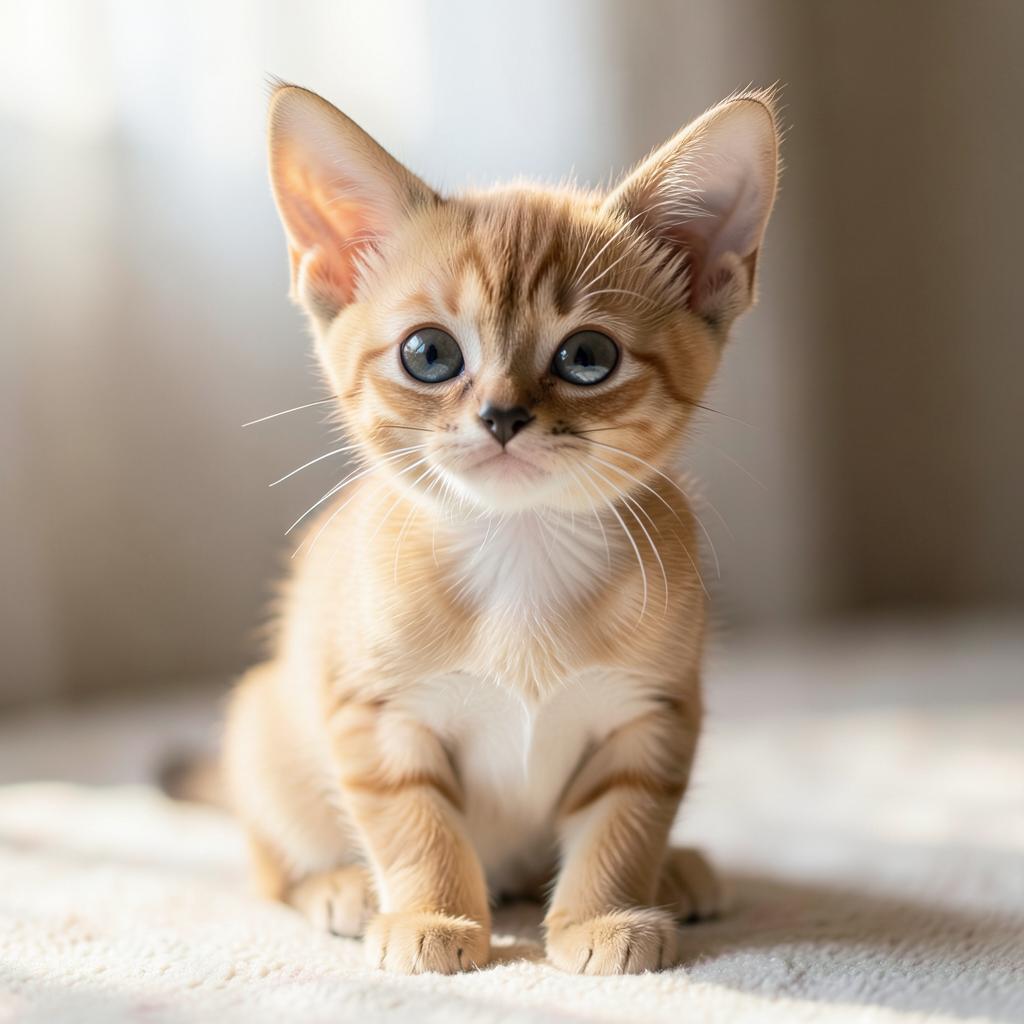
Yes. Kittens are born with blue-grey eyes that may show a yellow tinge before settling into the breed's characteristic green by adulthood.
Sources
- Keeping your cat happy, International Cat Care
- Feline health topics, Cornell Feline Health Center
- WSAVA global nutrition guidelines, WSAVA
- Grooming and coat care, International Cat Care