Japan
Japanese Bobtail
A lively, talkative, thoroughly healthy breed whose short tail, unlike the Manx, carries no known health cost.
ReMews. veterinary review board
The pom-pom tail and the endless conversation
The short version
- The bobtail gene is recessive and affects only the tail, no spinal health cost
- Every tail is uniquely shaped; typically 5 to 8 cm with a pom-pom of longer hair
- Highly vocal, but soft and musical rather than loud
- Exceptionally good with children, dogs and visitors
- Almost all calico (mi-ke) Bobtails are female
- Weight
- 2.5–4.5 kg
- Lifespan
- 13–17 yrs
- Coat
- Short
- Size
- Medium
- Grown male
- 3.5–4.5 kg
- Grown female
- 2.5–3.5 kg
- Years to full size
- about 1.5
- One-off setup
- €850–1600
Get one if…
- Busy family homes with children or dogs
- People who want a cat that talks back
- Households happy to keep two cats
- Owners who enjoy training and harness walks
Think again if…
- Anyone who wants a quiet cat
- Homes where the cat would be alone all day
- Owners with no interest in daily play
Trait profile
High energy and affection with very high vocality. Grooming needs stay low in both coat lengths.
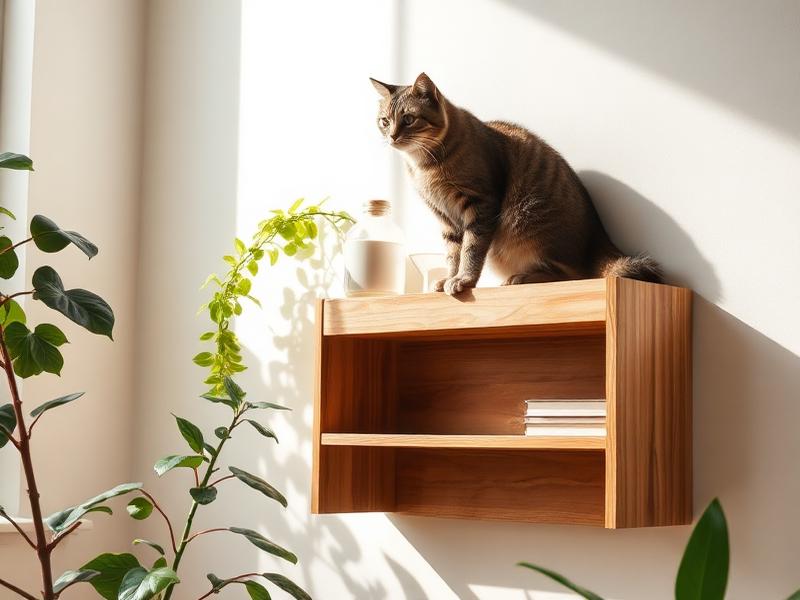
Space & setup. Fine in a flat given a tall tree and daily play. This breed uses vertical space enthusiastically and needs somewhere to burn energy.
Allergies. No cat is hypoallergenic. The Japanese Bobtail sheds modestly and the longhaired variety has little undercoat, but allergen production is unchanged.
The review
The Japanese Bobtail is an active, sociable cat with a distinctive short pom-pom tail, each one shaped differently. It is highly vocal in a soft, musical way, unusually good with children and dogs, and one of the more robust pedigree breeds.
The tail is the obvious place to start, and the reassuring thing about it is how different it is from the Manx. The Japanese Bobtail's tail is produced by a recessive gene that affects only the tail vertebrae, not the spine as a whole. Two bobtails bred together produce healthy bobtail kittens, and there is no equivalent of Manx syndrome lurking behind the appearance. It is one of the rare cases where a striking structural feature comes without an asterisk.
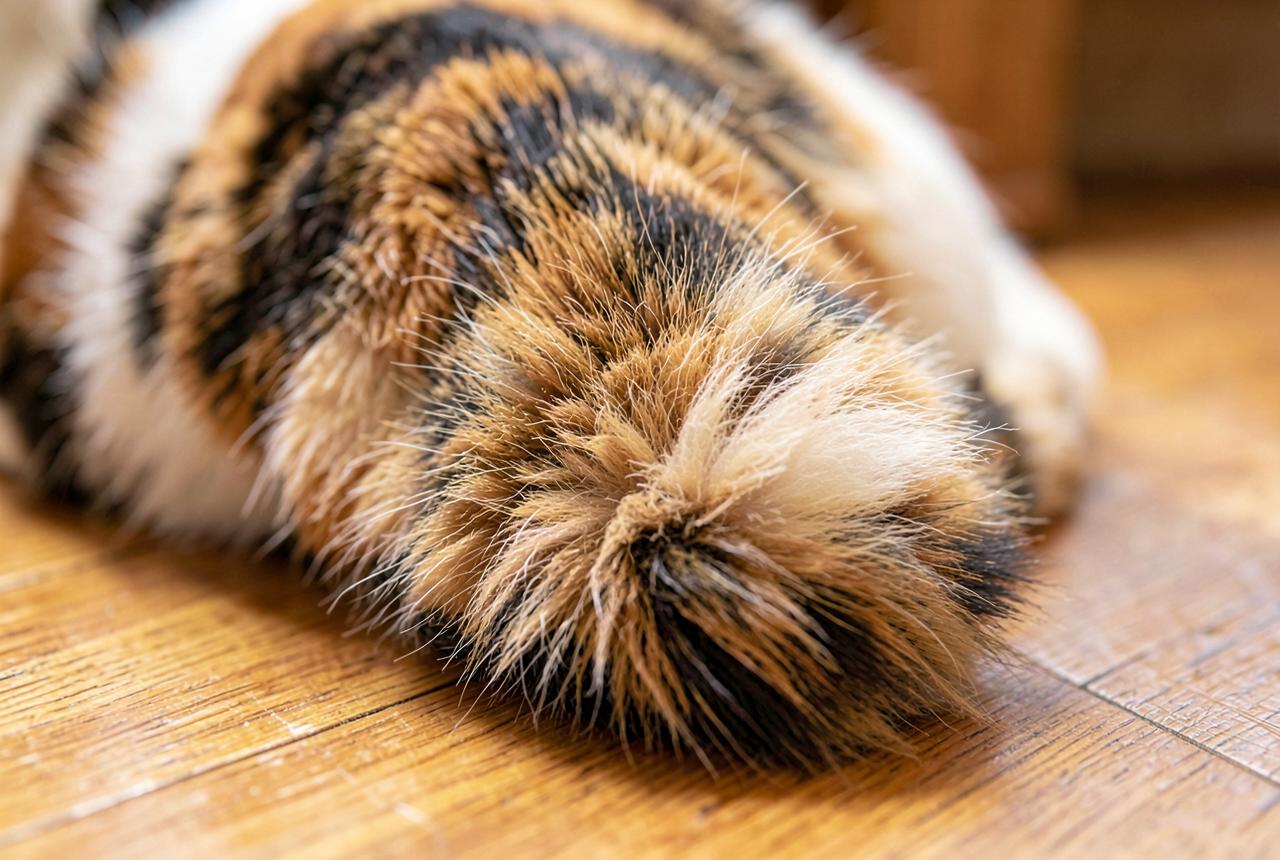
Each tail is unique. Typically it is 5 to 8 cm long, made of several kinked or curved vertebrae fused into a rigid shape and covered in longer hair that fans out into a pom-pom. Some curl tightly, some hook, some sit like a rabbit's scut. Breeders describe them as fingerprints, and no two litters produce the same set.
The rest of the cat is built for movement. Japanese Bobtails are lean and long-legged, with the hind legs slightly longer than the front and folded deeply when standing so the back stays level. They are lighter than they look, a large male rarely exceeds 4.5 kg, and they are exceptional jumpers. The famous maneki-neko beckoning cat is modelled on the breed, and the raised paw in that statue is a real gesture: bobtails sit up on their haunches and paw at things far more than most cats.
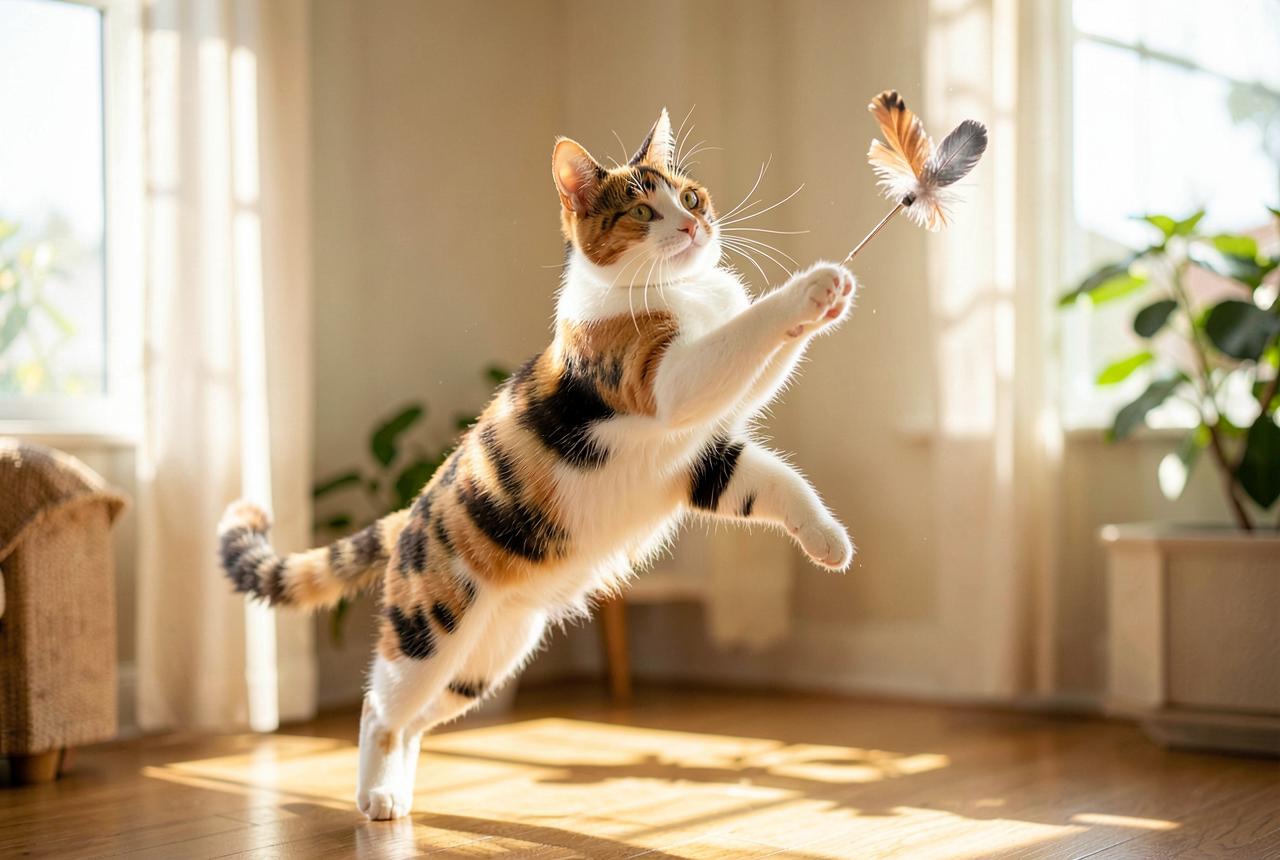
Temperament is the reason people keep coming back to the breed. These are cats that participate. They carry toys, they fetch, they follow you into the shower to comment on it, they help with the laundry by sitting in it. Where a Mau retreats from a visitor, a Bobtail investigates. That confidence makes them one of the best breeds for households with children, dogs, or a steady flow of guests.
They are also extremely vocal, but the voice is nothing like a Siamese. Japanese Bobtails produce a wide range of soft chirps, trills and quiet, almost melodic phrases, and they use them conversationally. Owners describe entire back-and-forth exchanges. It is charming rather than loud, and it is constant. If you want a silent cat, this is not the breed.
Energy is high but manageable, because the breed is intelligent enough to entertain itself if given raw material. Puzzle feeders, a rotating toy box, a tall tree and two short play sessions a day are enough. They learn tricks quickly and are among the easiest cats to train to a harness, which makes secure outdoor time a realistic option.
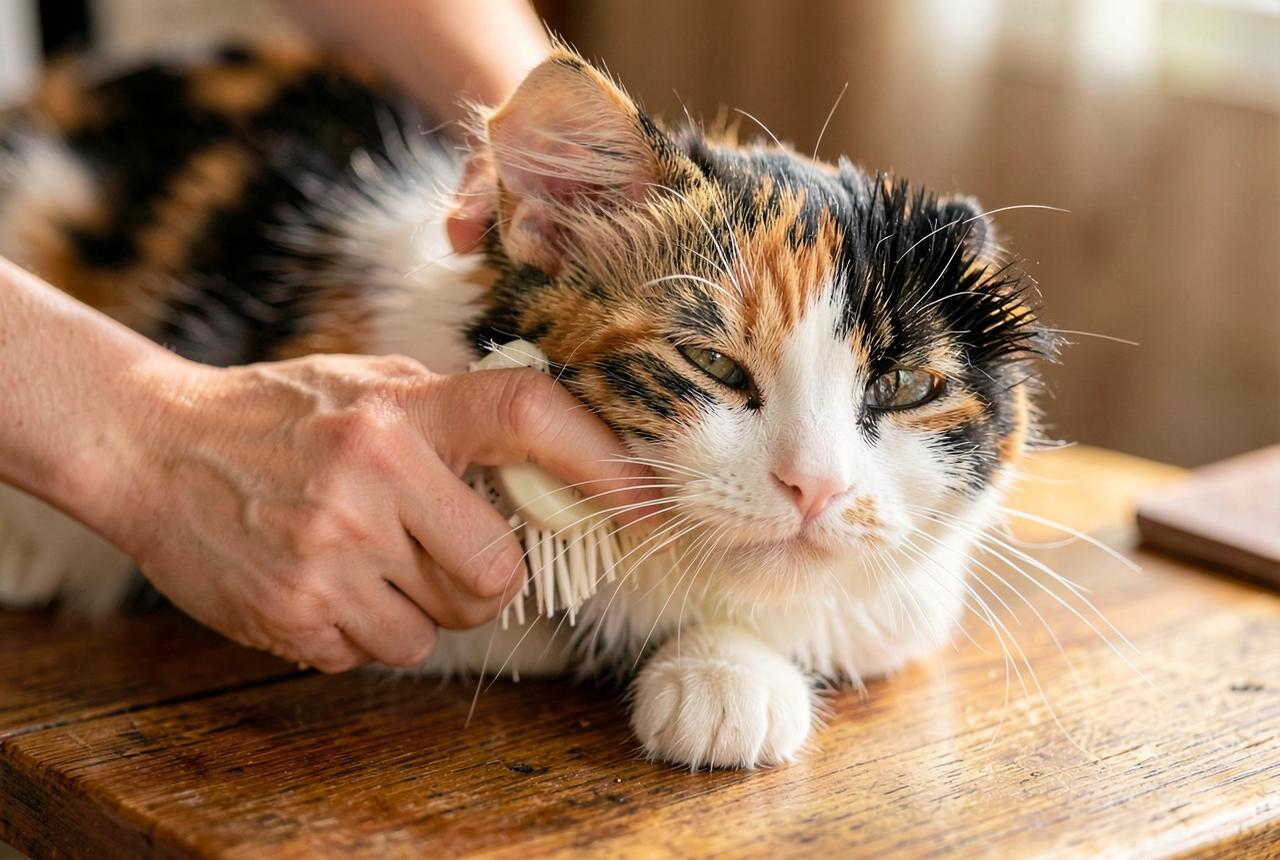
Both coat lengths exist. The shorthaired variety needs a comb once a week and sheds modestly. The longhaired variety has a silky, single-textured coat with little undercoat, which mats far less than you would expect and needs combing twice a week, concentrating on the ruff, the britches and the pom-pom itself. Neither variety is high-maintenance. The pom-pom does collect litter and debris in longhaired cats, so give it a quick check when you comb.
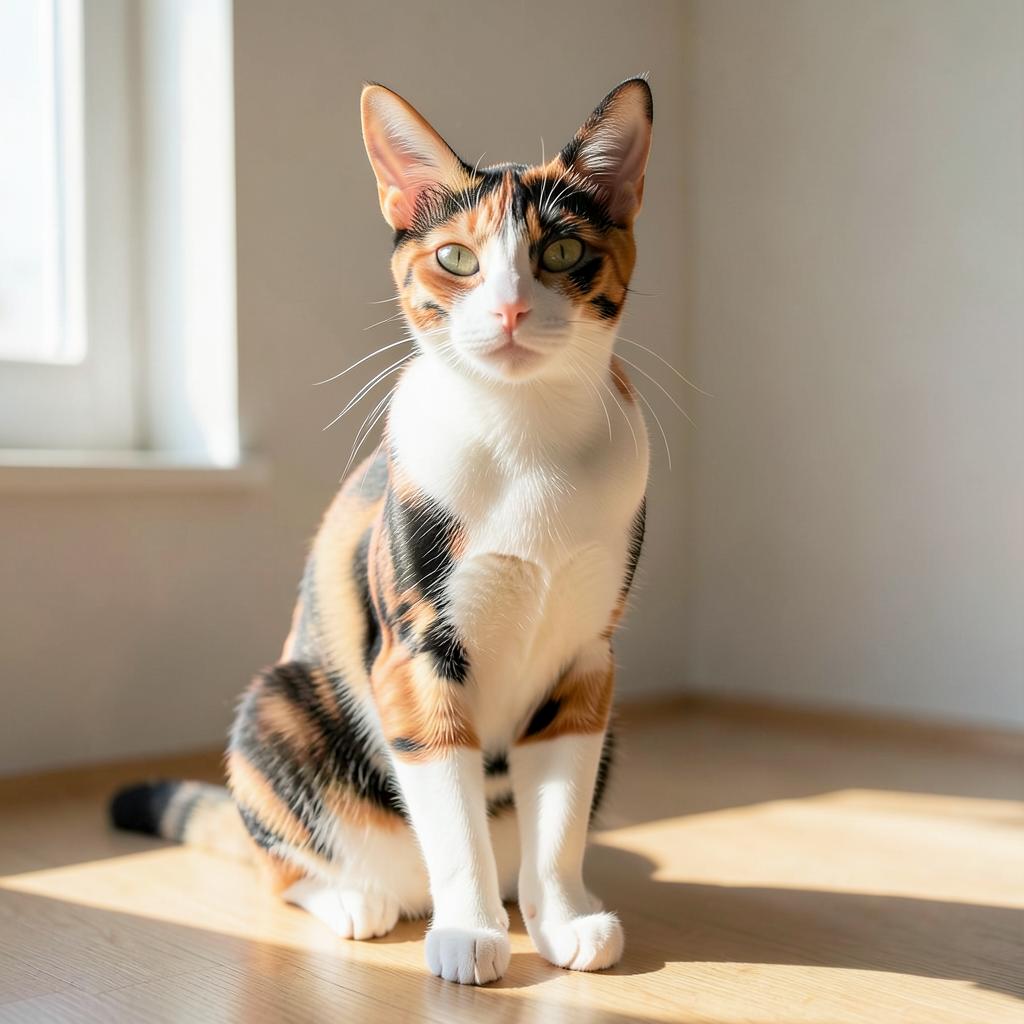
Many Bobtails are the calico or bi-colour pattern known in Japan as mi-ke, and because calico depends on two X chromosomes, almost all of them are female. A male calico Bobtail is a genetic rarity and is typically sterile, a fact that surprises people who set their heart on one.
Health is the breed's quiet advantage. It developed as a natural population over centuries rather than from a narrow founding line, and the result is a broad gene pool and no widespread inherited disease. Responsible breeders still scan for heart disease and test for the usual inherited conditions, and the sensible questions are about parents' cardiac scans and general longevity in the line rather than about the tail. Some white-coated, blue-eyed individuals can be deaf, as in any breed with those markings, so ask.
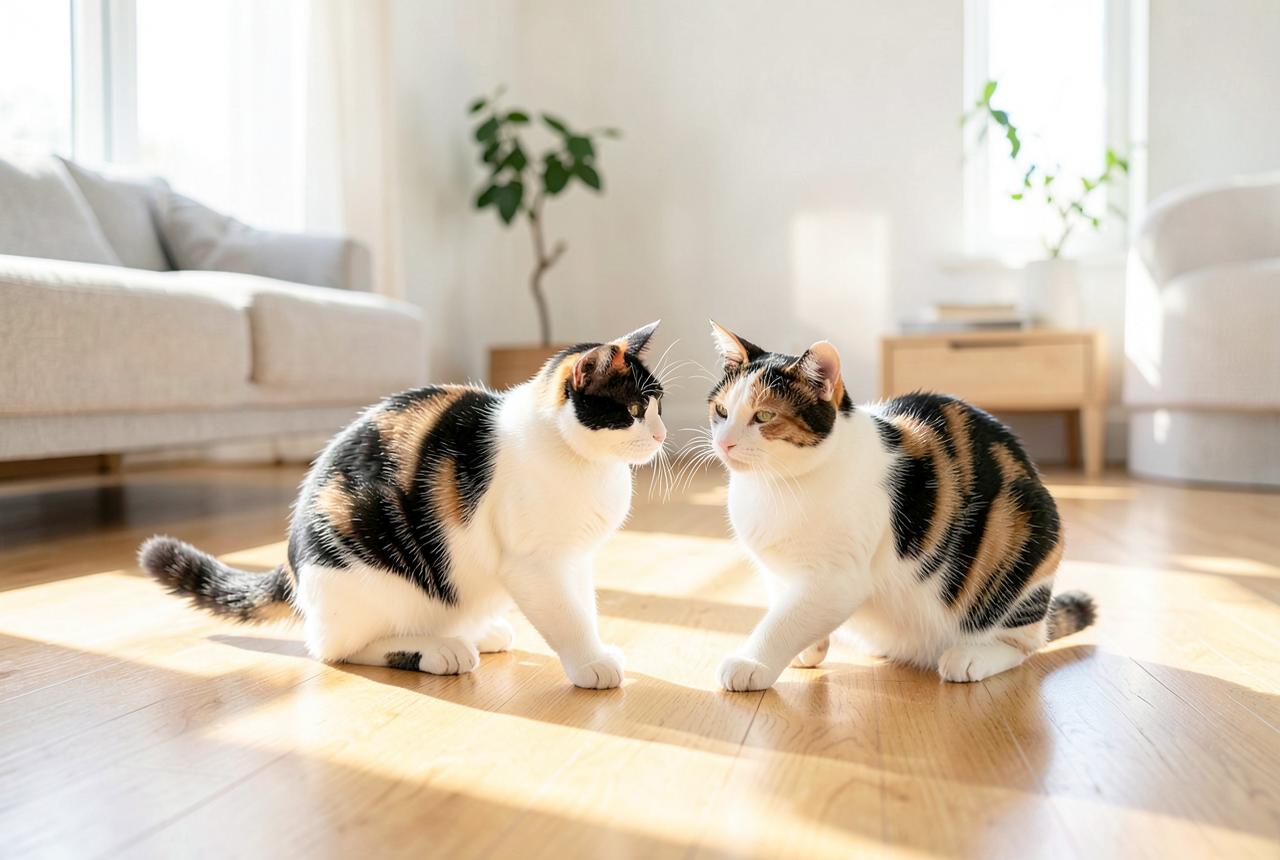
The practical downsides are few but real. The talking never stops. The energy needs somewhere to go, and a Bobtail left alone all day with a bare flat and no company will find a project you did not authorise. They are also strongly social with their own species and generally happier in pairs than alone, this is a breed where two is genuinely easier than one.
What you get in return is a cat that is engaged with everything you do, healthy for its whole long life, and comfortable in exactly the kind of busy household most breeds struggle with.
Bright, chatty and famously easy with children and dogs, and one of the healthiest short-tailed breeds you can buy.
Grooming, realistically
- 1Comb the coat once a week (twice for longhaired cats)
- 2Check and comb out the tail pom-pom, which collects debris
- 3Trim claws every two to three weeks
- 4Brush teeth two or three times a week
- 5Increase combing during the seasonal moult
What you actually need
- Fine-tooth metal comb
- Soft slicker brush for the ruff and pom-pom
- Nail clippers
- Cat toothbrush and enzymatic paste
- Harness and lead for supervised outdoor time
Kitten to adult
| Age | Male | Female | What is happening |
|---|---|---|---|
| 3 months | |||
| 6 months | |||
| 9 months | |||
| 12 months | |||
| Full size |
Ranges are typical, not targets. Judge condition by ribs and waist, and check with the ideal weight checker.
What to ask a breeder
- Have both parents been scanned for heart disease?
- How long do cats in your lines typically live?
- Are any white kittens in the litter hearing-tested?
- How are the kittens socialised with children and dogs?
- Do you recommend homing kittens in pairs?
Health watch-list
What to ask a breeder about, and what to watch for over a lifetime. This is orientation, not veterinary advice, anything you notice belongs in front of a vet.
Broadly robust health
CommonThe breed developed as a natural population with a wide gene pool and has no widespread inherited disease, unusual among pedigree cats.
Hypertrophic cardiomyopathy
UncommonNot breed-specific but worth screening. Ask whether both parents have had a cardiologist scan rather than a stethoscope check.
Congenital deafness in white cats
UncommonLinked to the white coat and blue eyes rather than to the breed. Ask whether white kittens have been hearing-tested.
Tail injury
UncommonThe short tail is made of fused vertebrae and can be sore if knocked or pulled. Teach children to leave it alone.
Dental disease
CommonAs in most cats, gingivitis and tooth resorption are the commonest health issues over a long life. Regular brushing pays off.
Obesity in indoor cats
UncommonA light-framed breed carries excess weight badly. Measure food and score body condition monthly.
What it costs to keep one
Realistic running cost
€77 / month
About €924 a year, or roughly €13,860 across a 15-year life, before purchase price, neutering and one-off vet events.
Before the cat arrives. Budget roughly €850–1600 for trays, carrier, posts, bowls, bedding and grooming kit sized for this breed. Figures throughout are indicative and vary a good deal between countries.
Interactive · built for this breed
Is a Japanese Bobtail right for your home?
Active, chatty and relentlessly sociable, with a bobbed tail that carries none of the Manx's spinal baggage. Five questions on noise, play, company and pace.
Verdict
An excellent match
Play, company and tolerance for noise, this breed asks for exactly what you have.
Keep the weight honest with the ideal weight tool, or compare the alternatives in the matchmaker.
The verdict, by household
One of the best choices available. Confident, playful and genuinely tolerant of noise and handling.
Works well with a tall tree and daily play. The talking carries through thin walls.
Easy, healthy and forgiving. The only surprise is how much it has to say.
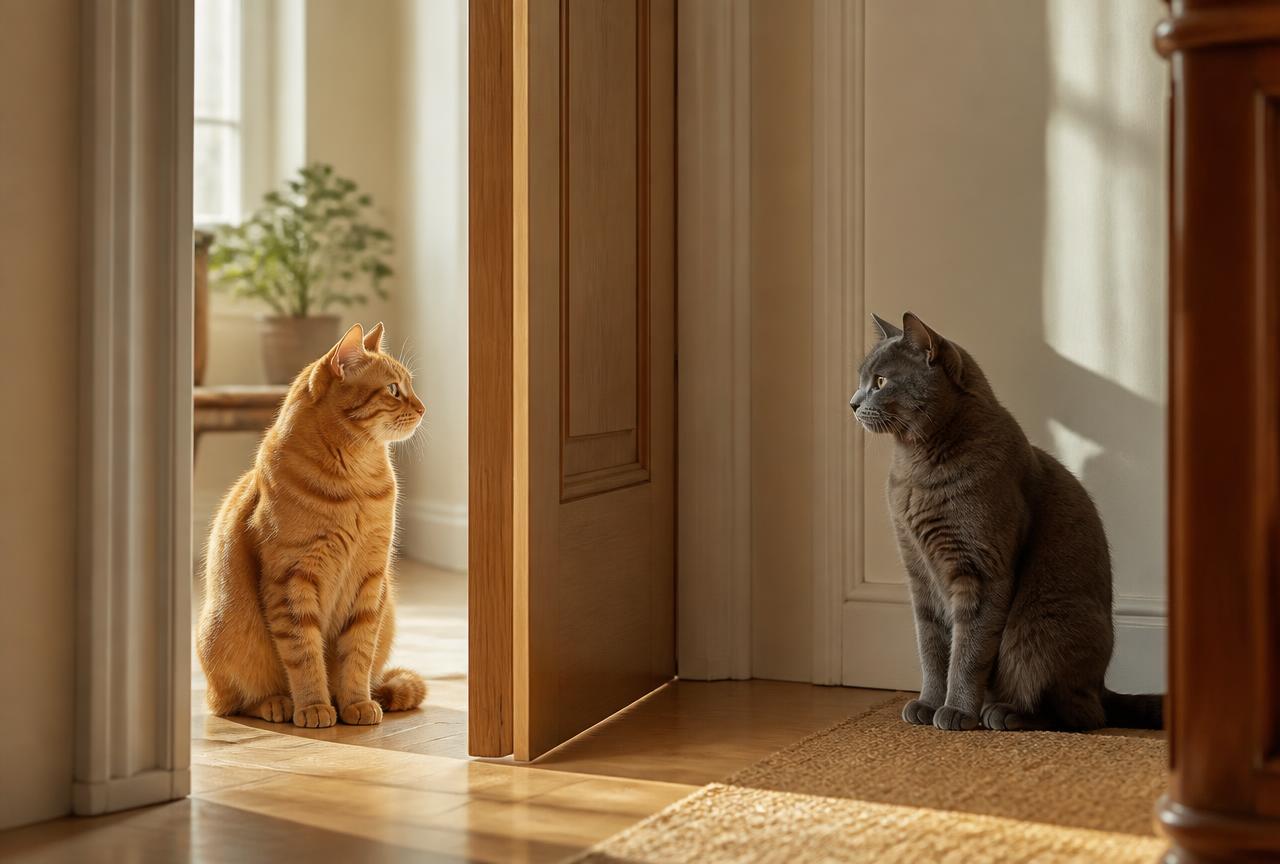
Excellent with dogs and other cats. Often the one making the introductions.
When to call your vet
- A normally talkative cat that suddenly goes quiet
- Reluctance to jump or a change in gait
- Pain or swelling around the tail after a knock
- Weight loss despite a normal appetite
- Coughing or laboured breathing
- No response to sound in a white, blue-eyed cat
Nothing here is a diagnosis. Breathing difficulty, sudden hind-leg weakness and straining to urinate are emergencies, go the same day.
Japanese Bobtail vs the closest alternatives
Japanese Bobtail questions, answered
Is the Japanese Bobtail's short tail linked to health problems?
No. Unlike the Manx, the gene responsible is recessive and affects only the tail vertebrae, not the wider spine. Two Bobtails can safely be bred together, and there is no equivalent of Manx syndrome in the breed.
How long is a Japanese Bobtail's tail?
Usually 5 to 8 cm, made of several kinked or curved vertebrae fused into a rigid shape and covered in longer hair that fans into a pom-pom. Every one is shaped differently, breeders treat them like fingerprints.
Are they as loud as Siamese cats?
They talk far more than most cats but sound completely different. The voice is soft, musical and conversational: chirps, trills and short phrases used back and forth rather than the carrying yowl of a Siamese.
Why are almost all calico Bobtails female?
The calico pattern requires two X chromosomes, so it appears almost exclusively in females. Male calicos occur very rarely through a chromosomal anomaly and are usually sterile.
Should I get one or two?
Two, if you can. This is a strongly social breed that does noticeably better with feline company, particularly in households where everyone is out during the day.
How much grooming does the longhaired variety need?
Less than its appearance suggests. The coat is silky with very little undercoat, so twice-weekly combing is generally enough. Pay attention to the ruff, the britches and the tail pom-pom, which traps litter.
Are they good with dogs?
Unusually good. Bobtails are confident and curious rather than avoidant, and they generally approach a calm dog rather than hide from it. Introduce slowly, as always, but expect the process to be easier than with most breeds.